
Tabelog 100 #1
Our verdict
RUFF places Kyoto’s café-bakery culture in a contemporary register: bread, Western-style sweets, wine, and cocktails rather than the tea-room script visitors often expect. Its 2025 selection for Tabelog Cafe WEST “Tabelog 100” gives it a clear quality signal in a city where casual daytime addresses can be as competitive as formal counters.

Pearl is the En Primeur Club membership app, where members save venues, book tables and use the concierge.
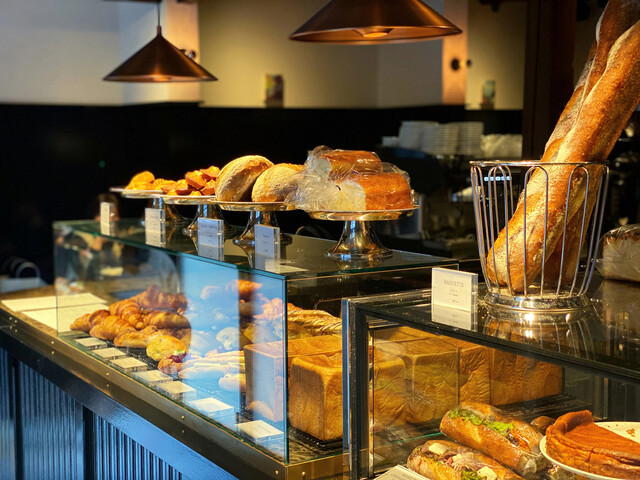
Kyoto’s daily eating life is less ceremonial than outsiders imagine: office workers, temple-bound visitors, shoppers, and local regulars moving through a dense city of small cafés and bakeries. RUFF belongs to that middle Kyoto, not the postcard city of tatami rooms and kaiseki formality. Its point is café culture treated with seriousness: bread, Western-style sweets, and a daytime format suited to local routine and visitor curiosity.
That matters because Kyoto’s casual dining scene is often misread. The city’s reputation rests on restraint, seasonality, and old foodways, yet many strong contemporary addresses work through imported forms: pastry technique, bread craft, café rhythms, and Japanese ingredient sensibility. RUFF sits at that intersection. Its listed category is café, bread, and Western-style sweets. The signal is not a grand tasting menu, but a café format absorbing broader techniques while keeping Kyoto’s compact scale and quiet precision.
Kyoto café culture, seen through bread and Western sweets
The better Kyoto café addresses are not waiting rooms between temples. They operate as small food programs, often baking-led and serious enough to stand as planned stops rather than incidental breaks. RUFF’s 2025 Tabelog Hyakumeiten recognition places it in that competitive tier, where the café label covers a broader craft vocabulary than English suggests. The recognition matters because café awards in Japan tend to reward everyday consistency rather than luxury-dining drama.
The local-global tension is the useful lens. Kyoto has long translated foreign food traditions into local grammar: sweets through Japanese portioning, bread shaped by domestic preferences, Western-style desserts presented with restraint. RUFF’s combination of café, bread, and Western-style sweets belongs to that lineage. It does not replace Kyoto’s older tea and confectionery traditions; it joins the newer layer where bakeries and cafés are serious dining stops.
For visitors building a Kyoto food day, this address plays a different role from dinner. It can sit between sightseeing and a later counter meal, or anchor a slower Kyoto route. The nearby field is broad, with unnamed casual dining, quick local staples, and design-led small restaurants all competing for attention. The distinction is category discipline: café-bakery rather than full restaurant, daytime food culture rather than destination dinner.
Why Kyoto rewards a lower-key stop
Kyoto is not one dining district but overlapping uses. Market traffic, retail movement, transit routines, and office life all feed a restaurant culture that moves between formal and informal registers. That density suits a café that need not perform old Kyoto atmosphere. The stronger move is utility with taste: bread, sweets, and enough recognition to justify choosing it over anonymous coffee stops.
Comparison helps. Some Kyoto dining rooms work in more explicitly European lanes; older sweet traditions show another side of the city’s palate. RUFF occupies the space between: Western-style sweets, Japanese café pacing, and Kyoto convenience. That middle category is easy to underrate, but often where the city feels most current.
The scale of the experience is best understood as café-led rather than ceremony-led. This is neither a counter built around chef theater nor a chain café for pure throughput. It can suit solo visitors, families, and small groups without asking the meal to become a full-service restaurant occasion. That flexibility is useful in a city where weather, temple routes, and hotel check-in times often shape eating rhythms more than appetite.
Kyoto planning benefits from that flexibility. Map RUFF into a Kyoto day, then use Our full Kyoto restaurants guide for dinner structure, Our full Kyoto hotels guide for base selection, Our full Kyoto bars guide for evening drinking, Our full Kyoto wineries guide for regional wine context, and Our full Kyoto experiences guide for cultural scheduling around meals. The smart itinerary keeps café-bakery stops easy and saves cross-town movement for formats that demand it.
The case for a café with restaurant-level signals
Japan’s dining culture gives unusually serious attention to narrow categories. Ramen, curry, coffee, bread, sweets, and unagi each carry specialist rankings, queues, and devoted followings. So a café selection is not background noise. For a Kyoto address working in bread and Western-style sweets, a 2025 Tabelog Hyakumeiten selection is a meaningful marker in a category where consistency, product range, and repeat local use matter more than spectacle.
The editorial call is simple: treat RUFF as a Kyoto daytime food stop with more intent than a convenience break. It is part of the city’s contemporary café-bakery movement, not a substitute for matcha houses, wagashi shops, or kaiseki. Pair it with older sweet traditions for contrast, or use it to reset between heavier restaurant bookings. Either way, it shows a Kyoto comfortable with broader methods when scaled down, locally paced, and folded into the everyday.
For wider Japan planning beyond Kyoto, the comparison is useful. Café and casual-specialist culture differs across the country, from large-city coffee counters to regional bakeries, curry shops, and neighborhood sweets specialists. Even Japanese-influenced formats overseas show how specific casual dining ideas travel. Kyoto’s version is quieter: less declaration, more calibration.
Other Japan itinerary references can pull the trip in different directions, from formal meals to fast casual stops and regional specialties. RUFF’s value is narrower and local: Kyoto gets a credible café-bakery stop with enough recognition to plan around it, without making the meal carry a formal occasion.
Frequently asked questions
What's the address for RUFF?
RUFF is located in Kyoto.
What price level is RUFF?
Pricing at RUFF is listed as JPY 2,000 - JPY 2,999.
Do they take walk-ins at RUFF?
Specific reservation details are not provided here. Plan around RUFF as a Kyoto café, bread, and Western-style sweets stop.
What is RUFF known for?
RUFF is known as a Kyoto café focused on bread and Western-style sweets, with 2025 Tabelog Hyakumeiten recognition.
Cost Snapshot
Comparable venues for context, by category and price tier.
| Venue | Cuisine | Price | Awards | Notes |
|---|---|---|---|---|
| RUFFThis venue (the venue you are viewing) | Bakery Cafe | $10–20 | Tabelog 100 #1 | Not listed |
| Yakitate Pan Manhattan | Japanese neighborhood bakery and sandwich shop | $1–10 | Tabelog 100 #94 | Nakagyō, Japanese neighborhood bakery and sandwich shop |
| FLEUR DE FARINE | Artisanal bakery & sandwich shop | $1–10 | Tabelog 100 #97 | Nakagyō, Artisanal bakery & sandwich shop |
| cafe LEC COURT | Not listed | $10–20 | Tabelog 100 #69 | Nakagyō, Cafe / Yoshoku / Patisserie |
| coneruya | Artisanal Japanese Bakery & Cafe | $1–10 | Tabelog 100 #44 | Nakagyō, Artisanal Japanese Bakery & Cafe |
| Warder | Kyoto artisan bakery & sandwich shop | $1–10 | Tabelog 100 #26 | Nakagyō, Kyoto artisan bakery & sandwich shop |
Recognition history
Dated appearances from independent guides and award organizations, with the underlying list record or original source where available.
Tabelog 100 #1 · No. 1
Tabelog · Tabelog 100 - Cafe - WEST - 2025
Continue exploring
More in Kyoto
Restaurants in Kyoto
All restaurants in Kyoto →
Bars in Kyoto
All bars in Kyoto →
Hotels in Kyoto
All hotels in Kyoto →

Wineries in Kyoto
Browse all →
Details
- Cozy
- Quiet
- Classic
- Casual Hangout
- Solo
- Family
- Brunch
- Standalone
- Sake Program
- A La Carte
- Set Menu
- Specialty Coffee
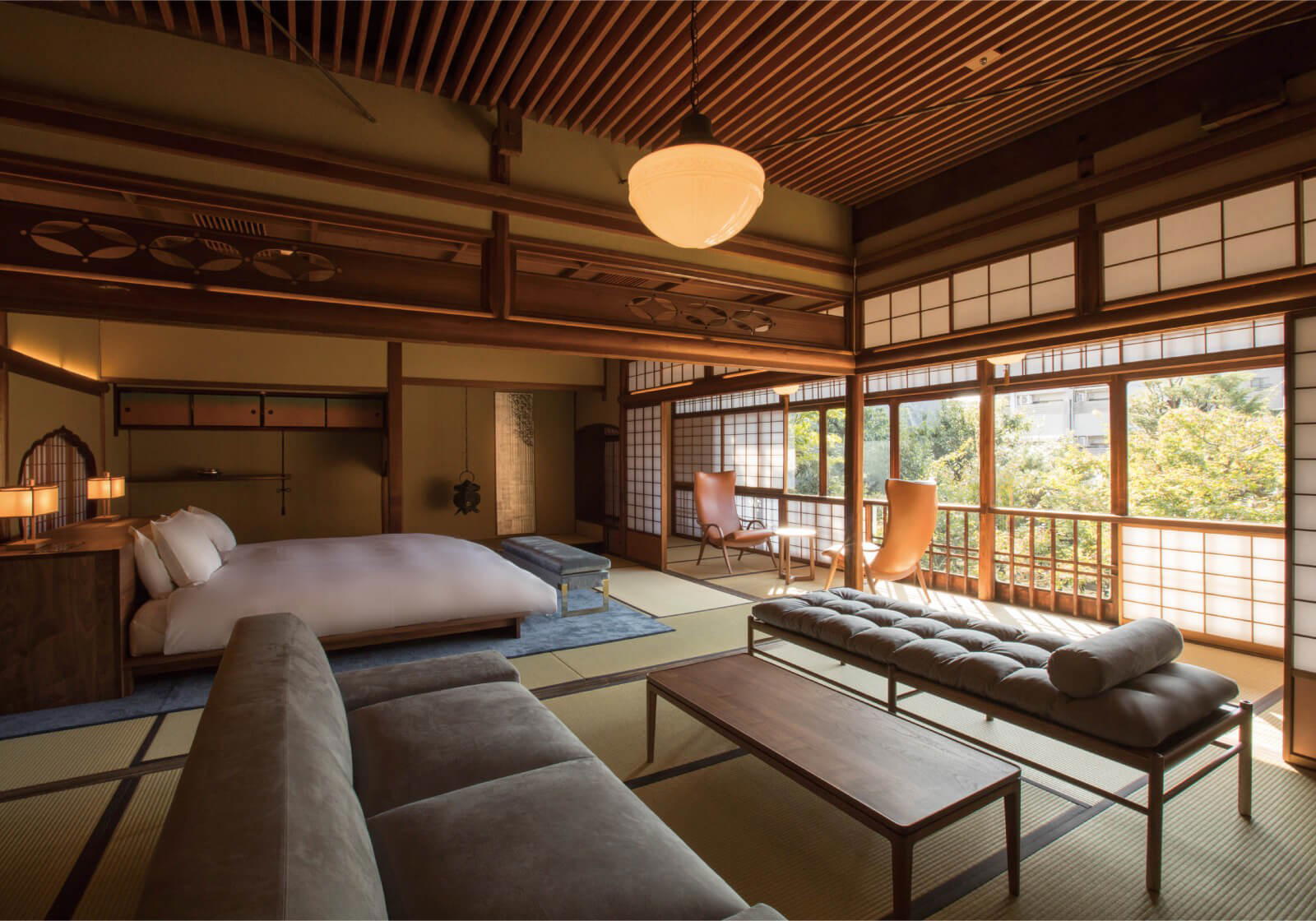
Chic and relaxed, with a renovated townhouse setting that feels cozy and understated rather than loud or formal.