
Michelin Plate
Our verdict
Kamanza Nagashima belongs to Kyoto’s kappo tradition, where seasonality, counter craft, and produce-led cooking matter more than spectacle. In Nakagyo-ku, its appeal sits in the city’s quieter dining register: a couple-run room, close attention to ingredients, and the kind of format that rewards diners who value pacing over performance.

Pearl is the En Primeur Club membership app — saves, bookings, and concierge access live there. Same editors, same standards.
- Address
- 726-5 Shimomatsuyacho, Nakagyo-ku, Kyoto, Kyoto, 604-0034, JPN
- Phone
- +81 75-241-3770
- Website
- guide.michelin.com
- Directions
- Get directions
The menu
What to order
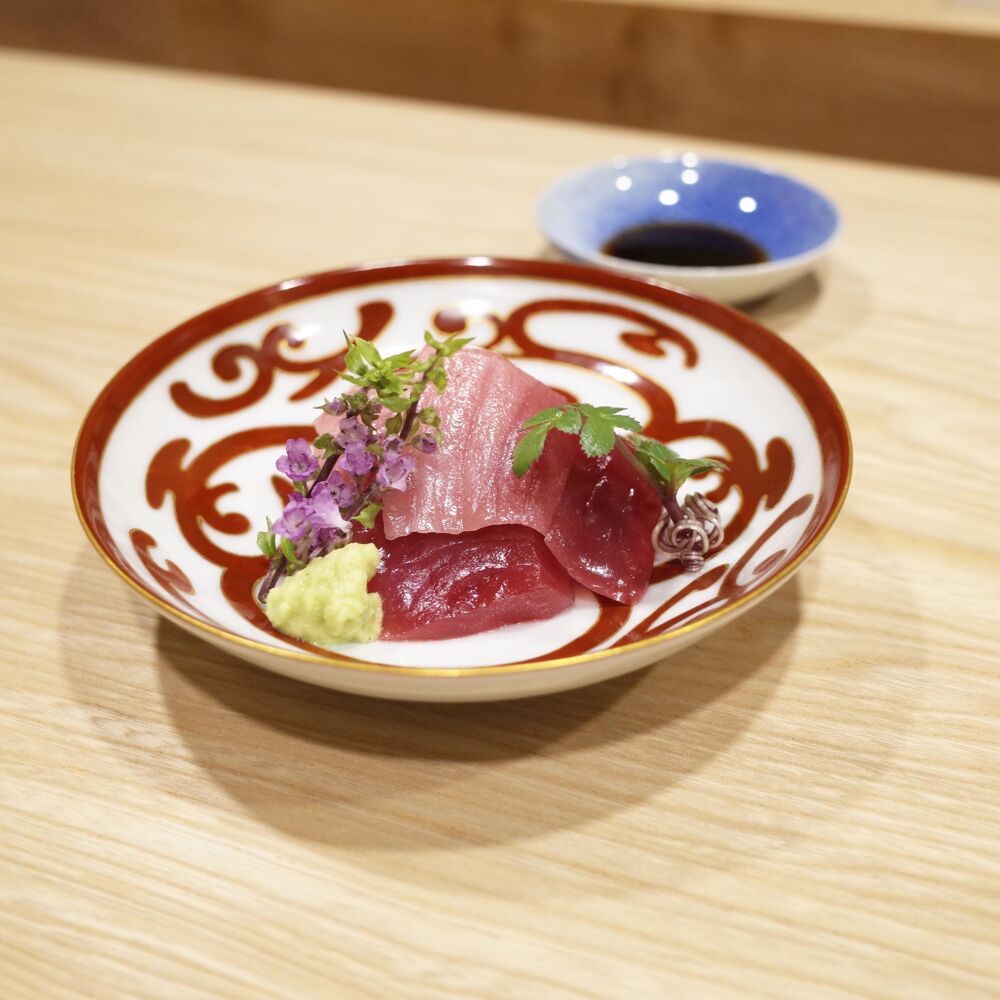
- Seasonal congee or steamed mochi rice starter
- Assorted otsumami with sake
Kyoto’s quieter dining rooms announce themselves with restraint. The point is not theatre but proximity: a composed room, attentive pacing, and a sense that the meal belongs to the city rather than to a generic luxury circuit. Kamanza Nagashima sits in Kyoto, away from the most obvious first-trip dining shorthand, and reads as a more deliberate choice for travellers who want a restaurant evening shaped by calm, focus, and trust between kitchen and guest.
It is best understood through atmosphere rather than spectacle. The experience is framed by what arrives, how the evening is paced, and how directly the meal reflects Kyoto’s preference for subtlety. That matters in Kyoto because the city’s dining culture often rewards attention over display. A restaurant recognised by Michelin with a MICHELIN Plate fits that restrained register better than the louder luxury grammar now common in global dining capitals.
Kyoto dining, read through ingredients rather than ceremony
The city’s restaurant culture splits along several lines: long-established dining traditions, casual counters, kissaten, sweet shops, bakeries, and compact rooms where the meal feels guided by the kitchen rather than by a fixed tourist script. Kamanza Nagashima belongs to the quieter side of that spectrum. The distinction is useful for travellers because it offers a focused Kyoto restaurant experience without requiring every evening to be framed as a grand ceremonial occasion, while still asking diners to pay attention to pace, sequence, and tone.
Attention is the real lens. Kyoto dining can treat restraint as a mark of seriousness, not as a lack of ambition. In that context, a restaurant succeeds when it lets the meal speak clearly instead of burying it under luxury cues. The format also changes the social temperature. A quieter room can feel more intimate than a louder formal dining room, but it is not automatically casual; the calm is part of the discipline.
That makes the comparison set unusually broad. A traveller using our full Kyoto restaurants guide will find inexpensive local staples, French-leaning rooms, tea specialists, and formal Japanese dining occupying the same map. Kissa Madrague and Le Petitmec Oike ten speak to Kyoto’s everyday café and bakery habits, while Kyoryori Fujimoto sits closer to the city’s formal Japanese register. Kamanza Nagashima is better understood between those poles: more focused than a casual stop, less dependent on grand posture than a full formal occasion.
Kyoto rewards slower dining decisions
Kyoto is useful because it places dinner within real city life rather than postcard shorthand alone. The city contains working streets, residential pockets, shopping corridors, and side streets where dining can feel more habitual than staged. That character suits a restrained meal. The evening does not need a landmark view or a famous façade; it needs a clear sense of purpose and a room quiet enough for the sequence to register.
For travellers building a Kyoto itinerary, the practical decision is not only where to eat but what kind of evening to protect. This is a better fit for a measured night than a high-energy group dinner. Kyoto has plenty of quicker food routes, from casual counters to long-running sweets traditions. A reservation at Kamanza Nagashima asks for a different tempo: fewer stops, less rushing, and attention to the meal over volume.
The surrounding city context helps sharpen the choice. Contemporary Kyoto dining ranges from compact modern rooms to casual urban addresses, while other dining in Japan and beyond can express Japanese hospitality and restaurant craft in very different ways. Kamanza Nagashima should not be flattened into that wider category. Its appeal is local to Kyoto: a quieter, more focused meal that gives the city’s dining habits room to breathe.
How to place it in a Kyoto trip
Kamanza Nagashima works for diners who want a Kyoto restaurant evening at close range and do not need a dining room to explain itself through spectacle. Its Kyoto setting also makes it easy to pair with a broader city plan, though the meal itself should be treated as the anchor rather than a stop between attractions. For hotels, bars, wineries, and cultural planning around the same trip, use our full Kyoto hotels guide, our full Kyoto bars guide, our full Kyoto wineries guide, and our full Kyoto experiences guide.
The editorial case is clear: choose it for the restrained pacing, the ingredient-first impression, and the quieter side of Kyoto dining. Kyoto can overwhelm visitors with famous categories and inherited etiquette. A focused room narrows the field. It asks a simpler question: what kind of evening does the diner want, how much attention are they willing to give it, and how much of the city can be understood through one carefully paced meal?
Frequently asked questions
Is Kamanza Nagashima child-friendly?
Quiet dining in Kyoto usually suits older children better than very young ones, especially at a place like Kamanza Nagashima. Confirm suitability directly when booking, as the experience is better approached as a seated, attentive meal than a casual drop-in stop.
Is Kamanza Nagashima better for a quiet night or a lively one?
It reads as a quiet-night choice. Kamanza Nagashima in Kyoto points to a close-range, measured meal rather than a high-energy room.
What kind of recognition has Kamanza Nagashima received?
Kamanza Nagashima has received Michelin recognition with a MICHELIN Plate.
Where is Kamanza Nagashima in Kyoto?
Kyoto.
How far ahead should I plan for Kamanza Nagashima?
Plan ahead if you want a specific evening in Kyoto. Kamanza Nagashima is best treated as a deliberate dinner booking rather than a spontaneous stop.
What is Kamanza Nagashima known for?
It is known as a restrained Kyoto dining choice with an ingredient-led, seasonal feel. That places Kamanza Nagashima within the city’s quieter dining tradition.
What if I have allergies at Kamanza Nagashima?
Allergies need to be raised before service at Kamanza Nagashima. Clarity about ingredients matters because the meal is likely to be experienced as a paced sequence rather than a casual à la carte stop.
Quick Comparison
Comparable venues by cuisine and price in the same metro.
| Venue | Cuisine | Price | Awards |
|---|---|---|---|
| Kamanza Nagashima | Traditional Japanese Kappo | Not listed | 1 Michelin Star |
| Kissa Madrague | Japanese Kissaten / Café | $10–20 | Tabelog 100 |
| Le Petitmec Oike ten | Traditional French bakery & café | $10–20 | Tabelog 100 #12 |
| Kyoryori Fujimoto | Traditional Kyoto Kaiseki | $50–100 | 1 Michelin Star |
| Marukyu Koyamaen Nishinotouin ten | Traditional Japanese tea house & sweets cafe | $10–20 | Tabelog 100 #39 |
Recognition history
Dated appearances from independent guides and award organizations, with the underlying list record or original source where available.
Michelin Plate
Michelin
Continue exploring
More in Kyoto
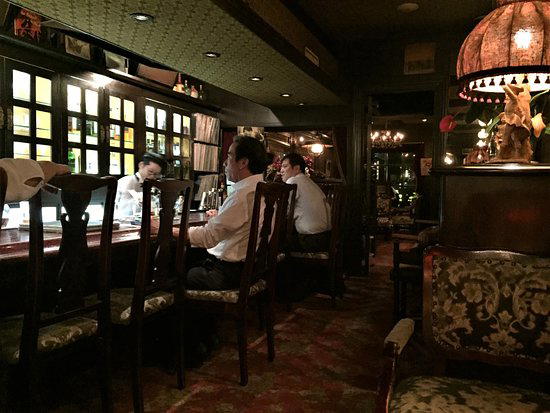
Restaurants in Kyoto
Browse all →

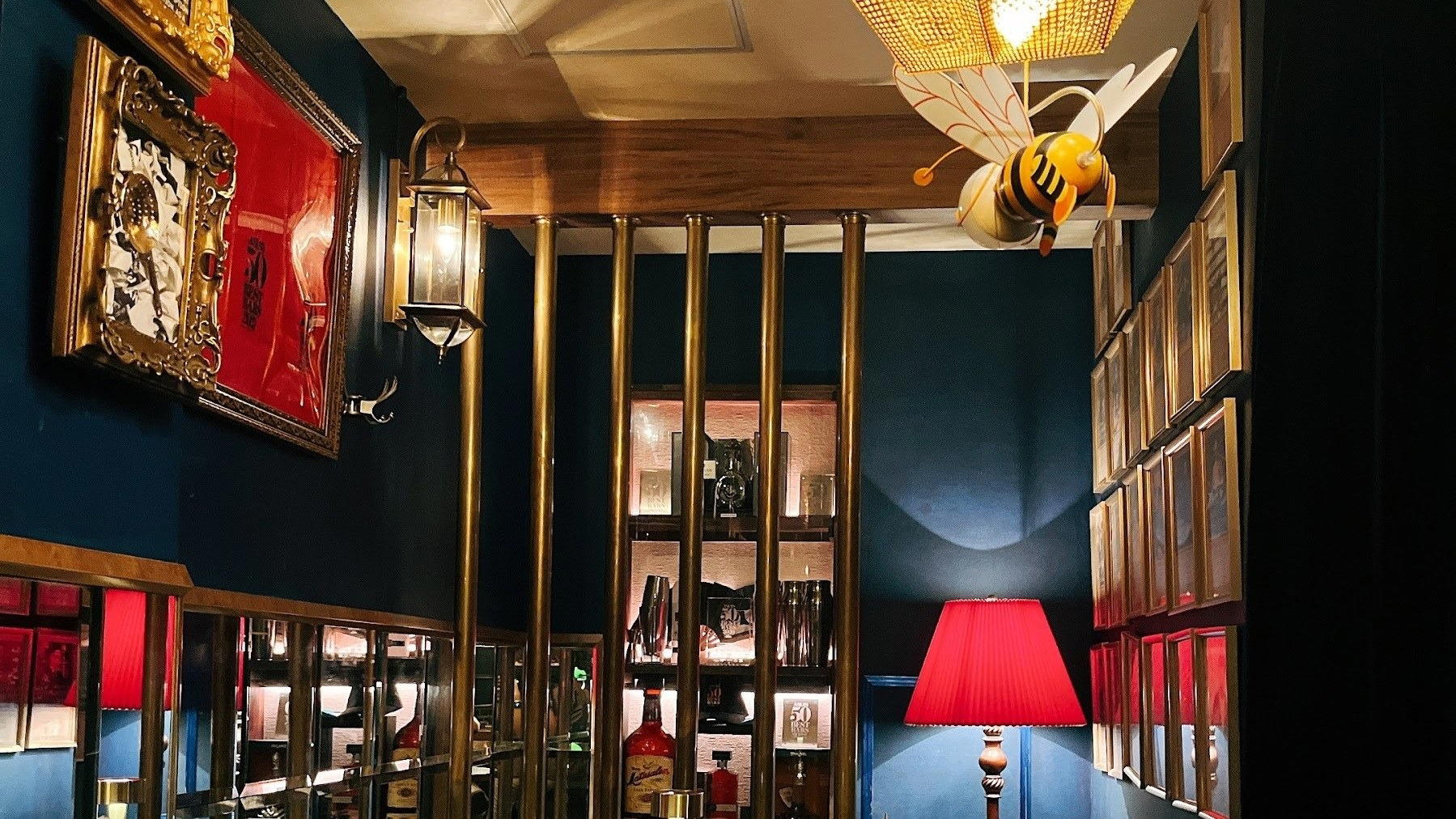
Bars in Kyoto
Browse all →


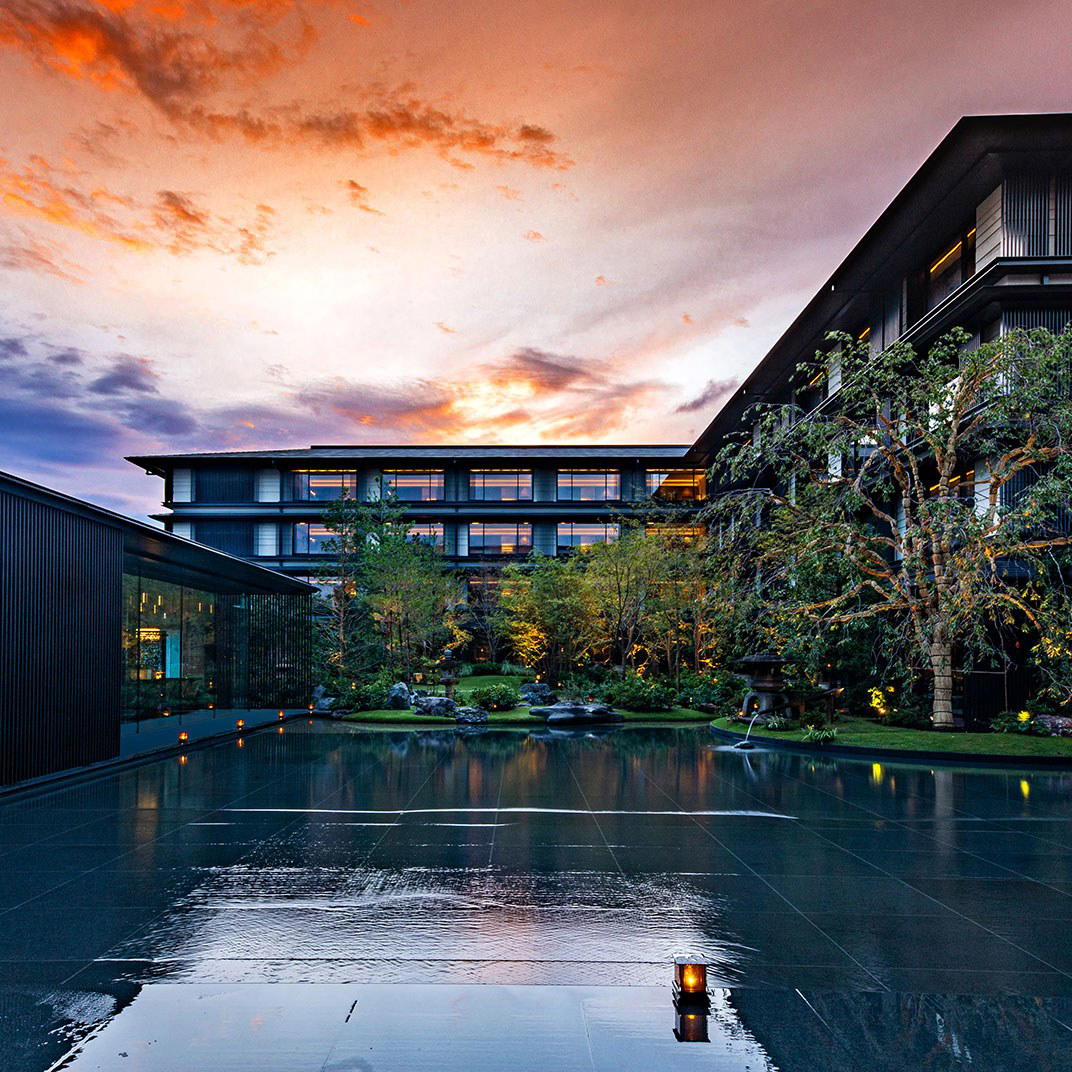
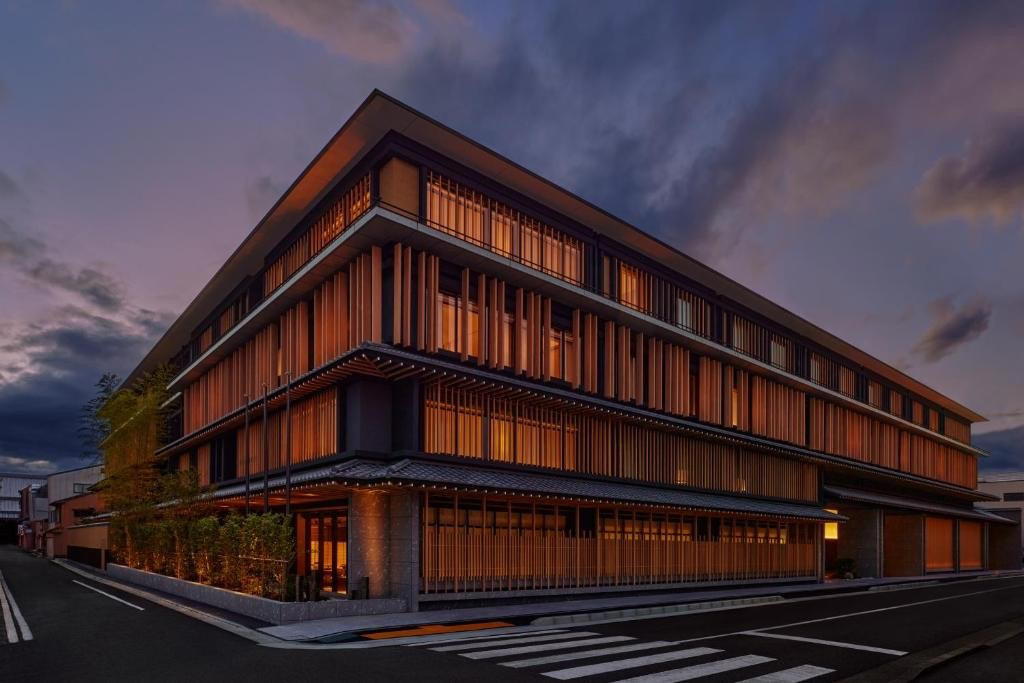
Hotels in Kyoto
Browse all →


Wineries in Kyoto
Browse all →
Details
- Intimate
- Cozy
- Classic
- Date Night
- Special Occasion
- Business Dinner
- Solo
- Chefs Counter
- Standalone
- Design Destination
- Sake Program
- Local Sourcing
- Tasting Menu
- Counter Dining
- Set Menu
- Sake
- Beer
- Tea
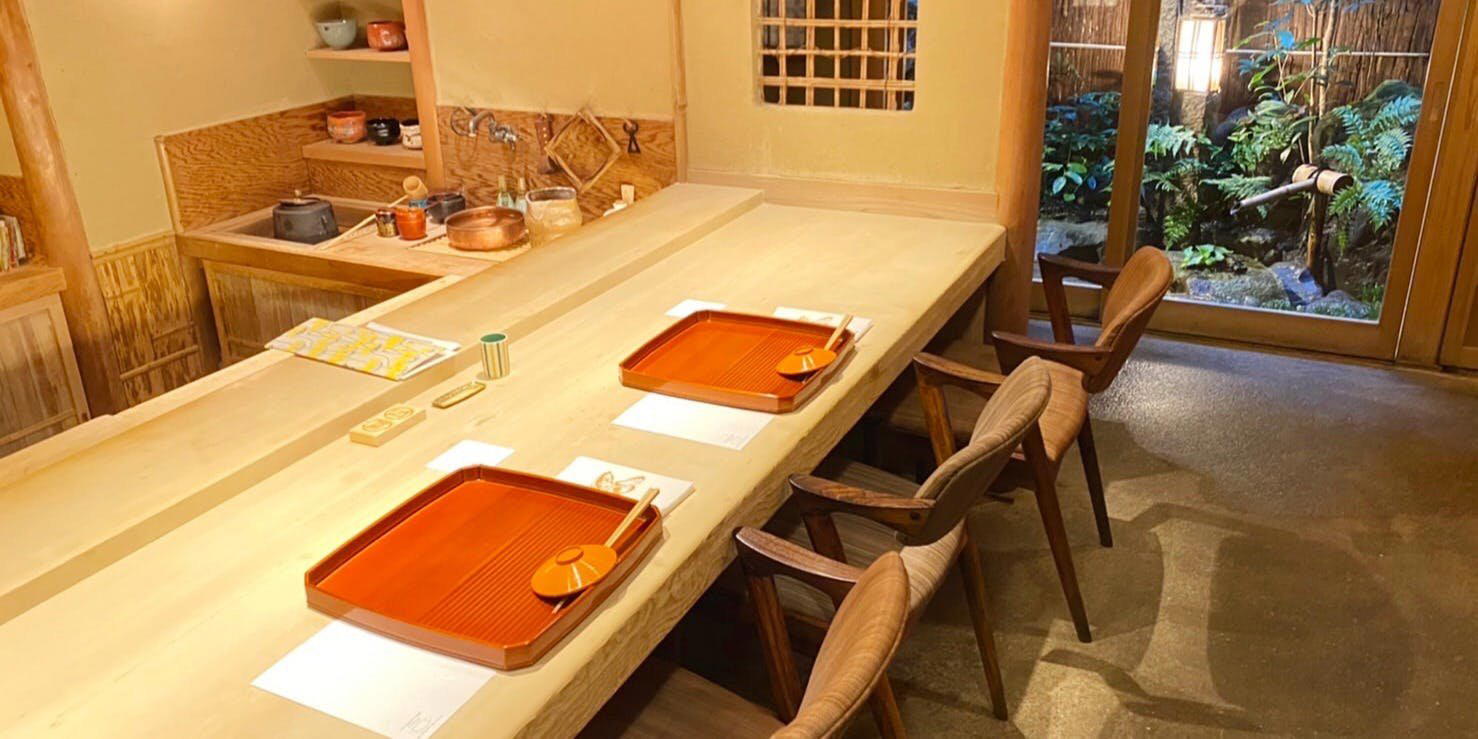
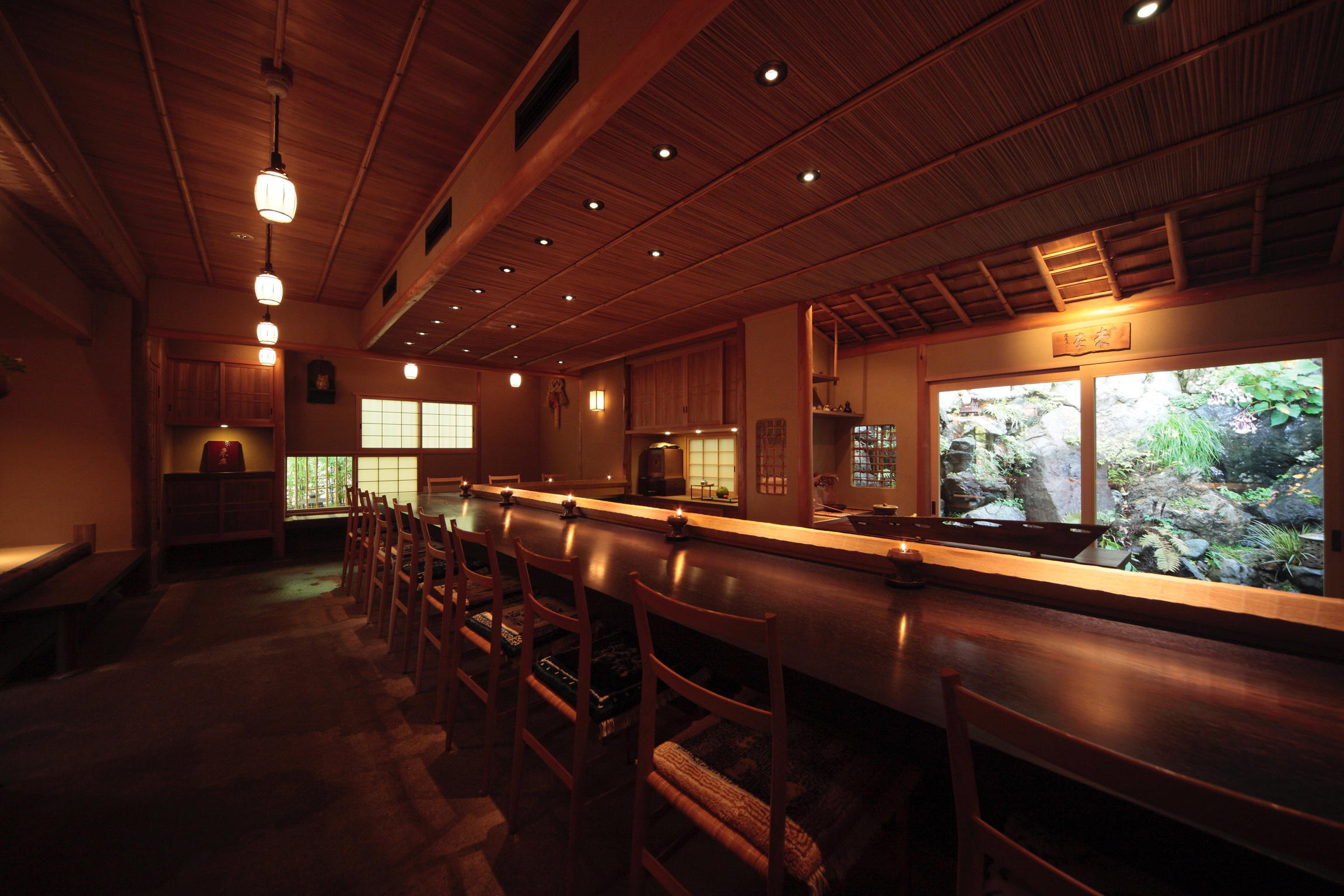
Warm and quietly understated, with a small counter and tatami seating that create a serene, home-like atmosphere where the hosts’ personal attention is the focus rather than elaborate décor or theatrics.