Our verdict
Epoque Restaurant operates within Bucharest's growing fine-dining tier, where Romanian culinary tradition meets contemporary technique. The restaurant sits in a city increasingly attracting international food attention, alongside peers like Kaiamo and Blank. Specific booking, pricing, and menu details should be confirmed directly with the venue before visiting.

Pearl is the En Primeur Club membership app — saves, bookings, and concierge access live there. Same editors, same standards.
- Address
- Bucharest, Romania
- Directions
- Get directions
Bucharest's Fine-Dining Moment, and Where Epoque Fits
Bucharest has been quietly reshaping its restaurant identity for the better part of a decade. The city that international visitors once associated primarily with communist-era architecture and cheap beer has developed a serious upper tier of restaurants, where Romanian ingredients — wild mushrooms from Transylvania, Danube Delta fish, heritage breed pork — are being treated with the same technical care you'd expect in Prague or Warsaw. Epoque Restaurant operates within that upper bracket, in a city where the gap between a casual neighbourhood meal and a considered fine-dining experience has narrowed considerably.
The broader Romanian fine-dining scene draws from two competing impulses: a desire to honour deeply rooted peasant-kitchen traditions, and an appetite for European technique acquired through training stints in France, Spain, and Germany. The restaurants that have attracted the most sustained attention in Bucharest tend to hold both impulses at once, rather than resolving the tension in favour of one or the other. That balancing act defines the more interesting dining addresses in the capital, and it frames how a restaurant like Epoque positions itself against peers.
Bucharest's Restaurant Tier and the Venues Around It
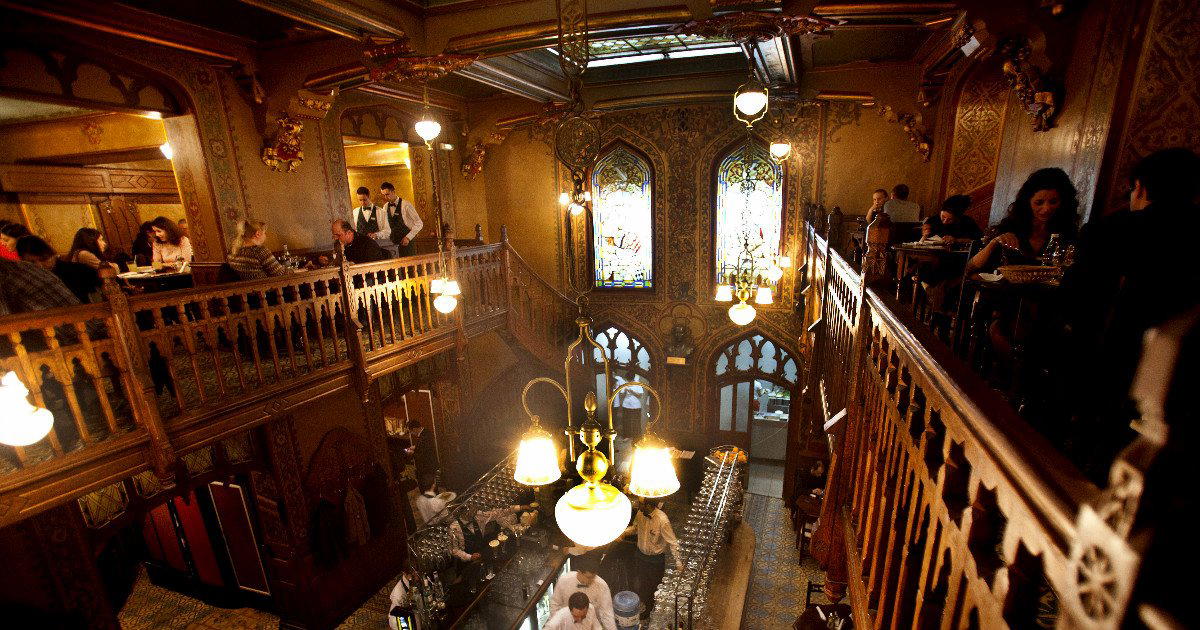
To understand where Epoque sits, it helps to map the broader Bucharest scene. Kaiamo has become one of the most discussed addresses in the city for its commitment to Romanian produce and fermentation-forward technique. Blank operates in a more contemporary European register. Caru' cu bere, the 19th-century beer hall on Stavropoleos Street, anchors the heritage end of the spectrum with its neo-Gothic interior and long-standing position in the city's dining mythology. Restaurant Seoul signals how far Bucharest's appetite for international cuisine has grown. Epoque sits somewhere in this field, its name suggesting a particular aesthetic sensibility, one oriented toward period elegance and deliberate formality, though the specifics of its menu and format should be confirmed directly with the restaurant.
For a fuller picture of where Bucharest's restaurant scene stands right now, the EP Club Bucharest restaurants guide maps the city's current tier more thoroughly.
The Cultural Weight of Romanian Cuisine
Romanian food carries more cultural freight than its international profile suggests. The cuisine sits at a crossroads of Ottoman, Austro-Hungarian, and Slavic influence, with dishes like sarmale (cabbage rolls slow-cooked with pork and rice) and mămăligă (polenta, the historical staple of peasant kitchens) forming a foundation that has remained largely intact through decades of political upheaval. The communist period, paradoxically, both suppressed access to quality ingredients and preserved a kind of enforced culinary simplicity that the current generation of chefs is now reinterpreting with access to better-quality raw material than their predecessors had.
The restaurants that handle this inheritance most credibly tend to resist the temptation to over-modernise. The more compelling direction in Romanian fine dining at the moment involves treating traditional technique, slow braises, fermented dairy, wood-fired cooking, as the methodology rather than the decoration, while sourcing from the specific regional microclimates that give Romanian produce its character. Whether Epoque takes that approach or leans toward a more European-facing menu is something a booking inquiry will clarify faster than any description can.
What the Name Signals About the Space
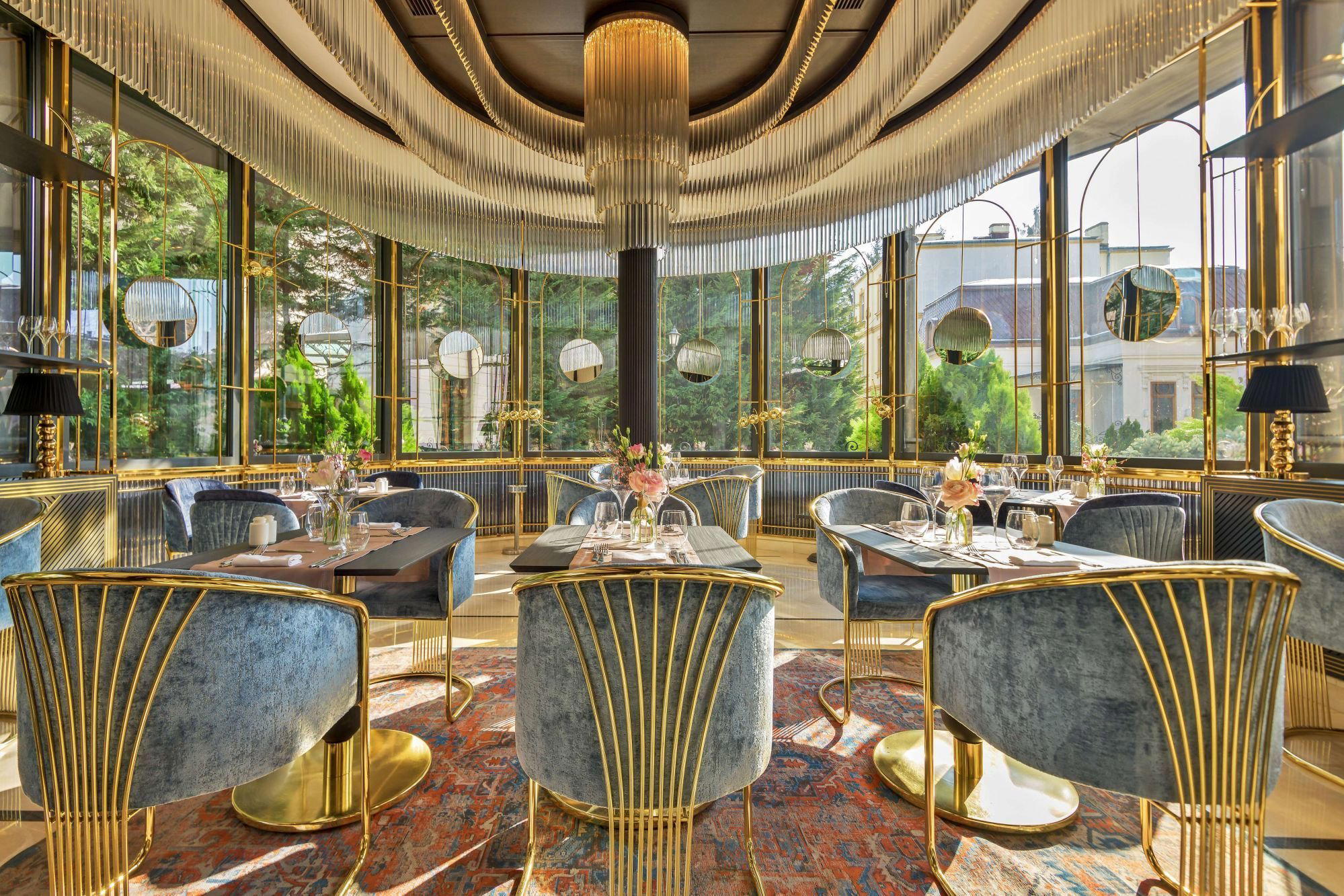
A restaurant named Epoque in a city like Bucharest is making a particular architectural and aesthetic claim. Bucharest's inter-war period, the years between the wars when the city earned its reputation as the Paris of the Balkans, produced a layer of buildings, cafés, and social institutions that still define the most atmospheric parts of the centre. A name that evokes that era suggests the restaurant is either occupying a period building, referencing that aesthetic in its interiors, or both. Bucharest has enough surviving pre-war fabric in neighbourhoods like Floreasca, Dorobanți, and around the old city centre to support this kind of positioning credibly.
Visitors arriving for the first time should understand that Bucharest's fine-dining restaurants are spread across a relatively compact geography but unevenly distributed between the old centre, the quieter residential neighbourhoods north of the ring road, and the newer commercial developments to the west. Confirming the precise address and the nearest metro or tram connection before arrival saves time in a city where ride-hailing apps tend to be more reliable than taxis flagged from the street.
Planning a Visit
Bucharest's better restaurants now operate on advance booking as a baseline assumption rather than a walk-in exception, particularly on Thursday through Saturday evenings. Reaching out via the restaurant's website or reservation platform at least a week ahead is the standard approach at this tier. Dress expectations in Bucharest's upper-mid and fine-dining bracket tend toward smart-casual as a floor, with formal dress neither required nor out of place at the more established addresses. Confirming both booking policy and any tasting menu format directly with Epoque before visiting will avoid the frustration of arriving without a reservation during a busy period.
For those building a broader Romania itinerary, the country's restaurant scene extends well beyond the capital. Artegianale in Brasov represents the growing confidence of Transylvanian dining. Kupaj Fine Wines and Gourmet Tapas in Cluj-Napoca pairs regional wine with a tapas format that has found an audience in Romania's second city. Andalu Gastrobar in Iasi reflects how Moldova-adjacent northeastern Romania is developing its own dining identity. Further afield, STUP in Simon has attracted attention for its setting in rural Transylvania. Other addresses worth knowing include Epoca Steak house in Craiova, L'ATELIER in Bucharest, Bistro Caffe Moțu in Baia Sprie, Butterfly Events in Chiscani, Cafeneaua Nației in Ploiesti, Cartofisserie in Suceava, and Cartofisserie in Timisoara. For international reference points in the fine-dining tier, Le Bernardin in New York City and Lazy Bear in San Francisco represent the kind of format discipline and ingredient focus that the upper end of Romanian dining is increasingly oriented toward.
Frequently asked questions
Is Epoque Restaurant a family-friendly restaurant?
Epoque's positioning within Bucharest's fine-dining tier points toward adult-format dining rather than family meals. Restaurants at this level in București typically maintain a formal pace and atmosphere that works against younger diners. Families visiting the city with children are generally better served by mid-tier addresses rather than the upper restaurant tier where Epoque operates.
What should I expect atmosphere-wise at Epoque Restaurant?
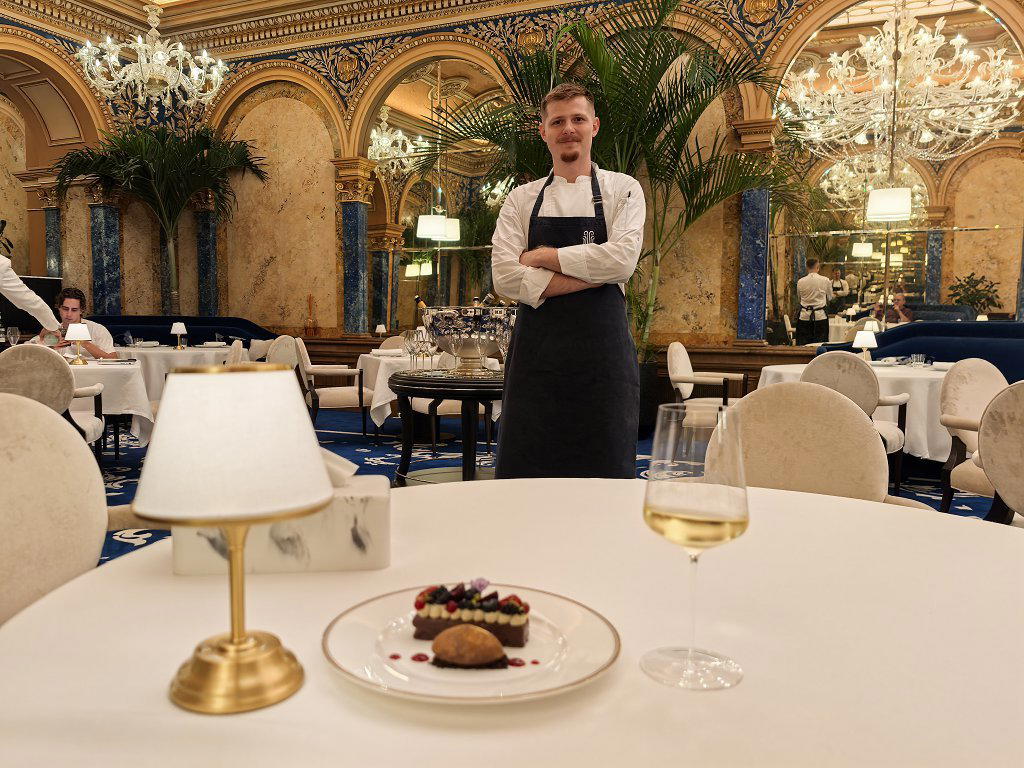
The name alone places Epoque in a specific Bucharest tradition: the inter-war period aesthetic that shaped the city's architecture and self-image between the wars. Bucharest has several addresses in this register, including the landmark Caru' cu Bere, and restaurants that draw on this heritage tend toward formal room layouts, considered lighting, and a quieter register than contemporary open-kitchen formats. Expect a setting oriented around the meal as an occasion rather than a social backdrop.
How does Epoque Restaurant compare to other fine-dining options in Bucharest for a special occasion dinner?
Within Bucharest's upper dining tier, Epoque's name and positioning suggest a more period-formal experience than newer addresses like Kaiamo, which has drawn attention for its contemporary Romanian approach. For a special occasion in București, the choice between them is partly a question of register: Epoque signals an older, more architectural tradition, while the city's newer openings lean toward modern tasting-menu formats. Advance booking across all of Bucharest's serious restaurants is now standard, particularly from Thursday through Saturday.
What dish is Epoque Restaurant famous for?
Romanian fine-dining restaurants in București at this positioning typically anchor their menus in reinterpreted national ingredients — slow-cooked preparations, foraged elements, and preserved or fermented components that reflect the Ottoman, Austro-Hungarian, and Slavic threads running through Romanian culinary tradition. Contacting the restaurant directly before visiting is the reliable way to understand the current menu direction.
Pricing, Compared
| Venue | Cuisine | Price | Awards |
|---|---|---|---|
| Epoque RestaurantThis venue — the venue you are viewing | Modern Romanian | $50–100 | Not listed |
| Caru' cu bere | Traditional Romanian | $20–30 | Not listed |
| Kaiamo | Modern Romanian Fine Dining | $50–100 | Wine Spectator Award of Excellence |
| Restaurant Seoul | Authentic Korean Barbecue | $20–30 | Not listed |
| Blank | Traditional Romanian | $20–30 | Not listed |
Continue exploring
More in Bucharest
Restaurants in Bucharest
Browse all →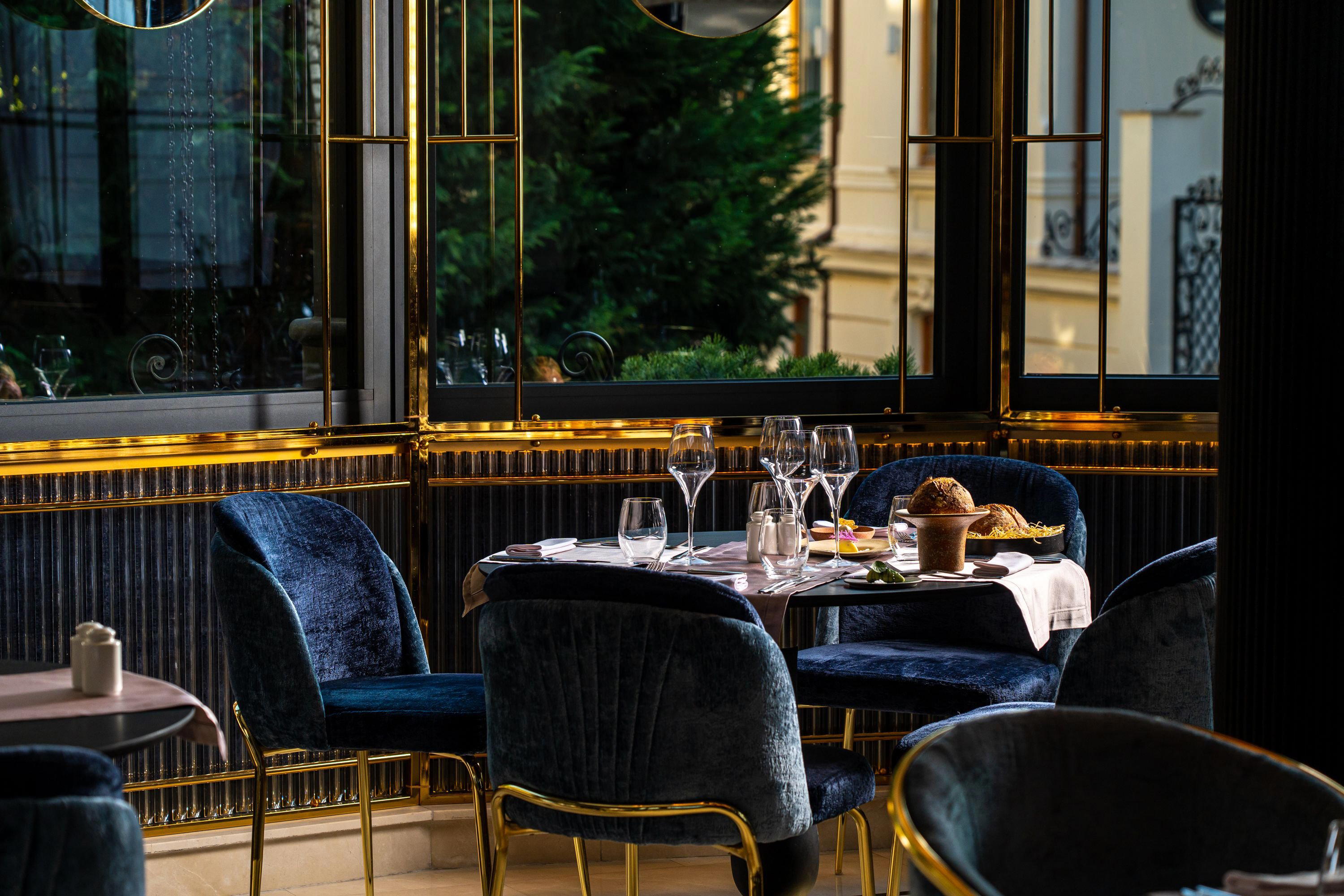
Bars in Bucharest
Browse all →
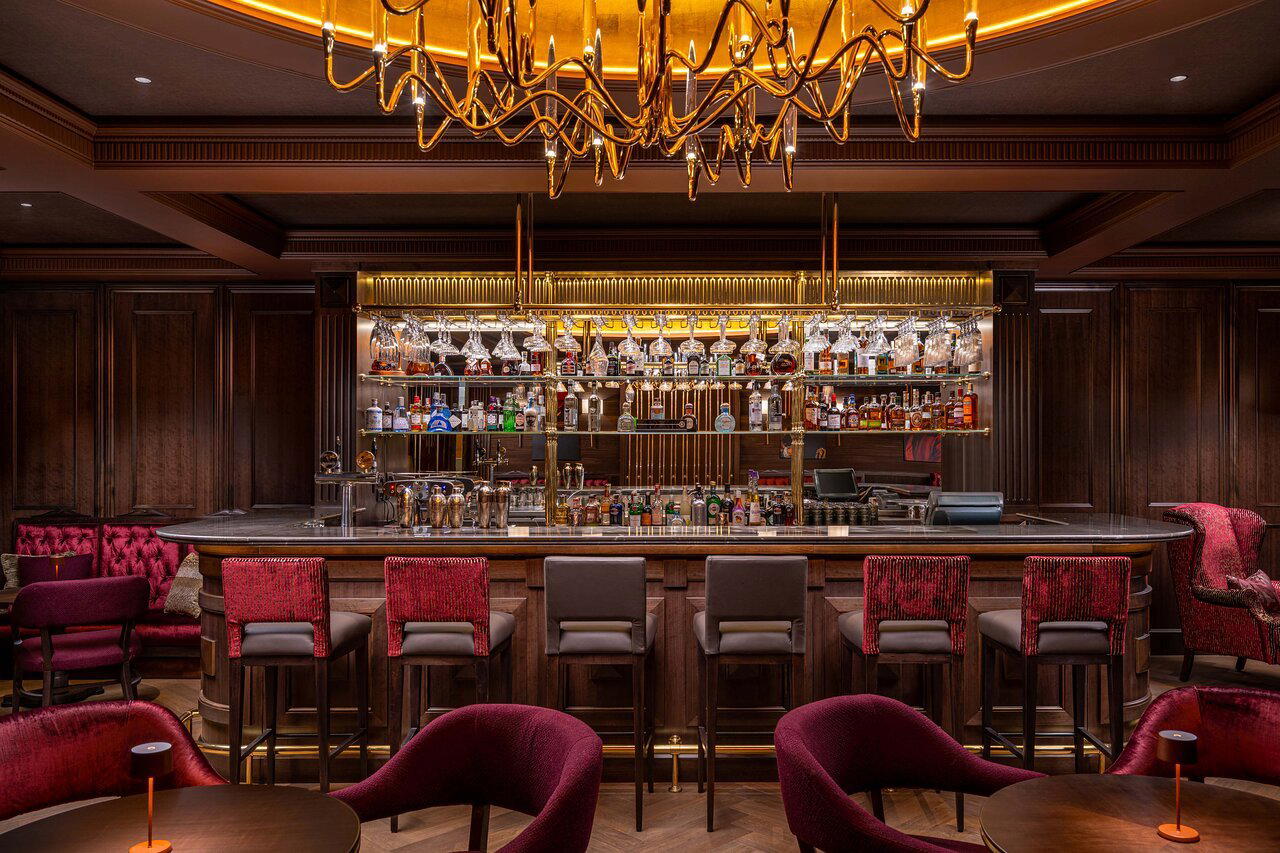
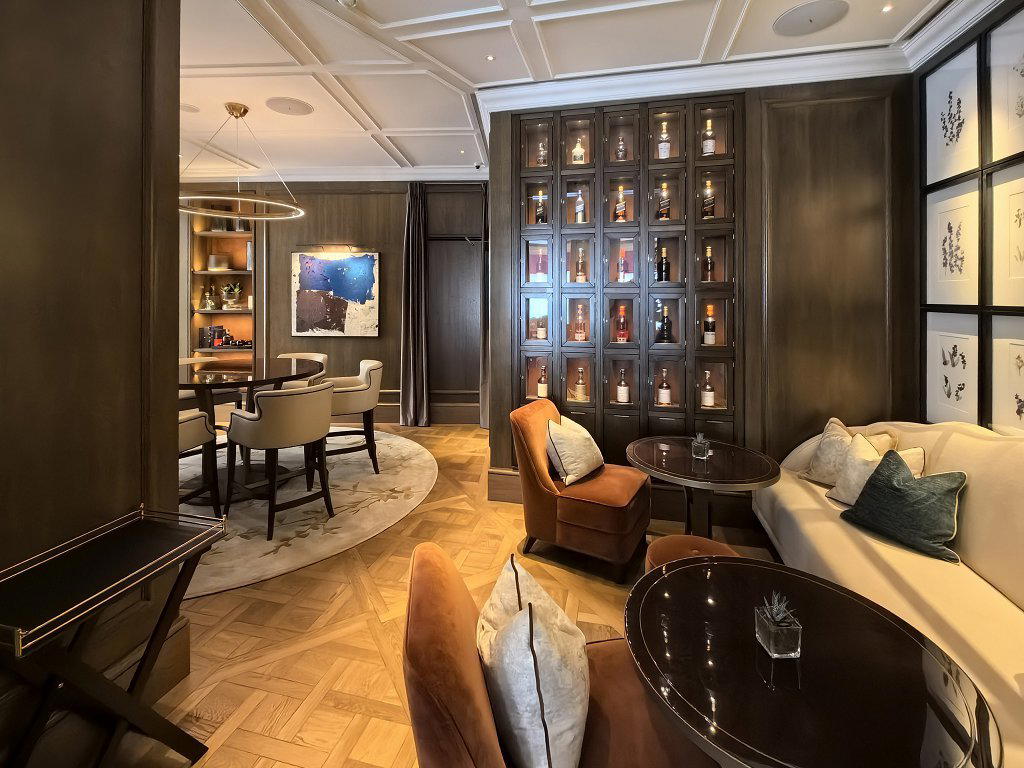
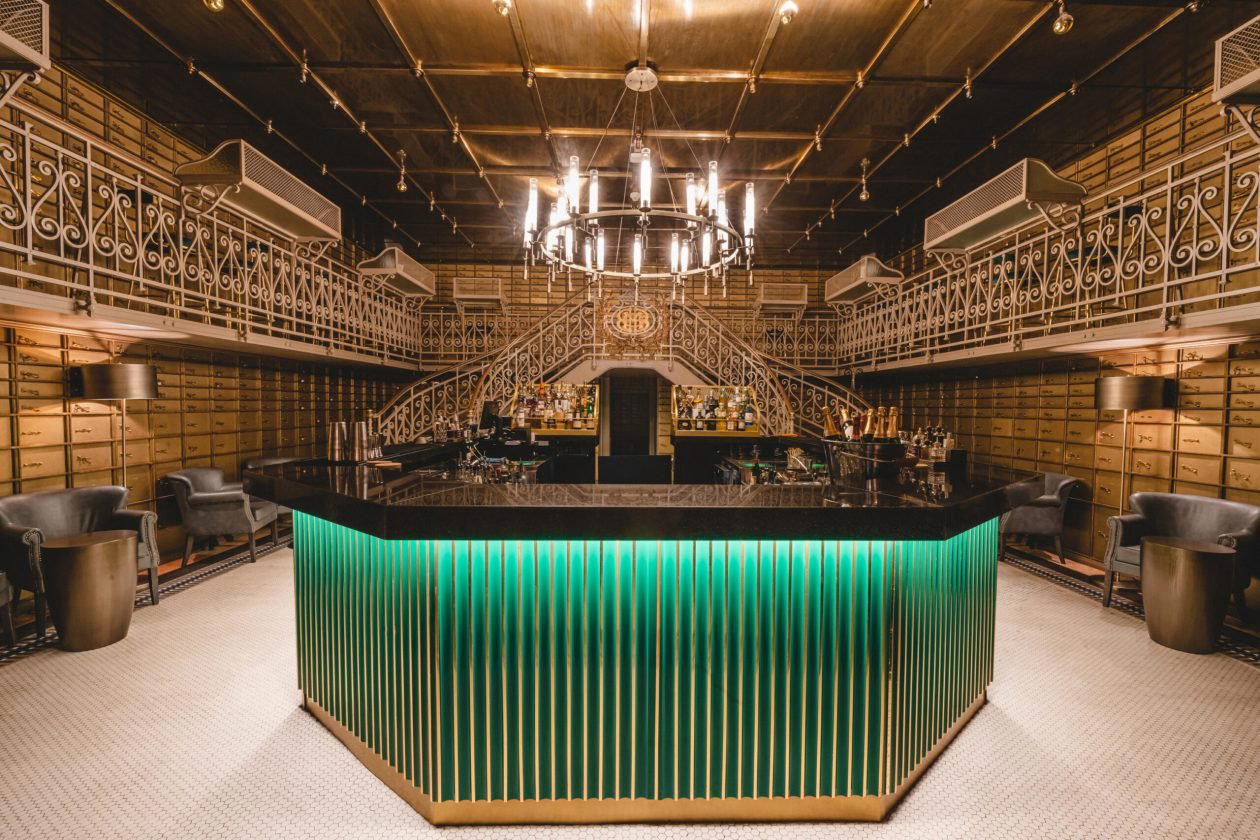
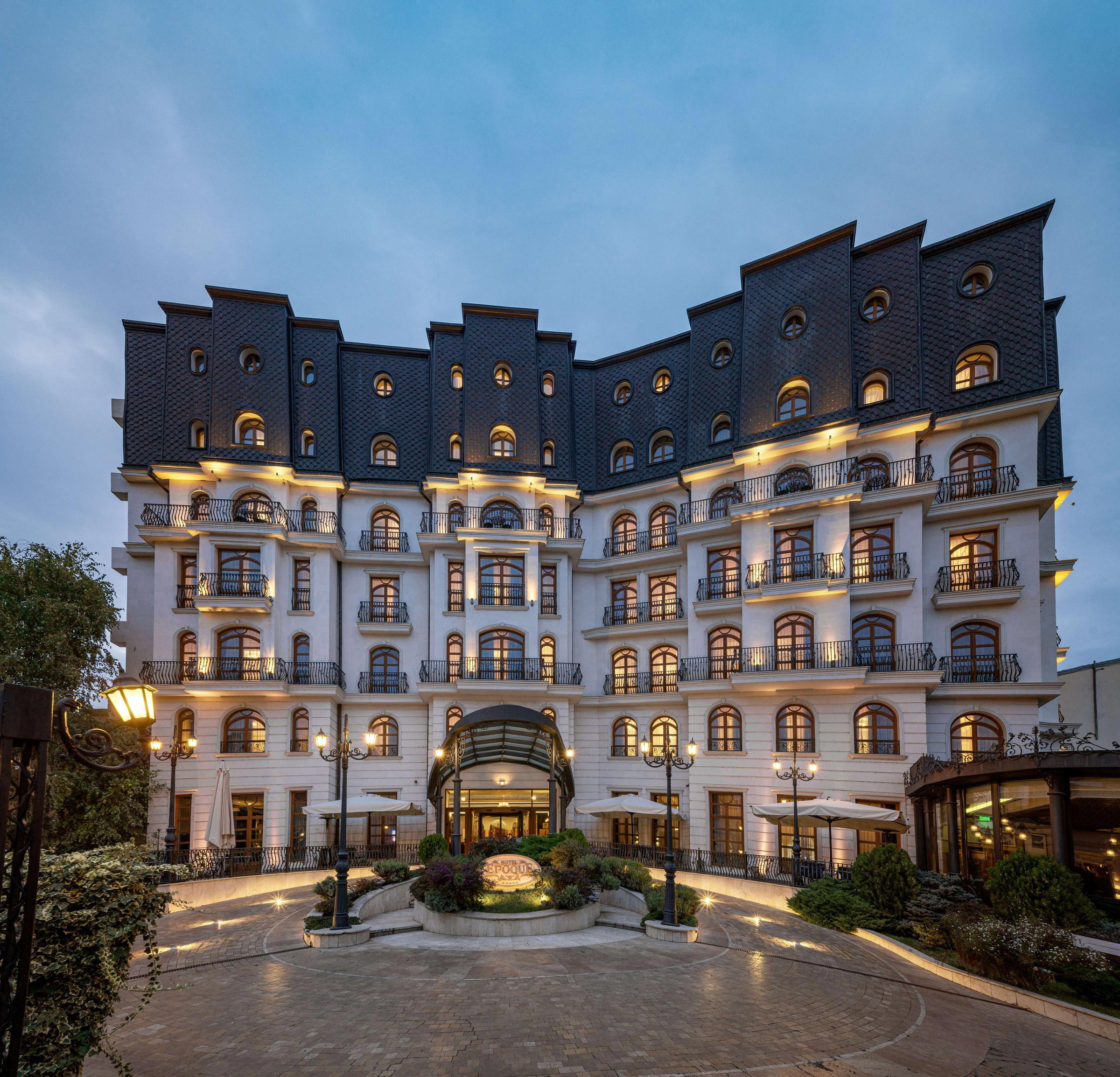
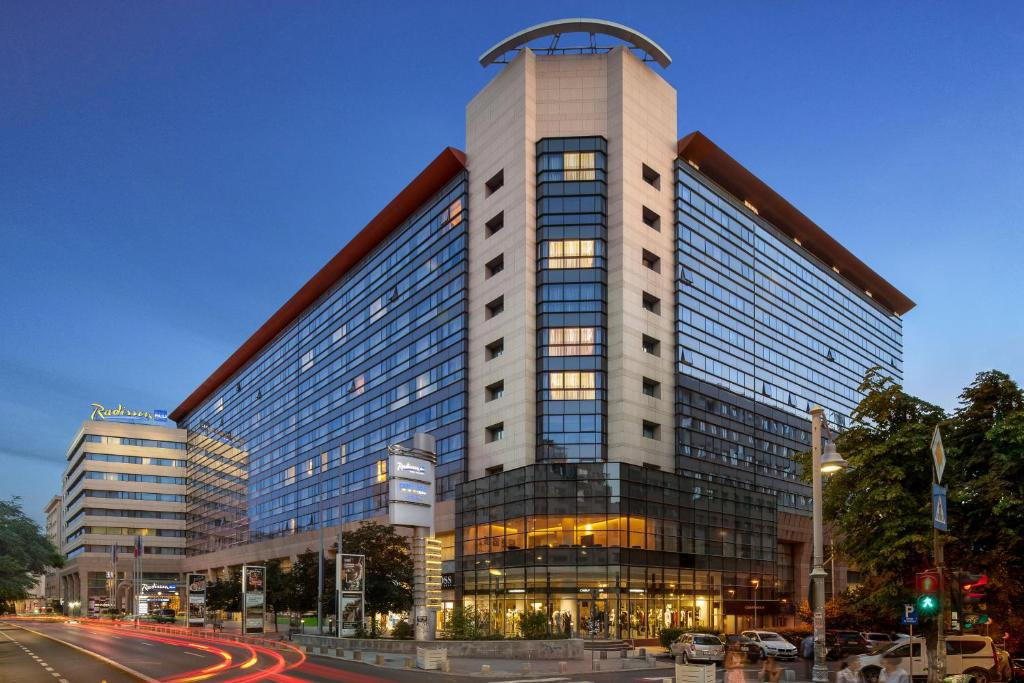
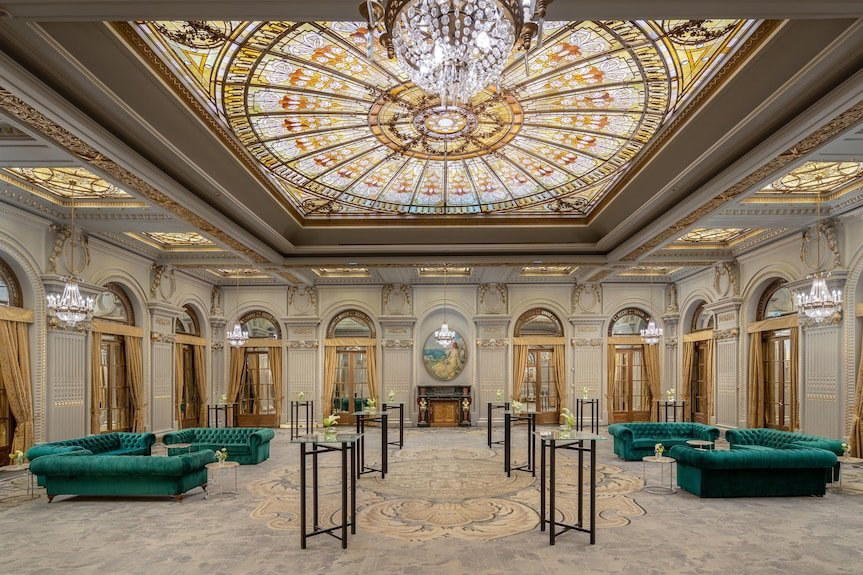
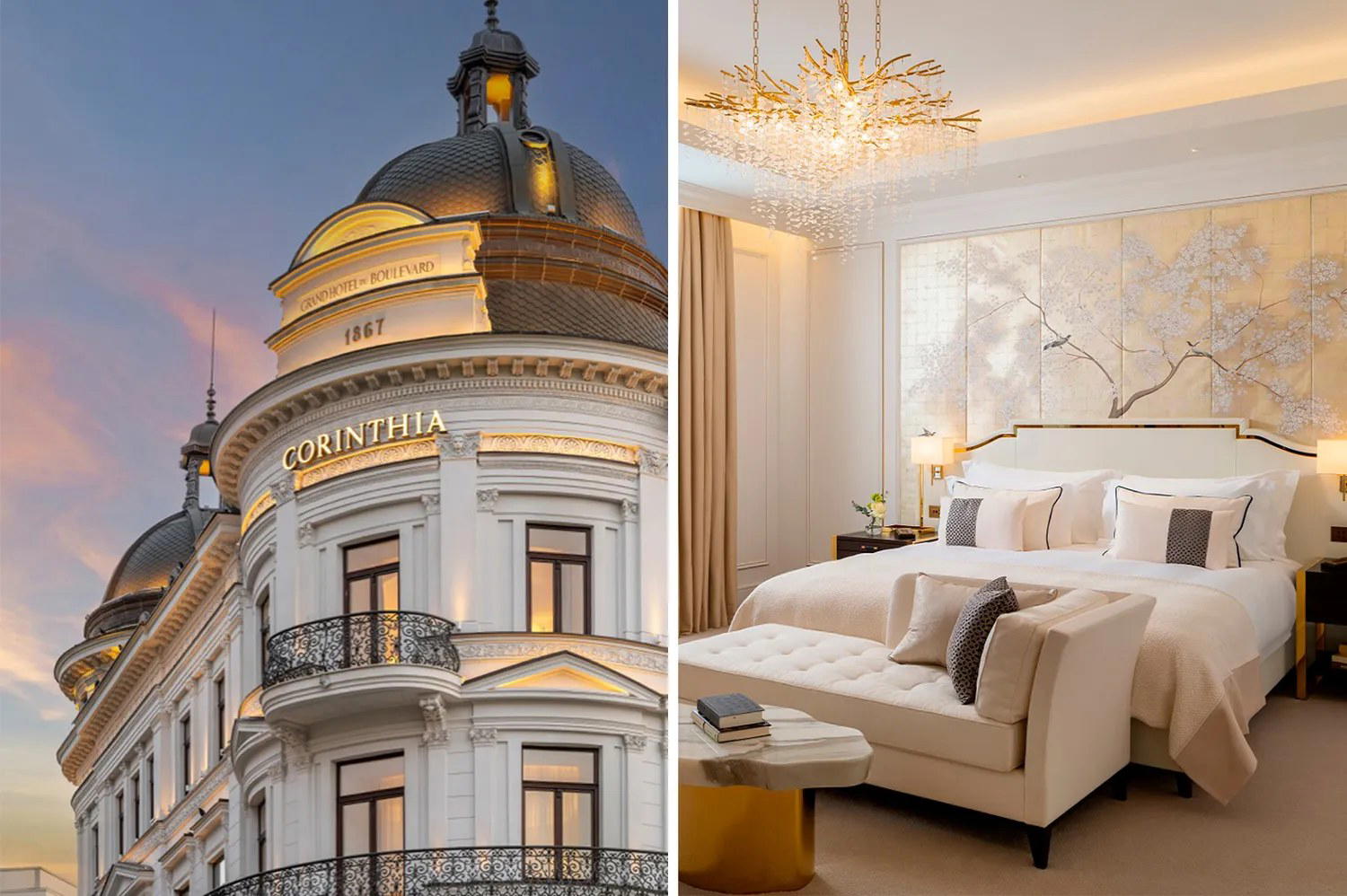
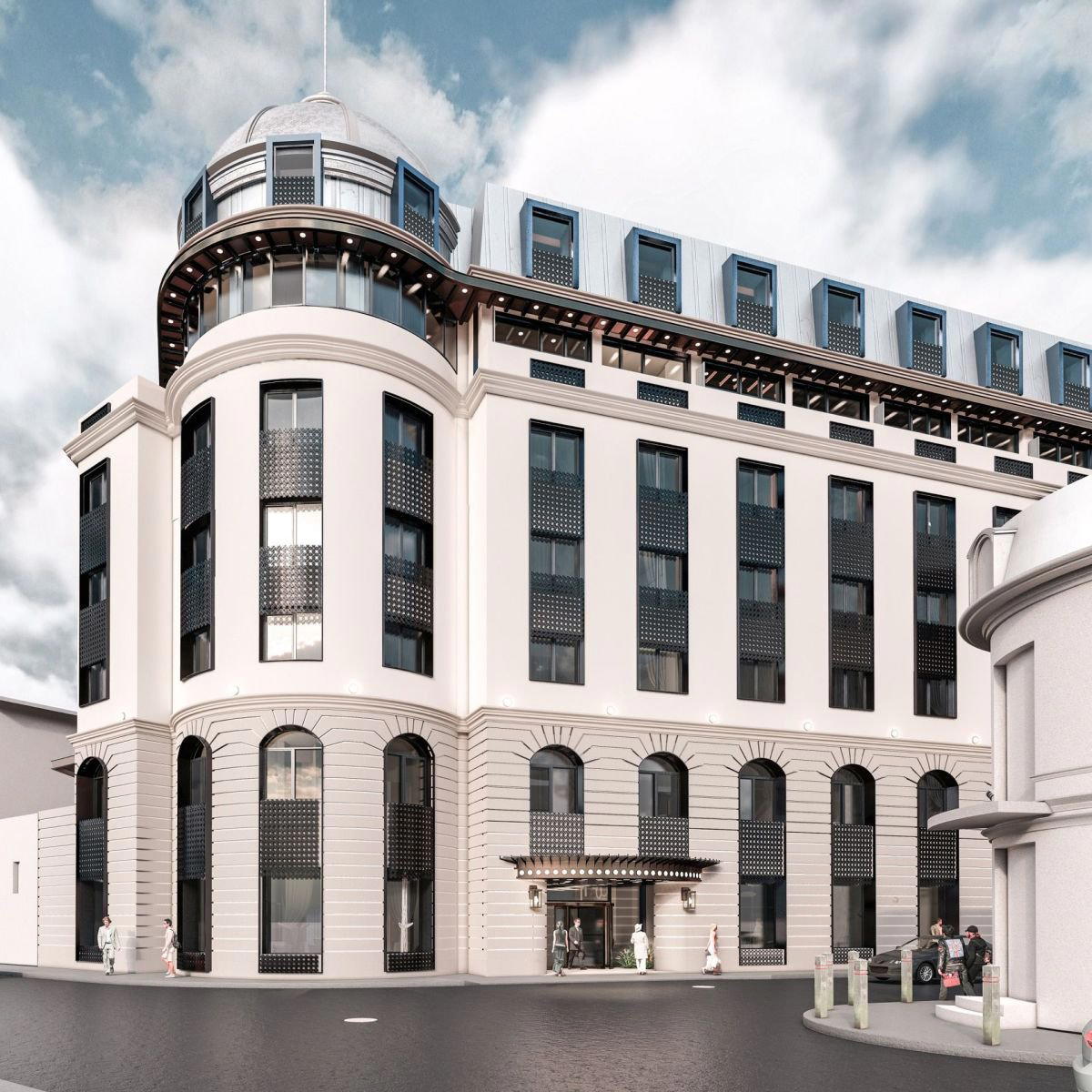
Epoque Restaurant
The wine
- Wine program
- Curated wine list
- Extensive wine list
Details
- Elegant
- Intimate
- Cozy
- Sophisticated
- Date Night
- Business Dinner
- Special Occasion
- Hotel Restaurant
- Garden
- Extensive Wine List
- Local Sourcing
- Garden
- Tasting Menu
- A La Carte
- Vegetarian Friendly
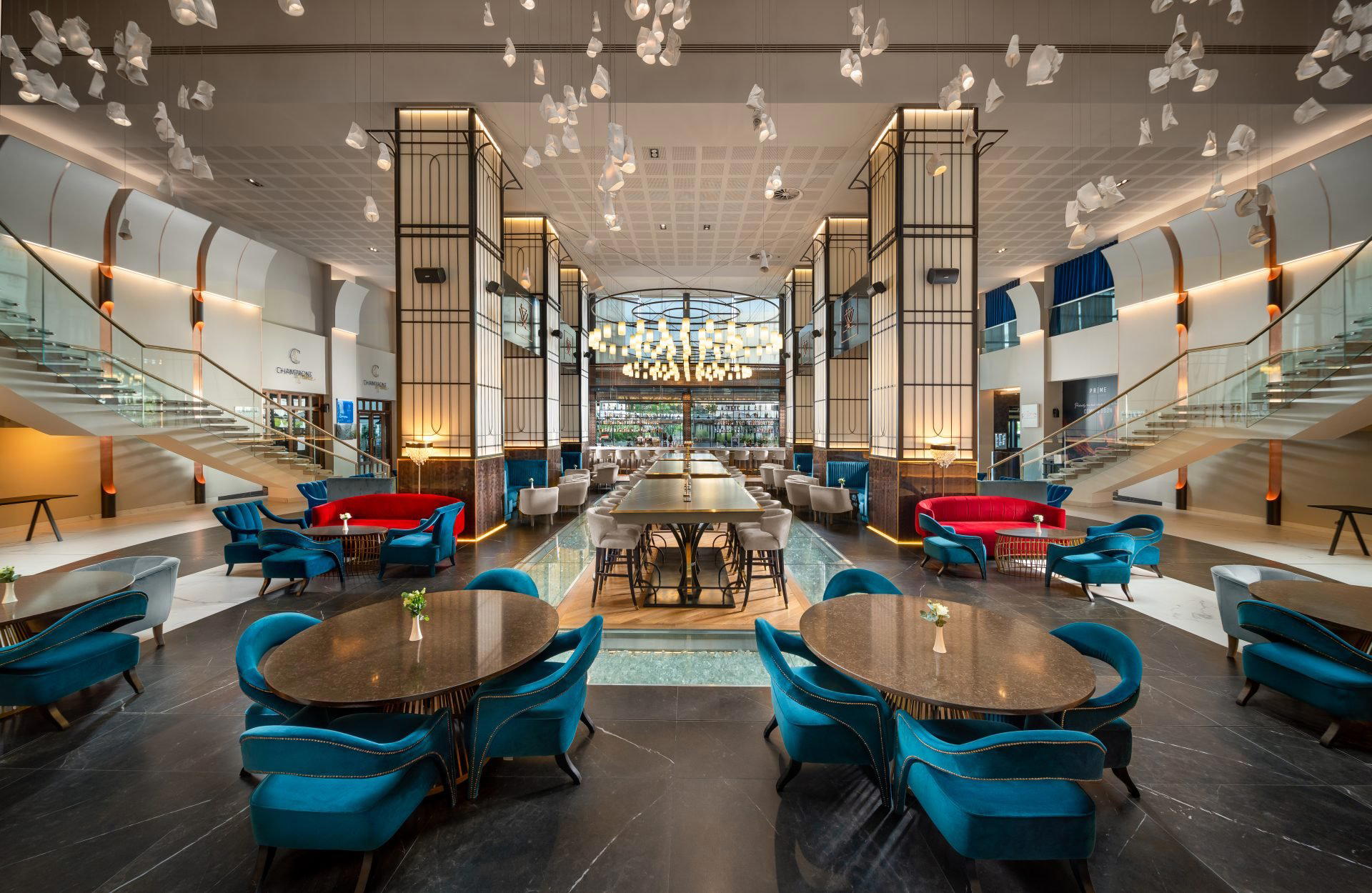
Cozy-elegant design with warm notes in a lush oasis, featuring an intimate main area and sunlit winter garden.