
Koide belongs to Kanazawa’s serious izakaya tier: seafood-led, sake-focused, and less concerned with decorative ceremony than with sourcing. Its Tabelog 100 Izakaya WEST 2025 selection gives it a clear trust signal, while the compact counter-and-tatami format places it closer to a specialist drinking-and-eating room than a casual neighborhood tavern.
Pearl is the En Primeur Club membership app — saves, bookings, and concierge access live there. Same editors, same standards.
- Address
- 5-5 Kasaichimachi, Kanazawa, Ishikawa 920-0851, Japan
- Phone
- +81 76-221-5190
- Website
- ameblo.jp
 Saves & bookings on Pearl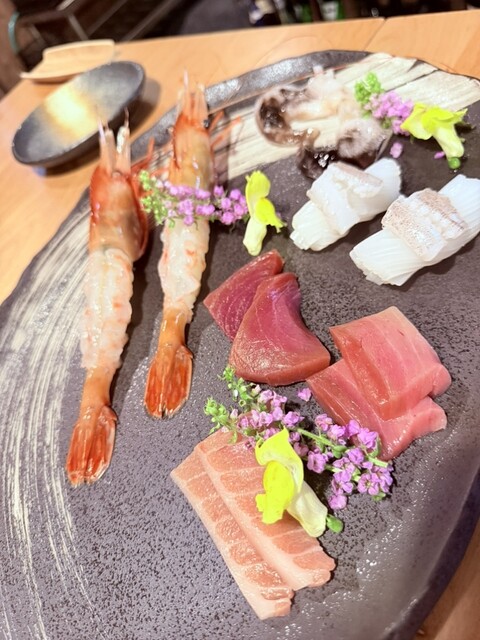
Approaching a Kanazawa izakaya of this type, the city’s polished tourist image gives way to a plainer kind of appetite: a room built for fish, sake, shochu, and time. The appeal is not theatrical service or lacquered formality. It is the Hokuriku proposition in direct form, where proximity to the Sea of Japan and Ishikawa’s markets matters more than imported luxury cues.
Koide sits inside that sharper category of Japanese tavern, the seafood-and-drink house where the meal is inseparable from what is poured beside it. In Kanazawa, that distinction matters. The city has kaiseki rooms, sushi counters, cafés, wagashi specialists, and grilled-meat addresses, but the izakaya tradition carries a different logic: generosity, seasonality, and drinking cadence rather than a rigid tasting-menu arc.
Kanazawa's izakaya culture is strongest when the fish leads
Kanazawa’s dining identity is shaped by the Hokuriku coast, mountain produce, and a long merchant-city habit of turning local ingredients into structured hospitality. At the high end, this can mean kaiseki formality. In the izakaya register, it becomes a looser but no less demanding format: fish bought with care, sake chosen with purpose, and dishes paced for groups rather than solitary inspection.
Koide’s public category signals are unusually precise: izakaya, seafood, and Japanese sake bar. That combination is the editorial point. The cooking is not presented as a chef’s personal manifesto; it belongs to a Kanazawa pattern where seafood sourcing and drinks define the table. The venue has been selected for Tabelog 100 Izakaya WEST in 2025, with earlier Tabelog 100 Izakaya selections listed in 2024, 2022, and 2021. In a region with many competent taverns, repeat recognition is a stronger signal than a single year of attention.
The sourcing angle is central because Kanazawa’s markets are not background scenery. Local seafood culture here is built on daily availability, weather, and the buying discipline behind the counter. A seafood izakaya working at this level depends on procurement as much as technique. The result is a category of restaurant that rewards diners who care less about a named signature dish and more about the quality threshold across the meal.
That also explains the drinking emphasis. Sake and shochu are not accessories in this format; they are part of the structure. A room described as a Japanese sake bar sets expectations differently from a general izakaya. The reader should think in terms of pairings by instinct rather than formal pairing flights, and in terms of a meal that unfolds around shared plates and repeated pours.
A compact room, a serious price tier, and a sharper
Kanazawa’s izakaya market spans easygoing neighborhood counters and destination-level seafood rooms. Koide belongs to the latter camp, not because it dresses itself up, but because its price tier, recognition, and fish-led identity put it in a narrower competitive band. In local comparison, Shusui Daigo, Sumi Sakana Sakana Wanaka, and Ajiraku Yumemi sit in a lower stated dinner band, while ORIGO shares the same higher price tier. That gap is useful for planning: this is not the casual add-on after a day of sightseeing; it is the anchor meal.
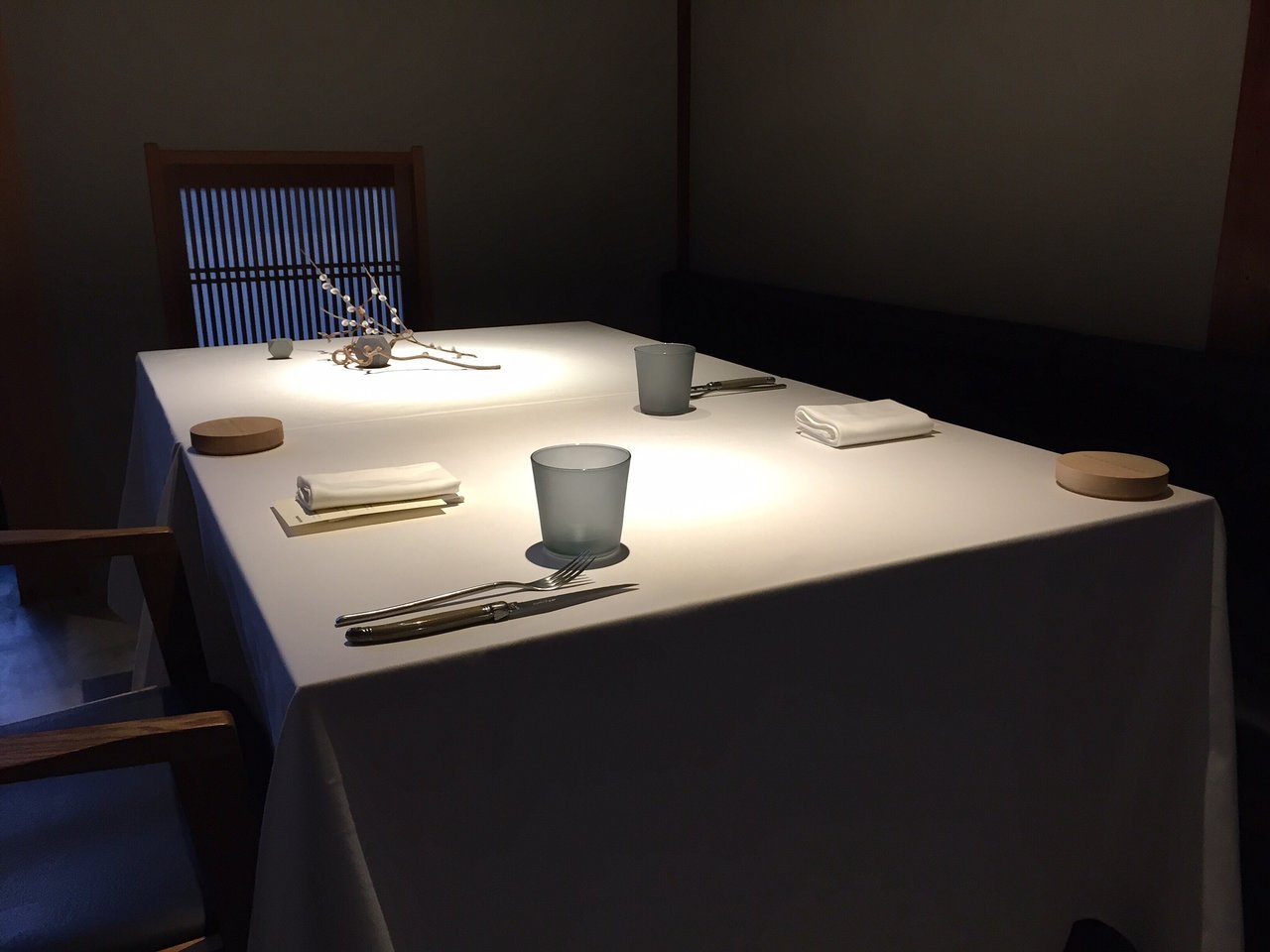
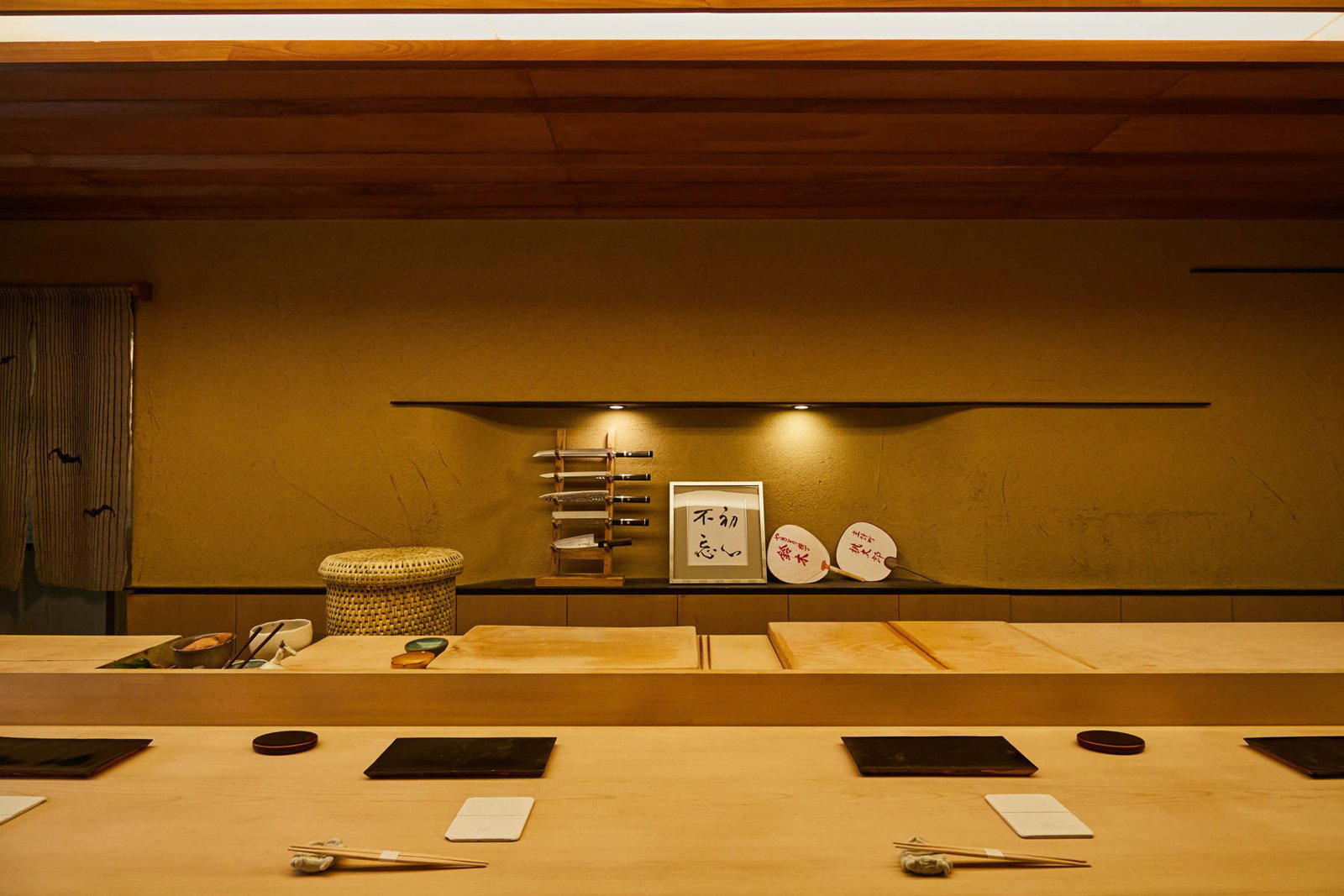
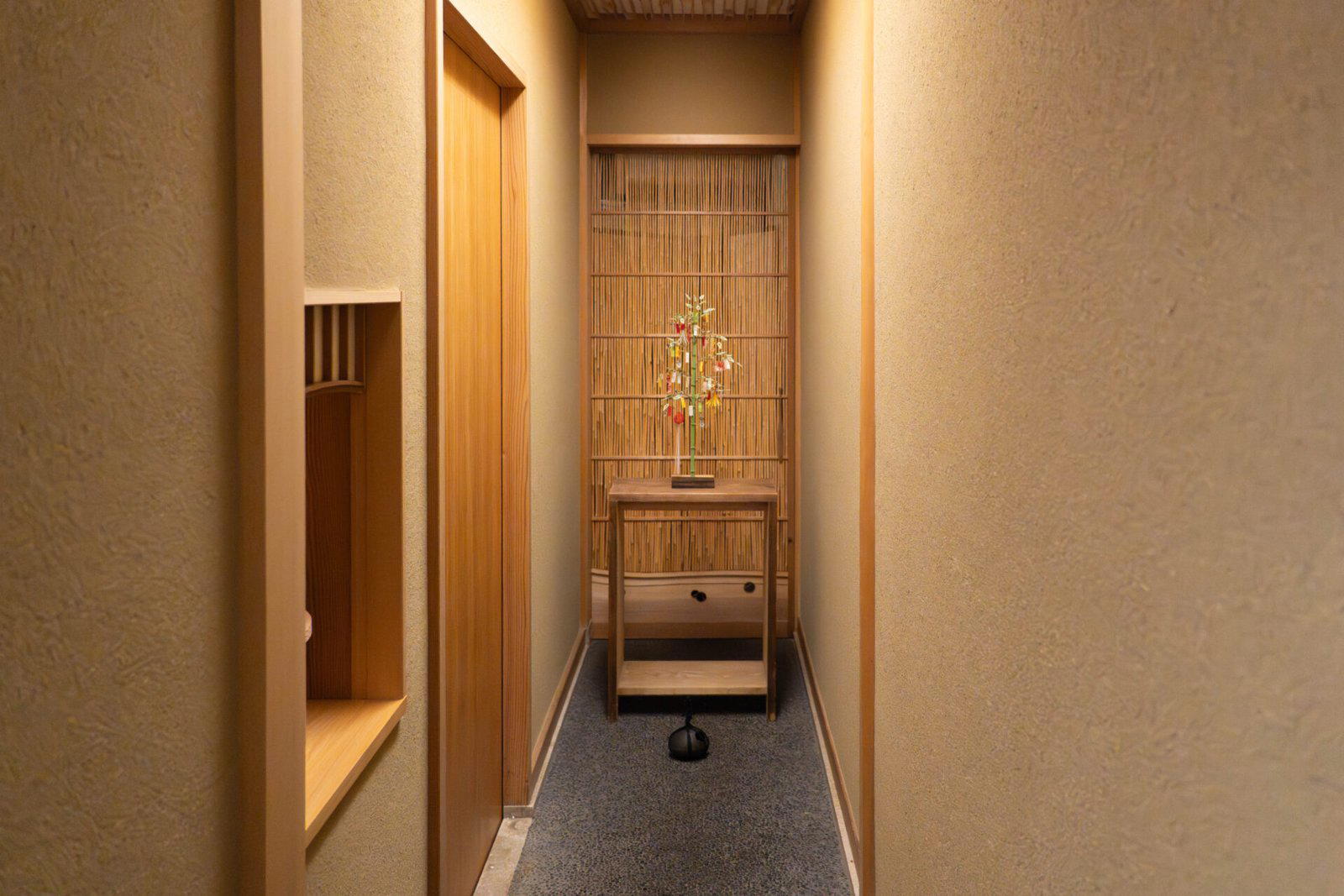
The room’s format reinforces that reading. Counter seating and raised tatami-style seating create a scale where the kitchen’s rhythm matters. Small rooms in Japan can be generous or punishing depending on the diner’s expectations. Here, the better frame is patience: food-led izakaya cooking often moves at the speed of preparation rather than the speed of table turnover. For travelers accustomed to hotel dining or frictionless concierge meals, that is part of the cultural adjustment.
Smoking is allowed, private rooms are not part of the offer, and the restaurant is better understood as an adult drinking-and-eating room than a neutral all-purpose dining room. That does not diminish its appeal; it clarifies it. Kanazawa rewards diners who choose the right format for the right night. A polished counter elsewhere may suit a quiet tasting menu, while this kind of izakaya suits people who want seafood, sake, shochu, and a less ceremonial room.
The broader city context helps. A traveler building a Kanazawa itinerary could pair a seafood izakaya night with other local categories rather than chasing one repeated style. For a wider restaurant map, see Our full Kanazawa restaurants guide. Nearby editorial contrasts include Ajiraku Yumemi, 333, Aburi Niku Garan, 1/3 HAMBURGER FACTORY, and Amanatto Kawamura, which show how broad the city’s appetite becomes once seafood is not the only lens.
How to place it in a Kanazawa trip
Koide makes sense for travelers who want Kanazawa through ingredients rather than monuments. The city’s food culture is often explained through sushi, crab, wagashi, and tea districts, but its izakaya rooms reveal a more local rhythm: friends at table, strong drinks, seafood in season, and less anxiety about performance. The Tabelog 100 Izakaya WEST 2025 selection gives the address external validation, but the deeper reason to go is the format itself.
For a premium itinerary, the smarter move is to let this meal sit in contrast with more formal dining and daytime cultural stops. Use Our full Kanazawa hotels guide for lodging context, Our full Kanazawa bars guide for post-dinner drinking, Our full Kanazawa experiences guide for cultural pacing, and Our full Kanazawa wineries guide where drinks-led travel is the focus. Readers comparing Japanese dining formats beyond Ishikawa can also look at -Grilled beef Sukiyaki- KAMAKURA TANUKIAN 鎌倉 たぬき庵 in Kamakura,. 鮪と炭火焼き うお炭 秋葉原店 in Tokyo,.cafe in Osaka,.know in Kumamoto, (Shoku) Vietnam in Kawasaki, [Curry Senmon Ten] Maruyama Kyoju. in Sapporo, Jōdo Saké Bar in Los Angeles, and Onigiri Time in Pasadena.
The editorial verdict is simple: this is a specialist Kanazawa izakaya for diners who understand that sourcing can be the main luxury. Choose it for fish, sake, shochu, and the social grammar of a serious tavern, not for a decorative dining-room fantasy.
Comparable Spots, Quickly
Side-by-side context: comparable cuisine and price.
| Venue | Cuisine | Price | Awards | Notes |
|---|---|---|---|---|
| KoideThis venue — the venue you are viewing | Traditional Japanese Izakaya & Sake Bar | $$$ | , | |
| Tempura Miyashita | Seasonal Tempura Kaiseki | $$$ | , | Kanazawa |
| 333 | Hinai Chicken Yakitori | $$$ | , | Kanazawa |
| Sushi Ikuta | Seasonal Edomae-Style Sushi Omakase | $$$ | , | Kanazawa |
| Tori Take | Yakitori (Grilled Chicken Skewers) | $$$ | , | Kanazawa |
| Yakitori Manjiro | Yakitori counter in Kanazawa | $$$ | , | Kanazawa |
Continue exploring
More in Kanazawa
Restaurants in Kanazawa
Browse all →
At a Glance
- Cozy
- Lively
- Hidden Gem
- Classic
- After Work
- Casual Hangout
- Group Dining
- Date Night
- Solo
- Late Night
- Standalone
- Sake Program
- Beer Program
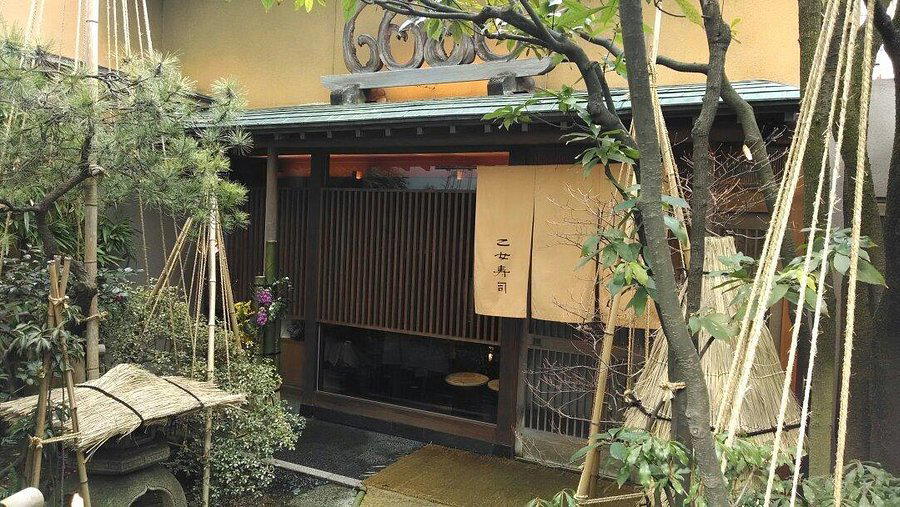
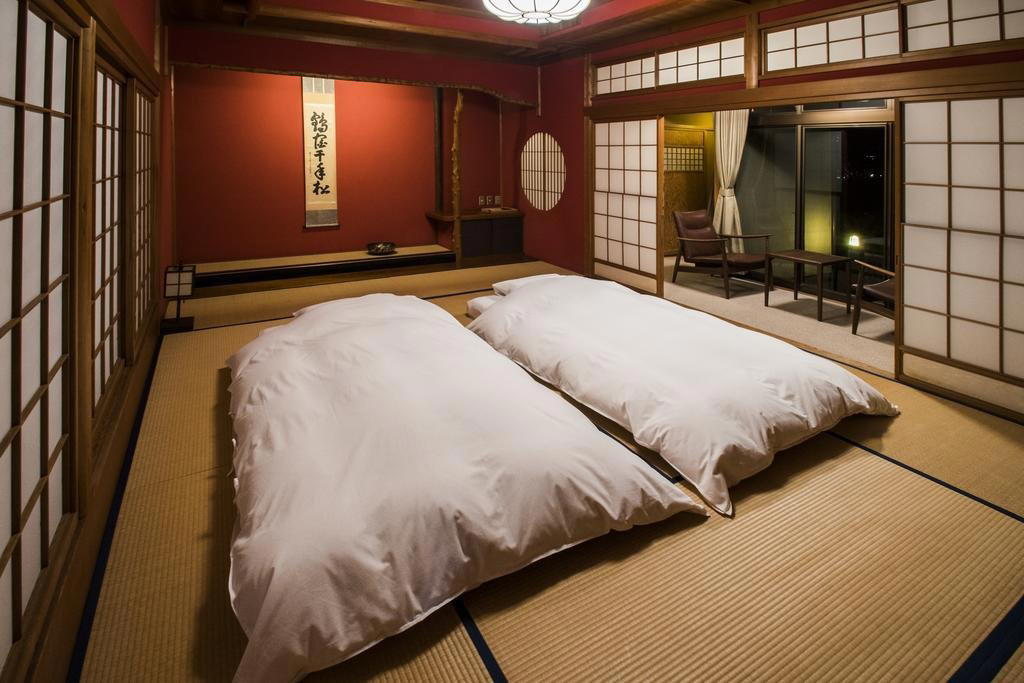
A small, casual and slightly old-school izakaya with counter and raised tatami-style seating, warm lighting, shelves of sake bottles, and a lively yet relaxed atmosphere that feels like a classic neighborhood spot for serious drinking and food.