


Kabi sits in Tokyo’s innovative dining bracket with a fermentation-led vocabulary shaped by Japanese preservation traditions and Northern European technique. Chef Shohei Yasuda’s Denmark experience matters here, not as biography for its own sake, but because it explains the restaurant’s cross-cultural treatment of mold, pickling, miso and rice as serious culinary structure rather than trend signaling.
 Discover on Pearl
Pearl is the En Primeur Club membership app — saves, bookings, and concierge access live there. Same editors, same standards.
- Address
- 4 Chome-10-8 Meguro, Meguro City, Tokyo 153-0063, Japan
- Phone
- +81 3-6451-2413
- Website
- kabi.tokyo
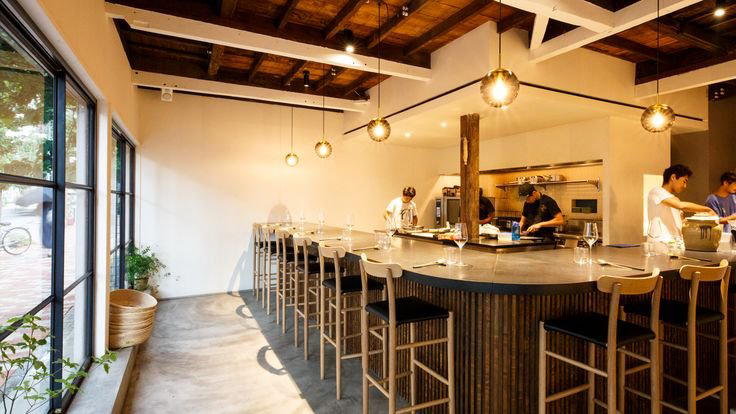
Meguro gives Tokyo restaurants a different opening note from Ginza or Aoyama: less ceremony at street level, more concentration once the meal begins. That suits Kabi, where the question is how far fermentation can move from supporting technique to primary language without becoming a gimmick.
The name translates as mold in Japanese, a blunt signal in a city where preservation has always sat close to refinement. Koji, miso, pickles, vinegar and fermented rice preparations are domestic grammar, not imported ideas. Kabi reframes them through Northern Europe, where climate, storage culture and acidity pushed chefs toward parallel habits. Chef Shohei Yasuda’s Denmark experience gives the project its logic: not Tokyo borrowing Nordic fashion, but two cold-weather preservation cultures speaking to each other at the table.
Fermentation as structure, not garnish
Tokyo’s innovative restaurants often split between global technique polishing Japanese ingredients into an international tasting-menu idiom and inherited Japanese forms used for controlled disruption. Kabi sits closer to the second. Its OAD 2026 Recommended listing places it in Japan’s serious contemporary conversation, while Michelin one-star recognition in 2024 and OAD rankings in 2024 and 2025 show sustained external attention, not a single-season flash.
The menu returns to humble formats. Tsukemono, or pickles, is not decorative in Japanese cooking; it manages salt, sourness, crunch and time. Here, it bridges a wider fermentation argument. Mackerel marinated in vinegar with handmade miso follows recognizable Japanese preservation logic while carrying the sharper acidity and layered salinity of Nordic larder cooking. Ojiya, the rice gruel form, draws on fermented crucian carp sushi, a hometown-cooking reference that anchors avant-garde work in domestic memory.
That balance separates fermentation as trend from fermentation as cuisine. Many Tokyo restaurants borrow the language of koji and pickling because those words read well on international menus. Kabi’s stronger claim is that fermentation is not a flourish added after the main idea; it governs texture, seasoning and sequence. That places the restaurant near the city’s experimental tier, but with a narrower, more culturally specific vocabulary than many tasting-menu rooms.
For readers mapping Tokyo’s higher-end contemporary dining, the comparison is not sushi, tempura or kaiseki orthodoxy. It is the small field of restaurants placing Japanese technique under pressure from other climates and culinary systems. MAZ, also in Tokyo, sits in the innovative category at a higher price bracket, a useful contrast for concept-driven dining moving toward an imported cultural framework. Kabi’s angle is more internal: outside influence is present, but references keep circling back to Japanese fermentation and household preservation.
Yasuda's Denmark link explains the cuisine better than a chef myth
Chef biography can overwhelm restaurant writing, especially in Tokyo, where lineage is often treated as destiny. Here, Yasuda’s Denmark experience matters because it explains the technical accent. Northern Europe and Japan share preservation histories shaped by climate, seasonality and stored flavor. The evolution is culinary, not sentimental: a Japanese chef absorbs Nordic fermentation culture, then returns to Tokyo with a framework that makes pickles, miso, vinegar-marinated fish and fermented rice preparations feel contemporary without detaching them from Japanese precedent.
This is why Kabi differs from a restaurant that simply adds Scandinavian references to a Tokyo tasting menu. Nordic influence need not announce itself through décor or imported symbolism. It appears in the willingness to let acidity, controlled decay and preserved ingredients carry the meal’s architecture. Japanese cuisine prizes freshness, but also builds whole categories around the opposite: rice transformed by mold, vegetables altered by salt, fish changed by vinegar, soybeans deepened by time. Kabi works inside that contradiction.
The 2026 OAD Recommended status is a meaningful trust signal because OAD’s Japan list tends to reward opinionated, chef-driven restaurants, not only classic luxury formats. Earlier OAD positions, Ranked #263 in 2024 and #215 in 2025, show visibility to that audience across multiple years. The Michelin one-star note from 2024 adds separate recognition, useful for travelers seeking external validation before choosing a contemporary table in a city crowded with specialists.
Recognition should not be mistaken for broad accessibility. Fermentation-led cooking asks more from diners than a menu built around luxury ingredients and familiar expense markers. The reward is intellectual as much as hedonistic: seeing old Japanese preservation habits survive contact with a different northern pantry logic. That pleasure will appeal more to diners interested in culinary systems than to those chasing a conventional celebratory meal.
Where it fits in a Tokyo itinerary
Meguro suits this restaurant because it sits outside the city’s louder luxury dining corridors while remaining firmly inside Tokyo’s serious food geography. It imposes fewer pre-meal expectations than Ginza counters or hotel dining rooms, giving fermentation-focused cooking room to feel exploratory rather than ceremonial. For a contemporary Tokyo itinerary, Kabi works as the meal that tests the city’s experimental edge after more classical references have been covered.
Readers comparing Tokyo styles can use nearby editorial anchors rather than treat every restaurant as interchangeable luxury. AO, Chiune, Hasegawa Minoru, jiü and l' Equateur each point to different versions of high-intent dining culture. For broader planning, use Our full Tokyo restaurants guide alongside Our full Tokyo hotels guide, Our full Tokyo bars guide, Our full Tokyo wineries guide and Our full Tokyo experiences guide.
The wider Japan and innovative-dining map adds perspective. Regional contrasts include -Grilled beef Sukiyaki- KAMAKURA TANUKIAN 鎌倉 たぬき庵 in Kamakura, to.cafe in Osaka,.know in Kumamoto, (Shoku) Vietnam in Kawasaki, [Curry Senmon Ten] Maruyama Kyoju. in Sapporo and [ki:] in Kyoto. Outside Japan, [àbitat], Innovative in San Fermo della Battaglia and Å by T.U.N.G, Innovative in Ho Chi Minh City show how the innovative category changes when local preservation traditions, climate and regional produce set different rules.
Kabi is strongest for diners who want Tokyo’s contemporary cooking to argue a position. Its case is clear: fermentation is not a fashionable overlay but one of Japan’s old technologies, capable of absorbing Northern European technique without losing native grammar. In a city where luxury dining can reward polish over risk, this Meguro table is sharper than its understated category suggests.
Side-by-Side Snapshot
Comparable venues by cuisine and price in the same metro.
| Venue | Cuisine | Price | Awards | Notes |
|---|---|---|---|---|
| KabiThis venue — the venue you are viewing | Modern Japanese Fermentation Fine Dining | $$$$ | Michelin 1 Star | |
| Sushi Ryujiro | Traditional Japanese Omakase Sushi | $$$$ | Michelin 1 Star | Minato |
| Akasaka Shimabukuro | Refined Kaiseki | $$$$ | Michelin 1 Star | Minato |
| Sharikimon Onozawa 車力門おの澤 | Modern Japanese Omakase with Soba | $$$$ | Michelin 1 Star | Shinjuku |
| Nogizaka Shin | Modern Kaiseki with Wine Pairings | $$$$ | Michelin 1 Star | Minato |
| Mutsukari | Modern Japanese Kaiseki with Vegetable Focus | $$$$ | Michelin 1 Star | Chūō |
Continue exploring
More in Tokyo
More from Chef Shohei Yasuda
Browse all →
Restaurants in Tokyo
Browse all →


Bars in Tokyo
Browse all →






At a Glance
- Modern
- Elegant
- Intimate
- Sophisticated
- Minimalist
- Date Night
- Special Occasion
- Chefs Counter
- Open Kitchen
- Natural Wine
- Sake Program
- Organic
- Local Sourcing
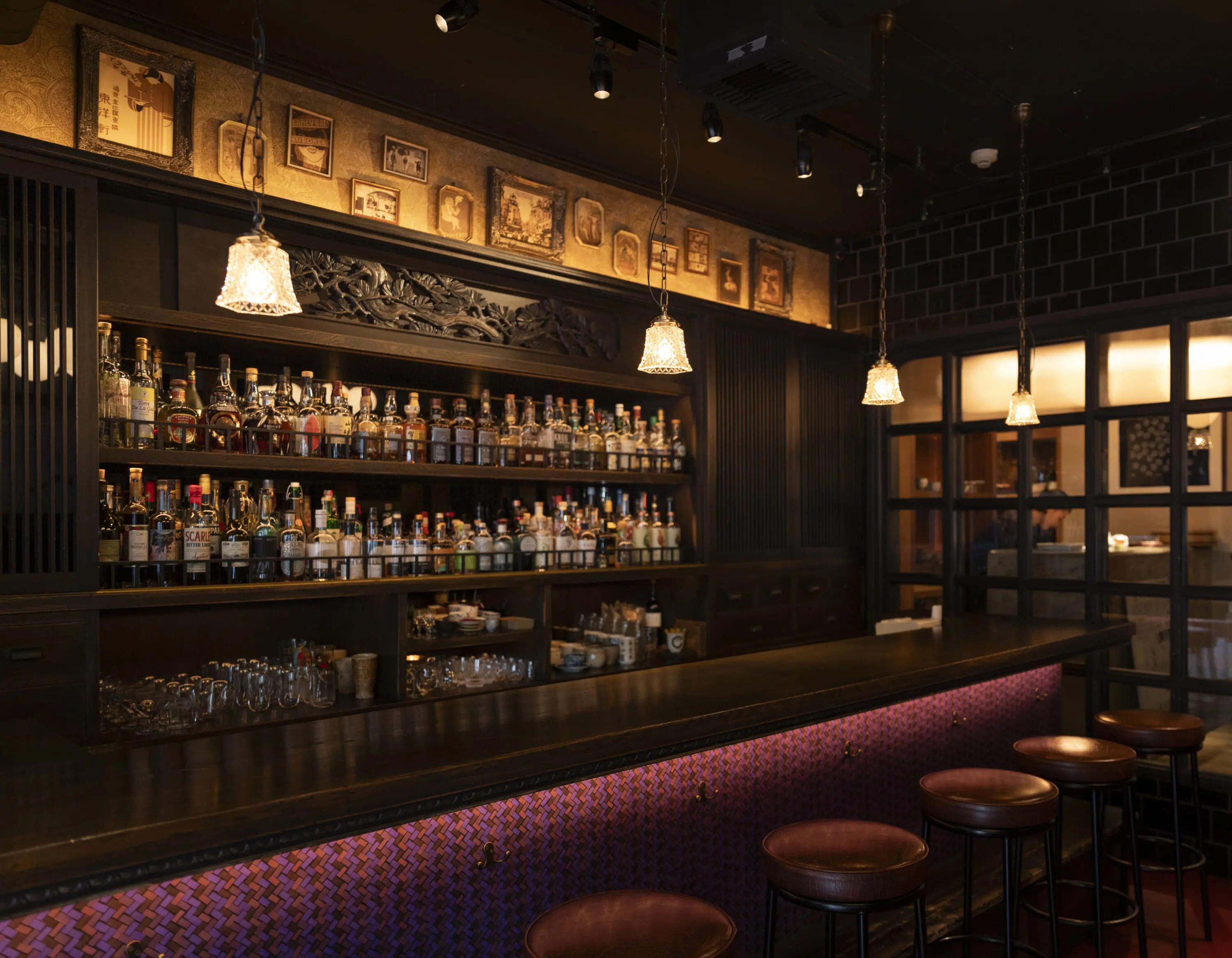
Nordic-cool counter seating in a chic, warm farmhouse-style interior with stylish and pleasant atmosphere.