

Tabelog Silver #16
Our verdict
Chiune Tokyo sits in the high-price, high-scrutiny tier of the city’s innovative dining scene, with Satoshi Furuta’s French-leaning cooking measured against Japan’s more experimental counters rather than conventional fine dining. Its 2026 Tabelog Silver status, 4.52 score, and OAD Japan ranking give it strong external validation for travelers comparing Tokyo’s contemporary restaurants.

Pearl is the En Primeur Club membership app, where members save venues, book tables and use the concierge.
The menu
What to order
- Ayu Soup from Wara River
- Kamo Eggplant
- Charcoal-Grilled Amagi Kurobuta Pork
- Shiitake Mushroom with Egg Yolk and Potato Sauce
- Shaoxing Wine Ice Cream
Tokyo’s serious dining rooms often announce themselves through restraint rather than theatre: controlled lighting, attentive service, and a room calibrated around the sequence of the meal rather than the spectacle of arrival. Chiune Tokyo belongs to that register. The restaurant is best understood inside a city where technique, product discipline, and precise contemporary dining have become a distinct category, separate from counters, traditional rooms, and hotel dining.
That category is competitive and unforgiving. Tokyo diners do not lack polished tasting menus, so recognition has to mean more than a handsome room or a famous name. Chiune carries a hard signal through its inclusion in the 2026 Opinionated About Dining restaurant source. That marker puts it in the conversation for travelers who plan meals around verified contemporary cooking rather than broad luxury cues.
Technique filtered through Tokyo's innovative dining discipline
Tokyo’s innovative restaurants tend to split into two camps. One side borrows the tempo of international tasting menus and layers Japanese product discipline into that structure; the other builds from Japanese service codes and treats outside technique as a supporting grammar. Chiune sits between those poles. The interest is not fusion as a slogan, but the way Tokyo has made cross-border cooking feel native to its own dining culture: exact pacing, focused progression, and a preference for control over excess.
Chiune’s context matters because it explains the restaurant’s place in the city without turning the meal into a biography. Its identity is tied to Tokyo, where ambitious independent restaurants are often judged by how clearly their point of view holds up in a demanding dining environment. That sequence maps a common pattern in Japan’s serious dining culture: a focused point of view, urban pressure, and a more mature format.
The OAD recognition is especially useful here because it adds an international lens. It is less useful as a final verdict than as confirmation that the restaurant is visible beyond local enthusiasts. In a city where serious dining rooms are judged against a deep field, that kind of visibility helps distinguish a restaurant with sustained attention from one relying only on mood or novelty.
Where Chiune fits among Tokyo's contemporary tables
For travelers comparing Tokyo’s innovative dining options, the decision is less about cuisine labels and more about temperament. AO, Hasegawa Minoru, and l' Equateur all sit in the same broad contemporary conversation, but Chiune reads as a disciplined case within Tokyo’s innovative dining field. That makes it a sharper choice for diners interested in how the city absorbs outside technique into a Japanese rhythm.
The better comparison is not with classic formal dining in Tokyo, where the reference points are grandeur, cellar depth, and ceremonial service, but with the city’s compact creative restaurants where the menu is the argument. In that field, recognition functions as a filter. It does not guarantee personal preference, but it helps separate restaurants with broader notice from openings that rely on novelty. Chiune’s OAD presence gives it a sturdier profile than many creative rooms without that signal.
There is also a useful caution for visitors. This is not the Tokyo meal to choose for maximal informality or a broad à la carte survey. The restaurant’s reputation points toward a composed dinner format, and the margin for indifference is small when a meal is being planned as a serious reservation. Diners should come because they want Chiune’s version of contemporary Tokyo cooking, not simply because they need another prestigious reservation between other major meals.
Planning a Tokyo dining itinerary around this meal
Chiune works better as an anchor dinner than as a casual add-on. Tokyo rewards spacing serious meals apart: a high-concentration tasting menu loses impact when placed directly after another lengthy counter or full traditional sequence. Build the day lightly, avoid stacking it after a lunch with similar pacing, and treat the evening as the main event. The appeal is strongest when the meal is given room to register rather than folded into an overpacked itinerary.
For a wider Tokyo plan, use our full Tokyo restaurants guide to separate sushi, kaiseki, contemporary, and innovative reservations by mood rather than prestige alone. Pairing the dinner with our Tokyo hotels guide is sensible for travelers building a short stay around meals; the city’s dining schedule rewards proximity and disciplined transit planning. For the nights around it, our Tokyo bars guide and our Tokyo experiences guide help keep the itinerary from becoming only a sequence of long dinners.
The editorial case for Chiune is clear: it is a contemporary Tokyo restaurant with international recognition and a place in the city’s demanding creative-dining circuit. Travelers chasing spectacle may find the appeal too restrained. Diners interested in the city’s serious innovative cooking, and in how technique is being rewritten inside Tokyo’s dining culture, have a stronger reason to pay attention.
Frequently asked questions
What style of cooking does Chiune do?
Chiune is best approached as a serious contemporary Tokyo restaurant.
Where is Chiune in Tokyo?
Tokyo.
What time does Chiune open and close?
Check Chiune’s current booking channel or official listings for up-to-date opening hours before planning a visit.
What is Chiune known for?
Chiune is known as a contemporary restaurant in Tokyo with recognition through the 2026 Opinionated About Dining restaurant source.
Would Chiune be comfortable with kids?
The restaurant’s profile points to a serious dinner format rather than a family-oriented room. It is likely to suit older children who can handle a focused, formal meal better than young kids.
Side-by-Side Snapshot
Comparable venues for cuisine and category context.
| Venue | Cuisine | Price | Awards | Notes |
|---|---|---|---|---|
| ChiuneThis venue (the venue you are viewing) | Innovative Japanese-French Fusion Omakase | $200–300 | Tabelog Silver #16 | Not listed |
| HYÈNE | Modern French-Japanese-Korean Fusion Omakase | $100–150 | Michelin Plate | Shibuya |
| マス | Peruvian-Inspired Innovative Fine Dining | Not listed | Not listed | Chiyoda |
| The Peninsula Tokyo The Lobby | International & Japanese-inspired hotel lobby dining with signature Afternoon Tea | $50–100 | Tabelog 100 #20 | Chiyoda |
| Minami Aoyama Nanachome | Premium Yakitori | $200–300 | Tabelog Bronze #309 | Minato |
| Sushi Meino | Traditional Edomae Omakase with French Wine Pairings | $500+ | Tabelog Silver #76 · Forbes 10 Coolest Restaurants | Minato |
Recognition history
Dated appearances from independent guides and award organizations, with the underlying list record or original source where available.
Opinionated About Dining Top Restaurants in Japan Ranked #77
Opinionated About Dining
Tabelog Silver #16
Tabelog
Full recognition history (7 entries)
Opinionated About Dining Top Restaurants in Japan Ranked #75
Opinionated About Dining
Tabelog Silver
Tabelog
Tabelog 100 #4 · No. 4
Tabelog · Tabelog 100 - Innovative / Creative cuisine - 2025
Opinionated About Dining Top Restaurants in Japan Ranked #51
Opinionated About Dining
Opinionated About Dining Top Restaurants in Japan Ranked #49
Opinionated About Dining
Continue exploring
More in Tokyo
Restaurants in Tokyo
All restaurants in Tokyo →
Bars in Tokyo
All bars in Tokyo →
Chiune
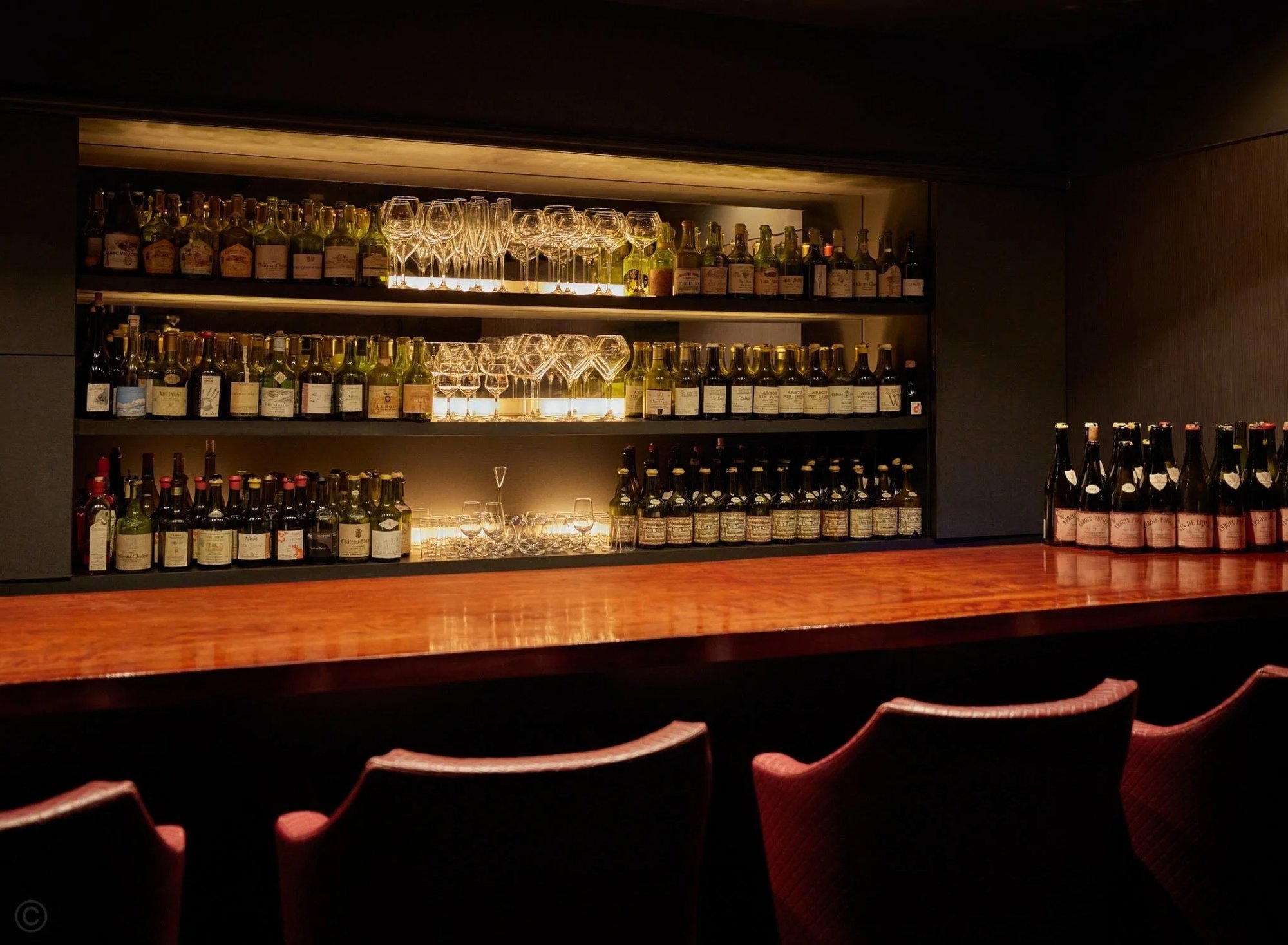
The wine
- Wine program
- Deep wine list
- Extensive wine list
- Sommelier-led
- Sake program
Details
- Elegant
- Intimate
- Minimalist
- Sophisticated
- Quiet
- Special Occasion
- Date Night
- Chefs Counter
- Open Kitchen
- Design Destination
- Extensive Wine List
- Sake Program
- Sommelier Led
- Local Sourcing
- Omakase
- Counter Dining
- Tasting Menu
- Wine
- Sake
- Chinese Tea
Current opening hours
- Monday
- 5–11 PM
- Tuesday
- 5–11 PM
- Wednesday
- 5–11 PM
- Thursday
- 5–11 PM
- Friday
- 5–11 PM
- Saturday
- 5–11 PM
- Sunday
- Closed
Hours can change for holidays and private events. Hours as of .
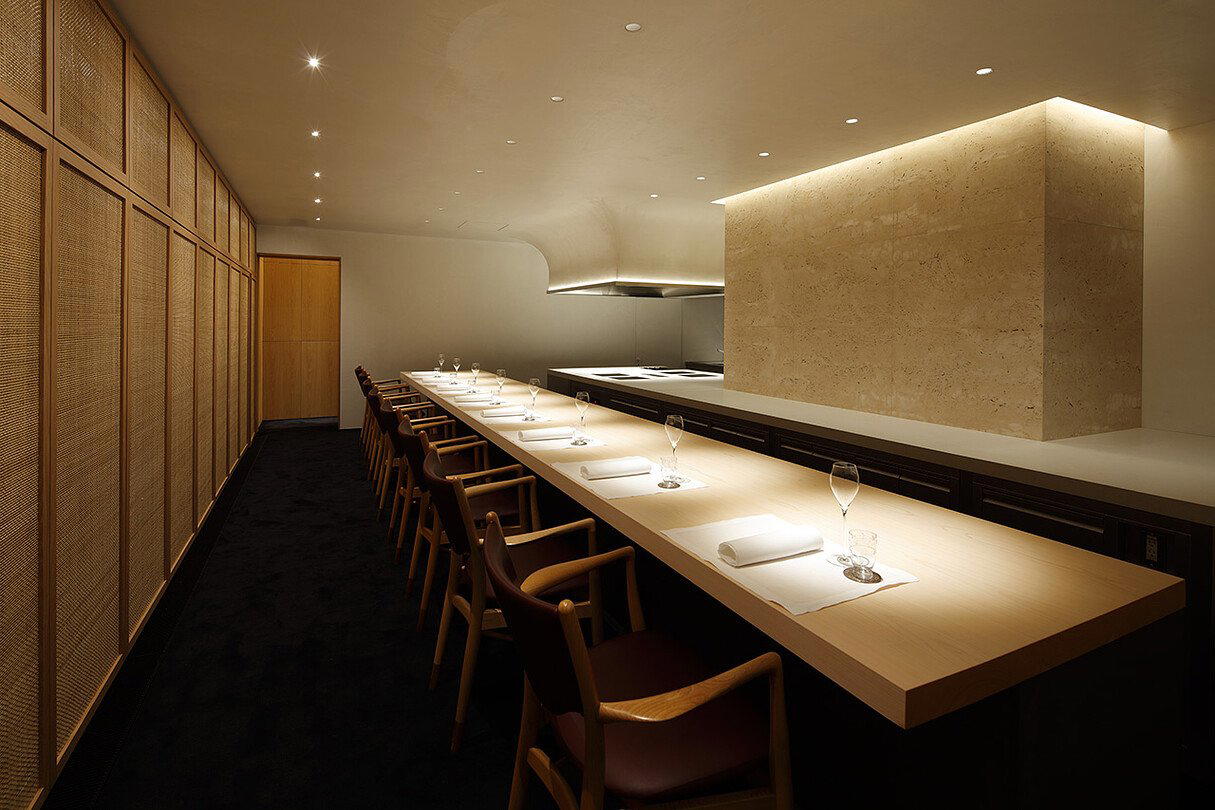
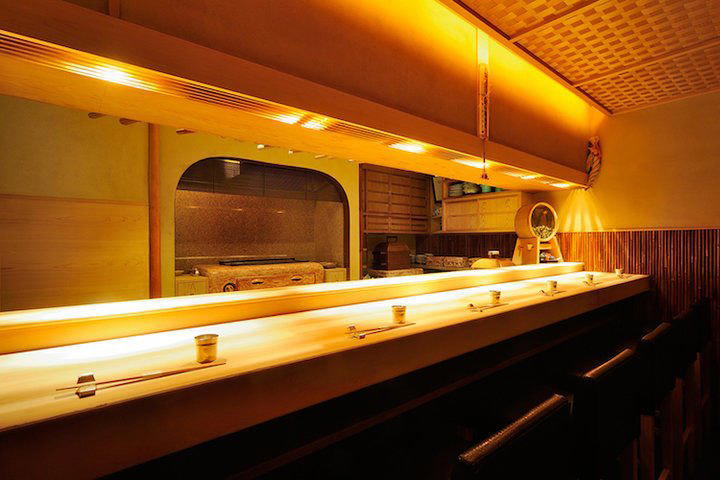
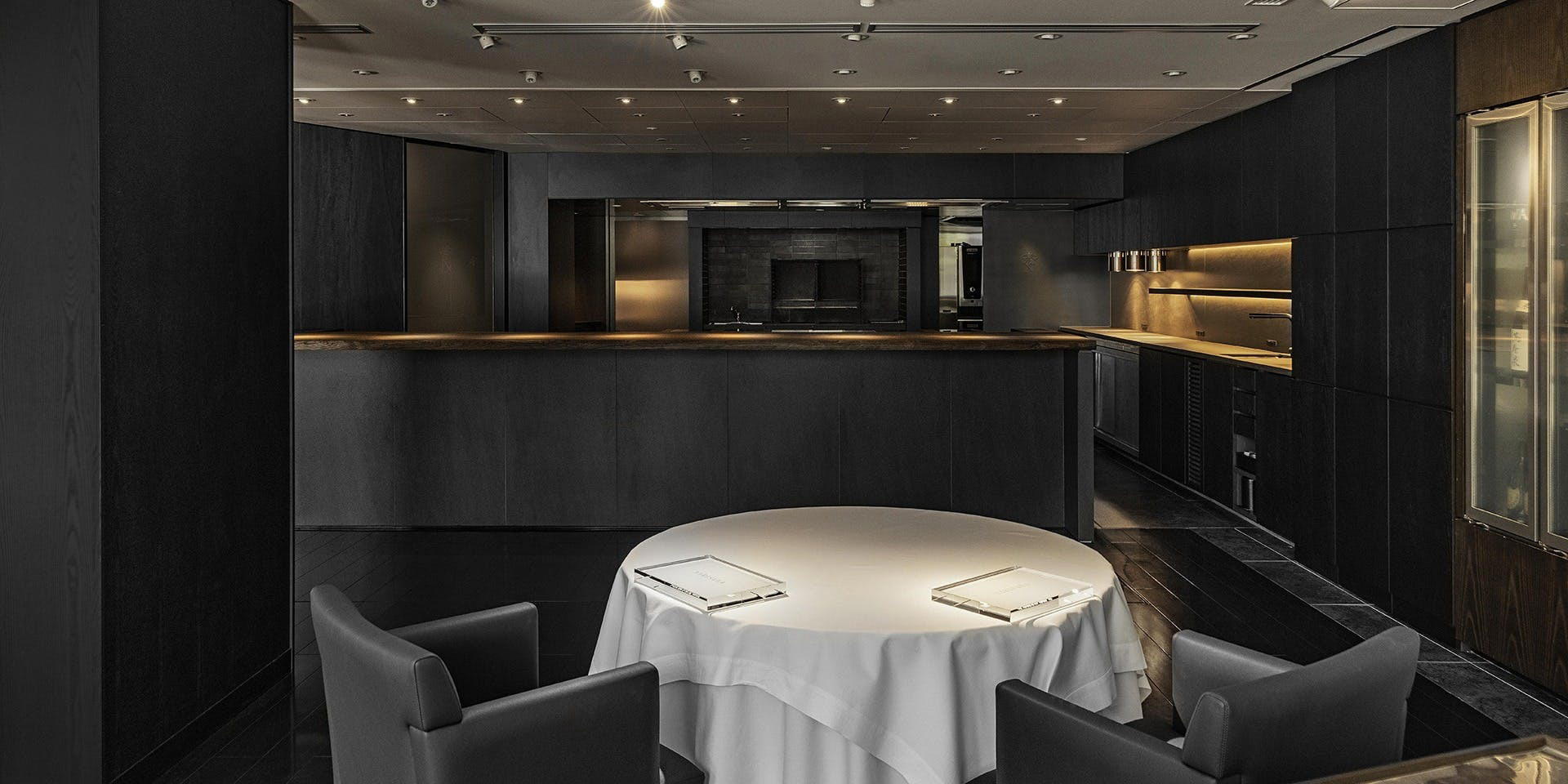
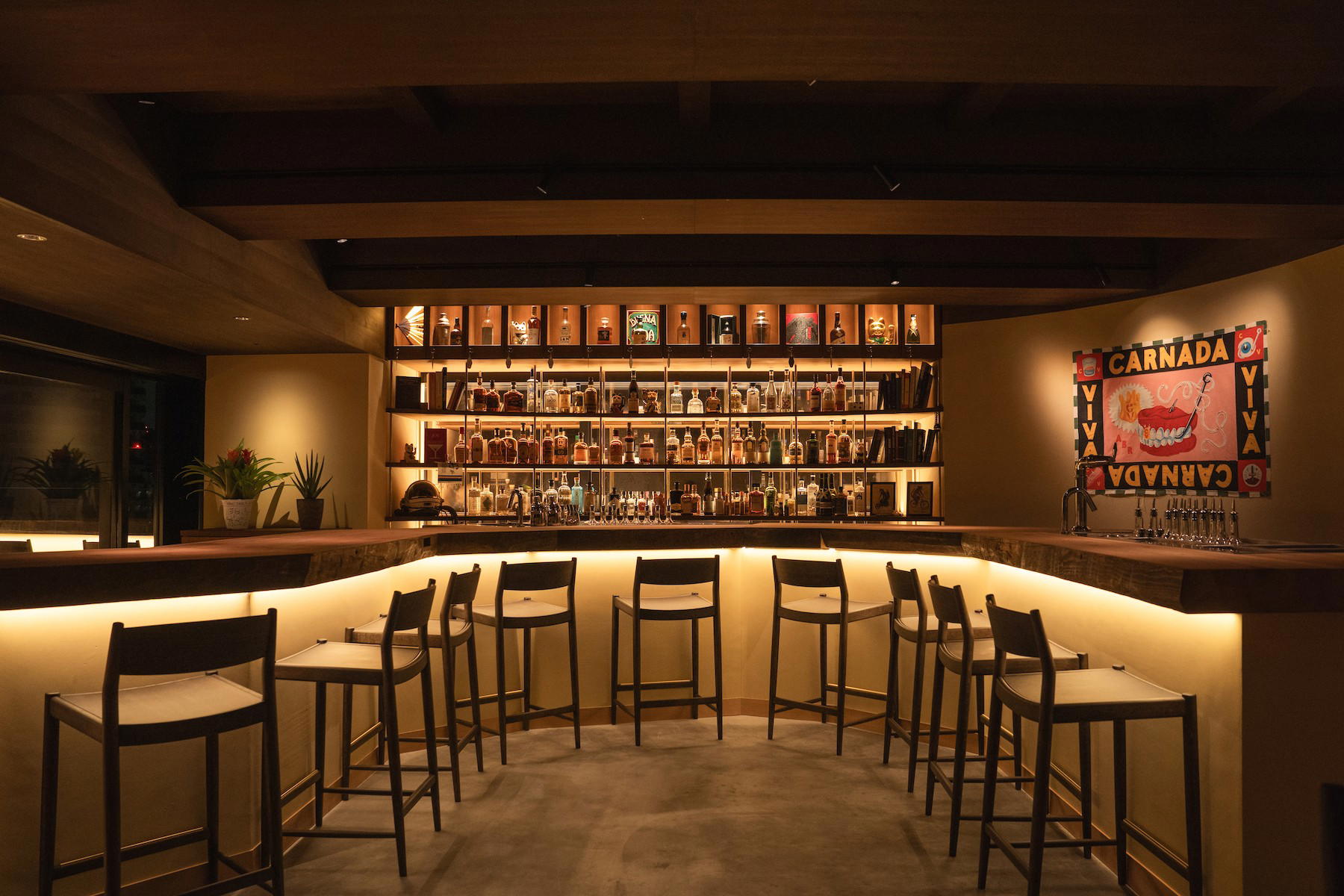
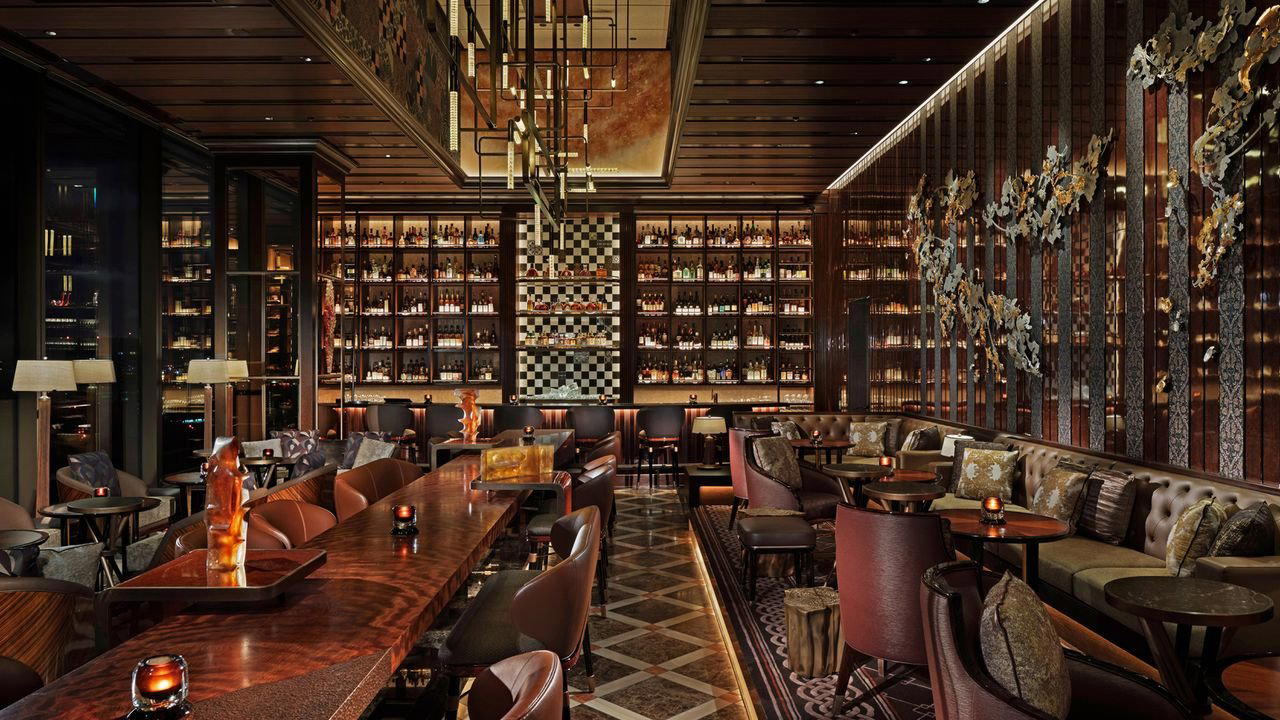
Minimalist white-toned interior with a single hinoki cypress counter, Scandinavian designer seating, and immaculate presentation; calm and focused atmosphere designed for undistracted enjoyment of each dish.