Juniper
Juniper occupies a considered position in Washington D.C.'s West End dining scene, where hotel restaurants have increasingly shed their generic formats in favor of tighter, more purposeful programming. Located at 2401 M St NW, the restaurant draws from the neighborhood's professional and diplomatic character, presenting a menu architecture that rewards attention rather than demanding it.
Pearl is the En Primeur Club membership app — saves, bookings, and concierge access live there. Same editors, same standards.
- Address
- 2401 M St NW, Washington, DC 20037
- Phone
- +12024575020
- Website
- fairmont.com
- Directions
- Get directions
 Saves & bookings on Pearl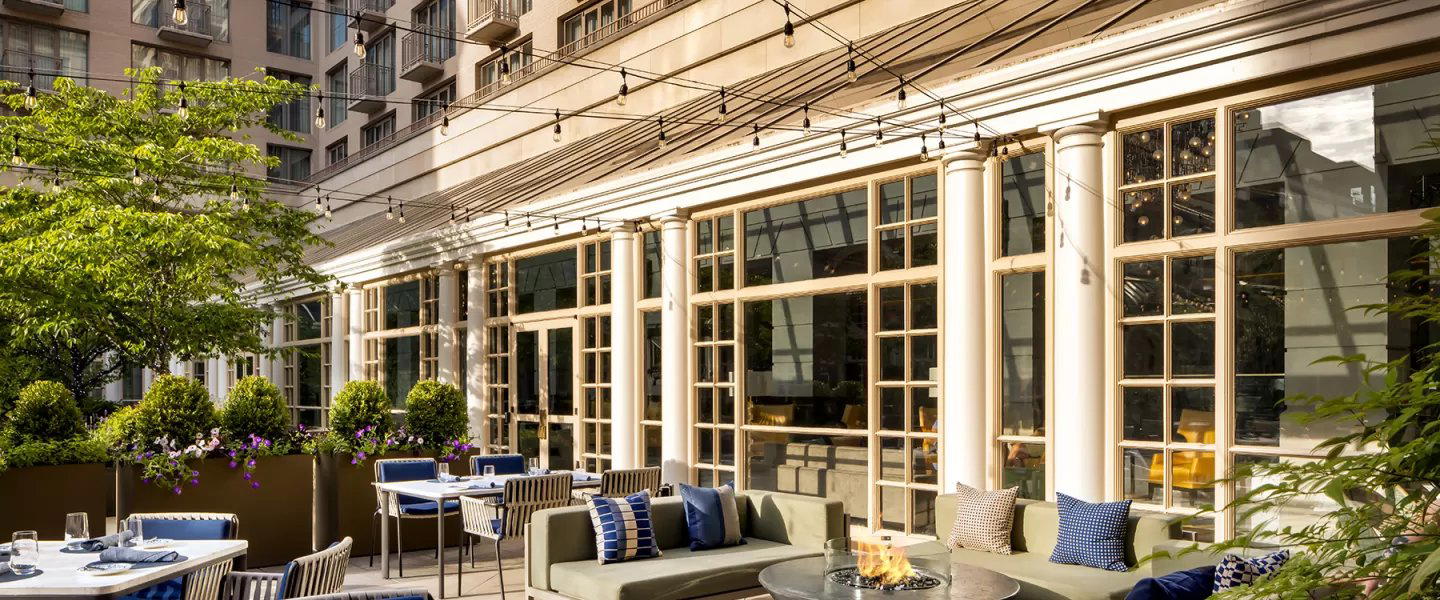
What the Menu Tells You Before You Order
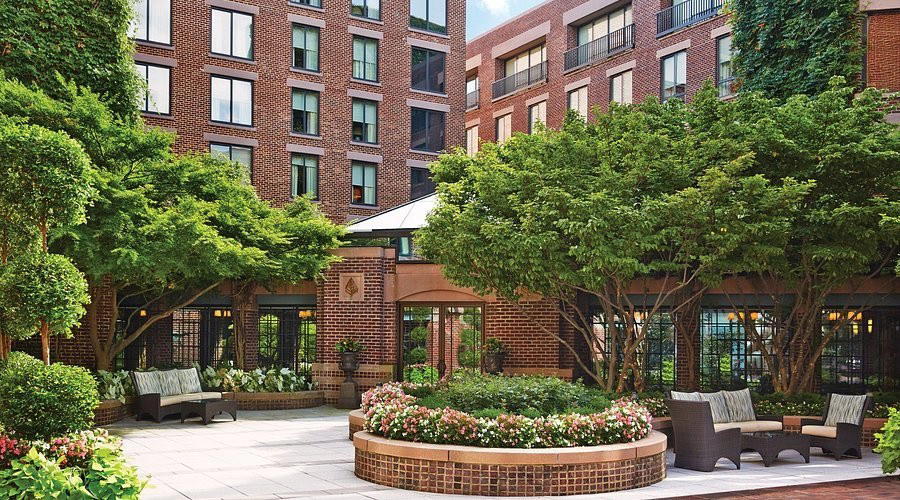
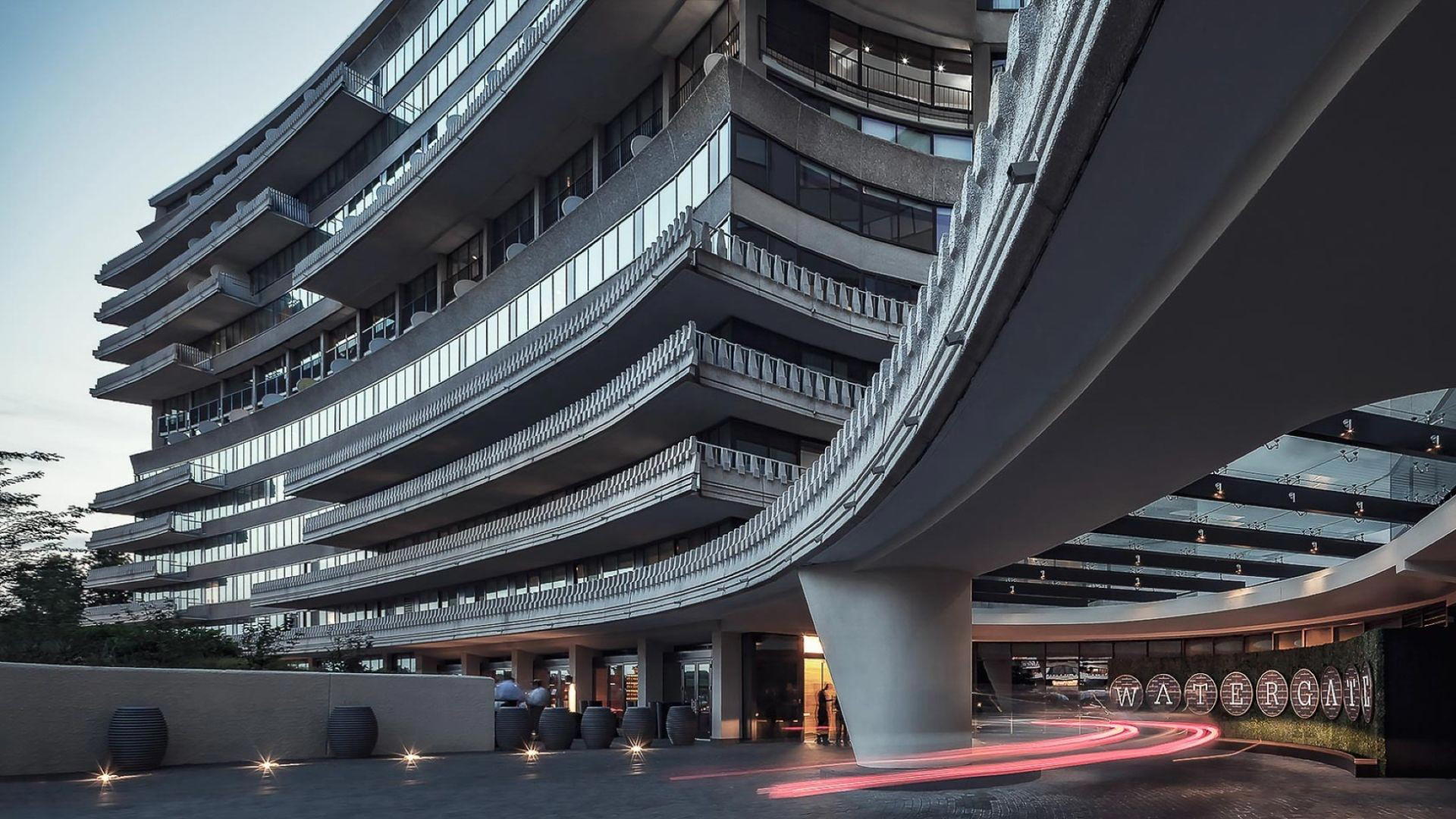
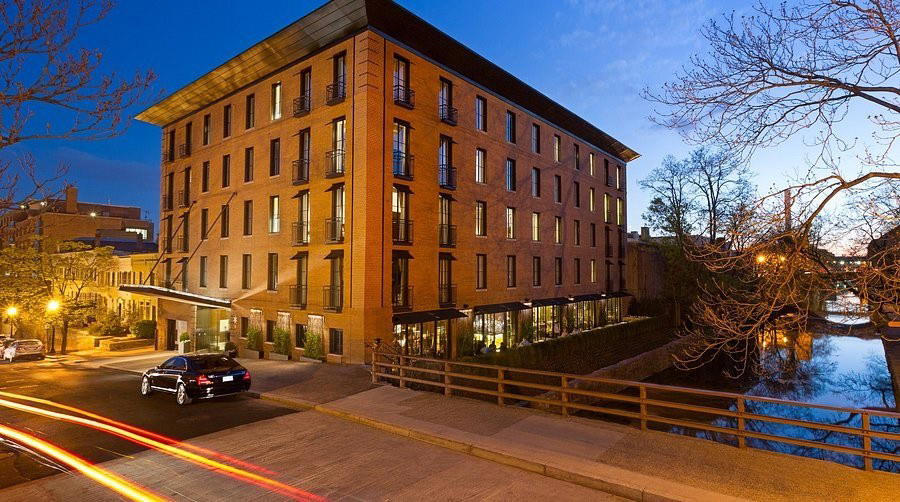
Juniper is a seasonal American brasserie in Washington, D.C. Properties that once ran sprawling all-day menus with predictable continental range have progressively narrowed their focus, letting the menu structure itself signal intent. Juniper, at 2401 M St NW in the city's West End, participates in that shift. The address sits within the Fairmont Washington, D.C. Georgetown, and the room has a professional register suited to the hotel's setting.
In a city where the premium dining conversation increasingly centers on chef-driven independents, the hotel restaurant occupies a distinct structural position. Venues like Jônt and minibar operate as destination counters, built around singular tasting formats that require advance planning and a specific appetite for intensity. Juniper reads differently. It functions as a room where the menu has to work across multiple occasions, serving the guest who arrives after a long flight as confidently as the one celebrating a deliberate dinner reservation.
Menu Architecture as Editorial Position
How a restaurant structures its menu is one of the more reliable signals of what the kitchen believes in. A menu with too many sections and too many options typically indicates a kitchen hedging against uncertain demand. A menu that is too constrained can signal ambition without the execution to sustain it. The middle path, a menu with clear internal logic and a modest number of well-defined categories, tends to reflect a kitchen working within its actual strengths.
The broader American hotel dining category has largely moved toward seasonal, regionally anchored menus over fixed continental formats, a shift visible across properties from Single Thread Farm in Healdsburg to Addison in San Diego. Juniper operates within that current. The West End location in D.C. gives the kitchen access to mid-Atlantic produce cycles, which in practice means the menu can credibly rotate around Chesapeake ingredients, seasonal game, and East Coast fishing calendars without reaching too far for its sourcing narrative.
For the reader thinking about how Juniper compares within D.C.'s broader dining tier, the useful context is not the tasting-menu circuit. Causa and Albi occupy the $$$$-bracket among independent restaurants with strong singular identities; Oyster Oyster operates at $$$ with a sustainability-led vegetable focus that has attracted consistent editorial recognition. Juniper's hotel context places it in a different competitive set, one where the kitchen competes as much on reliability and range as on any single dish or point of view.
The West End's Position in D.C.'s Dining Geography
The West End sits between Georgetown and Dupont Circle, two neighborhoods that anchor different dining temperaments. Georgetown leans toward longevity and institution; Dupont Circle toward density and repeat trade from the residential base. The West End itself is thinner in independent restaurant terms, which means hotel dining rooms carry more of the neighborhood's dining weight than they might in Shaw, Logan Circle, or the H Street corridor.
That geographic reality matters for how a room like Juniper functions. It is not surrounded by a competitive cluster of independents pushing it to sharpen any particular edge. The pressure comes instead from the expectations of its own hotel guests and the professional class that uses West End restaurants for working meals and client dinners. Those are demanding conditions in their own way: the room needs to be consistent at lunch, competent across a full dinner service, and capable of handling dietary variations without the kitchen visibly straining.
For context on how D.C.'s wider restaurant ecosystem operates, our full Washington, D.C. restaurants guide maps the city's neighborhoods and price tiers. Nationally, hotel dining programs with genuine culinary ambition can be found at properties anchored to chefs with external reputations: Le Bernardin in New York City and Emeril's in New Orleans represent the model where chef identity drives the hotel dining proposition. The Inn at Little Washington, while not a conventional hotel restaurant, shows what the region's premium tier looks like when a single kitchen sustains decades of focused attention.
Planning Your Visit
Juniper is located at 2401 M St NW, within the Fairmont Washington, D.C. Georgetown. The West End address is accessible from the Foggy Bottom metro station, and the hotel's parking structure makes it viable for guests arriving by car from Virginia or Maryland suburbs. For working dinners, the room's hotel setting provides a degree of ambient professionalism that more casual independent restaurants in the city cannot replicate.
Given the hotel context and the West End's lower density of competing restaurants, Juniper is recommended for reservations rather than walk-ins. Venues like Lazy Bear in San Francisco, Alinea in Chicago, or The French Laundry in Napa operate on reservation windows of one to three months for prime sittings. For a hotel dining room of Juniper's type, a booking made a week to ten days in advance is generally sufficient for mid-week dinners, with weekends during peak D.C. seasons warranting earlier attention.
Readers who want to compare D.C.'s premium independent tier against similarly positioned programs in other cities should look at Providence in Los Angeles, Blue Hill at Stone Barns in Tarrytown, and Atomix in New York City as reference points for how tightly edited menus and strong sourcing narratives have reshaped expectations across the American fine dining tier. 8 1/2 Otto e Mezzo Bombana in Hong Kong offers a useful international data point for how hotel-adjacent fine dining operates at the award level when the kitchen has strong enough identity to transcend its property context.
Recognition Snapshot
Comparable venues nearby, for context on price, style, and recognition.
| Venue | Cuisine | Price | Notes |
|---|---|---|---|
| JuniperThis venue — the venue you are viewing | Seasonal American Brasserie | $$$ | Not listed |
| Proper 21 | Modern American Sports Bar | $$$ | East End |
| Bistro 525 | Mediterranean-Accented American Bistro | $$$ | East End |
| Sixty Vines Foggy Bottom | Contemporary Italian Farm-to-Table New American | $$$ | West End |
| Westend Bistro | Modern American Bistro | $$$ | West End |
| Jardenea | Modern American Farm-to-Table | $$$ | West End |
Continue exploring
More in Washington DC
Restaurants in Washington DC
Browse all →
Bars in Washington DC
Browse all →
Hotels in Washington DC
Browse all →
At a Glance
- Cozy
- Elegant
- Intimate
- Brunch
- Business Dinner
- Casual Hangout
- Courtyard
- Hotel Restaurant
- Local Sourcing
- Garden
Current opening hours
- Monday
- 7 AM–2 PM
- Tuesday
- 7 AM–2 PM
- Wednesday
- 7 AM–2 PM
- Thursday
- 7 AM–2 PM
- Friday
- 7 AM–2 PM
- Saturday
- 7 AM–2 PM
- Sunday
- 7 AM–2 PM
Hours can change for holidays and private events. Last verified .
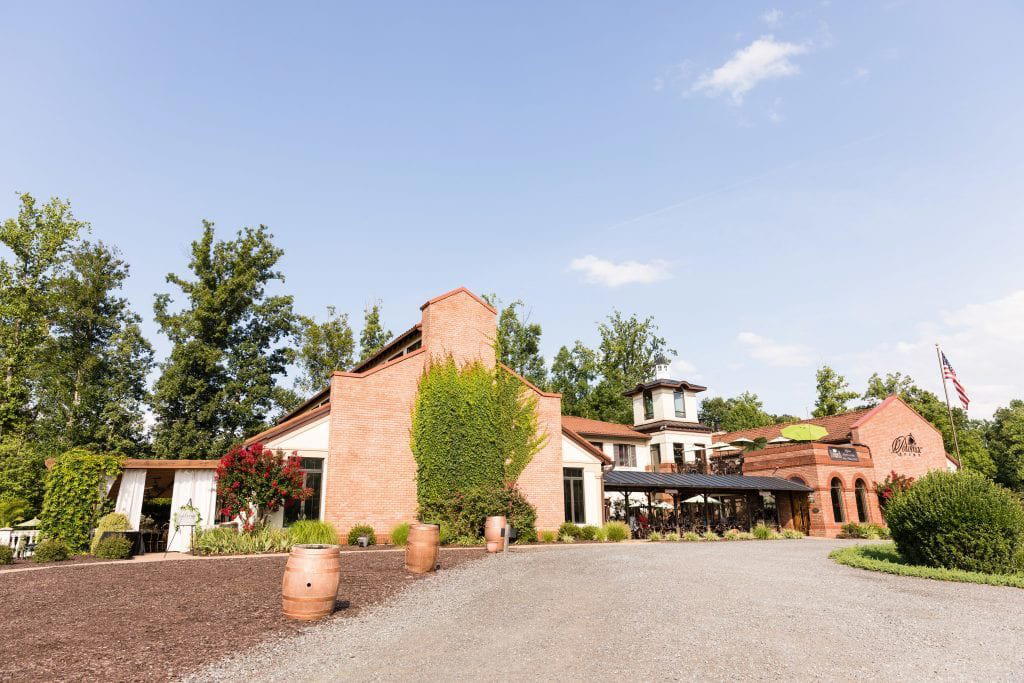
Relaxed yet elegant atmosphere with stylish courtyard dining surrounded by cherry trees, intimate indoor setting, and lively conversational vibe.