Westend Bistro
Westend Bistro occupies a low-key address on 22nd Street NW in Washington's West End, a neighbourhood that functions as a quiet corridor between Georgetown's historic density and the hotel corridors of Foggy Bottom. The bistro format sits in a tier of D.C. dining defined by consistency over spectacle, drawing a clientele that returns for familiarity rather than novelty.
- Address
- 1190 22nd St NW, Washington, DC 20037
- Phone
- +12029744900
- Website
- westendbistrodc.com
- Directions
- Get directions
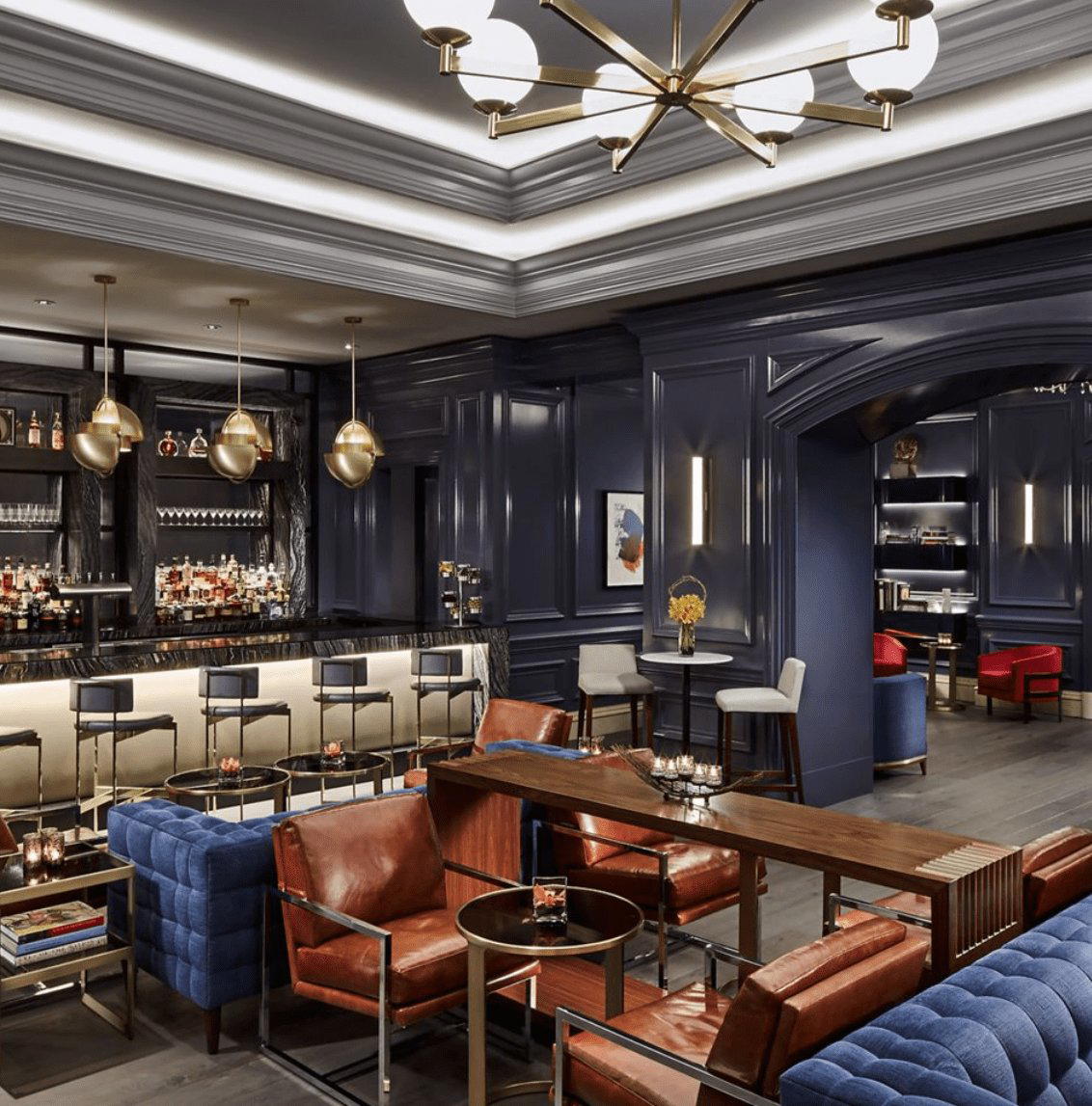
The West End's Steady Hand
Washington's West End has never competed for the kind of attention that clusters around Penn Quarter or 14th Street. The neighbourhood runs on a different rhythm: hotel guests, lobbying professionals, and residents who want reliable cooking within walking distance rather than a reservation strategy mapped out months in advance. Bistro formats flourish in this environment precisely because they reward repeat visits. The menu logic is cumulative rather than revelatory, and the room tends to operate at a register that makes conversation possible.
Westend Bistro is a Modern American Bistro at 1190 22nd Street NW, Washington, DC 20037. Its address places it inside the hotel corridor that defines much of the West End's commercial character, and the bistro category it inhabits is one where the returning guest, rather than the first-time visitor, sets the standard for success. In a city where the competitive conversation around restaurants tends to orbit Michelin-tracked tables like Jônt or the high-concept formats of minibar, the bistro occupies a different and more demanding position: it has to earn loyalty rather than curiosity.
What the Regulars Know
In most cities, the restaurants that sustain a loyal clientele across years tend to share a few structural qualities. The room is comfortable without being precious. The menu changes enough to reward attention but not so drastically that returning guests lose their footing. The pacing is managed by people who recognize faces. These qualities are harder to engineer than a singular tasting menu, and they rarely generate the kind of press coverage that follows a Michelin announcement or a James Beard nomination. That does not make them less valuable to the people who rely on them.
The West End bistro format, of which Westend Bistro is one representative, draws a clientele shaped by the neighbourhood's professional character. These are guests who may have eaten at Albi for a special occasion and at Oyster Oyster for a more considered evening, but who also want a table that does not require the same level of planning. The value of a well-run bistro in this context is not that it replaces those experiences, but that it fills a different frequency in the week.
Across American cities, the restaurants that hold this position longest tend to anchor themselves to a few things done with consistency: a wine list that does not overtax a guest who orders the same bottle twice a month, a short menu with one or two preparations that regulars treat as benchmarks, and a front-of-house team that understands the difference between efficiency and hospitality. The bistro that loses its regular clientele typically does so not through dramatic failure but through the gradual erosion of the small recognitions that made the room feel like a known quantity.
D.C.'s Mid-Register Dining and Where Bistros Fit
Washington's fine dining tier has grown considerably in ambition over the past decade. Properties like The Inn at Little Washington have long anchored the upper register, while newer arrivals push formal creativity. Comparison venues operating in the city's higher price tiers include the Peruvian tasting format at Causa and the sourcing-led New American approach at Oyster Oyster. Against this backdrop, the bistro occupies a structural role that neither of those formats can fill: accessible frequency dining for guests who eat out multiple times a week and do not want each meal to carry the weight of an occasion.
Nationally, the bistro format has held its ground even as tasting menus and chef-driven counter experiences have expanded. Restaurants like Lazy Bear in San Francisco, Alinea in Chicago, and Le Bernardin in New York City have defined what American fine dining looks like at its most constructed. The bistro exists at the other end of that axis: less constructed, more habitual, and evaluated on entirely different terms. A guest who eats at Providence in Los Angeles once a year and at a neighbourhood bistro once a month is making two different kinds of decisions, and the bistro earns its place by making the frequent decision feel worth repeating.
Planning a Visit
The West End address at 1190 22nd Street NW is accessible from the Foggy Bottom metro station, placing it within easy reach of guests staying in the area or travelling in from elsewhere in the city. The bistro format generally does not carry the booking lead times of D.C.'s most-tracked tables; reservations are recommended. Dress code is smart casual.
Price Lens
Comparable venues nearby, for context on price, style, and recognition.
| Venue | Cuisine | Price | Notes |
|---|---|---|---|
| Westend BistroThis venue — the venue you are viewing | West End, Modern American Bistro | $$$ | Not listed |
| The Tavern at The Henley Park | Not listed | $$$ | Shaw, Classic American with Modern Influences |
| Jack Rose Dining Saloon | Not listed | $$$ | Reed-Cooke, Contemporary American Whiskey Bar |
| Jardenea | West End, Modern American Farm-to-Table | $$$ | Not listed |
| Sonoma | Not listed | $$$ | The Capitol Grounds, New American Wine Bar |
| Clyde's of Georgetown | Not listed | $$ | West Village Georgetown, Classic American Saloon |
Continue exploring
More in Washington DC
Restaurants in Washington DC
Browse all →
Bars in Washington DC
Browse all →
Hotels in Washington DC
Browse all →
At a Glance
- Cozy
- Modern
- Elegant
- Date Night
- Business Dinner
- Hotel Restaurant
- Extensive Wine List
- Craft Cocktails
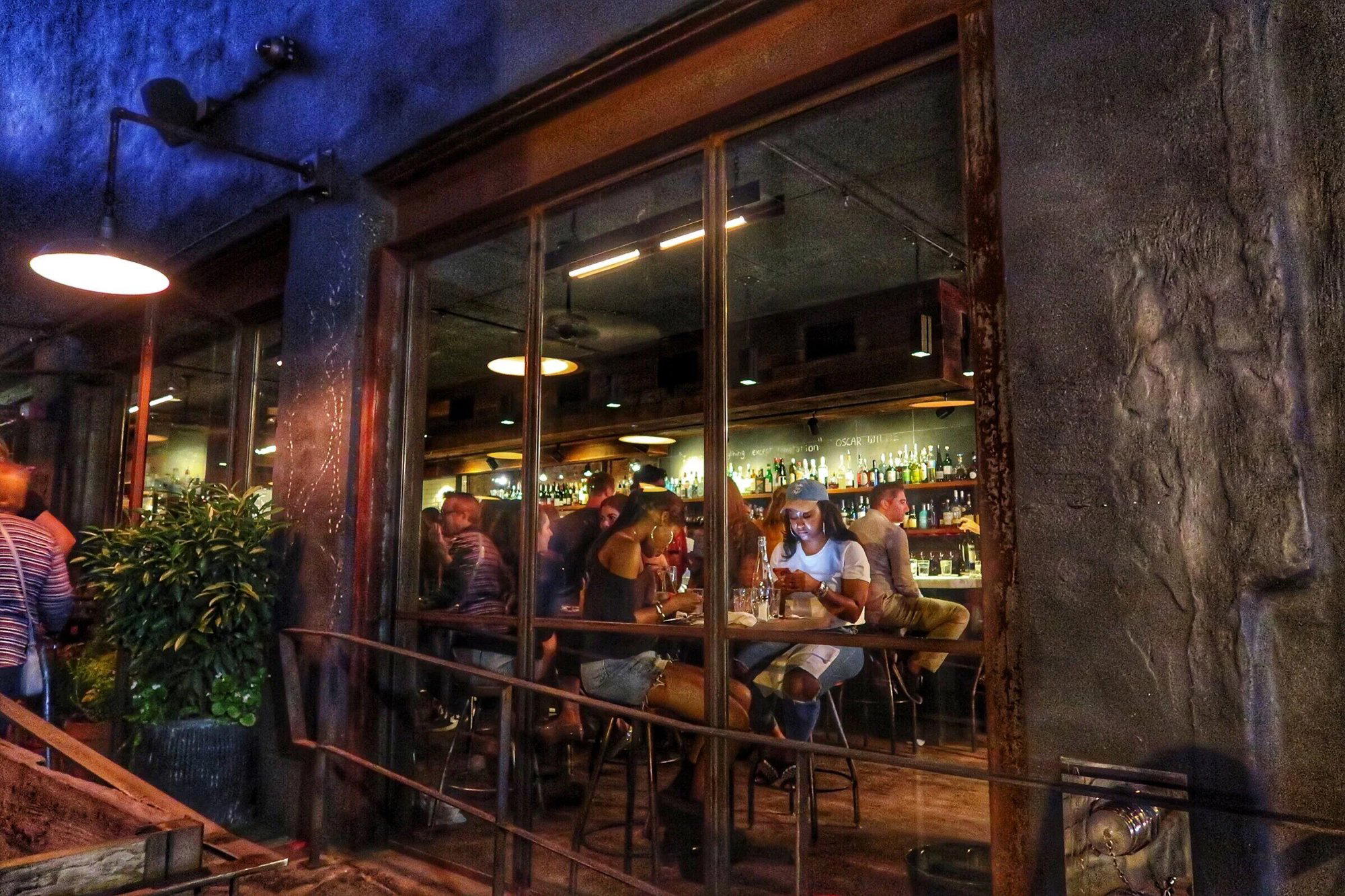
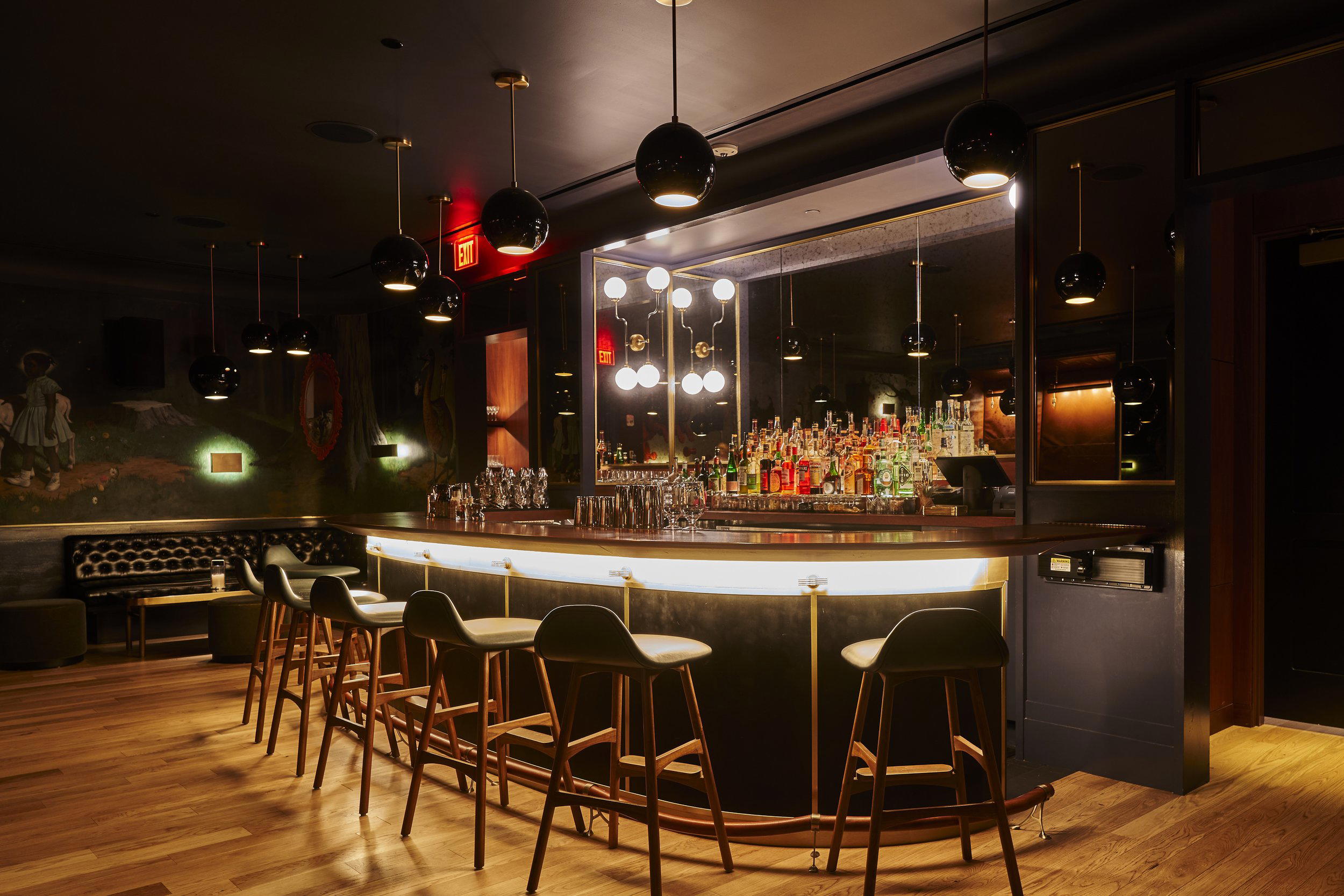
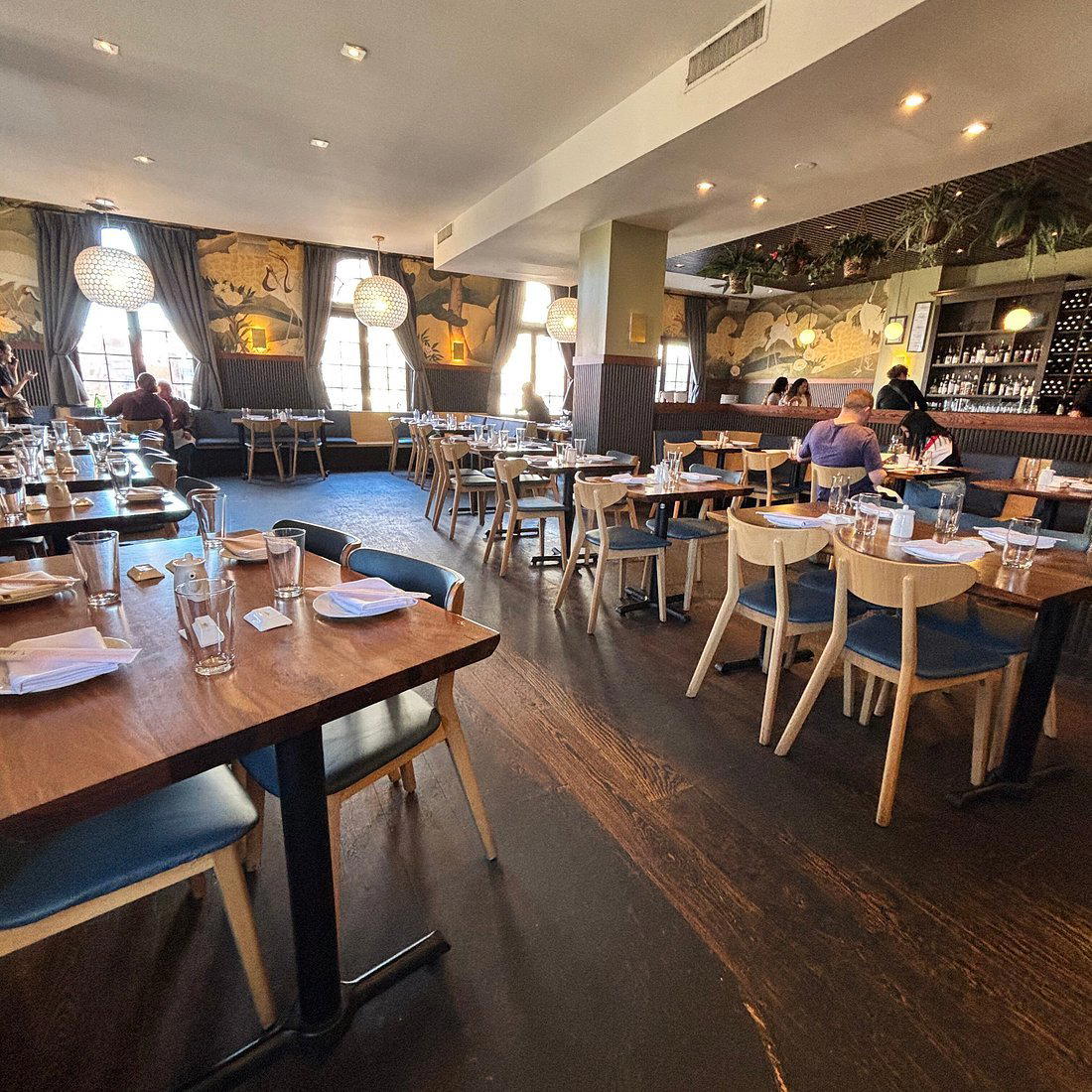
Unfussy and remarkably comfortable with a trendy decor resembling a corner coffee shop serving haute cuisine.