July

Michelin Plate
Our verdict
A Michelin Plate-recognised French Contemporary restaurant in Seoul's Seocho District, July sits within a tier of mid-to-upper fine dining that has grown significantly in the South Korean capital over the past decade. It draws a clientele that arrives for precise European technique applied in a city increasingly confident in its own fine-dining identity.

Pearl is the En Primeur Club membership app, where members save venues, book tables and use the concierge.
The menu
What to order
- Mugwort ice cream
- Gochujang and doenjang sauces
- Godaemi ancient rice dishes
French Fine Dining in a City That Has Learned to Demand More
Seocho District occupies a quieter register than the Gangnam corridors that dominate Seoul's luxury dining conversation. Along Donggwang-ro, the street frontage is residential in scale rather than commercial, which means arriving at July requires a specific kind of intention, you're not stumbling across it between shops. That physical remove from foot traffic shapes the room before you've ordered anything. Guests here have made a decision, and the atmosphere reflects it: unhurried, with the low ambient noise that comes when a dining room isn't competing for attention with a neighbourhood.
French Contemporary as a category in Seoul has matured considerably. A decade ago, the city's European-leaning fine dining scene sat in a narrower band, anchored by hotel dining rooms and a handful of independent chefs trained abroad. That cohort has since diversified. Michelin's annual Seoul guide now documents a spectrum from single-star houses working ambitious tasting menus to Plate-recognised addresses working with comparable technique at a more accessible price point. July earns its 2025 Michelin Plate within that latter group, a recognition that signals consistent kitchen craft and sound cooking rather than the structural ambition of a starred program.
Where July Sits in the Seoul Fine Dining Tier
Seoul's fine dining market has splintered into clearly readable tiers. At the upper end, addresses like Jungsik (Contemporary) operate with the kind of international profile and multi-star recognition that draws overseas diners specifically. Below that, a dense mid-tier has formed, mixing Korean-forward tasting menus at places like Mingles (Korean) and Kwonsooksoo (Korean) with European-rooted formats like July. The comparison set for a Michelin Plate French Contemporary address in Seocho is instructive: L'Amitié, a one-star French house also priced at ₩₩₩, represents the next rung on the recognition ladder in the same cuisine category, while Zero Complex and alla prima (Innovative) illustrate how Korean-French hybrids are claiming their own space alongside more classically framed European kitchens.
July's ₩₩₩ pricing sits deliberately in the range where the cooking is serious but the financial commitment is not at the level of ₩₩₩₩ addresses like 7th Door or Eatanic Garden. That positioning matters in a city where diners increasingly cross-reference menus and price points with the precision of a sommelier reading a wine list.
For broader regional context, French Contemporary as a category in Asian cities has tended to cluster around two poles: the grand hotel dining room tradition (well-represented by Robuchon au Dôme, French Contemporary in Macau) and the independently-owned chef's table format (closer to what Odette, French Contemporary in Singapore or Amber, French Contemporary in Hong Kong represent). July operates outside the hotel ecosystem, which is increasingly the model Seoul's French dining scene favours as it builds a more independent identity.
The Wine Program: Curation Over Volume
In French Contemporary dining, the wine program is rarely incidental. The cuisine's structural logic, sauce reductions, butter emulsions, precisely sourced proteins, is built around European wine pairing in a way that, say, Korean or Japanese formats are not. What this means in practice for a Seocho address is that a kitchen working in the French Contemporary idiom has an implicit obligation to its cellar.
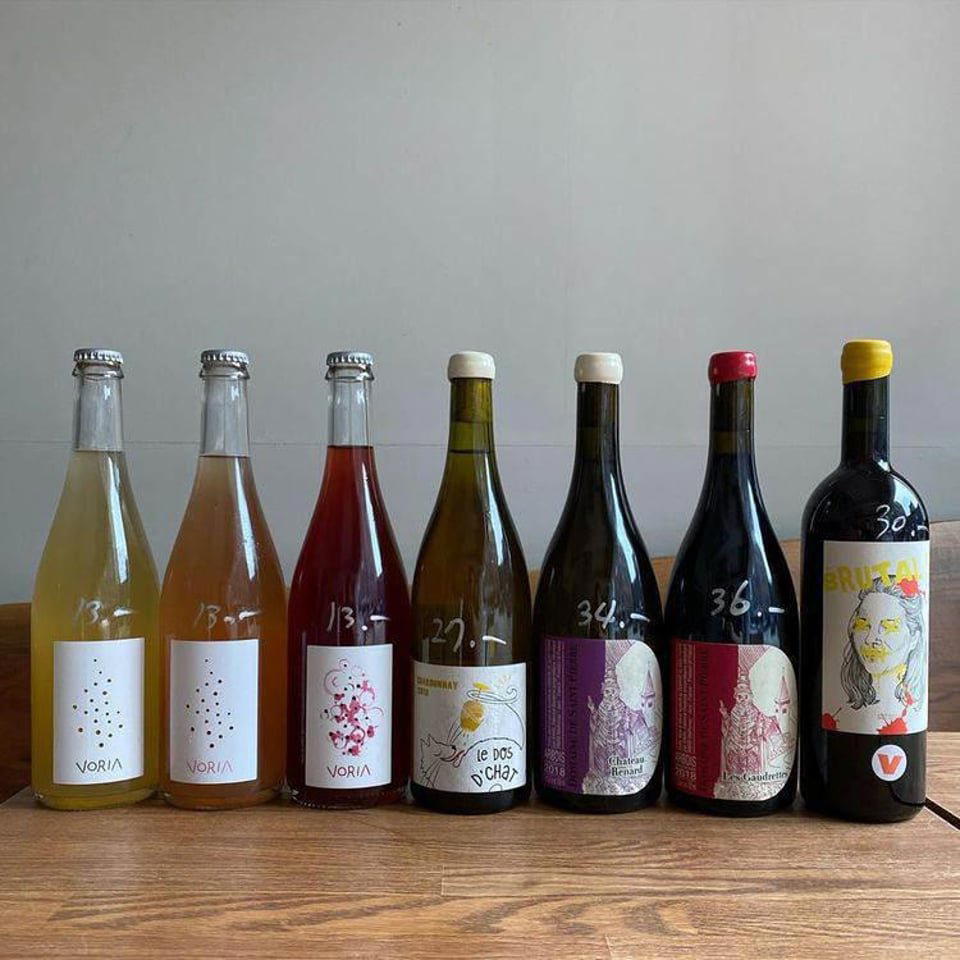
The most credible wine programs at this tier in Seoul tend to prioritise depth over breadth: a focused selection from classic French regions supplemented by emerging European producers, rather than an exhaustive global list that spreads the curation too thin. Burgundy and Loire tend to anchor the whites; Bordeaux, Rhône, and increasingly natural producers from Jura and Alsace represent the reds and orange wine interests that have filtered into Korean fine dining over the past five years.
For guests visiting from outside Korea with specific wine expectations, it's worth comparing what Seoul's French dining scene offers against the more established programs at Gaon in Seoul, Korea, which approaches its beverage program through a distinctly Korean lens, or the alla prima (Innovative) format, which has developed a reputation for creative pairing choices. July's French framing implies a more classically European approach to the pairing conversation.
Planning Your Visit
July is located at 164 Donggwang-ro in Seocho District, away from the denser Gangnam restaurant clusters and the Itaewon corridor. Getting there independently is direct via Seoul's subway network; Seocho Station on Line 2 places you within range of the address. For diners staying in central Seoul, a taxi or ride-hailing app is the more direct option.
At a ₩₩₩ price point in a Michelin Plate-recognised house, expect the experience to sit in the range that warrants advance booking rather than walk-in consideration. Seoul's better-regarded French kitchens in this tier tend to operate on reservation-led models, so contacting the restaurant ahead of your visit is the practical approach.
For context on how July fits within Seoul's broader dining options, our full Seoul restaurants guide maps the city's categories and neighbourhoods in detail. If you're extending beyond the dining room, our full Seoul bars guide and our full Seoul hotels guide cover the adjacent decisions worth making in Seocho and beyond.
Elsewhere in South Korea, Mori in Busan represents the country's second-city fine dining alternative, while Baegyangsa Temple in Jangseong-gun offers a radically different culinary register for those with time to move beyond Seoul. The 권숙수 - Kwon Sook Soo in Gangnam-gu and 더 플라잉 호그 - The Flying Hog in Seogwipo round out the country's geographic spread for curious diners. The Seoul experiences guide and Seoul wineries guide cover additional categories for a fuller city itinerary. The Green Table is also worth noting for those seeking a different approach to contemporary dining in the same city.
Frequently asked questions
What is the vibe at July?
July operates in a register consistent with Michelin Plate-recognised French Contemporary dining in Seoul, composed, moderately formal, and oriented toward guests who are there to eat seriously. The Seocho address contributes to a calmer atmosphere than you'd find at busier Gangnam or Itaewon restaurants in the same price tier (₩₩₩). For comparison, this is a quieter room than the Korean-forward tasting menu houses that dominate Seoul's upper Michelin bracket; the French framing tends to pull the atmosphere toward a more European dining pace.
Would July be comfortable with kids?
French Contemporary dining at the ₩₩₩ level in Seoul generally assumes an adult-oriented context. The cuisine format, the likely tasting or set-menu structure, and the seating expectations at a Michelin Plate address in Seocho are not naturally configured for young children. Families with older teenagers who have an established interest in fine dining would find it more appropriate than those with younger children. If the priority is a comfortable family meal in Seoul, this price point and cuisine category, regardless of venue, tends not to be the natural fit.
What should I order at July?
The venue's French Contemporary classification implies a kitchen working through European technique, likely structured around a set menu or a small selection of composed courses. In this cuisine category at this price point, the kitchen's signal dishes typically reflect classical French preparation applied to seasonal ingredients. For reference within Seoul's French-leaning scene, L'Amitié at the same tier operates a comparable set-menu structure as a useful benchmark for expectations.
Standing Among Peers
Comparable venues nearby, for context on price, style, and recognition.
| Venue | Cuisine | Price | Awards | Notes |
|---|---|---|---|---|
| JulyThis venue (the venue you are viewing) | Modern French with Korean Influences | $50–100 | Michelin Plate | Not listed |
| Chez Simon | Seasonal French Course Bistro | $50–100 | Michelin Plate | 이태원동 |
| Comme Moa | Classic French Bistro | Not listed | Michelin Plate | 필동 |
| Fuje | Contemporary French | Not listed | Michelin Plate | Dogok-dong |
| Sonnet | French Contemporary | Not listed | Michelin Plate | 압구정동 |
| Collage | French Contemporary | $150–200 | 1 Michelin Star | 압구정동 |
Recognition history
Dated appearances from independent guides and award organizations, with the underlying list record or original source where available.
Michelin Plate
Michelin
Full recognition history (2 entries)
Michelin Plate
Michelin
Continue exploring
More in Seoul
Restaurants in Seoul
All restaurants in Seoul →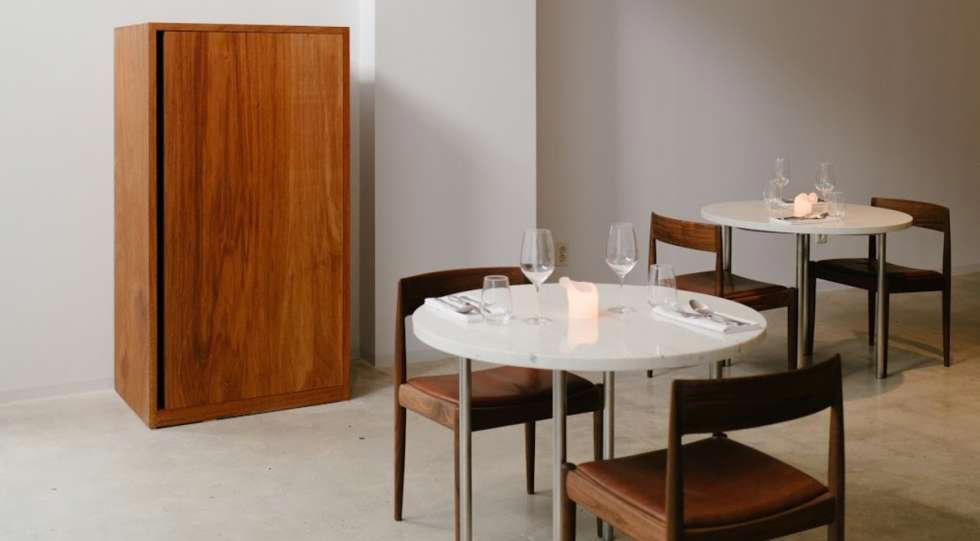
Bars in Seoul
All bars in Seoul →
Details
- Cozy
- Intimate
- Elegant
- Romantic
- Sophisticated
- Date Night
- Business Dinner
- Special Occasion
- Open Kitchen
- Private Dining
- Sommelier Led
- Local Sourcing
- Tasting Menu
- Prix Fixe
- Wine Pairings
- Allergy Accommodating
Current opening hours
- Monday
- Closed
- Tuesday
- 12–3 PM, 6–10 PM
- Wednesday
- 12–3 PM, 6–10 PM
- Thursday
- 12–3 PM, 6–10 PM
- Friday
- 12–3 PM, 6–10 PM
- Saturday
- 12–3 PM, 6–10 PM
- Sunday
- Closed
Hours can change for holidays and private events. Hours as of .
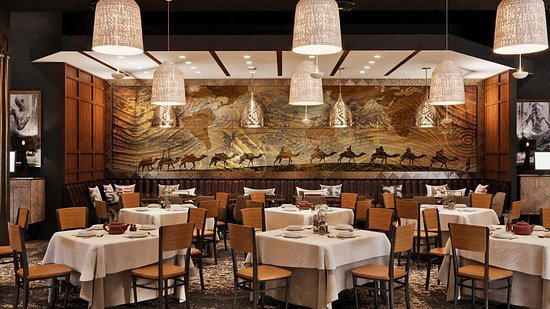
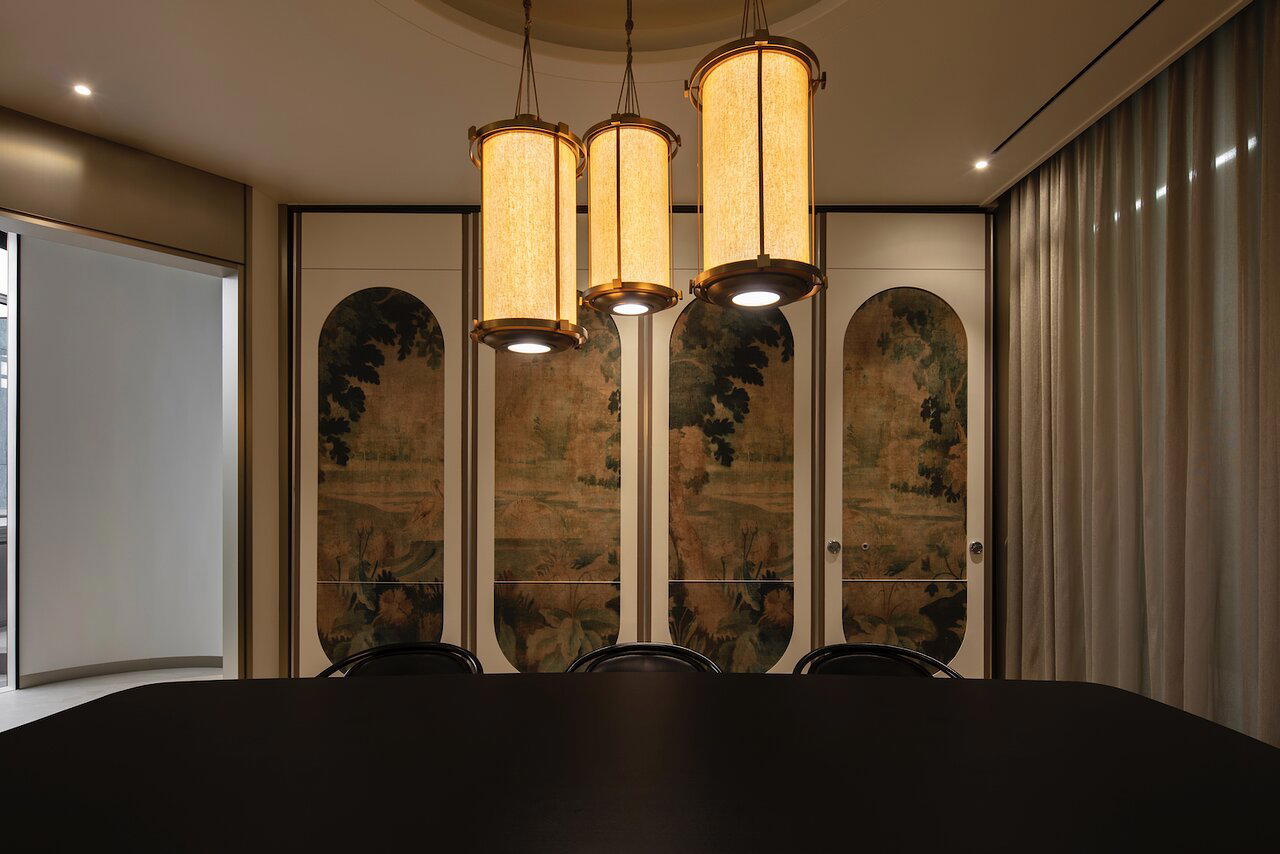
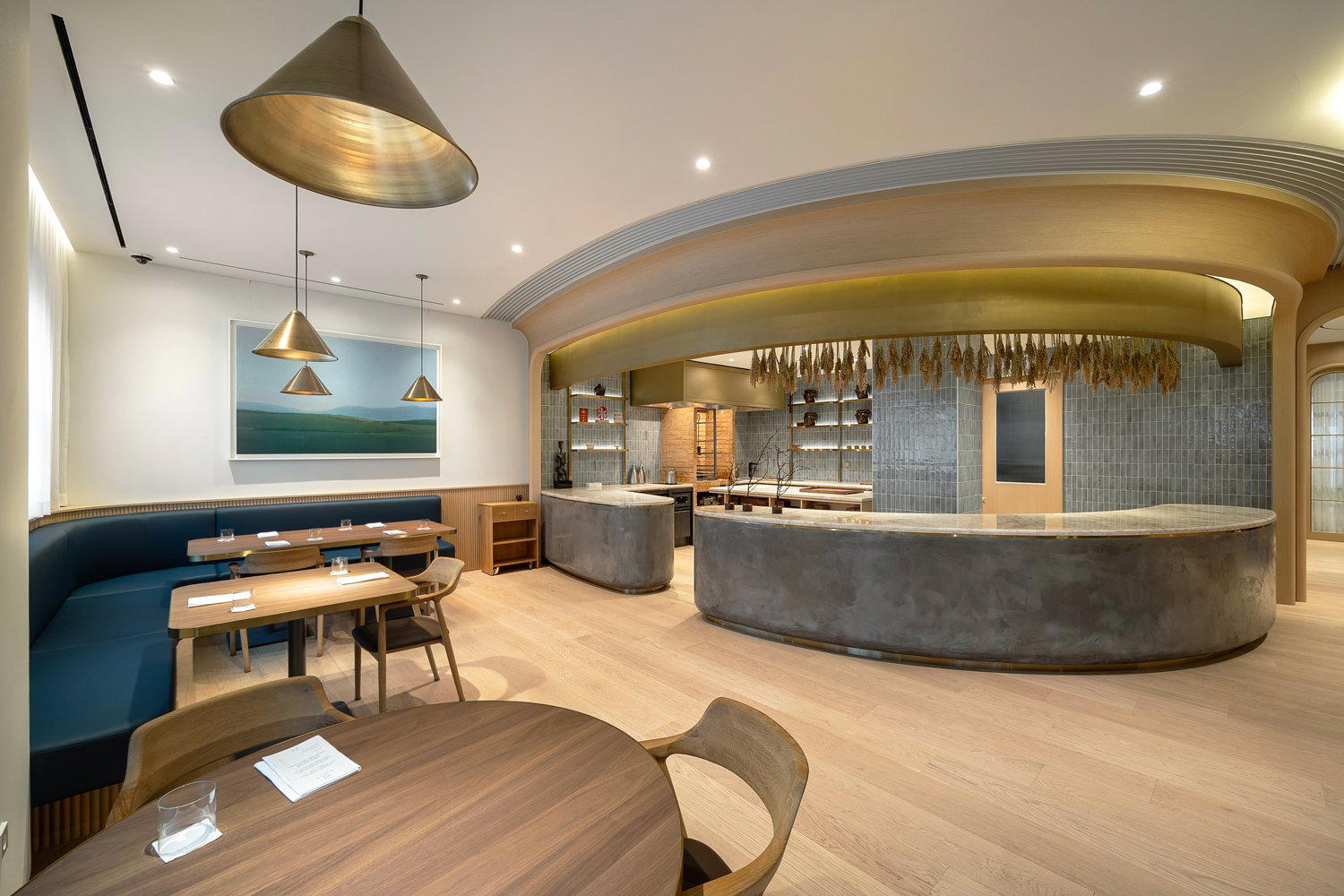
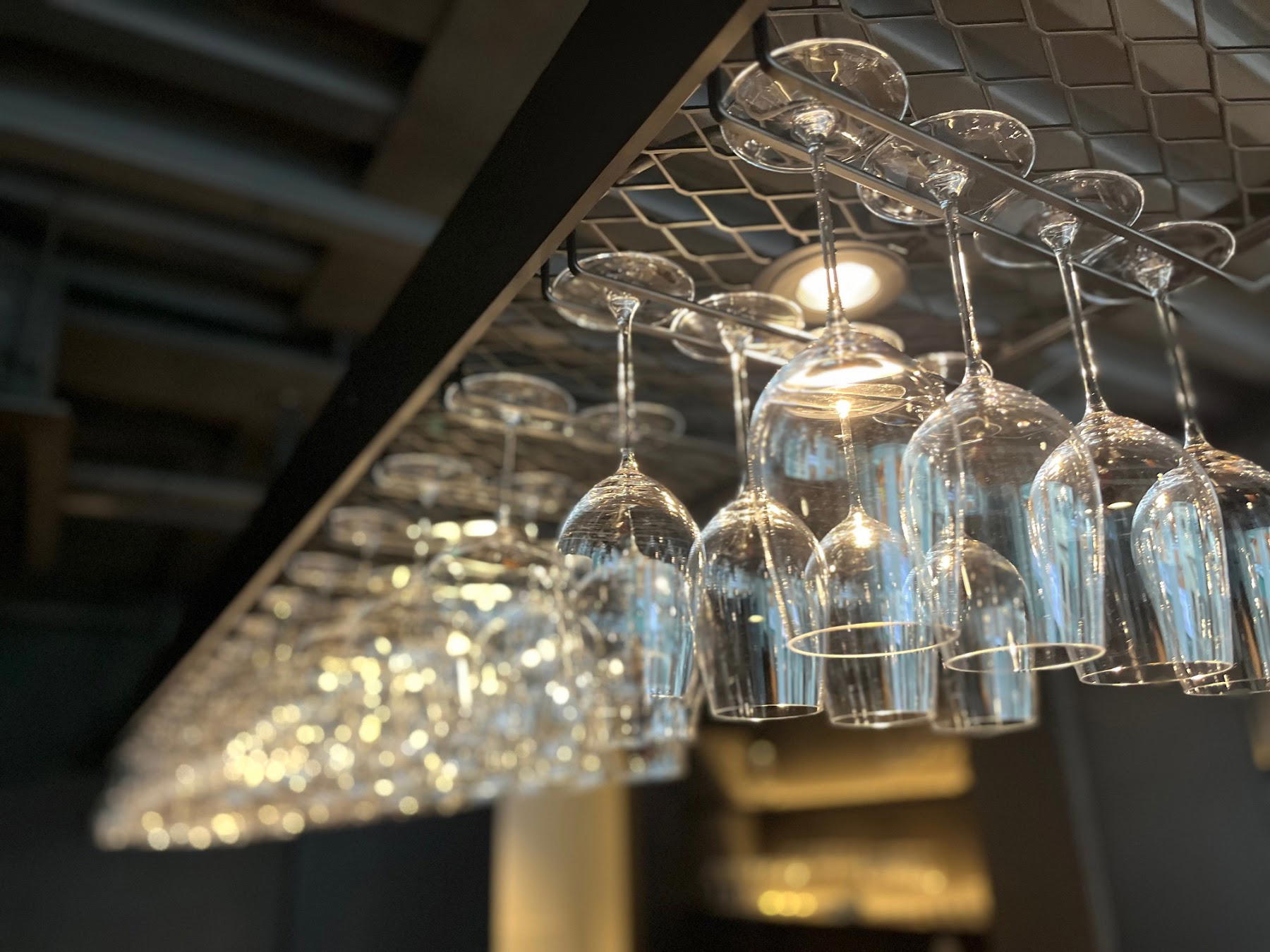
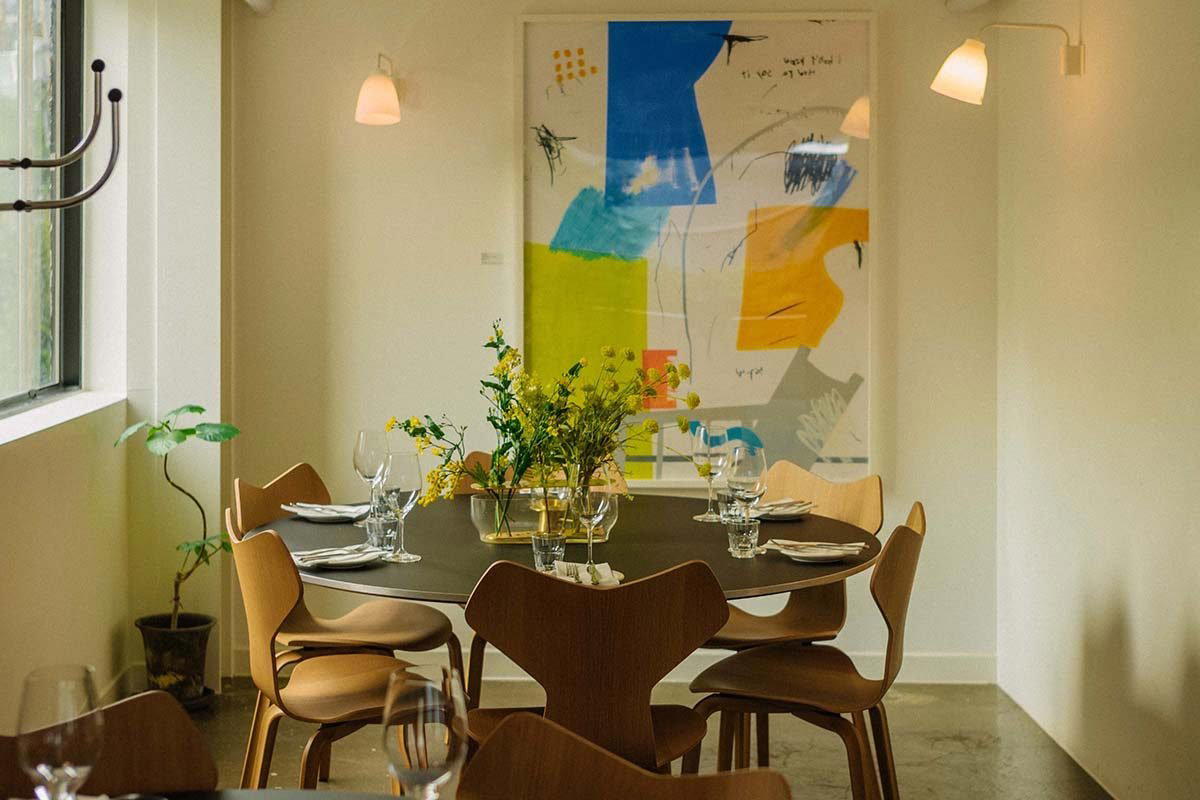
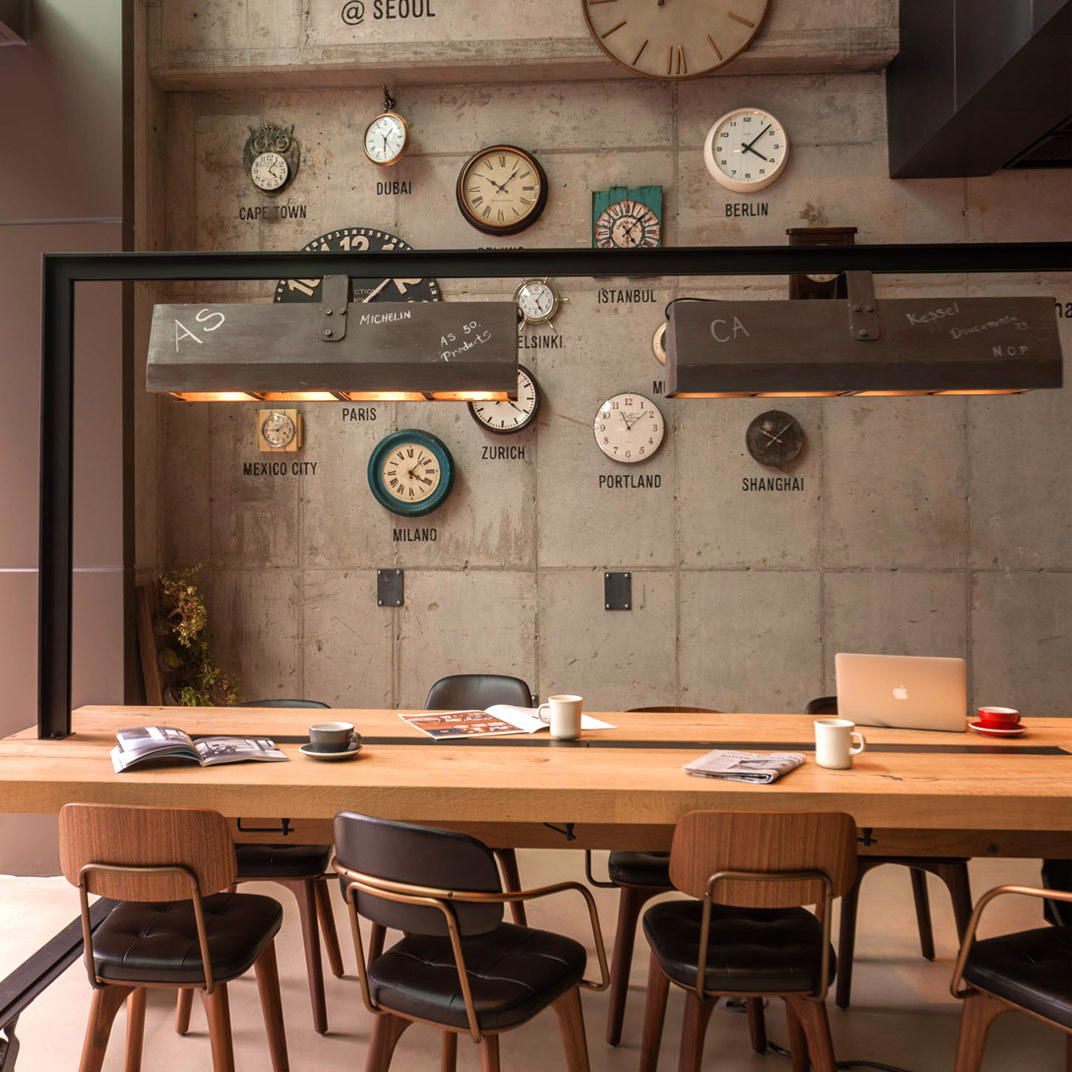
Wood-toned interiors with soft lighting create a warm, relaxed dining space suited for both business meetings and romantic dates.