

1 Michelin Star · Star Wine List
Our verdict
A 12-seat Korean omakase counter in Bangkok's Vatthana district, Juksunchae holds consecutive Michelin Plate recognition (2024–2025) and a Star Wine List White Star. The Italian marble counter frames a spare, considered tasting format where Chef Henry Lee reinterprets traditional Korean flavours through a modern omakase lens, relocating to its current address in 2025.

Pearl is the En Primeur Club membership app, where members save venues, book tables and use the concierge.
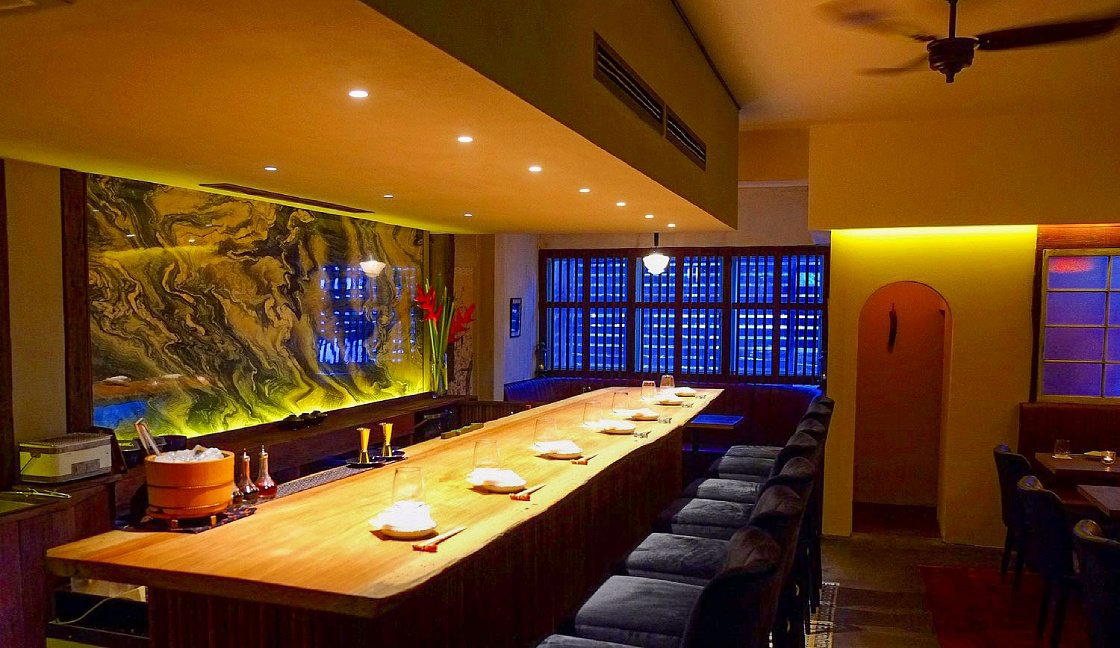
Counter Dining, Korean Tradition, and a 12-Seat Room in Vatthana
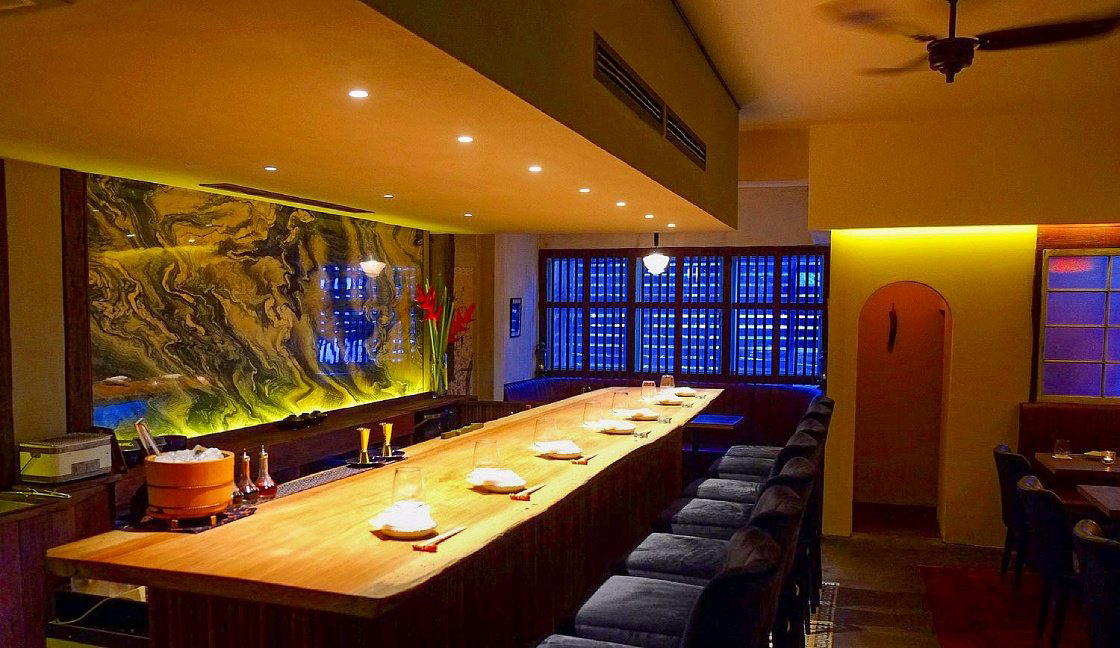
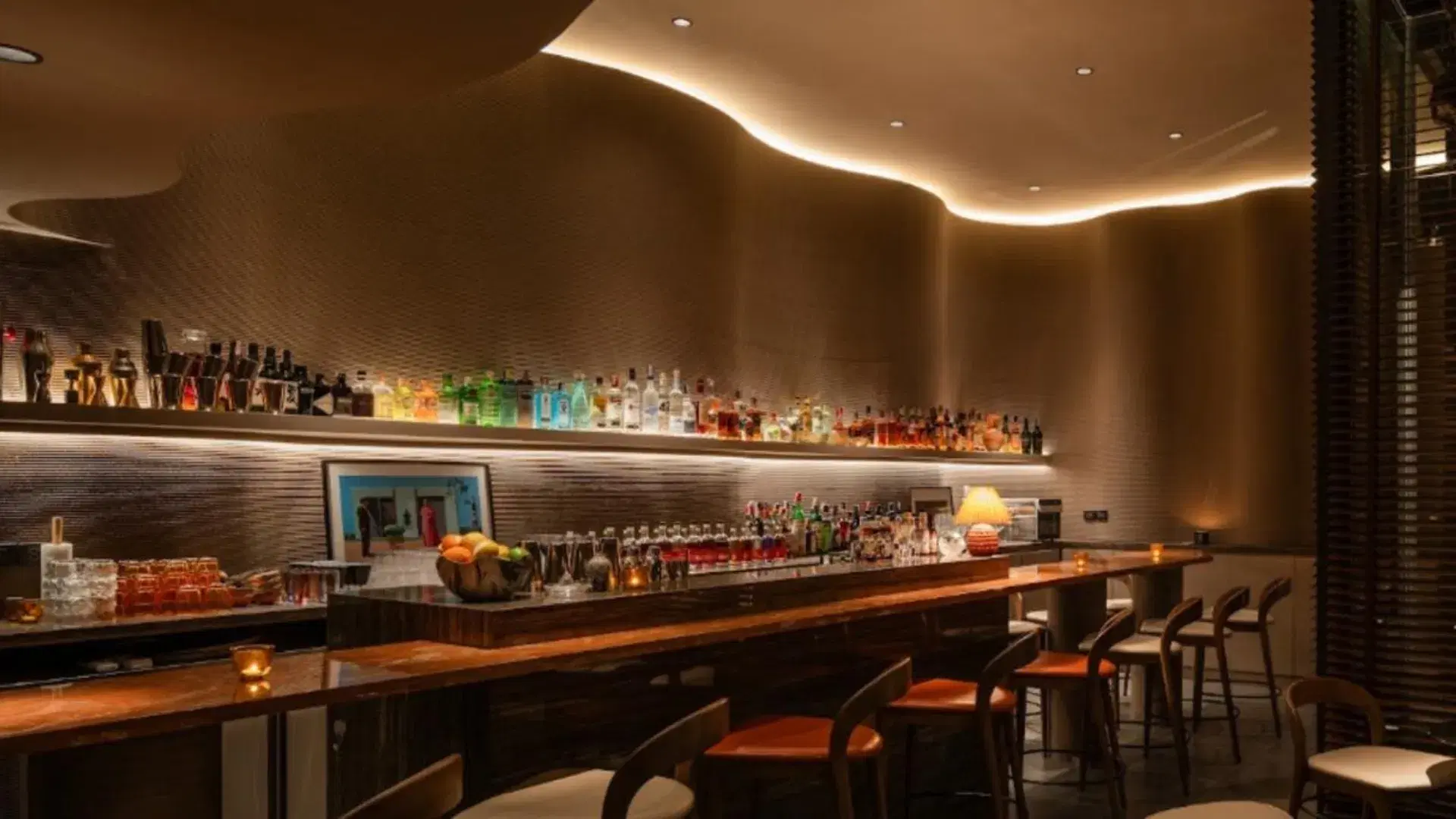
Step into the room at Juksunchae and the first thing you register is the marble. A single elongated counter, cut from Italian stone, wraps around an open kitchen in a space that seats exactly 12. Counter dining in Bangkok often trades atmosphere for proximity, delivering harsh overheads and cramped elbow room in exchange for a view of the pass. Here the equation is different: the counter is generous, the light considered, and the kitchen behind it kept with the kind of order that signals something precise is happening. The room relocated to Sukhumvit 49 in Vatthana during 2025, and the new address suits both the format and the ambition.
Bangkok's fine-dining circuit has widened considerably in the past decade, absorbing cuisines that would once have seemed peripheral to the city's restaurant conversation. Sorn and Baan Tepa anchor the Thai end at two and three Michelin stars respectively, while European-rooted programs like Sühring and Côte by Mauro Colagreco operate at ฿฿฿฿. Juksunchae sits at ฿฿฿ and holds two consecutive Michelin Plate recognitions, placing it in a tier where the commitment to craft is verified but the price barrier remains more accessible than the starred cohort above it. Korean fine dining occupies a genuinely small niche within Bangkok's output, which means Juksunchae competes less against its city neighbours and more against the standard set by Seoul's serious omakase houses, counters like Mingles and Kwonsooksoo, where Korean technique is applied at the highest level of contemporary fine dining.
The Omakase Format Through a Korean Lens
Omakase as a dining structure migrated from Japan into Korean fine dining over the past two decades, and the leading Seoul practitioners have developed a genuinely distinct vocabulary for it, one that draws on court cuisine traditions, fermentation logic, and the precision of banchan composition. The hanjeongsik tradition, the formal multi-course spread historically associated with royal court service, provides the deepest historical root for this approach. In its original form, hanjeongsik meant dozens of small preparations arranged around a central grain, each dish calibrated to balance flavour, colour, and seasonal ingredient. The leap from that tradition to a tasting menu counter is not as wide as it first appears: both formats require the kitchen to sequence flavours deliberately, balance richness against acidity, and treat every element on the surface as a considered contribution to a larger composition.
Chef Henry Lee's format at Juksunchae operates within that lineage, though the expression is modern. The menu takes traditional Korean flavour profiles as its reference point and reformats them into the counter omakase structure. The acknowledged inspiration is Lee's grandmother's approach to cooking, a detail worth noting not as biographical colour but as a culinary signal: intuitive Korean home cooking, grounded in preserved, fermented, and seasonal ingredients, is a different starting point from restaurant orthodoxy. Dishes documented in the venue's recognition record include octopus tubu jigae, truffle mandu, and bibimbap with crab, preparations that retain Korean structural logic while introducing ingredients and techniques that place them clearly in a contemporary fine-dining register.
Wine Recognition and the Bangkok Fine-Dining Pairing Scene
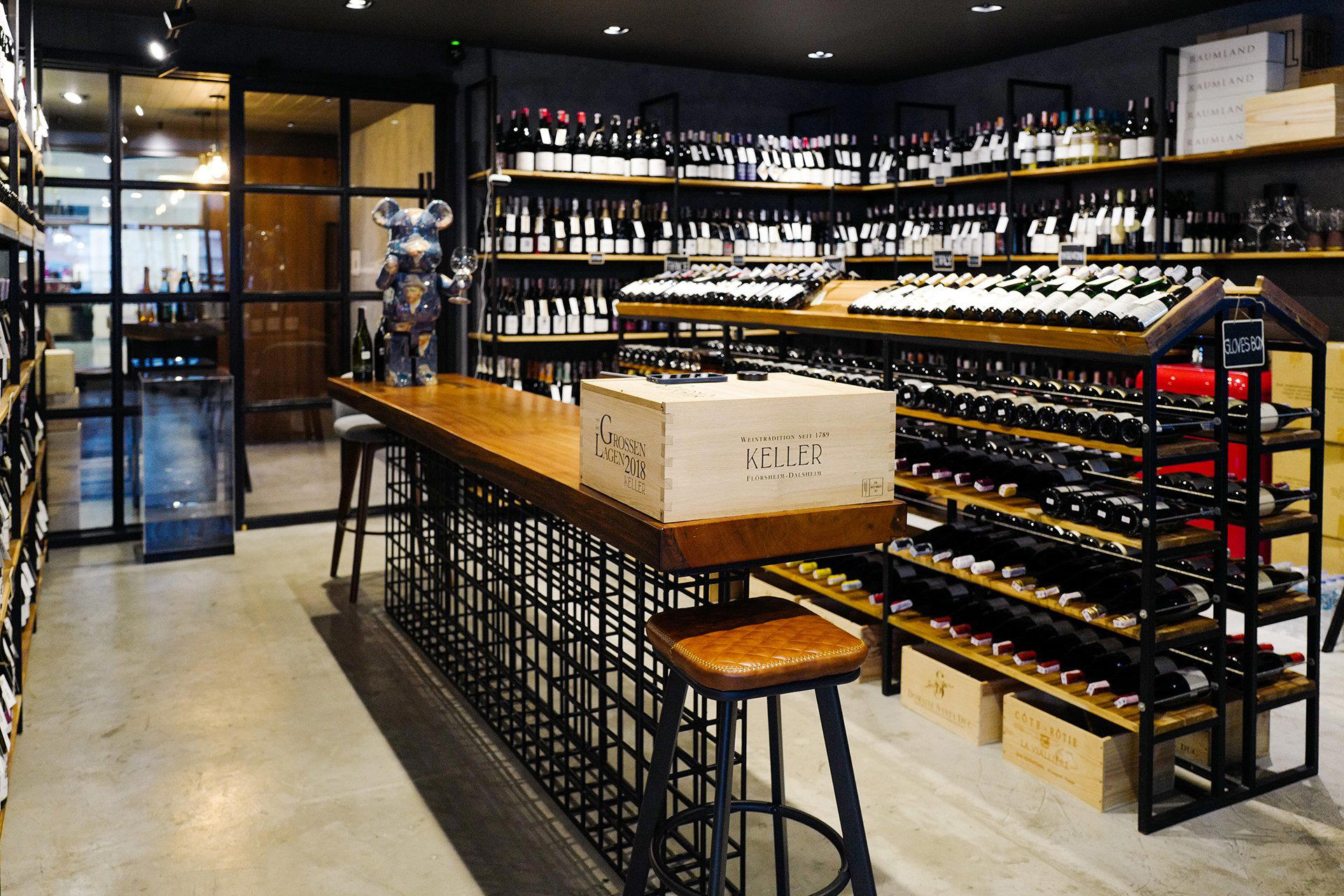
Juksunchae holds a White Star from Star Wine List, awarded in October 2025, which places it among a small group of Bangkok restaurants where the wine program has been independently assessed as operating at a serious level. At a Korean counter, wine pairing raises genuine questions of approach: the fermentation complexity of Korean condiments and the umami density of dishes like jigae don't resolve neatly against the European tasting-menu pairing conventions that most Bangkok fine-dining rooms default to. A White Star recognition at a Korean omakase suggests the program is engaging with those questions rather than defaulting to safe international selections. For context on how Bangkok's broader fine-dining wine culture has developed, Gaa provides a parallel example of a non-European kitchen building a serious beverage program around a tasting-menu format.
Vatthana and the Geography of Bangkok's Serious Dining
Sukhumvit 49 sits inside Vatthana, the district that has consolidated much of Bangkok's mid-to-upper fine dining over the past decade. The neighbourhood's density of both residential and hotel-adjacent dining demand makes it a workable location for a 12-seat counter that relies on consistent repeat bookings. At that scale, 12 covers per service, a restaurant is effectively running on a reservation model where word-of-mouth and a narrow, committed audience matter more than walk-in traffic.
For readers planning a broader Bangkok itinerary, the city's dining options extend well beyond the Sukhumvit corridor. Our full Bangkok restaurants guide maps the wider scene, while separate guides cover hotels, bars, wineries, and experiences. Thailand's serious dining is not confined to Bangkok: PRU in Phuket, Aeeen in Chiang Mai, and AKKEE in Pak Kret represent the geographic spread of the country's fine-dining ambition, alongside regional discoveries like Angeum in Ayutthaya and Agave in Ubon Ratchathani. For wellness-oriented stops, The Spa in Lamai Beach offers a different register entirely.
Know Before You Go
- Address: Sukhumvit 49, Khlong Tan Nuea, Watthana, Bangkok 10110
- Cuisine: Korean omakase
- Price range: ฿฿฿
- Capacity: 12 seats
- Awards: Michelin Plate 2024 and 2025; Star Wine List White Star (October 2025)
- Booking: Reservation-led format at this scale; advance booking is advisable
- Relocated: Moved to current Vatthana address in 2025
Frequently asked questions
Is Juksunchae more mid-range or high-end?
Pricing at Juksunchae is listed as ฿฿฿.
Where is Juksunchae located?
Juksunchae is located at PHMG+4PR Town Hall, Sukhumvit 49, Khlong Tan Nuea, Watthana, Bangkok 10110, Thailand, Bangkok.
Is Juksunchae award-winning?
Juksunchae has received recognition including: Juksunchae is a restaurant in Bangkok, Thailand. It was published on Star Wine List on October 20, 2025 and is a White Star.; Counter dining can too often mean no elbow room and harsh lighting; there are no such worries at this stylish Kore….
What's the signature dish at Juksunchae?
The menu runs as a fixed omakase sequence, so no single dish anchors the card permanently. That said, Michelin recognition in both 2024 and 2025 has drawn attention to preparations including octopus tofu jjigae, truffle mandu, and bibimbap with crab, all of which reflect chef Henry Lee's approach of reinterpreting his grandmother's Korean cooking through a refined, visually precise lens.
Do they take walk-ins at Juksunchae?
At 12 seats, Juksunchae operates at the same capacity as Seoul's most competitive omakase counters, where walk-in availability is rare by design. Advance reservations are the expected route, no phone number or booking link is publicly listed, so direct contact through the restaurant is advised.
City Peers
A quick peer check to anchor this venue’s price and recognition.
| Venue | Cuisine | Price | Awards | Notes |
|---|---|---|---|---|
| JuksunchaeThis venue (the venue you are viewing) | Contemporary Korean Fine Dining | $100–150 | 1 Michelin Star · Star Wine List | Not listed |
| Sorn | Fine Southern Thai | $200–300 | 3 Michelin Stars · World's 50 Best #12 | Southern Thai, ฿฿฿฿ |
| Côte by Mauro Colagreco | Riviera Mediterranean Fine Dining | $200–300 | 2 Michelin Stars · World's 50 Best #91 | Mediterranean, Modern Cuisine, ฿฿฿฿ |
| Baan Tepa | Creative Thai Fine Dining | $150–200 | 2 Michelin Stars · World's 50 Best #53 | Thai contemporary, ฿฿฿฿ |
| Gaa | Modern Indian Fine Dining with Thai Influences | $150–200 | 2 Michelin Stars · World's 50 Best #95 | Modern Indian, Indian, ฿฿฿฿ |
| Sühring | Modern German Fine Dining | $200–300 | 3 Michelin Stars · World's 50 Best #18 | German, ฿฿฿฿ |
Recognition history
Dated appearances from independent guides and award organizations, with the underlying list record or original source where available.
Michelin 1 Star
Michelin
Star Wine List
Star Wine List
Full recognition history (4 entries)
Michelin Plate
Michelin
Michelin Plate
Michelin
Continue exploring
More in Bangkok
Restaurants in Bangkok
All restaurants in Bangkok →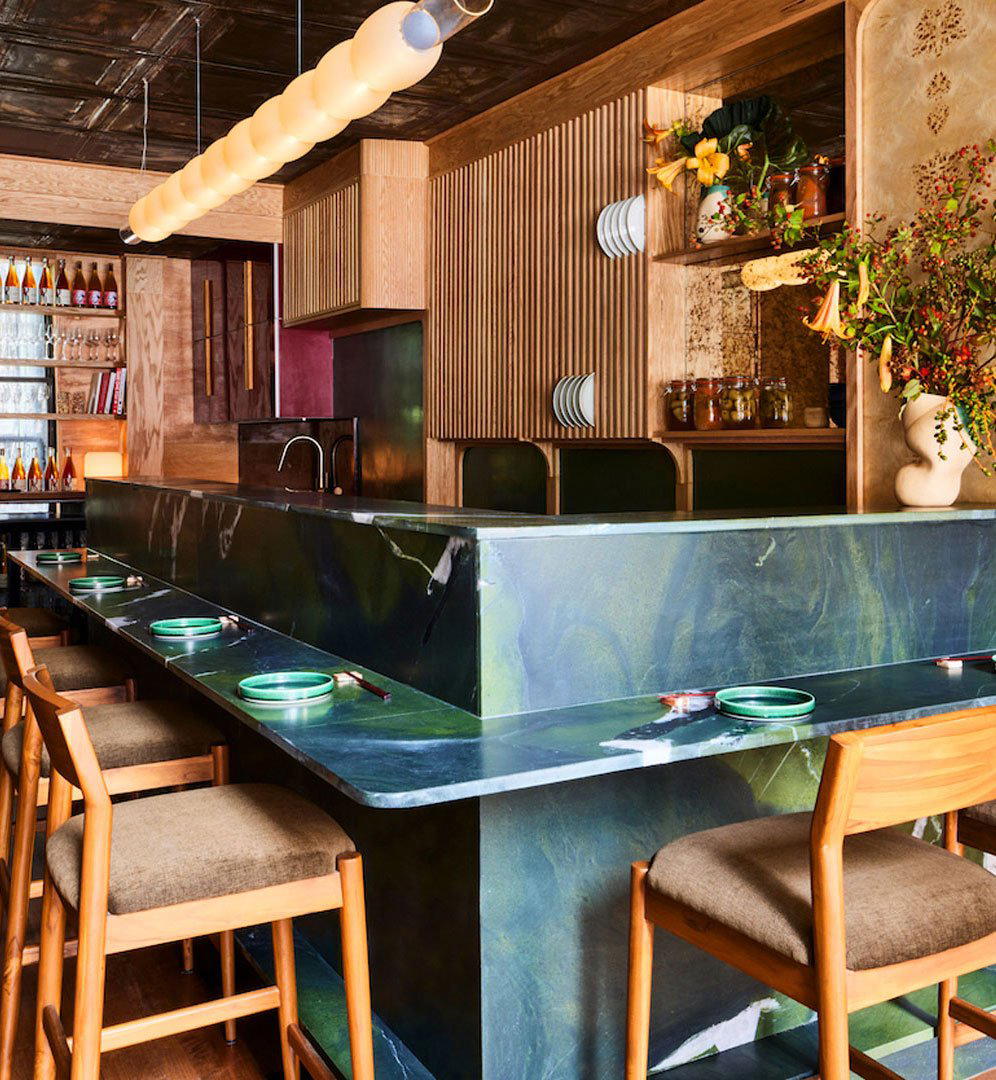
Details
- Sophisticated
- Modern
- Elegant
- Intimate
- Date Night
- Special Occasion
- Chefs Counter
- Open Kitchen
- Private Dining
- Extensive Wine List
- Skyline
- Tasting Menu
Current opening hours
- Monday
- Closed
- Tuesday
- Closed
- Wednesday
- 6–11 PM
- Thursday
- 6–11 PM
- Friday
- 6–11 PM
- Saturday
- 6–11 PM
- Sunday
- 6–11 PM
Hours can change for holidays and private events. Hours as of .
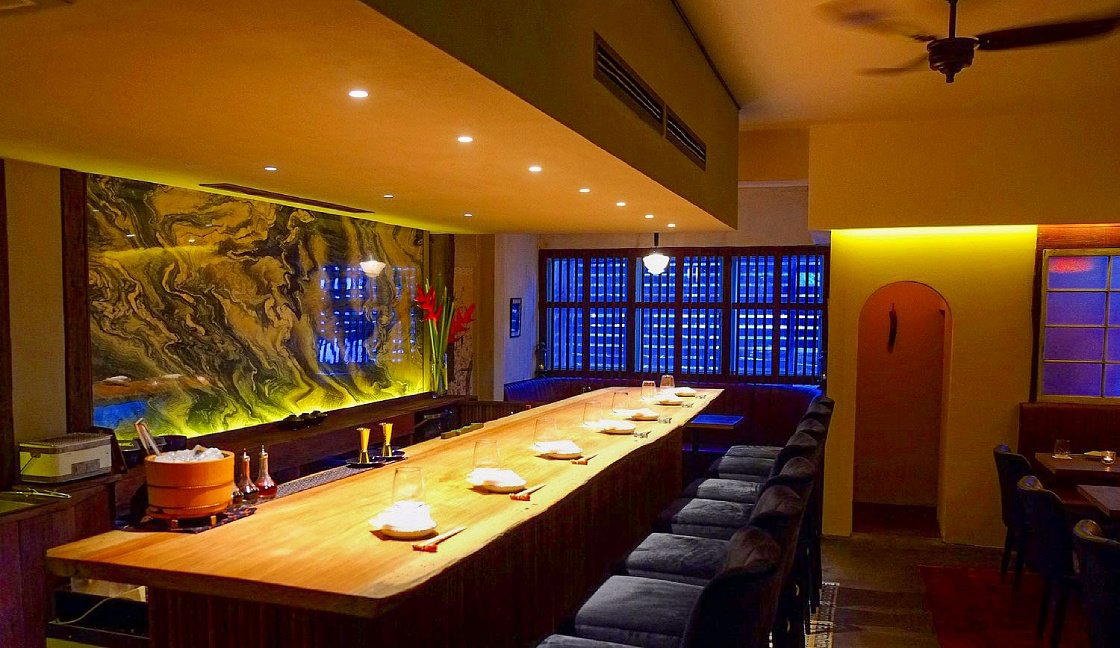
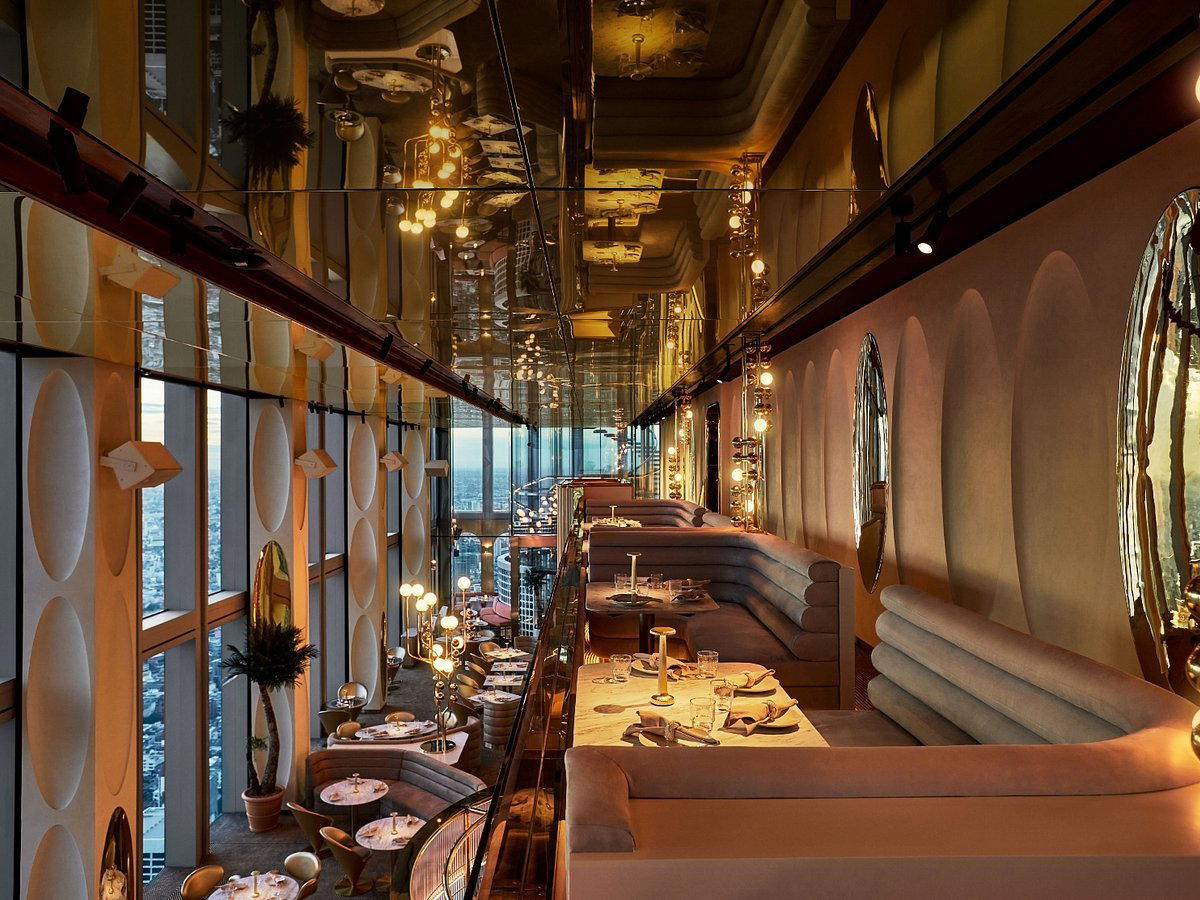
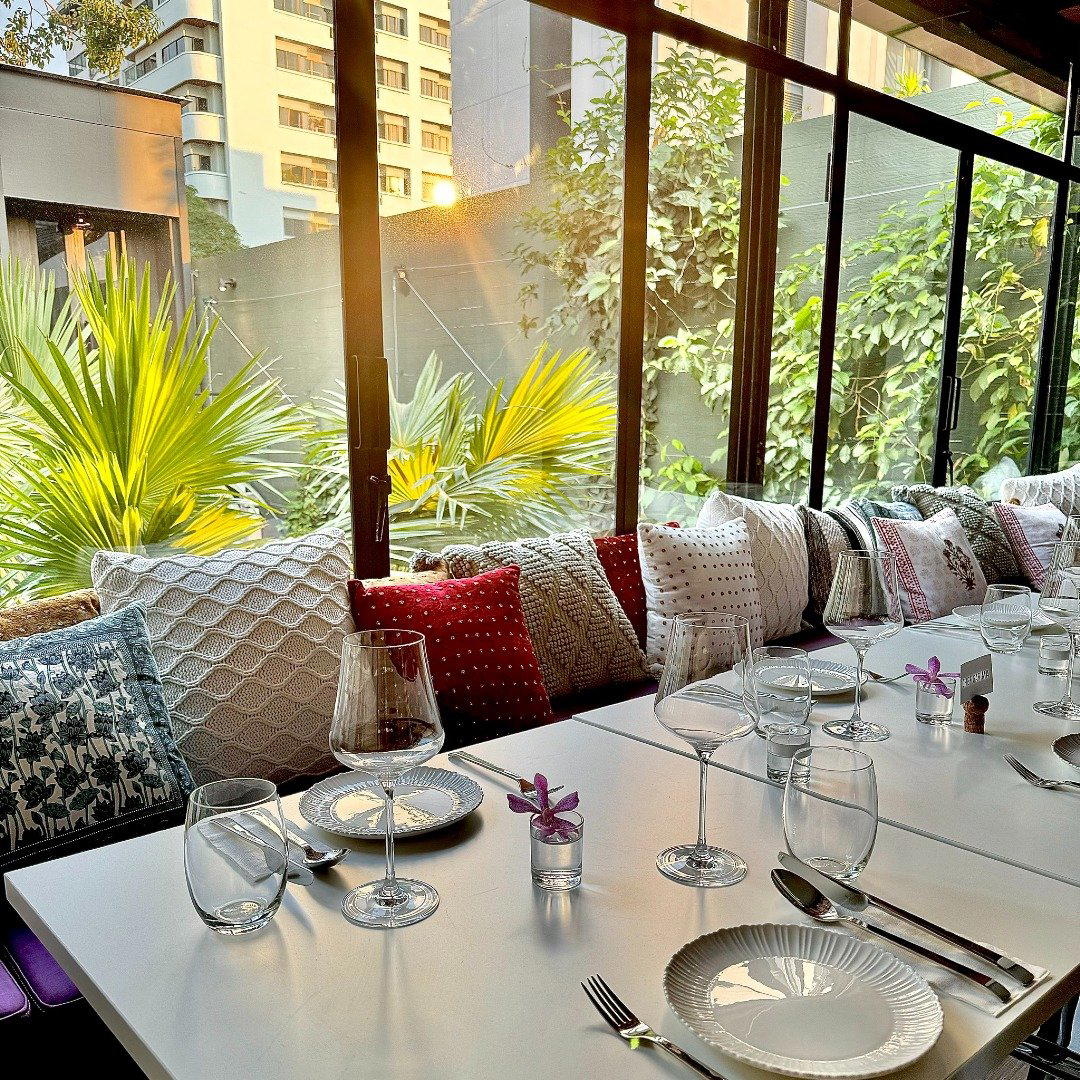
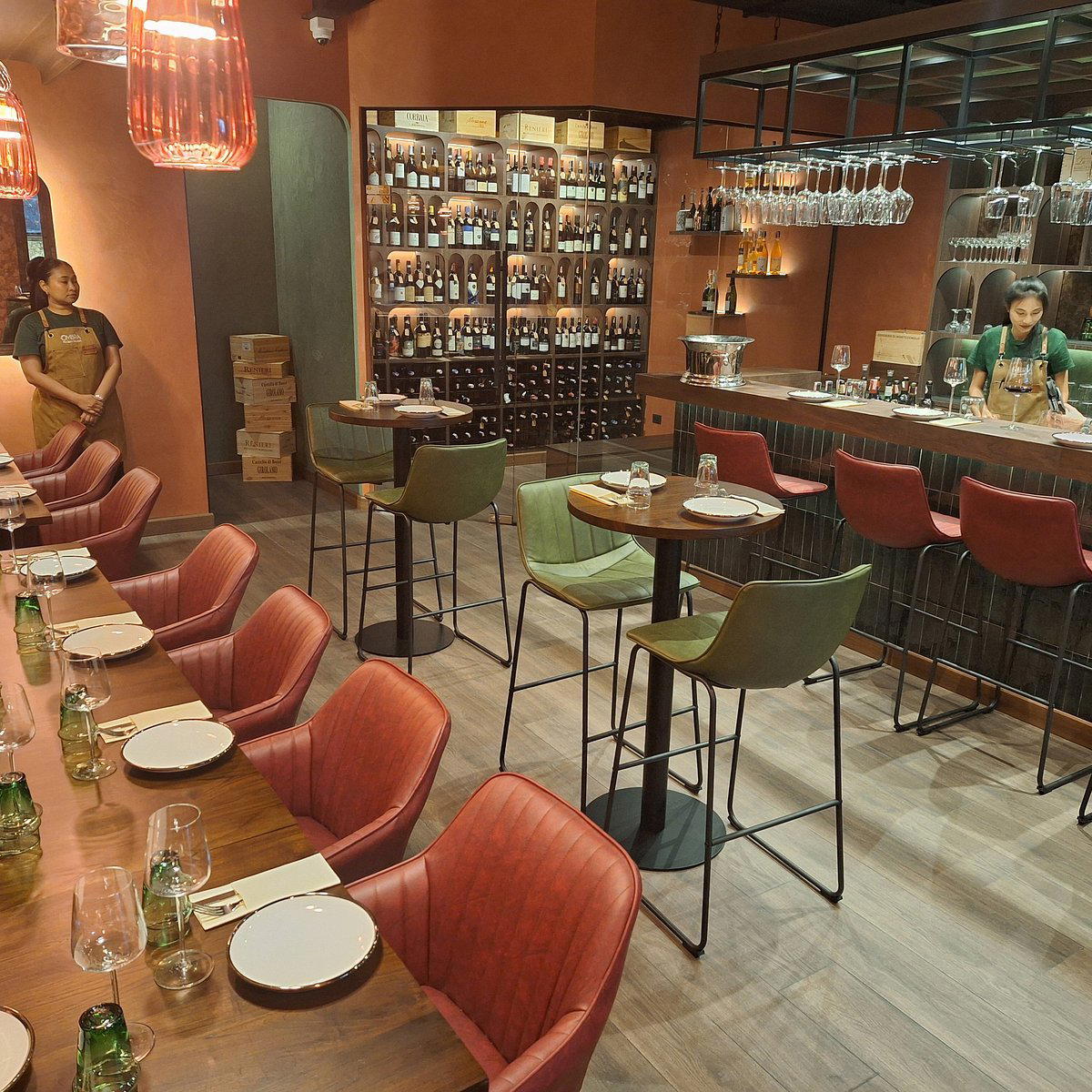
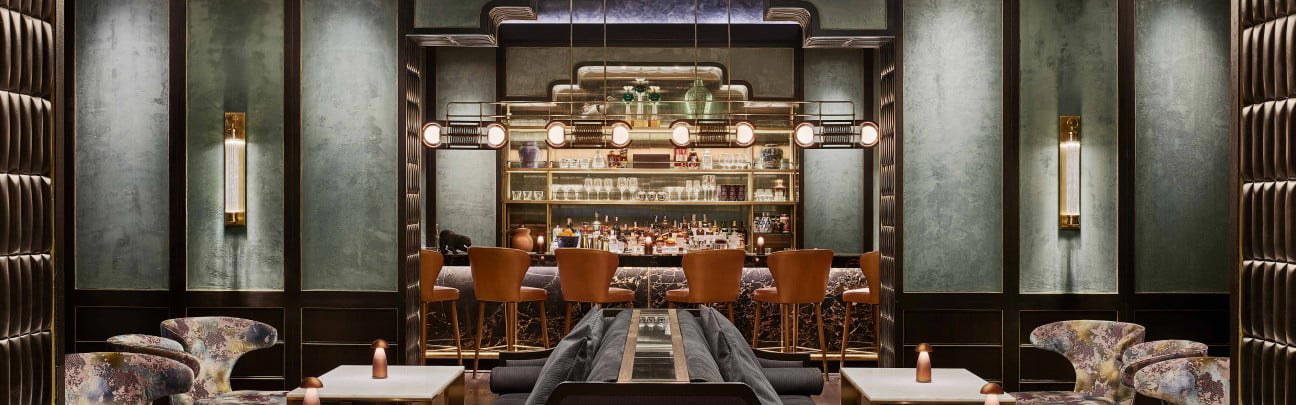
Brutalistic design with chic décor incorporating traditional Korean furniture, open kitchen counter seating offering unlimited views of chefs cooking and plating, and a cozy lounge bar.