Terpentijn
Status-check profile: Terpentijn at Rokin 103, 1012 KM Amsterdam, Netherlands has unresolved or unverified current status after a June 21, 2026 audit. Verify directly before planning a visit.
Pearl is the En Primeur Club membership app — saves, bookings, and concierge access live there. Same editors, same standards.
- Address
- Rokin 103, 1012 KM Amsterdam, Netherlands
- Phone
- +31 20 333 0014
- Website
- terpen-tijn.nl
- Directions
- Get directions
 Saves & bookings on Pearl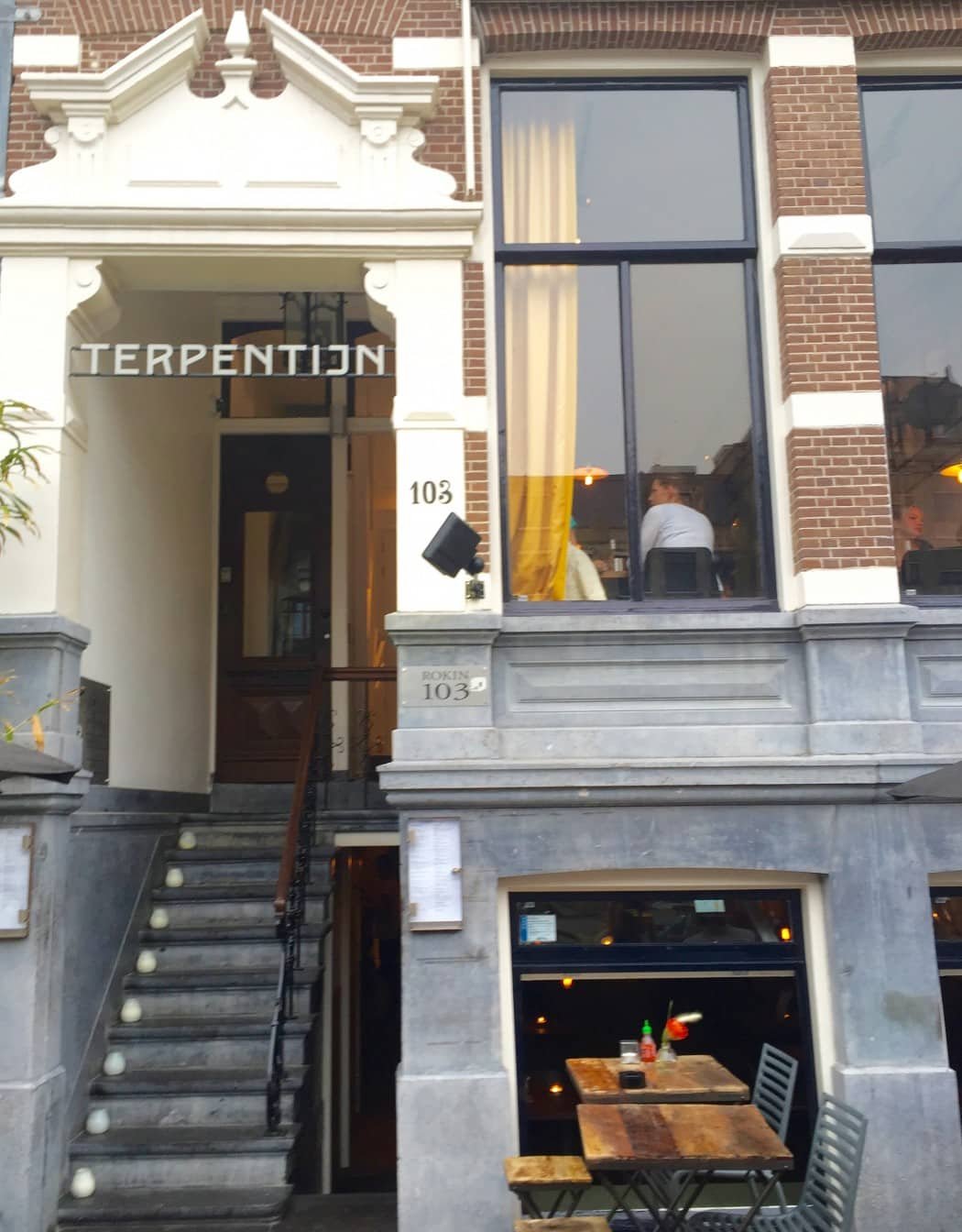
Where Rokin Meets the New Dutch Table
Amsterdam's dining scene has undergone a structural shift over the past decade. The city's most interesting restaurants are no longer defined by French classicism or generic European brasserie cooking but by a quieter, more grounded proposition: Nordic-influenced discipline applied to Dutch raw materials. Polder vegetables, Wadden Sea shellfish, Zeeland oysters, and aged Dutch cheeses have moved from supporting roles into the centre of serious menus. Terpentijn, at Rokin 103, sits inside this moment. The Rokin address is not incidental. The canal-running street connects the Dam to the Munttoren and carries the kind of foot traffic that separates neighbourhood locals from a more deliberately curious dining public.
The name itself, turpentine, the resinous, piney distillate, signals something about the restaurant's posture. It is not a soft or accommodating name. It suggests a willingness to be abrasive, particular, even chemically precise. That register fits a broader cohort of Amsterdam restaurants that have dispensed with the reassurance of traditional European naming and opted instead for something that demands a second read.
The Intersection of Local Produce and Imported Method
The editorial angle that most usefully frames Terpentijn is one that runs through Amsterdam's premium mid-tier more broadly: the application of technique absorbed from international kitchens, French classical structure, Japanese precision in product handling, Scandinavian restraint in seasoning, onto the seasonal output of Dutch and North Sea producers. This is not fusion in the lazy sense. It is a disciplined methodology applied to a geography. The result, at the better addresses in this city, is cooking that could only have happened here, even when the tools used to make it were developed elsewhere.
Amsterdam's dining scene has several tiers in which this argument plays out. At the upper end, Ciel Bleu and Spectrum operate at the Michelin two-star level, with Vinkeles and Flore working in similar creative territory. These restaurants set the standard for how international technique can be routed through Dutch product. Terpentijn occupies a position that is harder to categorise from the outside, but the address and name place it in conversation with this broader shift rather than outside it.
Nationally, the Dutch fine dining scene has produced some of Europe's more idiosyncratic cooking over the past fifteen years. De Librije in Zwolle has long operated as a reference point for avant-garde Dutch cuisine, while Inter Scaldes in Kruiningen represents a more classically rooted approach. De Nieuwe Winkel in Nijmegen has pushed plant-forward cooking into a serious fine dining register. Across the country, from De Lindenhof in Giethoorn to Tribeca in Heeze and De Groene Lantaarn in Staphorst, the Netherlands has developed a recognisable culinary argument: rigour, locality, and restraint. Amsterdam's more experimental addresses, including Brut172 in Reijmerstok, De Lindehof in Nuenen, De Bokkedoorns in Overveen, and De Treeswijkhoeve in Waalre extend this conversation into different registers and regions.
Seasonal Timing and the Amsterdam Calendar
For visitors planning around the Dutch seasonal table, timing matters. Spring brings asparagus from the Limburg and North Brabant fields, a product that Dutch kitchens treat with something close to ceremony. Late summer delivers peak North Sea produce. Autumn shifts the larder toward game, root vegetables, and the aged Dutch dairy products that underpin some of the city's more textured cooking. A restaurant at a Rokin address, positioned between the major cultural sites and the canal district, receives a visitor mix that changes with the season, summer brings more international traffic, while autumn and winter tend to favour a more local dining public. Both audiences are well-served by an Amsterdam kitchen committed to the seasonal calendar rather than a fixed international repertoire.
Restaurants in a similar orbit, Bistro de la Mer for classic seafood, and the broader field covered in our full Amsterdam restaurants guide, illustrate how diverse the city's offerings have become across price points. Amsterdam is no longer a city where serious eating requires a Michelin budget, and restaurants in the Terpentijn tier are often where particularly interesting proposition-per-euro arguments are made.
For international context, the technique-over-terroir argument that Amsterdam's better kitchens are making has parallels in cities like New York and San Francisco. Le Bernardin in New York City demonstrates how imported classical rigour, applied to the leading available product, can define a restaurant's identity for decades. Lazy Bear in San Francisco operates on a different register entirely but illustrates how format discipline and a clear culinary point of view can sustain interest over time. Amsterdam's mid-tier, which includes addresses like Terpentijn, is making a related argument at a different scale.
Planning a Visit
Rokin 103 is a short walk from Amsterdam Centraal and directly accessible by metro at the Rokin stop on the Noord/Zuidlijn. The address is central enough that it works as a dining anchor for a day built around the Rijksmuseum or the canal district without requiring additional transit.
City Peers
Comparable venues nearby, for context on price, style, and recognition.
| Venue | Cuisine | Price | Notes |
|---|---|---|---|
| TerpentijnThis venue — the venue you are viewing | Frans-Aziatische Fusion | $$ | Not listed |
| JA | Seasonal Dutch-Asian Seafood Fine Dining | $$ | Sarphatiparkbuurt |
| Bakers & Roasters | New Zealand-Brazilian Fusion Brunch | $$ | Frans Halsbuurt |
| 湖南常德牛肉粉 | Hunan Changde Beef Noodle Soup | $$ | 市中心/达姆广场 |
| Lumbini Restaurant | Authentic Indian & Nepalese | $$ | BG-terrein e.o. |
| Sukhothai Thanee | Authentic Thai | $$ | Van Loonbuurt |
Continue exploring
More in Amsterdam
Restaurants in Amsterdam
Browse all →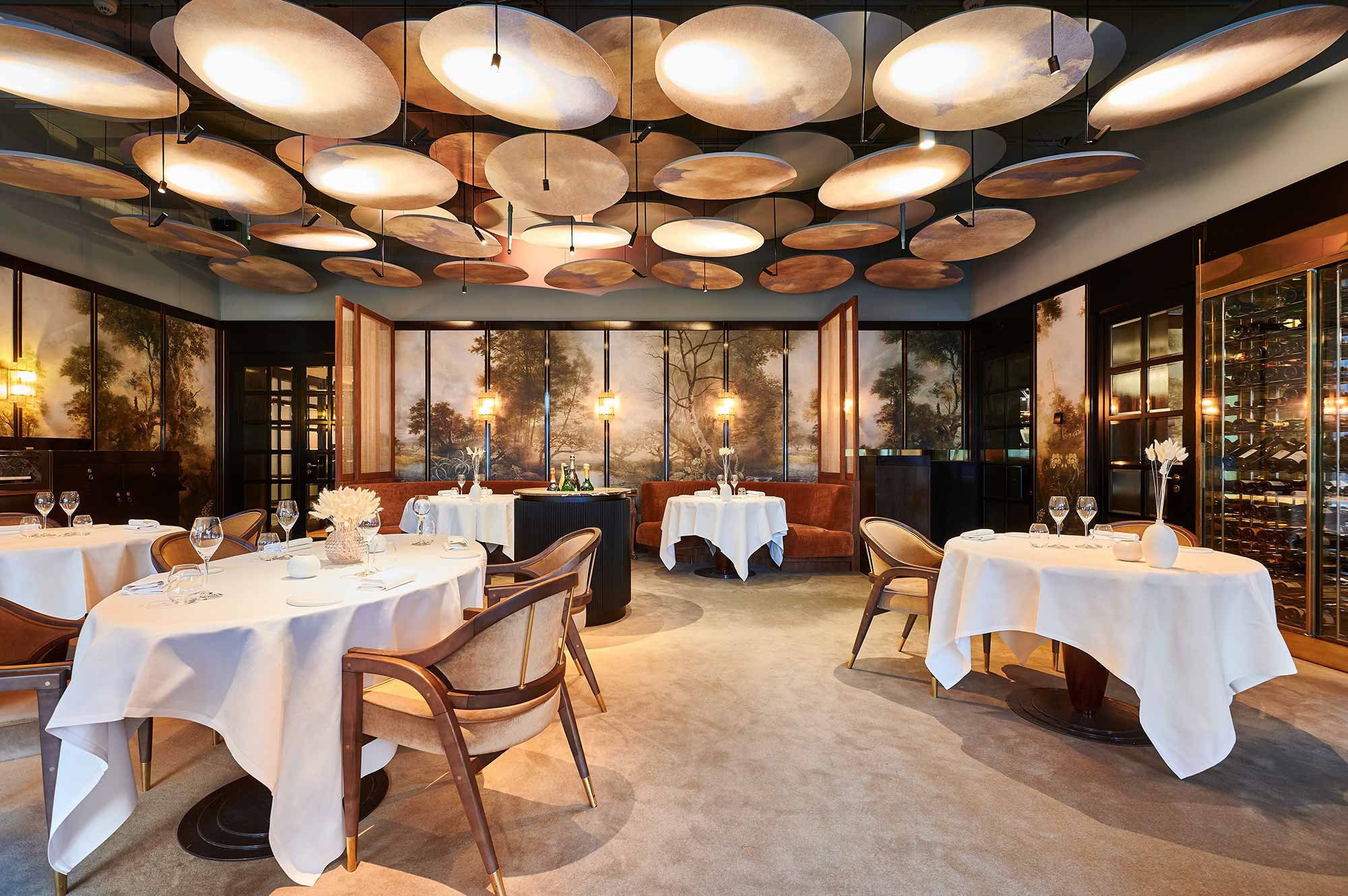
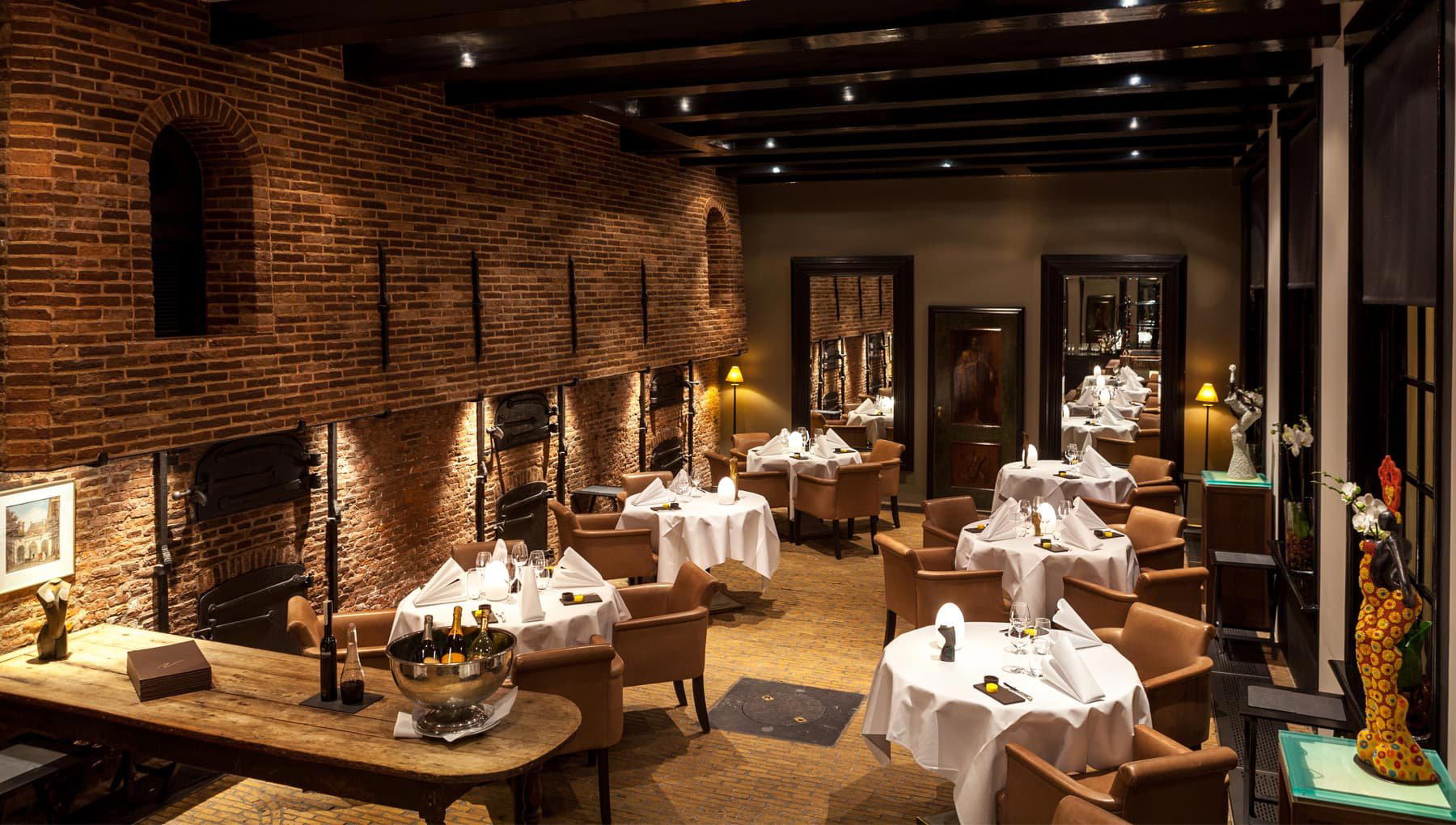
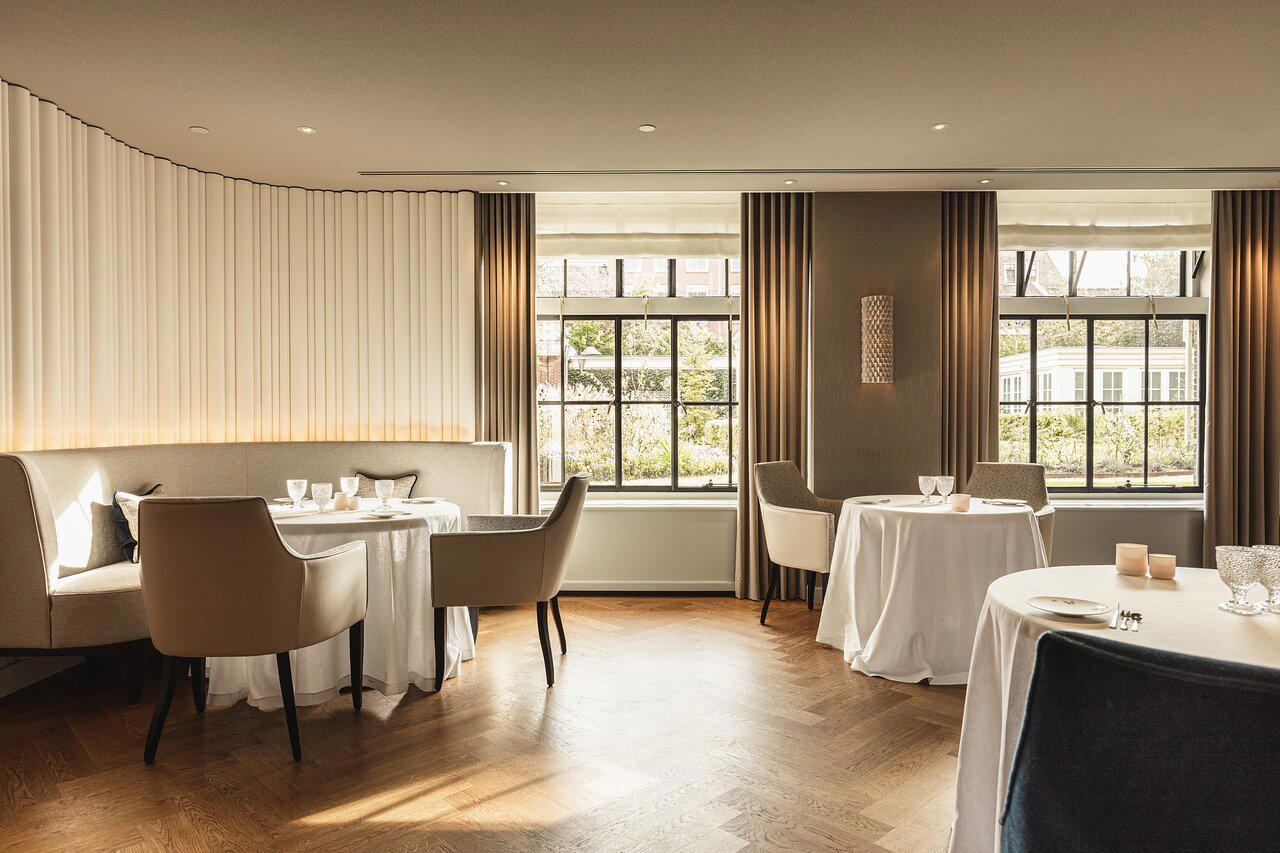
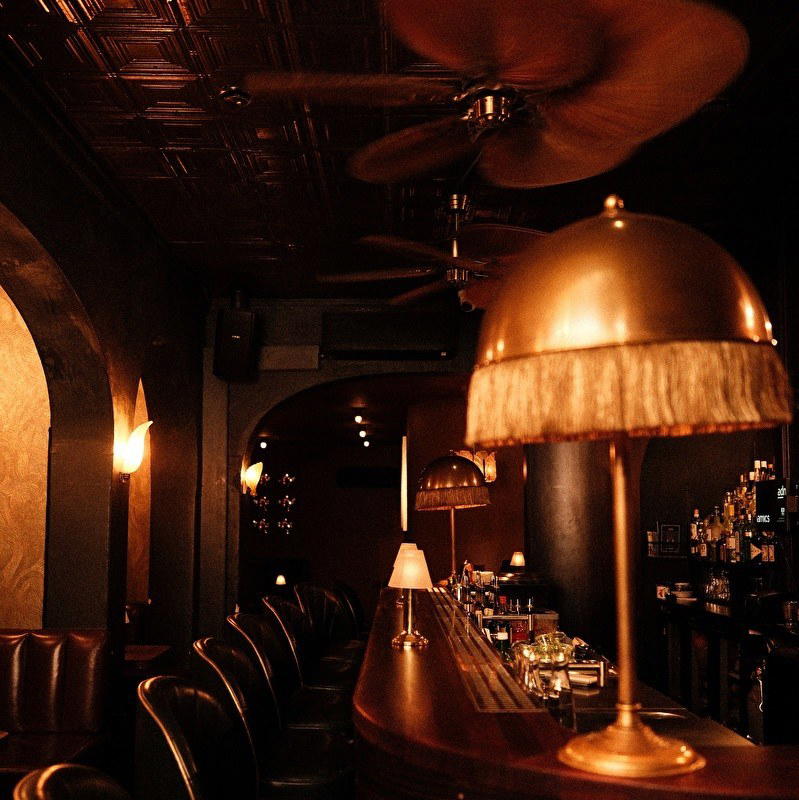
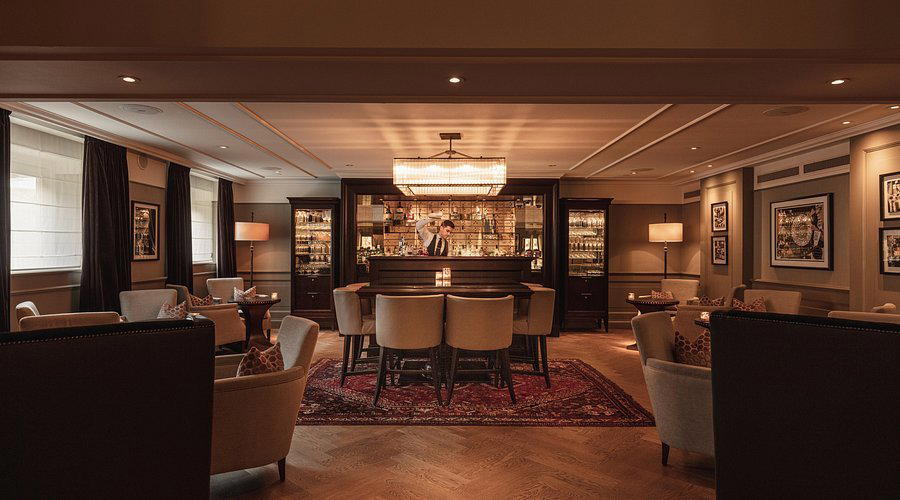
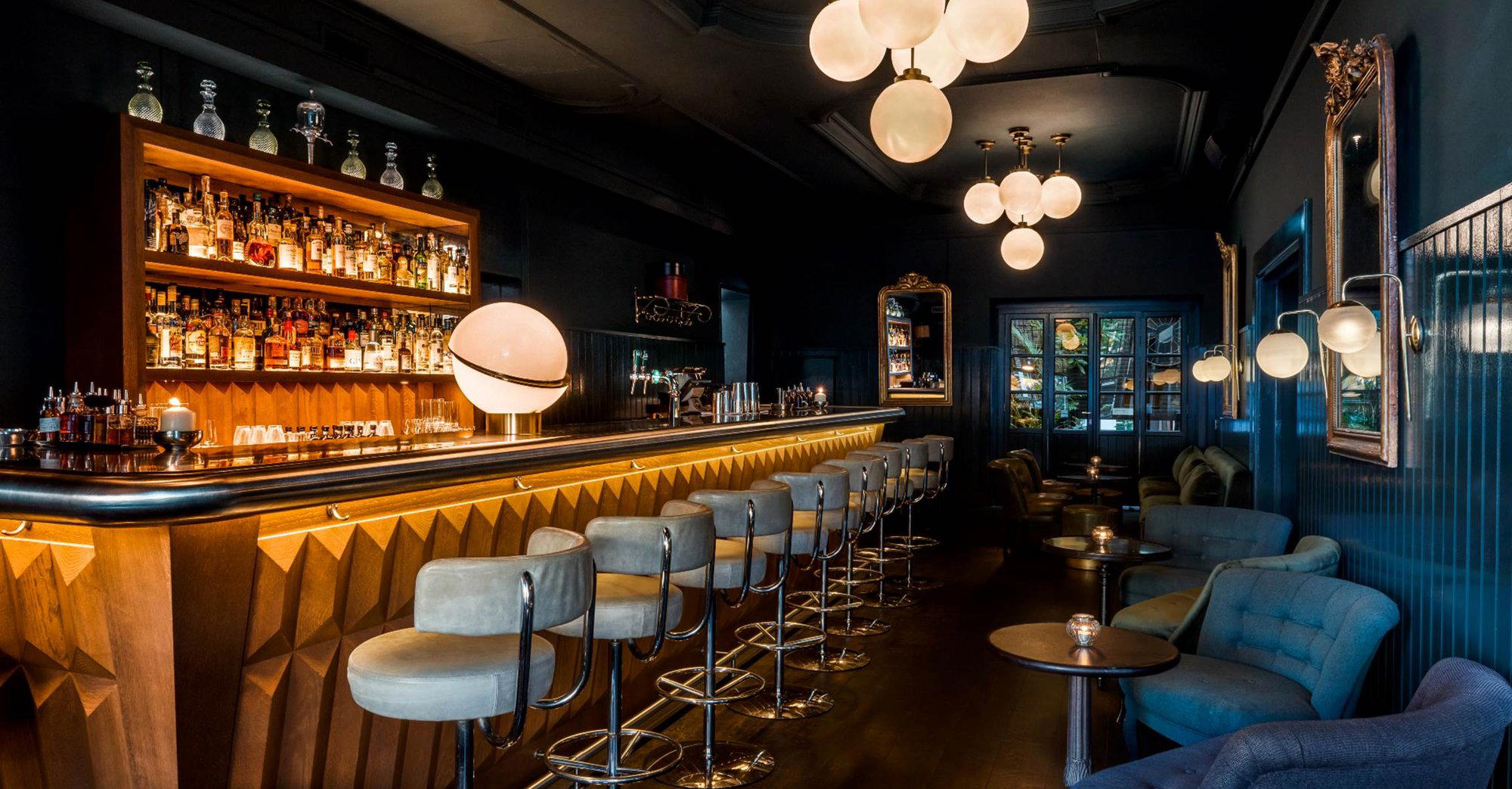
Bars in Amsterdam
Browse all →
Hotels in Amsterdam
Browse all →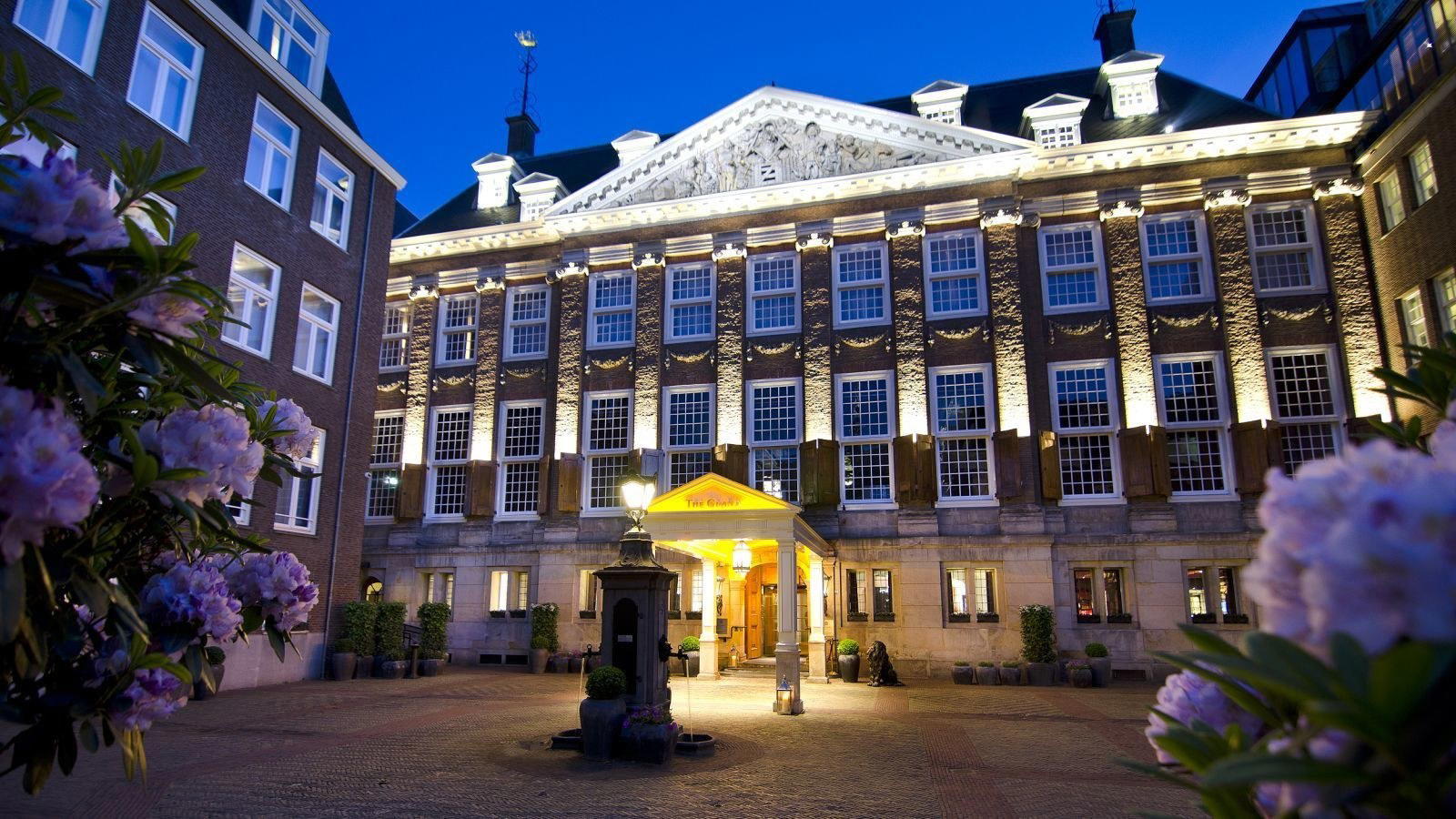
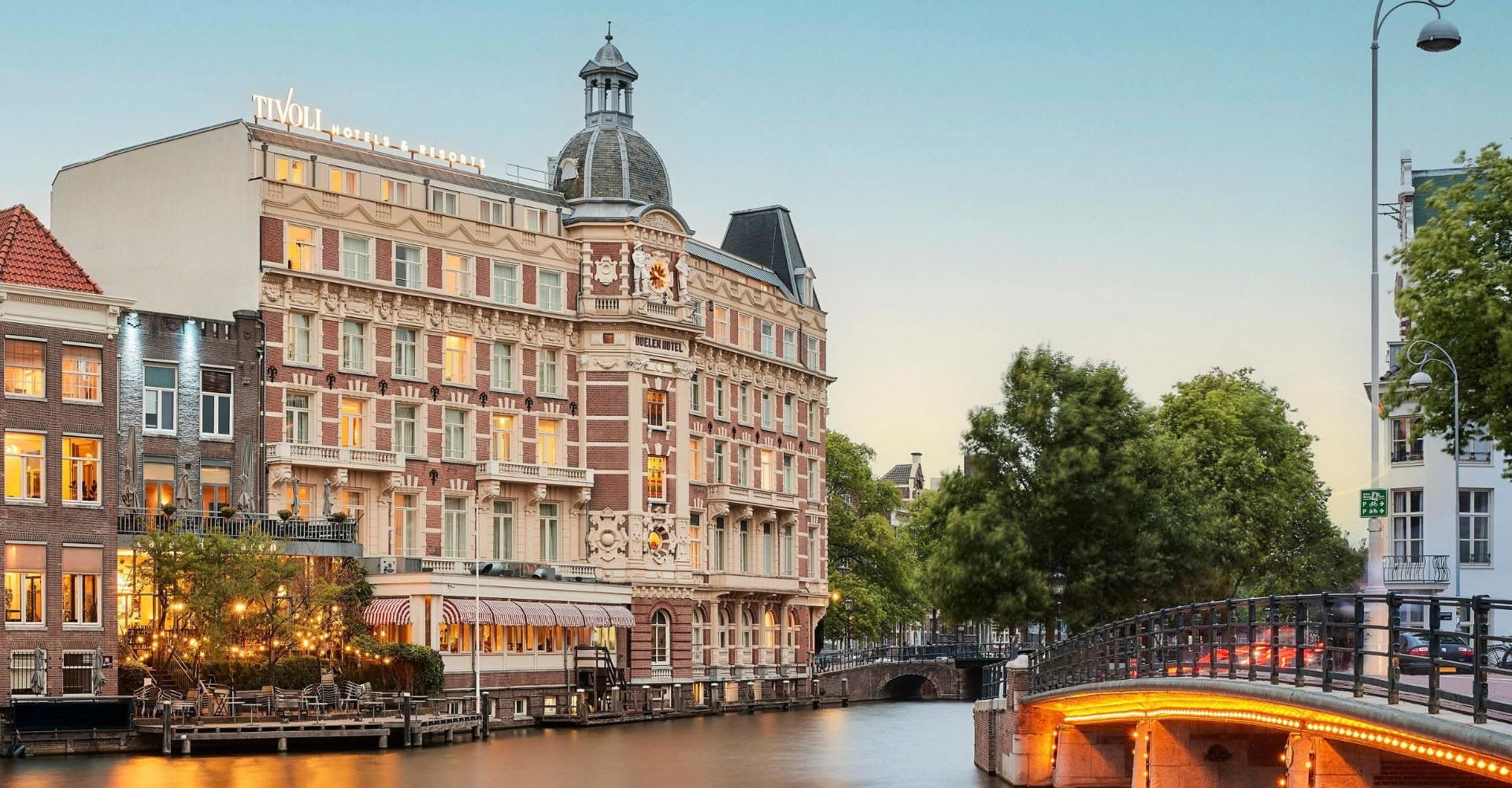
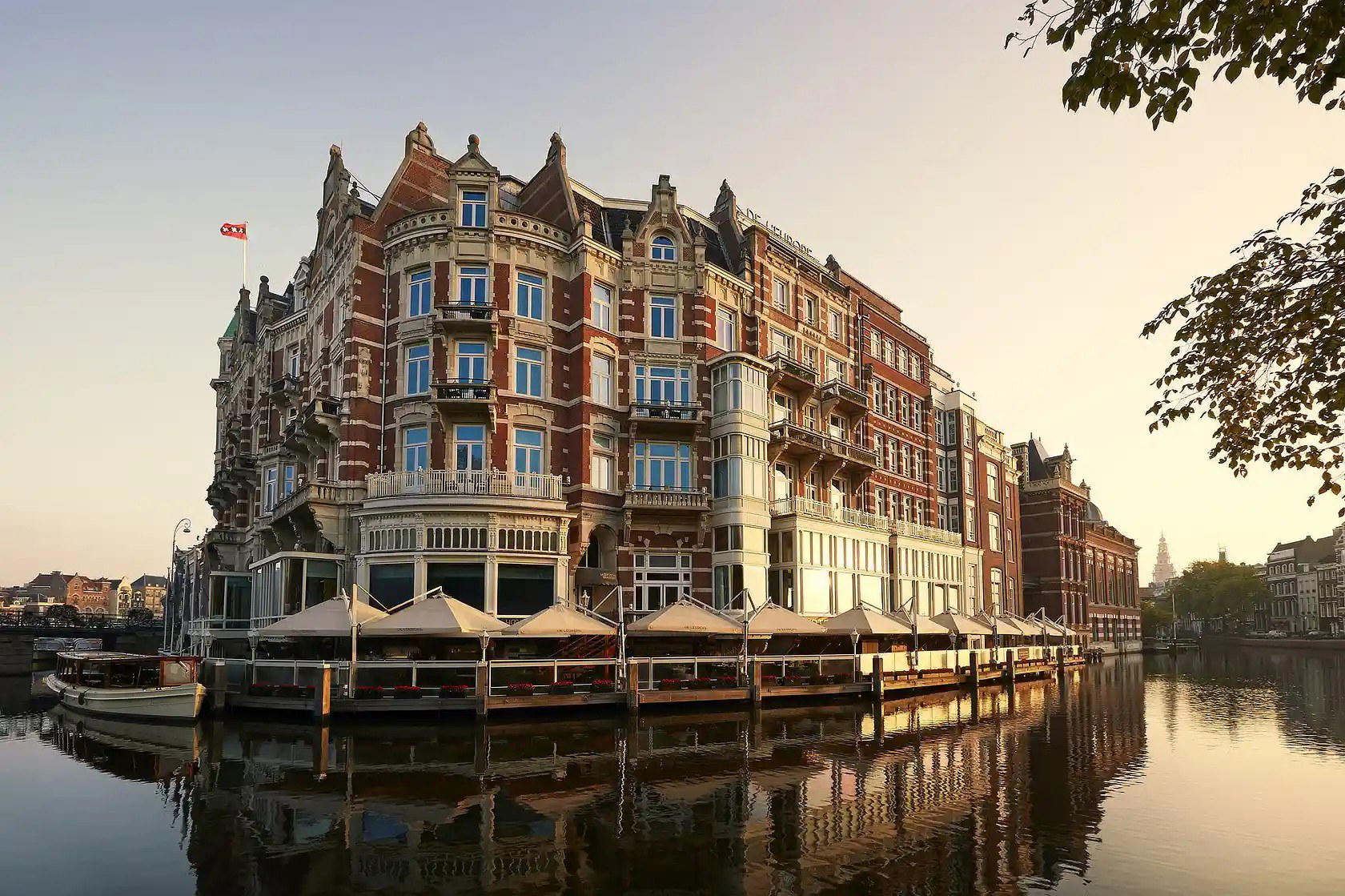
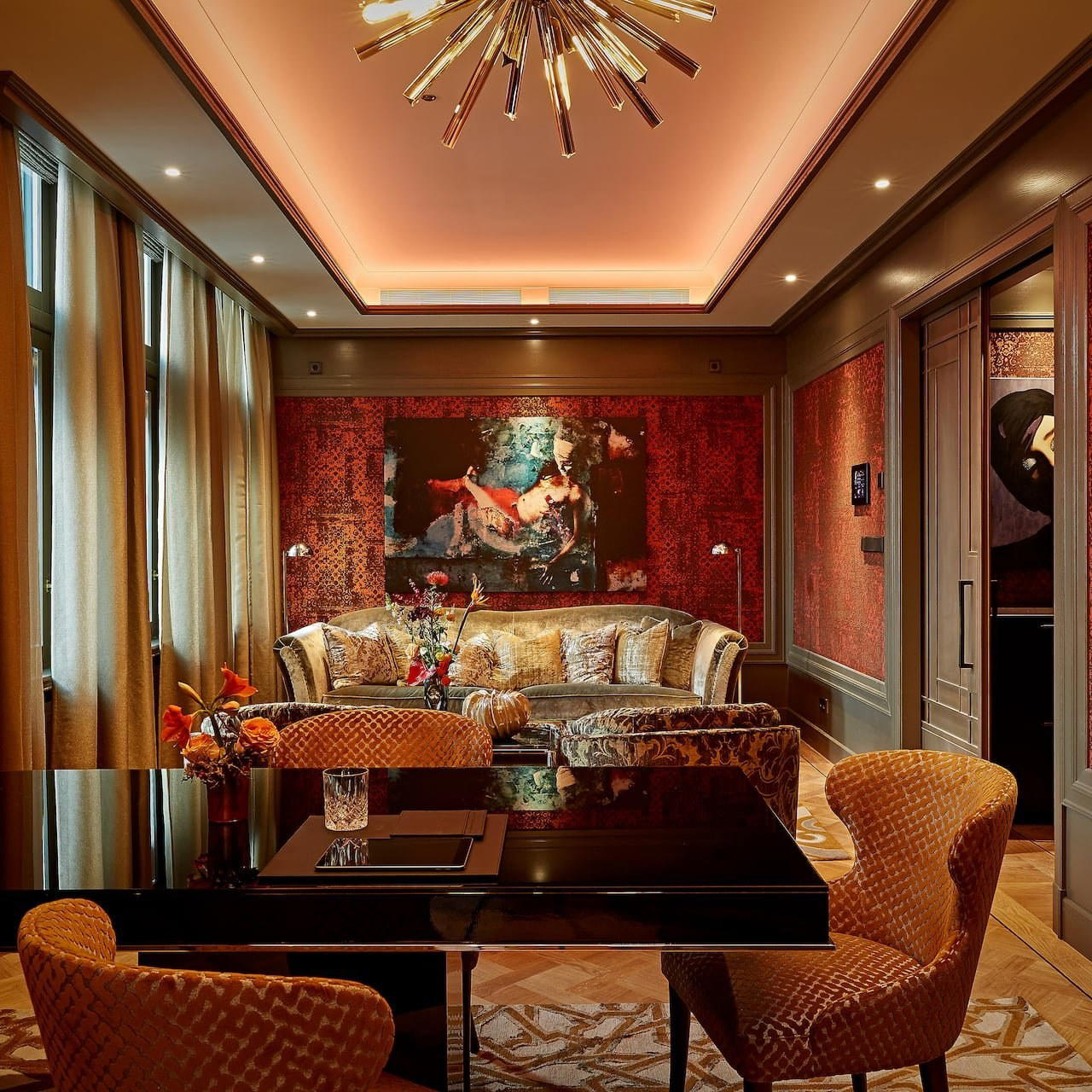
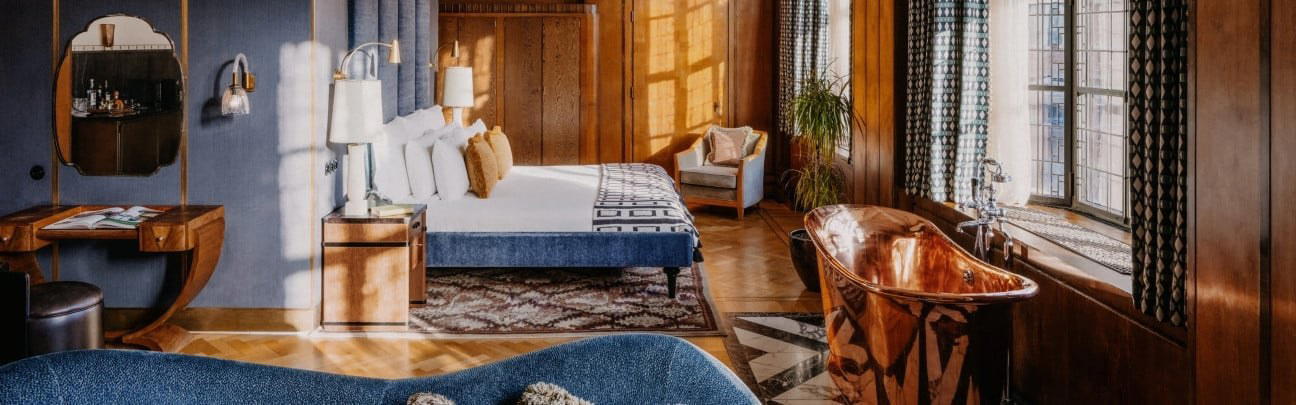
Wineries in Amsterdam
Browse all →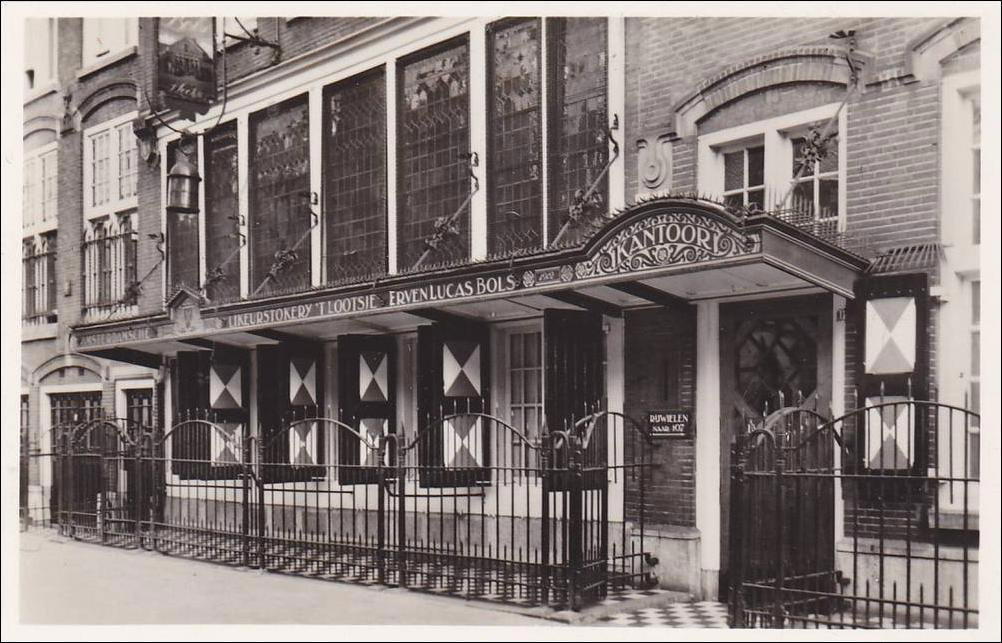
At a Glance
- Trendy
- Modern
- Cozy
- Casual Hangout
- Date Night
- Open Kitchen
- Craft Cocktails
Trendy streetfood and cocktail vibe in the bar with cozy upstairs restaurant atmosphere.