Jose y Josefina on Gutenbergstraße sits in Stuttgart's west-side residential belt, where the city's most loyal dining regulars tend to migrate when the downtown fine-dining circuit feels overworked. The name alone signals a certain informality that belies what arrives at the table. For a city increasingly confident in its restaurant culture, addresses like this one matter as anchors of neighbourhood credibility.
Pearl is the En Primeur Club membership app — saves, bookings, and concierge access live there. Same editors, same standards.
- Address
- Gutenbergstraße 87, 70197 Stuttgart, Germany
- Phone
- +4971167416636
- Website
- joseyjosefina.de
- Directions
- Get directions
 Saves & bookings on Pearl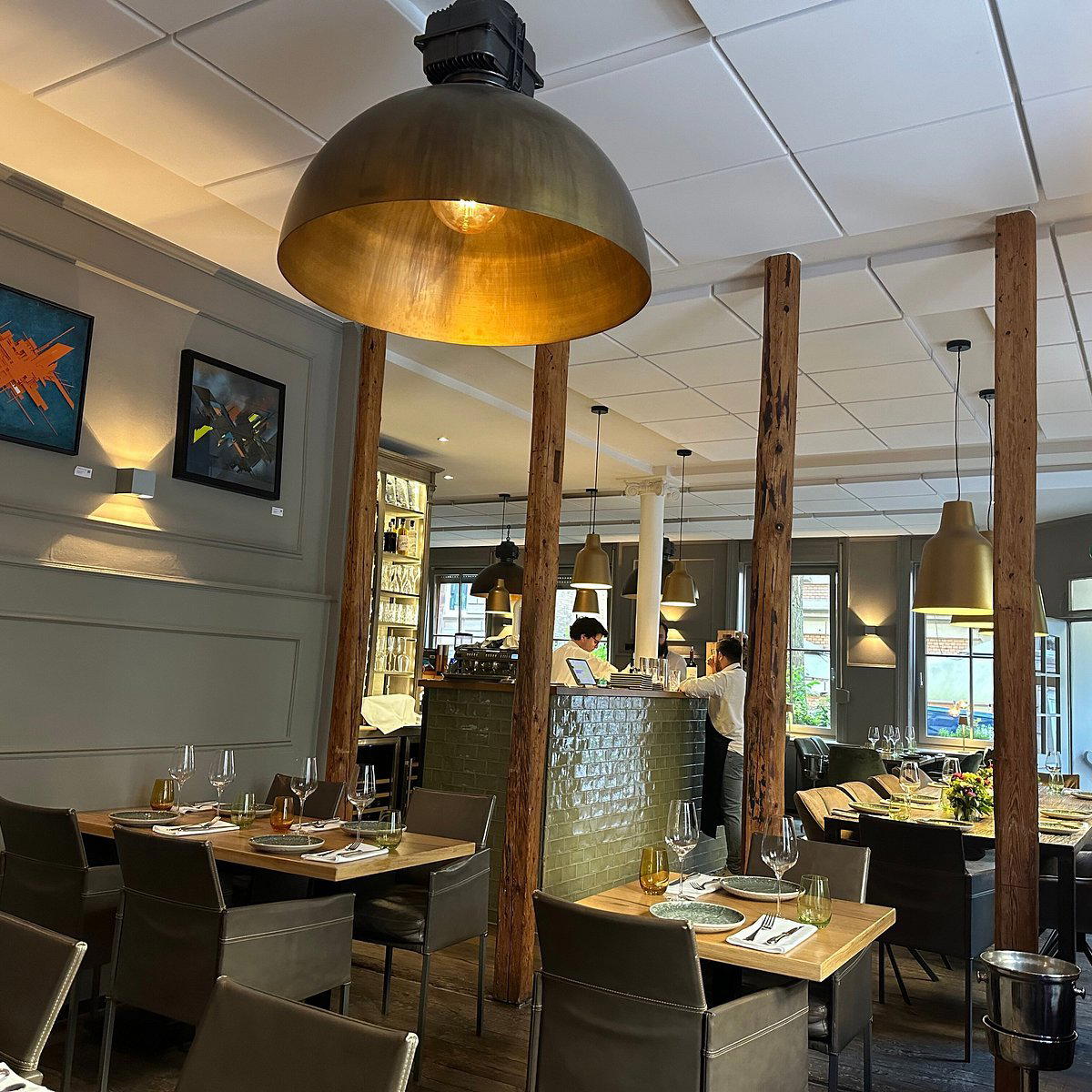
West of the Centre, Where Stuttgart Eats on Its Own Terms
Stuttgart's restaurant map has a clear axis: the Michelin-decorated rooms cluster around the city's wealthier southern and eastern districts, while the western residential neighbourhoods between Gutenbergstraße and Schwabstraße operate on a different logic. Here, the audience is local, the tables turn slowly, and the measure of a room is not its press coverage but whether the same faces keep coming back. Jose y Josefina is a Modern Spanish Tapas restaurant at Gutenbergstraße 87, 70197 Stuttgart, Germany, with a €€€ price tier,444 reviews.
That positioning matters because Stuttgart's fine-dining tier, anchored by rooms like Speisemeisterei and 5, creates a gap in the middle of the market. The city has creative addresses at the €€€ tier, among them Der Zauberlehrling and Délice, which have built loyal followings through cooking that earns repeat visits rather than single-occasion pilgrimages. Jose y Josefina occupies a similar kind of social function: a room that regulars treat as theirs.
The Regulars' Room
There is a specific type of Stuttgart restaurant that reveals itself only over multiple visits. The menu tells a partial story. What regulars know is the version that develops through familiarity: the dish that never leaves regardless of what changes around it, the day of the week when the kitchen is at its sharpest, the instinctive shorthand between a server who recognises you and a table that needs no explanation. Jose y Josefina, given its neighbourhood positioning and the Spanish-coded warmth of its name, reads as exactly this kind of address.
The Spanish naming convention signals something about the room's register before you arrive: less formal than the city's classic French-influenced addresses, more likely to place produce and directness at the centre than technique for its own sake. Germany has a strand of modern Spanish-influenced hospitality that runs from the larger cities down into regional markets, and in Stuttgart's west-side district it finds an audience that prefers flavour over ceremony. The effect on the room's dynamic is the same, a lower threshold of formality that regulars find easier to inhabit over years rather than occasions.
Where It Sits in the Stuttgart Picture
Stuttgart's restaurant culture tends to be underestimated by visitors who treat the city as a transit point between Munich and Frankfurt. The local dining audience is formed partly by the automobile industry's managerial class, which funds a confident mid-to-high market, and partly by a residential population that has developed strong neighbourhood loyalties over decades. The result is a city where good rooms at the €€€ tier tend to fill not with tourists or business hospitality, but with the same local families and couples cycling through their short list of trusted addresses.
At the decorated end of the German dining spectrum, comparison points like Aqua in Wolfsburg, JAN in Munich, and Schwarzwaldstube in Baiersbronn represent a tier that operates on destination dining logic, worth a journey, priced and paced accordingly. Further afield, rooms like Vendôme in Bergisch Gladbach, Victor's Fine Dining by Christian Bau in Perl, and Waldhotel Sonnora in Dreis anchor Germany's most formally recognised end of the spectrum. The restaurant does not compete in that register. Its competition is local and relational: the question it answers is not whether it merits a special trip from another city, but whether it merits another booking from someone who already lives nearby.
That is a different and, in some ways, harder test to pass. Rooms that survive on local loyalty rather than destination traffic need to be genuinely good enough on an ordinary Tuesday to keep the same person returning for years. Hegel Eins in Stuttgart operates in a comparable register, finding its audience among residents rather than visitors. These neighbourhood anchors form the connective tissue of a city's food culture in a way that decorated destination rooms do not.
The Broader German Neighbourhood Dining Context
Germany's neighbourhood restaurant culture has become more confident over the past decade, partly as a reaction against the formality of the country's fine-dining tier and partly because younger urban populations have imported expectations from London, Copenhagen, and Barcelona: good cooking, informal rooms, and pricing that allows regulars to return weekly rather than quarterly. CODA Dessert Dining in Berlin represents one extreme of this shift, a format built entirely around a specialist concept with a devoted repeat audience. ES:SENZ in Grassau and Schanz in Piesport show how regional addresses outside major cities can build similar loyalty through consistency rather than spectacle.
In international terms, the rooms that operate on deepest regular loyalty, addresses like Le Bernardin in New York City and Atomix in New York City, earn that loyalty through technical precision married to hospitality that makes a known guest feel genuinely recognised. The mechanism is not distinctive to any cuisine or price point; it is a function of how a room treats the person who has chosen to come back. And it is the standard against which any address claiming neighbourhood loyalty should be measured.
Planning a Visit
The restaurant is located at Gutenbergstraße 87, 70197 Stuttgart, in the West district, One reliable approach is to contact the restaurant directly, in person or by phone, and ask about availability. West Stuttgart's neighbourhood restaurants tend to fill mid-week as well as at weekends, as the local regular audience does not concentrate its visits on Friday and Saturday in the way that destination diners do. Arriving with some flexibility about timing is especially practical stance. Restaurant Haerlin in Hamburg offers a useful reference point for how Germany's most consistent neighbourhood-to-formal transition rooms operate at the higher end of the hospitality register.
Price Lens
Comparable venues nearby, for context on price, style, and recognition.
| Venue | Cuisine | Price | Notes |
|---|---|---|---|
| Jose y JosefinaThis venue — the venue you are viewing | Heslach, Modern Spanish Tapas | $$$ | Not listed |
| La Scala | Gablenberg, Classic Italian Trattoria | $$$ | Not listed |
| Kicho | Gablenberg, Authentic Japanese | $$$ | Not listed |
| Rotenberger Weingärtle | Obertuerkheim, Modern Swabian | $$$ | Not listed |
| High Fidelity | Not listed | $$$ | Gablenberg, Peruvian Fusion with Nikkei Influences |
| Umami Ramen | Gablenberg, Authentic Japanese Ramen | $$ | Not listed |
Continue exploring
More in Stuttgart
Restaurants in Stuttgart
Browse all →
Hotels in Stuttgart
Browse all →
At a Glance
- Cozy
- Intimate
- Romantic
- Date Night
- Special Occasion
- Standalone
Current opening hours
- Monday
- 5 PM–12 AM
- Tuesday
- 5 PM–12 AM
- Wednesday
- 5 PM–12 AM
- Thursday
- 5 PM–12 AM
- Friday
- 5 PM–12 AM
- Saturday
- 5 PM–12 AM
- Sunday
- 5 PM–12 AM
Hours can change for holidays and private events. Last verified .
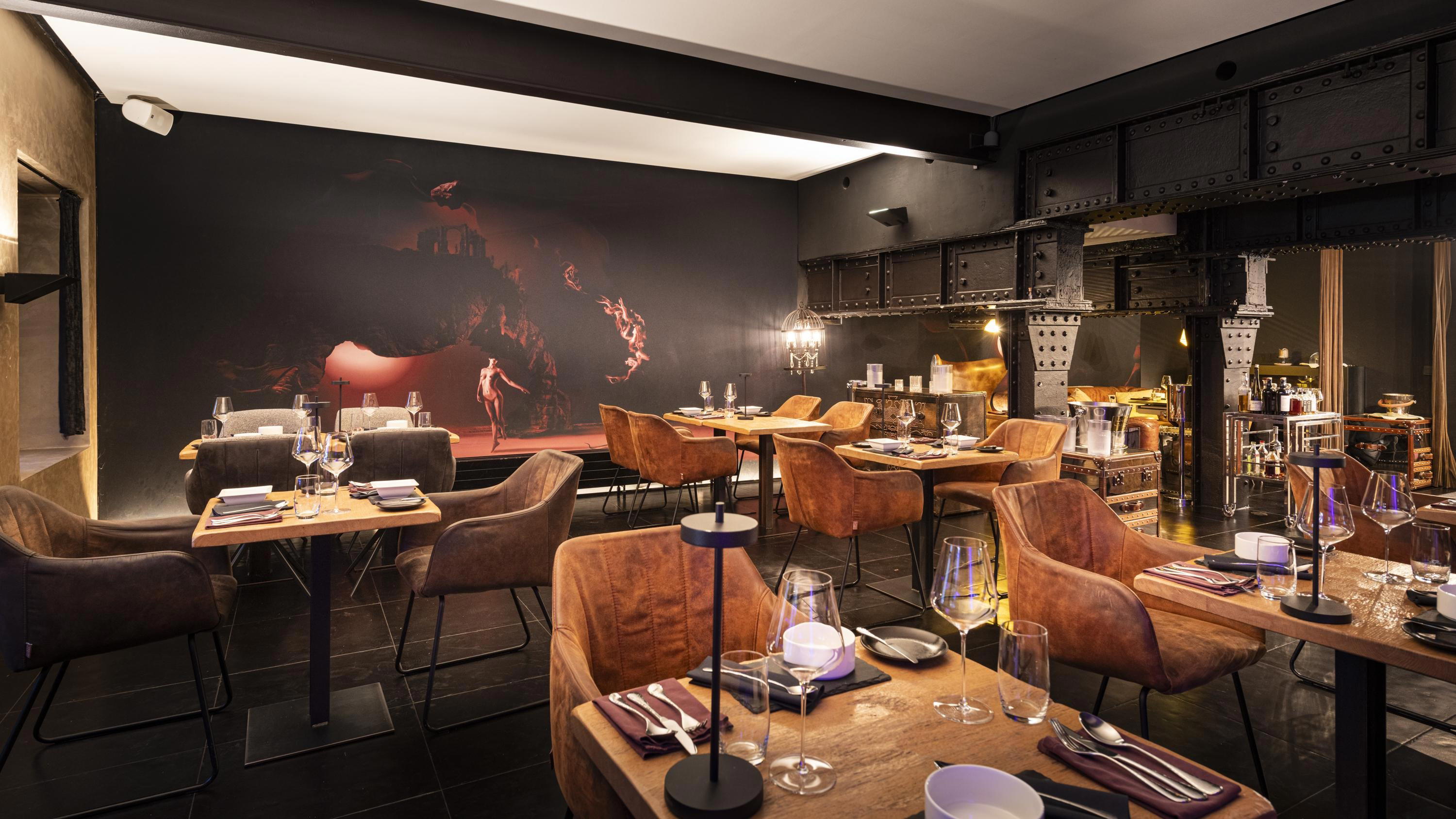
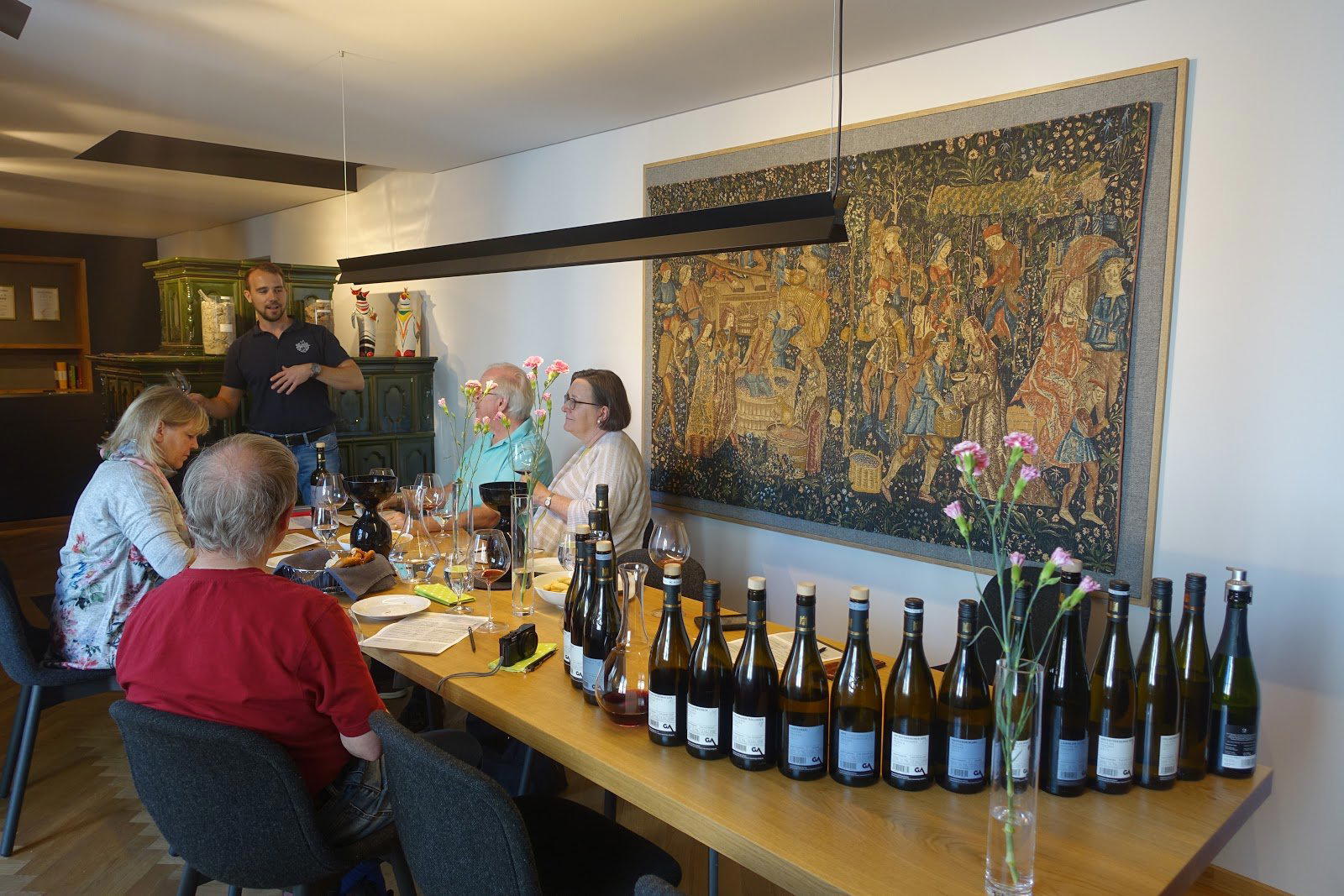
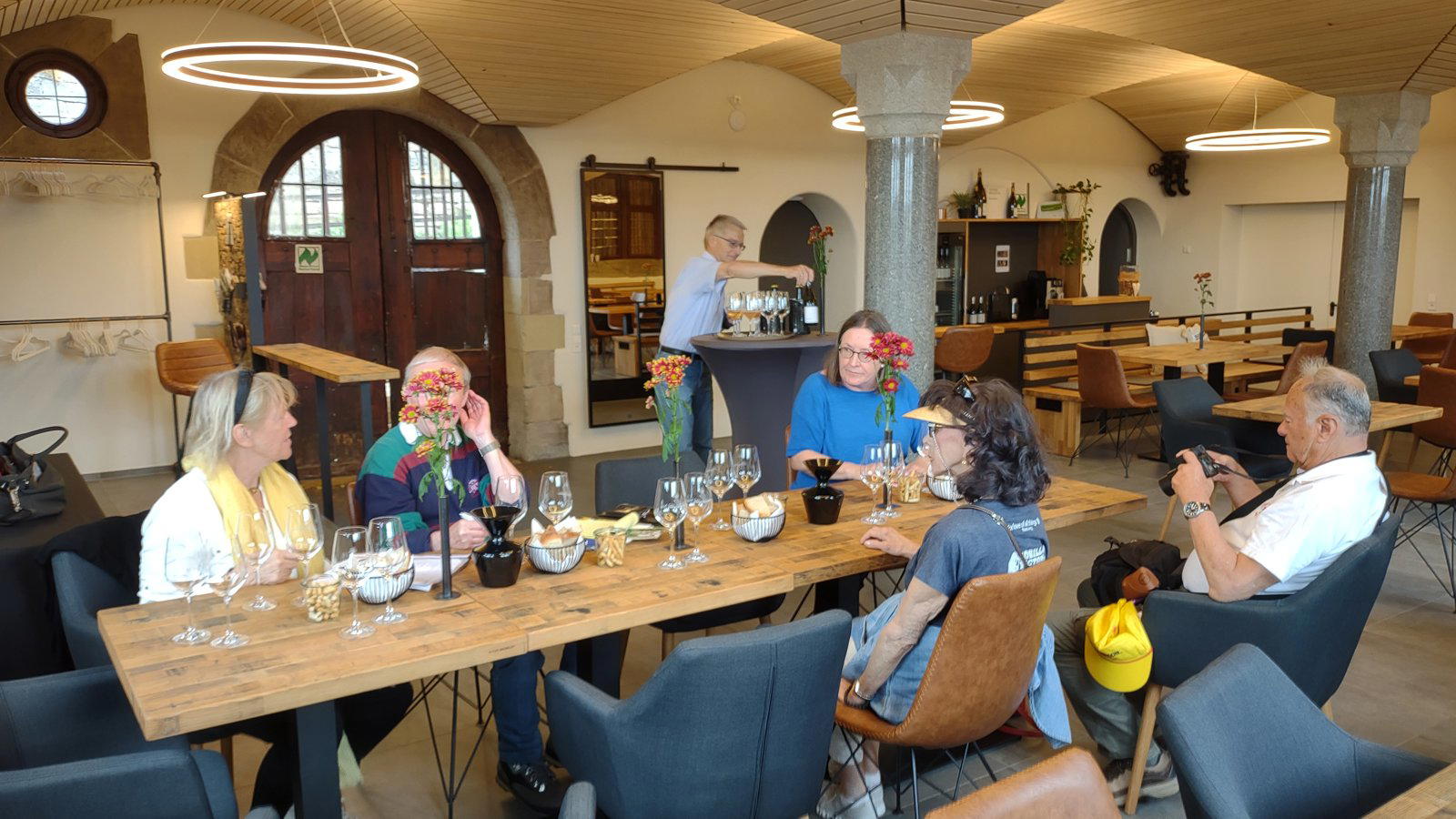
Warm, welcoming, and cozy with tasteful decor in a converted house, creating an intimate and homey feel.