La Bombonera
Our verdict
One of Old San Juan's most enduring addresses, La Bombonera on Calle San Francisco has anchored the neighborhood's café culture for generations. The address alone signals its place in Puerto Rican daily life: a street-level institution where locals and visitors share the same counter and the same coffee. For context on how it fits San Juan's broader dining scene, see our full city guide.
The menu
What to order
- Mallorca sandwich
- Mofongo relleno
A Street That Defines the Ritual
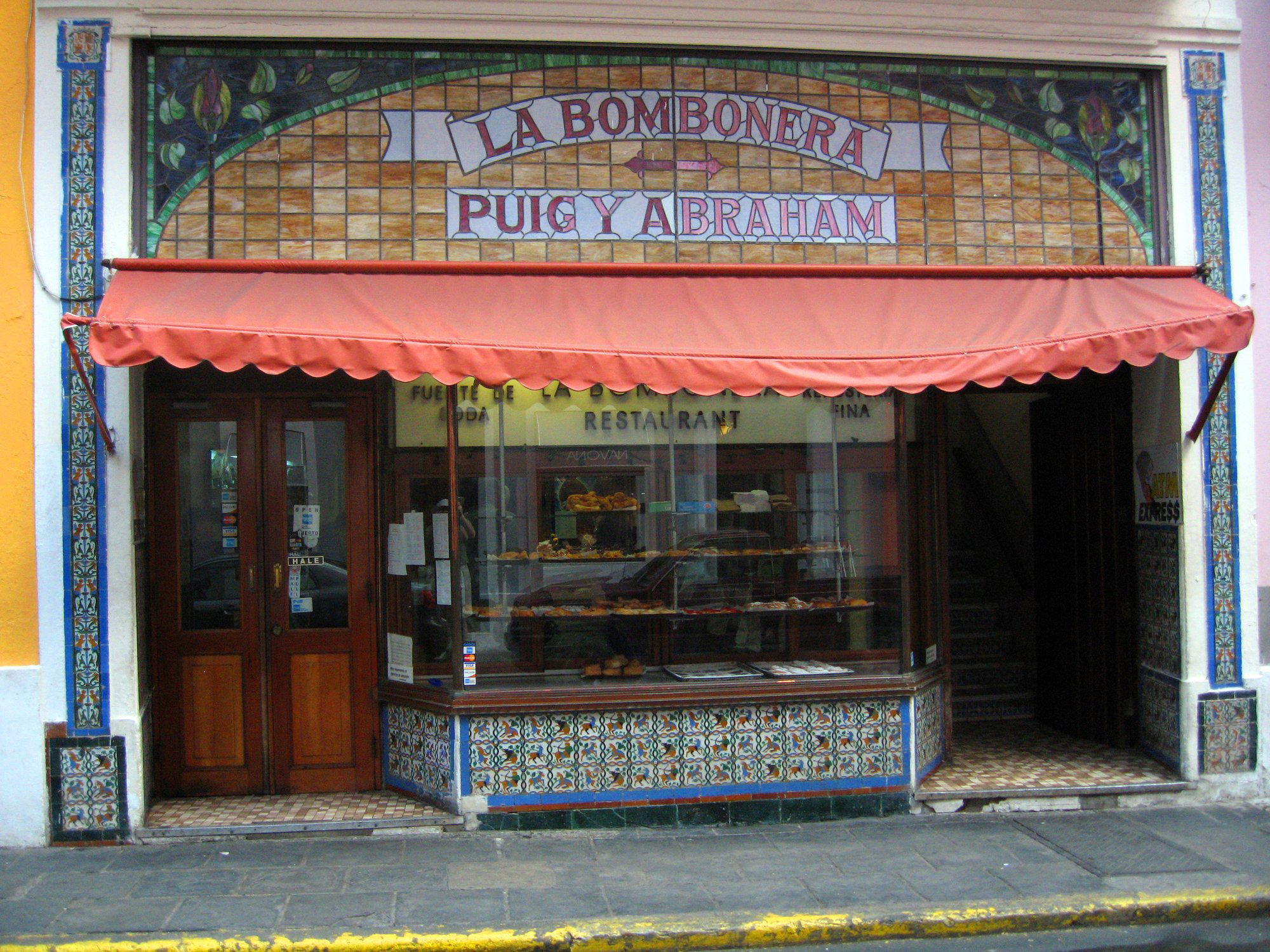
Calle San Francisco in Old San Juan functions differently from the city's newer restaurant corridors. Where Condado and Miramar trade in contemporary formats and international references, this colonial-era street runs on a different clock. The buildings are four centuries old, the foot traffic is local as much as tourist, and the establishments that have lasted longest here did so by serving a function rather than cultivating an image. La Bombonera, at number 259, sits inside that tradition. The address has been serving coffee and pan de mallorca to San Juan residents since 1902, which places it in a category occupied by very few eating establishments anywhere in the Caribbean: the genuinely long-standing neighborhood institution.
Arriving on foot from the Plaza de Armas or descending from El Morro, you encounter the café the way most locals do: from the street, through a facade that has not been aggressively modernized, into a room where the ambient noise is conversation rather than curated atmosphere. Old San Juan's dining scene has diversified considerably over the past decade, with addresses like Areyto Modern Cuisine by Chef Jason González bringing contemporary Puerto Rican technique to the old city, and 1919 Restaurant positioning San Juan within a modern American fine-dining conversation. La Bombonera represents an older stratum of that scene, one defined less by a kitchen's ambition than by its consistency across more than a century.
The Cultural Logic of the Puerto Rican Café
To understand what La Bombonera is, it helps to understand what the traditional Puerto Rican café does as a civic institution. In a food culture shaped by Spanish colonial influence, African culinary traditions, and indigenous Taíno ingredients, the corner café or luncheonette has historically served as a connector: a place where office workers, artisans, students, and retirees occupy the same space at different hours. The menu at such establishments is not aspirational. It is functional. Café con leche, mallorcas dusted with powdered sugar, rice plates, sandwiches built on pan sobao. These are not dishes invented for tourists; they are the daily food of a population, and the establishments that serve them well earn a loyalty that no amount of press coverage can manufacture.
This is the context in which La Bombonera's longevity carries meaning. Operating continuously from 1902 means surviving the American colonial transition, the Depression, the great migration decades, the island's debt crisis, and the devastation of Hurricane Maria in 2017. Each of those pressures reshaped Puerto Rican society in ways that closed businesses far newer and better-resourced. The fact that the address persisted through all of it tells you something about its function in the neighborhood rather than about its ambition as a restaurant.
San Juan's café tradition also separates itself from the Cuban coffee culture that sometimes dominates Caribbean dining narratives. Puerto Rican coffee, at its historical leading, came from mountain municipalities like Yauco and Lares, with a profile distinct from Cuban blends. The café con leche served at traditional Old San Juan institutions draws on this identity, and the ritual of ordering it, standing or seated at a counter, is as much cultural as gustatory.
Where La Bombonera Sits in Today's San Juan
San Juan's dining scene in 2024 spans a wider range than at any previous point. At one end, chef-driven restaurants like Amor y Sal and AQA Oceanfront operate with serious kitchen programs and well-traveled clientele. Modern formats represented by ARYA and Paros Restaurant address a different kind of visitor expectation. La Bombonera occupies a separate tier entirely: it does not compete with these addresses and they do not compete with it.
Across Puerto Rico more broadly, the culinary geography extends well beyond San Juan. COA in Dorado, Estela Restaurant in Rincon, and Lago Dos Bocas in Arecibo each represent a different register of Puerto Rican hospitality, from mountain-road fondas to coastal seafood. Brazo Gitano Franco in Mayaguez speaks to the island's western tradition. Within that wider context, La Bombonera's significance is specifically urban and specifically Old San Juan: it is not replicable elsewhere on the island because its meaning is tied to this particular street, this particular neighborhood.
For visitors whose primary dining reference points are internationally celebrated restaurants, the comparison is instructive rather than diminishing. A place like Le Bernardin in New York City or Lazy Bear in San Francisco operates on entirely different axes of value. La Bombonera asks nothing of that conversation and gains nothing from it. Its register is closer to that of the great European café institutions: the Viennese kaffeehaus, the Madrid granja, the Lisbon pastelaria. These are places whose authority comes from duration and daily use, not from critical recognition.
Planning Your Visit
La Bombonera is located at 259 Calle San Francisco in the heart of Old San Juan, walkable from the major plazas, the cruise ship piers, and the historic fortifications. Old San Juan operates primarily on foot, and the café is positioned at a natural waypoint on most pedestrian routes through the neighborhood. Mornings draw the densest local crowd; midday and early afternoon shift toward visitors with more time. For anyone structuring a day in the old city that includes stops at addresses like Charco Azul in Vega Baja or Kaplash in Anasco before or after, La Bombonera makes a sensible and historically grounded starting point for the day. Our full San Juan restaurants guide provides broader context on the city's dining geography across neighborhoods and price tiers.
Frequently asked questions
Where exactly is La Bombonera?
La Bombonera is located at 259 Viejo, C. de San Francisco, San Juan, 00901, Puerto Rico, San Juan.
Is La Bombonera connected to a broader Puerto Rican baking tradition?
The mallorca, the pastry most associated with 259 Calle San Francisco, traces its origins to the Balearic Islands and arrived in Puerto Rico through Spanish migration. La Bombonera's more than 120-year tenure in Old San Juan places it among the institutions that kept that Iberian baking tradition alive and absorbed it into everyday Puerto Rican café culture. The address is a working example of how colonial-era food transfers become local staples over generations.
What's the best thing to order at La Bombonera?
The pan de mallorca is the order that defines the address. This soft, lightly sweet roll became a Puerto Rican breakfast standard and is closely associated with La Bombonera's more than 120 years of daily service on Calle San Francisco. Pair it with coffee and you have the breakfast the café has been serving since 1902.
How hard is it to get a table at La Bombonera?
La Bombonera operates as a walk-in café rather than a reservation-driven dining room, so there is no booking queue to manage. During peak tourist seasons in Old San Juan, particularly winter and holiday periods, morning demand at 259 Calle San Francisco runs high and a short wait is common. Arriving early on weekday mornings is the practical approach.
What has La Bombonera built its reputation on?
Duration and daily consistency are the foundation. Operating since 1902, La Bombonera built its standing not through awards or critical recognition but through more than a century of serving the same Puerto Rican breakfast staples to residents, workers, and visitors in the heart of Old San Juan. That continuity is its credential.
Budget and Context
A small set of peers for context, based on recorded venue fields.
| Venue | Cuisine | Price | Awards | Notes |
|---|---|---|---|---|
| La BomboneraThis venue (the venue you are viewing) | Traditional Puerto Rican Bakery Cafe | Not listed | Not listed | Not listed |
| 1919 Restaurant | Modern Puerto Rican Fine Dining | $150–200 | Forbes 4-Star · Wine Spectator Best of Award of Excellence | Modern American |
| ORUJO | Modern Puerto Rican Experimental | $100–150 | James Beard Award Semi Finalist · The Best Chef One Knife | Not listed |
| Seva | Modern New American with Global Influences | $50–100 | Michelin Plate | Not listed |
| Marmalade Restaurant & Wine Bar | Modern Fusion Fine Dining | $100–150 | Wine Spectator Best of Award of Excellence · OpenTable Top 100 Restaurants | Not listed |
| Jose Enrique Puerto Rican restaurant | Elevated Puerto Rican | Not listed | Not listed | Not listed |
Continue exploring
More in San Juan
Restaurants in San Juan
All restaurants in San Juan →
Bars in San Juan
All bars in San Juan →
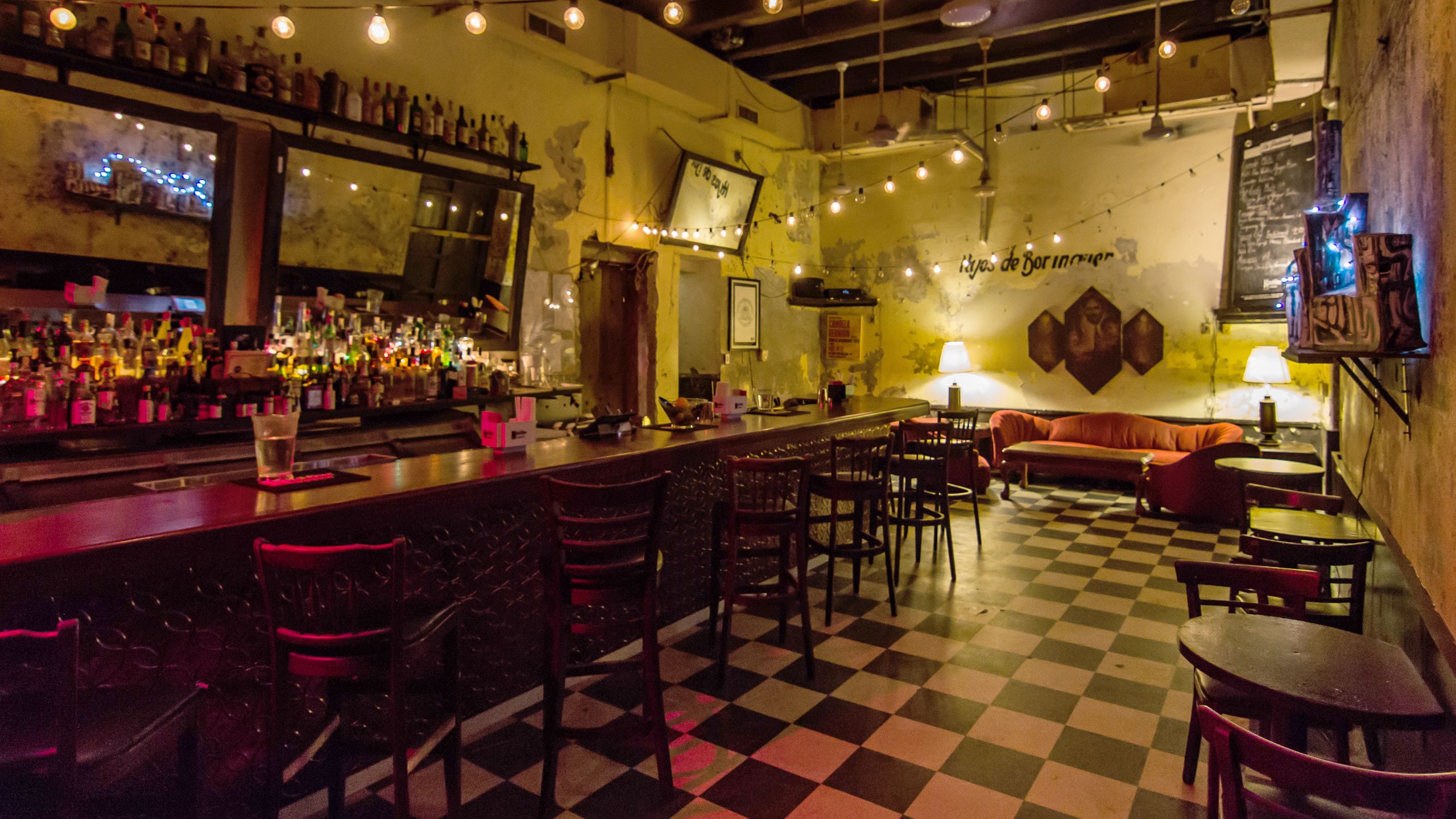
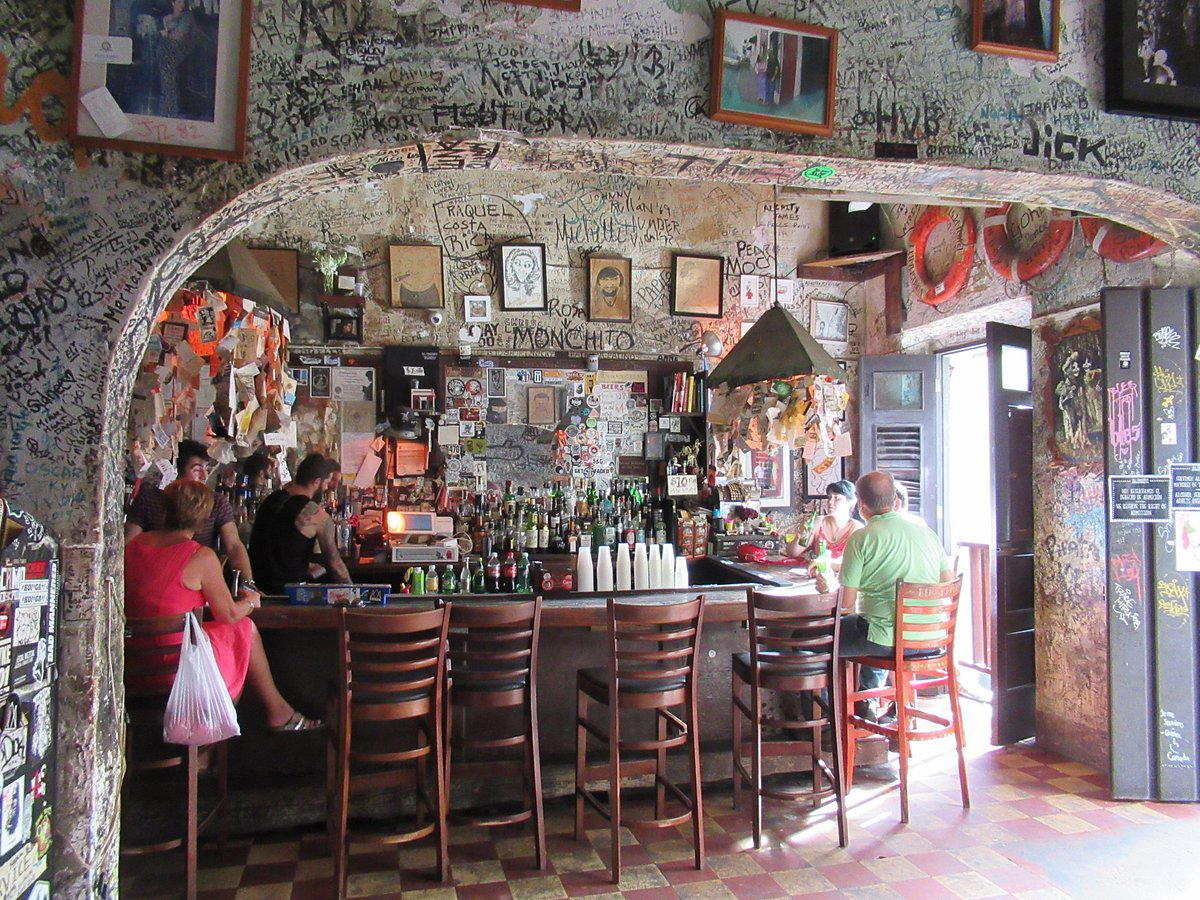
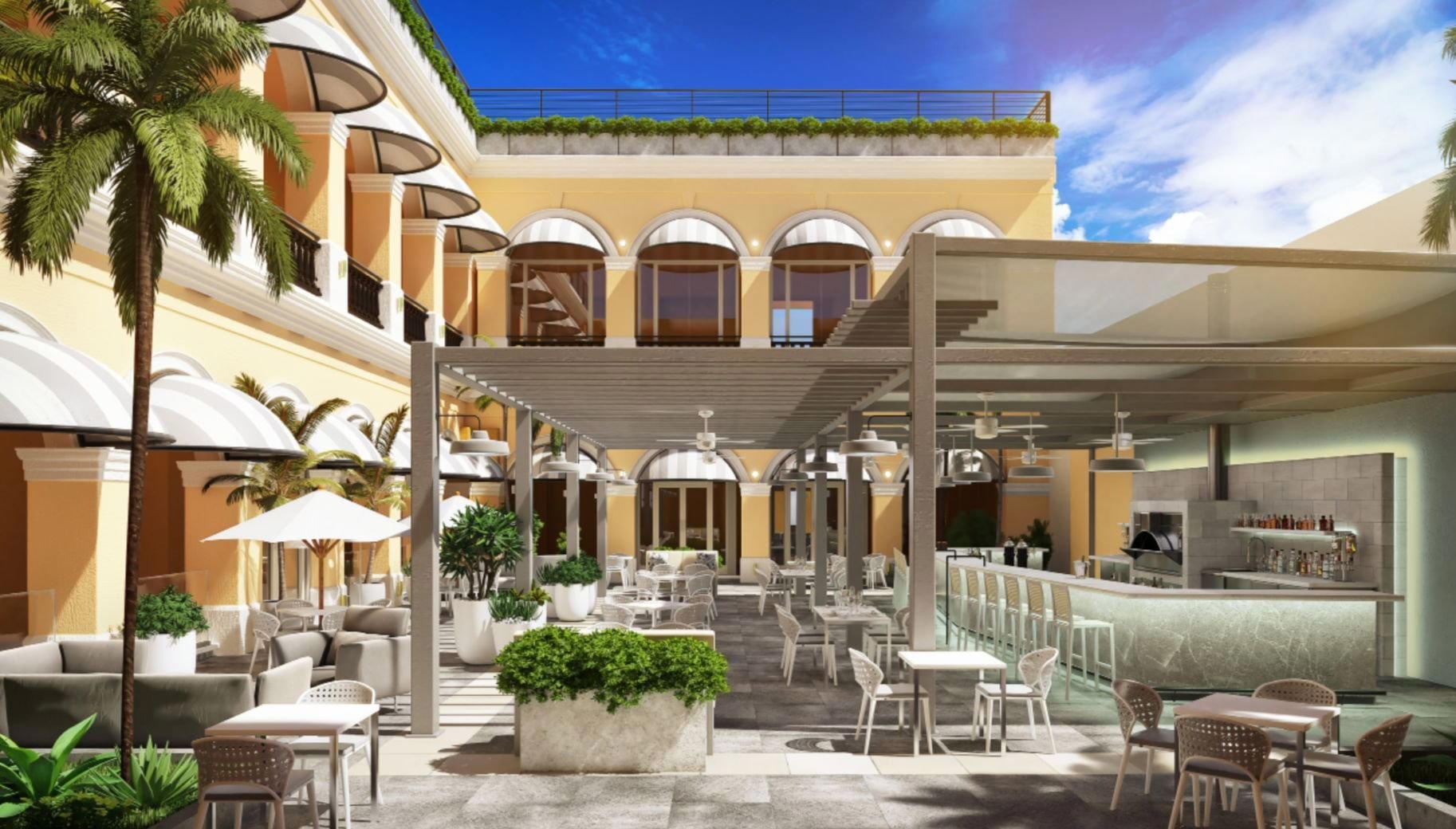
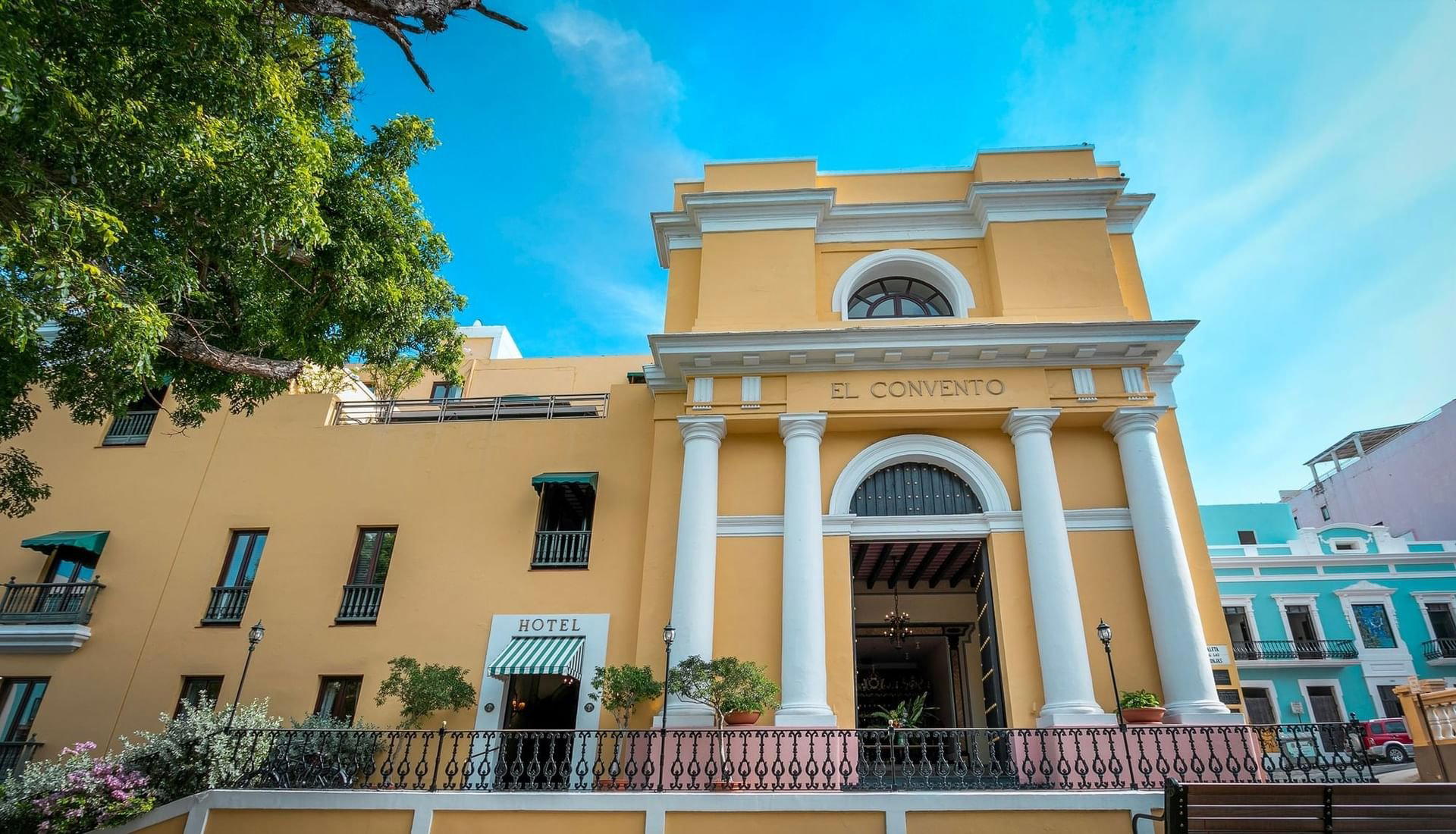
Details
- Classic
- Well Known
- Cozy
- Casual Hangout
- Historic Building
- A La Carte
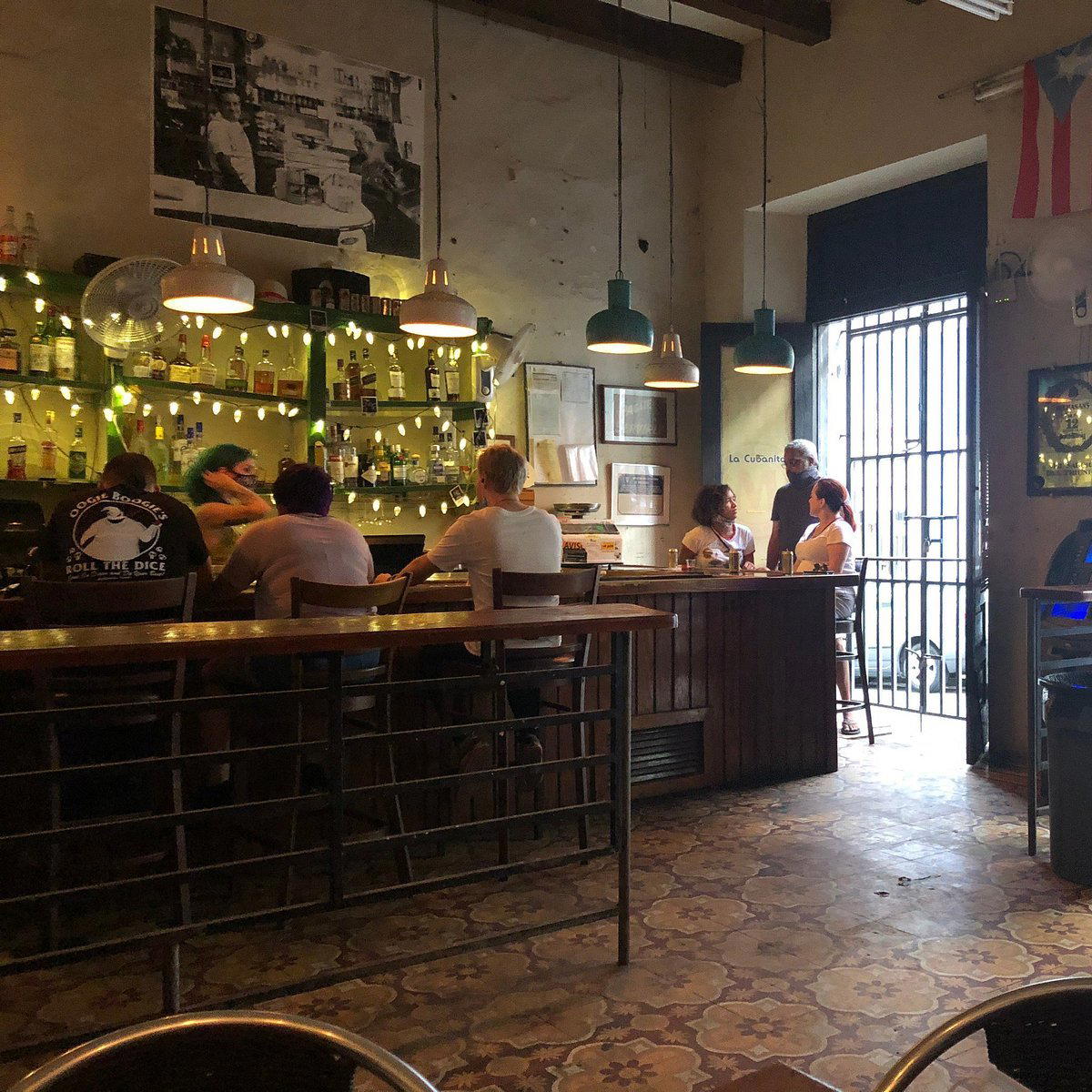
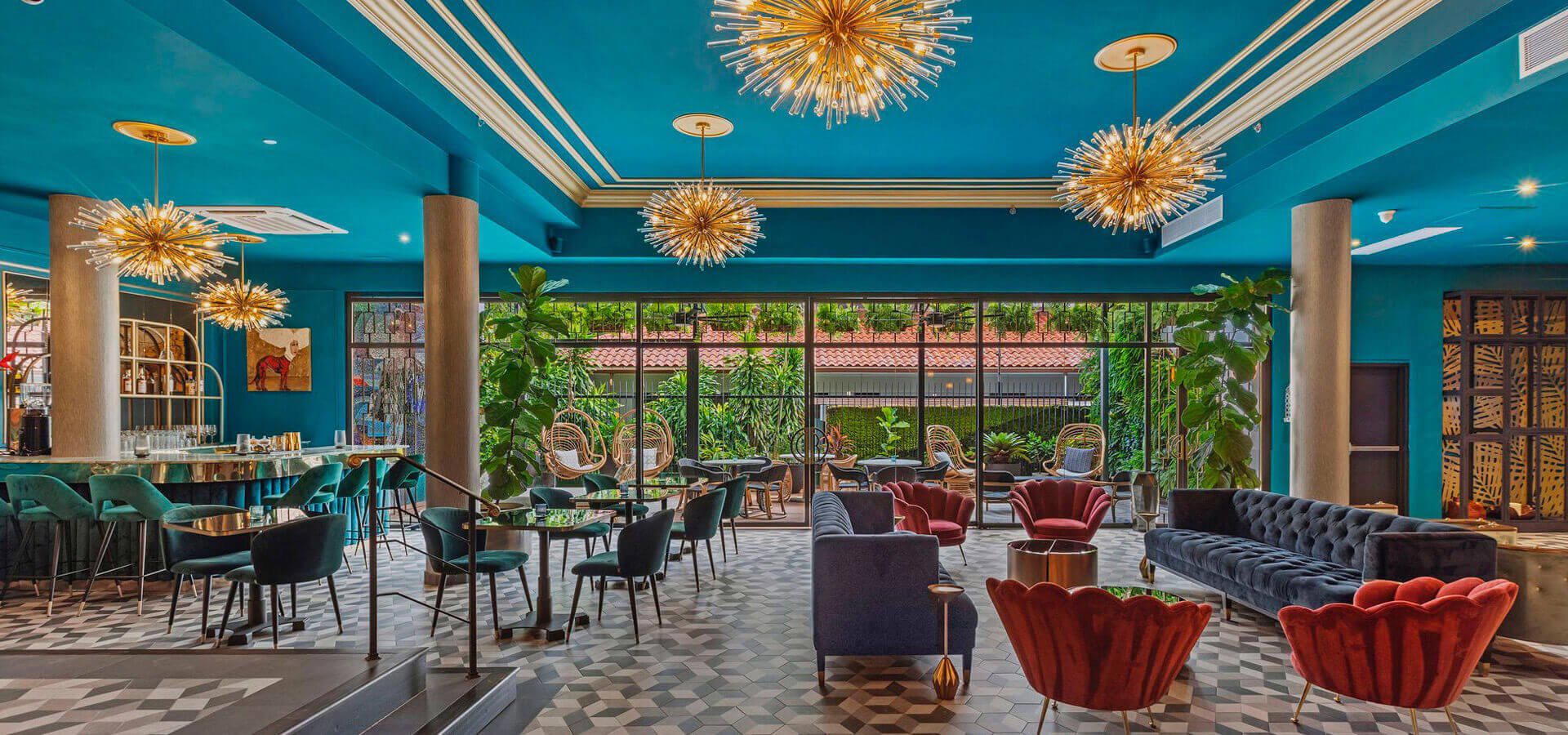
Old-world charm with ceiling fans, tile floors, and wooden booths.