O:live Boutique Hotel


Michelin Selected · Small Luxury Hotels of the World Member
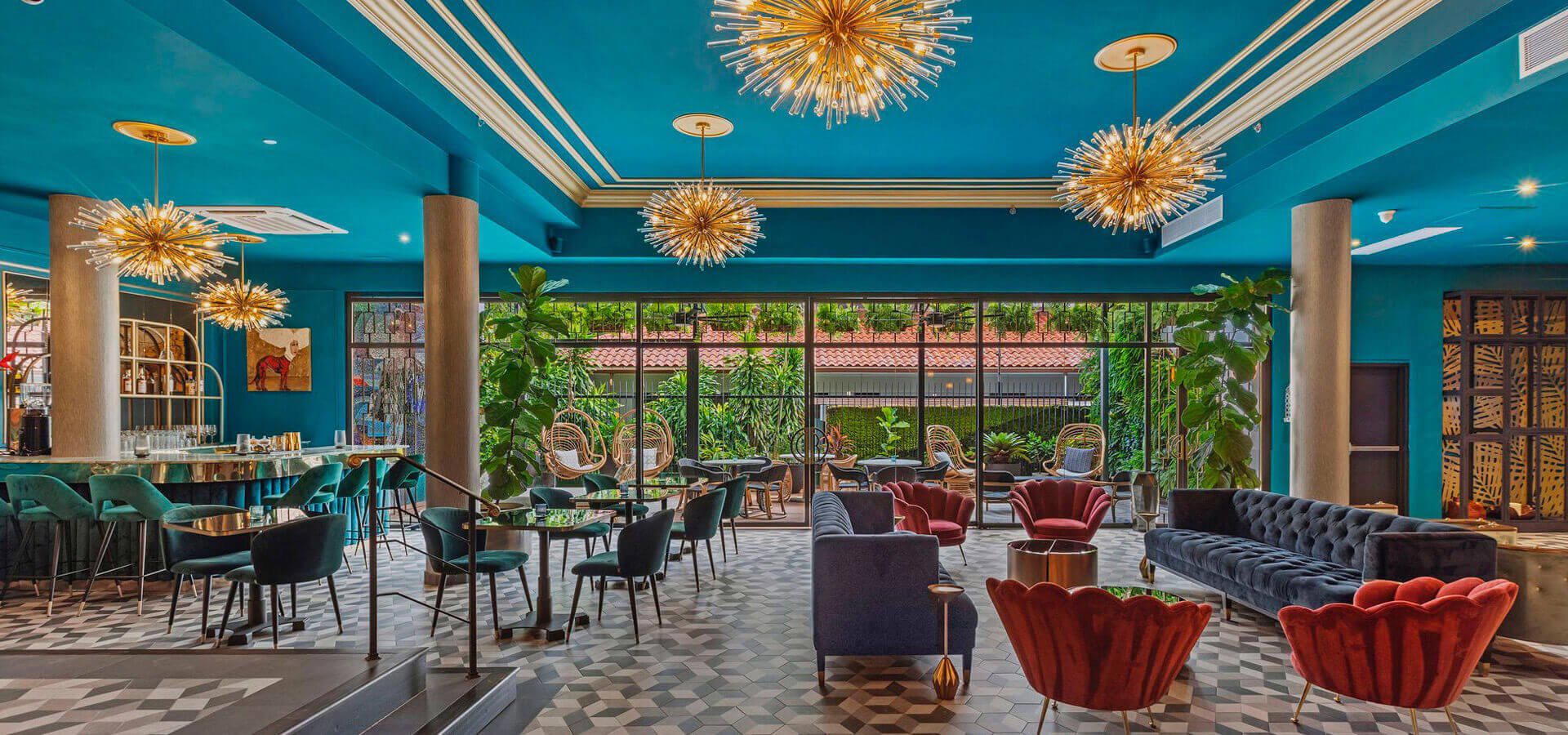
On a quiet stretch of Condado, O:live Boutique Hotel translates Mediterranean and North African design into a Caribbean setting across four floors of artisan tilework, terracotta walls, and Provençal and Tuscan craftsmanship. The property occupies a distinct niche among San Juan's independent hotels, where small-scale design-led stays are increasingly the alternative to resort-scale operators. For travellers seeking atmosphere over amenity count, O:live makes a considered case.

Pearl is the En Primeur Club membership app, where members save venues, book tables and use the concierge.
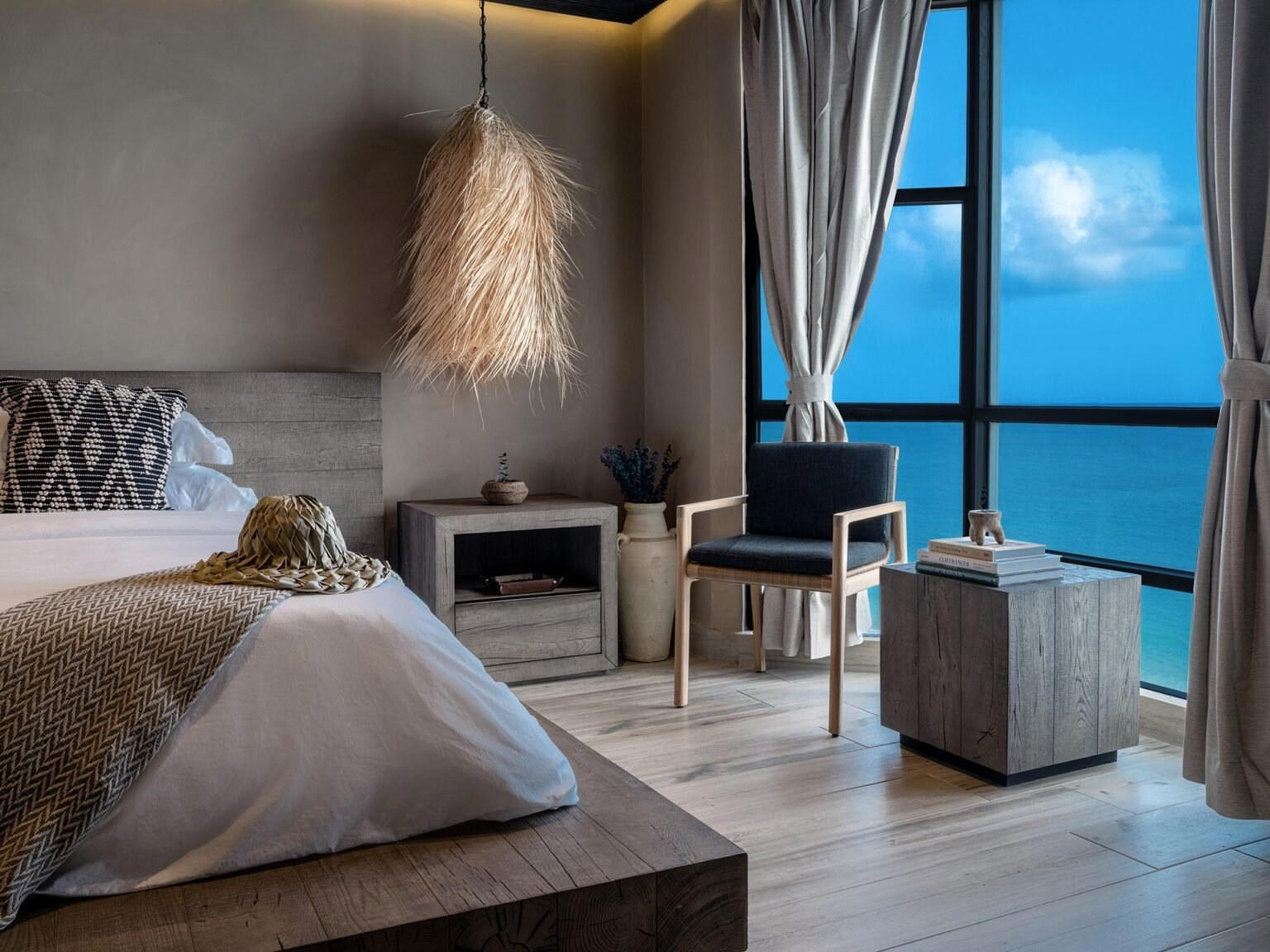
Where the Mediterranean Arrives in the Caribbean
San Juan's boutique hotel tier has expanded steadily over the past decade, with a growing number of independently operated properties staking out design identities distinct from the large resort operators along Condado and Isla Verde. Within that cohort, there is a recurring tension: hotels that borrow a surface aesthetic and those that commit to a material and cultural logic throughout the building. O:live Boutique Hotel, at 55 Calle Aguadilla, belongs to the latter category. Its reference points are Southern Europe and North Africa, and those references are carried through the property via artisan tilework, terracotta wall finishes, and objects sourced from Provence and Tuscany. The result is a San Juan address that reads less like a tropical escape dressed up in Mediterranean colours and more like a considered argument about what design coherence can do in a compact space.
That kind of design discipline is increasingly the signal that separates serious boutique properties from their competitors. In cities across the Caribbean, small hotels have discovered that a strong visual identity can compete with larger operators on grounds that scale cannot easily replicate. O:live makes that case across four floors, where the accumulated effect of hand-selected artisan pieces builds something that a standardised fit-out cannot approximate. For travellers comparing options in San Juan's independent tier, properties like Casa Botánica Hotel, Don Rafa Boutique Hotel and Residences, and Hotel Palacio Provincial each occupy distinct design registers. O:live's Mediterranean positioning places it in a separate niche from the Spanish colonial character of Hotel El Convento or the coastal residential feel of Verano San Juan.
A Design Logic Rooted in Place, Not Theme
The distinction worth drawing here is between decorative reference and structural commitment. Mediterranean design traditions, particularly those from southern France and the Italian countryside, share a set of material principles: earthen pigments, hand-fired ceramics, natural stone, and a preference for texture over finish. These are not decorative choices borrowed for mood; they are the outputs of craft traditions that developed over centuries in response to climate, available materials, and domestic ritual. When O:live's four floors deploy colourful floor tiles and terracotta walls alongside artisan work from Provence and Tuscany, the hotel is drawing on a specific material vocabulary rather than approximating a generic European look.
This matters for the retreat experience because design coherence at this level produces a slower kind of attention. Spaces that reward close looking, where the hand of the maker is legible in the surface of a tile or the glaze of a ceramic object, tend to generate a different quality of rest than spaces built around spectacle or novelty. The wellness dimension of a stay at O:live is not anchored in a spa programme or a fitness facility in the conventional sense; it operates through the accumulated effect of the environment itself. That is a different kind of retreat proposition, and one that a growing number of design-literate travellers are actively seeking.
Internationally, this approach has precedent in properties where craft and material authenticity carry the primary experiential weight. Castello di Reschio in Lisciano Niccone operates on a related principle, where centuries of accumulated material character do the atmospheric work that a programmed wellness offering might attempt elsewhere. Closer in scale and spirit, Hotel Esencia in Tulum demonstrates how a design-led Caribbean property can build a retreat identity without relying on resort infrastructure. O:live sits in that lineage, smaller in scale but consistent in its commitment to environment over amenity volume.
San Juan's Boutique Tier in Context
Puerto Rico's hotel market covers a wide spectrum. At one end, large-scale operators like the Condado Vanderbilt Hotel and the Fairmont El San Juan Hotel in Carolina offer full resort programmes with multiple dining outlets, extensive pool infrastructure, and spa facilities. At the other end, properties like O:live serve a traveller whose priorities run in a different direction: fewer keys, stronger design identity, and the kind of neighbourhood integration that a large resort footprint structurally prevents.
Across the island, the independent tier spans formats and locations: Finca Victoria in Vieques and Royal Isabela in Isabela both demonstrate how smaller Puerto Rican properties can build distinctive identities outside the San Juan metro. Villa Cofresí Hotel in Stella occupies yet another register. Within San Juan itself, The Gallery Inn shares with O:live a commitment to art and artisan character over standardised hospitality. These are properties where the physical environment is the primary offer, and where the retreat value is embedded in the space rather than added on top of it.
For San Juan visitors whose frame of reference includes design hotels elsewhere in the world, the comparison set is instructive. Hotel Bel-Air in Los Angeles and Cheval Blanc Paris operate at a different price tier and scale, but the underlying logic of environment as primary experience connects them to what O:live attempts in a more modest register. The craft-led boutique format has proven durable across markets precisely because it addresses something that larger, more standardised operations cannot easily replicate.
The North African Thread
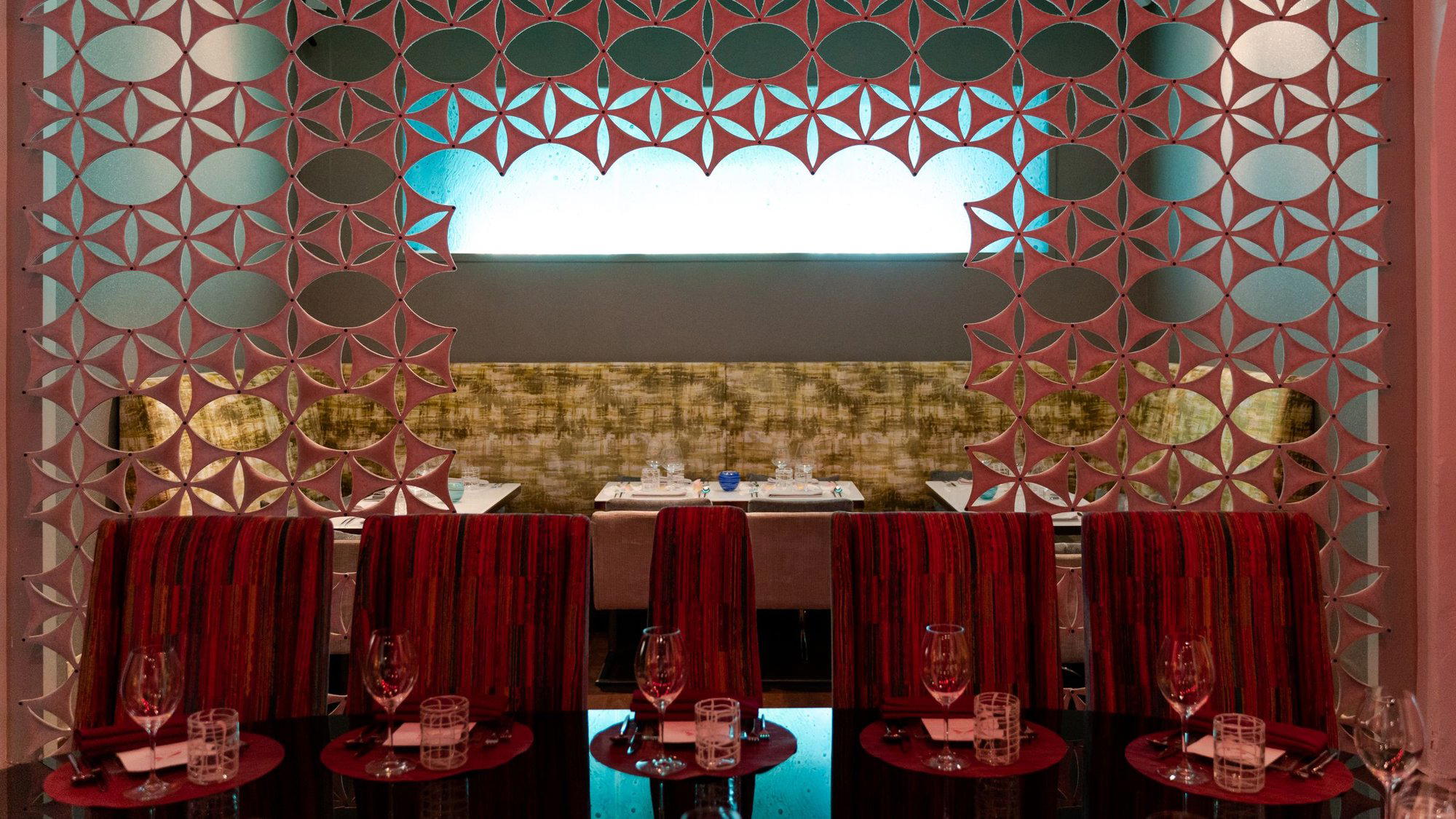
The inclusion of North African influence alongside Southern European references is worth considering separately. Moroccan and broader Maghrebi design traditions share the earthen palette and ceramic vocabulary of Mediterranean Europe, but they bring additional registers: geometric tile patterns with distinct mathematical precision, architectural details that manage light and heat through form rather than technology, and a different relationship between interior and exterior space. Where Provençal and Tuscan design traditions tend toward organic variation, North African craft often operates through repetition and geometry. Together, these influences produce an interior language richer than either tradition alone, and the combination is appropriate to a Caribbean context where managing heat and light is a practical as well as aesthetic concern.
Planning a Stay
O:live Boutique Hotel sits at 55 Calle Aguadilla in Condado, one of San Juan's most walkable neighbourhoods for independent restaurants and the Atlantic waterfront. The property's boutique scale means room availability moves quickly in peak travel periods, which in Puerto Rico runs from December through April; travellers with specific dates in mind should plan reservations several weeks in advance at minimum. For broader context on where O:live fits within San Juan's dining and hospitality scene, our full San Juan guide covers the city's key neighbourhoods and independent operators in detail.
Travellers comparing design-led boutique properties across the Caribbean and beyond may also find useful reference points in Aman Venice for Mediterranean craft precedent, or Amangiri in Canyon Point for the model of environment-as-retreat. Within San Juan, the comparison remains between O:live's Mediterranean-North African identity and the distinct approaches taken by Four Seasons Resort and Residences Puerto Rico in Río Grande at the resort end, and the city's compact independent operators at the boutique end. O:live holds its own ground in that spectrum, defined by what it has chosen to commit to rather than what it has chosen to add.
Reputation Context
Comparable venues nearby, for context on price, style, and recognition.
| Venue | Cuisine | Price | Awards | Notes |
|---|---|---|---|---|
| O:live Boutique HotelThis venue (the venue you are viewing) | Relaxed luxury boutique with Mediterranean influences and intimate design. | $300–500 | Michelin Selected · Small Luxury Hotels of the World Member | Not listed |
| Hotel El Convento | Restored 17th-century convent blending history with luxury | $200–300 | Virtuoso Luxury Hotel Partner · Small Luxury Hotels of the World Member | Catedral |
| Don Rafa Boutique Hotel and Residences | Luxury boutique blending mid-century Puerto Rican elegance with contemporary refinement | Not listed | World Travel Awards | Miramar |
| Hotel Palacio Provincial | Historic boutique hotel blending Spanish Colonial architecture with modern luxury. | $200–300 | Not listed | Catedral |
| O:LV Fifty Five | Sophisticated city tower styled boutique hotel with city swagger. | Not listed | Michelin Selected | Condado |
| The Gallery Inn | Artistic historic boutique | Not listed | Not listed | Mercado |
Recognition history
Dated appearances from independent guides and award organizations, with the underlying list record or original source where available.
Michelin Selected
Michelin
Small Luxury Hotels of the World Member
Small Luxury Hotels of the World
Continue exploring
More in San Juan
Hotels in San Juan
All hotels in San Juan →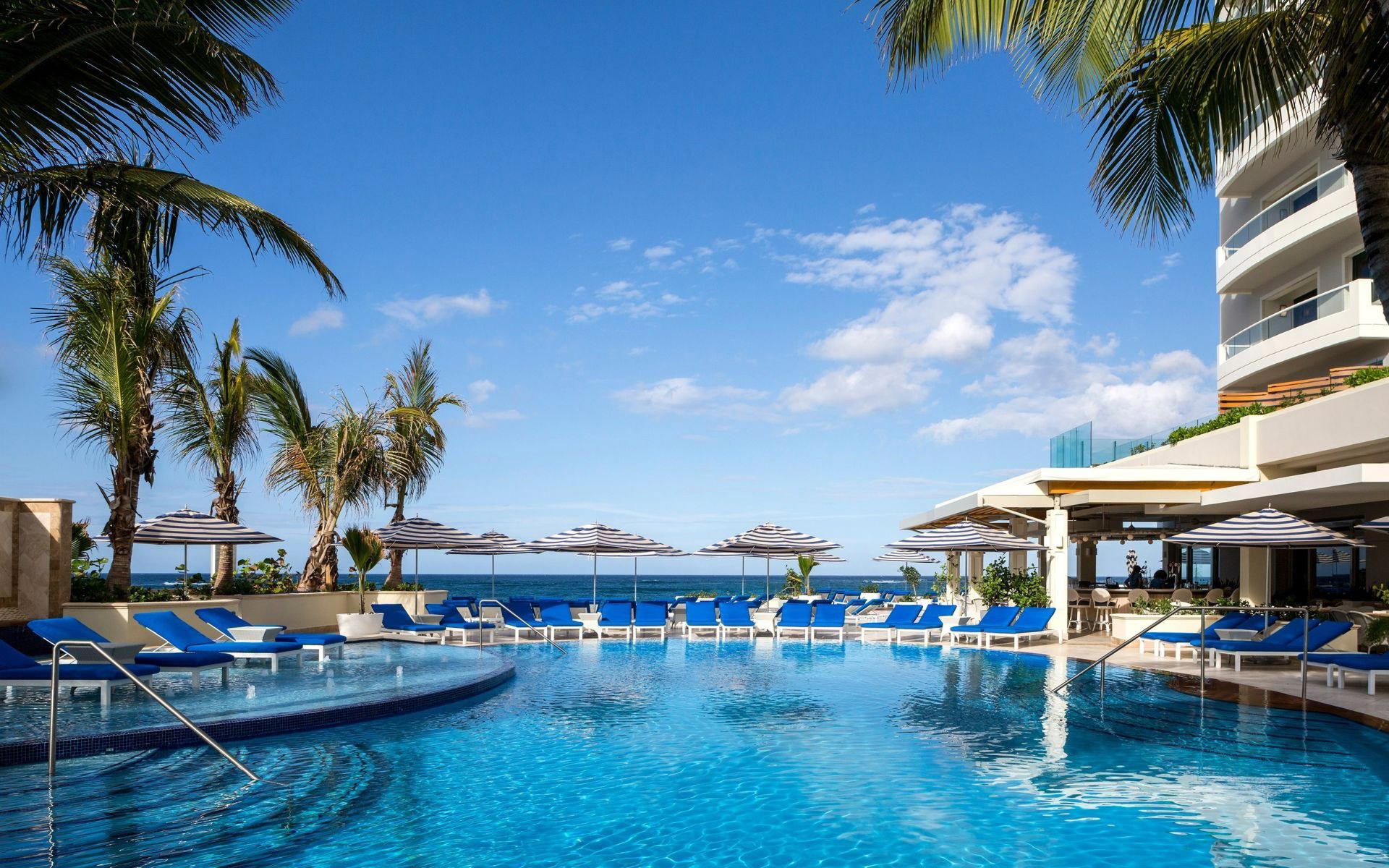
Details
- Romantic
- Intimate
- Elegant
- Sophisticated
- Modern
- Honeymoon
- Romantic Getaway
- Anniversary
- Weekend Escape
- Rooftop Pool
- Panoramic View
- Private Dining
- Terrace
- Wi Fi
- Pool
- Room Service
- Concierge
- Restaurant
- Bar
- Valet Parking
- Waterfront
- Elevator
- Wheelchair Accessible
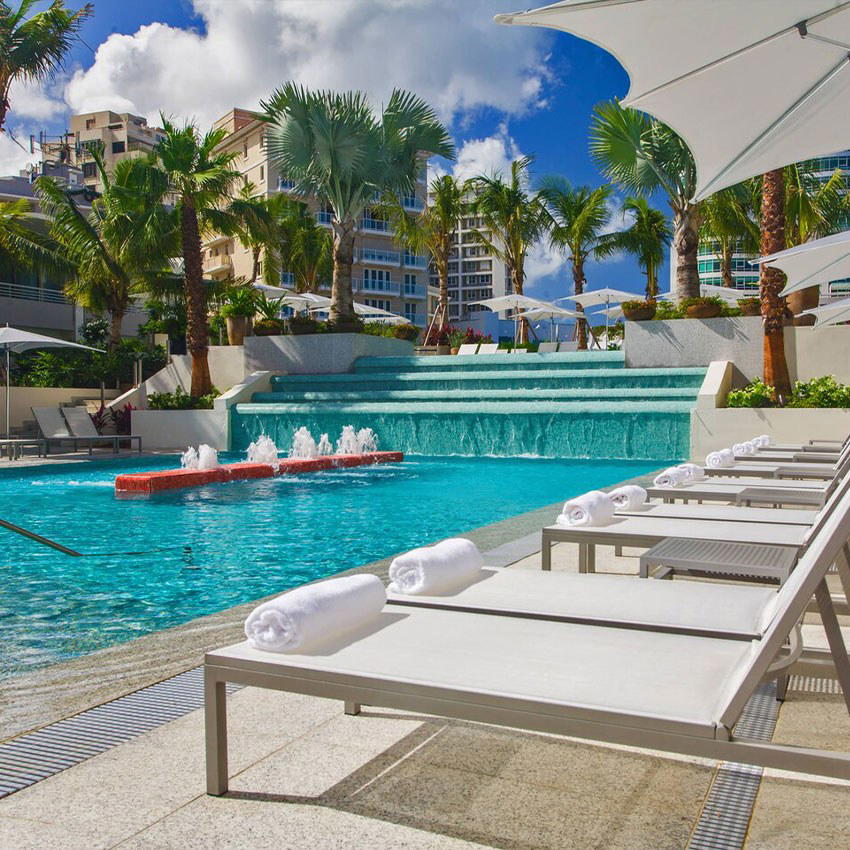
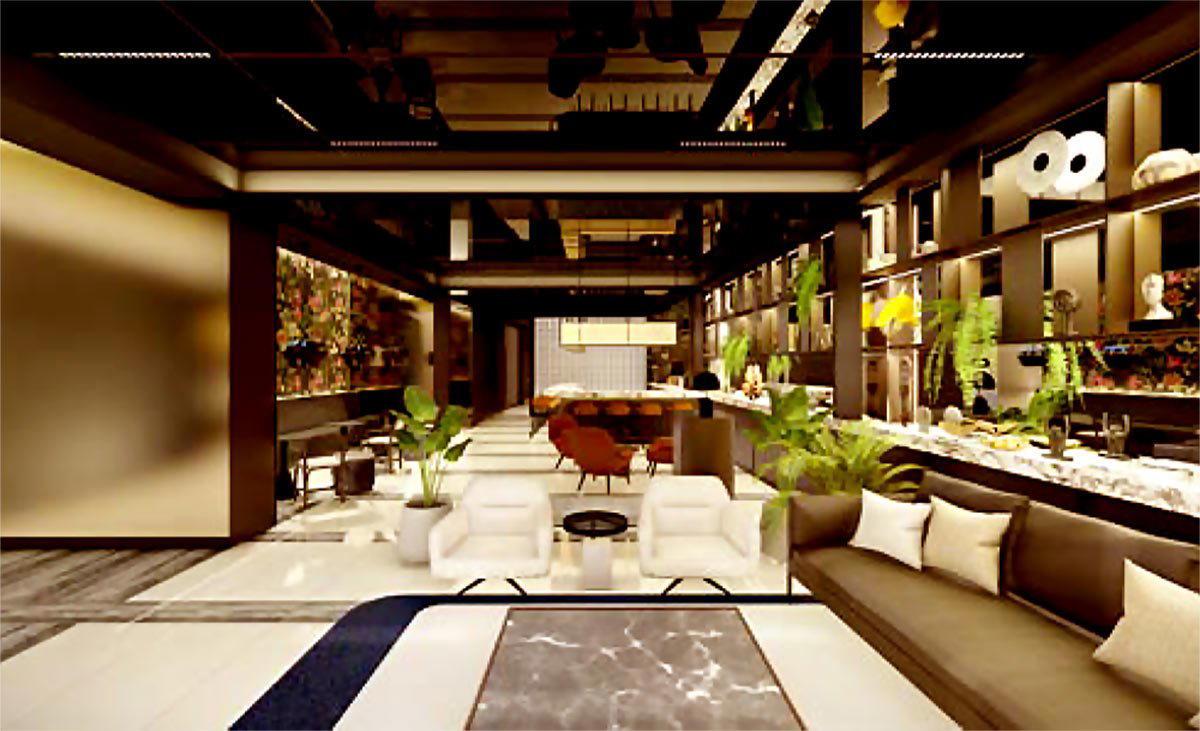
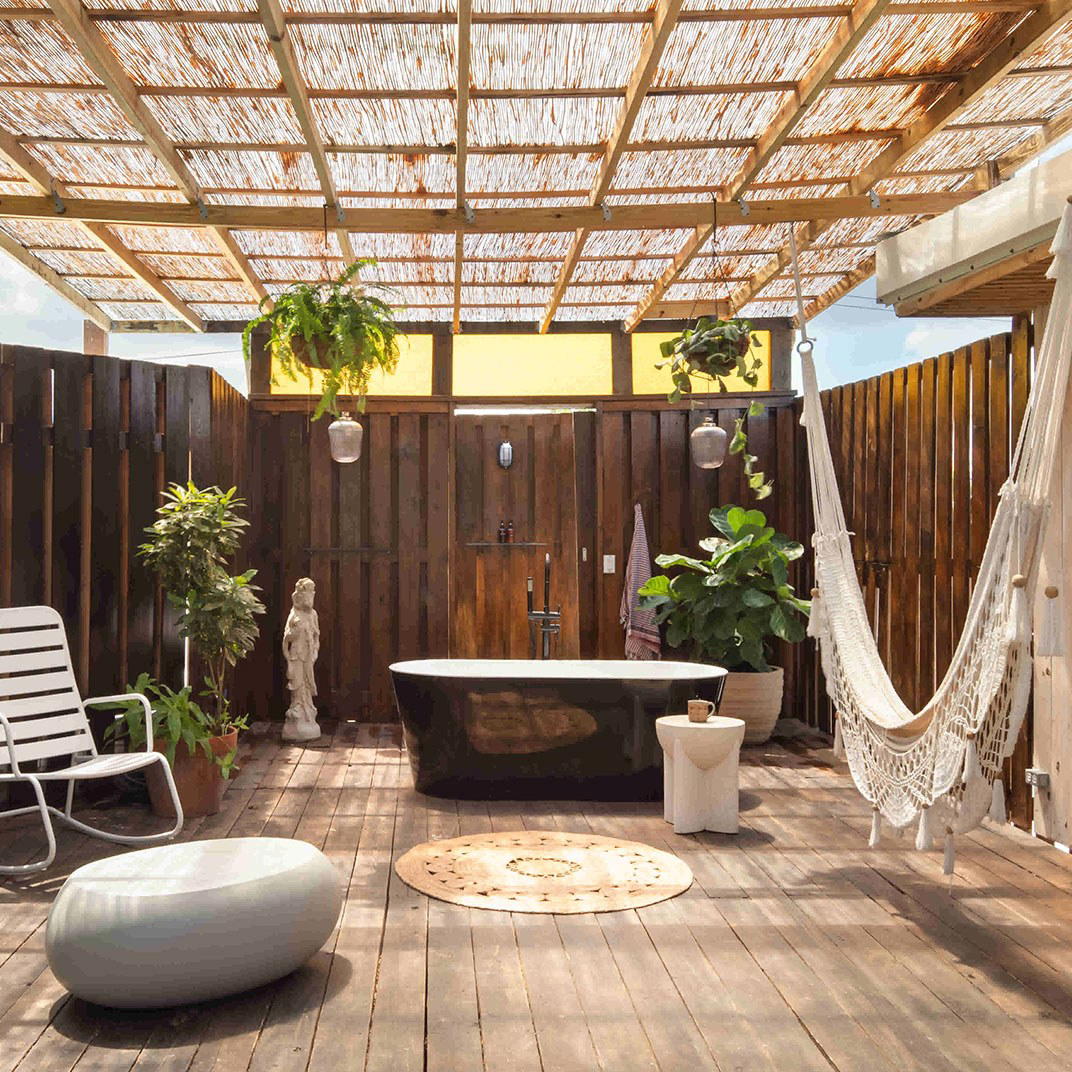
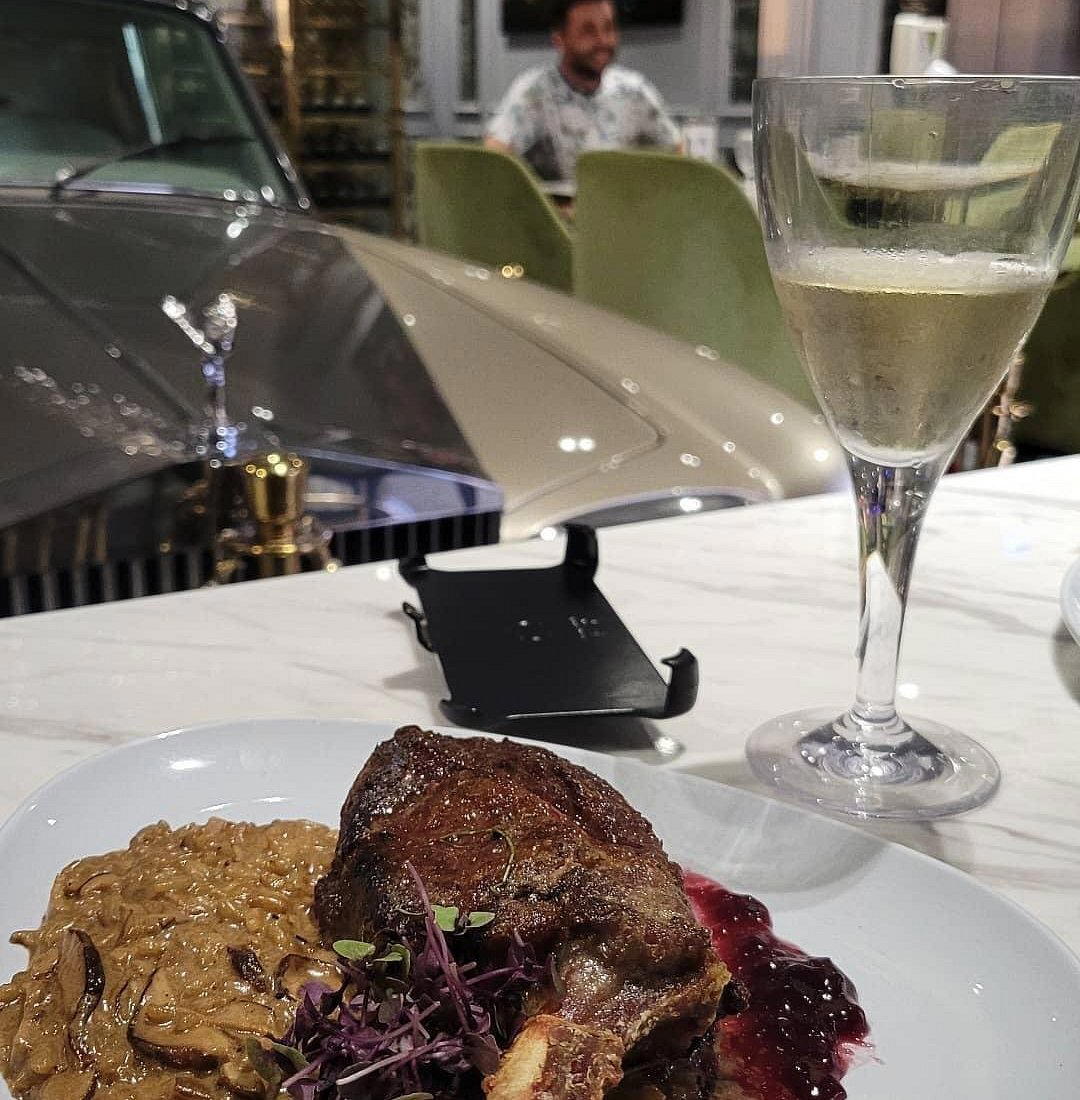
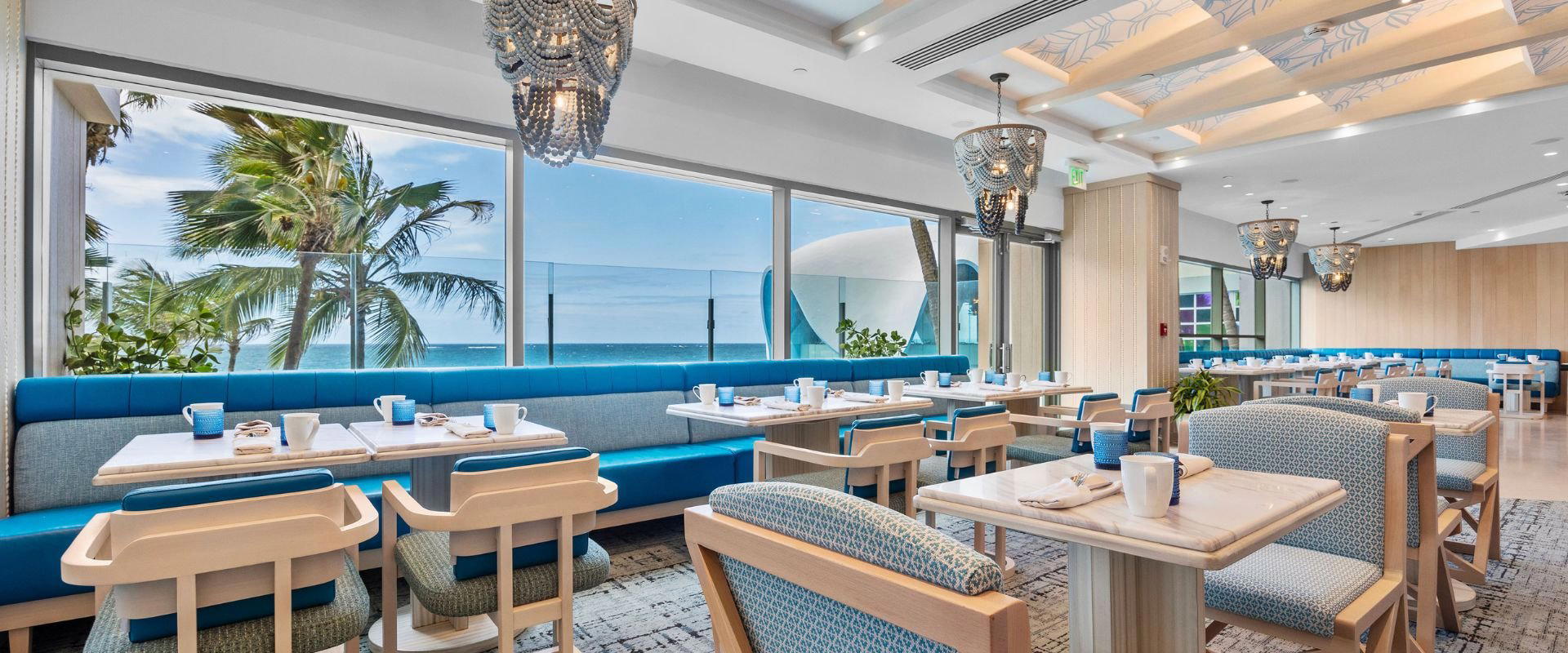
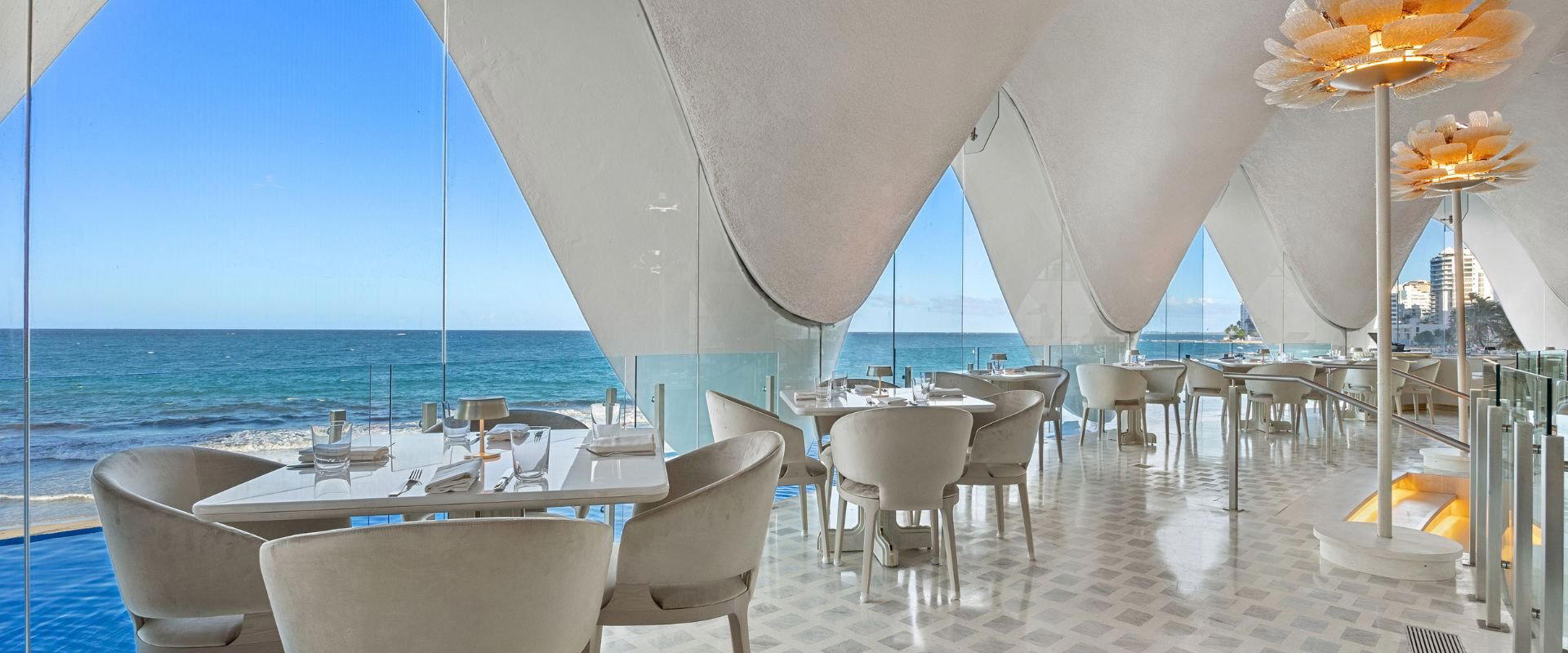
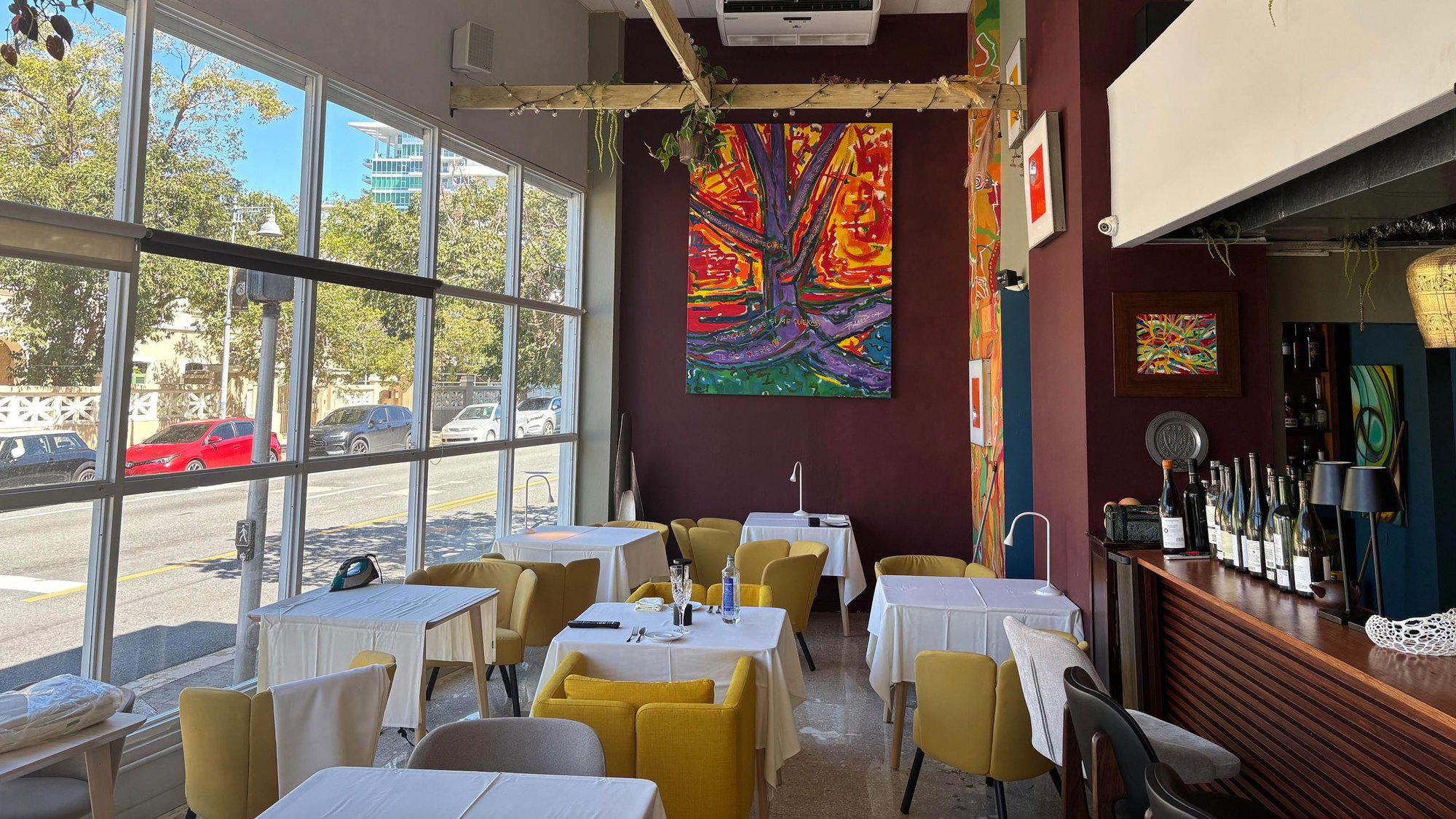
Romantic and intimate atmosphere with magical, artistic Mediterranean-inspired design, relaxed luxury, and serene rooftop settings.