Azahar Modern Tasca
Our verdict
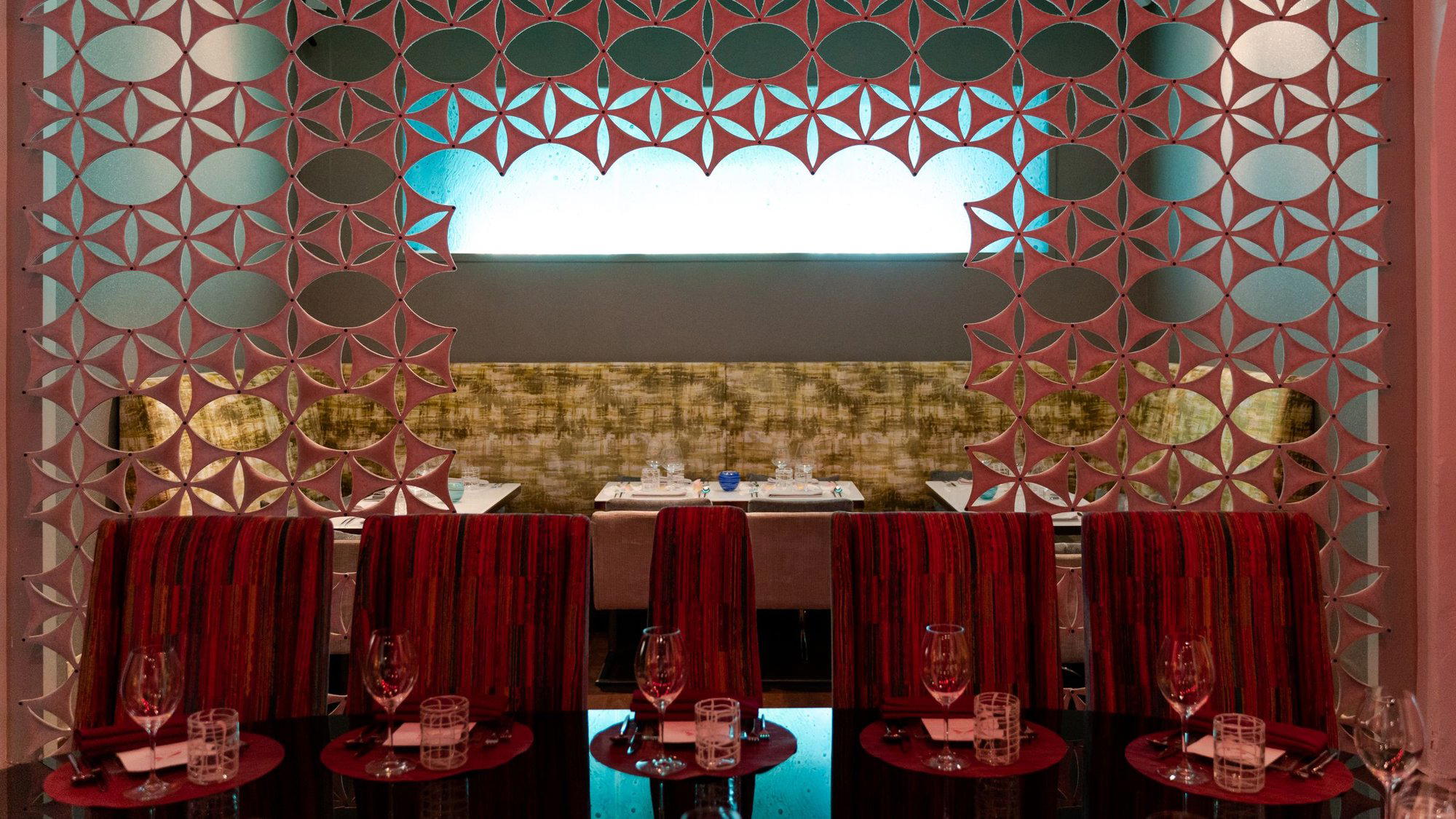
Azahar Modern Tasca sits on Ashford Avenue in the heart of Condado, positioning itself within San Juan's most competitive dining corridor. The tasca format, a Spanish-rooted concept reimagined through a Puerto Rican lens, places it in a growing category of restaurants using Iberian structure to frame Caribbean ingredients. For travellers moving through San Juan's modern dining scene, it represents a distinct entry point into that conversation.

Pearl is the En Primeur Club membership app, where members save venues, book tables and use the concierge.
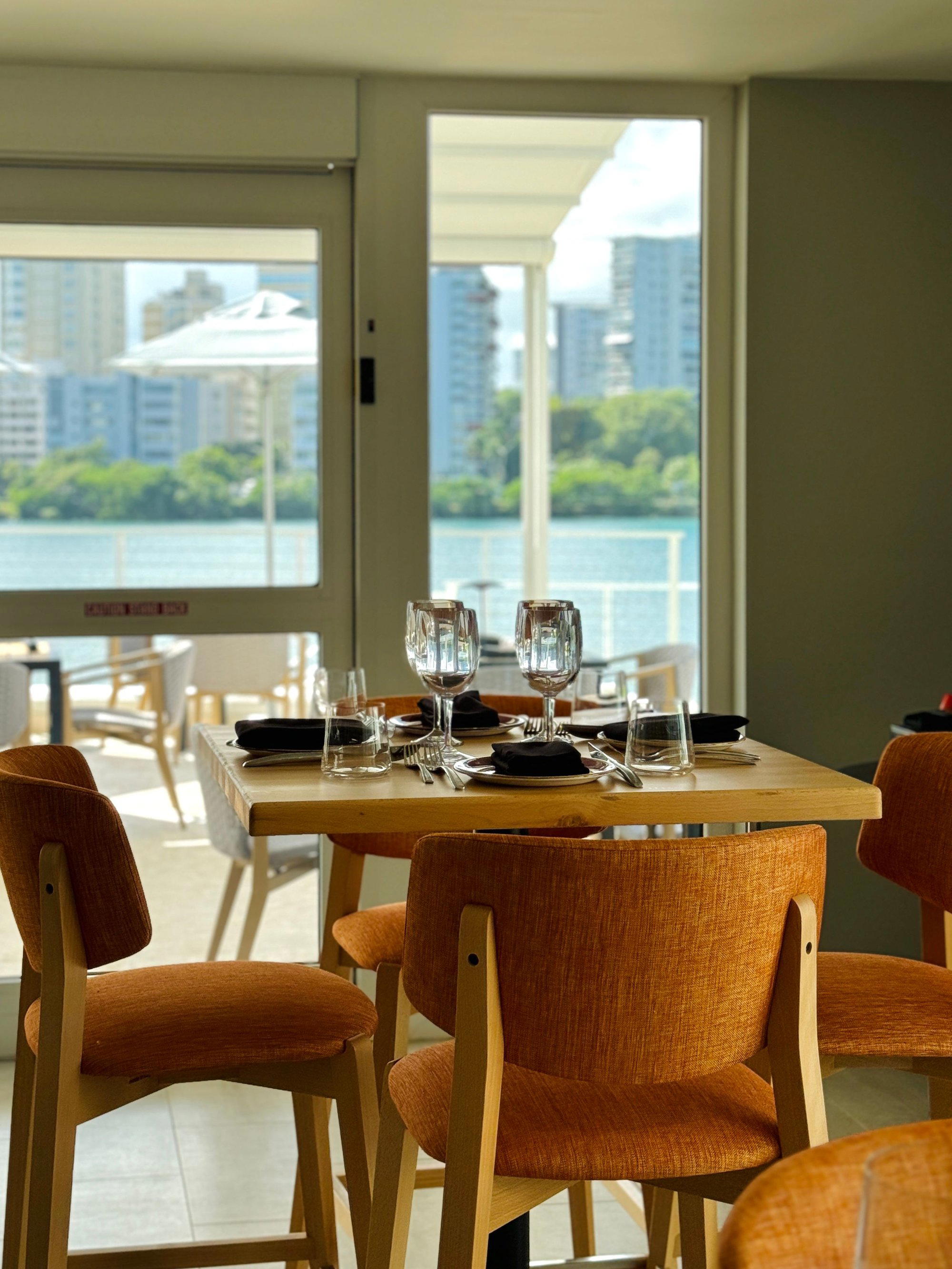
Condado's Dining Corridor and Where the Tasca Fits
Ashford Avenue has spent the last decade consolidating its position as San Juan's most active stretch for serious dining. The avenue runs through Condado with a density of restaurants that ranges from beachside casual to white-tablecloth modern, and the competition for attention on that block is real. Into that environment, Azahar Modern Tasca brings a format that is less common in the Caribbean than it deserves to be: the tasca, a Spanish tradition of small, social plates built around communal eating and the rhythm of a long meal. In Puerto Rico, where the Spanish colonial layer sits underneath centuries of subsequent cultural accumulation, the tasca as a framework carries specific resonance. It is not an import so much as a retrieval.
The address at 886 Ashford Ave places Azahar squarely in Condado rather than Old San Juan, which matters for understanding its competitive position. Old San Juan carries the weight of history and attracts a different kind of diner, one drawn to the cobblestone setting and the institutional authority of restaurants like 1919 Restaurant, which operates from within the Condado Vanderbilt Hotel. Condado operates on different terms: it is where newer formats tend to arrive first, where hotel dining competes with independent operators, and where the city's younger dining culture is most visible. Amor y Sal and AQA Oceanfront occupy other parts of that spectrum; Azahar reads as the option most explicitly concerned with culinary tradition as a starting point.
The Tasca Tradition, Reframed
To understand what a modern tasca is doing in San Juan, it helps to understand what the form meant in Spain. The original tasca was a neighbourhood institution: low-key, wine-forward, built around shared plates and the assumption that dinner was a social event rather than a transaction. It sat somewhere between a bar and a restaurant in social function, and its menu logic prioritized variety over occasion. Dishes came as they were ready. The table filled incrementally. Nobody was in a hurry.
That structure translates surprisingly well to Puerto Rican dining culture, which has always understood the table as a gathering point rather than a delivery mechanism for food. The island's cooking tradition, rooted in the Taíno, Spanish, and West African convergences that define cocina criolla, already operates on logic of abundance and sharing. Mofongo arrives at the centre of the table. Empanadillas circulate. The pernil is carved and passed. Azahar's tasca framework does not override those habits; it provides a different vocabulary for them.
The "modern" qualifier in the name is where the kitchen's specific choices become relevant. Modern tasca formats in Spain and elsewhere have generally moved toward lighter preparations, ingredient-forward sourcing, and wine pairings that extend beyond the traditional house carafes. In a San Juan context, that modernising impulse intersects with the city's broader push toward a cuisine that draws on local producers and Caribbean seasonality rather than defaulting to imported European templates. Restaurants like Areyto Modern Cuisine by Chef Jason González have pursued similar goals through different structural formats. Azahar's tasca frame is a more specific formal bet on how to get there.
San Juan's Modern Dining Conversation
Puerto Rico's restaurant scene has been moving through a period of significant recalibration since Hurricane Maria in 2017. What emerged from that period was, in many ways, a more locally grounded dining culture: one more focused on island producers, more interested in questioning what Puerto Rican cuisine could be on its own terms, and less deferential to continental reference points. The island's chefs began receiving more sustained international attention, and the conversation about what constituted serious Puerto Rican food widened considerably.
Azahar enters that conversation with a specific formal proposition: that the tasca, a form with deep roots in the island's Spanish inheritance, can carry contemporary Puerto Rican cooking as effectively as any number of other imported formats that have been tried. It is a culturally grounded argument, and in a dining environment where restaurants like ARYA are pushing in different directions, the specificity of the bet is itself a distinguishing feature.
Across the island, the same ambition shows up in different registers. Paros Restaurant brings Mediterranean framing to Puerto Rican seafood; COA in Dorado works the Mexican-Caribbean overlap; Charco Azul in Vega Baja anchors itself in more traditional local cooking. Further afield, restaurants from Estela Restaurant in Rincon to Brazo Gitano Franco in Mayaguez are each working out their own answer to what contemporary Puerto Rican dining means. Azahar's answer is structured through the tasca lens: Spanish in form, Caribbean in content.
For comparison purposes beyond the island, the closest structural analogues are restaurants that have taken an established European format and used it as a container for local ingredient thinking rather than as a period piece. Lazy Bear in San Francisco did something similar with the American supper club format; the structural nod to tradition became the scaffolding for something contemporary. The principle is the same at Azahar, even if the scale and register are different. For a purely technique-driven reference point in fine dining, Le Bernardin in New York City remains the benchmark for how European culinary frameworks can be applied with total rigour, though the comparison is one of principle rather than style.
Planning a Visit
Azahar Modern Tasca is located at 886 Ashford Ave in the Condado neighbourhood of San Juan, making it walkable from most of the area's main hotels. The tasca format generally rewards a slow pace: arriving with appetite and time is more useful than arriving with a fixed plan. Condado is well served by rideshare services from both the airport and Old San Juan, and the avenue itself has parking options for those driving. For a broader map of what San Juan's dining scene offers across neighbourhoods and price points, the full San Juan restaurants guide provides the comparative context. Other Puerto Rico dining options worth mapping alongside a Condado visit include Lago Dos Bocas in Arecibo, La Parguera, Kaplash in Anasco, Da Bowls in Aguadilla, and El Dorado in Playita for a fuller picture of where the island's cooking is moving.
Frequently asked questions
Where exactly is Azahar Modern Tasca?
Azahar Modern Tasca is located at 886 Ashford Ave, San Juan, 00907, Puerto Rico, San Juan.
How does Azahar Modern Tasca fit into San Juan's post-Maria dining scene?
Puerto Rico's restaurant industry went through significant structural change after Hurricane Maria in 2017, with a wave of chef-driven, concept-focused openings reshaping Condado and Santurce in particular. Azahar's positioning as a modern tasca, applying a defined Spanish format to a Caribbean context, places it within that post-recovery generation of San Juan restaurants building around culinary identity rather than broad appeal. The Ashford Avenue address puts it at the centre of that conversation.
What's the signature dish at Azahar Modern Tasca?
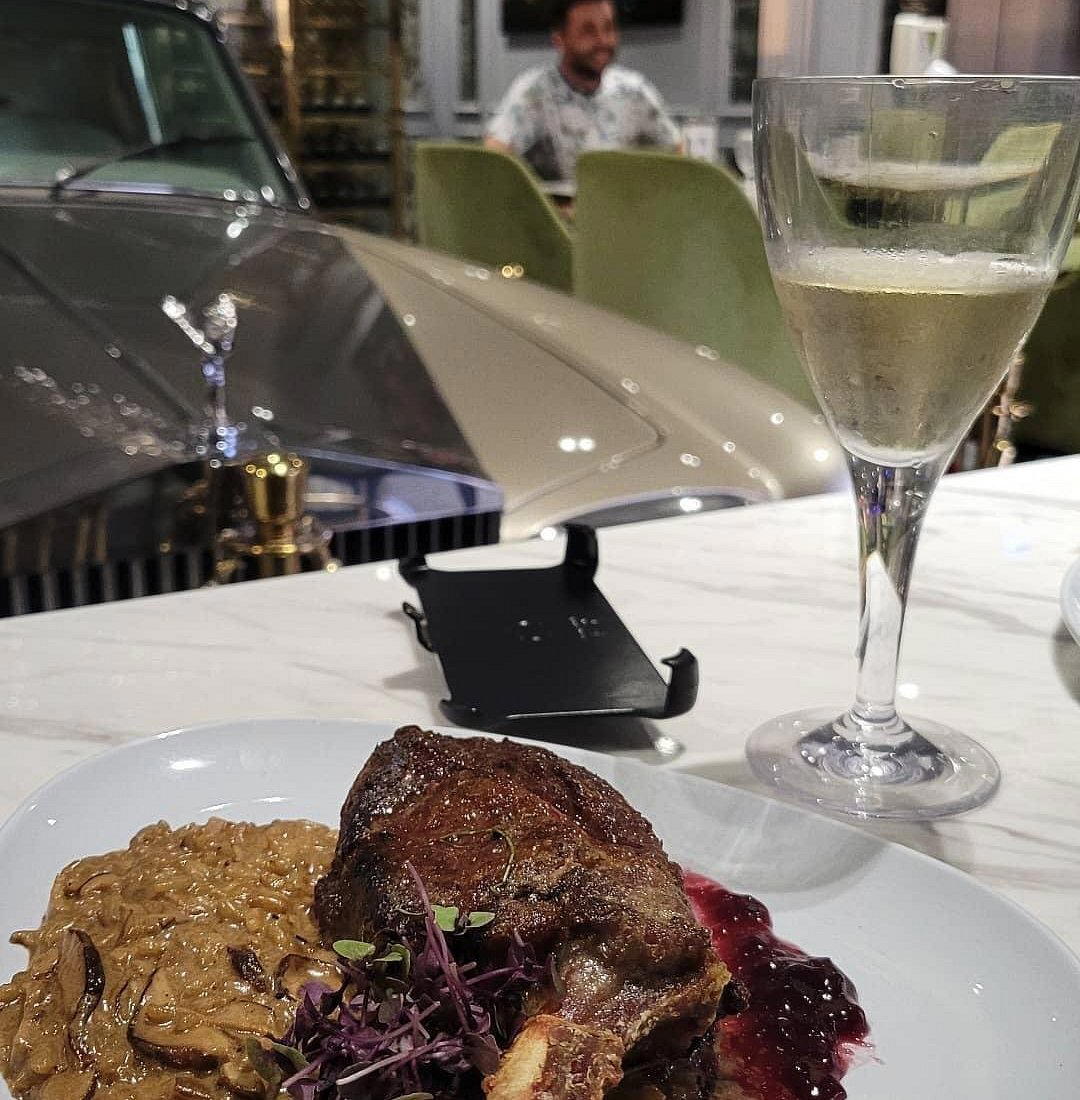
Azahar's menu is not publicly detailed at this time, but the restaurant's framing around the tasca tradition, small, shareable plates rooted in Spanish bar culture, suggests the kitchen leans on that format as its structural foundation. For current menu specifics, contacting the restaurant directly via their Ashford Avenue location is the most reliable route.
Do they take walk-ins at Azahar Modern Tasca?
Walk-in policy at 886 Ashford Ave has not been formally published. Ashford Avenue restaurants in Condado tend to fill quickly on weekends given the concentration of hotel guests and local diners in the area, so arriving early or reaching out ahead is advisable. Calling ahead before your visit is the safest approach until a reservations platform is confirmed.
In Context: Similar Options
Comparable venues nearby, for context on price, style, and recognition.
| Venue | Cuisine | Price | Awards | Notes |
|---|---|---|---|---|
| Azahar Modern TascaThis venue (the venue you are viewing) | Modern Spanish Tapas | $30–50 | Not listed | Not listed |
| Bóveda | Modern Spanish Fine Dining | Not listed | James Beard Award Semi Finalist | Las Monjas |
| Selva | Contemporary Latin Fusion with Sushi and Tapas | $30–50 | Not listed | Miramar |
| Dulcesalado | Modern Caribbean Fusion | $30–50 | Not listed | Parque |
| Miramar House Latin Cuisine | Modern Puerto Rican Latin Cuisine | Not listed | Not listed | Miramar |
| Mutuo Sabor Nikkei | Nikkei Fusion: Japanese-Peruvian-Puerto Rican | $30–50 | Not listed | Isla Grande |