Where the East Side Gallery Meets the Hotel Dining Room Approaching Mühlenstraße from the direction of the Spree, the East Side Gallery still carries the weight of its history in plain sight: 1.3 kilometres of surviving Berlin Wall, painted over...
Pearl is the En Primeur Club membership app — saves, bookings, and concierge access live there. Same editors, same standards.
- Address
- Locke at East Side Gallery, Mühlenstraße 61-63, 10243 Berlin, Germany
- Phone
- +491622767267
- Website
- anima.radio
- Directions
- Get directions
 Saves & bookings on Pearl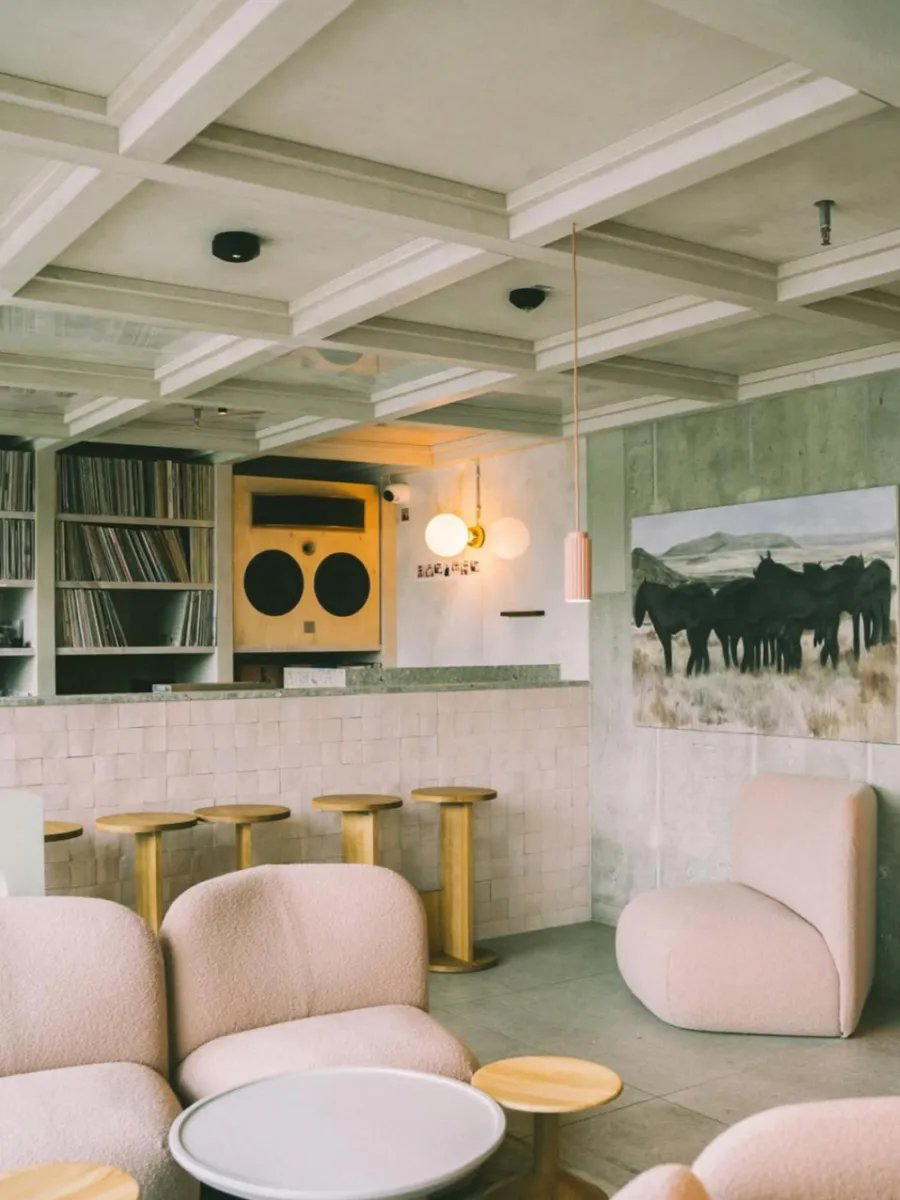
Where the East Side Gallery Meets the Hotel Dining Room
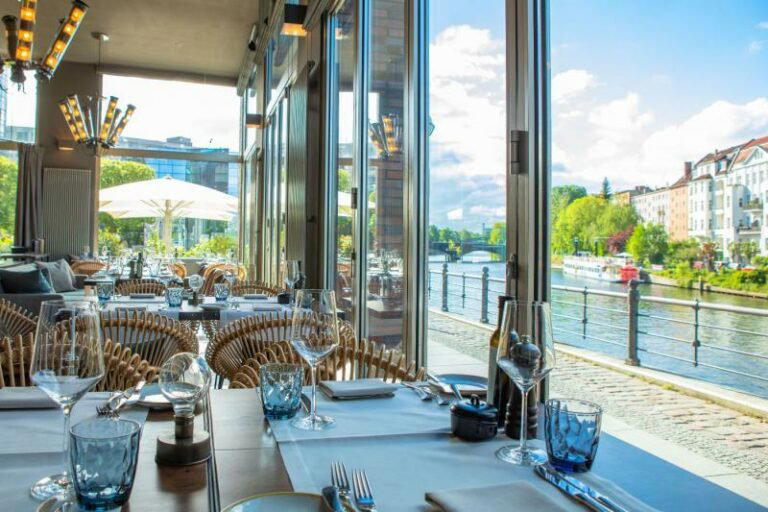
Approaching Mühlenstraße from the direction of the Spree, the East Side Gallery still carries the weight of its history in plain sight: 1.3 kilometres of surviving Berlin Wall, painted over decades into one of the city's most-visited stretches of open-air art. It is against this backdrop that Locke at East Side Gallery has established itself as one of the neighbourhood's more considered hospitality projects, and within it, Anima operates as the property's dining anchor. The setting is neither the Mitte fine-dining corridor nor the Prenzlauer Berg neighbourhood restaurant circuit. It occupies a specific position: hotel dining in a design-led aparthotel, in a part of the city that has shifted from post-reunification vacancy to a recognisable hospitality destination over the past fifteen years.
Berlin Hotel Dining and the Question of Reinvention
Hotel restaurants in Berlin have followed a particular arc. Through much of the 2000s, they split between the grand-hotel dining rooms of Unter den Linden and anonymous all-day operations in business properties on the city's periphery. The intervening years produced a third format: the hotel restaurant that functions as a neighbourhood venue first, with guests treated as a secondary audience. This is the model that venues like FACIL, the two-Michelin-starred restaurant inside the Mandala Hotel, demonstrated was viable in Berlin's competitive fine-dining tier. Nobelhart & Schmutzig on Friedrichstraße and Rutz on Chausseestraße both reinforced, from different angles, that the city's credible dining options are rarely defined by their physical container.
Anima sits within that broader evolution, though at a different price register and with a different ambition. Anima reflects that: a dining room designed to serve the rhythms of a longer-stay guest as much as the destination diner. That dual function shapes what the venue can and cannot be, and understanding it is the starting point for calibrating expectations correctly.
The Friedrichshain Context
Friedrichshain's dining scene has matured considerably since its early-2000s identity as Berlin's nightlife quarter. The neighbourhood now holds a mix of casual independents, concept-driven operators, and a growing number of hotel-affiliated venues serving the East Side Gallery tourism corridor. What it has not historically produced is a concentration of Michelin-level fine dining. That tier remains concentrated in Mitte, Charlottenburg, and the Kreuzberg pockets where venues like CODA Dessert Dining and Restaurant Tim Raue have built sustained recognition. Anima's address places it in a different competitive conversation, one defined more by the neighbourhood's evolving hospitality character than by the city's upper-end restaurant circuit.
The East Side Gallery stretch is a visitor-heavy zone, and a venue operating there must balance the needs of an internationally mobile guest base with enough local credibility to avoid the tourist-trap bracket. How that balance is struck in practice is the operative question for any hotel dining room in the area.
What the Format Signals
The Locke aparthotel model, which has established properties in Frankfurt, Edinburgh, Dublin, and several other European cities, is built around communal spaces and a social-first design philosophy. Anima inherits that orientation. The dining room functions as the property's social hub, which in practice means it serves across multiple meal periods and carries a broader brief than a single-concept restaurant. This is a different design decision from the focused tasting-menu format that defines Berlin's credentialed end, where venues invest in a single culinary statement executed at depth. Venues like Schwarzwaldstube in Baiersbronn or Aqua in Wolfsburg represent the German fine-dining model taken to its most concentrated expression. Anima is not in conversation with that tier, and presenting it as such would misrepresent what it actually offers.
That is not a criticism. A dining room that serves extended-stay guests well, maintains a kitchen with genuine competence, and holds a design identity coherent with the property's broader character is a legitimate and useful thing. Germany's mid-tier hotel dining has produced genuinely strong operations, from JAN in Munich to more regionally rooted venues like Schanz in Piesport and Bagatelle in Trier. The category has range, and Anima occupies a specific position within it rather than defining a new one.
Placing Anima in the Berlin Dining Picture
Readers building a Berlin dining itinerary should map Anima honestly against the alternatives. For Michelin-level creative cooking, the city's credentialed roster includes FACIL, Rutz, Nobelhart & Schmutzig, CODA, and Restaurant Tim Raue, all of which require advance planning and carry clear award histories. For comparison, Germany's broader fine-dining geography extends to venues like Vendôme in Bergisch Gladbach, Victor's Fine Dining by Christian Bau in Perl, ES:SENZ in Grassau, Waldhotel Sonnora in Dreis, and Restaurant Haerlin in Hamburg. Those venues represent a different investment of time and money, and a different kind of culinary occasion.
Anima serves a more immediate need: a reliable dining option within a well-located hotel, in a neighbourhood that rewards guests who use it as a base for the East Side Gallery, the Spree waterfront, and Friedrichshain's independent food and bar scene. Internationally, the hotel-dining-as-social-hub model has been refined at venues like Le Bernardin in New York City and more casual equivalents closer to Anima's register, such as Lazy Bear in San Francisco, which demonstrate that format discipline and a clear sense of audience are what separate a hotel restaurant worth noting from one worth skipping. See our full Berlin restaurants guide for a wider view of where Anima sits in the city's current dining map.
Planning a Visit
Anima is located inside Locke at East Side Gallery at Mühlenstraße 61-63, 10243 Berlin, a short walk from Ostbahnhof S-Bahn station and within direct sight of the painted Wall sections that draw visitors to this part of Friedrichshain year-round. The venue is accessible to non-hotel guests, making it a practical option for anyone spending time in the East Side Gallery area. Anima is open daily from 7 AM to 10 PM, and reservations are recommended. At roughly $40 per person, it fits Berlin's mid-range dining bracket.
Just the Basics
Comparable venues nearby, for context on price, style, and recognition.
| Venue | Cuisine | Price | Notes |
|---|---|---|---|
| AnimaThis venue — the venue you are viewing | Not listed | $$$ | Not listed |
| Glaserei | Kreuzberg, Mediterranean Grill Bar | $$ | Not listed |
| RIVO Spreeterrassen | Not listed | $$$ | Friedrichshain, Modern Mediterranean with Israeli influences |
| Teller | Not listed | $$$$ | Prenzlauer Berg, Mediterranean Farm-to-Table |
| Papillon | Not listed | $$$ | Tiergarten, Modern International with Mediterranean Influences |
| Nuovo Mario Berlin Charlottenburg am Kurfürstendamm | Charlottenburg, Fine Italian | $$$ | Not listed |
Continue exploring
More in Berlin
Restaurants in Berlin
Browse all →
Bars in Berlin
Browse all →
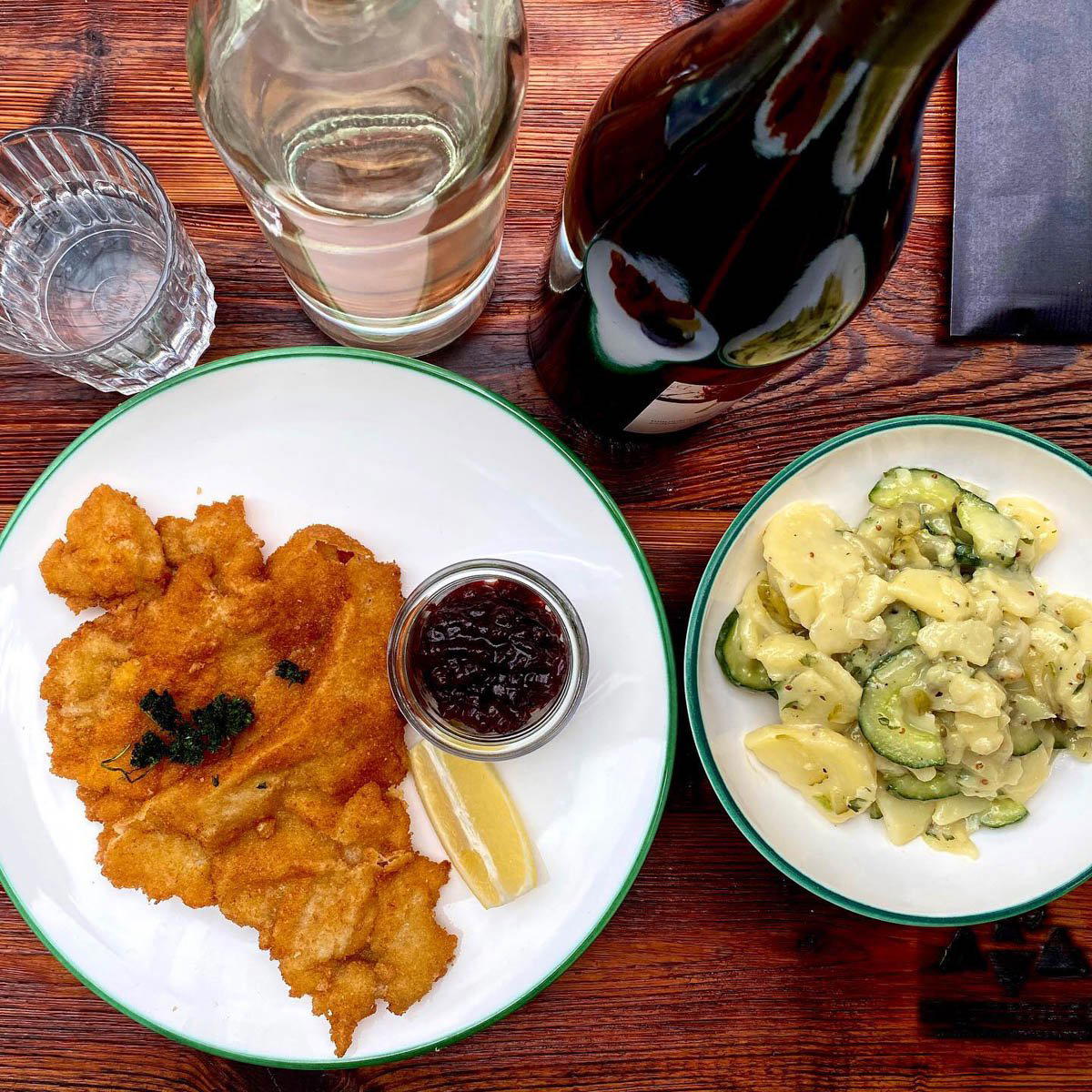
Hotels in Berlin
Browse all →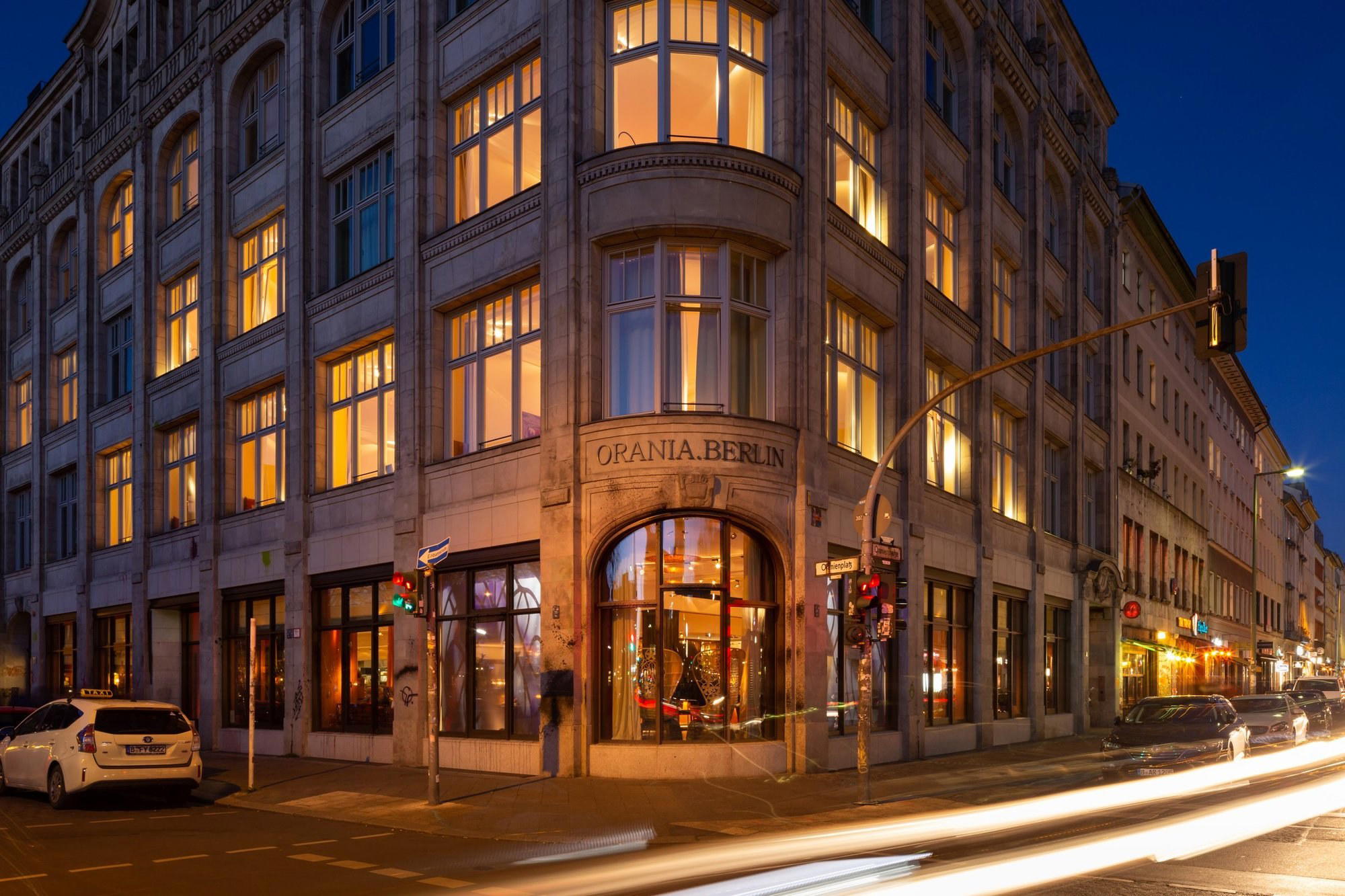
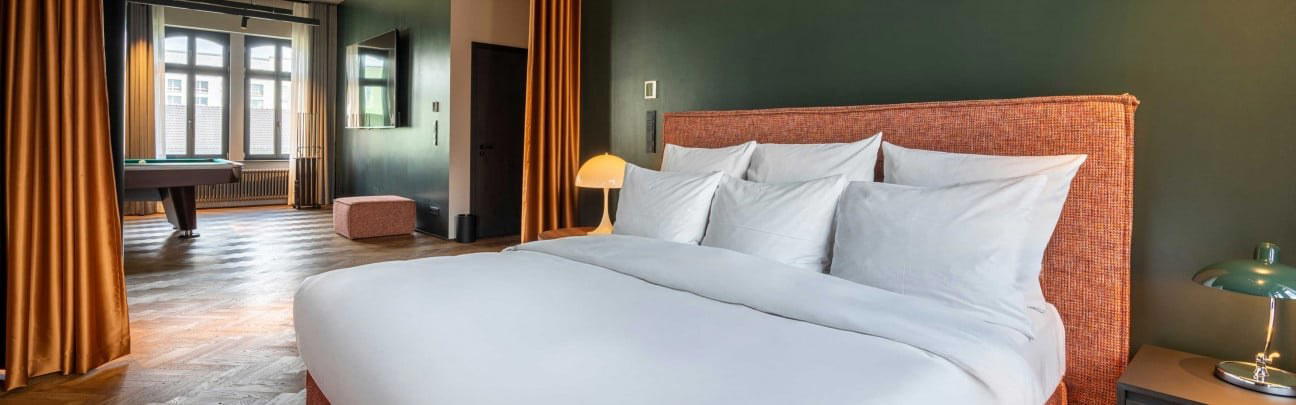
Wineries in Berlin
Browse all →
At a Glance
- Lively
- Modern
- Trendy
- Intimate
- Date Night
- Casual Hangout
- After Work
- Open Kitchen
- Terrace
- Waterfront
- Craft Cocktails
- Natural Wine
- Local Sourcing
- Waterfront
Current opening hours
- Monday
- 7 AM–10 PM
- Tuesday
- 7 AM–10 PM
- Wednesday
- 7 AM–10 PM
- Thursday
- 7 AM–10 PM
- Friday
- 7 AM–10 PM
- Saturday
- 7 AM–10 PM
- Sunday
- 7 AM–10 PM
Hours can change for holidays and private events. Last verified .
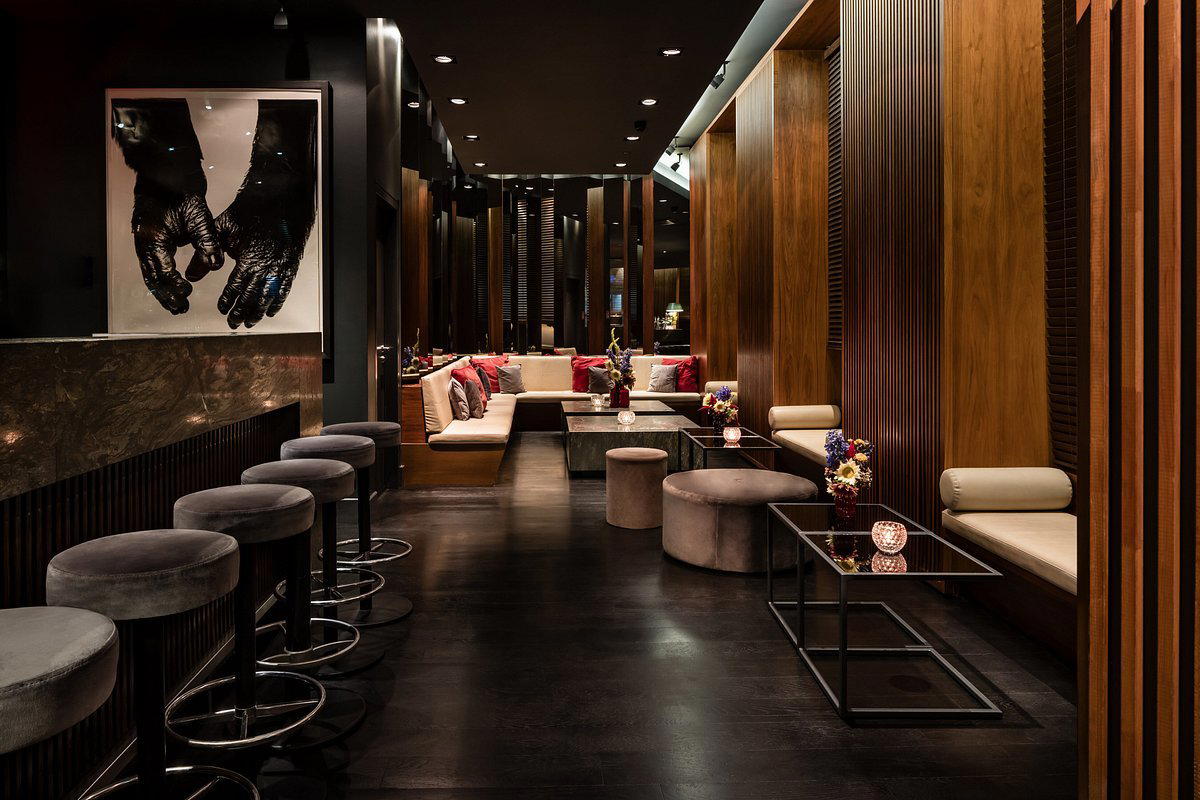
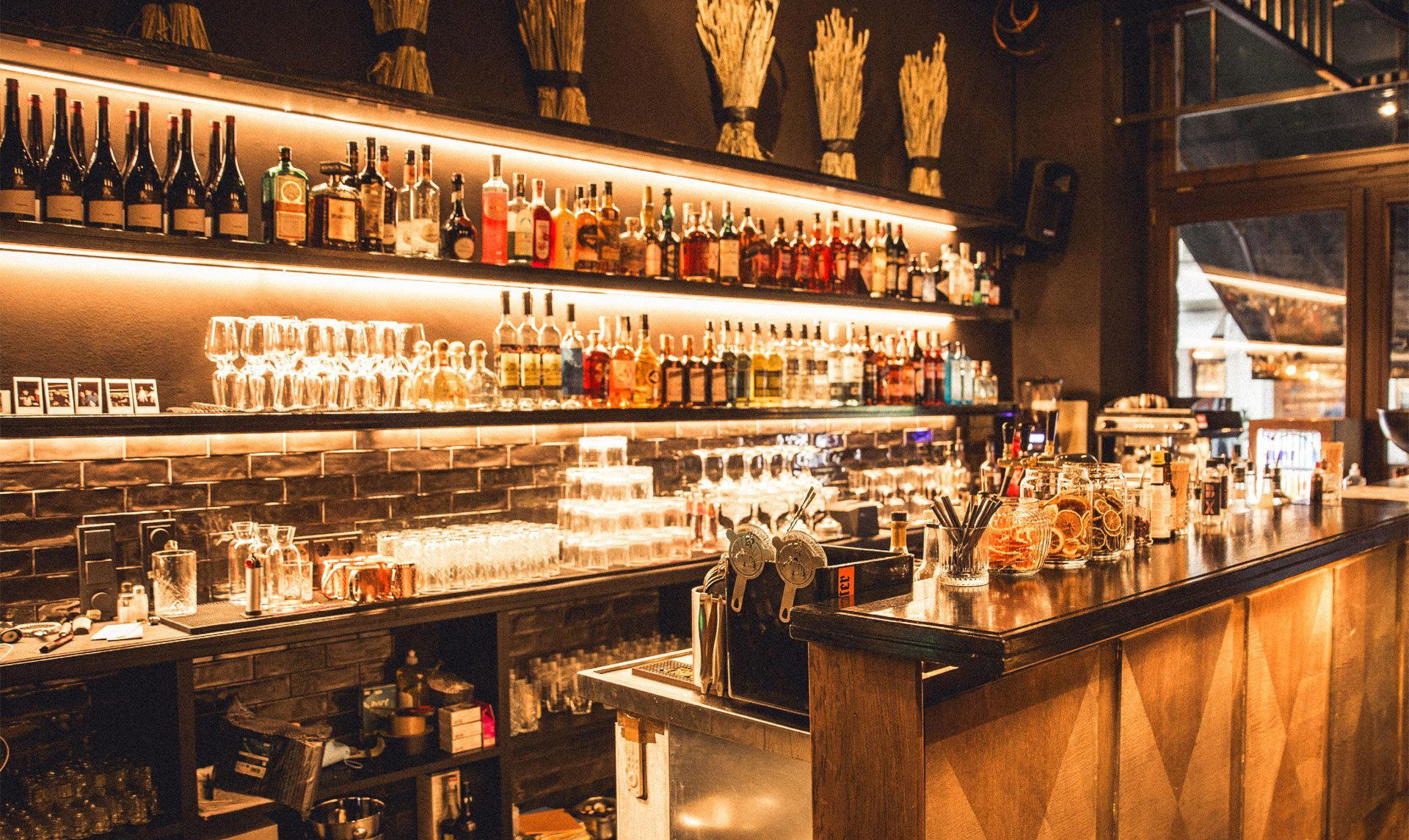
Low lighting with comfortable sofas, modern lively atmosphere, and curated music programming.