Jiyoken
Our verdict
Jiyoken is a Hakodate institution with roots in the city's long history of Western-influenced dining, a tradition shaped by the port's early contact with foreign trade. Set within a city that has long served as a gateway between Japan and the outside world, the restaurant represents a strand of Hokkaido dining culture that sits apart from the izakaya mainstream and the ramen circuit.

Pearl is the En Primeur Club membership app — saves, bookings, and concierge access live there. Same editors, same standards.
- Address
- Hokkaido (Hakodate), Japan
- Directions
- Get directions
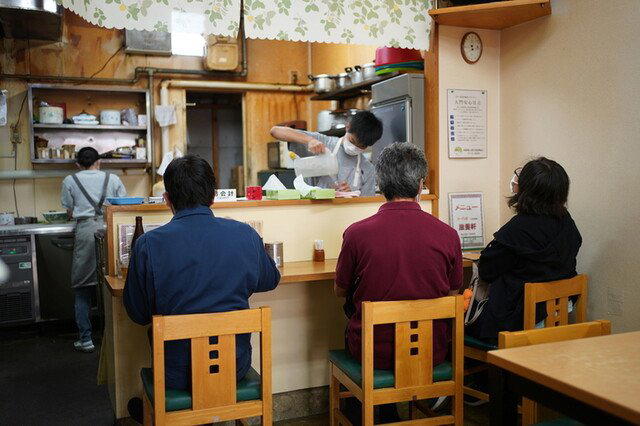
The menu
What to order
- Hakodate Shio Ramen
Where the Port Left Its Mark on the Plate
Hakodate has a different culinary posture than most Japanese cities its size. Opened to foreign trade in 1854 as one of Japan's first treaty ports, the city absorbed European cooking habits earlier and more deeply than much of the country. That contact shaped a local dining culture with a visible Western strand running through it — yoshoku traditions, brick-and-timber architecture, and a certain formality around the dining table that feels less metropolitan than it does historically rooted. Jiyoken belongs to that tradition, operating as one of the city's older establishments and drawing on a style of Japanese-Western hybrid cooking that predates the fusion trend by generations.
This is not the Hokkaido of kaiseki progressions or the high-volume omakase circuit you find in Sapporo. Hakodate's dining scene is smaller, slower-paced, and anchored in a civic pride that tends to value longevity over novelty. Restaurants with real histories here are taken seriously in a way that younger openings in trend-driven cities rarely are. Among those with standing — alongside spots like Gotoken Restaurant Yukikawatei, which shares the city's appetite for established formats, Jiyoken occupies a position shaped by duration and by the specific character of Hakodate's port-town dining inheritance.
The Ritual of the Yoshoku Table
Yoshoku, the broad category of Japanese-adapted Western cuisine that developed through the Meiji era, carries its own dining customs, and Hakodate offers a version of those customs that feels particularly coherent. Where Tokyo's yoshoku counters tend toward speed and lunch-hour efficiency, and where cities like Kyoto or Osaka serve the style within grander, more theatrical frameworks (see Gion Sasaki in Kyoto or HAJIME in Osaka for where that formal spectrum reaches its apex), Hakodate's version tends to be more considered in pace without carrying the weight of ceremony.
At a restaurant like Jiyoken, the meal unfolds in a register that is neither rushed nor artificially elongated. The rhythm belongs to a dining tradition where the act of sitting down carries some social weight, where the table setting, the sequence of courses, and the service manner signal that this is a different register from casual eating. For visitors accustomed to the tasting-menu format of high-end Japanese restaurants, places like Harutaka in Tokyo or akordu in Nara, the pacing here is more relaxed, more conversational, less structured around revelation.
That distinction matters. Yoshoku dining asks something different of the guest than kaiseki or sushi omakase. The dishes are familiar in outline, meat preparations, cream sauces, bread-based accompaniments, but the execution draws on a century of local adaptation. The result is food that rewards attention without demanding the focused silence of a counter-format restaurant. It is social food served with some formality, and Hakodate, with its relatively sedate dining culture compared to Japan's larger cities, suits that register well.
Hakodate in Context: A Smaller, Specific Scene
For readers accustomed to Japan's more celebrated dining cities, placing Hakodate requires some recalibration. This is not a city that competes with Fukuoka's counter culture (where Goh in Fukuoka represents the high end of that scene) or with the density and ambition of Tokyo's restaurant ecosystem. Hakodate's dining offer is narrower, more local in reference, and organised around a different set of pleasures: fresh seafood from the morning market, ramen shops with specific regional character (as Ajisai Ramen demonstrates within the salt-broth tradition), and the kind of long-standing Western-influenced establishments that reflect the city's historical identity.
Within that scene, a restaurant like Jiyoken is not the outlier. It is the anchor. Hakodate's culinary identity makes more sense when you understand that the city was eating Western food decades before most of Japan, that the port shaped what was available, what was cooked, and what locals came to regard as worth preserving. That framing is more useful than any individual dish description, because it explains why visitors find the Western dining tradition here more settled and confident than it tends to feel in cities where yoshoku is more recent or more self-conscious.
For a fuller picture of what Hakodate's restaurant scene involves across categories, from the casual end represented by Lucky Pierrot to more considered options, see our full Hokkaido (Hakodate) restaurants guide. Japan's broader dining spectrum, from the technical precision of Atomix in New York City's Korean-Japanese crossover format to the classical European discipline at Le Bernardin in New York City, offers useful points of contrast for calibrating where Hakodate's Western tradition sits on the global spectrum: historically sincere, regionally specific, and without the pressure to perform novelty.
Other regional comparisons further afield include 一本杉川嶋制 in Nanao, 古仁屋山乃 in Sapporo, 湖畔荘庵 in Takashima, 鶴羽屋 in Nishikawa Machi, Birdland in Sakai, Bistro Ange in Toyohashi, and Blue Ocean Steak in Nakagami District, each representing a version of Western-influenced or regionally specific dining that Japan supports outside its major metropolitan centres.
Planning a Visit
Hakodate is accessible from Tokyo by bullet train to Shin-Hakodate-Hokuto, with the journey running around four hours, or by direct flight into Hakodate Airport. The city is compact enough that most central restaurants are reachable on foot or by tram from the historic district near the waterfront. Dining in Hakodate tends to run on earlier schedules than Tokyo, arriving without a reservation at a long-standing restaurant during peak dinner hours is a risk, and for establishments with a loyal local following, some advance planning pays off regardless of whether a formal booking system is in place. The city's tourist season peaks in summer, when the morning market and the squid fishing culture draw visitors; shoulder seasons offer the same food with fewer queues at the popular spots.
Frequently asked questions
How does Jiyoken fit into Hakodate's broader dining history?
Hakodate opened to foreign trade in 1854, making it one of Japan's earliest points of sustained Western culinary contact. Jiyoken operates within that historical current, offering yoshoku in a city where the genre has deeper roots than almost anywhere else in Hokkaido. For visitors approaching Hakodate as a food destination, the restaurant sits at the intersection of local port history and the Meiji-era dining culture that shaped it.
What should I eat at Jiyoken?
Jiyoken is grounded in yoshoku, the category of Japanese-adapted Western dishes that took shape during the Meiji era, when Hakodate was one of Japan's first open treaty ports. Expect preparations in that tradition: dishes that draw on European techniques filtered through a Japanese sensibility. Given Hakodate's standing as a major fishing port on the Tsugaru Strait, seafood-adjacent yoshoku preparations are a logical anchor for the menu.
Is Jiyoken reservation-only?
As a practical note, Hakodate's dining scene is smaller and more concentrated than Sapporo or Tokyo, so popular spots fill quickly during summer and Golden Week. Contacting the venue directly ahead of your visit is advisable.
What's Jiyoken best at?
Jiyoken's strength lies in its connection to Hakodate's port-city culinary identity, where Western influence arrived earlier and more directly than in most Japanese cities of comparable size. That history makes the yoshoku tradition here feel less novelty and more native. The restaurant represents a specific local lineage rather than a generic category.
Cuisine Lens
| Venue | Cuisine | Price |
|---|---|---|
| JiyokenThis venue — the venue you are viewing | Hakodate Shio Ramen | $1–10 |
| Gotoken Restaurant Yukikawatei | Traditional Japanese-Western Yoshoku | $20–30 |
| Lucky Pierrot | Hakodate-style Burgers | $10–20 |
| Ajisai Ramen | Hakodate Shio Ramen | $10–20 |
Continue exploring
More in Hokkaido (Hakodate)
Restaurants in Hokkaido (Hakodate)
Browse all →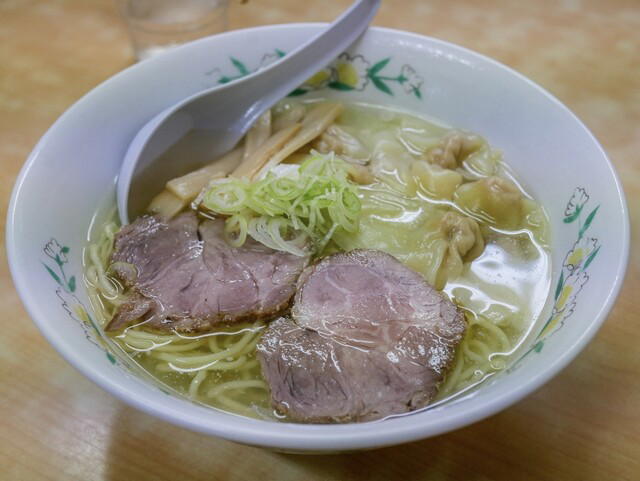
Hotels in Hokkaido (Hakodate)
Browse all →
Details
- Classic
- Well Known
- Cozy
- Casual Hangout
- Family
- Historic Building
- A La Carte
Humble local ramen shop with a no-frills, authentic atmosphere featuring small counter and table seating.