Ajisai Ramen
Our verdict
Ajisai Ramen is one of Hakodate's most recognised ramen addresses, positioned within a city that has developed a distinct shio (salt) ramen tradition separate from Sapporo's miso and Tokyo's shoyu conventions. The bowl here connects to Hakodate's port-town character and its long relationship with lighter, seafood-informed broths. For visitors working through Hokkaido's dining geography, it sits alongside local institutions like Gotoken Restaurant Yukikawatei and Lucky Pierrot as a Hakodate fixture worth planning around.

Pearl is the En Primeur Club membership app — saves, bookings, and concierge access live there. Same editors, same standards.
- Address
- Hokkaido (Hakodate), Japan
- Directions
- Get directions
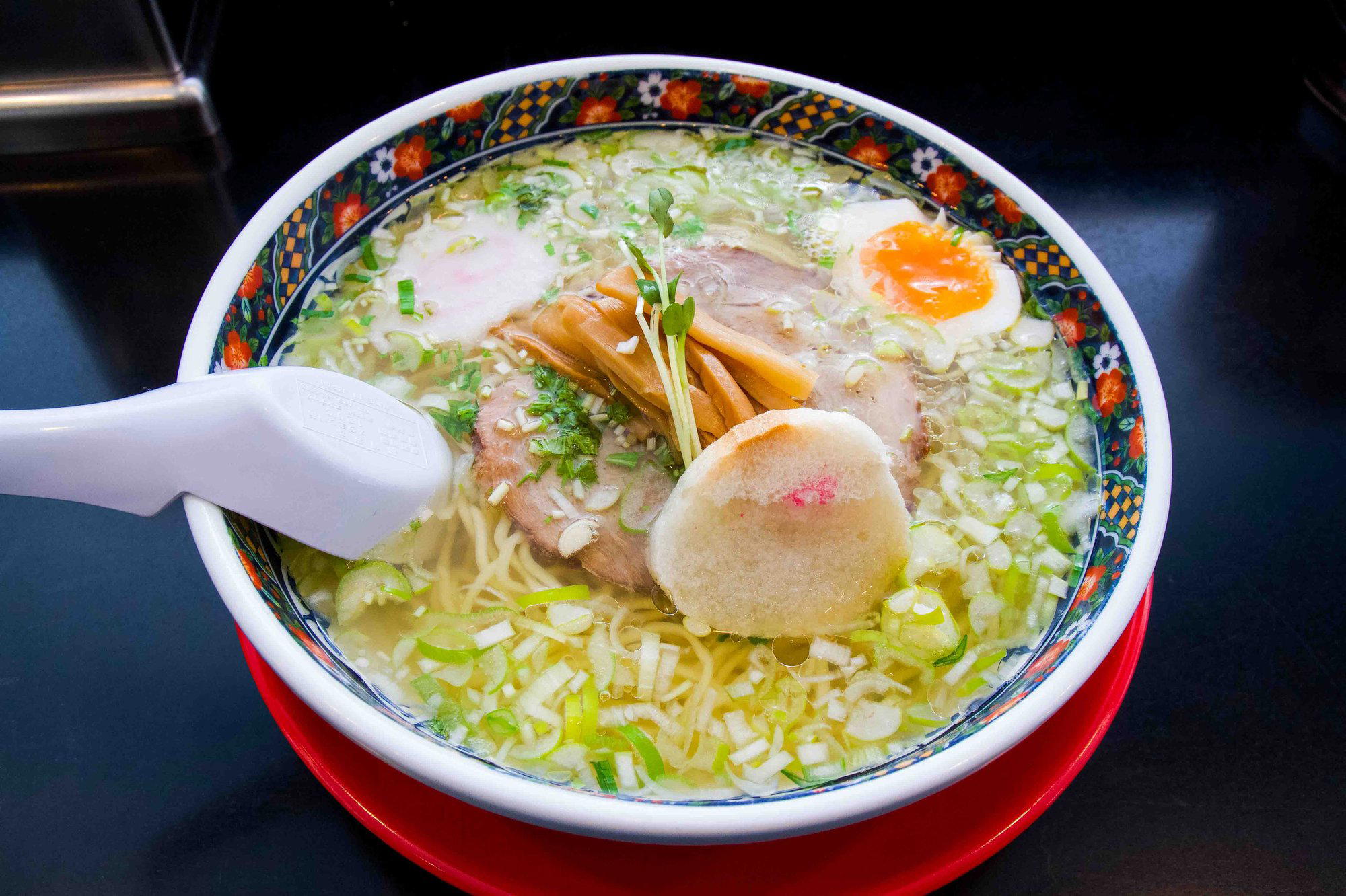
The menu
What to order
- Ramen Misai Shio
- Shio Ramen
- Ajisai Salt Ramen
Hakodate's Ramen Geography
Among Japan's ramen cities, Hakodate occupies a specific and underappreciated position. Where Sapporo built its reputation on miso-enriched broths and Tokyo settled into a shoyu orthodoxy, Hakodate developed around shio ramen: lighter, salt-seasoned soups that carry the influence of the port's proximity to cold northern waters. This is not a recent marketing distinction but a structural difference in how broth is built and balanced, one that separates Hakodate's ramen tradition from the rest of Hokkaido and most of Honshu. Ajisai Ramen sits inside that tradition, operating as one of the city's better-known addresses for the style that defines the area.
Understanding Hakodate's ramen character helps frame what to expect at any serious bowl in the city. Shio broth tends toward clarity, both in appearance and flavour architecture. The fat that would carry a miso or tonkotsu broth here gives way to a soup where the seasoning tare does more precise work, and where the quality of the base stock becomes harder to mask. It is a less forgiving format than heavier regional styles, which is part of why Hakodate's better ramen houses have sustained reputations across decades rather than through trend cycles. For context on where Ajisai fits within Hakodate's broader food scene, the our full Hokkaido (Hakodate) restaurants guide maps the city's dining geography across categories.
The Place and What It Signals
Hakodate is a city whose food identity is shaped by its physical position: a narrow isthmus between Hakodate Bay and the Tsugaru Strait, with a port history that brought Chinese and Russian influence alongside the seafood supply that defines Hokkaido's northern edge. The morning market near the waterfront, where crab, uni, and fresh fish move before most restaurants have opened, sets the ingredient register for the city's kitchens. Ramen in this context is not a casual afterthought but a category that locals follow with the same seriousness applied to kaiseki in Kyoto or yakitori in Tokyo.
Ajisai Ramen's position in that city reflects something consistent about how Hakodate ramen institutions operate: they tend to run without the fanfare attached to high-concept restaurants in Osaka or the tasting-menu prestige of places like HAJIME in Osaka or Harutaka in Tokyo. The format is direct. You eat ramen. The quality is carried by the broth, not by ambient storytelling. That directness is a feature of the tradition, not a gap in it, and it places Hakodate's ramen houses in a different evaluative category than the kind of precision-driven dining you find at Gion Sasaki in Kyoto or akordu in Nara.
Where Ajisai Sits in the Local Competitive Set
Hakodate's ramen scene has a handful of names that recur in any serious conversation about the city's food. Ajisai is among them, alongside other long-running local institutions. What separates the upper tier from the broader category is consistency over time and a clear point of view on the shio format. The city has seen tourist-facing ramen operations expand as Hakodate has grown as a destination, particularly following improved rail connectivity via the Hokkaido Shinkansen link to Shin-Hakodate-Hokuto. The better local addresses maintained their standing through that expansion rather than adjusting their output to accommodate higher-volume demand.
For visitors constructing a Hakodate food itinerary, the ramen stop tends to sit alongside the morning market, a visit to the waterfront Kanemori warehouse district, and often a meal at one of the city's Western-influenced yoshoku institutions that reflect Hakodate's Meiji-era port-opening history. Jiyoken and Lucky Pierrot operate in adjacent categories, and together with Ajisai they form part of a Hakodate-specific food circuit that has little equivalent in other Japanese cities. Gotoken Restaurant Yukikawatei rounds out the set for visitors prioritising the city's older dining institutions.
The Broader Hokkaido and Japan Context
Hokkaido's dining scene has attracted growing international attention, with Sapporo in particular drawing comparisons to serious food cities on Honshu. Restaurants like 夕仙山乃 in Sapporo reflect the island's capacity to run high-level cuisine alongside its well-documented ramen and seafood traditions. Hakodate functions as a separate culinary node within that geography, distinct from Sapporo in register and pace, and closer in character to a fishing port than a regional capital.
That port-town character shapes what the food does well. The ramen here is not aspiring to be something else. It is a regional expression of a national format, adjusted for the ingredients and climate of Hokkaido's southwestern tip. Visitors who approach Hakodate's food through that lens, rather than through the framework of Tokyo fine dining or the kaiseki tradition of central Japan, will find the city's dining identity coherent and considered. For reference points elsewhere in Japan, the editorial range of places like Goh in Fukuoka or regional dining anchors across western Japan shows how deeply local food identity can be embedded even within a nationally recognised cuisine tradition.
Planning a Visit
Frequently asked questions
Can I bring kids to Ajisai Ramen?
Ramen in Hakodate is built around accessible price points and a format with no dress code or booking complexity, which makes it manageable for families. Shio ramen, the city's signature style, is a relatively clean, mild broth that tends to work across age groups. Walk-in entry means there is no advance planning required.
How would you describe the vibe at Ajisai Ramen?
Hakodate's established ramen houses operate without the concept-restaurant staging found at higher-profile destinations elsewhere in Japan. Ajisai sits in that category: a functioning local address where the room serves the bowl, not the other way around. Expect counter seating or simple tables, the sound of broth being ladled, and very little theatrical ceremony.
How does Ajisai Ramen fit into Hakodate's broader food identity?
Hakodate is one of the few Japanese cities where a single ramen style, shio, dominates to the point of defining the local food culture, shaped by the city's port history and proximity to both the sea and Hokkaido's agricultural interior. Ajisai is among the addresses cited when that tradition is discussed seriously, placing it alongside the handful of houses that give Hakodate its standing among Japan's ramen cities. For travellers moving through Hokkaido, Hakodate represents a distinct regional register from Sapporo's miso scene.
What do people recommend at Ajisai Ramen?
Hakodate's defining format is shio ramen, and any serious local address in the city centres its menu around that tradition. The salt-seasoned broth style is lighter than Sapporo's miso-heavy approach and markedly different from Tokyo shoyu conventions. At an address with Ajisai's standing in the local scene, shio is the logical starting point.
What's Ajisai Ramen best at?
Ajisai is part of a small group of names that recur in serious conversations about Hakodate's ramen scene, and its standing is tied to the city's shio tradition. Salt-broth ramen in Hakodate draws on the port city's seafood supply and historical food culture, and longer-running addresses have built their reputation on consistency within that format over decades.
What if I have allergies at Ajisai Ramen?
Ramen broths in Hakodate are typically seafood- and pork-based, and soy and wheat are standard components of the format. If you have serious dietary restrictions, arriving early and communicating directly with staff at the counter is the practical approach.
The Essentials
Comparable venues nearby, for context on price, style, and recognition.
| Venue | Cuisine | Price | Notes |
|---|---|---|---|
| Ajisai RamenThis venue — the venue you are viewing | Hakodate Shio Ramen | $10–20 | Not listed |
| Lucky Pierrot | Hakodate-style Burgers | $10–20 | Suehiro-cho, Hakodate-style Burgers |
| Gotoken Restaurant Yukikawatei | Traditional Japanese-Western Yoshoku | $20–30 | Motomachi, Traditional Japanese-Western Yoshoku |
| Jiyoken | Hakodate Shio Ramen | $1–10 | Matsukaze-cho, Hakodate Shio Ramen |
| Japoni | Kita, Modern izakaya | Not listed | Not listed |
| Kuromugi | Not listed | Not listed | Nishitokorozawa, Traditional handmade soba & sake |
Continue exploring
More in Hokkaido (Hakodate)
Restaurants in Hokkaido (Hakodate)
Browse all →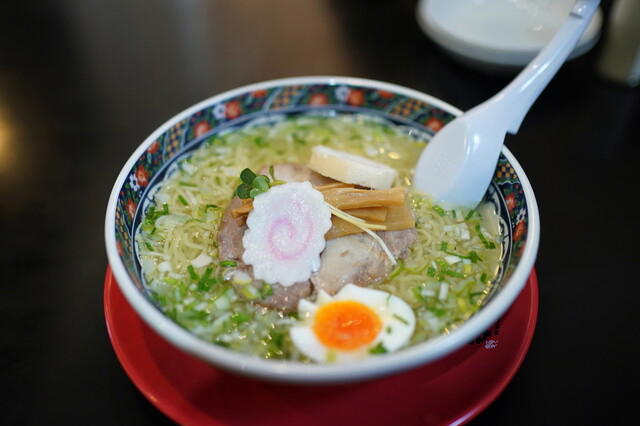
Hotels in Hokkaido (Hakodate)
Browse all →
Details
- Classic
- Cozy
- Casual Hangout
- Open Kitchen
- Sake Program
- Local Sourcing
- A La Carte
Clean and tidy interior with window and outdoor seating offering fantastic views, fashionable atmosphere great for women.