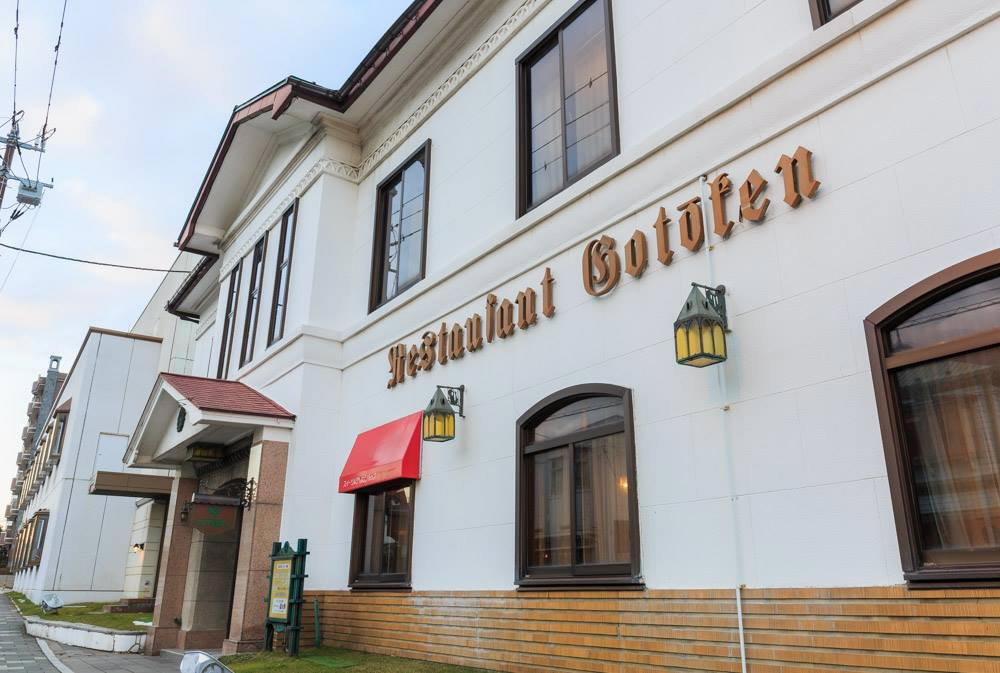
Gotoken Restaurant Yukikawatei
Our verdict
Gotoken Restaurant Yukikawatei operates within Hakodate's kaiseki-adjacent dining tradition, drawing on Hokkaido's extraordinary larder of cold-water seafood, dairy, and mountain produce. The restaurant sits in a city that has long punched above its size in culinary terms, where proximity to Tsugaru Strait fishing grounds and the island's agricultural interior gives kitchens a material advantage over many mainland counterparts. Serious visitors to southern Hokkaido should place it on their itinerary alongside the city's wider dining circuit.

Pearl is the En Primeur Club membership app — saves, bookings, and concierge access live there. Same editors, same standards.
- Address
- Hokkaido (Hakodate), Japan
- Directions
- Get directions
The menu
What to order
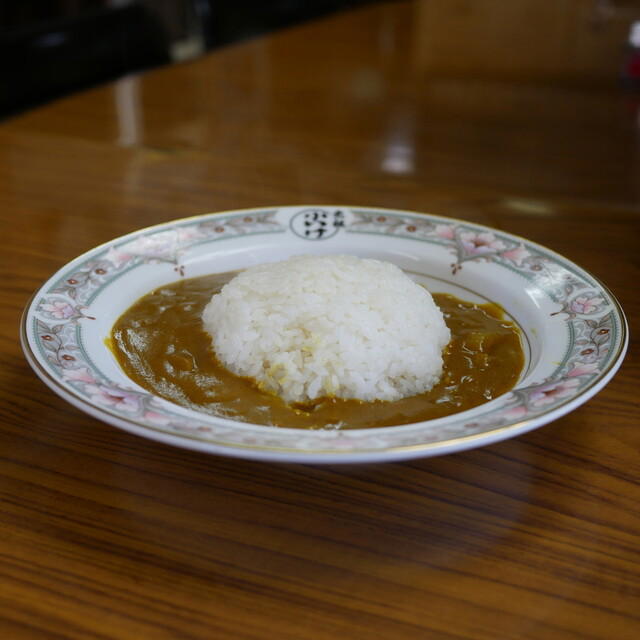
- Russian curry
- Beef stew
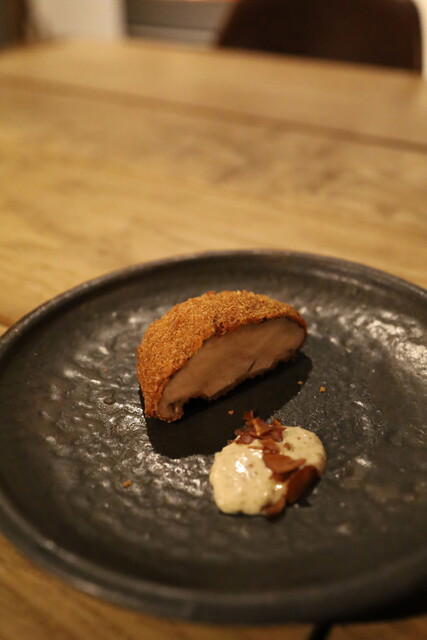
- Crab cream croquettes
Where Hokkaido's Larder Meets the Southern Port
Hakodate occupies a peculiar position in Japan's culinary geography. It is not Tokyo, not Sapporo, not Kyoto, and yet the city regularly produces dining experiences that sit comfortably alongside those centres in terms of raw ingredient quality. The reason is direct: geography. Hakodate sits at the southern tip of Hokkaido, flanked by the Tsugaru Strait to the south and the Sea of Japan to the west, with the Pacific feeding into the bay from the east. That convergence of cold currents produces some of the most consistently rated seafood in Japan, and restaurants that understand this tend to build their entire approach around it rather than supplementing it with technique imported from elsewhere.
Gotoken Restaurant Yukikawatei operates in this tradition. In a city where the morning fish market at Hakodate Asaichi sets the standard for what arrives in local kitchens, the restaurants that earn sustained local regard are the ones that treat sourcing as a discipline rather than a talking point. Hokkaido's seafood calendar is specific: squid season peaks in summer when haika ika arrives still translucent from the strait; sea urchin from the Shakotan Peninsula reaches its richest expression in mid-summer; crab, particularly the large-clawed kegani (horsehair crab), defines the colder months from late autumn through spring. Any serious Hakodate kitchen is essentially a vessel for this seasonal rotation.
The Sourcing Logic Behind Southern Hokkaido's Leading Tables
The ingredient advantage that Hakodate restaurants hold over their mainland counterparts extends well beyond seafood. Hokkaido's agricultural interior produces dairy of a calibre that has made the island's butter, cream, and cheese increasingly central to both Japanese and international culinary conversations. Lamb from Hokkaido's pastoral regions, venison and other Ezo-shika deer from the island's forests, and root vegetables grown in the island's volcanic soils all feed into the repertoire available to kitchens willing to source with precision rather than convenience.
This is the context in which a restaurant like Gotoken Restaurant Yukikawatei earns its place in the city's dining order. The broader pattern across Hakodate's stronger tables is a preference for formats that let ingredient quality speak directly, whether through kaiseki-structured seasonal menus, kappo-style counter service where preparation is visible, or the kind of traditional Japanese dining rooms that use restraint in seasoning to put the primary ingredient in the foreground. The city's culinary identity has never been built on innovation for its own sake, and the restaurants that align with that ethos tend to accumulate the most durable local reputations.
For context on the range of dining available in the city, the our full Hokkaido (Hakodate) restaurants guide maps the full spectrum from everyday to occasion dining. Hakodate's better-known casual options include Ajisai Ramen, which has built a reputation around shio ramen using local stock, and Lucky Pierrot, a local burger institution that has become something of a civic landmark. Jiyoken represents an older strand of western-inflected yoshoku cooking that has its own devoted following in the city. These are reference points for understanding where occasion dining like Yukikawatei sits in relation to the broader ecosystem.
Hokkaido in National and International Context
To understand the category in which Yukikawatei operates, it helps to position Hakodate against Japan's larger fine-dining map. The country's kaiseki and kappo traditions are sustained not only in Kyoto and Tokyo but increasingly in regional centres with strong ingredient stories. Gion Sasaki in Kyoto represents the classical end of that spectrum. Harutaka in Tokyo shows how omakase formats have developed in the capital. Further afield, HAJIME in Osaka and Goh in Fukuoka illustrate how regional Japanese cities build culinary identities distinct from the Kyoto-Tokyo axis. In that frame, Hakodate's contribution is fundamentally about material provenance: the island's fisheries and farms give local kitchens a sourcing position that no amount of technique can replicate from the mainland.
That sourcing position is worth comparing to what other regional Japanese destinations offer. Nanao on the Noto Peninsula works from a similarly prized seafood base in the Sea of Japan. Sapporo's dining scene benefits from the same Hokkaido agricultural surplus but with greater metropolitan scale. Takashima in Shiga Prefecture and Nishikawa Machi in Yamagata each demonstrate how Japanese regional dining builds identity through hyper-local ingredient focus. The pattern across all of these is consistent: provenance is the argument, and the kitchen's role is to honour it rather than obscure it. Akordu in Nara makes a related case from a European technique perspective.
For international comparison, the question of how seafood-focused fine dining translates across cultures is instructive. Le Bernardin in New York City has long operated from the premise that premium seafood demands maximum restraint in preparation, a philosophy that has clear echoes in Japan's kappo and kaiseki traditions. Atomix, also in New York, brings a Korean fine-dining sensibility that in its own way mirrors the regional-to-global ambition of Japan's leading non-capital kitchens. Closer in format, Birdland in Sakai, Bistro Ange in Toyohashi, and Blue Ocean Steak in Nakagami District all operate in the middle tier of Japanese regional dining where ingredient quality and format discipline matter more than metropolitan cachet.
Planning a Visit
Hakodate is accessible by Shinkansen from Tokyo via the Hokkaido Shinkansen line, which terminates at Shin-Hakodate-Hokuto station; from there, a local train connects to Hakodate city centre in under thirty minutes. The journey takes approximately four hours from Tokyo, making a two-to-three night stay the practical minimum for doing the city's dining scene justice. Seasonal timing matters in Hokkaido more than in most Japanese cities: summer brings the squid festivals and the peak of sea urchin season, while autumn and winter shift the focus to crab and the island's hearty cold-weather produce. Reservations at the city's more formal restaurants are advisable several weeks in advance, particularly during the summer festival period and Golden Week. For Gotoken Restaurant Yukikawatei specifically, contacting the restaurant directly through local booking platforms or via hotel concierge is the recommended approach given that no dedicated international booking interface is publicly listed.
Frequently asked questions
What type of cuisine and dining format does Gotoken Restaurant Yukikawatei offer in Hakodate?
Yukikawatei operates under the Gotoken name in Hakodate, a port city in southern Hokkaido positioned at the intersection of Pacific and Sea of Japan fishing grounds. The restaurant is associated with a kaiseki or multi-course Japanese dining format drawing on Hokkaido's seasonal larder, a category that places it alongside the most ingredient-driven tables in the region. Confirming the current format and course structure directly with the venue is recommended before planning a visit.
What's the best thing to order at Gotoken Restaurant Yukikawatei?
Yukikawatei sits in Hakodate, a city with direct access to some of Hokkaido's most sought-after seafood — sea urchin, crab, and squid drawn from the Tsugaru Strait. Any seasonal course anchored to what the local waters are producing at the time of your visit is the natural starting point.
How hard is it to get a table at Gotoken Restaurant Yukikawatei?
Hakodate's fine-dining scene is compact, and the restaurants that earn sustained local and visitor attention tend to fill quickly, particularly during Hokkaido's peak summer and autumn seasons. Reservation lead times for Yukikawatei are not formally documented, but booking several weeks ahead for weekends or holiday periods is a reasonable precaution. Direct contact with the restaurant will confirm current availability.
What do critics highlight about Gotoken Restaurant Yukikawatei?
The restaurant operates in Hakodate, a city whose culinary reputation rests on the quality and immediacy of its Hokkaido-sourced ingredients, which tends to be the consistent thread in coverage of the city's better tables. For current editorial coverage, checking Japanese food press or specialist travel platforms is the most reliable route.
Do they accommodate allergies at Gotoken Restaurant Yukikawatei?
In kaiseki-format restaurants across Japan, advance communication about dietary restrictions is standard practice and generally expected by the kitchen. Reaching out directly before booking is the practical step, particularly for shellfish or seafood allergies given Hakodate's ingredient profile.
Is Gotoken Restaurant Yukikawatei good value for money?
Pricing details for Yukikawatei have not been confirmed publicly. Within Hakodate's fine-dining context, the city generally offers comparable ingredient quality to Sapporo at a lower price point, given reduced overhead and closer proximity to primary producers. Requesting current menu pricing directly from the restaurant before booking is the clearest way to calibrate expectations.
Comparable Spots, Quickly
| Venue | Cuisine | Price | Awards |
|---|---|---|---|
| Gotoken Restaurant YukikawateiThis venue — the venue you are viewing | Traditional Japanese-Western Yoshoku | $20–30 | Not listed |
| Lucky Pierrot | Hakodate-style Burgers | $10–20 | Not listed |
| Jiyoken | Traditional Hakodate shio ramen | $1–10 | Tabelog 100 #32 |
| Ajisai Ramen | Hakodate Shio Ramen | $10–20 | Not listed |
Continue exploring
More in Hokkaido (Hakodate)
Restaurants in Hokkaido (Hakodate)
Browse all →
Hotels in Hokkaido (Hakodate)
Browse all →
Details
- Classic
- Elegant
- Historic
- Cozy
- Special Occasion
- Family
- Historic Building
- Sake Program
- Local Sourcing
- A La Carte
- Set Menu
Calm, high-class vintage atmosphere in a tangible cultural asset building that transports diners back in time with its historic charm.