Lucky Pierrot
Our verdict
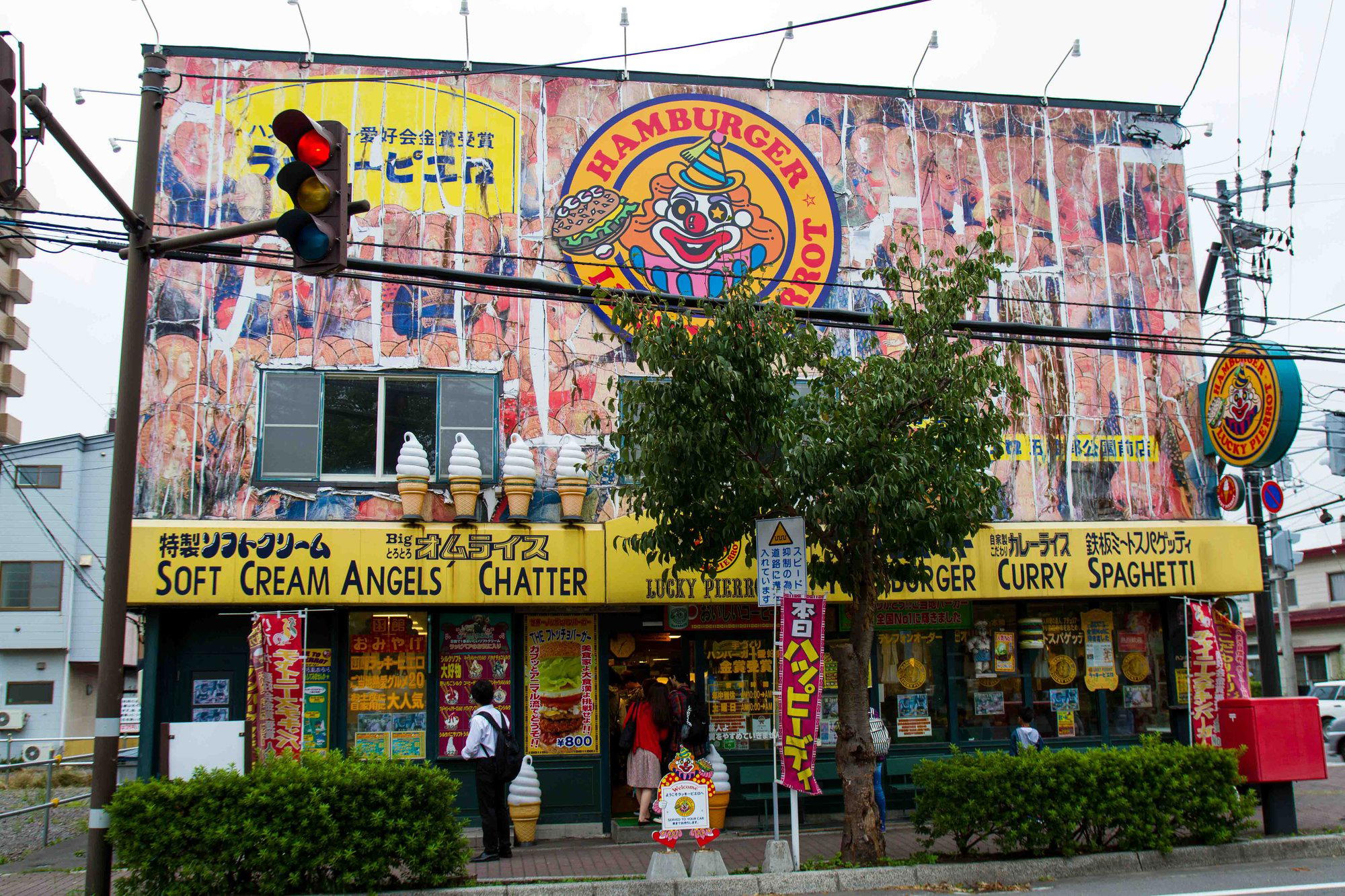
Lucky Pierrot serves Hakodate-style burgers, including the Chinese Chicken Burger, with counter service and a quick-bite pace for lunch or dinner.

Pearl is the En Primeur Club membership app — saves, bookings, and concierge access live there. Same editors, same standards.
- Address
- Hokkaido (Hakodate), Japan
The menu
What to order
- Chinese Chicken Burger
- Lucky Egg Burger
- Pork Cutlet Burger
Hakodate's Fast-Food Counterculture
There is a specific kind of regional loyalty that resists the logic of national chains, and Hakodate has built one around Lucky Pierrot. Walk through the port city on a weekend afternoon and you will pass queues forming at shopfronts that look, at first glance, like cheerful roadside diners decked in circus colours and retro signage. This is not a theme park aesthetic applied to a generic menu. It is a locally owned chain that has refused to expand beyond Hokkaido's southernmost city, a deliberate constraint that has made it a point of civic identity in a city already marked by its distinctive Meiji-era Western architecture and one of Japan's most photographed night views.
That restraint matters in context. Japan's fast-food sector is dominated by global and domestic chains operating at national scale. Lucky Pierrot occupies a different position: a multi-branch operation that functions only within Hakodate, with each branch carrying its own interior design theme. The result is something closer to a collection of neighbourhood institutions than a replicated format, which is rare in this category anywhere in the world, and especially so in Japan, where franchise consistency is typically prized over local variation.
Yōshoku Roots and the Chinese Chicken Burger Argument
The cultural logic behind Lucky Pierrot sits inside a broader Japanese food tradition called yōshoku, the category of Western-influenced dishes that Japan adapted and made its own during the Meiji and Taisho periods. Dishes like omurice, hayashi rice, and cream croquettes fall into this category, and they have been part of everyday Japanese eating for over a century. Lucky Pierrot draws from this tradition while also operating in the more contemporary register of Japanese fast food, which has long treated the hamburger as a canvas for local interpretation rather than an import to be replicated faithfully.
The Chinese Chicken Burger is the dish most associated with Lucky Pierrot in Hakodate. It appears consistently in accounts of the city's food culture and in the kind of regional food rankings that Japanese media produces with considerable seriousness. The chicken preparation borrows from Chinese-Japanese cooking traditions, specifically the karaage lineage that has roots in post-war Japanese home cooking and izakaya culture, applied to a burger format. This kind of hybrid sits comfortably within yōshoku logic: taking an external form and filling it with local technique. Similar hybridisation is visible at the high end of Japanese dining, where chefs at restaurants like Gion Sasaki in Kyoto and HAJIME in Osaka work across cultural registers, though at an entirely different price point and format.
Menu extends beyond burgers into territory that reinforces the yōshoku connection: curry rice, omurice, and soft cream desserts all appear alongside the flagship items. This breadth is characteristic of Japanese casual dining, which tends to treat menu variety as a form of hospitality rather than a signal of unfocused cooking. For visitors arriving from Hakodate Station or the morning market, Lucky Pierrot is often the first encounter with the city's food personality, and it rewards that encounter on its own terms.
Hakodate's Dining Range: Where Lucky Pierrot Sits
Hakodate's dining scene operates across a wider range than its population size might suggest. The city has a serious ramen tradition, represented by venues like Ajisai Ramen, whose salt-based broth style is considered one of Hakodate's defining regional expressions. At the other end of the register, Gotoken Restaurant Yukikawatei and Jiyoken anchor the city's yōshoku-focused sit-down dining, with both drawing on Hakodate's history as a port city open to Western influence since the mid-nineteenth century. Lucky Pierrot sits in a different tier from all of these, operating at fast-food pricing and pace, but it is read locally as part of the same food culture rather than apart from it.
This positioning is worth understanding before visiting. Lucky Pierrot is not a guilty pleasure or an ironic detour from serious eating. In Hakodate, it functions more like a civic institution: the place locals take visitors not despite caring about food but because of it. The kind of regional food pride that animates serious dining scenes in cities like Fukuoka, where Goh represents one extreme of local culinary commitment, also operates at the everyday end of the market. Lucky Pierrot is evidence of that pride at street level.
For context on how regional Japanese dining operates at different scales across the country, the EP Club covers venues from Harutaka in Tokyo and akordu in Nara to regional destinations like 一本杉川嶋 in Nanao and 台仙山乃 in Sapporo. The range illustrates how deeply food identity is embedded at the city and neighbourhood level throughout Japan. International comparison points like Le Bernardin in New York City and Atomix in New York City sit at the opposite end of the formality spectrum, but the same principle applies: the leading food cities produce defining experiences across every price tier, not just at the leading.
Planning a Visit
Lucky Pierrot operates multiple branches across Hakodate, which means the experience is accessible from most parts of the city without significant travel. The branch near the Motomachi district and the waterfront area tends to draw the most attention given foot traffic from the historical architecture and the morning seafood market nearby. Queue lengths vary considerably by time of day and day of week. Weekday mornings and early afternoons are typically quieter; weekend lunchtimes and evenings, particularly during the summer travel season when Hakodate sees its highest tourist volume, can mean a wait. The format is counter-service and fast, so turnover is quick even when queues appear long. Pricing sits at the lower end of any food budget in Japan, making it accessible regardless of how the rest of a Hakodate itinerary is structured. Confirmation of current hours and branch-specific details is leading done on arrival or through local tourist information, as operational details can shift seasonally. For a broader overview of what Hakodate's dining scene offers across categories, see our full Hokkaido (Hakodate) restaurants guide.
Frequently asked questions
Is Lucky Pierrot only in Hakodate, or does it have locations elsewhere in Japan?
Lucky Pierrot operates exclusively within Hakodate, Hokkaido, with no branches outside the city. That geographic restriction is not an oversight but a defining feature of the chain's identity, making it one of the few surviving examples of a fast-food concept that has actively resisted national expansion in Japan. For visitors, Hakodate is the only place to experience it.
What dish is Lucky Pierrot famous for?
The Chinese Chicken Burger is the dish that defines the chain's reputation in Hakodate. It sits squarely in the yōshoku tradition, combining fried chicken with a sweet-savoury sauce in a format that has no direct equivalent among Japan's national fast-food chains. Locals treat it as a point of civic pride rather than simply a menu item.
How far ahead should I plan for Lucky Pierrot?
Lucky Pierrot runs multiple branches across Hakodate, so advance planning is rarely needed for access. Queues at the most visited locations can build during peak tourist season and weekend lunch hours, but the multi-branch setup means walking to a quieter outlet is usually a workable alternative.
What's the standout thing about Lucky Pierrot?
The standout quality is its deliberate regionalism. Unlike most fast-food operations in Japan, Lucky Pierrot has remained exclusive to Hakodate rather than expanding nationally, which has turned it into a civic institution. That restraint is precisely what drives visitors to seek it out.
Can Lucky Pierrot handle vegetarian requests?
Lucky Pierrot's menu is built around meat-forward yōshoku items, with the Chinese Chicken Burger as the flagship. Vegetarian options are not a documented feature of the chain's offering. Visitors with strict dietary requirements should verify the current menu directly at the counter before ordering.
Is Lucky Pierrot overpriced or worth every penny?
Lucky Pierrot operates as a fast-food chain in Hakodate, so pricing sits in line with casual dining rather than premium restaurant territory. The value proposition is cultural as much as culinary: you are eating the dish that Hakodate residents have chosen over every national chain alternative. On those terms, the cost of a burger is negligible.
Should I go to Lucky Pierrot on a weekday or weekend?
Weekday visits to Lucky Pierrot generally mean shorter queues, particularly at midday. Weekend foot traffic rises noticeably at the busier Hakodate locations, especially near the waterfront area popular with day-trippers. If a specific branch is a priority, a weekday lunch window is the more efficient choice.
Price and Recognition
| Venue | Cuisine | Price | Awards |
|---|---|---|---|
| Lucky PierrotThis venue — the venue you are viewing | Hakodate-style Burgers | $10–20 | Not listed |
| Gotoken Restaurant Yukikawatei | Traditional Japanese-Western Yoshoku | $20–30 | Not listed |
| Jiyoken | Traditional Hakodate shio ramen | $1–10 | Tabelog 100 #32 |
| Ajisai Ramen | Hakodate Shio Ramen | $10–20 | Not listed |
Continue exploring
More in Hokkaido (Hakodate)
Restaurants in Hokkaido (Hakodate)
Browse all →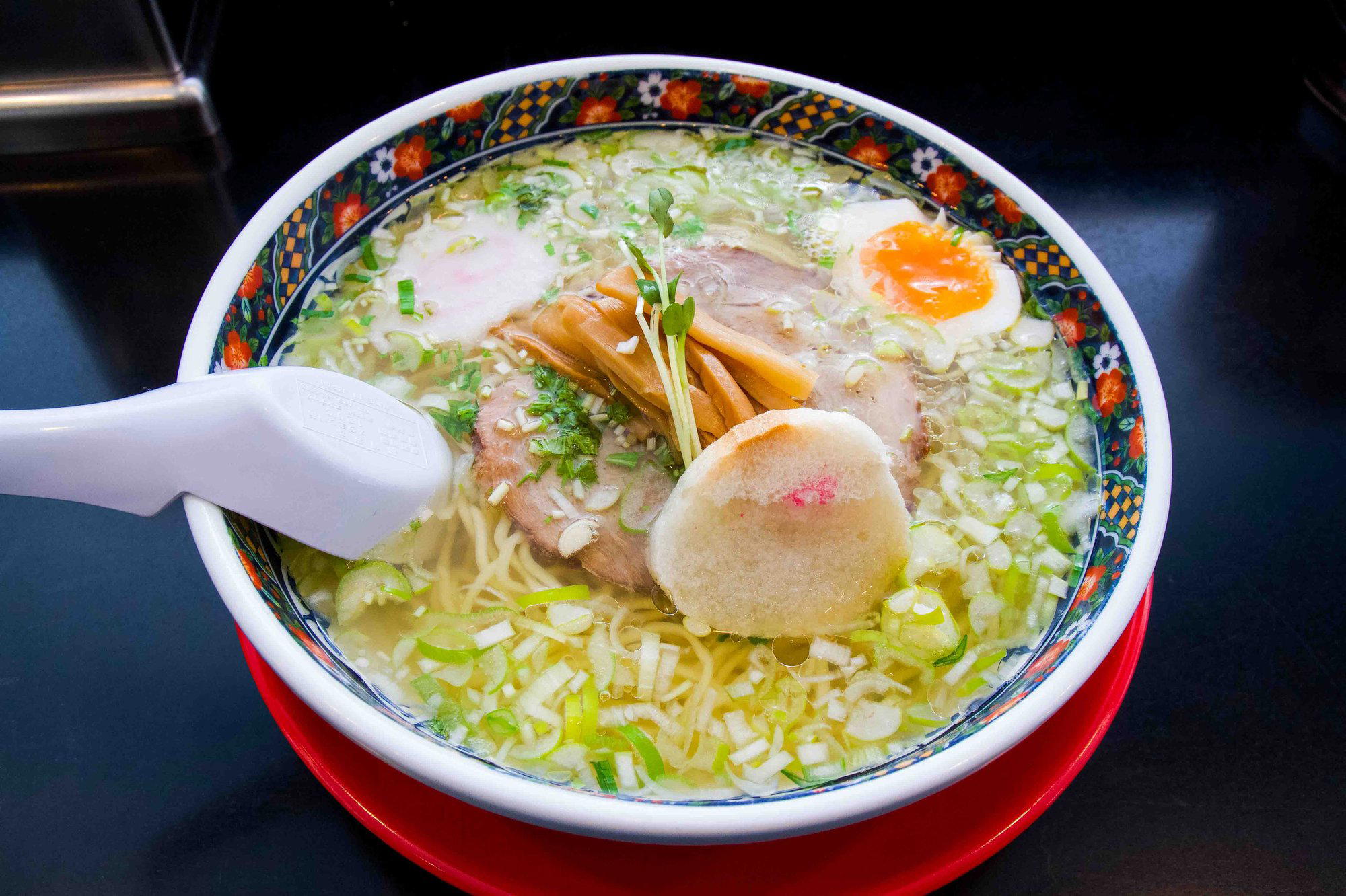
Details
- Well Known
- Lively
- Cozy
- Casual Hangout
- Family
- Standalone
- Local Sourcing
- Waterfront
- A La Carte
American-style retro diner interiors with fun circus and themed decorations like paintings and Hollywood motifs.