
Jin Gyoza puts Kobe’s dumpling-bar culture into a compact Sannomiya frame: counter seating, pork-dish focus, take-out, and recognition in Tabelog 100 - Dumplings - 2024. It suits travelers who want a low-cost, high-specificity meal rather than a long-form tasting menu, with the planning friction coming from scale rather than ceremony.
Pearl is the En Primeur Club membership app — saves, bookings, and concierge access live there. Same editors, same standards.
- Address
- M101, 1 Chome-17-6 Nakayamatedori, Chuo Ward, Kobe, Hyogo 650-0004, Japan
- Phone
- +81 78-587-2578
- Website
- instagram.com
 Saves & bookings on Pearl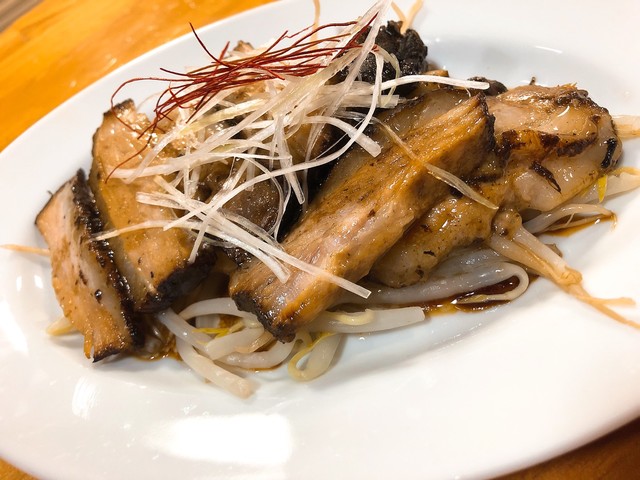
The approach to a serious gyoza counter in Sannomiya is rarely theatrical. The signal is smaller: a tight room, counter rhythm, late-evening foot traffic, and the practical mood of diners who know that dumplings in Japan are not merely a side order to ramen. Kobe’s restaurant conversation often bends toward beef, but its central station districts also reward narrower formats: pork kitchens, standing counters, coffee houses, yakitori rooms, and small bars where the experience depends on turnover, timing, and appetite rather than ceremony.
Jin Gyoza belongs to that compact category. Its public footprint is modest, yet its recognition in Tabelog 100 - Dumplings - 2024 places it inside a national conversation about specialist gyoza rather than general casual dining. That distinction matters. Tabelog’s Hyakumeiten lists tend to favor places with a clear genre identity, and dumplings are a field where small variations in wrapper, filling, heat management, and service format create strong local loyalties. In Kobe, that makes this less a detour from the city’s dining identity than a useful correction to it.
Kobe's dumpling counter as a planning exercise
Travelers often plan Kobe around higher-spend meals, particularly beef rooms such as Aburi Niku Kobo Wakkoku Shinkobe ten and Aburi Niku Kobo Wakkoqu Kitano Sakamoto Ten. Gyoza operates on a different clock. It is quicker, more tactical, and less forgiving of hesitation when the room is small. Here, the useful mental model is not a leisurely restaurant reservation but a counter meal that has to be fitted around the rest of the evening.
The practical appeal is the narrowness of the proposition. Jin Gyoza is categorized around dumplings and pork dishes, with take-out also part of the service format. The room runs on counter seating, including seven counter seats and standing counter availability, so the experience is closer to a focused urban snack bar than a table-service restaurant. That scale explains why planning matters even when the meal itself remains casual. Small-format places in station-adjacent Kobe can feel easy until a group arrives before you, and then the arithmetic changes quickly.
For visitors building a night in Sannomiya, this is the kind of stop that works before or after a more structured plan. A coffee stop at Akaneya Coffee Ten, a broader casual meal at Akari, or a specialist neighborhood choice such as Ali's Halal Kitchen all point to the same truth about central Kobe: the city’s value is often in stitching together compact formats rather than surrendering the evening to a single address.
Why the Tabelog 100 signal carries weight here
Gyoza recognition is not the same as a fine-dining accolade, and it should not be read that way. Its value is more granular. A place selected for Tabelog 100 - Dumplings - 2024 has been marked within a category where consistency, local demand, and genre clarity matter. In a city with heavier destination dining, that gives a dumpling counter an editorial role: it shows how Kobe eats when the occasion is not formal.
The comparison set makes the point. Kanetatsu, Ryuka Chubo, and enoteca ber ber bar sit in higher price brackets, while Yakitori Trip Sannomiya belongs to another small-format Japanese tradition entirely. A dumpling counter at this level asks a different question: not how much technique can be stretched across a long meal, but how much satisfaction can be compressed into a short one. That is a useful distinction for travelers who already have one expensive dinner planned and need the rest of the itinerary to feel local rather than padded.
Japan’s gyoza culture also rewards specialization. The dish carries Chinese roots, but Japanese versions have their own grammar: pan-fried crispness, pork-forward fillings, repeat orders, beer-friendly pacing, and a tolerance for tiny rooms that would defeat more formal restaurant formats. Kobe adds its own urban texture. Around Sannomiya, diners move between rail lines, bars, counters, and late meals with little patience for inflated ritual. The format has to be direct.
How to use it in a Kobe itinerary
Jin Gyoza is strongest as a precision stop: a low-cost, specialist counter meal in the middle of a district where travelers can otherwise overcommit to longer dining formats. It suits solo diners and small parties better than a group that wants to settle in. Families are also part of the stated audience, which is useful in Japan, where compact rooms can vary sharply in how comfortable they feel for children.
The payment and seating realities reinforce the point: this is not a place to treat like a hotel concierge dinner. It belongs in the same planning category as other compact Japanese food stops, where timing, group size, and flexibility decide the experience. For a broader Kobe dining map, use Our full Kobe restaurants guide; for the surrounding trip architecture, pair it with Our full Kobe hotels guide, Our full Kobe bars guide, Our full Kobe wineries guide, and Our full Kobe experiences guide.
Across Japan, the same lesson applies in different forms. Specialist casual rooms, from -Grilled beef Sukiyaki- KAMAKURA TANUKIAN 鎌倉 たぬき庵 in Kamakura to. 鮪と炭火焼き うお炭 秋葉原店 in Tokyo.cafe in Osaka.know in Kumamoto, (Shoku) Vietnam in Kawasaki, and [Curry Senmon Ten] Maruyama Kyoju. in Sapporo, often reveal more about daily dining than prestige rooms do. The same is true abroad at focused Japanese-leaning counters such as Jōdo Saké Bar in Los Angeles and Onigiri Time in Pasadena. The lesson for Kobe is simple: leave space for the small room. It may be the meal that explains the city’s tempo with the least effort.
Cuisine-First Comparison
Comparable venues in the metro at similar price points.
| Venue | Cuisine | Price | Notes |
|---|---|---|---|
| Jin GyozaThis venue — the venue you are viewing | Japanese Gyoza & Dumplings | $ | Not listed |
| ENISHI | Tantanmen ramen specialist | $ | Nada |
| Ipposhi | Tori paitan ramen shop | $ | Nada |
| Rojiura Stand Abec | Japanese Izakaya | $ | Chūō |
| Yoshoku no Fuji | Yoshoku (Japanese-style Western cuisine) | $ | Chūō |
| Grill Suematsu | Classic Yoshoku (Japanese‑style Western) Grill | $$ | Chūō |
Recognition history
Dated appearances from independent guides and award organizations, with the underlying list record or original source where available.
Tabelog 100 #69 · No. 69
Tabelog · Tabelog 100 - Dumplings - 2024
Continue exploring
More in Kobe
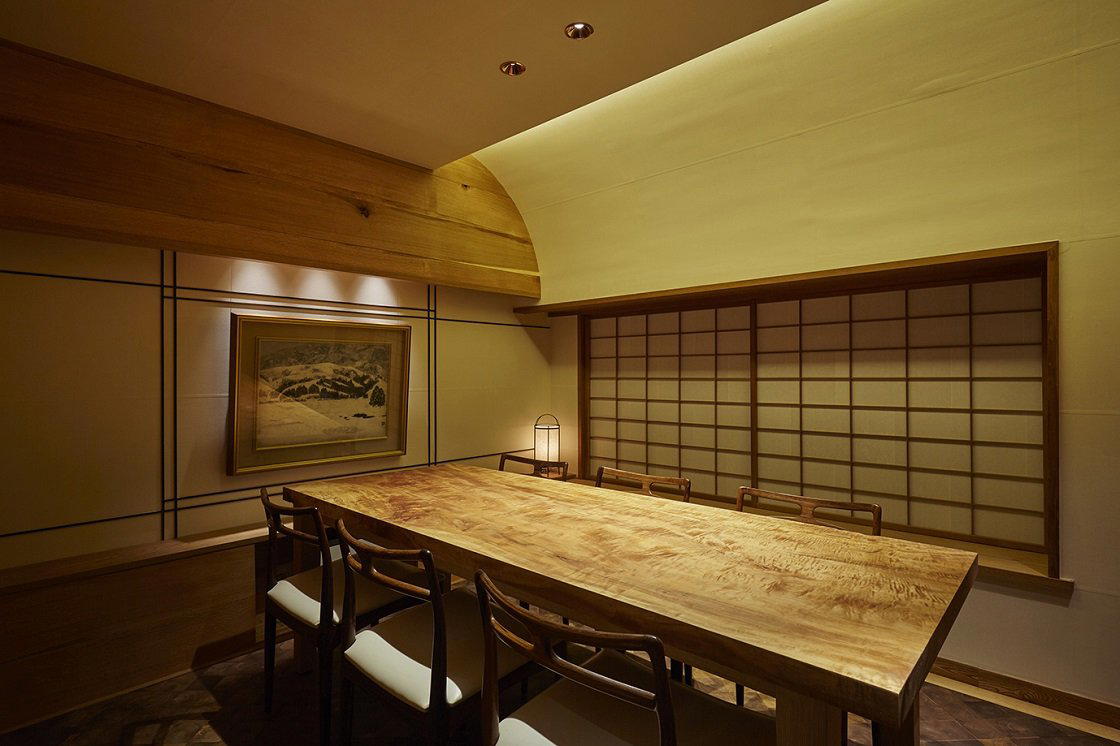
Restaurants in Kobe
Browse all →
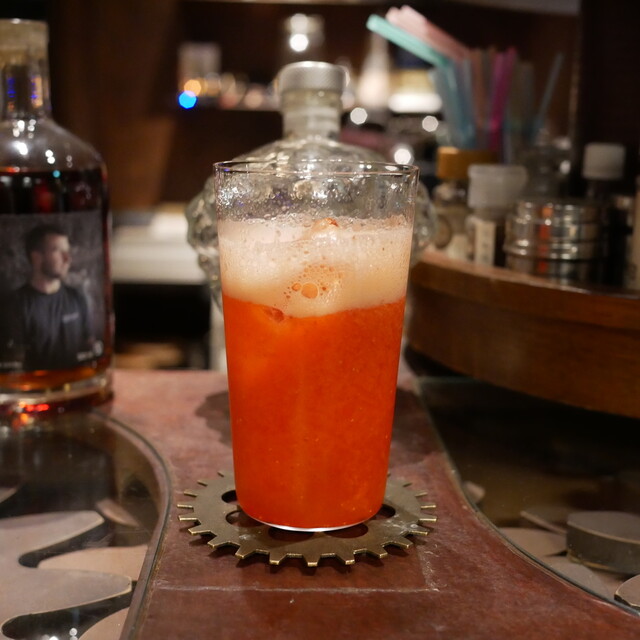
Bars in Kobe
Browse all →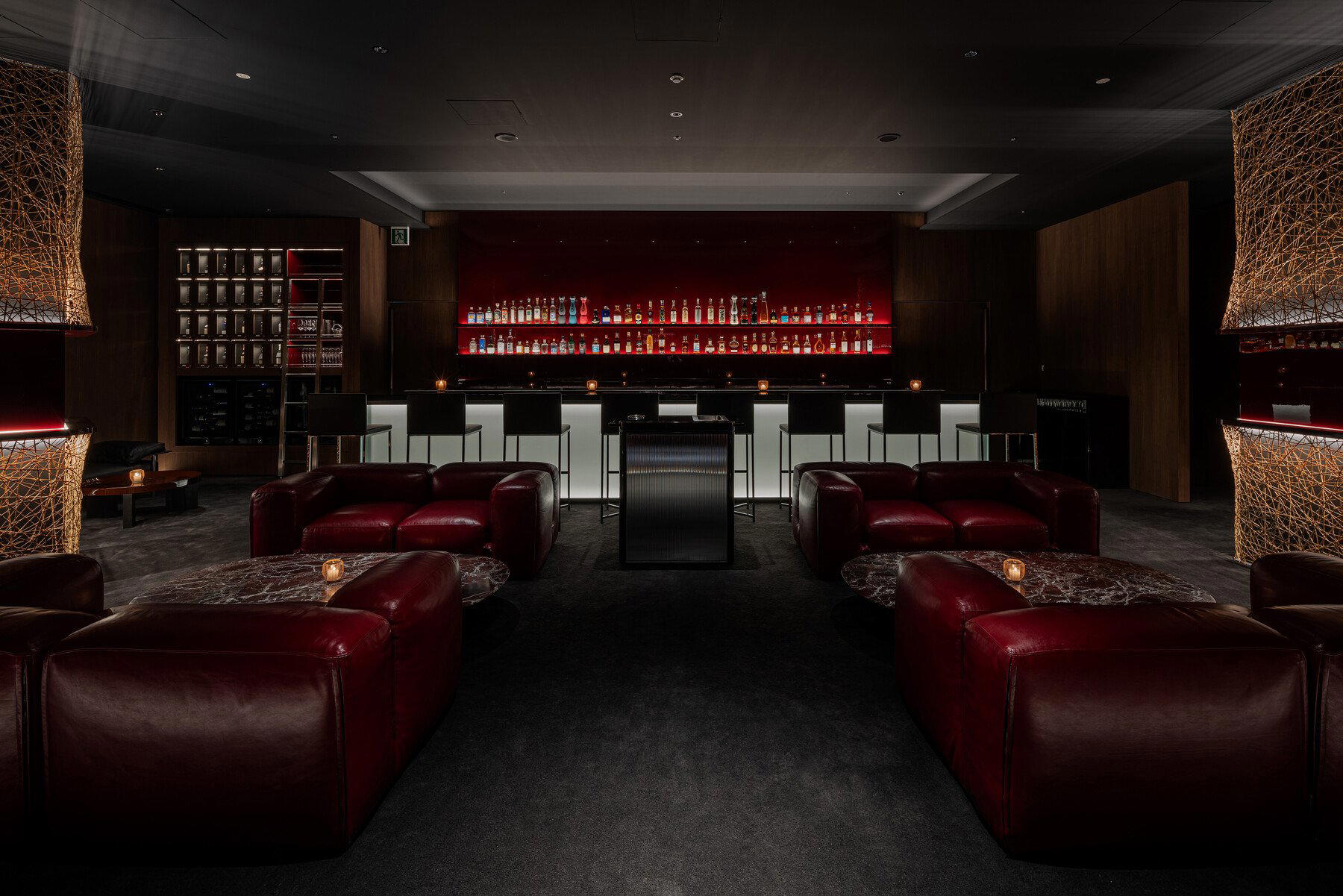



Hotels in Kobe
Browse all →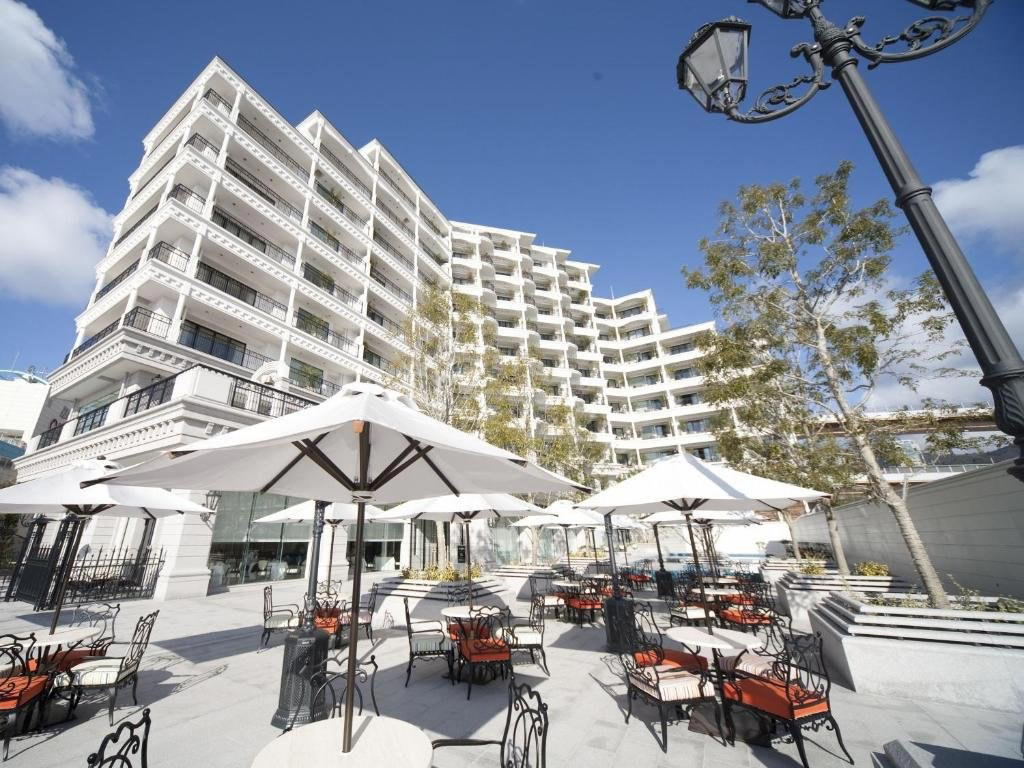


At a Glance
- Solo
- Casual Hangout
- After Work
- Standalone
Current opening hours
- Monday
- 6 PM–1:30 AM
- Tuesday
- 6 PM–1:30 AM
- Wednesday
- 6 PM–1:30 AM
- Thursday
- 6 PM–1:30 AM
- Friday
- 6 PM–1:30 AM
- Saturday
- 5–11:30 PM
- Sunday
- Closed
Hours can change for holidays and private events. Last verified .
Casual, bustling dumpling spot near Sannomiya Station, geared toward quick, no-frills meals rather than lingering dining.