Jeju Island Grill
Jeju Island Grill sits in Seogwipo's Hogeun-dong district, placing it within reach of the city's market corridors and coastal approaches. The address on Taepyeong-ro positions it among a dining scene shaped by Jeju's volcanic-island produce, black pork tradition, and seafood proximity. For visitors orienting around the island's southern city, it represents one reference point in a broader set of grill-format options.
Pearl is the En Primeur Club membership app — saves, bookings, and concierge access live there. Same editors, same standards.
- Address
- 110 Taepyeong-ro, Hogeun-dong, í¹ë³ìì¹ë, Seogwipo-si, Jeju-do, South Korea
- Phone
- +821030425143
- Website
- booking.naver.com
- Directions
- Get directions
 Saves & bookings on Pearl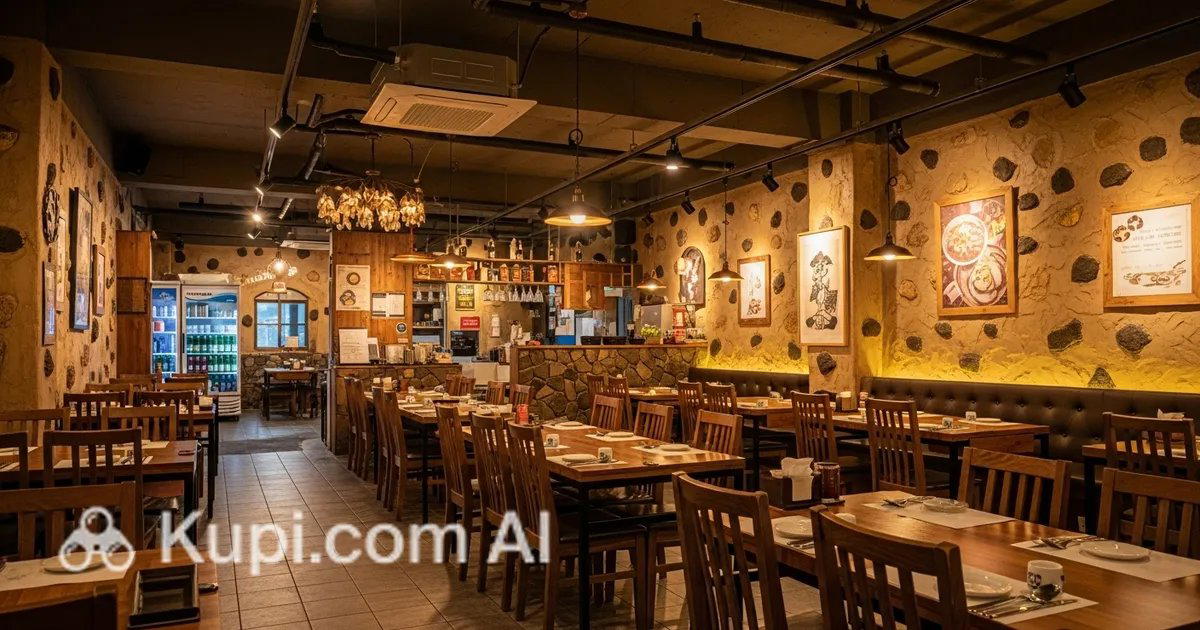
Grilling at the Southern Tip: Seogwipo's Table Traditions
Seogwipo sits on Jeju Island's southern coast, and the city's dining character has always been shaped by what surrounds it: the Hallasan volcanic interior, the haenyeo diving culture along the shoreline, and a black pork tradition that predates the island's emergence as a domestic tourism destination. The grill format, in this context, is not simply a cooking method. It is the dominant social architecture of a Korean meal, a ritual in which the table itself becomes the cooking surface and the pace of eating is dictated by fire, smoke, and conversation in roughly equal measure.
Grill-format dining in Jeju operates differently from the equivalent experience in Seoul. The proximity to primary supply chains, from island-raised pork to coastal seafood landed the same morning, compresses the distance between source and table in ways that mainland cities cannot replicate. At its most direct, a Seogwipo grill meal is a study in how geography shapes a cuisine: the breeds, the cuts, and the preparation customs all carry markers of the island's agricultural and maritime history. This is the broader context in which Jeju Island Grill, a Korean BBQ Grill in Seogwipo, sits.
The Ritual of the Korean Grill Table
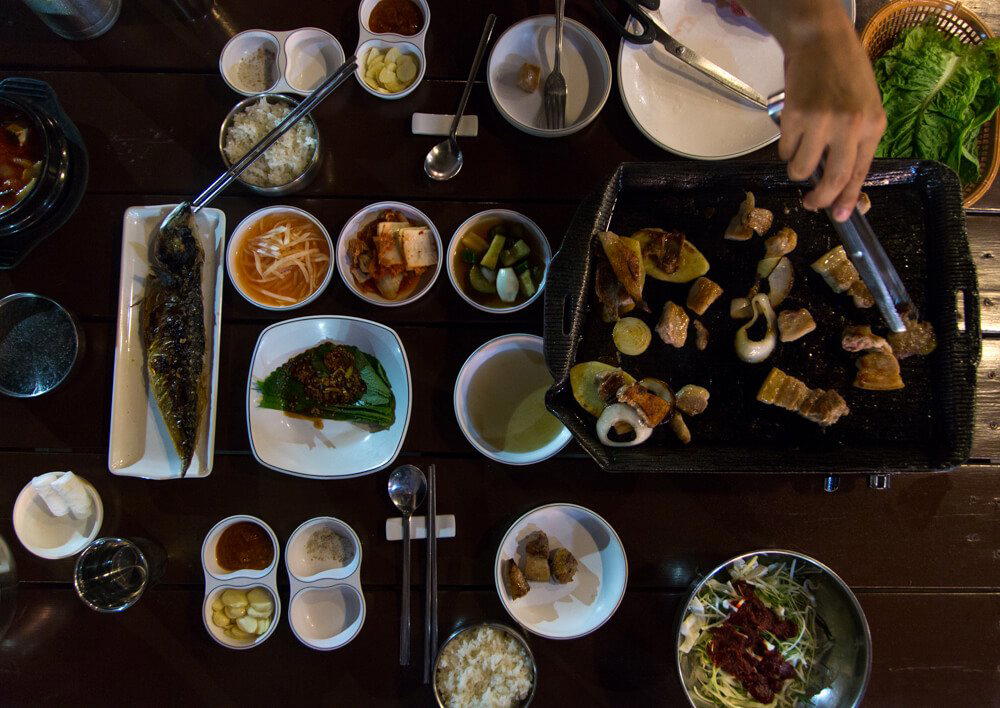
Understanding a grill-format meal in Korea requires understanding its pacing logic, which differs from the linear course structure of Western or Japanese tasting formats. The meal does not move from starter to main to dessert. It moves from cold preparation to hot cooking, with banchan, the array of small side dishes, arriving simultaneously and remaining on the table throughout. Grilled protein is cut tableside, wrapped in perilla or lettuce leaves with fermented paste and raw garlic, and consumed immediately while heat from the grill is still present. The rhythm is cyclical rather than sequential.
This structure means that the quality of the experience depends as much on the management of the grill as on the quality of the raw ingredient. A table with an attentive server who monitors coal temperature, rotates cuts to avoid charring, and controls the pace of service will produce a markedly different meal from one where the grill is left entirely to the diner. In Jeju's better grill rooms, this service element is understood as craft rather than logistics. For visitors arriving from a background in tasting-menu formats, the informality can initially obscure the technical competence involved. It should not: a well-managed Korean grill table requires timing precision that would be recognised immediately in any serious kitchen. For a wider view of Korean dining, other Seoul and Busan restaurants illustrate how that craft translates into formal tasting contexts.
Seogwipo's Grill Scene in Competitive Frame
Seogwipo's grill-format dining sector is anchored by the island's black pork identity. Jeju heukdwaeji, the indigenous black-bristled pig raised on the island, commands a price premium over mainland pork and occupies the upper tier of the local grill hierarchy. The cut typically centred in this tradition is samgyeopsal, thick-cut pork belly, though jowl, shoulder, and neck cuts appear across different establishments. The preparation method varies: some restaurants grill over charcoal, others over gas or cast-iron griddles, and the distinction matters to regulars even if it is invisible to first-time visitors.
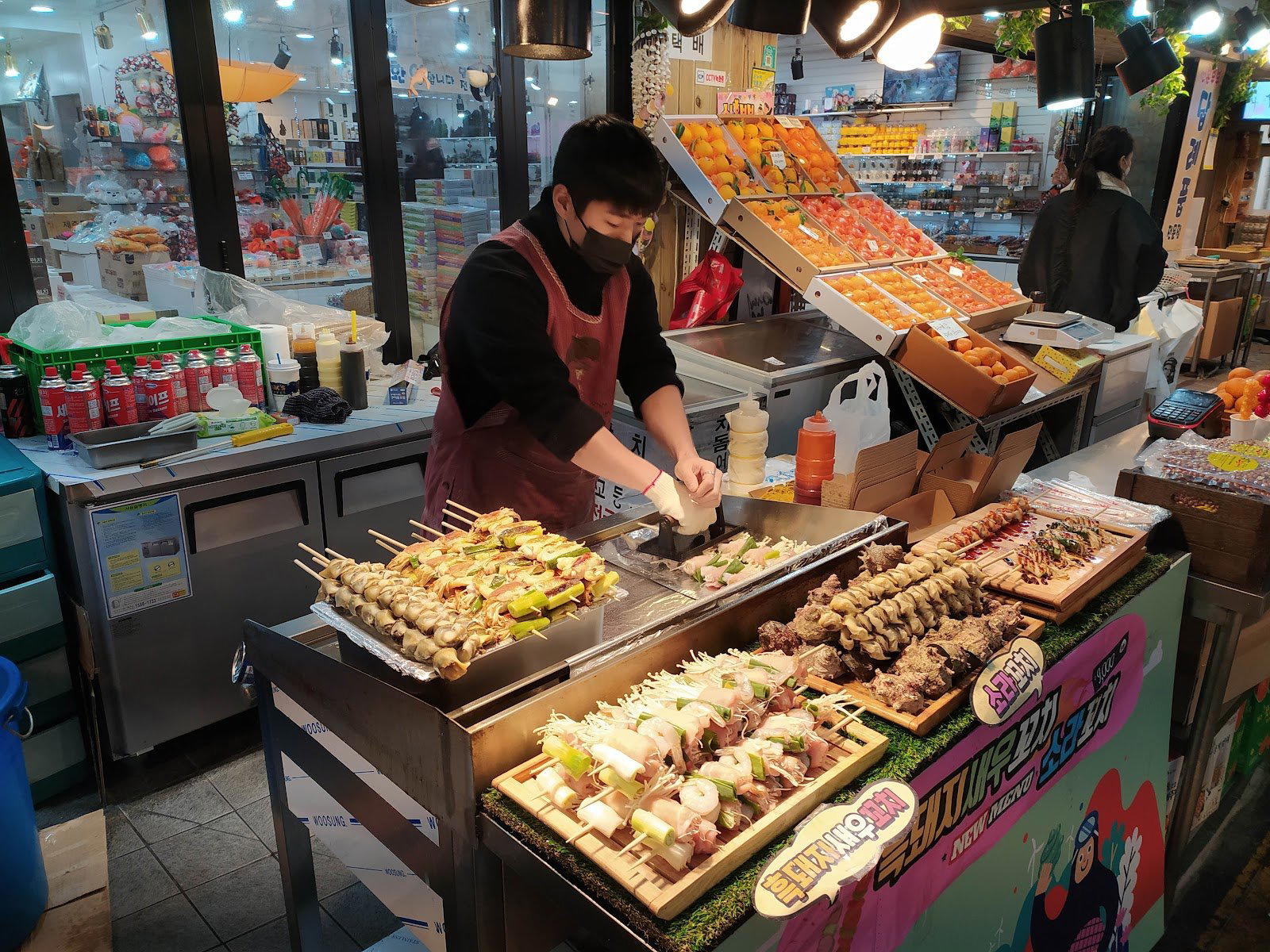
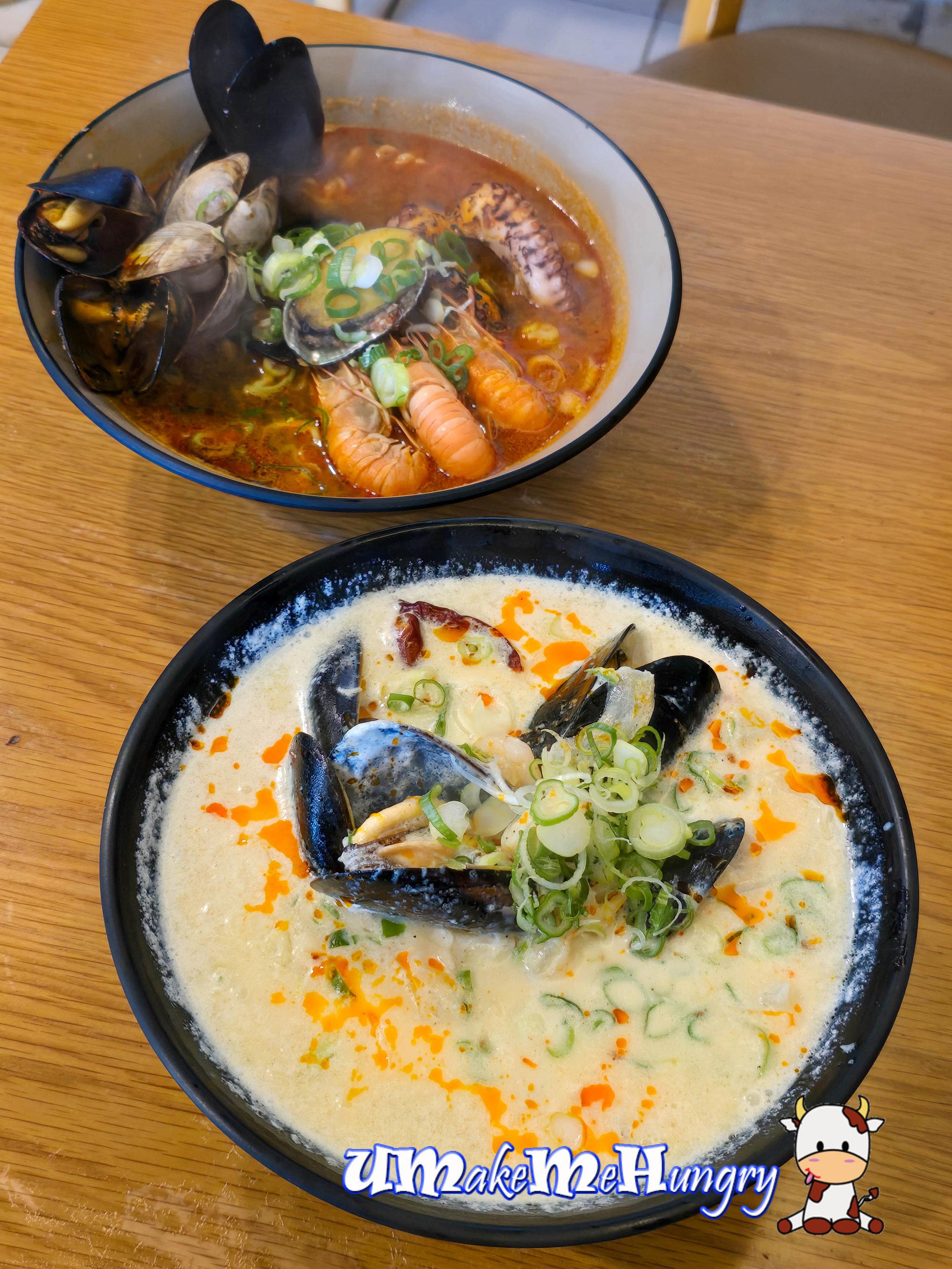
Within Seogwipo, the competitive reference set for grill-format dining includes Black Pork BBQ, Gudumi Pork BBQ, and Jeju Korea black pork BBQ Nammaene at Seogwipo Maeil Olle Market, which operates in the market corridor and draws a different crowd from restaurant-format venues. Each addresses a slightly different position: market-adjacent spots cater to foot traffic and informal grazing, while address-specific restaurants with table service lean toward group dining and longer meals. The Maeil Olle Market setting in particular anchors one end of the accessibility spectrum, where the experience is as much about the market atmosphere as about the pork itself. For those seeking variety beyond grill formats, Jejugot Seogwipo Haemul Ramyeon represents the seafood-noodle register that runs parallel to the meat-grill tradition in this city, and Pasta Studio Jeju marks the western-influenced end of Seogwipo's dining range.
Jeju Island Grill on Taepyeong-ro sits within this ecosystem. It sits within a sector defined by the broader conventions described above, where the grill tradition, the black pork supply chain, and the tableside ritual together constitute the experience.
Approaching the Meal: Practical Orientation
Hogeun-dong, where Taepyeong-ro runs, is accessible from central Seogwipo by local bus or taxi. The address places the restaurant within reasonable distance of both the city's market areas and the coastal walkway that defines Seogwipo's geography for most visitors. For travellers based in Jeju City, the cross-island drive takes roughly one hour, depending on traffic.
Grill-format restaurants in Seogwipo follow Korean dining norms, with peak dinner service running from approximately 6pm onward. Arriving at opening or booking ahead reduces wait time. Dress code is casual, and smoke from the grill is a given. For comparison across the Korean dining spectrum, from grill formats to more structured environments, venues such as 88돼지 in Jeju City, Gobojeong Galbi in Suwon, and Doosoogobang in Suwon illustrate how the grill tradition scales across Korean cities.
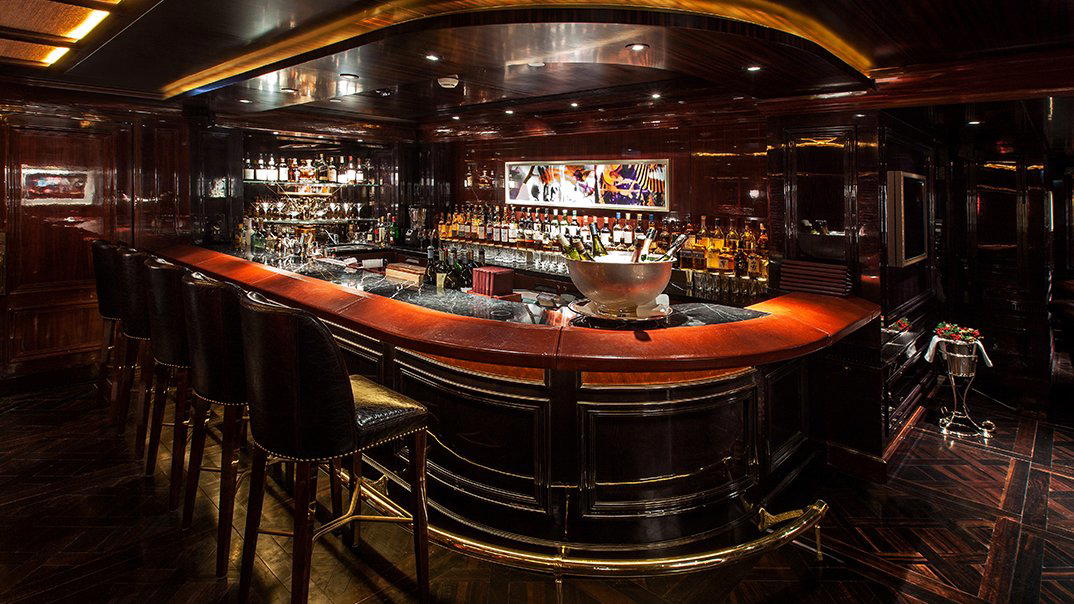
For those extending an itinerary across the island or the peninsula, Badang Lounge in Jeju represents the island's bar and lounge register, while further afield, Hinode in Seogwipo, Hwangnam Bread and Busan Steamed Bun in Gyeongju, Dining Room in Busan, and Gyeongju Wonjo Kongguk in Gyeongju round out a picture of the Korean regional dining circuit beyond Jeju. For a sense of how Korean culinary technique is received internationally, Atomix in New York City provides a useful reference point, as does the contrast with seafood-focused precision cooking at Le Bernardin in New York City.
Style and Standing
Comparable venues nearby, for context on price, style, and recognition.
| Venue | Cuisine | Price | Notes |
|---|---|---|---|
| Jeju Island GrillThis venue — the venue you are viewing | Korean BBQ Grill | $$ | Not listed |
| Jeju Korea black pork BBQ Nammaene Seogwipo Maeil Olle Market | Jeju Black Pork BBQ | $$ | Seogwipo |
| 삼보식당 | 제주 해산물 전문 | $$ | 서귀동 |
| Jejugot Seogwipo Haemul Ramyeon | Jeju Seafood Ramyeon | $$ | Seogwipo-si |
| Black Pork BBQ | Jeju Black Pork BBQ | $$ | Seogwipo-si |
| 더 플라잉 호그 - The Flying Hog | Modern Korean Wood-Fired Grill | $$$ | Seogwipo-si |
At a Glance
- Cozy
- Group Dining
- Casual Hangout
- Local Sourcing
Current opening hours
- Monday
- 5–9:30 PM
- Tuesday
- 5–9:30 PM
- Wednesday
- Closed
- Thursday
- 5–9:30 PM
- Friday
- 5–9:30 PM
- Saturday
- 5–9:30 PM
- Sunday
- 5–9:30 PM
Hours can change for holidays and private events. Last verified .
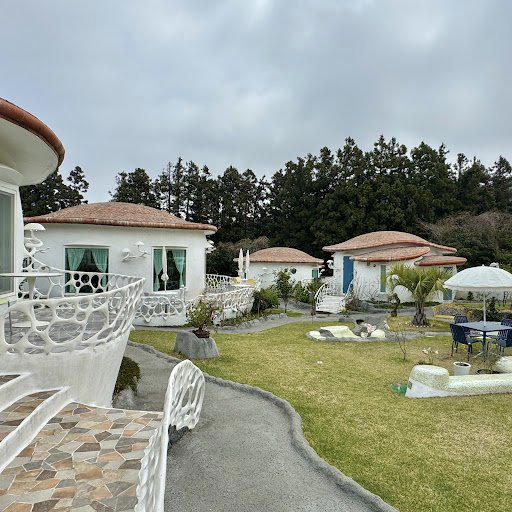
Cozy and welcoming traditional Korean tavern atmosphere with scents of the sea and grill.