A fixture of Budapest's 5th district since the early 1990s, Café Kör occupies a particular niche in the city's dining conversation: the neighbourhood restaurant that regulars treat as a second kitchen. Located on Sas utca near the Basilica, it draws a loyal clientele with direct Central European cooking and a room that feels lived-in rather than designed. Reservations are advisable, particularly at lunch.
Pearl is the En Primeur Club membership app — saves, bookings, and concierge access live there. Same editors, same standards.
- Address
- Budapest, Sas u 17, 1051 Hungary
- Phone
- +3613110053
- Website
- facebook.com
- Directions
- Get directions
 Saves & bookings on Pearl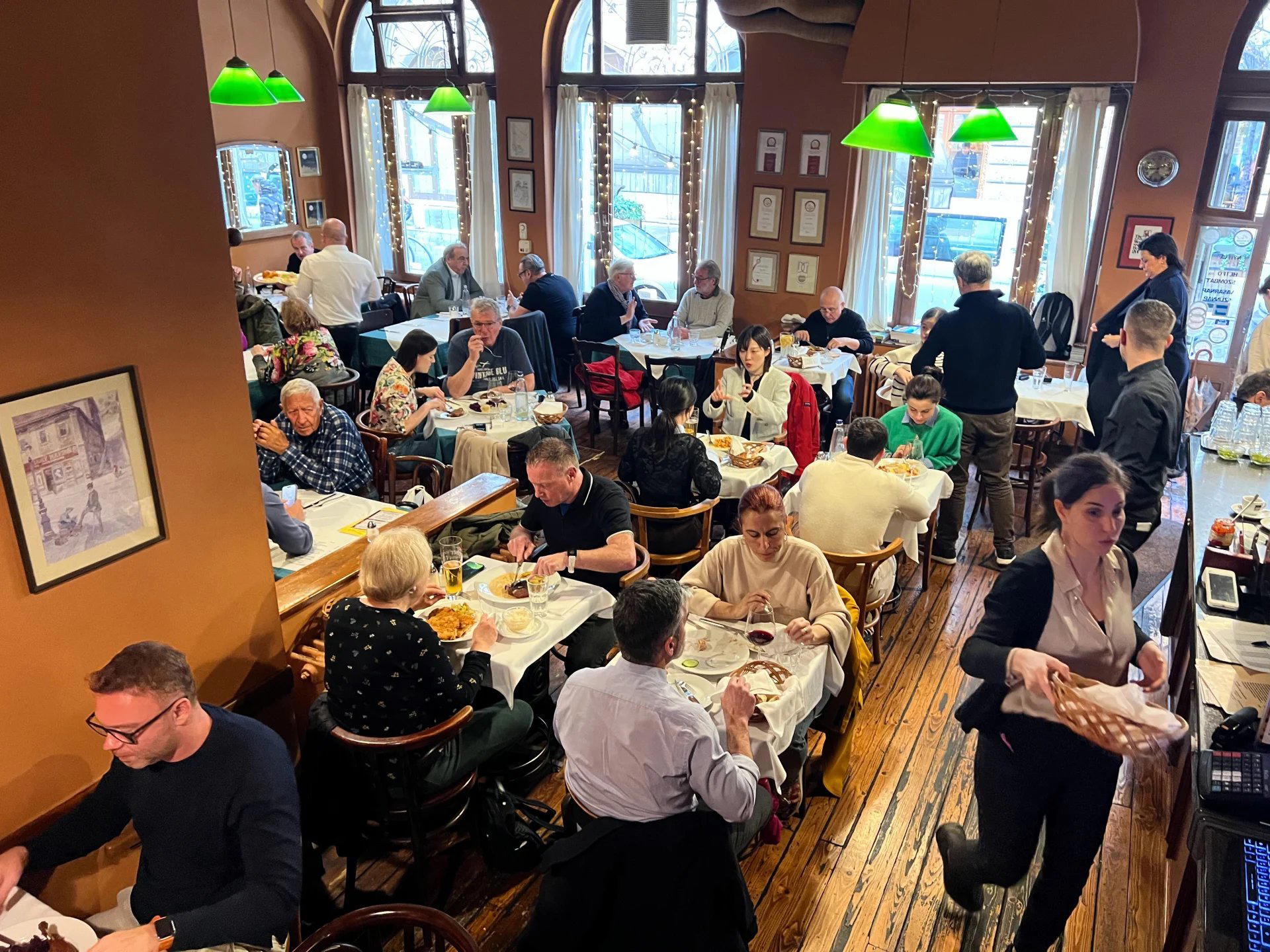
The Room That Regulars Built
There is a category of restaurant that guidebooks undervalue and locals guard quietly: the place where the same faces appear week after week, where the staff know orders before they are placed, and where the dining room carries the specific warmth of accumulated habit. Café Kör is a traditional Hungarian bistro in Budapest's 5th district, with a casual dress code, essential reservations, and dishes averaging about $25 per person. In Budapest's 5th district, Café Kör on Sas utca occupies exactly that position. The address sits a short walk from the Basilica of St. Stephen, in a stretch of the inner city that has absorbed successive waves of international visitors without losing its residential character. The room itself signals its priorities early: tightly spaced tables, walls that have absorbed years of conversation, and a pace set by the kitchen rather than a front-of-house choreography.
Budapest's central dining scene has split in two directions over the past fifteen years. On one side, the city now hosts several Michelin-recognised addresses working in modern Hungarian idiom: places like Babel (€€€€ · Modern Cuisine), Costes (€€€€ · Modern Cuisine), Stand (€€€€ · Modern Cuisine), and essência (€€€€ · Modern Cuisine) that operate in a different register entirely. On the other, a smaller cohort of long-running neighbourhood rooms has held its ground against the pressure to reformat. Café Kör belongs to this second group, and that is precisely why it endures in the memory of people who have eaten in Budapest across multiple visits and multiple decades.
What the Regulars Know
The regulars' perspective on any restaurant contains information that a single visit cannot replicate. At the restaurant, the pattern reported consistently by those who return is one of reliable Central European cooking without the interpretive distance that characterises the city's higher-end addresses. Hungarian café culture has always drawn a distinction between eating that is event-driven and eating that is sustaining, the kind of meal that anchors a working day or fills a Sunday afternoon without requiring advance planning of the theatrical kind. The restaurant operates in that sustaining register.
The clientele mix reflects the 5th district's particular social geography: neighbourhood regulars, business lunchers from the surrounding office blocks, and a layer of return visitors who have filed the address away from a previous trip and seek it out deliberately. That last group is telling. Visitors who specifically return to a restaurant across separate trips to a city are applying a more demanding standard than those who simply pick the closest well-reviewed option. The restaurant has accumulated that kind of loyalty, and it is one durable trust signal a restaurant without current award recognition can carry.
What draws that repeat custom is rarely one thing. In the case of Central European café restaurants, the draw tends to be a combination of consistency across the menu's core items, a room temperature that does not demand performance from the diner, and pricing that does not require the visit to be justified against other expenditures. On the last point, the restaurant sits at a noticeably different price position than the Michelin tier above it, which makes it accessible for the kind of frequency that regular dining requires. For comparison, the Michelin-recognised Borkonyha Winekitchen (€€€ · Modern Cuisine) operates at a price point where most visitors treat it as an occasion rather than a routine.
Central European Café Cooking in Context
The category of restaurant that restaurant represents has a specific culinary logic. Central European café cooking draws from a tradition that ran through Vienna, Prague, and Budapest simultaneously in the late nineteenth and early twentieth centuries, producing a set of dishes that crossed borders more easily than the political ones that divided them: veal preparations, fish from the region's rivers and lakes, cold starters built on pickled and cured components, and desserts tied to the pastry culture that Austria-Hungary exported across its former territories. The cuisine is not dramatic but it is precise in the way that long-established traditions tend to be, with expectations embedded in the diner that a well-run kitchen meets without announcing itself.
Budapest's broader dining geography extends well beyond the capital's inner districts. For those travelling the wider region, Platán Gourmet in Tata and Pajta in Őriszentpéter represent the more contemporary expression of Hungarian regional cooking outside the city, while Petrányi Csopak in Csopak and Sauska 48 in Villány anchor the wine country dining circuit. For fish-focused cooking drawing on Hungarian river traditions, Old Kőrössy Fish Restaurant in Szegedin offers one direct comparison to the freshwater traditions that historically informed the Budapest café kitchen. Further village-scale addresses worth tracking include Hosszú Tányér in Hosszúhetény, Kővirág in Köveskál, Teyföl in Szentendre, Öreg Prés in Mór, and Botanica in Dánszentmiklós.
For readers calibrating against international reference points, the comparison is less to the tasting-menu format of somewhere like Le Bernardin in New York City or the chef-driven dinner-party model of Lazy Bear in San Francisco, and more to the neighbourhood-anchor model that any major city produces and that is hardest to replicate through deliberate design. Those restaurants are built by time and repeat custom, not by concept.
Planning Your Visit
The restaurant is located at Sas utca 17 in Budapest's 5th district, the inner-city administrative zone that covers the area between the Danube embankment and Deák Ferenc tér. The address is walkable from most central accommodation and from the major metro interchange at Deák. Reservations are advisable rather than optional, particularly at lunch, when the room fills with the neighbourhood's office population. The dinner service tends to be calmer and better suited to a longer, less time-pressured meal.
Cost and Credentials
Comparable venues nearby, for context on price, style, and recognition.
| Venue | Cuisine | Price |
|---|---|---|
| Café KörThis venue — the venue you are viewing | Varhegy, Traditional Hungarian Bistro | $$ |
| DiVino Wine Bar | Belvaros, Hungarian Wine Bar with Tapas | $$ |
| Kispiac | Terézváros, Traditional Hungarian Bistro | $$ |
| Franziska Pest | Belvaros, Healthy Brunch Cafe | $$ |
| Retek Bisztro | Varhegy, Traditional Hungarian Bistro | $$ |
| Cafe Vian Gozsdu Udvar | Belvaros, Traditional Hungarian Bistro | $$ |
Continue exploring
More in Budapest
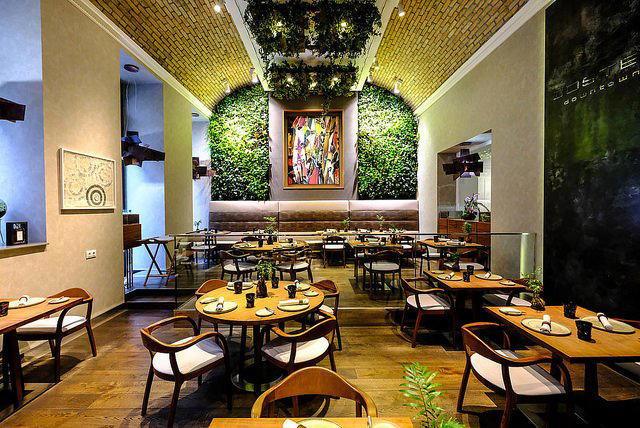
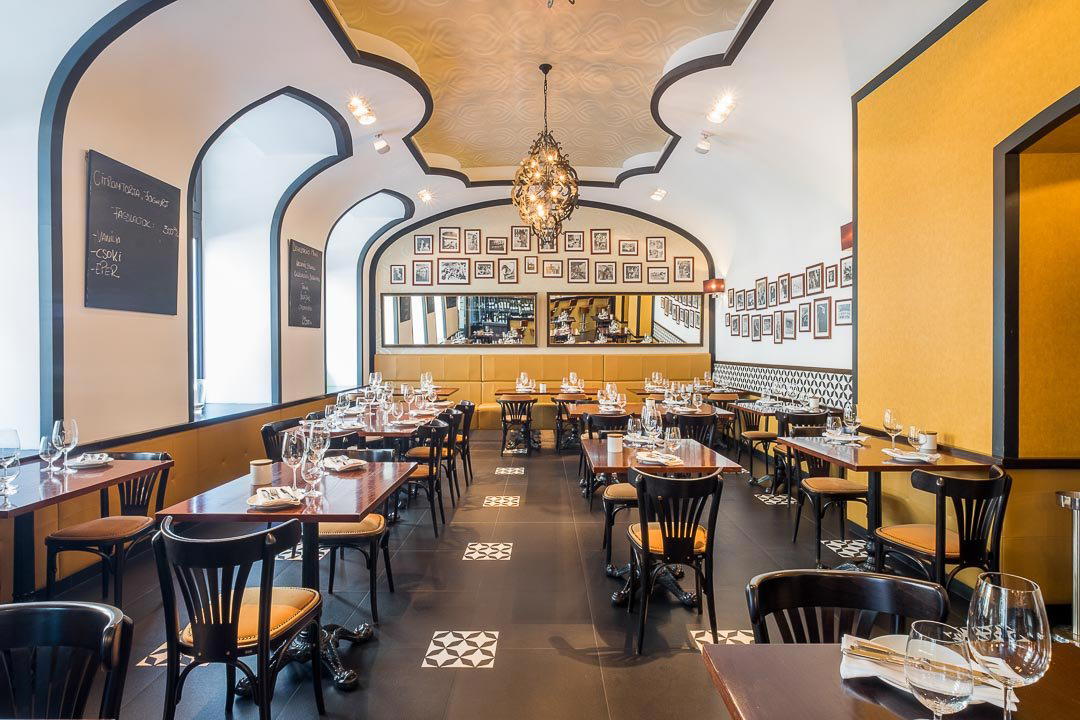
Restaurants in Budapest
Browse all →
Bars in Budapest
Browse all →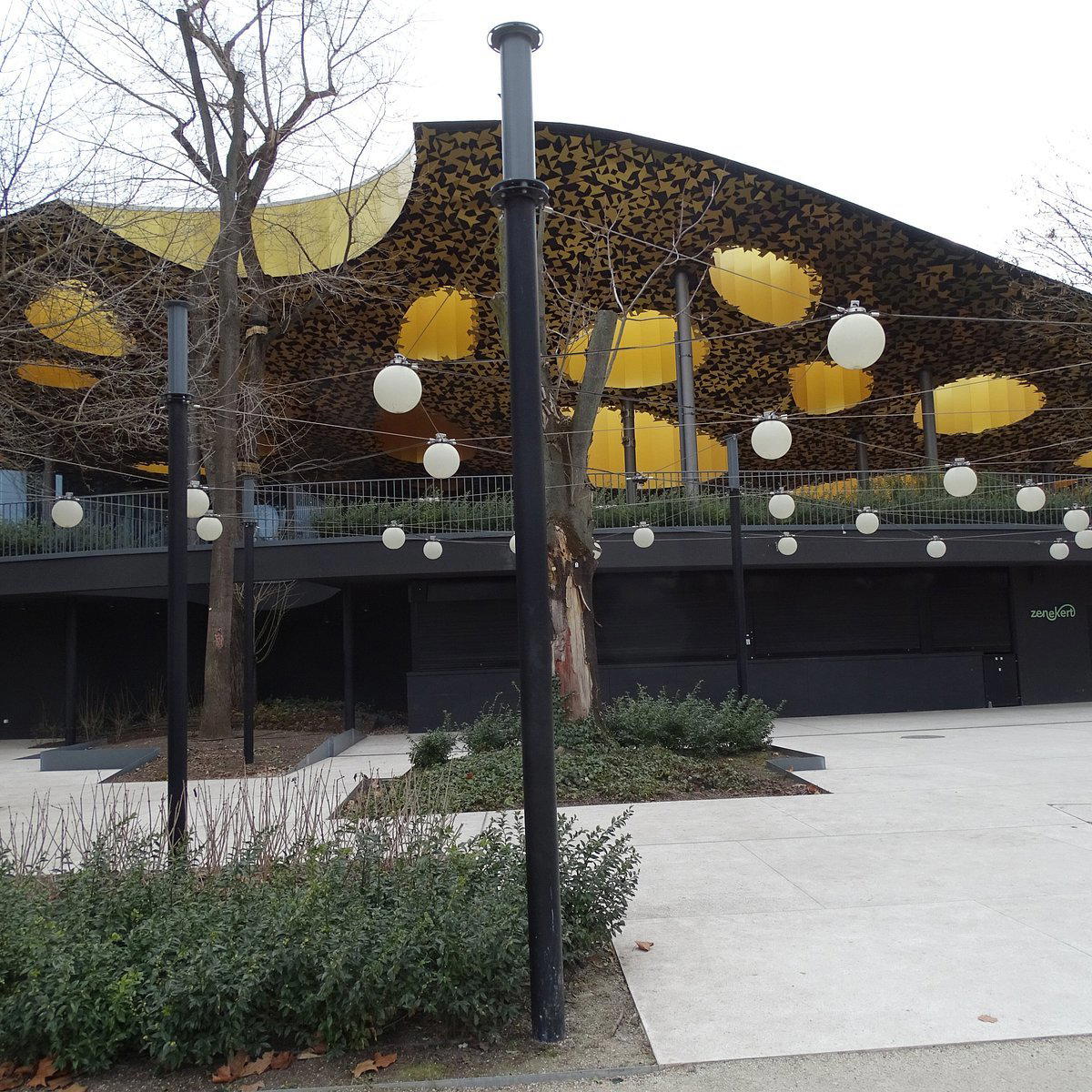
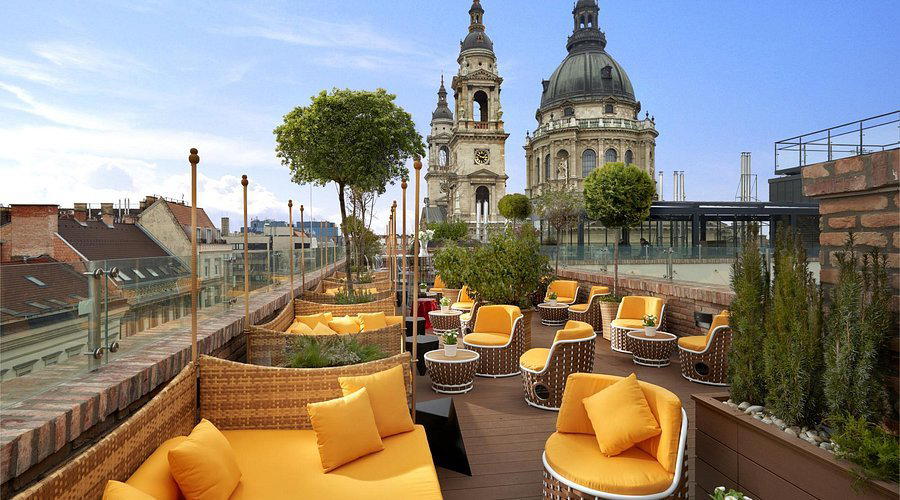
Hotels in Budapest
Browse all →

At a Glance
- Cozy
- Classic
- Intimate
- Rustic
- Date Night
- Group Dining
- Casual Hangout
- Brunch
- Standalone
- Historic Building
- Beer Program
Current opening hours
- Monday
- 12–10 PM
- Tuesday
- 12–10 PM
- Wednesday
- 12–10 PM
- Thursday
- 12–10 PM
- Friday
- 12–10 PM
- Saturday
- 12–10 PM
- Sunday
- Closed
Hours can change for holidays and private events. Last verified .
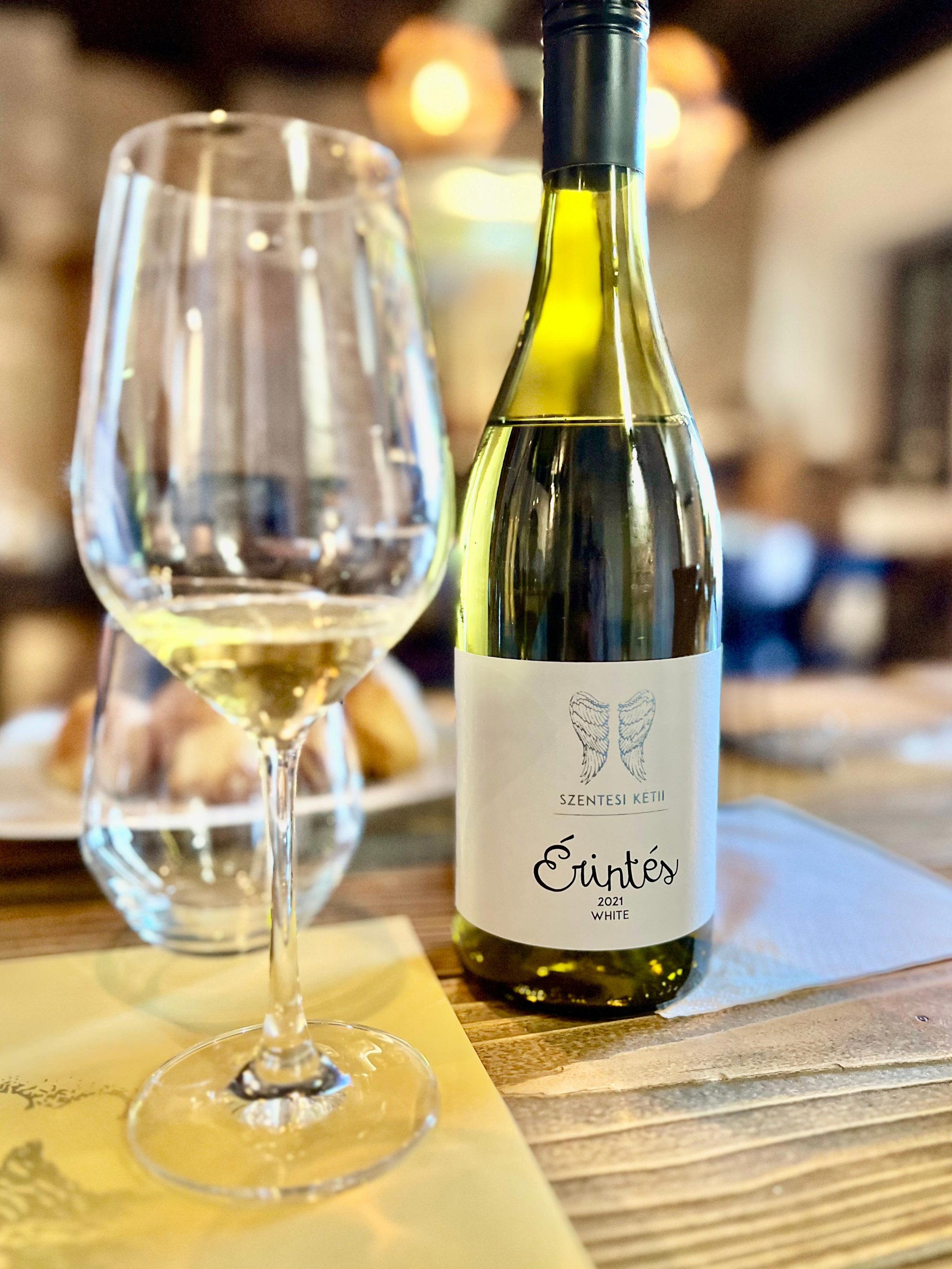
Cozy and warm with white tablecloths, soft coral walls, and soft lighting that evokes a step back in time; intimate carpeted dining room with covered outdoor patio.