

Tabelog 100 #32
Our verdict
Tsuta in Tokyo's Yoyogi-Uehara neighbourhood operates from a basement counter, serving soba and ramen across a lunch-only window that closes at 3 pm. Ranked #59 in Opinionated About Dining's Casual Japan list in 2024 and holding a 4.2 on Google across more than 2,300 reviews, it represents a specific tier of Tokyo's casual noodle dining where execution consistency and queue culture carry as much weight as the bowl itself.

Pearl is the En Primeur Club membership app, where members save venues, book tables and use the concierge.
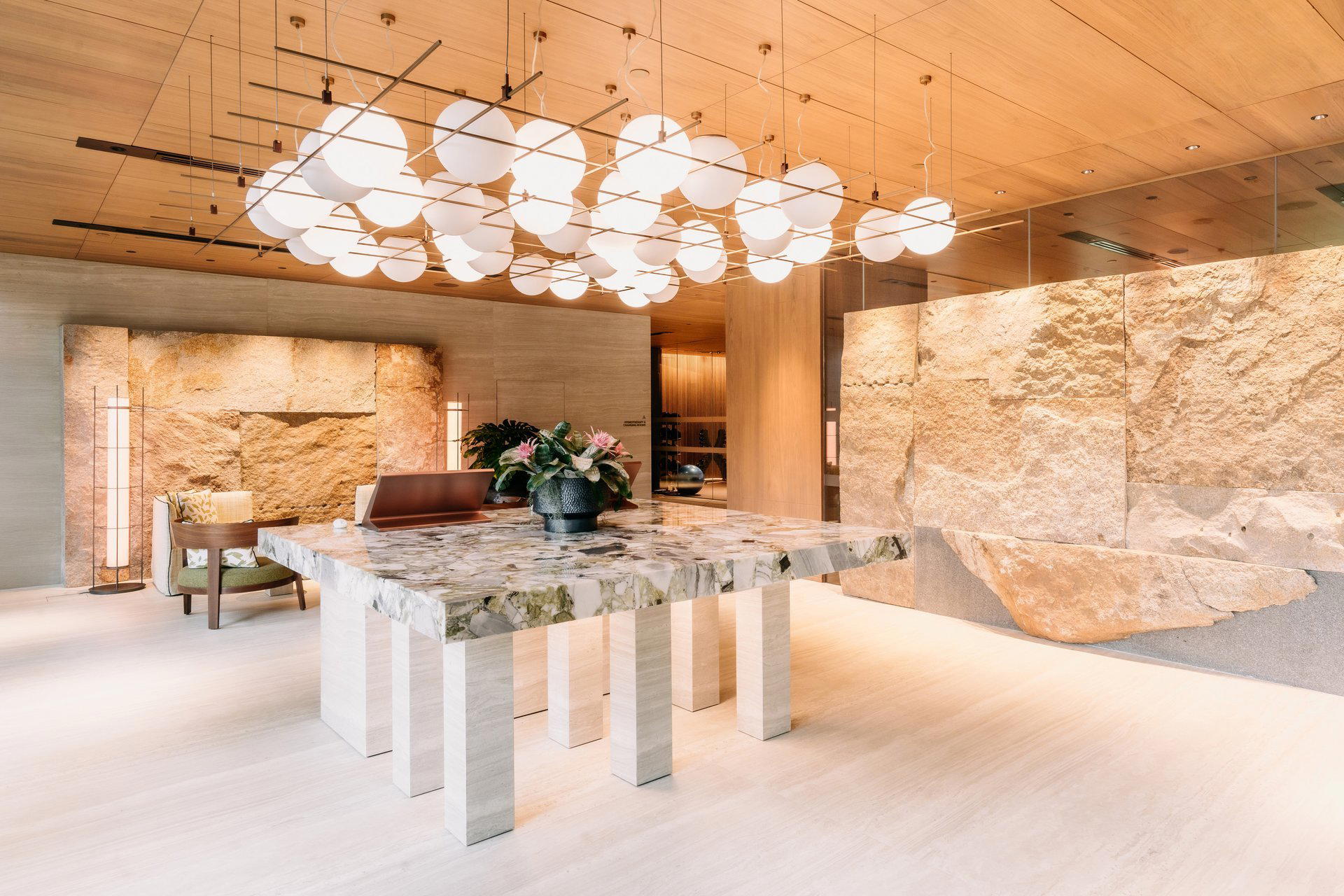
Where Tokyo's Casual Noodle Scene Gets Serious
Tokyo's ramen and soba scene operates on a spectrum that most visitors misread. At one end, you have the tourist-facing chains and train-station standbys. At the other, a quieter tier of basement counters and neighbourhood shops that draw obsessive regulars, sustained critical attention, and the kind of word-of-mouth that doesn't need Instagram to function. Tsuta in Yoyogi-Uehara sits in that second category. Ranked #69 in Opinionated About Dining's Casual Japan list for 2025, and having climbed as high as #42 in 2023, it has held a consistent position in Tokyo's serious casual noodle conversation across three consecutive years of assessment. That kind of sustained ranking movement, upward then moderating, is more revealing than a single snapshot: it reflects a kitchen working at high consistency while the wider field around it continues to tighten.
The Yoyogi-Uehara Context
The choice to operate from a basement space in Yoyogi-Uehara rather than Shinjuku or Shibuya's more trafficked corridors tells you something about how Tsuta positions itself within the broader scene. Yoyogi-Uehara has accumulated a reputation, particularly among Tokyo's food-attentive residents, as a neighbourhood where serious operations run on their own terms. It lacks the visibility of Ginza's premium dining corridors, where Harutaka and the city's leading omakase counters price against international luxury demand. Instead, Yoyogi-Uehara's character is closer to a working local with discerning local taste, the kind of neighbourhood where a strong lunch counter can hold more cultural authority than a multi-course room with a press-friendly story. Tsuta earns its position through that filter. Its address in the Frontier Yoyogi-Uehara building, basement level, is not a design-driven statement but a practical consequence of where serious, affordable noodle operations tend to land in Tokyo's commercial geography.
Soba and Ramen Under One Roof
Combining soba and ramen under a single kitchen is less common in Tokyo than the city's reputation for category specialisation might suggest. Most operations of this calibre pick a lane: soba shops run on buckwheat discipline and seasonal produce logic, ramen counters focus on broth architecture and noodle tension. Tsuta runs both, and the OAD rankings suggest it does so at a level that resonates with serious diners rather than casual all-comers. Chef Yuki Onishi leads the kitchen, and while the team dynamic at a tight lunch-only counter necessarily runs leaner than the elaborate front-of-house choreography of a multi-course room like RyuGin or L'Effervescence, the coordination between bowl preparation, service timing, and queue management at a counter operating a four-hour lunch window is its own form of operational precision.
Reading the Rankings: What OAD Placement Actually Signals
Opinionated About Dining's Casual Japan list draws from a surveyed base of serious diners and industry professionals with deep Japan travel frequency. A ranking in the top 70 across all of Japan's casual dining is not a local neighbourhood commendation; it places Tsuta in direct comparison with operations across Osaka, Kyoto, Fukuoka, and beyond. For reference, other cities carry their own serious casual operations: Goh in Fukuoka represents that city's rigorous approach to casual format, and Gion Sasaki in Kyoto operates at the intersection of kaiseki tradition and accessible format. Against that national field, Tsuta's three-year run in the OAD top 70 carries genuine weight. The downward drift from #42 in 2023 to #59 in 2024 to #69 in 2025 warrants a candid read: the list itself is competitive and growing, and slight position shifts often reflect new entries and shuffled priorities among respondents as much as any change in the kitchen.
The Lunch-Only Format and What It Demands of a Visitor
Operating Monday through Sunday, 11 am to 3 pm, with no dinner service, Tsuta follows the logic of Tokyo's most serious lunch counters: a defined window, a concentrated output, and a kitchen that closes when the day's work is done. This format places specific demands on anyone planning a visit. Arriving close to opening improves your chances of minimal queuing; arriving after 1 pm on a weekday can mean a longer wait or a sold-out situation depending on the day's throughput. The lunch-only model also places greater pressure on the service team to move efficiently, since the entire day's revenue and guest experience is compressed into four hours. In the compressed formats of Tokyo's serious casual dining, that pressure is often where quality shows most clearly. For visitors using Tokyo as a base to explore Japan's wider dining scene, Tsuta works naturally alongside an itinerary that might include akordu in Nara or 1000 in Yokohama for a broader map of the region's serious casual and fine-dining operations.
Where Tsuta Sits in Tokyo's Wider Dining Map
Tokyo's dining ecology spans a range that makes category comparison essential for any serious visitor. The city supports multi-course tasting rooms with international followings, like Sézanne and Crony, alongside the kind of neighbourhood lunch counter that Tsuta represents. These are not competing for the same occasion; they occupy different slots in how a serious food traveller builds a week in the city. Tsuta's slot is the serious lunch, the kind of meal that requires planning and a degree of effort to secure, but which operates at a price point accessible without the allocation logic of a fine-dining booking. For context beyond Tokyo, the same format tension appears in cities like New York, where Le Bernardin and Atomix sit in the multi-course tier that corresponds loosely to Tokyo's premium rooms, while serious casual operations carry their own critical currency below that level. And within Japan, HAJIME in Osaka and 6 in Okinawa occupy different positions in the national serious dining ecology, each worth understanding on its own terms.
Know Before You Go
- Address: Frontier Yoyogi-Uehara B1, 3 Chome-2-4 Nishihara, Shibuya, Tokyo
- Hours: Monday to Sunday, 11 am to 3 pm (lunch only)
- Chef: Yuki Onishi
- Cuisine: Soba and Ramen
- Rankings: Opinionated About Dining Casual Japan #69 (2025), #59 (2024), #42 (2023)
- Timing advice: Arrive close to 11 am to minimise queue time, particularly on weekends
- Context: Part of a serious casual noodle tier distinct from Tokyo's multi-course fine-dining circuit
Frequently asked questions
Is there a head chef associated with Tsuta?
The chef associated with Tsuta is Yuki Onishi.
What's Tsuta best at?
The clearest evidence points to consistency: Tsuta has appeared on Opinionated About Dining's Casual Japan list three consecutive years, moving from #42 in 2023 to #59 in 2024 and settling at #69 in 2025. Running soba and ramen simultaneously in a lunch-only format demands tight kitchen discipline, and the sustained OAD presence across that period suggests the kitchen delivers on both sides of the menu without significant drop-off.
Reputation First
Comparable options at a glance, pulled from our tracked venues.
| Venue | Cuisine | Price | Awards | Notes |
|---|---|---|---|---|
| TsutaThis venue (the venue you are viewing) | Michelin-Starred Japanese Soba Ramen | $20–30 | Tabelog 100 #32 | Not listed |
| Harutaka | Edo-Style Omakase Sushi | $200–300 | 3 Michelin Stars · World's 50 Best #76 | Sushi |
| RyuGin | Modern Kaiseki | $500+ | 3 Michelin Stars · World's 50 Best #41 | Kaiseki, Japanese |
| L'Effervescence | Modern French with Japanese Influences | $200–300 | 3 Michelin Stars · World's 50 Best #69 | French |
| HOMMAGE | Modern French with Japanese Influences | $150–200 | 2 Michelin Stars · World's 50 Best #78 | Innovtive French, French |
| MAZ | Innovative Peruvian-Japanese Fusion | $150–200 | 2 Michelin Stars · World's 50 Best #28 | Innovative |
Recognition history
Dated appearances from independent guides and award organizations, with the underlying list record or original source where available.
Opinionated About Dining Casual in Japan Ranked #115
Opinionated About Dining
Tabelog 100 #32 · No. 32
Tabelog · Tabelog 100 - Ramen - TOKYO - 2025
Full recognition history (5 entries)
Opinionated About Dining Casual in Japan Ranked #69
Opinionated About Dining
Opinionated About Dining Casual in Japan Ranked #59
Opinionated About Dining
Opinionated About Dining Casual in Japan Ranked #42
Opinionated About Dining
Continue exploring
More in Tokyo
Restaurants in Tokyo
All restaurants in Tokyo →



Bars in Tokyo
All bars in Tokyo →


Details
- Modern
- Minimalist
- Elegant
- Solo
- Special Occasion
- Chefs Counter
- Open Kitchen
- Sake Program
- Counter Dining
- A La Carte
Current opening hours
- Monday
- Closed
- Tuesday
- Closed
- Wednesday
- Closed
- Thursday
- 11 AM–3 PM
- Friday
- 11 AM–3 PM
- Saturday
- 11 AM–3 PM
- Sunday
- 11 AM–3 PM
Hours can change for holidays and private events. Hours as of .
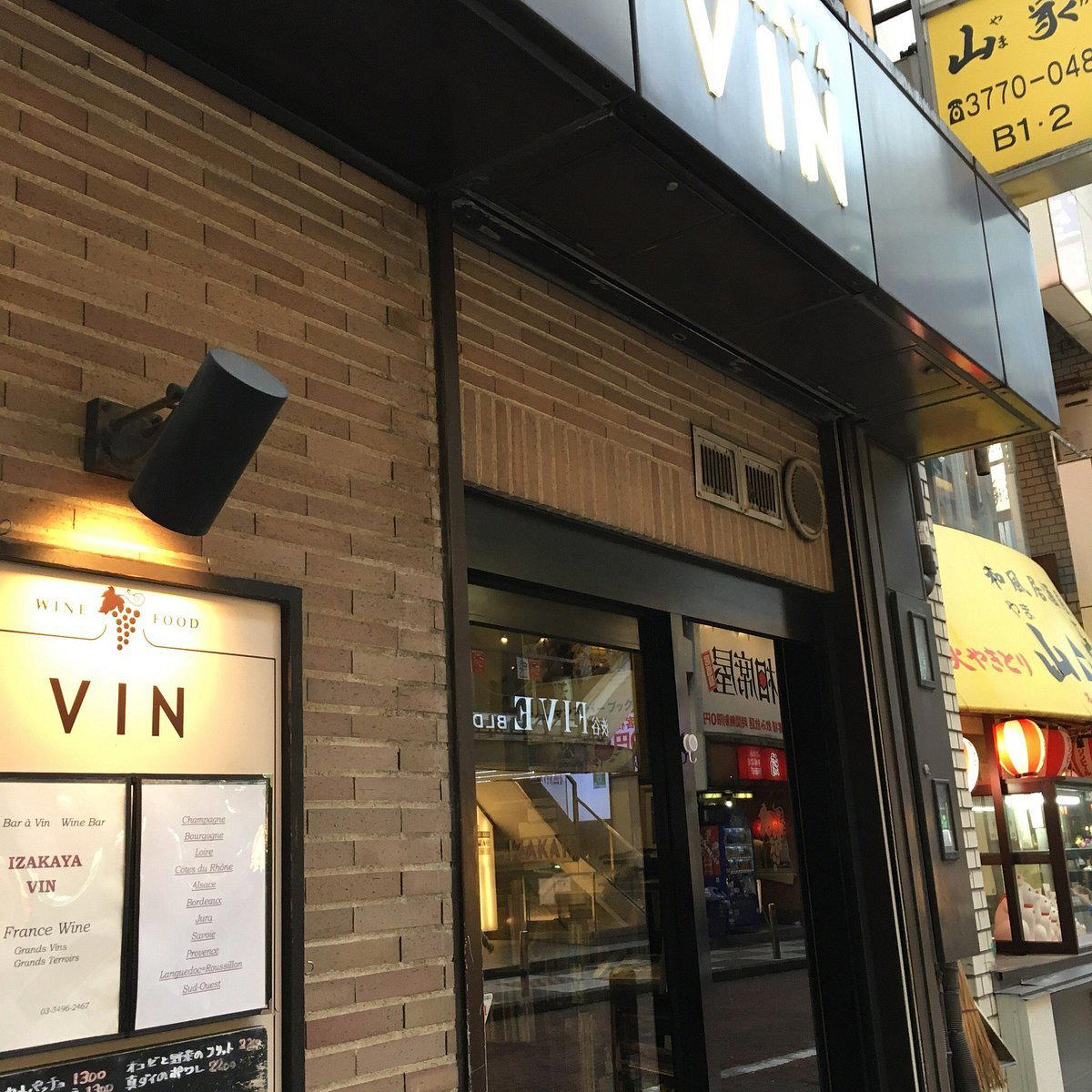
Modern, clean counter seating with padded stools in a reverent, quiet atmosphere focused on the culinary experience.