
Sekine sits in Nagoya’s serious Japanese dining tier, with Tabelog 100 Japanese cuisine EAST recognition in 2025 and a compact room built around counter seating and private rooms. The appeal is not spectacle but a disciplined fish-led kaiseki register, aimed at diners who want Nagoya beyond station-area convenience and casual local staples.
Pearl is the En Primeur Club membership app — saves, bookings, and concierge access live there. Same editors, same standards.
- Address
- 愛知県名古屋市昭和区上山町4-7-1
- Phone
- +81528365121
- Website
- sekine-168.jp
 Saves & bookings on Pearl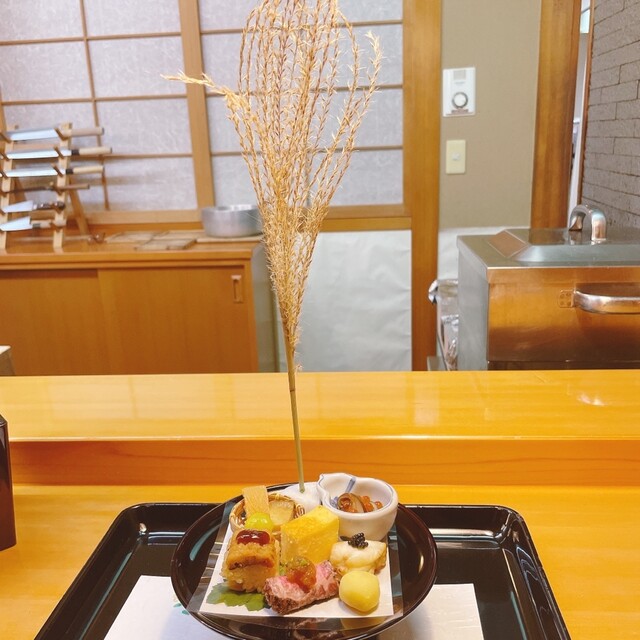
Showa-ku gives Nagoya dining a different tempo from the city’s station towers and Sakae’s commercial glare. Residential streets, bus stops, and small destination restaurants shape the approach, which matters for a Japanese restaurant whose reputation depends less on frontage than on the confidence of regulars willing to travel across town. In that setting, Sekine belongs to Nagoya’s quieter serious-dining circuit: compact, reservation-led, and built around the grammar of Japanese cuisine rather than a broad luxury-theatre format.
Nagoya is often flattened into a checklist of miso katsu, hitsumabushi, kishimen, and chicken wings, but the city’s higher Japanese dining tier works in a more reserved register. The better rooms tend to be small, seasonal, and more concerned with sourcing discipline than with exporting an easy local signature. Tabelog’s 2025 Japanese cuisine EAST selection gives Sekine a useful external marker in that field, especially because Japanese cuisine in the Chubu region competes for attention against Tokyo’s gravitational pull and Kyoto’s classical authority.
A fish-led Japanese counter in Nagoya's quieter dining tier
The restaurant’s stated food focus is fish, a signal that places the meal closer to kappo and kaiseki logic than to Nagoya’s better-known casual canon. That distinction matters. At this level, fish is not a single course category; it shapes the pacing, the sake conversation, and the kitchen’s ability to move between delicacy and structure without turning the meal into a sushi counter. The drink list follows the expected Japanese-dining range, with sake, shochu, and wine all part of the frame.
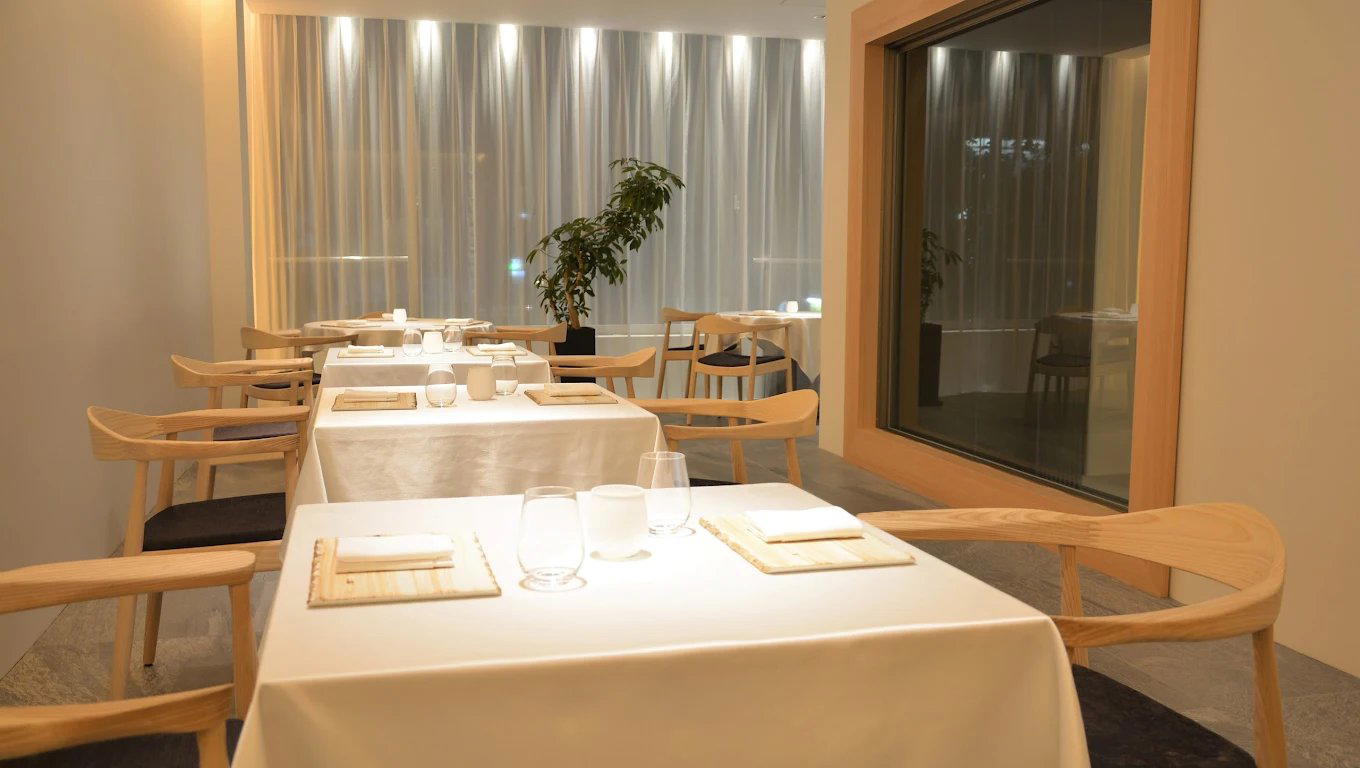
The room is small enough to make format a real part of the experience. Six counter seats put diners near the kitchen’s timing and sequence, while private rooms for small groups shift the evening toward conversation rather than observation. That split is common in serious Japanese restaurants outside Tokyo: the counter carries craft visibility, the private room carries social utility. Sekine’s 16-seat scale keeps both modes intimate, and it also explains why the restaurant reads as a planned evening rather than an impulsive stop.
Recognition by Tabelog’s Hyakumeiten program is not the same as a Michelin star, and it should not be read that way. Its value is different: it reflects a restaurant’s position within a highly granular Japanese user-review culture, where category depth often captures local reputation better than international award language. Selection for Japanese cuisine EAST in 2025, with previous selection history in 2023, gives the restaurant continuity rather than a single burst of attention.
How the recognition frames the meal
For travellers, the useful question is not whether Nagoya can compete with Tokyo or Kyoto on prestige. It can, but the terms are different. Nagoya’s strongest meals often reward specificity: a counter in a residential ward, a specialist room outside the hotel circuit, a restaurant whose reputation circulates among domestic diners before it reaches international itineraries. Sekine fits that pattern more convincingly than a high-visibility dining room designed for first-time visitors.
Within Nagoya, comparison also clarifies the decision. Sushi Yasuke sits in a lower price band and speaks to a different kind of Japanese meal; Ramen Suiren represents the city’s casual depth at a fraction of the spend; La Liliana shifts the conversation toward Italian dining in a similar mid-to-high occasion bracket. Chez Kobe and Kitchen Ribbon point to Nagoya’s long-running Western dining culture. Sekine occupies the Japanese-cuisine lane where recognition, small capacity, and a fish focus make the booking feel purposeful rather than casual.
The critical appeal is restraint. Nothing in the available public profile suggests a chef-driven personality cult, imported luxury narrative, or menu built for social media shorthand. The signals are more old-school: compact seating, non-smoking room, private spaces for two to six, credit-card acceptance, and a dinner-only rhythm after lunch service ended in 2021. Those details tell experienced diners what to expect: a formal Japanese meal calibrated for attention, not a room trying to explain itself loudly.
Where it belongs in a Nagoya itinerary
Sekine makes sense for travellers who have already covered Nagoya’s famous casual dishes and want a more controlled Japanese dinner. It is less suited to a loose night of grazing, a large group meal, or a last-minute plan around the station. The stronger use case is a dedicated evening in Showa-ku, especially for diners who value the social privacy of a small room or the concentration of counter seating.
For broader planning, place it alongside Our full Nagoya restaurants guide, then build the rest of the trip through Our full Nagoya hotels guide, Our full Nagoya bars guide, Our full Nagoya wineries guide, and Our full Nagoya experiences guide. Nearby editorial comparisons and wider Japan references include 1022, 451, Aaron, Alan., and All Day Dining Montmartre. For a wider reading list across Japanese and Japanese-adjacent dining, see -Grilled beef Sukiyaki- KAMAKURA TANUKIAN 鎌倉 たぬき庵 in Kamakura. 鮪と炭火焼き うお炭 秋葉原店 in Tokyo.cafe in Osaka.know in Kumamoto, (Shoku) Vietnam in Kawasaki, [Curry Senmon Ten] Maruyama Kyoju. in Sapporo, Jōdo Saké Bar in Los Angeles, and Onigiri Time in Pasadena.
The editorial read is clear: this is a Nagoya Japanese restaurant for diners who care about category credibility and room scale. The Tabelog 100 Japanese cuisine EAST recognition gives the meal a public reputation signal, but the better reason to go is the fit between fish-led cooking, small-seat discipline, and a neighbourhood setting that keeps the experience away from the city’s obvious dining routes.
A Pricing-First Comparison
Comparable venues at the same tier.
| Venue | Cuisine | Price | Notes |
|---|---|---|---|
| SekineThis venue — the venue you are viewing | Shōwa, Traditional Japanese Kaiseki | $$$$ | Not listed |
| Teppan Dining Shuu Sakae ten | Naka, Creative Wagyu Teppanyaki | $$$$ | Not listed |
| Kajikawa | Not listed | $$$$ | Chikusa, Seasonal Japanese Kaiseki Counter |
| Kusunoki | Nishi, Tempura Fine Dining | $$$$ | Not listed |
| Tomi Sushi | Naka, Seasonal Sushi Omakase | $$$$ | Not listed |
| ふじさわ | Chikusa, Modern Japanese Sushi | $$$$ | Not listed |
Recognition history
Dated appearances from independent guides and award organizations, with the underlying list record or original source where available.
Tabelog 100 #92 · No. 92
Tabelog · Tabelog 100 - Japanese cuisine - EAST - 2025
Continue exploring
More in Nagoya
Restaurants in Nagoya
Browse all →
At a Glance
- Intimate
- Elegant
- Quiet
- Sophisticated
- Special Occasion
- Date Night
- Business Dinner
- Celebration
- Standalone
- Private Dining
- Design Destination
- Sake Program
- Extensive Wine List
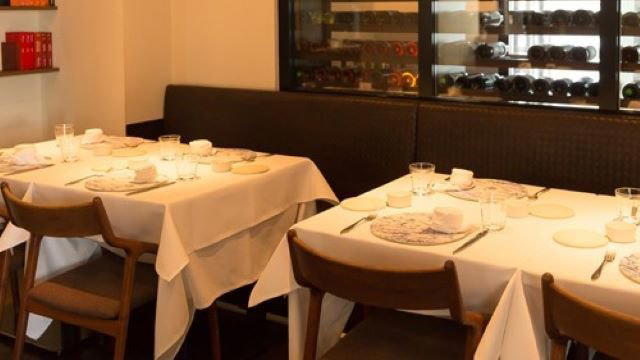
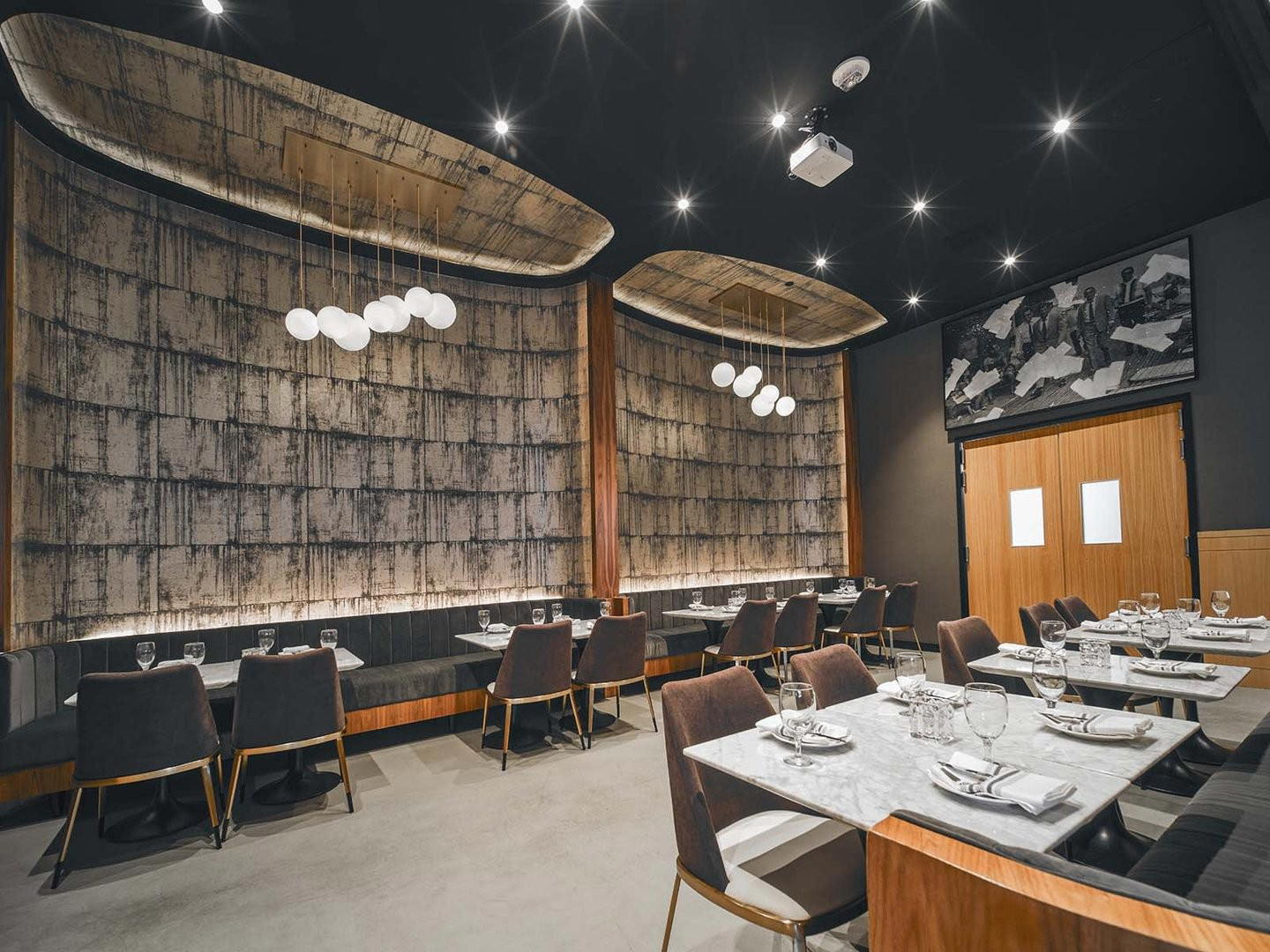
Calm and understated with a traditional Japanese aesthetic, limited seating at counter and small rooms, creating a quiet, refined atmosphere suited to focused appreciation of kaiseki cuisine.