Jan Breydelstraat 36 sits on one of Ghent's most storied medieval streets, placing it squarely within the city's dense concentration of independent dining. Ghent has built a reputation as Belgium's most culinarily adventurous city outside Brussels, and this address lands in the heart of that conversation. Details on cuisine, format, and booking are best confirmed directly with the venue.
Pearl is the En Primeur Club membership app — saves, bookings, and concierge access live there. Same editors, same standards.
- Address
- Jan Breydelstraat 36, 9000 Gent, Belgium
- Website
- maisonelza.be
- Directions
- Get directions
 Saves & bookings on Pearl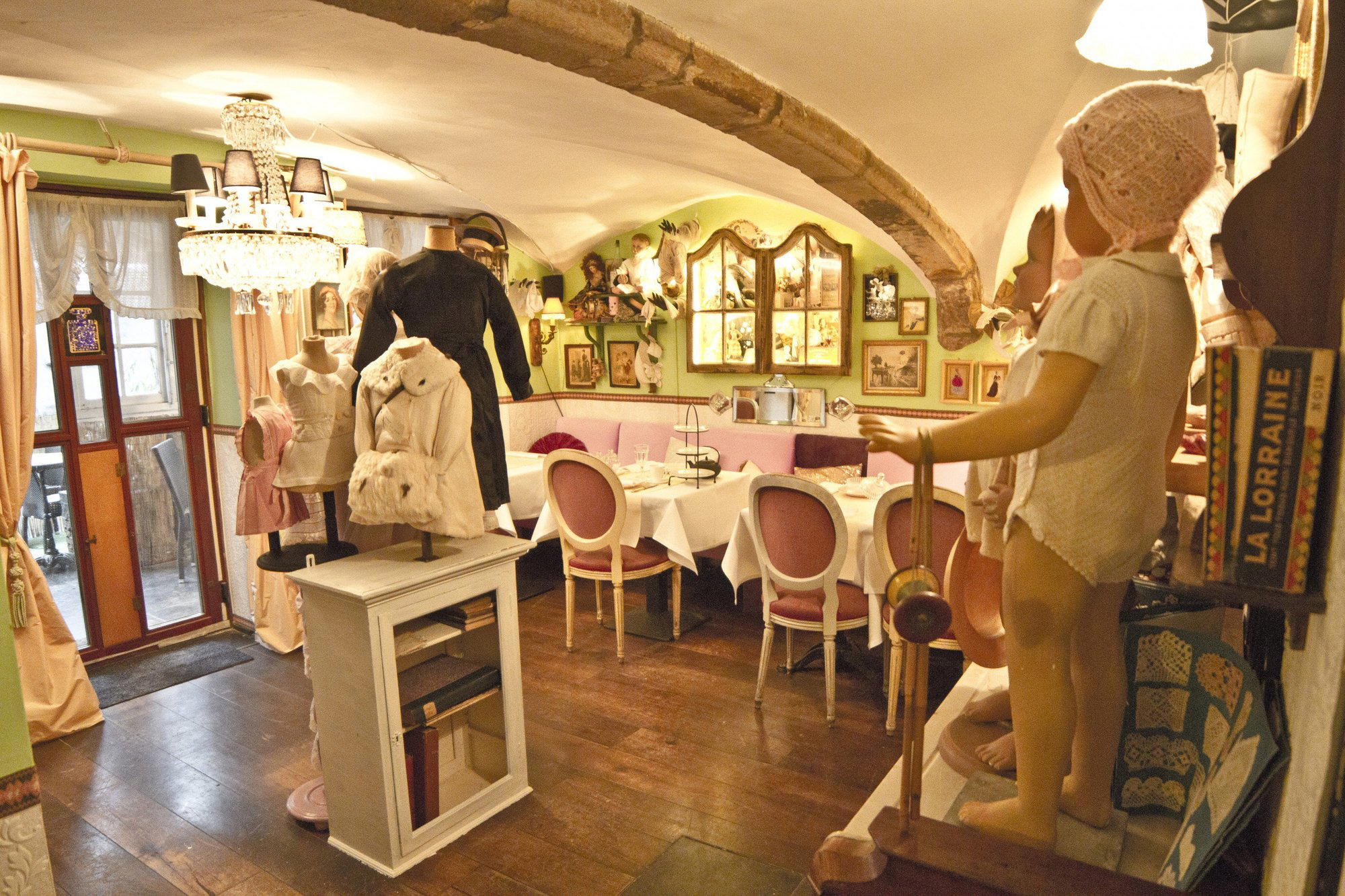
A Street That Sets the Standard
Jan Breydelstraat is not incidental to Ghent's dining identity — it is part of its spine. The street runs through the historic core of the city, a few minutes from the Graslei waterfront and the shadow of Sint-Baafskathedraal, in a neighbourhood where medieval stone and contemporary appetite coexist without friction. Addresses here sit inside Ghent's most concentrated zone of independent hospitality, where the density of serious kitchens per square kilometre rivals anything in Brussels or Bruges. That context matters when placing any venue at number 36: the street itself carries editorial weight before you've read a menu or spoken to staff.
Ghent has spent the better part of two decades cementing a reputation that its tourist numbers don't yet fully reflect. The city runs younger, more experimental, and less reliant on international prestige than Antwerp, and its dining community rewards that posture. Venues like Vrijmoed in Gent have demonstrated that Ghent can sustain serious, award-adjacent cooking without the scaffolding of grand hotel dining rooms or celebrity lineage. That is the peer environment into which Jan Breydelstraat 36 enters.
Belgian Culinary Roots and What They Demand
Belgium's kitchen tradition is one of Europe's most technically exacting and least internationally celebrated, which creates a specific kind of pressure on any address operating within it. French classical technique sits at the base, but the Flemish inflection — a preference for depth over elegance, for products sourced from the North Sea coast and the polders of Oost-Vlaanderen, produces something distinct from Parisian or Lyonnaise models. The grey shrimp from Ostend, the white asparagus from the Mechelen plain in spring, the waterzooi that defines Ghent's own culinary signature: these are not decorative references but structural ingredients in how Flemish tables have been set for centuries.
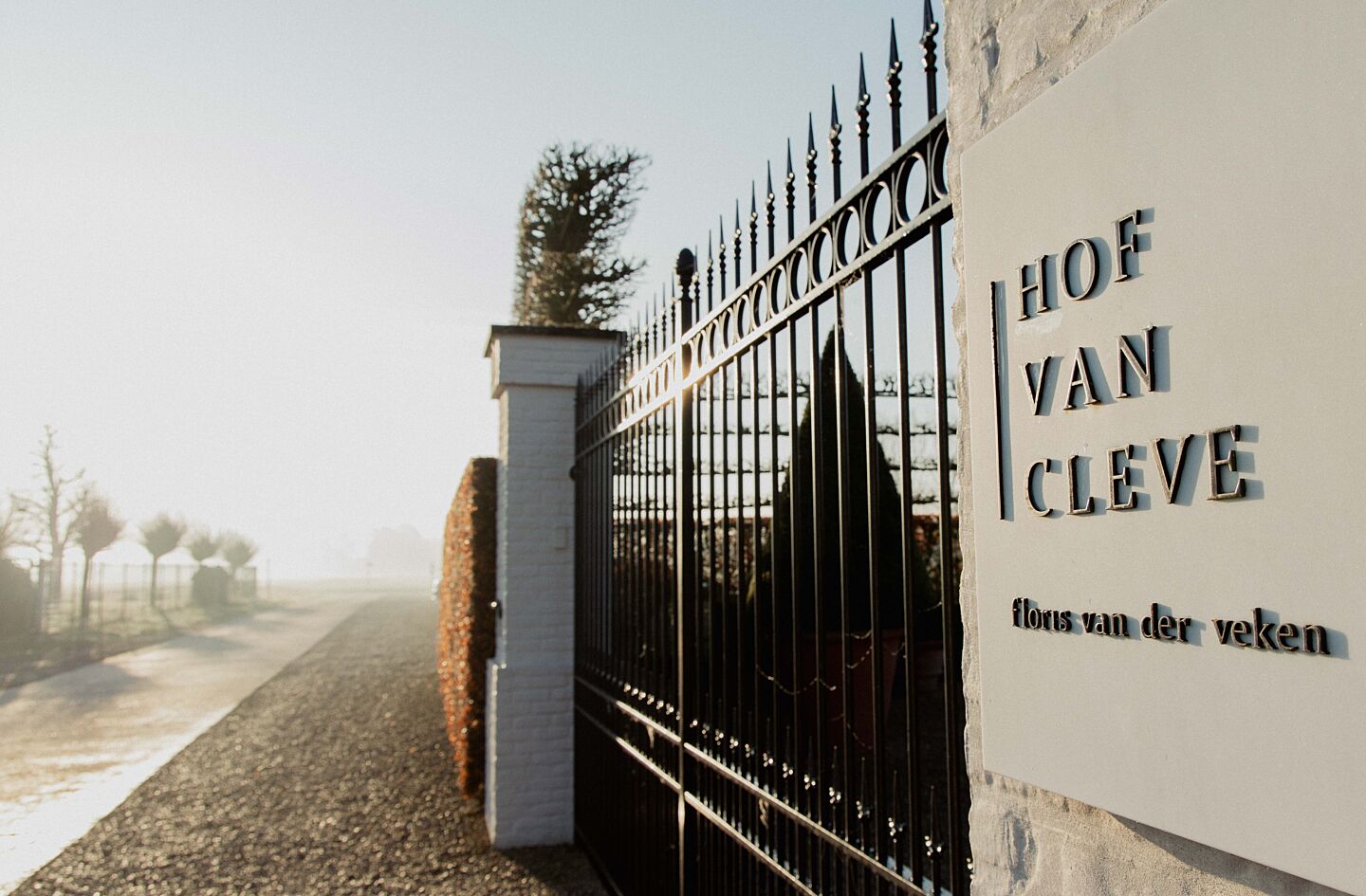
Ghent's waterzooi, a poached fish or chicken stew bound with cream and vegetables, historically associated with the city since at least the sixteenth century, functions as a kind of calibration point for visitors trying to read local culinary seriousness. Kitchens that engage with it honestly, rather than as a souvenir gesture, tend to signal a broader commitment to Flemish product and technique. Across Belgium, that same seriousness informs the country's outsized Michelin footprint: venues like Hof van Cleve - Floris Van Der Veken in Kruishoutem and Boury in Roeselare sit at the upper end of that tradition, while the broader Belgian scene supports a wide mid-tier of technically competent, produce-driven kitchens that rarely seek the international spotlight.
It is in that mid-tier, disciplined, locally anchored, often family-operated, where Ghent's most interesting daily dining happens. The city's independent operators have largely resisted the standardising pull of European casual-dining formats, keeping a specificity to the menu and the room that reflects where they actually are.
The Neighbourhood and Its Dining Peers
Ghent's historic centre operates as a relatively compact walking circuit, which means neighbourhood character accumulates quickly. The streets around Jan Breydelstraat sit adjacent to the canal system and the clusters of independent restaurants that have made Ghent an increasingly purposeful destination for Belgian urban food tourism. Other addresses across the city span a range of registers: Arbane and Astro Boy represent the city's appetite for format experimentation, while Beiruti and BABÚ reflect its openness to non-Flemish culinary traditions. BIJ DEN WIJZEN EN DEN ZOT BVBA occupies a longer-standing position in the local conversation. Together, these addresses map a city that has moved decisively beyond the tourist-menu model without abandoning the warmth that defines Flemish hospitality.
That warmth is worth naming as a structural element, not a soft descriptor. Ghent dining rooms tend to operate at a lower decibel level than Antwerp's more performative spaces, with service that skews knowledgeable rather than theatrical. The city's relationship with its own cooking is quietly confident rather than promotional, which gives first-time visitors the sense of landing somewhere that doesn't need to explain itself.
How Ghent Compares Within Belgium
Belgium's dining geography clusters around a handful of serious cities and a surprising number of destination-grade rural addresses. Zilte in Antwerp anchors the country's second city at the high end, while Bozar Restaurant in Brussels connects fine dining to the capital's cultural infrastructure. Coastal Flanders contributes its own strand through addresses like Willem Hiele in Oudenburg, whose foraging and fermentation work has drawn international attention. Ghent sits slightly apart from all of these models: too urban for the rural-destination framing, too independent-minded for the Brussels institutional register, and too focused on daily eating to position itself primarily as a tasting-menu city.
That positioning makes it a different kind of destination. Visitors who arrive expecting the choreography of a Flemish three-star will find something more varied and, on many evenings, more alive. The city's leading addresses reward multiple visits across a trip rather than a single ceremonial dinner. For context on how Belgium's wider fine-dining tier is structured, La Durée in Izegem, Cuchara in Lommel, Ralf Berendsen in Neerharen, and d'Eugénie à Emilie in Baudour each illustrate how seriously Belgian regions outside the major cities pursue kitchen craft. Internationally, the disciplined produce focus that defines Flemish cooking finds analogues in the market-driven tasting formats at Le Bernardin in New York City and the community-anchored approach of Lazy Bear in San Francisco, different contexts, but a shared seriousness about sourcing and technique.
Planning a Visit
Jan Breydelstraat 36 is located in the historic centre of Ghent, walkable from the main tourist and transport nodes of the city. Ghent-Sint-Pieters station connects to Brussels in under 30 minutes by intercity train, making the city a plausible day-trip destination as well as an overnight one. As with most independent addresses in the city centre, contacting the venue directly is the most reliable route to current hours, pricing, and reservation availability, as these details are not available through third-party listings at the time of writing. For a broader map of where Jan Breydelstraat 36 sits within Ghent's dining options, the full Ghent restaurants guide provides neighbourhood-level orientation across price tiers and cuisine types.
How Jan Breydelstraat 36 Ghent compares with similar nearby venues.
| Venue | Cuisine | Price |
|---|---|---|
| Oak Gent | Modern European | €€€€ |

At a Glance
- Cozy
- Whimsical
- Elegant
- Intimate
- Date Night
- Special Occasion
- Brunch
- Terrace
- Local Sourcing
- Street Scene
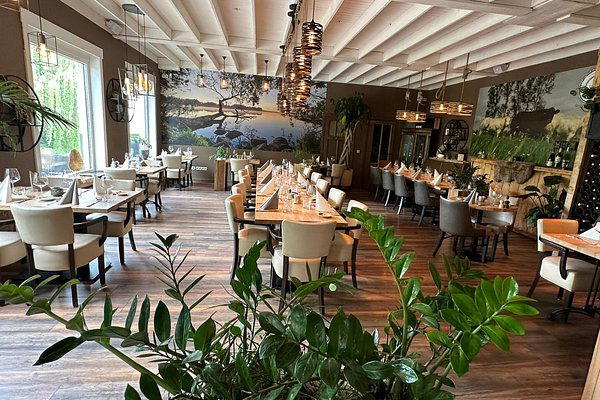
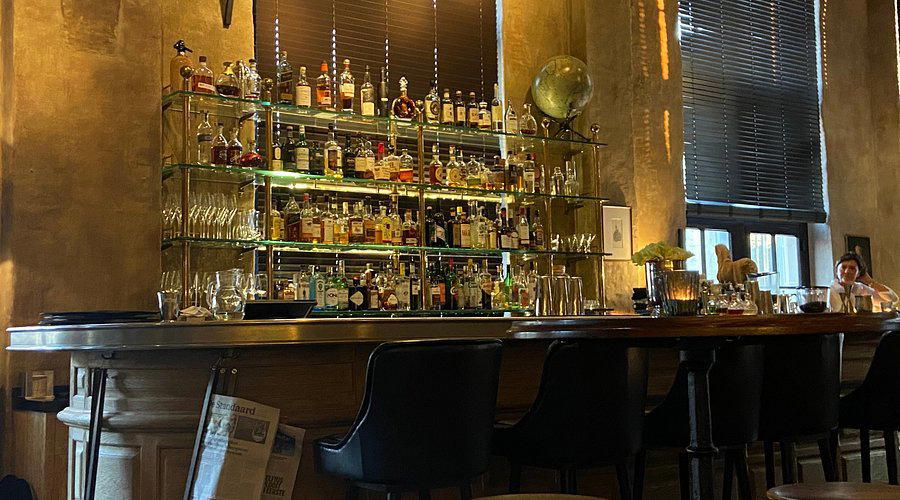
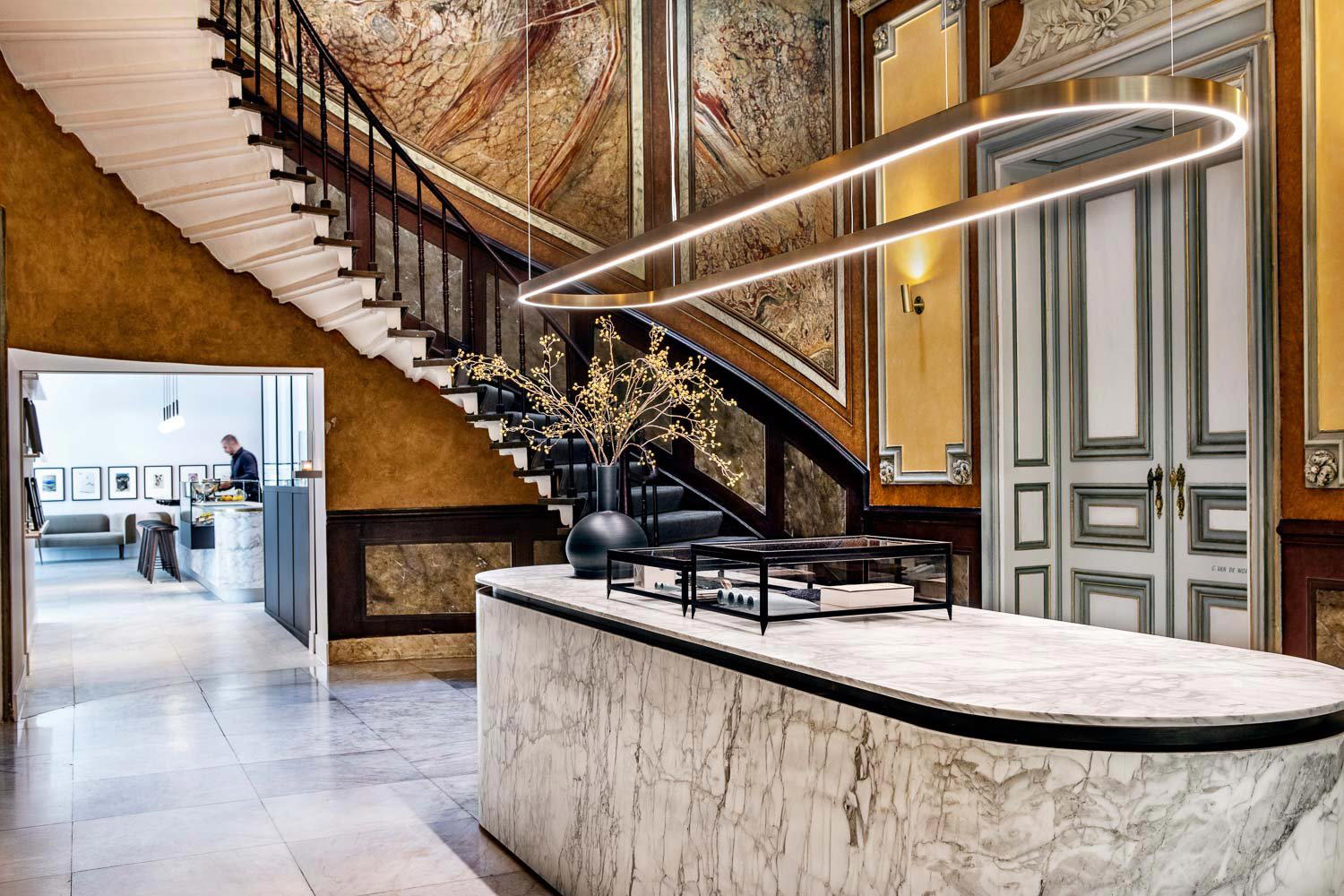
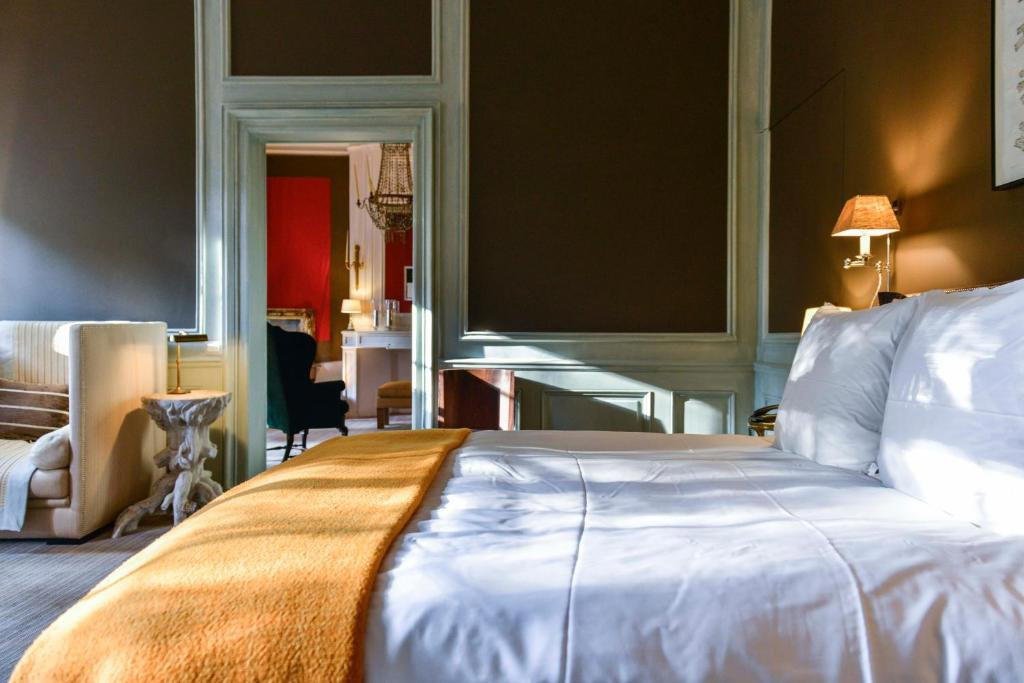
Cozy, quirky living-room-like interior with individually mismatched furniture, warm lighting, and an eccentric, personality-filled atmosphere.
Know Before You Go
- Getting there
- Jan Breydelstraat 36, 9000 Gent, Belgium