Restaurant De Graslei occupies one of Ghent's most historically charged addresses, with the medieval Graslei quayside forming its immediate backdrop. The restaurant sits within a dining scene that has grown steadily more ambitious over the past decade, making it a reference point for visitors orienting themselves around the city's evolving restaurant culture. Book ahead and arrive with time to take in the waterfront setting before your meal.
Pearl is the En Primeur Club membership app — saves, bookings, and concierge access live there. Same editors, same standards.
- Address
- Graslei 7, 9000 Gent, Belgium
- Phone
- +32 9 225 51 47
- Website
- restaurantdegraslei.be
- Directions
- Get directions
 Saves & bookings on Pearl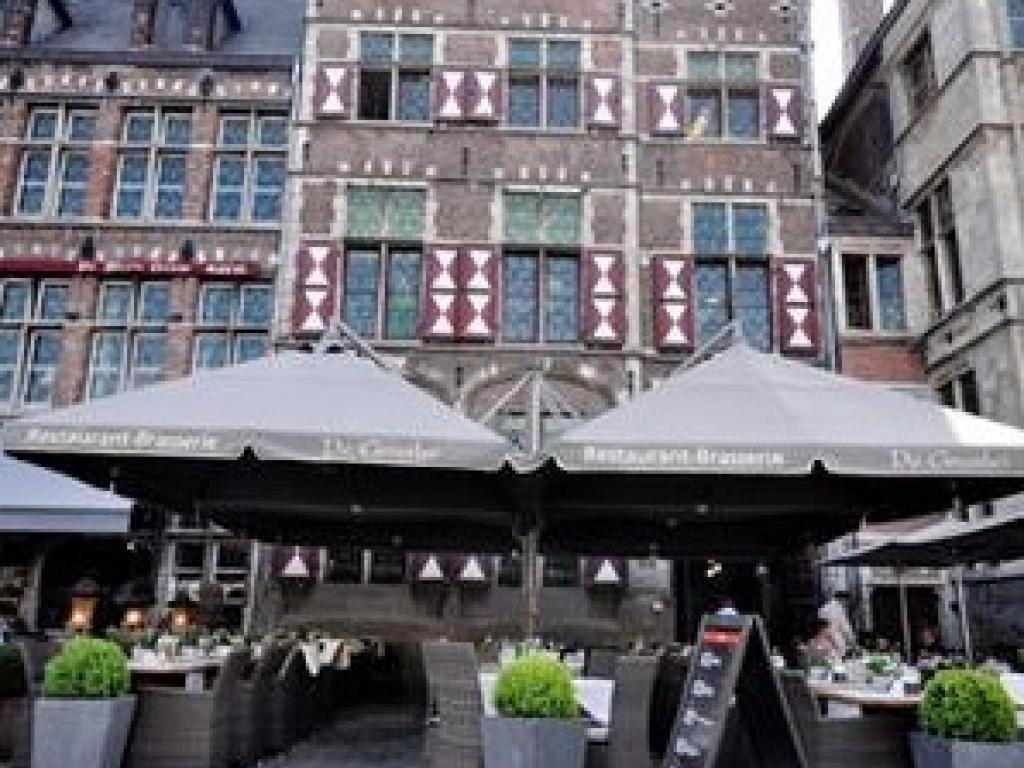
The Graslei Setting and What It Signals
Few addresses in Belgium carry as much visual weight as Graslei 7. The Graslei quayside in Ghent is one of the best-preserved medieval waterfronts in northern Europe: a continuous row of guild houses dating from the 12th to 17th centuries, their stepped gable facades reflected in the Leie river below. Arriving here by foot from the Korenmarkt, the transition from contemporary city noise to something slower and more architectural is abrupt in the leading way. The cobblestones, the scale of the buildings, and the angle of light off the water in the late afternoon create conditions that few dining rooms elsewhere in Belgium can replicate simply by opening their doors.
Restaurant De Graslei occupies a position within this streetscape that places it immediately in conversation with one of the most-visited stretches of Flemish urban heritage. That geographic fact shapes the experience before any food arrives. In cities like Ghent, where tourism has intensified significantly since the early 2010s, waterfront real estate of this calibre tends to attract two types of operator: those capitalising on foot traffic with little regard for culinary seriousness, and those using the setting as a platform for something more considered. Identifying which category a venue falls into requires attention to the details beyond the view.
Ghent's Restaurant Scene as Context
Ghent has developed one of Belgium's more interesting mid-to-fine dining ecosystems in recent years, distinct from both Brussels' more formal institutional register and Antwerp's design-led, fashion-adjacent restaurant culture. The city draws on Flemish culinary tradition while absorbing influences from its large student population and a growing cohort of younger chefs who trained elsewhere before returning. Venues like Arbane, Astro Boy, and BABÚ illustrate the range: from produce-driven contemporary cooking to formats that blend Asian influences with local sourcing. Beiruti and BIJ DEN WIJZEN EN DEN ZOT BVBA add further texture to a scene that rewards exploration beyond the obvious tourist corridors.
Belgium's broader fine dining geography is anchored by institutions like Hof van Cleve - Floris Van Der Veken in Kruishoutem, Boury in Roeselare, and Zilte in Antwerp, each operating at the level where international comparisons become relevant. Coastal expressions of Flemish produce-driven cooking appear at Willem Hiele in Oudenburg and Bartholomeus in Heist, while Castor in Beveren and De Jonkman in Sint-Kruis represent the regional depth that makes Flanders a serious destination for restaurant travel. Further afield, d'Eugénie à Emilie in Baudour and L'air du temps in Liernu extend that map into Wallonia. Against this backdrop, Ghent's waterfront restaurants occupy a specific niche: visible, accessible, and under pressure to perform at a level that justifies their position.
The Atmosphere of the Waterfront Table
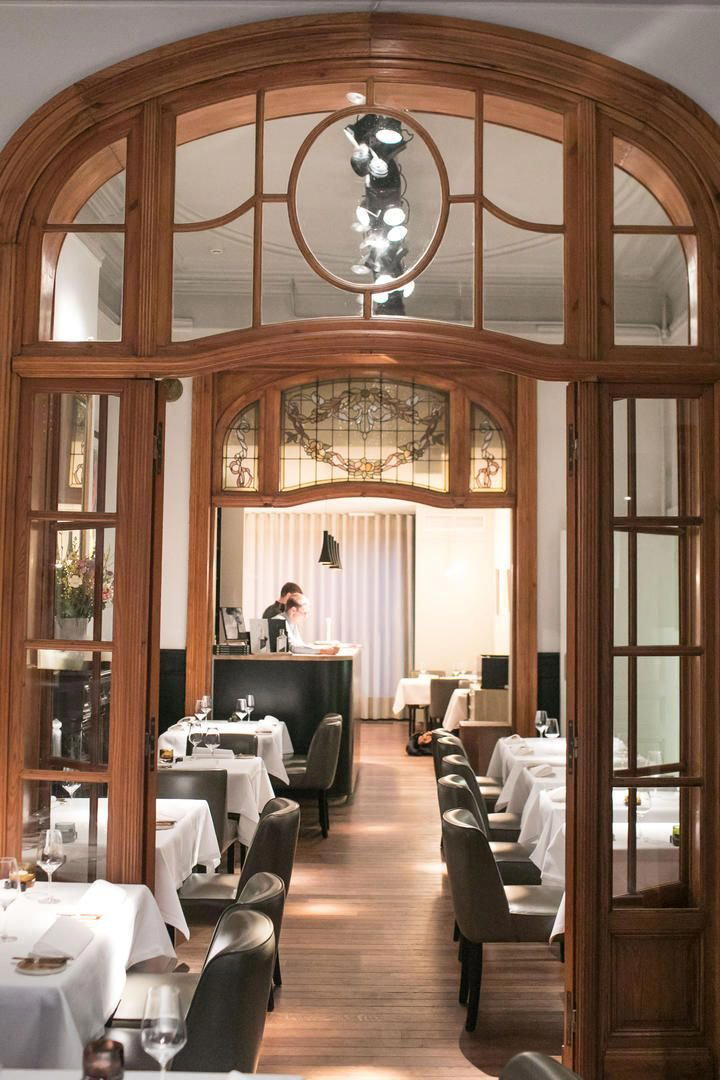
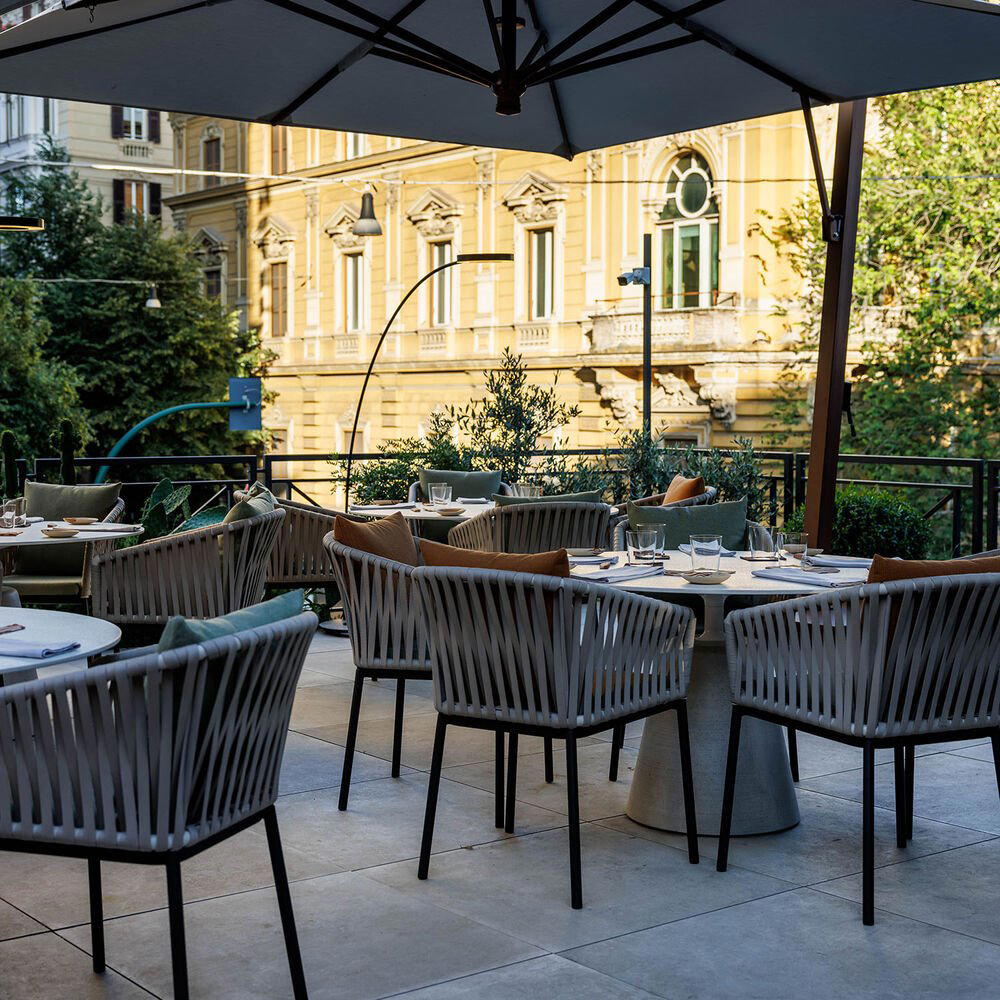
Eating along the Graslei is as much a spatial experience as a culinary one. The outdoor terraces that extend toward the water during warmer months operate in full view of the tourist boats moving along the Leie and the evening light that shifts across the guild house facades from gold to grey over the course of a meal. Inside, the architecture of buildings on this strip tends toward low ceilings, thick walls, and the kind of acoustic intimacy that makes conversation easy without requiring raised voices. The sound profile outdoors is different: the low hum of city tourism, occasionally punctuated by a passing boat or the clatter of a nearby terrace. Neither setting is neutral, and neither pretends to be.
For visitors comparing Ghent's waterfront dining to analogous scenes in Bruges or Brussels, the scale is noticeably more contained. The Graslei is shorter than it appears in photographs, and the concentration of restaurants along it means that the distinctions between individual venues become more meaningful, not less. A table here in July or August, when the city is busiest, is a materially different experience from one in October or March, when the tourist volume drops and the light turns cooler and more northern. Both have merit depending on what you are looking for.
Where De Graslei Sits in the City's Dining Order
Waterfront positioning in any European city creates a specific set of commercial pressures. High visibility and foot traffic tend to push operators toward volume, while the expectation of a premium setting creates some upward pressure on the experience. The restaurants that navigate this tension most effectively in cities like Ghent tend to be those with a clear identity that exists independent of the view. Whether De Graslei fits that profile is a question that requires direct experience, given the absence of detailed published data on the menu format, kitchen direction, or pricing structure.
What can be said with confidence is that the address itself carries authority. Graslei 7 is not a secondary street or a neighbourhood in transition — it is the most photographed stretch of the city, a UNESCO-adjacent zone of heritage concentration that draws visitors specifically for its visual density. A restaurant at that address is already making an implicit argument about its position in the city's hospitality offer. The kitchen's job is to make that argument credible.
For visitors building a Ghent itinerary around serious eating, the broader Belgian restaurant map is worth consulting. Bozar Restaurant in Brussels represents the capital's most architecturally significant dining room, operating within a different register entirely. International reference points like Le Bernardin in New York City and Atomix in New York City illustrate how the world's most discussed restaurants are built on consistency and specificity rather than setting alone. The lesson applies in Ghent as much as anywhere.
For a full orientation to what the city offers across price points and formats, the EP Club Ghent restaurants guide provides the wider map.
Planning a Visit
The Graslei is a ten-minute walk from Ghent-Sint-Pieters station, the city's main rail hub, which connects to Brussels in under thirty minutes and to Bruges in under twenty. The waterfront itself is pedestrianised along the quayside, making arrival on foot the most direct option from the city centre. Reservations for waterfront tables during peak summer months are advisable well in advance, as outdoor capacity along the Graslei fills quickly on dry evenings from May through September. The shoulder seasons — April and October, offer shorter booking windows alongside a noticeably different atmospheric register.

At a Glance
- Classic
- Elegant
- Cozy
- Scenic
- Date Night
- Casual Hangout
- Special Occasion
- Waterfront
- Terrace
- Historic Building
- Local Sourcing
- Waterfront
- Street Scene
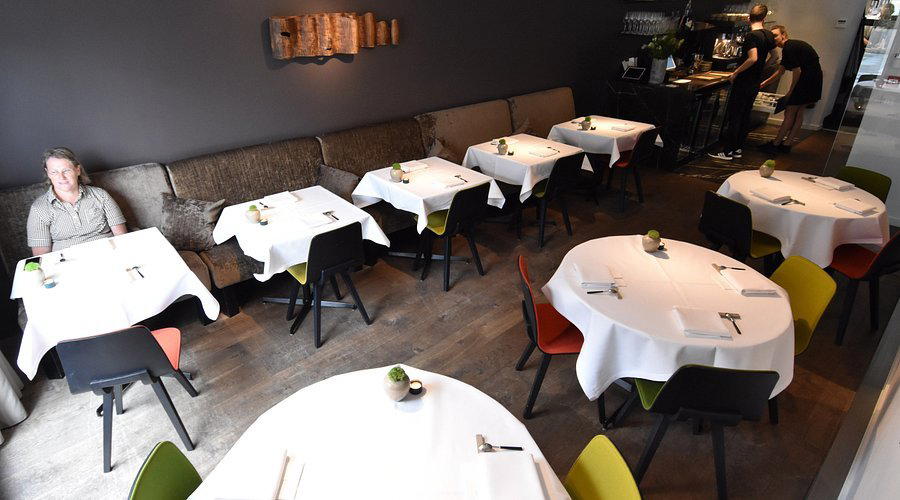
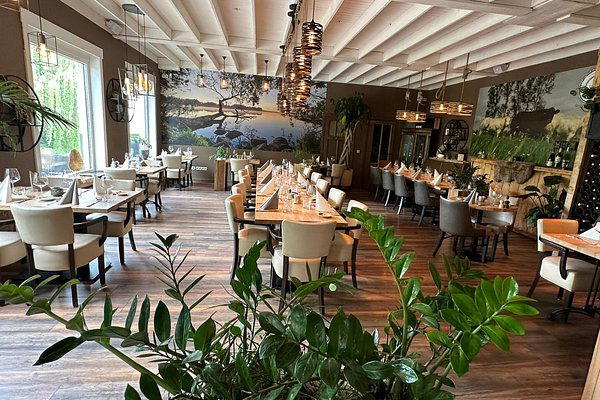
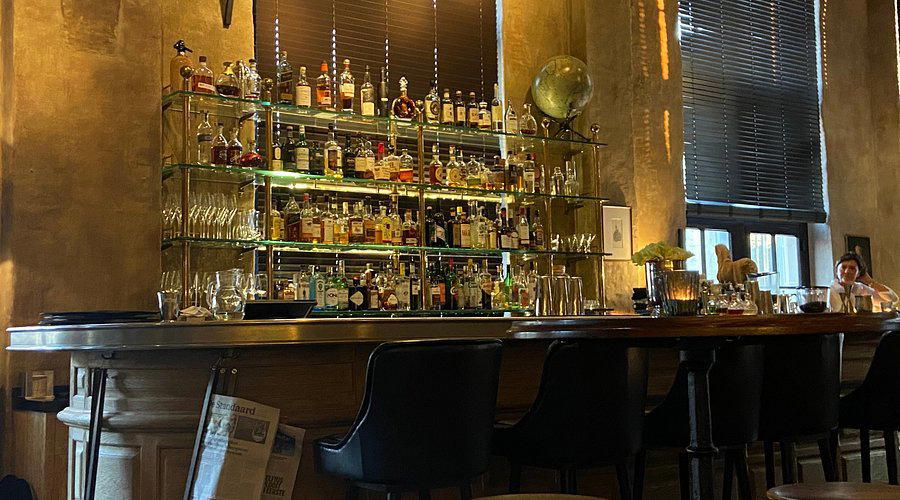
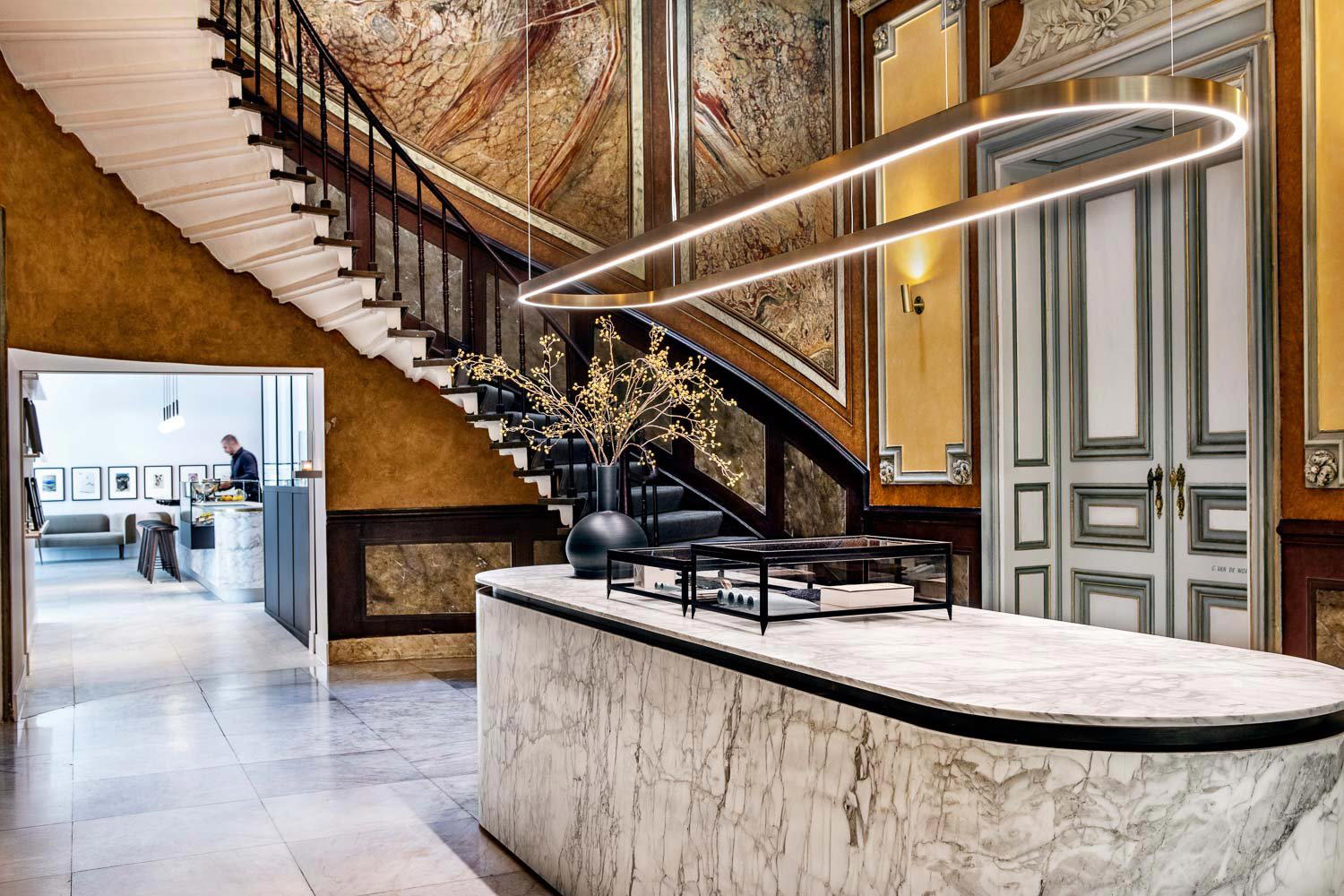
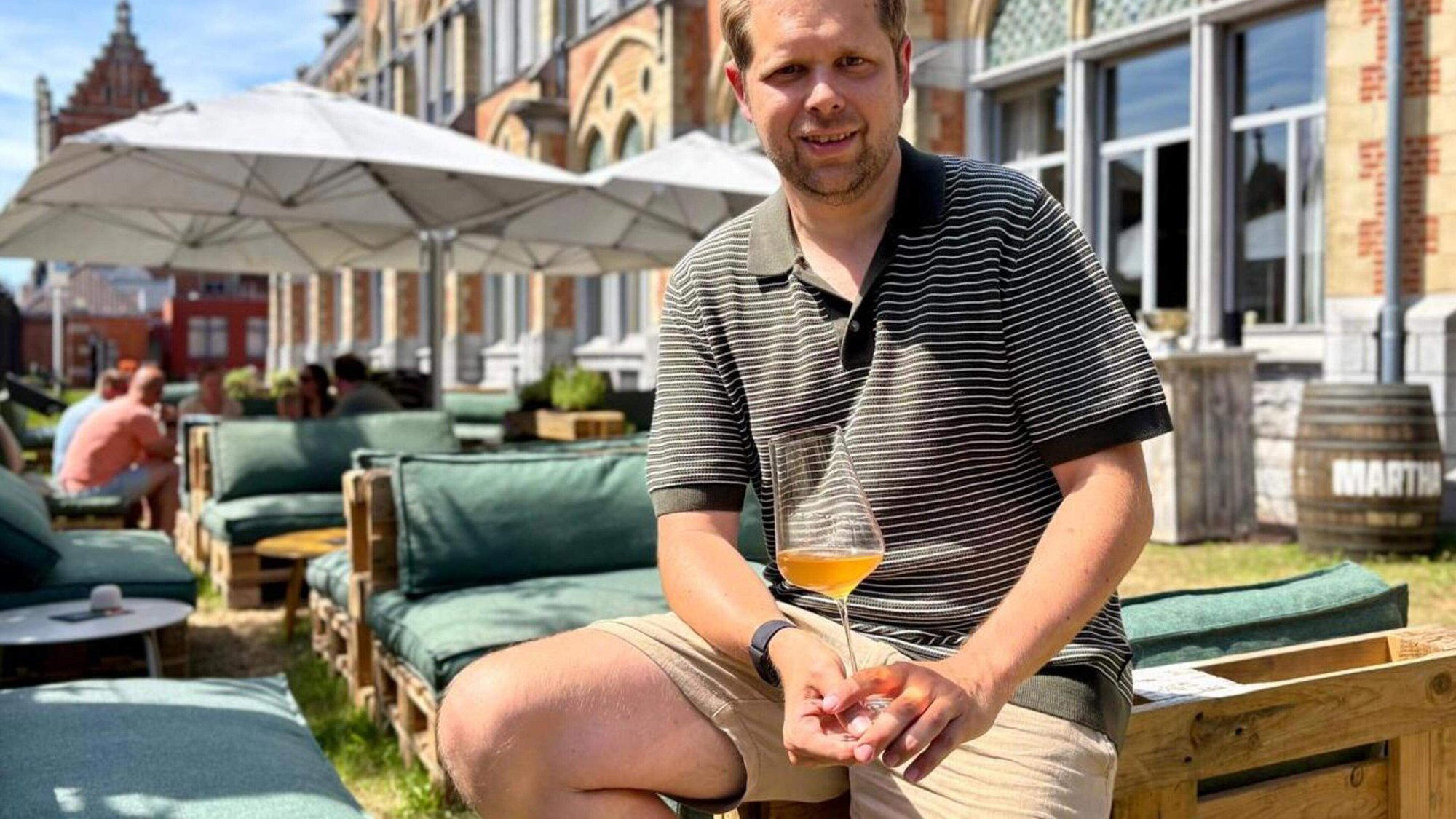
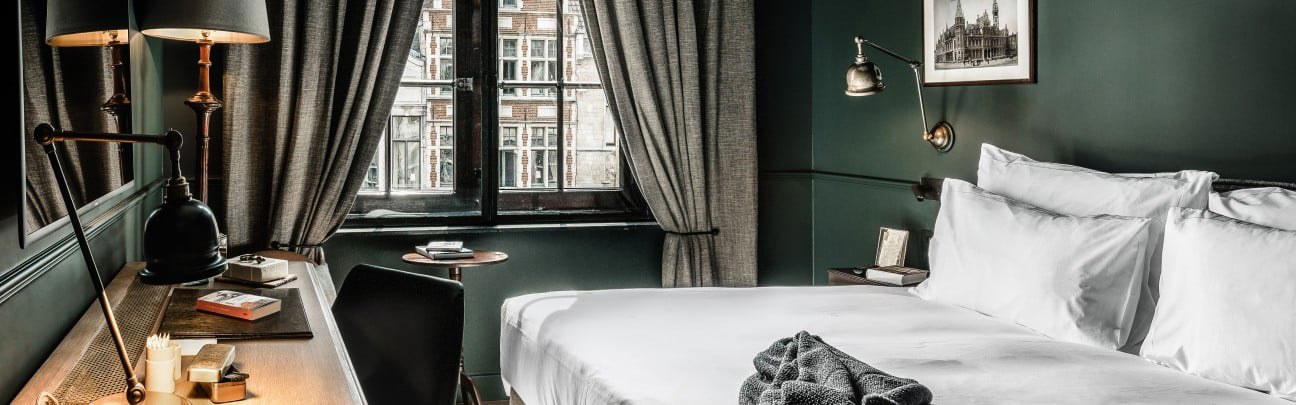
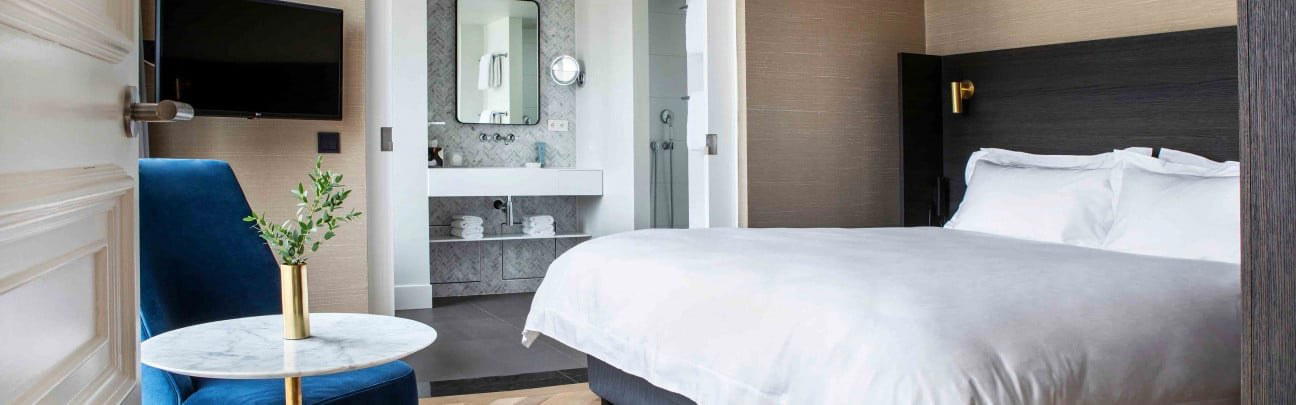
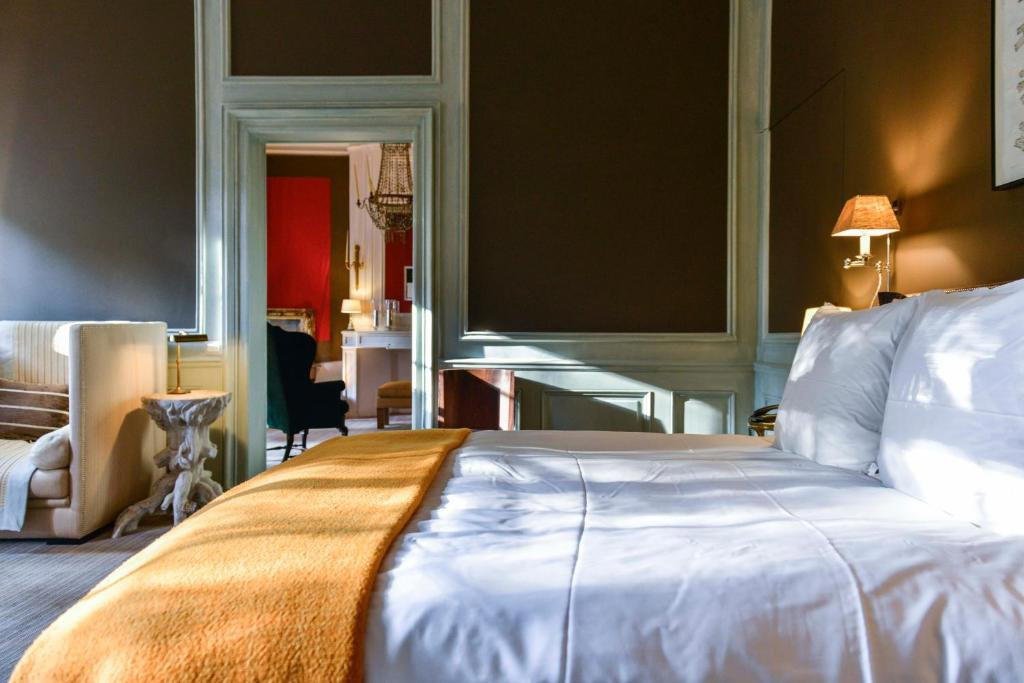
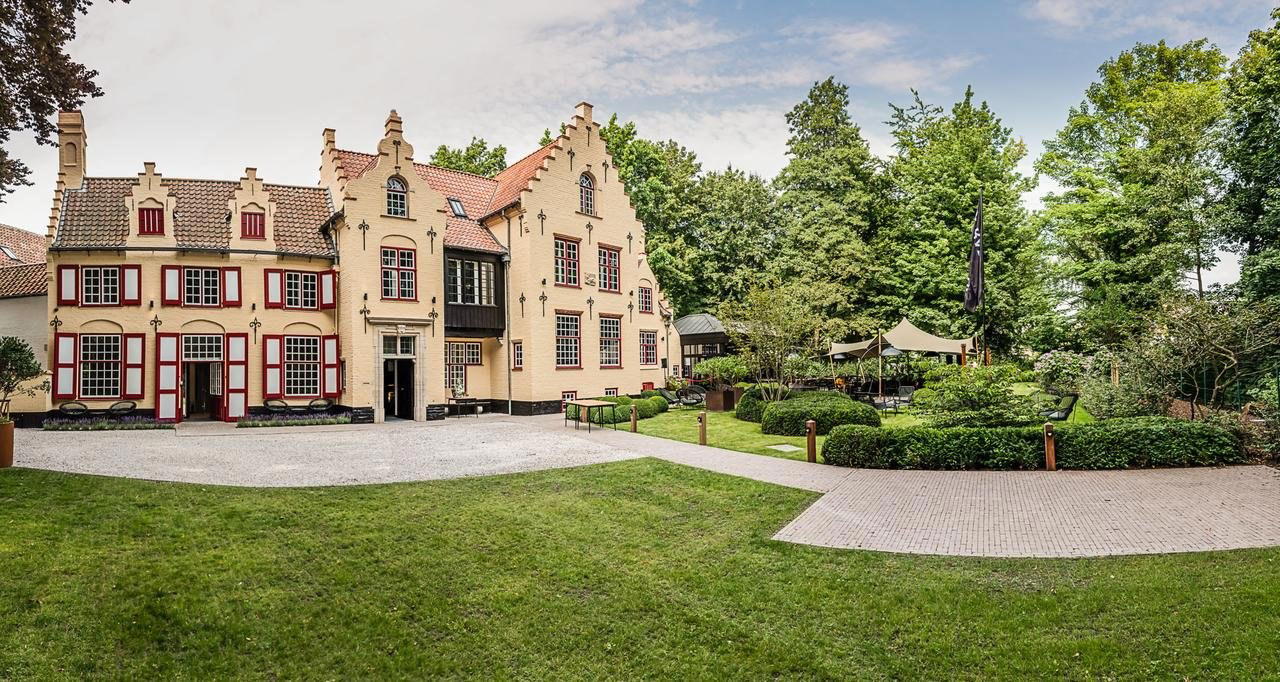
Cozy and elegant dining room with unstuffy atmosphere, terrace overlooking the kabbelende Leie river, and warm hospitable service.
Know Before You Go
- Getting there
- Graslei 7, 9000 Gent, Belgium