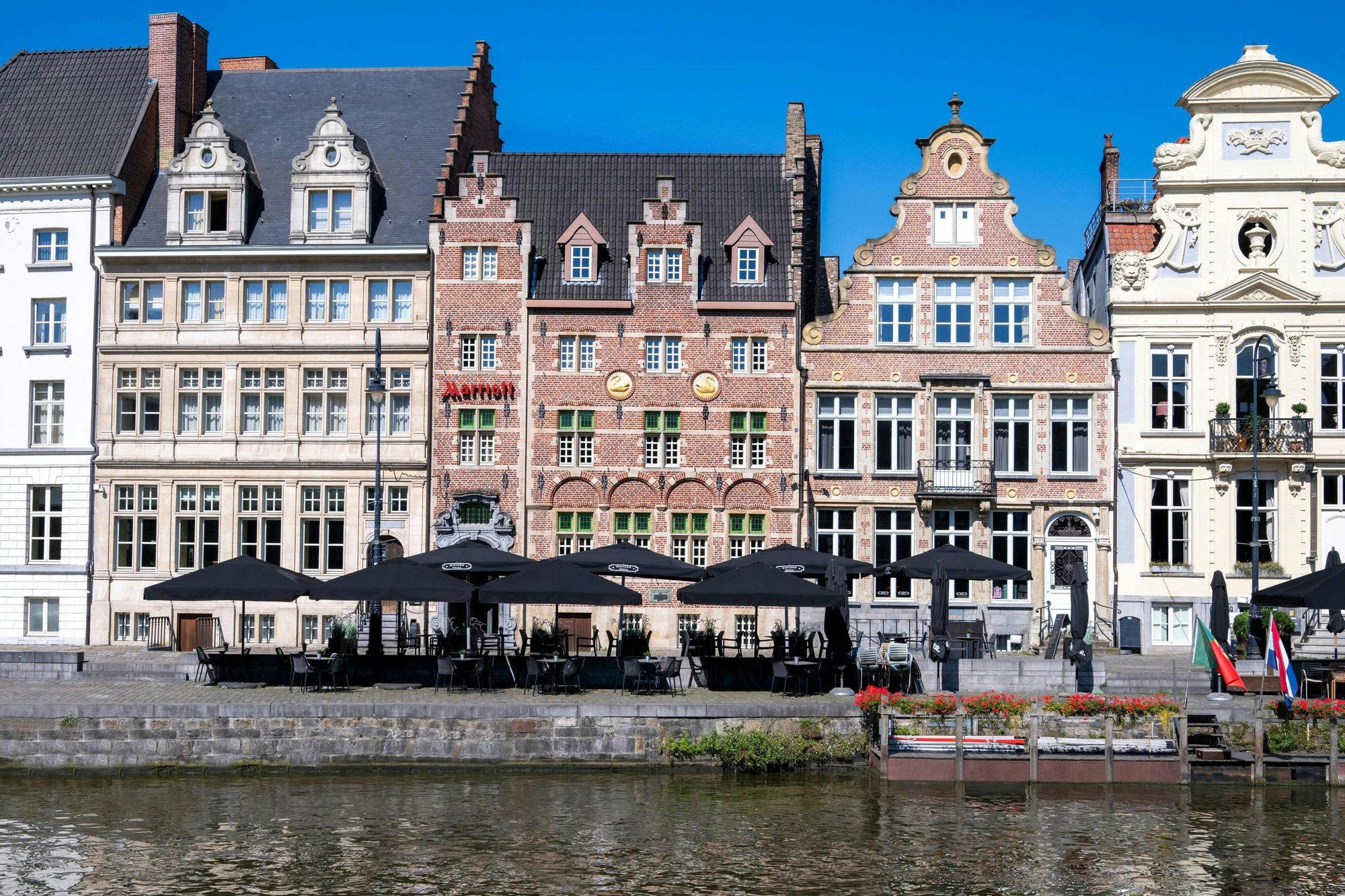
The Ghent Marriott occupies a central position in Drabstraat, placing it within walking distance of the Graslei waterfront and the city's medieval core. As a full-service Marriott property in one of Belgium's most visited canal cities, it serves as a practical base for both leisure and business travellers who want chain-hotel reliability alongside access to Ghent's independent dining and cultural scene.

Pearl is the En Primeur Club membership app, where members save venues, book tables and use the concierge.
Ghent's Hotel Tier and Where the Marriott Sits
Ghent has developed a hotel market that divides fairly cleanly between design-led independents and international chain properties. On one side sit places like 1898 The Post, which converted a former post office into one of the city's most architecturally arresting stays, and Pillows Grand Boutique Hotel Reylof Ghent, which trades on heritage interiors and a boutique sensibility. On the other, the Marriott occupies the reliable mid-to-upper tier that international loyalty programme travellers recognise immediately: consistent service standards, predictable room formats, and a location engineered for access rather than atmosphere. The B&B; The Verhaegen represents yet another cohort entirely, the intimate guesthouse tier where personality per square metre runs high. Understanding which tier you belong in as a traveller matters here, because Ghent rewards guests who engage with its street-level character, and your base affects how easily you do that.
The Marriott's address on Drabstraat, in the 9000 postal district, places it close to Ghent's historic centre. The Graslei and Korenlei canal quays, the cathedral of Sint-Baafs, and the Gravensteen castle are all reachable on foot in under fifteen minutes from this part of the city. That proximity to the medieval core is the property's clearest geographic advantage over out-of-centre options.
The Dining Question at a Chain Hotel in a City This Good
Belgium's hotel dining has historically lagged behind the country's independent restaurant culture, and Ghent makes that gap more visible than most Belgian cities. Ghent punches well above its population size in terms of restaurant quality, particularly in the plant-based and contemporary Flemish categories. The city's independent dining scene, which you can map through our full Ghent restaurants guide, reflects a culinary seriousness that tends to sit outside hotel walls rather than within them.
For a Marriott property in this context, the dining programme carries a particular significance: it either gives guests a credible reason to eat in-house, or it functions purely as a convenience option for early breakfasts and late arrivals. Without specific data on the Ghent Marriott's current restaurant or bar format, chef credentials, or menu positioning, it would be misleading to characterise the offering in detail. What the category generally suggests is a full-service hotel restaurant operating across breakfast, lunch, and dinner, likely with a menu that draws on Belgian staples without the specificity or sourcing rigour of the city's better independent tables. Travellers with a serious interest in Ghent's food scene will almost certainly eat out for dinner.
That is not a criticism specific to this property. It reflects a broader pattern across international chain hotels in Belgian cities: the loyalty infrastructure and booking systems are strong, but the culinary identity rarely competes with what the city itself produces. The same observation applies to comparable properties in Brussels, where hotels like the Radisson Collection Hotel, Grand Place Brussels and the Corinthia Grand Hotel Astoria Brussels carry more culinary ambition by virtue of scale and positioning, while mid-market chain properties in the same city function primarily as sleep-and-breakfast operations.
Belgium's Chain Hotel Market in Context
The broader Belgian hotel market has seen significant investment in the independent and design segments over the past decade. Properties like the Hotel Agora Brussels Grand Place, the Le Louise Hotel Brussels, and the Pantone Hotel Brussels each carve out distinct identities through design, neighbourhood positioning, or concept. In Antwerp, the Hotel Julien demonstrates what a carefully considered boutique property can achieve in a Belgian city with strong cultural infrastructure. Against this backdrop, chain properties compete primarily on reliability, loyalty points, and corporate rate structures rather than on experiential differentiation.
For travellers whose priority is points accumulation or corporate expense policy compliance, the Ghent Marriott serves that function competently. For travellers whose priority is immersion in Ghent's specific architectural and culinary character, the independent tier generally delivers more. Further afield in Belgium, properties like Domaine La Butte aux Bois in Lanaken and Kasteel van Ordingen in Sint-Truiden represent the country's estate hotel category, where the property itself is the destination. The Marriott operates in a different register entirely.
Planning a Stay: What to Consider
Ghent is most rewarding in spring and early autumn, when the city's canal-side terraces open and the medieval street network is navigable without summer crowd pressure. The Ghent Festivities, held each July, bring significant visitor volume and push accommodation prices upward across the city; booking several weeks in advance for that period is advisable regardless of property tier. For a standard leisure or business visit, the Marriott's central Drabstraat address means most of the city's key sites are walkable, reducing reliance on public transport.
Travellers considering Ghent as part of a wider Belgian circuit should note that the city sits roughly thirty minutes from Brussels by train and under an hour from Bruges, making it viable as either a standalone base or a day-trip destination. Brussels itself offers a wider range of hotel formats, from the Pestana Brussels Schuman in the EU quarter to the grand-scale Corinthia Grand Hotel Astoria, while Bruges provides a comparable medieval canal-city experience with its own distinct hotel tier, including Boutiquehotel 't Fraeyhuis.
For guests whose travels extend beyond Belgium, the Marriott brand connects to a global loyalty ecosystem. Those using the same trip to reach properties in other European capitals or further afield, such as the Aman Venice or the Cheval Blanc Paris, will find the Marriott sits in a fundamentally different competitive bracket, one defined by scale and consistency rather than singular design or culinary ambition.
Budget Reality Check
| Venue | Price | Awards |
|---|---|---|
| Ghent Marriott HotelThis venue (the venue you are viewing) | Not listed | Not listed |
| 1898 The Post | $100–200 | 1 Michelin Key · Mr & Mrs Smith Seal of Approval |
| Pillows Grand Boutique Hotel Reylof Ghent | $200–300 | 1 Michelin Key · Mr & Mrs Smith Seal of Approval |
| B&B The Verhaegen | $200–300 | Michelin Selected |
Continue exploring
More in Ghent
Hotels in Ghent
All hotels in Ghent →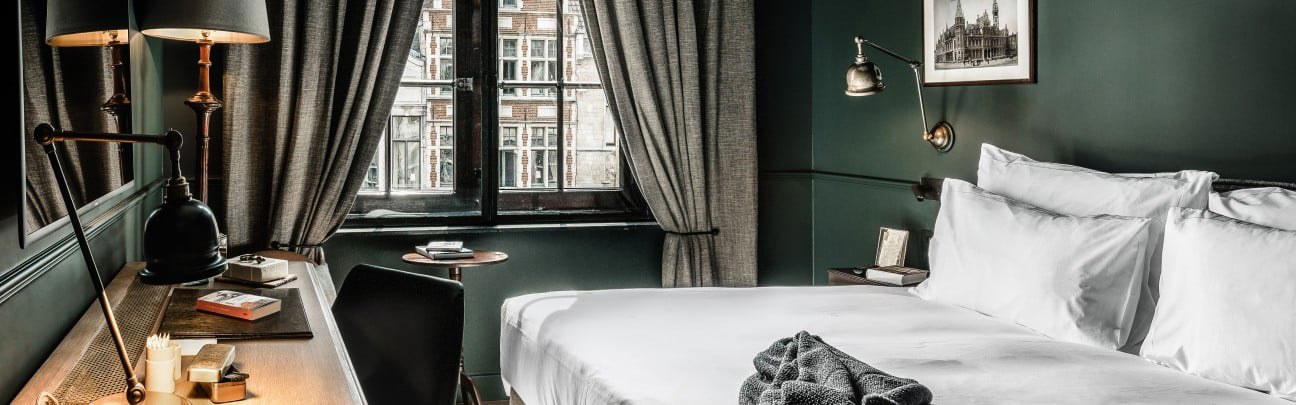

Details
- Modern
- Elegant
- Sophisticated
- Historic
- Scenic
- Romantic Getaway
- Business Trip
- Weekend Escape
- Waterfront
- Historic Building
- Panoramic View
- Wi Fi
- Room Service
- Concierge
- Fitness Center
- Waterfront
- Skyline
- Elevator
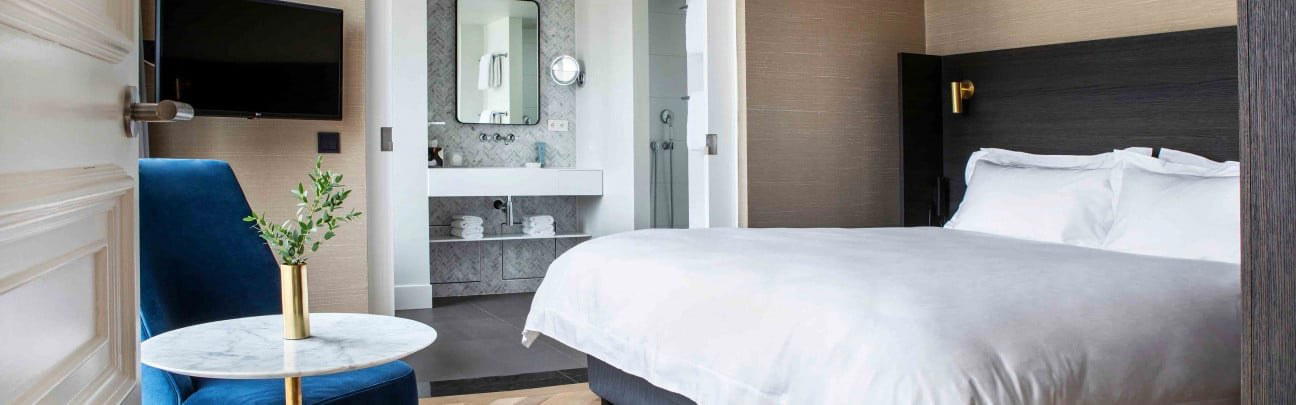
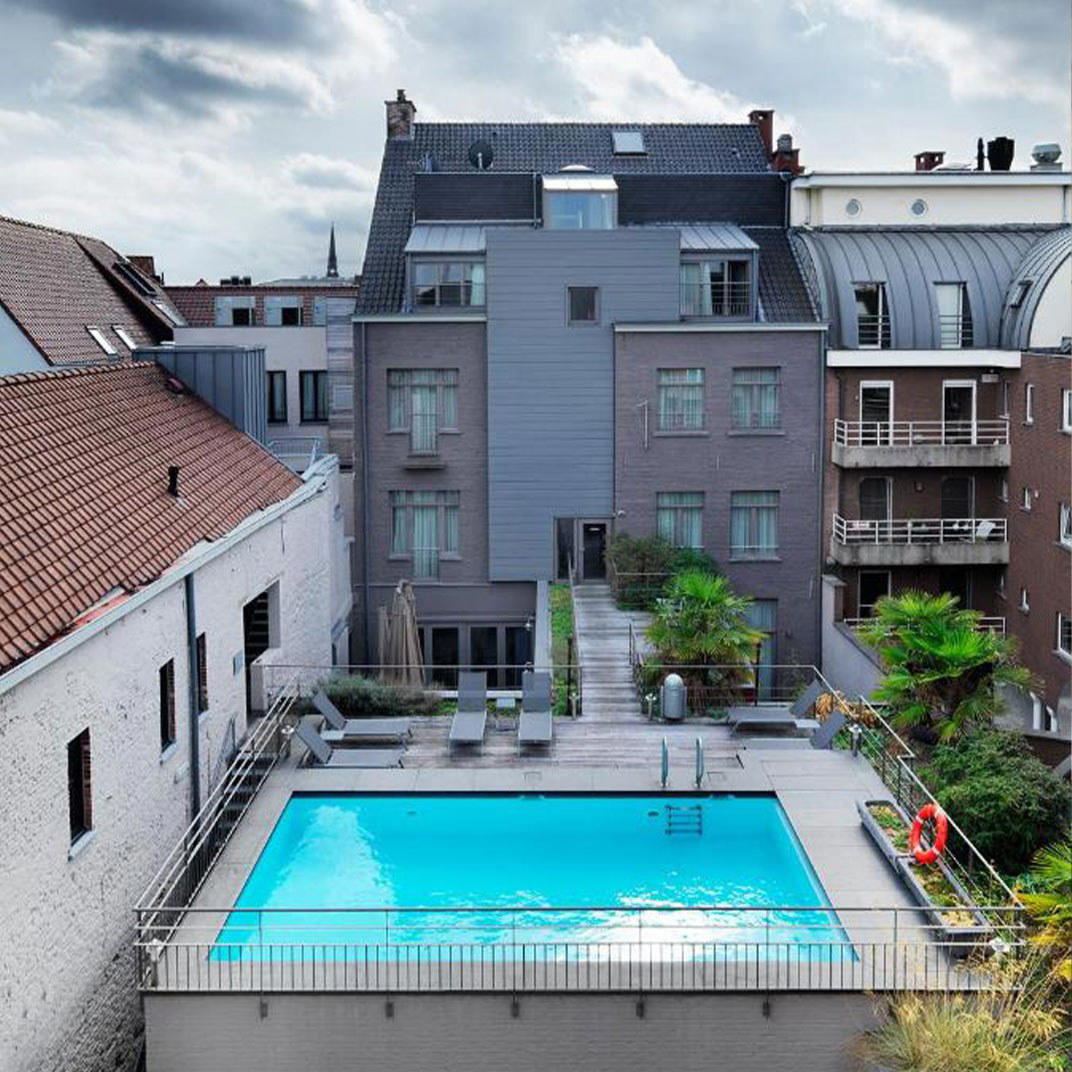
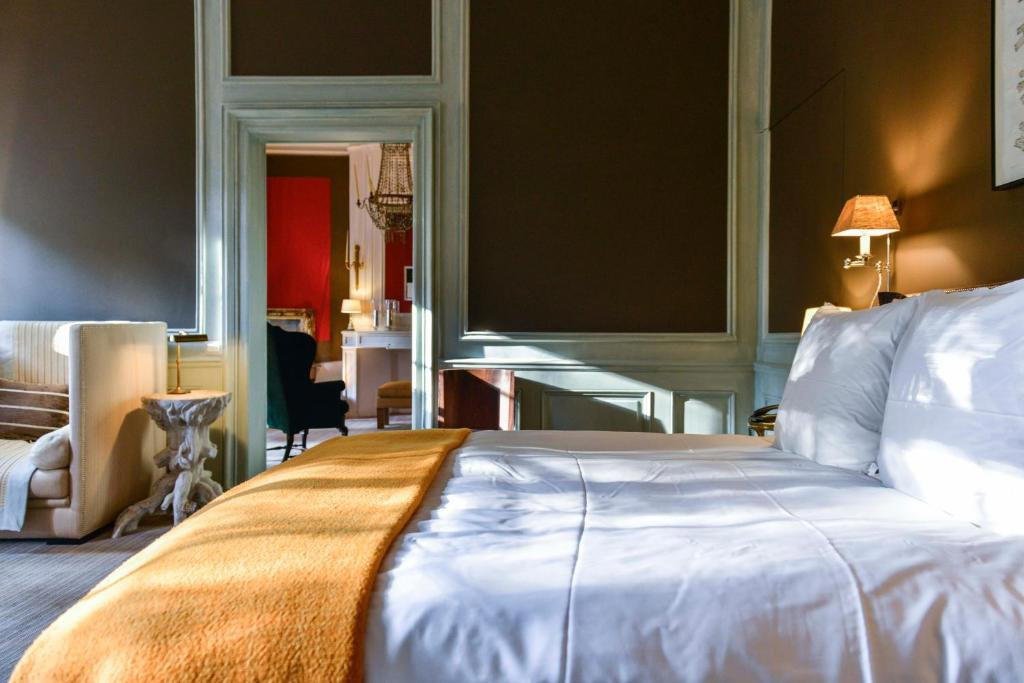
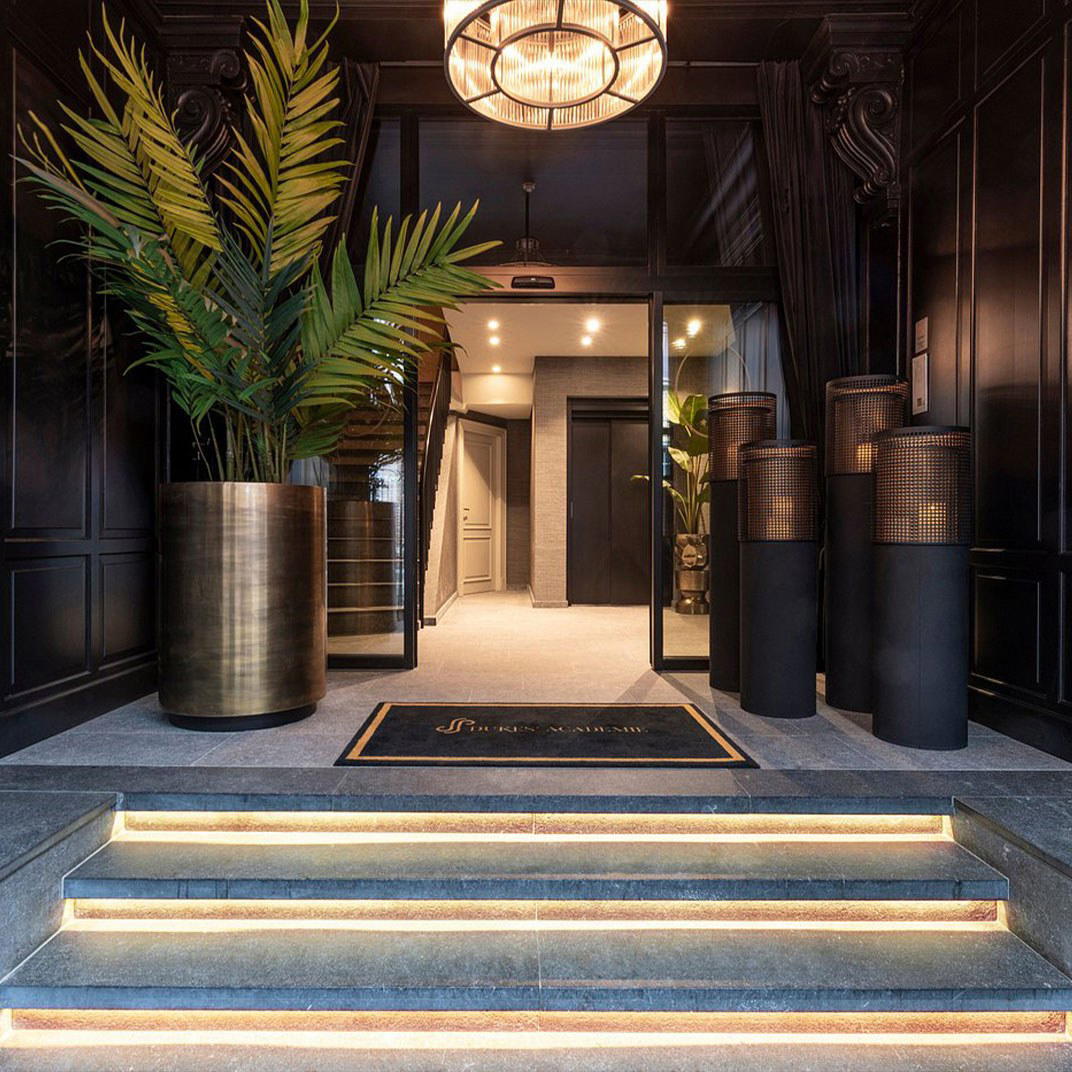
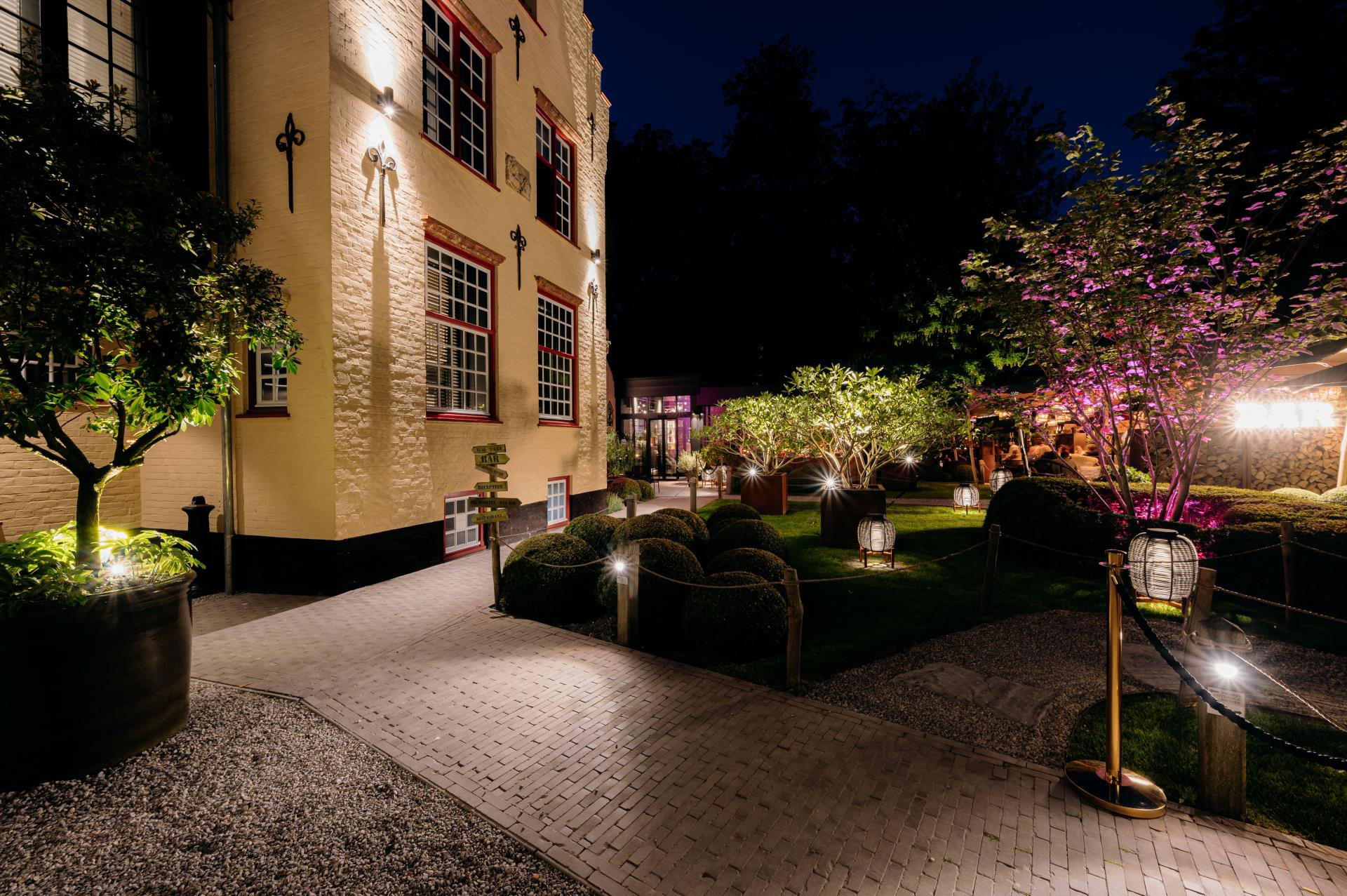
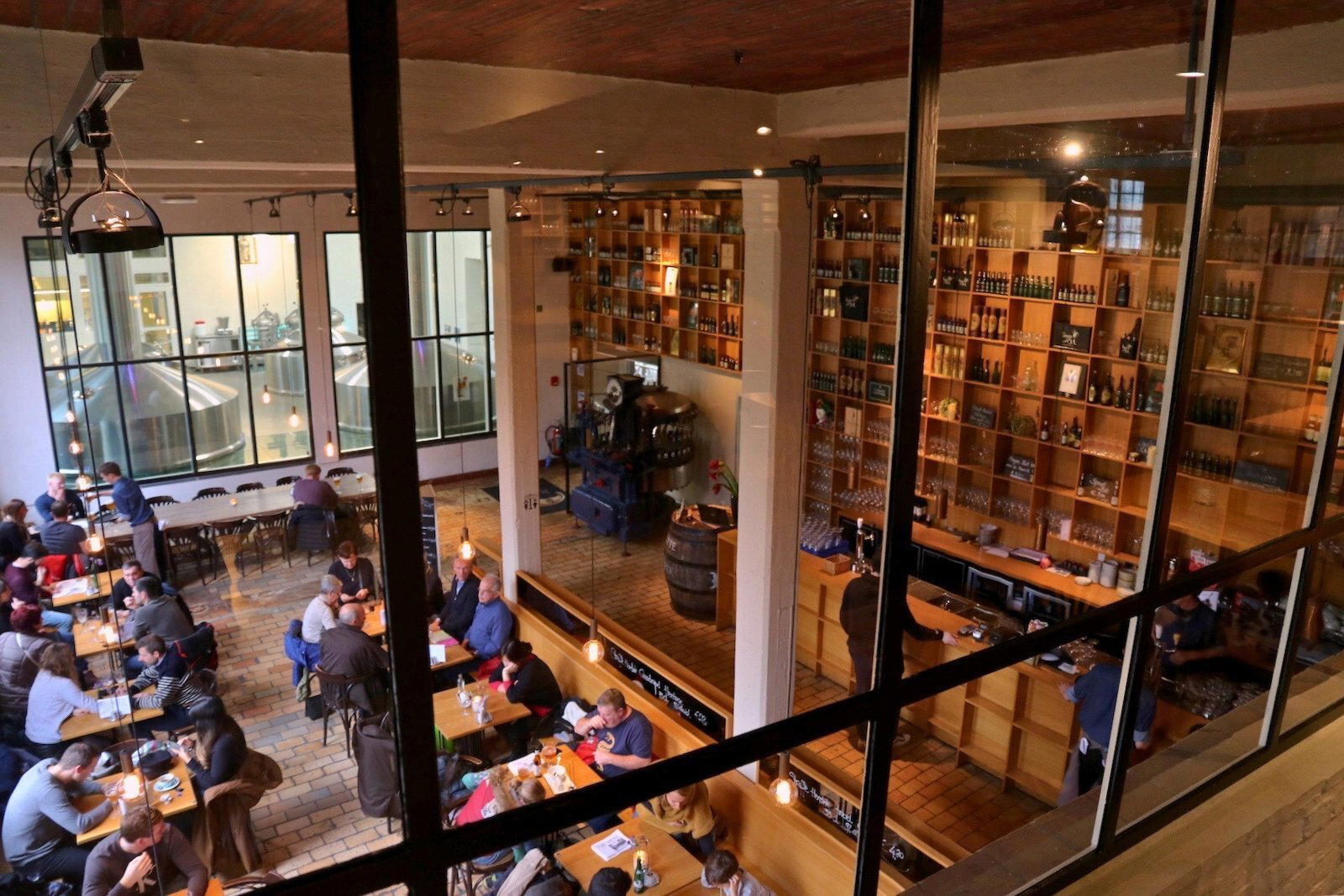
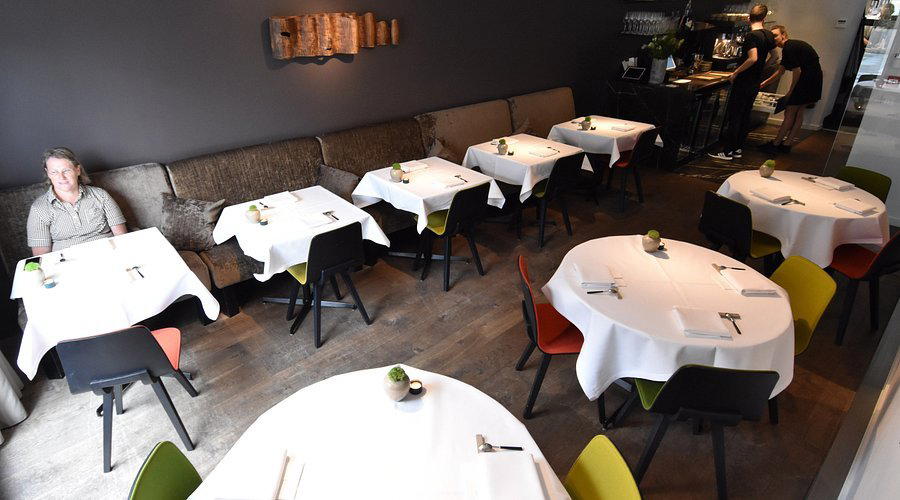
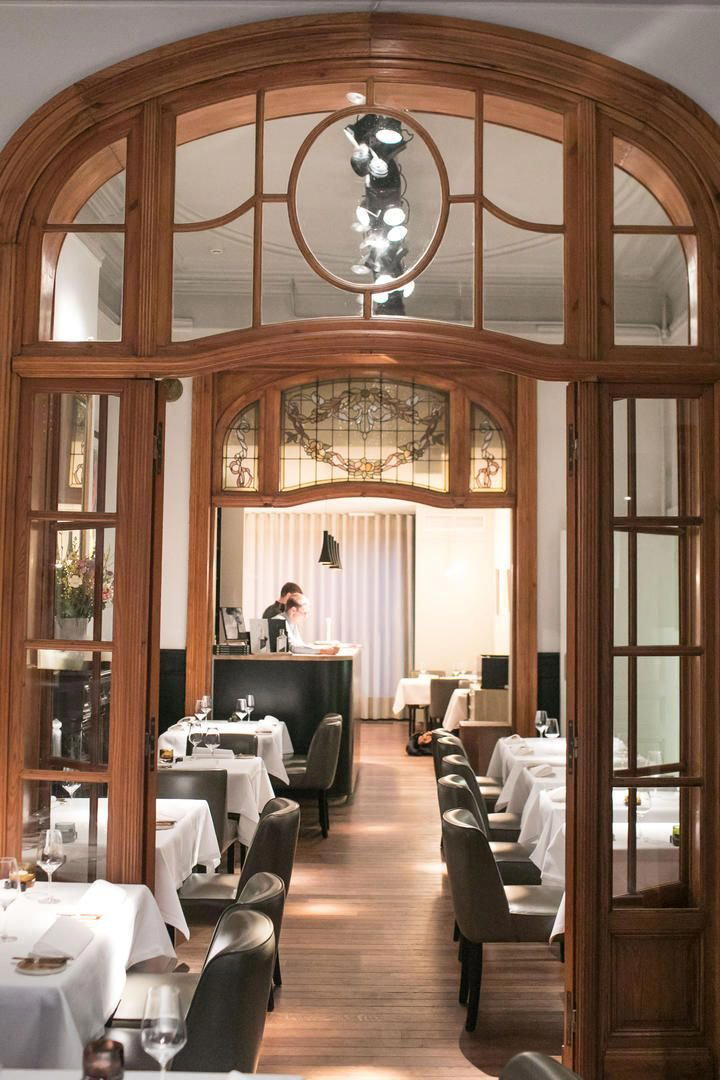
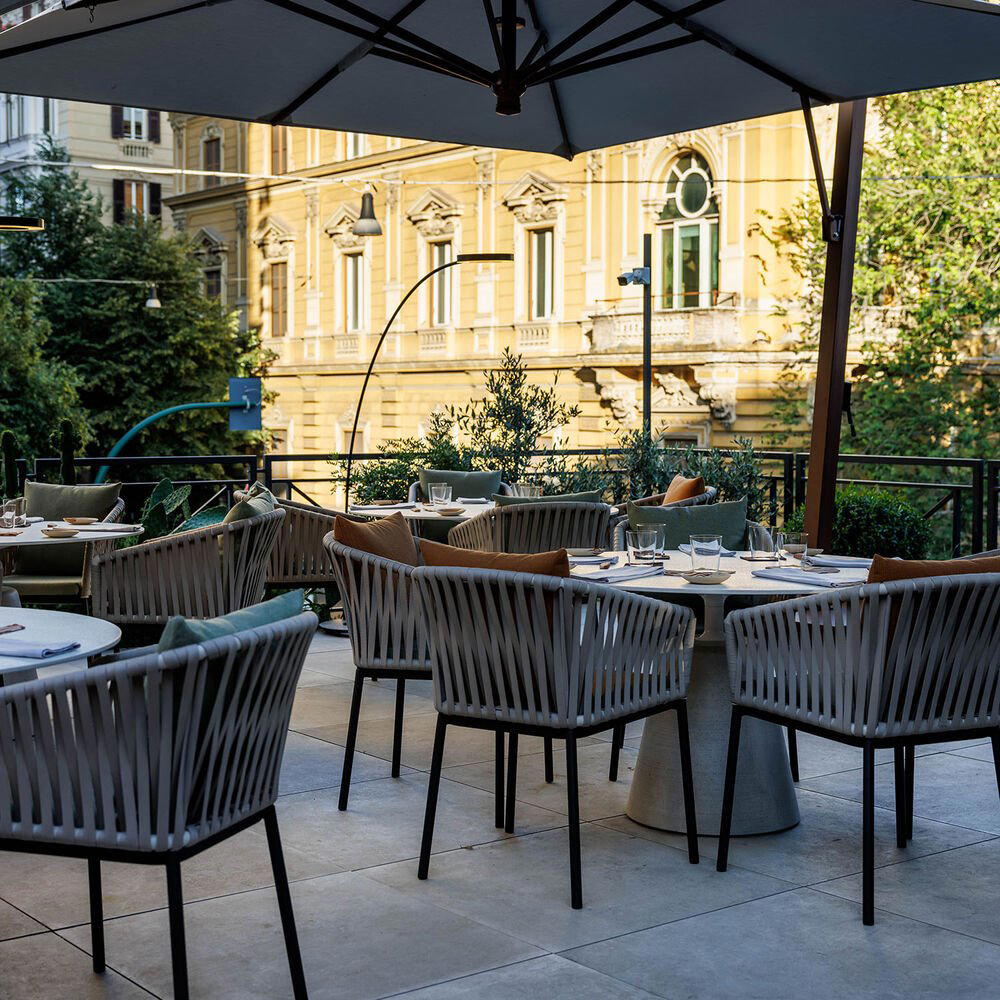
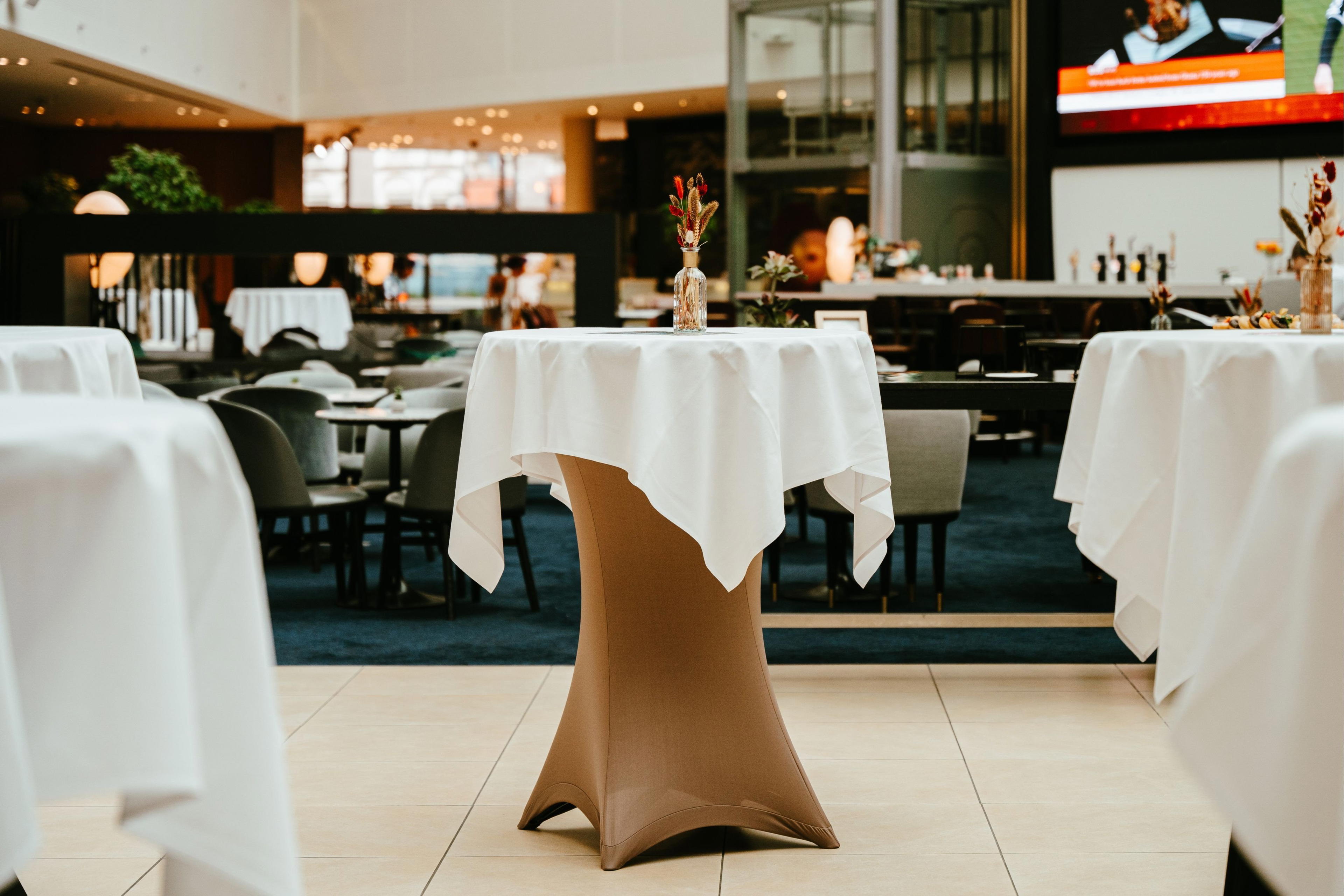
Modern atrium lobby with views of old rooftops, spacious rooms blending historic charm and contemporary elegance, serene canal-side atmosphere.