A Lebanese-named address on Voldersstraat in central Ghent, Beiruti sits within a city that has quietly developed one of Belgium's more serious independent dining scenes. With sparse public information available, the most reliable approach is to visit in person or check local listings before planning. Its name signals a Middle Eastern culinary reference point in a neighbourhood where European formats still dominate.
 Discover on Pearl
Pearl is the En Primeur Club membership app — saves, bookings, and concierge access live there. Same editors, same standards.
- Address
- Voldersstraat 13, 9000 Gent, Belgium
- Phone
- +32477880743
- Website
- beiruti.eu
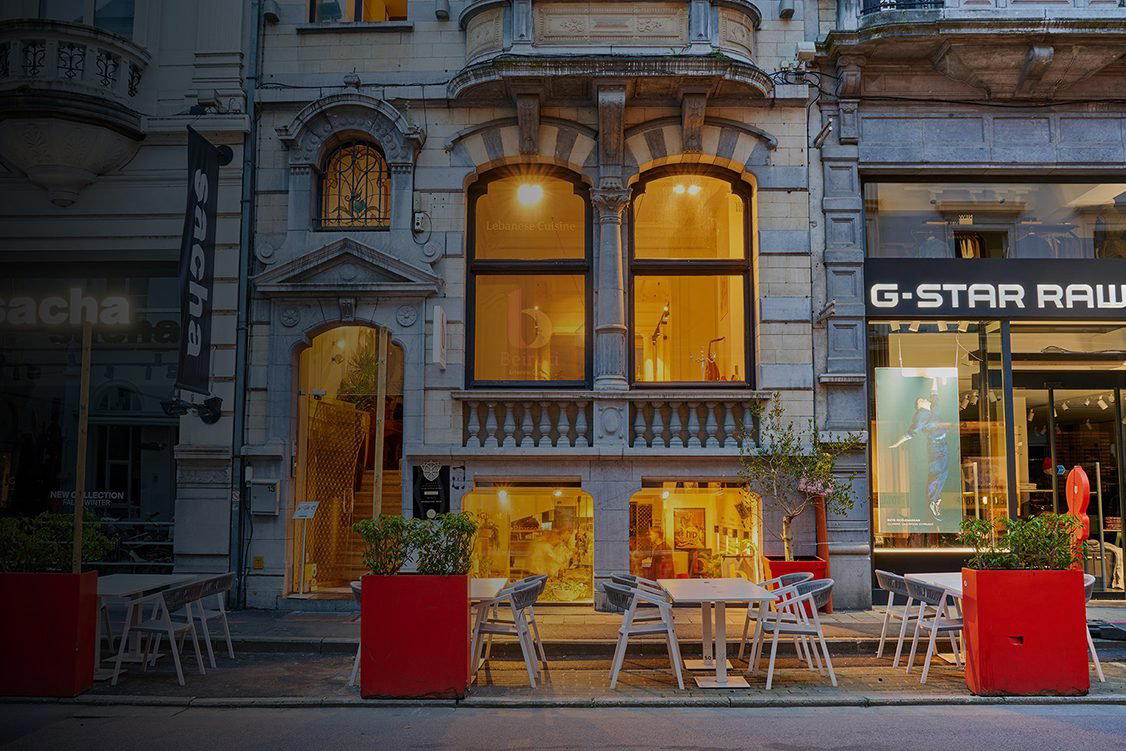
Voldersstraat and What It Tells You About Ghent's Dining Direction
Ghent has been building a dining reputation that sits apart from Brussels and Antwerp for a decade now. The city's restaurant scene draws on a student population, a politically engaged middle class, and a long tradition of independent retail and hospitality that resisted the homogenisation that hit other Belgian cities faster. Voldersstraat, where Beiruti is addressed at number 13, runs through a central pedestrian zone where cafes, concept stores, and restaurants share footfall without any single format dominating. It is the kind of street where a Lebanese-inflected address can open without the pressure of a formal dining district's expectations bearing down on it.
That geographic context matters because it shapes what kind of venue is viable. Ghent's central streets have historically supported formats that combine accessibility with genuine culinary intent, not the tourist-facing brasseries that fill city squares in Bruges, and not the high-end tasting-menu rooms that cluster in Antwerp's wealthier quarters. The venues that have built durable reputations here, including Vrijmoed in Gent, have done so by treating the city's eating public as serious rather than casual. Beiruti, by name and address, enters that context.
The Lebanese Reference in a Belgian City
Lebanese cuisine occupies a specific position in European dining. It is one of the few Middle Eastern traditions that European audiences encountered early, partly through diaspora communities in Paris and Berlin, partly through its natural compatibility with wine-led meals. The mezze format, multiple small plates arriving in sequence or simultaneously, sits comfortably alongside the European preference for extended table time. Hummus, tabbouleh, kibbeh, and grilled meat formats are familiar enough that a Lebanese restaurant in a Belgian city does not have to do significant educational work with its audience, but specific enough that execution quality becomes the primary differentiator.
In Belgium specifically, Lebanese restaurants have tended to cluster in Brussels rather than in Ghent, where the international dining offer has historically skewed toward Asian and Mediterranean formats. An address called Beiruti on Voldersstraat suggests a degree of positioning confidence: the name signals Lebanese specificity rather than a broader Middle Eastern catch-all, and Voldersstraat's pedestrian footfall supports the kind of walk-in dining culture that works for a shareable-plate format. Whether the menu follows a traditional mezze structure or adapts it toward a more contemporary European dining rhythm is something the available data does not confirm, a point worth addressing practically before visiting.
Planning a Visit: What to Know Before You Go
Here is where honesty about the available information becomes necessary. Beiruti's opening details are limited. That places it in a category of Ghent restaurants that operate primarily through walk-in trade or local word-of-mouth rather than through the advance reservation infrastructure that frames many of the higher-profile Belgian dining addresses, venues like Hof van Cleve in Kruishoutem or Boury in Roeselare, where booking weeks ahead is standard practice.
For a format like Lebanese dining, the absence of a heavy reservation requirement can actually be a structural fit rather than a limitation. Mezze-format restaurants in European cities often run higher table turns and shorter average covers than tasting-menu rooms, which means walk-in access is more genuinely available. That said, Voldersstraat's central location and evening pedestrian traffic mean that arriving early in a dinner service, before 19:30 by general European convention for this type of address, reduces the risk of a wait. Beiruti is open Monday through Thursday from 11:30 AM to 2:30 PM and 5 to 9 PM, Friday from 11:30 AM to 2:30 PM and 5 to 10 PM, Saturday from 11:30 AM to 10 PM, and Sunday from 11:30 AM to 9 PM.
Beiruti is priced at about $20 per person. For comparison, the mid-tier independent restaurant category in Ghent runs roughly in line with comparable addresses in Brussels, though Ghent's lower commercial rents historically translate to slightly more accessible pricing at equivalent quality levels.
Beiruti Among Ghent's Independent Dining Set
Ghent's independent dining scene has diversified considerably in the past five years. The city now supports a wider range of cuisine types than its population size might suggest, partly because of its university character and partly because of a civic culture that values local ownership over chain formats. Alongside European-rooted addresses like Arbane and Bij den Wijzen en den Zot, and more globally inflected formats like Astro Boy, BABÚ, and Bistro Chó, a Lebanese address on a central pedestrian street adds a reference point that the city's dining map has not historically had in force.
The comparison set for Beiruti is not the Michelin-tracked Belgian dining circuit, addresses like Zilte in Antwerp, Willem Hiele in Oudenburg, or La Durée in Izegem operate in a different tier and with different booking logic entirely. Nor does it sit alongside destination-format independents like Cuchara in Lommel or Ralf Berendsen in Neerharen, which draw diners from beyond their immediate catchment. Beiruti's comparable set is the neighbourhood-level independent: places that serve a local regular base while remaining accessible to visitors who find them through curiosity rather than advance planning. In that tier, consistency and value-per-cover matter more than prestige credentials. The global reference points for Lebanese dining at that accessible tier, not the event-dining format of somewhere like Le Bernardin in New York or the theatrical tasting-room approach of Lazy Bear in San Francisco, are neighbourhood restaurants built on repeat custom and communal eating. That is the tradition Beiruti's name invokes, and the one against which it will ultimately be measured by Ghent's eating public.
- hummus
- falafel
- baba ganoush
- kibbeh
- spinach fatayer
- stuffed vine leaves
A Quick Peer Check
Comparable venues nearby, for context on price, style, and recognition.
| Venue | Cuisine | Price | Awards | Notes |
|---|---|---|---|---|
| BeirutiThis venue — the venue you are viewing | Authentic Lebanese | $$ | , | |
| Le Baan Thai | Traditional Thai | $$ | , | Binnenstad |
| Trattoria Della Mamma | Traditional Italian Trattoria | $$ | , | Binnenstad |
| Martino | Belgian Brasserie | $$ | , | Binnenstad |
| Astro Boy | Japanese Izakaya Fusion | $$ | , | Sluizeken - Tolhuis - Ham |
| Tribune | Seasonal Modern Belgian | $$ | 1 recognition | Binnenstad |

At a Glance
- Lively
- Modern
- Cozy
- Energetic
- Casual Hangout
- Group Dining
- Family
- Open Kitchen
- Organic
- Local Sourcing
- Zero Waste
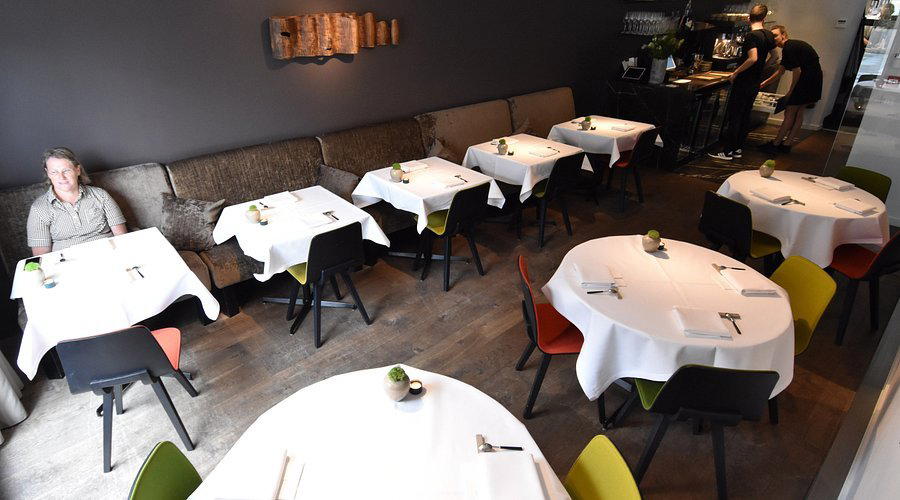
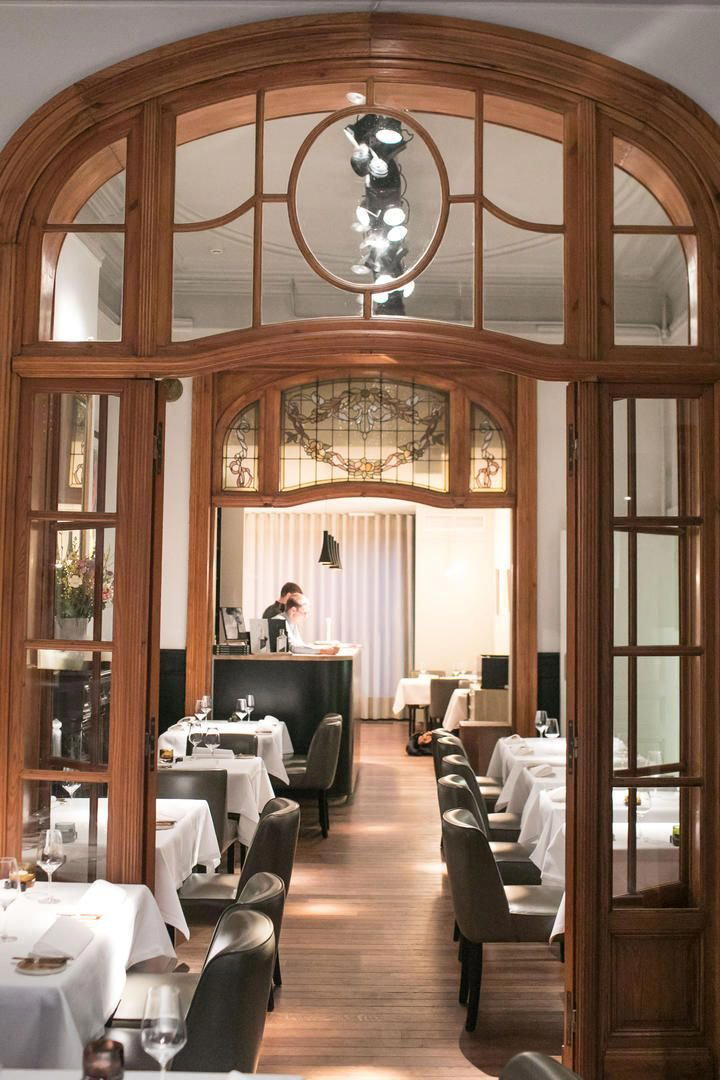
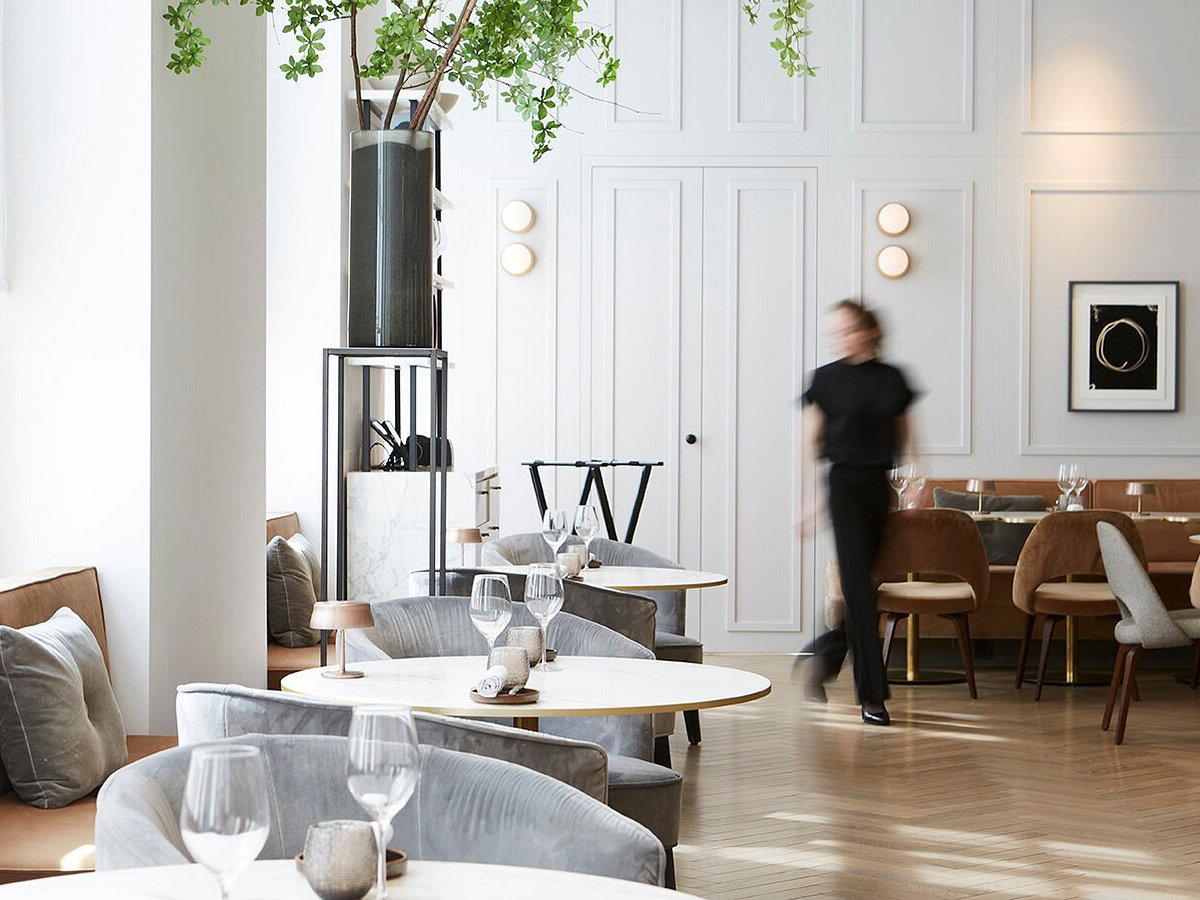
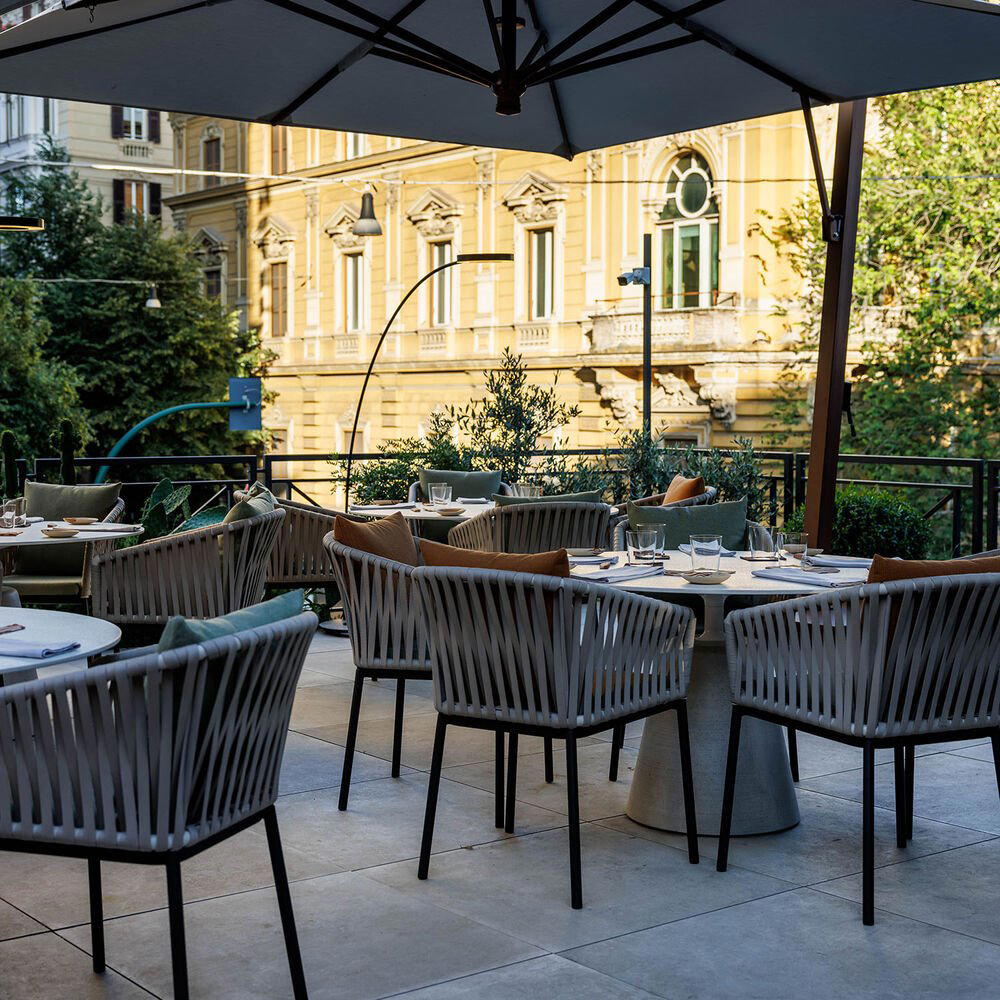
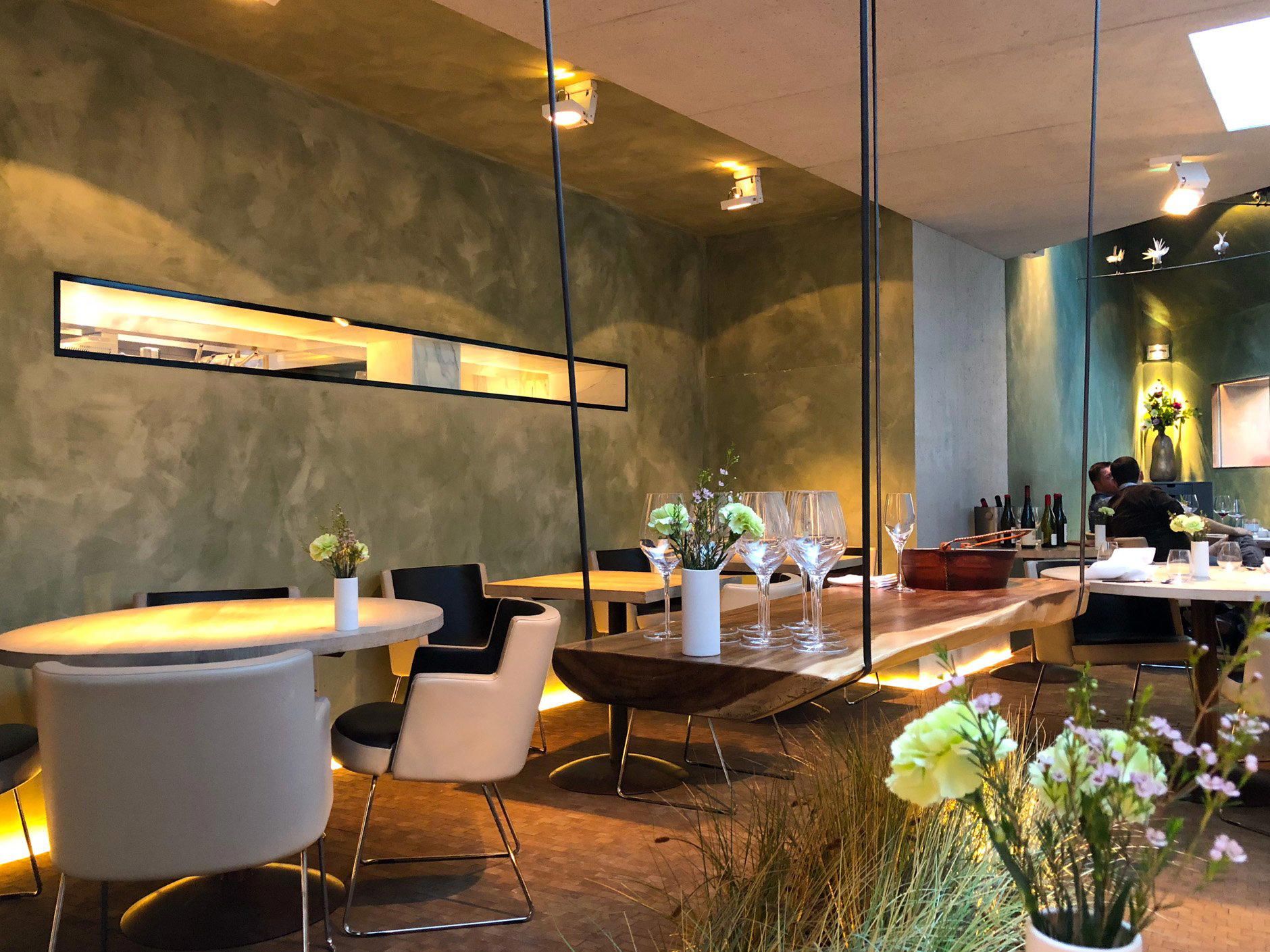
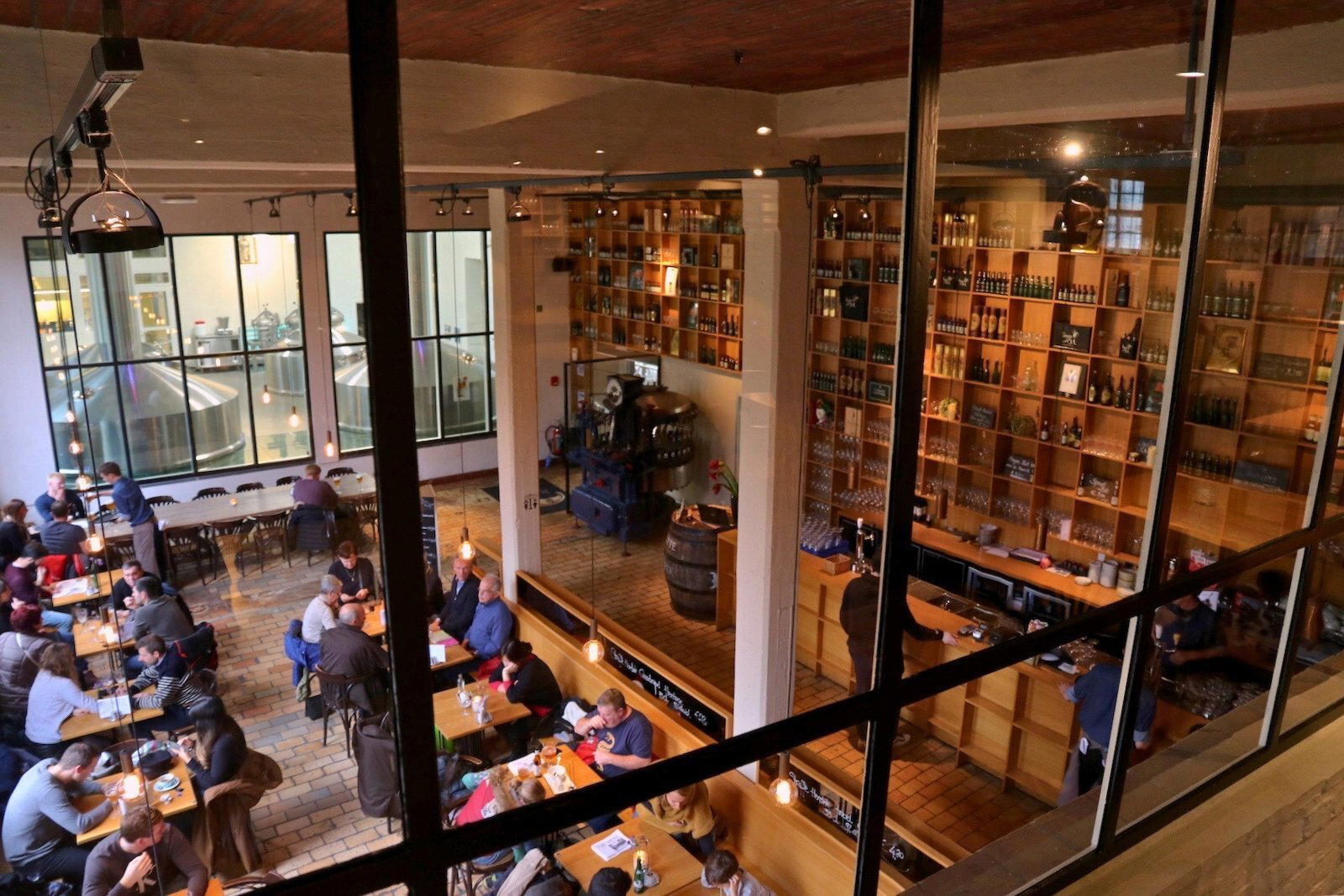
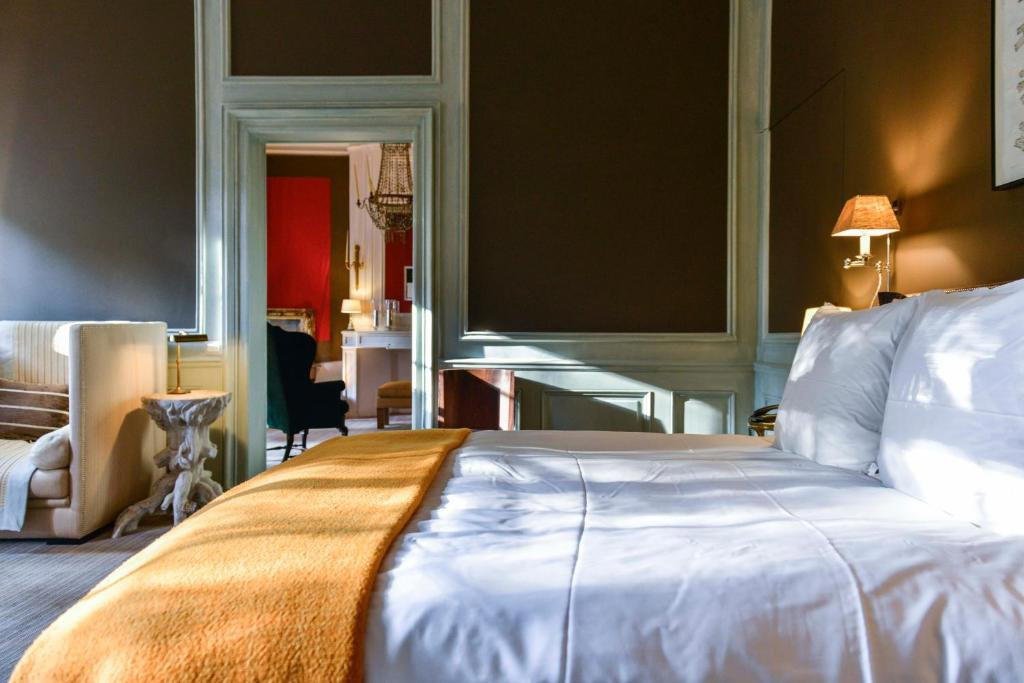
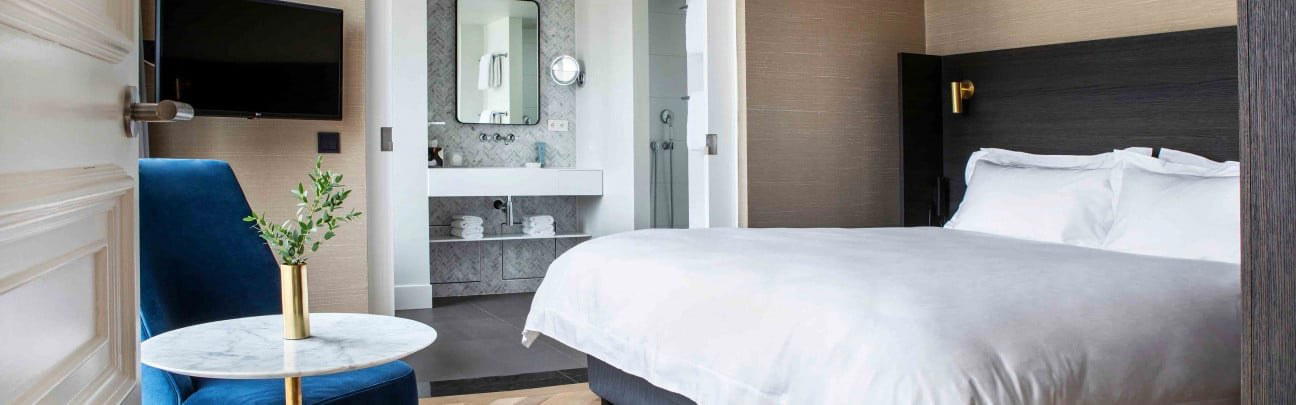
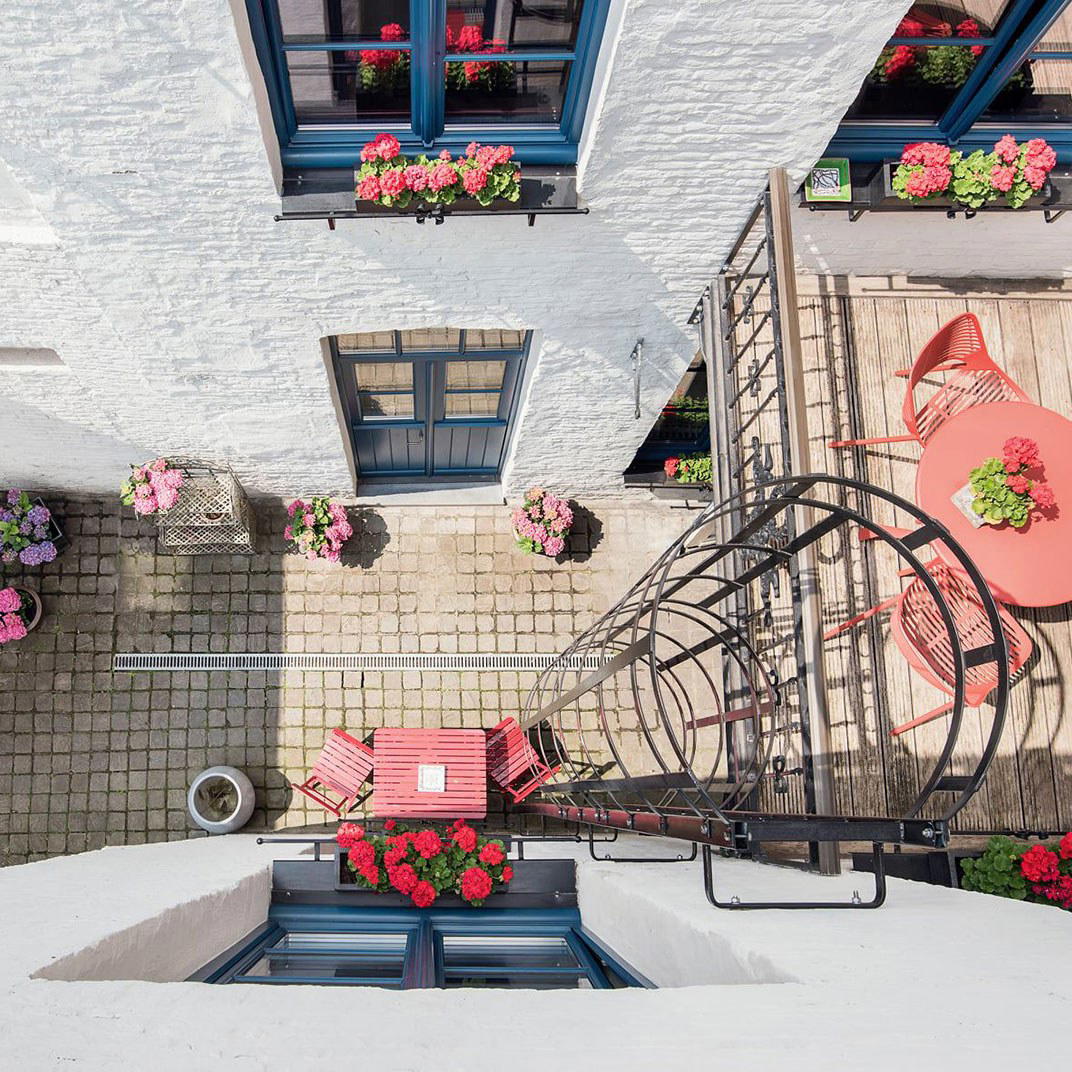
Cheerful and vibrant with Lebanese music creating a holiday-like atmosphere; stylish decor with spacious layout and open kitchens visible to diners.
- hummus
- falafel
- baba ganoush
- kibbeh
- spinach fatayer
- stuffed vine leaves