On Slachthuisstraat in Ghent's post-industrial fringe, Raaf occupies a stretch of the city where neighbourhood restaurants outperform their addresses. Positioned within a Ghent dining scene that has quietly assembled some of Belgium's most closely watched tables, Raaf draws attention from the same circuit that follows Arbane and Astro Boy. Book ahead.
Pearl is the En Primeur Club membership app — saves, bookings, and concierge access live there. Same editors, same standards.
- Address
- Slachthuisstraat 96, 9000 Gent, Belgium
- Phone
- +3292784180
- Website
- raafgent.be
- Directions
- Get directions
 Saves & bookings on Pearl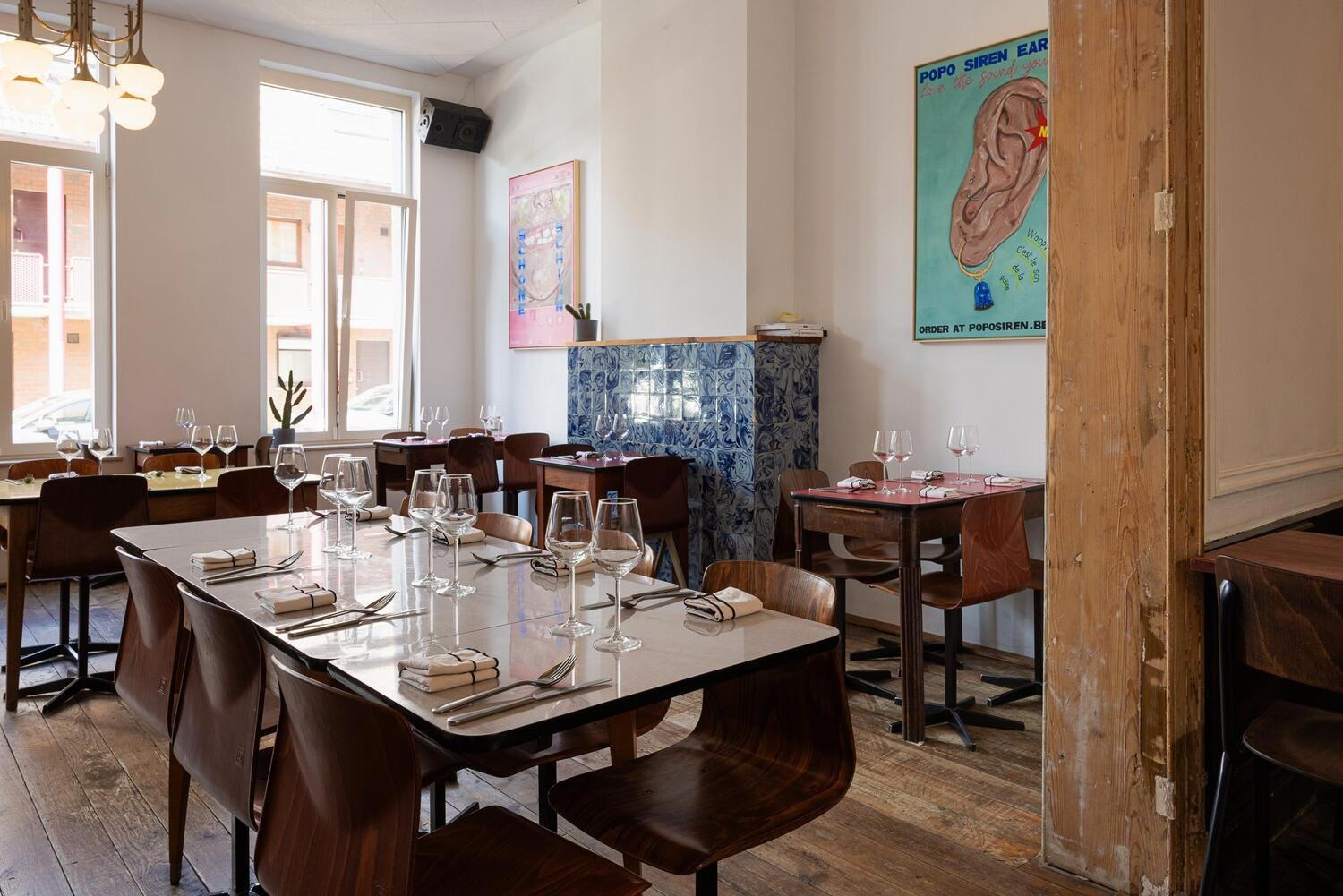
Slachthuisstraat and the Logic of Ghent's Outer Dining Ring
Ghent's most interesting restaurants have been migrating away from the medieval centre for the better part of a decade. The canal-facing terraces near Graslei still fill with tourists, but the tables that generate serious local conversation sit further out, on streets where rents allow kitchens to take risks. Slachthuisstraat — named for the old slaughterhouse district — is exactly that kind of address. The buildings are functional rather than picturesque, the foot traffic is local rather than tourist, and the restaurants that survive there do so on the strength of their cooking rather than their location.
Raaf, at number 96, belongs to this outer ring. Its address alone positions it alongside the wave of Ghent openings that have drawn Belgian food press attention over the past several years, a cohort that includes Arbane, Astro Boy, and BABÚ, each of which operates from unfussy premises with serious culinary intent. The neighbourhood rewards this kind of restaurant. Regulars travel for the food, not the scenery.
What Menu Architecture Reveals
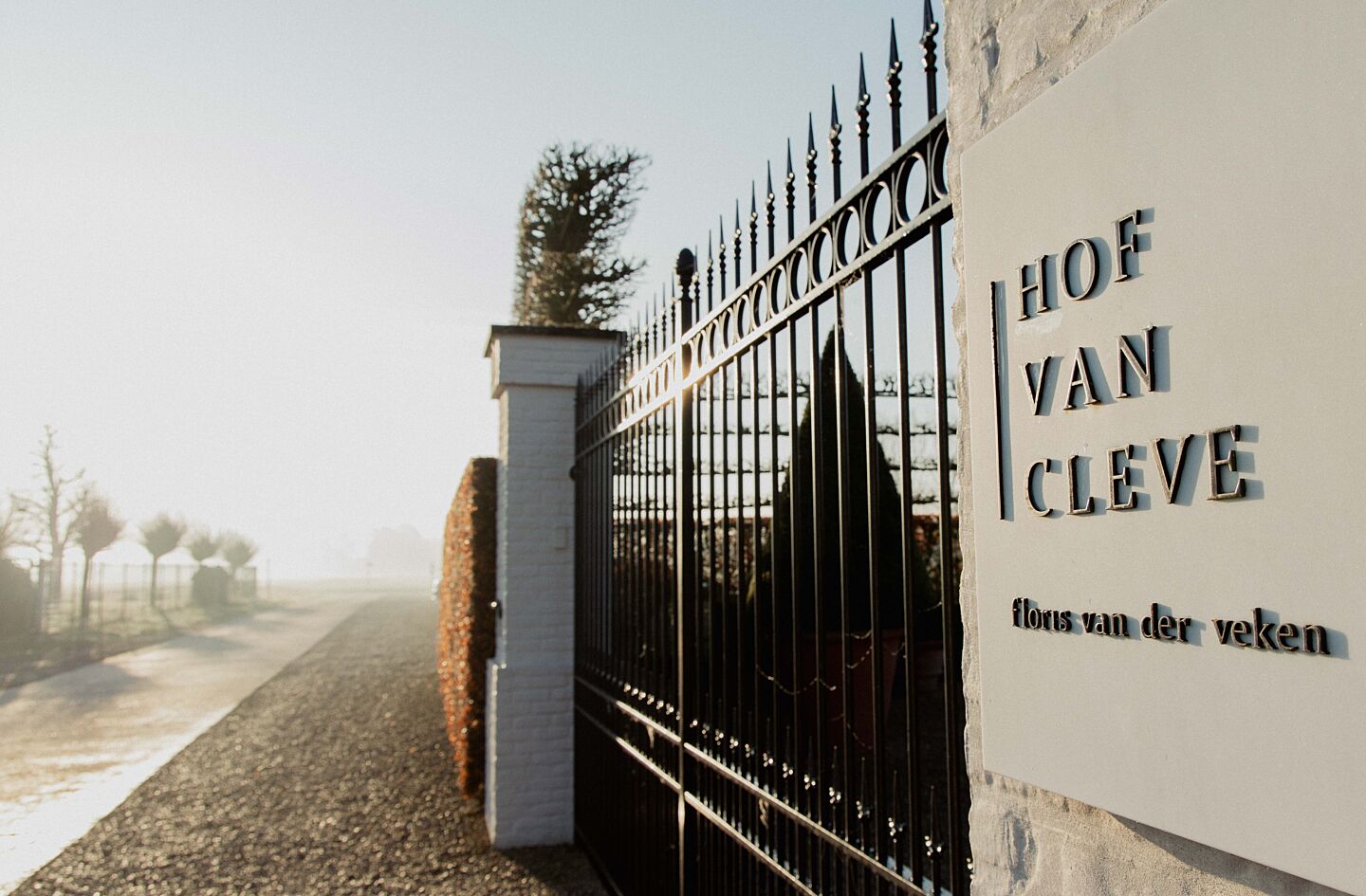
In Belgium's current fine-dining conversation, the structure of a menu is often as telling as the individual dishes on it. The country's Michelin-recognised tables, from Hof van Cleve in Kruishoutem to Boury in Roeselare to Zilte in Antwerp, have each developed a distinct structural logic: the number of courses, the role of snacks and amuse-bouches, whether cheese is treated as a course or an afterthought, how wine pairings are framed. These decisions communicate a kitchen's priorities before a single plate arrives.
Raaf's menu architecture is not on public record in sufficient detail to characterise precisely, but the restaurant's position within Ghent's mid-to-upper tier strongly suggests a format shaped by the same post-pandemic recalibration that reshaped Belgian dining broadly. Across the country, the dominant move has been toward shorter, more focused menus, four to six courses rather than eight to ten, where ingredient sourcing is foregrounded and seasonal rotation is the primary structural driver. Ghent's neighbourhood restaurants, freed from the pressure of starred expectation, have sometimes executed this format more convincingly than their more decorated peers, because the kitchen's choices are not overlaid with ceremony.
What distinguishes the better tables on streets like Slachthuisstraat is that the menu functions as a position statement. A tight, ingredient-led format signals confidence; a kitchen that knows what it wants to say does not need twelve courses to say it. The restaurants in Ghent that have earned sustained attention from Beiruti to Bij Den Wijzen en Den Zot share this characteristic: the menu structure communicates a point of view, not just a list of dishes.
Ghent in the Belgian Dining Hierarchy
Belgium's restaurant culture is unusually decentralised. Unlike France, where Paris absorbs most of the critical gravity, Belgian fine dining has always distributed itself across the country, a pattern that produces serious tables in small Flemish towns like Oudenburg, coastal addresses like Bartholomeus in Heist, and Walloon destinations like L'air du temps in Liernu and d'Eugénie à Emilie in Baudour. Brussels has its own stratum, anchored by places like Bozar Restaurant, but it does not dominate the national conversation in the way that comparable capitals do elsewhere.
Ghent occupies a particular position in this structure. It is large enough to sustain a layered dining scene, fast-casual, neighbourhood bistro, serious tasting menu, but compact enough that word travels quickly. A restaurant that earns a strong local following in Ghent gets noticed by the national press faster than a comparable opening in Antwerp or Brussels, where the noise is louder. This dynamic has worked in favour of streets like Slachthuisstraat, which have produced a cluster of openings dense enough to constitute a genuine scene rather than isolated outposts.
For international comparison, the dynamic is not unlike what has happened in certain American cities, the way that a destination like Atomix in New York built its reputation through a tightly controlled format on an unremarkable block, or how Le Bernardin maintains its position through decades of disciplined focus rather than expansion. Scale and address are not the determinants; format coherence and kitchen consistency are.
Planning a Visit
Raaf sits at Slachthuisstraat 96 in Ghent's 9000 postal district, a walkable distance from the city's main rail hub at Gent-Sint-Pieters, which connects to Brussels in under thirty minutes and to Bruges in roughly the same time. The neighbourhood is residential and low-key; arriving by tram or on foot from the city centre takes fifteen to twenty minutes and gives a clearer sense of the area's character than a direct taxi would. Reservations at Ghent's more discussed neighbourhood restaurants tend to fill two to four weeks ahead on weekends; for a first visit to Raaf, contacting the restaurant directly to confirm current hours and availability is advisable, as operational details are not currently published through third-party booking platforms. Those building a longer Ghent itinerary will find the city supports two or three serious meals over a weekend without repetition, particularly if the itinerary spans the broader Ghent scene covered in our full Ghent restaurants guide. For those extending into the wider Flemish and Belgian circuit, Castor in Beveren and De Jonkman in Sint-Kruis are within easy driving distance and represent the kind of regional depth that makes Belgium a genuinely rewarding country for a dedicated food itinerary.
How Raaf Ghent compares with similar nearby venues.
| Venue | Cuisine | Price |
|---|---|---|
| Publiek | Modern Cuisine | €€€ |

At a Glance
- Cozy
- Trendy
- Intimate
- Date Night
- Group Dining
- Special Occasion
- Open Kitchen
- Natural Wine
- Local Sourcing
Current opening hours
- Monday
- Closed
- Tuesday
- 6:30–11 PM
- Wednesday
- 6:30–11 PM
- Thursday
- 6:30–11 PM
- Friday
- 6:30–11:30 PM
- Saturday
- 6:30–11:30 PM
- Sunday
- Closed
Hours can change for holidays and private events. Last verified .
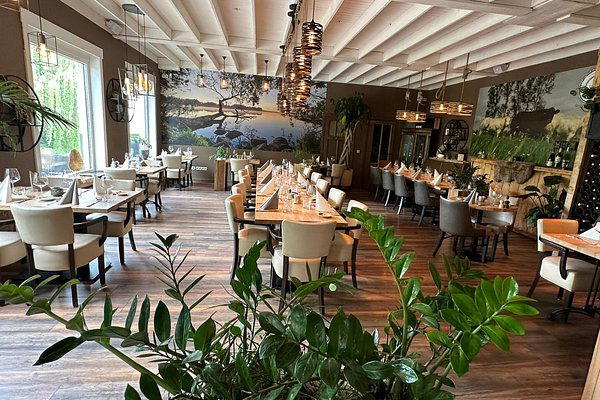
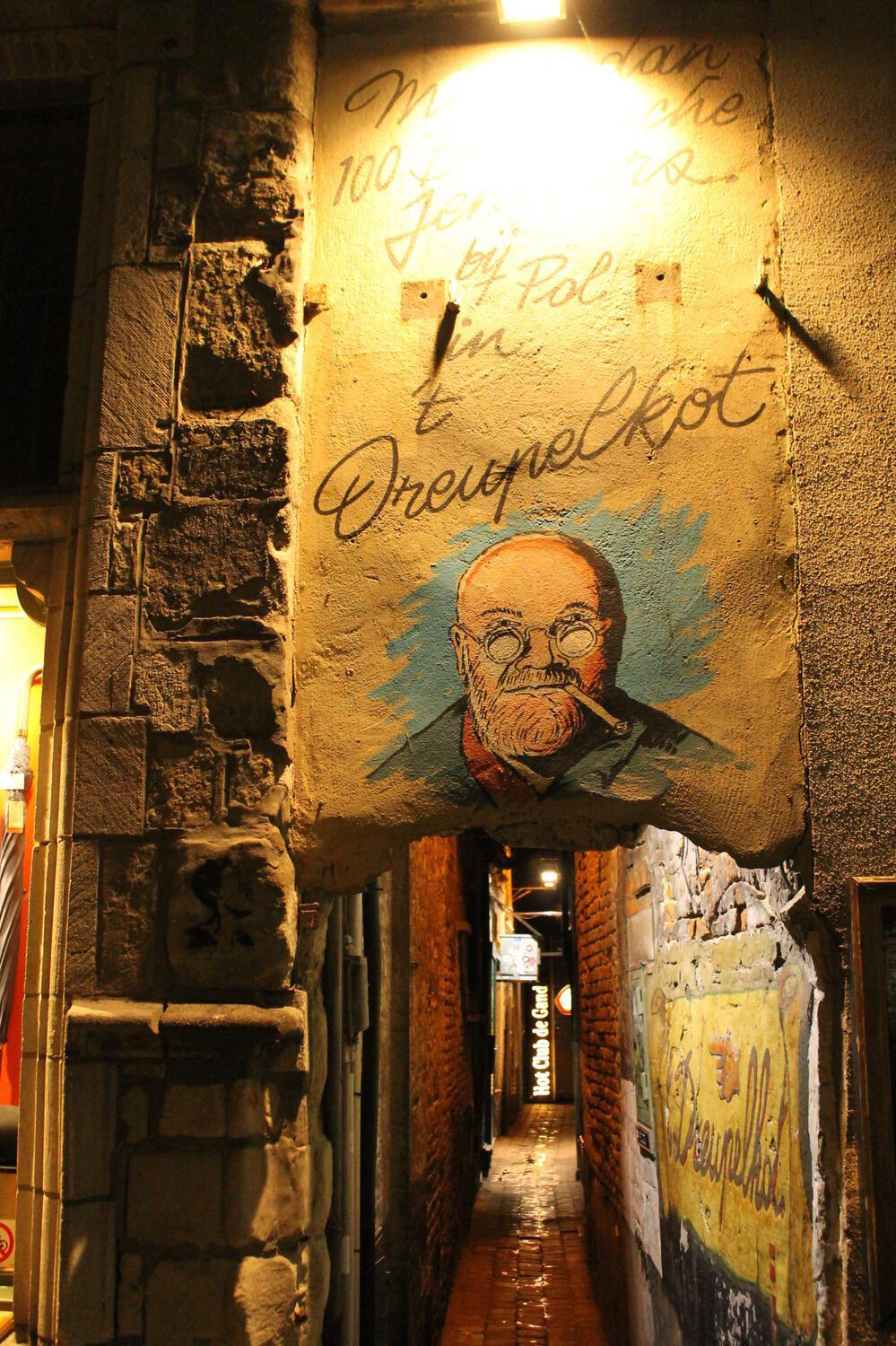
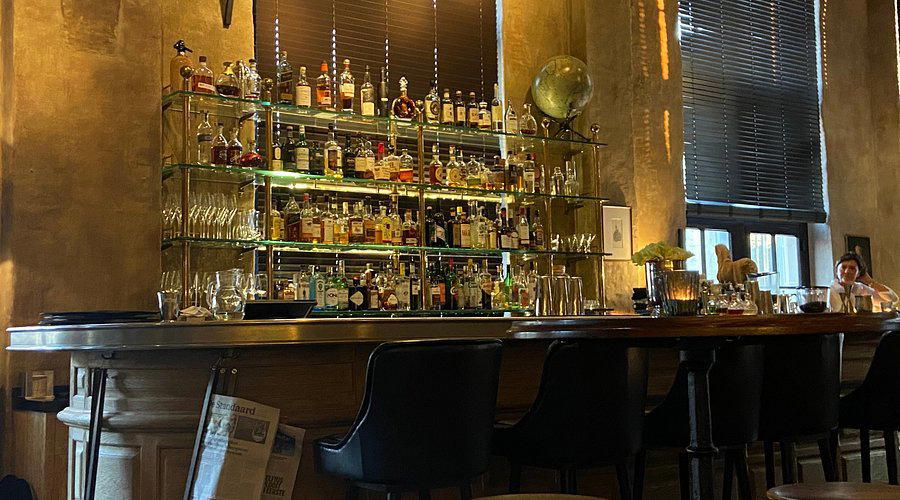
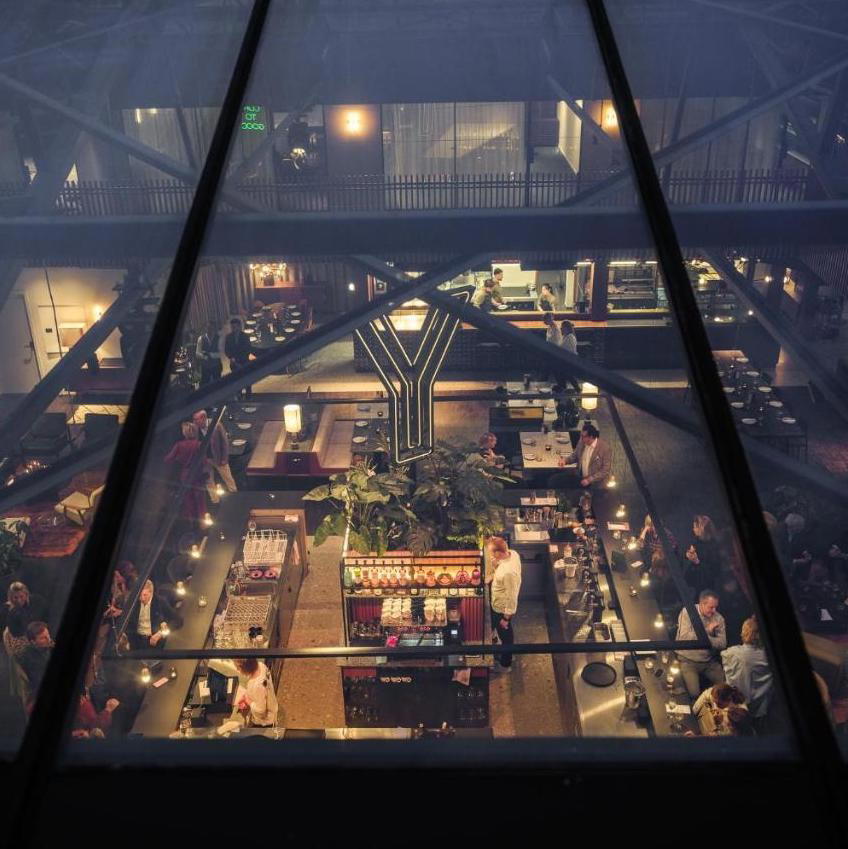
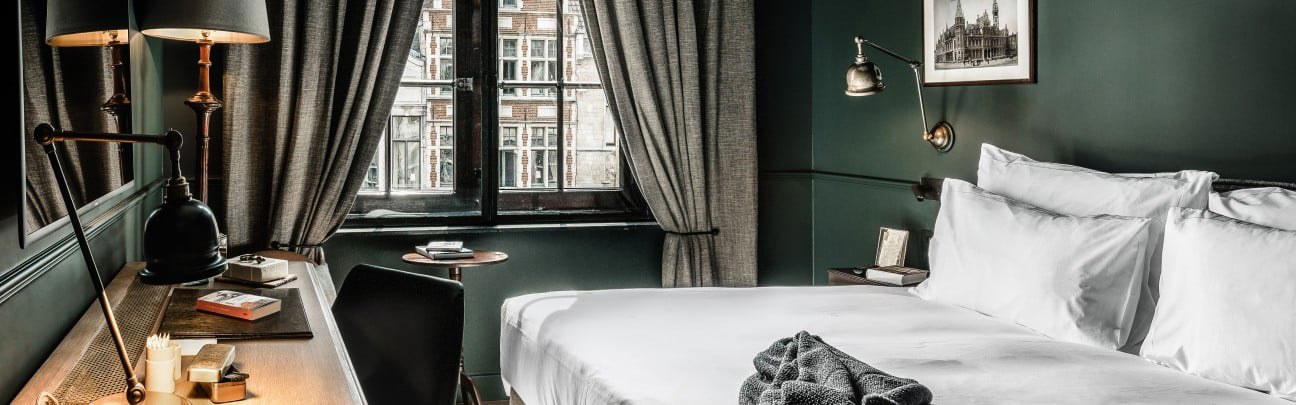
Relaxed and cosy with Formica tables, brick and tile walls, long wooden bar, candlelight illumination, and a cool, rebellious atmosphere.
Know Before You Go
- Getting there
- Slachthuisstraat 96, 9000 Gent, Belgium