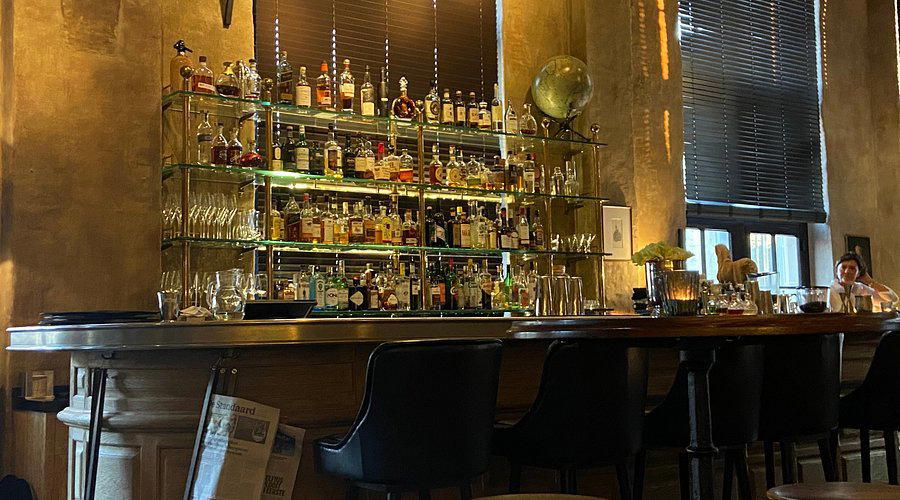
BABÚ serves World Street Food Bunners with craft cocktails in a casual open-kitchen setting on Sint-Pietersnieuwstraat in Ghent, built for lunch or dinner.
Pearl is the En Primeur Club membership app — saves, bookings, and concierge access live there. Same editors, same standards.
- Address
- Sint-Pietersnieuwstraat 9, 9000 Gent, Belgium
- Phone
- +3292783170
- Website
- babu.be
- Directions
- Get directions
 Saves & bookings on Pearl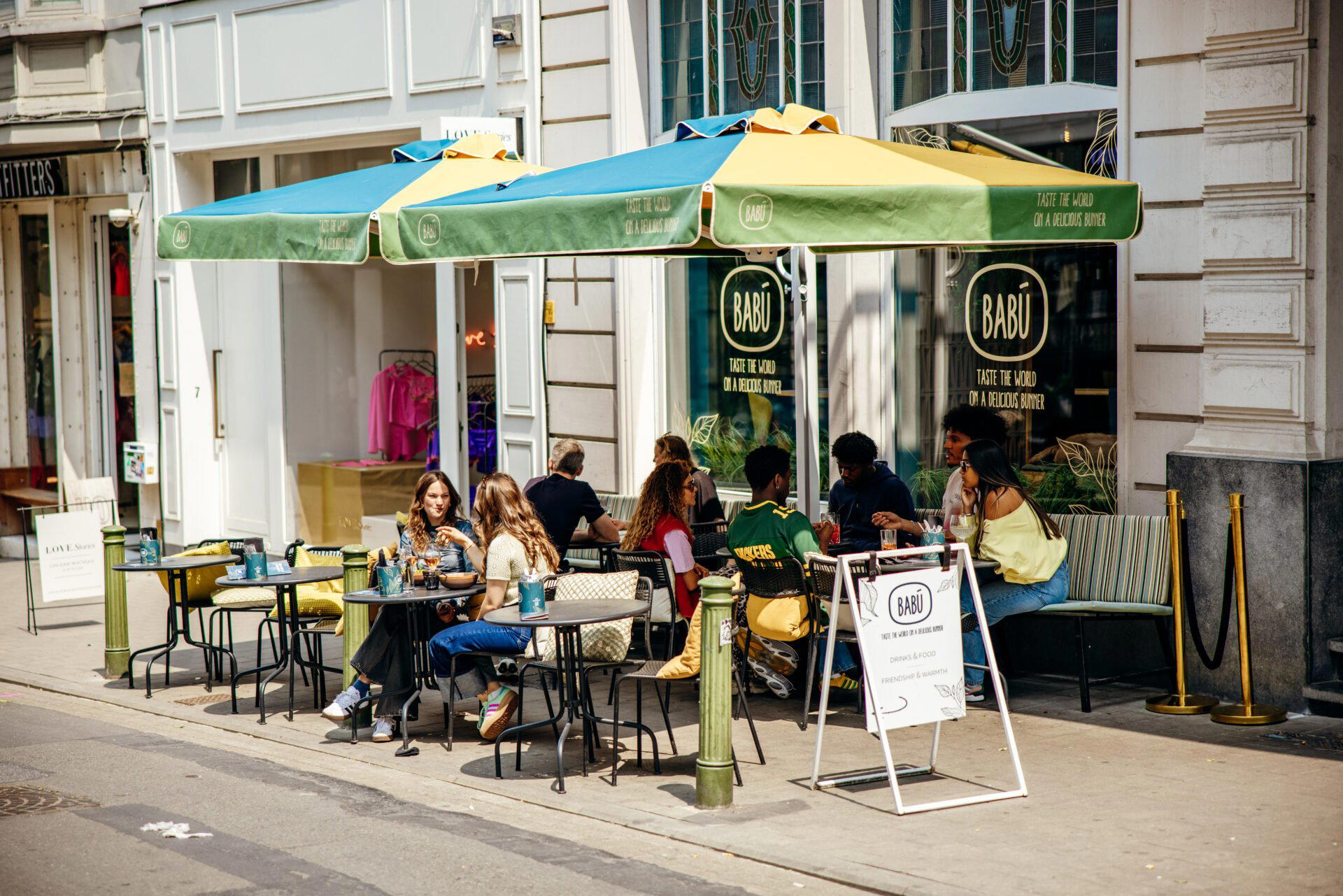
Sint-Pietersnieuwstraat and the Ghent Casual Dining Register
Sint-Pietersnieuwstraat runs through one of Ghent's most densely inhabited student quarters, where the density of universities, cycling commuters, and late-afternoon foot traffic creates a particular kind of dining pressure: the demand for places that are neither canteen-functional nor occasion-restaurant formal. The street, and the blocks immediately around it, has gradually filled with venues that occupy that middle register — places where the cooking is taken seriously but the room is designed for repeated, weeknight use. BABÚ sits on that street at number 9, and its address alone positions it within a scene that rewards quality-to-cost efficiency and discourages theatrical ceremony.
Ghent's restaurant culture as a whole has developed a reputation, particularly among Belgian food writers, for punching above its size relative to Brussels. The city's table at the broader Belgian dining conversation includes Michelin-recognised kitchens such as Vrijmoed in Gent, which anchors the higher-end creative segment, but the more characterful layer is the mid-tier, where individual operators without corporate backing set the pace. BABÚ belongs to that layer.
Approaching the Room
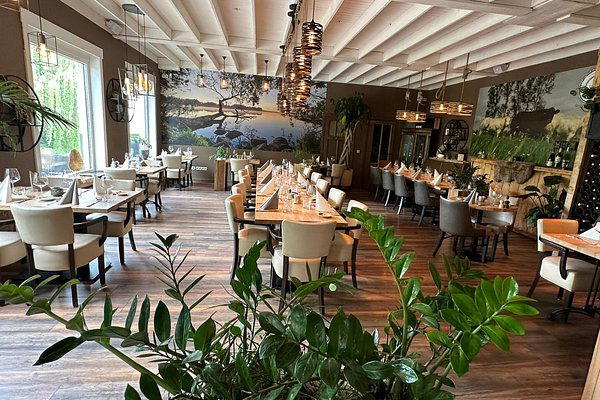
On Sint-Pietersnieuwstraat, the physical approach to any venue is shaped by the street's particular rhythm: trams, bikes leaning against railings, the ambient noise of a student-adjacent neighbourhood that never fully quietens even on weekday evenings. A venue that works in this environment tends to create an interior that reads as a counterweight — somewhere the acoustic softness and lighting temperature do real work in separating the inside from the outside. BABÚ's placement at this address puts it in a position where the transition from street to room carries genuine weight, and where the atmosphere the kitchen and front-of-house produce has to function without the buffer of a quieter residential side street.
The surrounding block in this part of Ghent is a useful lens for reading BABÚ's competitive context. Other addresses in the immediate area reflect the neighbourhood's mix: casual international concepts, student-oriented price points, and occasional independent kitchens with more serious ambitions. BABÚ occupies the latter category in terms of what the address signals to a local audience familiar with the street's range. For visitors arriving from outside Ghent, our full Ghent restaurants guide maps the city's dining geography more fully.
The Broader Belgian Context
Belgium's dining culture across Flanders operates on a system of local loyalty that is somewhat unusual by European standards. Repeat custom, regulars who return weekly rather than for occasions, is the metric by which most independent kitchens measure their health, and it shapes cooking decisions in ways that pure critical attention does not. The Flemish kitchen tradition has produced some of Europe's most technically grounded restaurants: Hof van Cleve - Floris Van Der Veken in Kruishoutem and Boury in Roeselare sit at the top of that register, while Zilte in Antwerp represents the urban, high-concept end.
The more immediate reference points are Ghent's independent casual operators: Arbane, Astro Boy, Beiruti, BIJ DEN WIJZEN EN DEN ZOT BVBA, and Bistro Chó, a cohort that reflects the city's appetite for independent formats that carry a point of view without requiring the financial and logistical commitment of a tasting-menu evening. Within this cohort, reputation is built through consistency, word of mouth, and the accumulation of regulars, rather than through award cycles that move more slowly and reward different virtues.
Sensory Register: What the Setting Asks of the Kitchen
In a neighbourhood as aurally active as the Sint-Pietersnieuwstraat corridor, a restaurant's sensory proposition depends on what it can control. The kitchen controls temperature, smell, and the pace of service. The room controls light and acoustic absorption. The street takes everything else. Venues that succeed in this environment tend to do so by creating a strong olfactory and thermal identity, the smell of a particular fat or spice combination that makes itself known before the food arrives, the warmth of a room set slightly higher than ambient street temperature. These are not decorative decisions; they are functional ones for a dining room that needs to draw a clear boundary between inside and outside.
At a broader level, this is a dynamic recognisable across European cities where independent kitchens operate on busy pedestrian or tram corridors: the cooking has to do atmospheric work that a quieter location might leave to the architecture. Le Bernardin in New York City and Lazy Bear in San Francisco operate in entirely different contexts, but both illustrate the principle that a room's sensory coherence is inseparable from the kitchen's creative decisions.
Ghent Beyond the High End
For visitors building a few days of eating in Ghent, the city's appeal lies partly in the density of its independent mid-tier. The high-end bracket is covered by names like Vrijmoed and, at the Belgian scale, by destinations such as Willem Hiele in Oudenburg or Bozar Restaurant in Brussels for those willing to travel. But the more textured eating is found by staying closer to the city's neighbourhood grid. d'Eugénie à Emilie in Baudour, La Durée in Izegem, Cuchara in Lommel, and Ralf Berendsen in Neerharen are all part of a wider Flemish mid-tier worth tracking for visitors willing to move beyond Ghent's city centre. BABÚ is part of the city-centre layer of that same argument.
Planning Your Visit
BABÚ is located at Sint-Pietersnieuwstraat 9, 9000 Gent. The address is within easy reach of the central university district and accessible by tram from the city centre. The neighbourhood's pace means weekday evenings tend to be more settled than weekend nights, when foot traffic on Sint-Pietersnieuwstraat increases markedly.
How BABÚ Ghent compares with similar nearby venues.
| Venue | Cuisine | Price |
|---|---|---|
| Vrijmoed | Modern Flemish, Creative | €€€€ |

At a Glance
- Trendy
- Cozy
- Modern
- Casual Hangout
- Date Night
- Family
- Open Kitchen
- Craft Cocktails
Current opening hours
- Monday
- 11:45 AM–2:30 PM, 5:30–9 PM
- Tuesday
- 11:45 AM–2:30 PM, 5:30–9 PM
- Wednesday
- 11:45 AM–2:30 PM, 5:30–9 PM
- Thursday
- 11:45 AM–2:30 PM, 5:30–9 PM
- Friday
- 11:45 AM–2:30 PM, 5:30–9 PM
- Saturday
- 11:45 AM–9 PM
- Sunday
- 11:45 AM–9 PM
Hours can change for holidays and private events. Last verified .
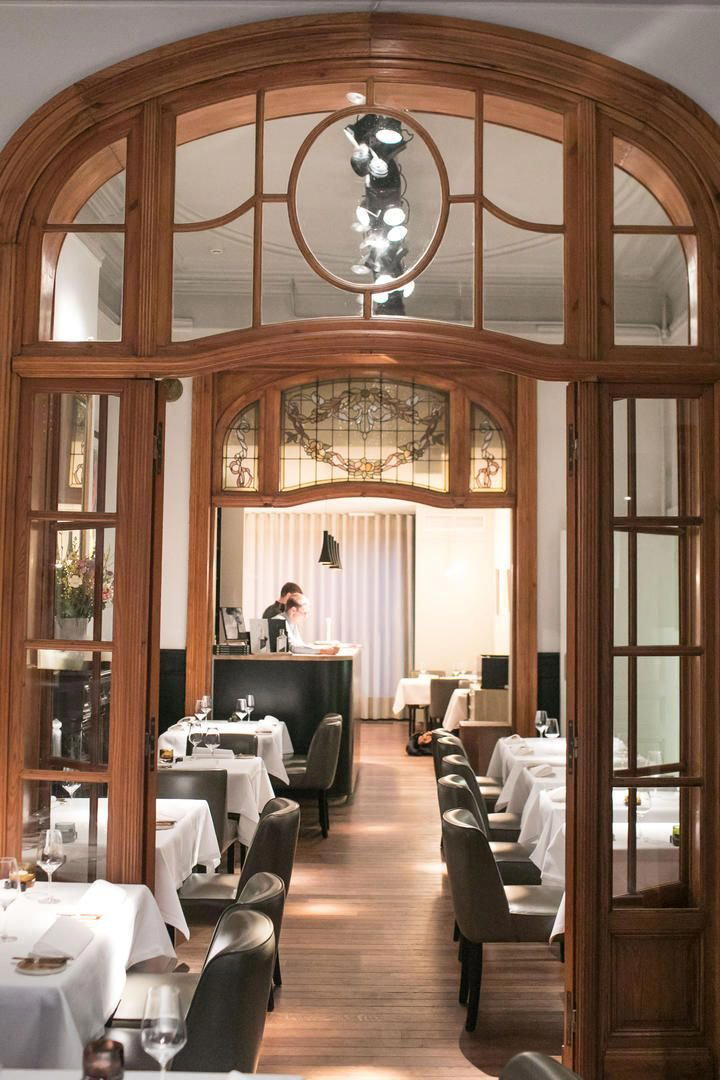
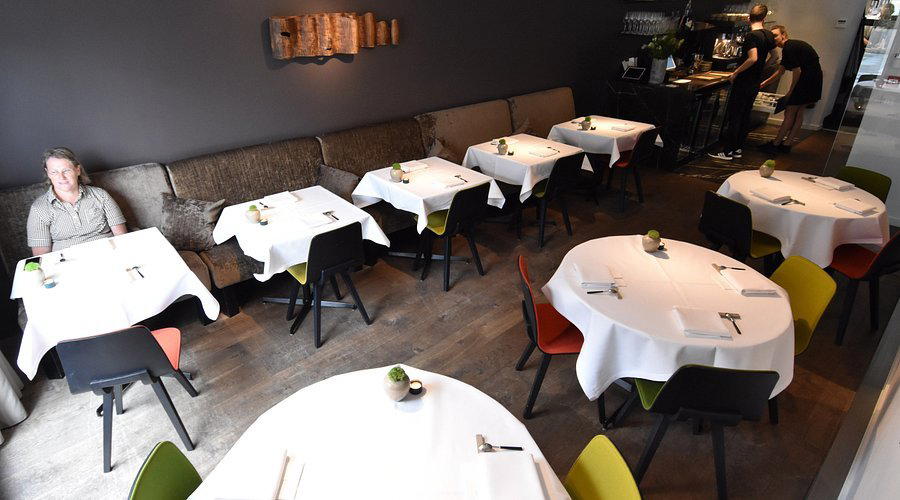
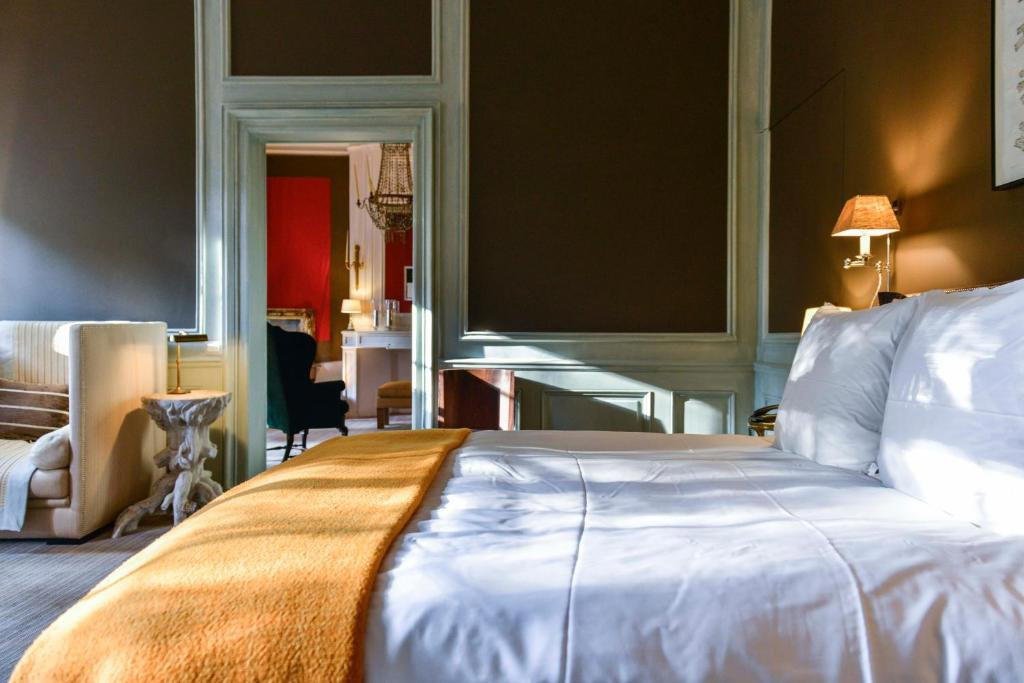
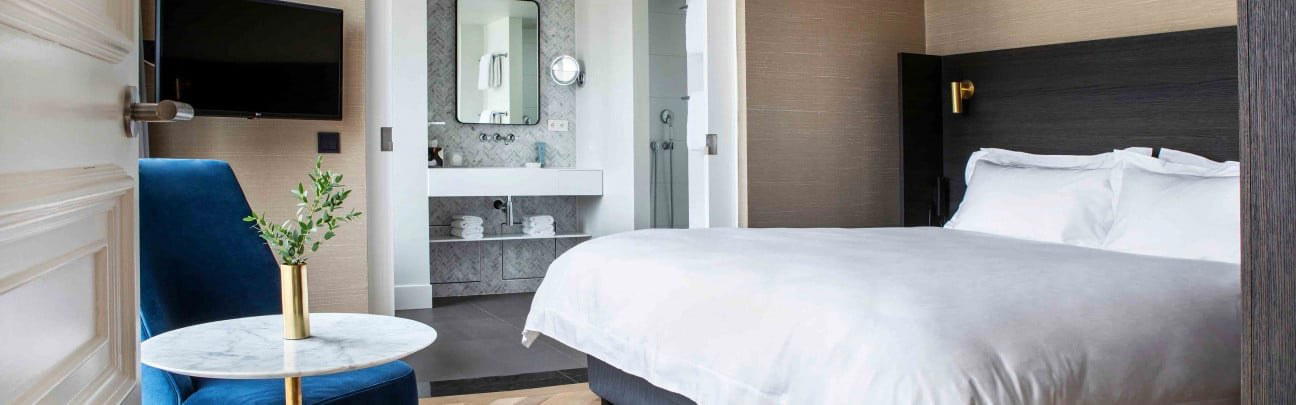
Cozy and eclectic with a trendy, welcoming atmosphere praised for its pleasant interior, music, and friendly vibe.
Know Before You Go
- Getting there
- Sint-Pietersnieuwstraat 9, 9000 Gent, Belgium