A Room That Sets the Tone
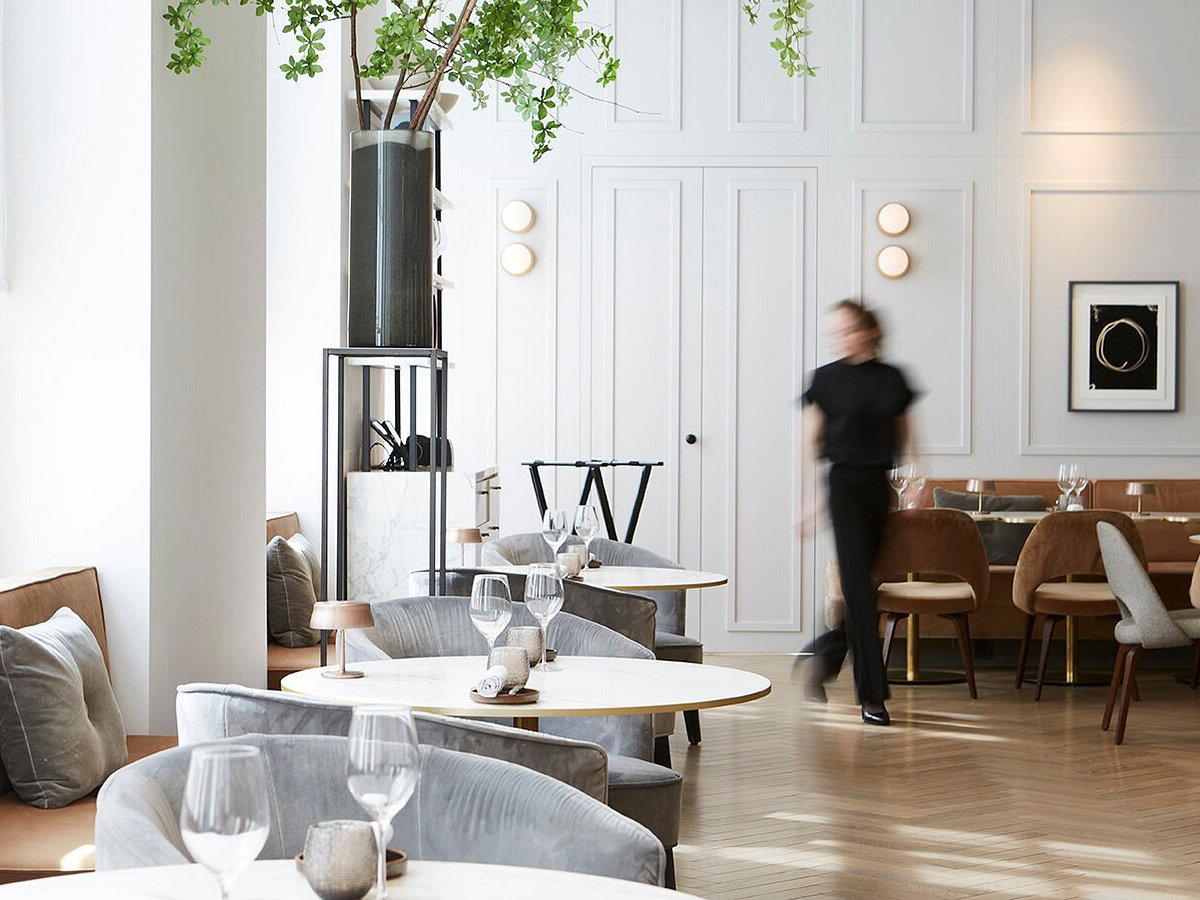
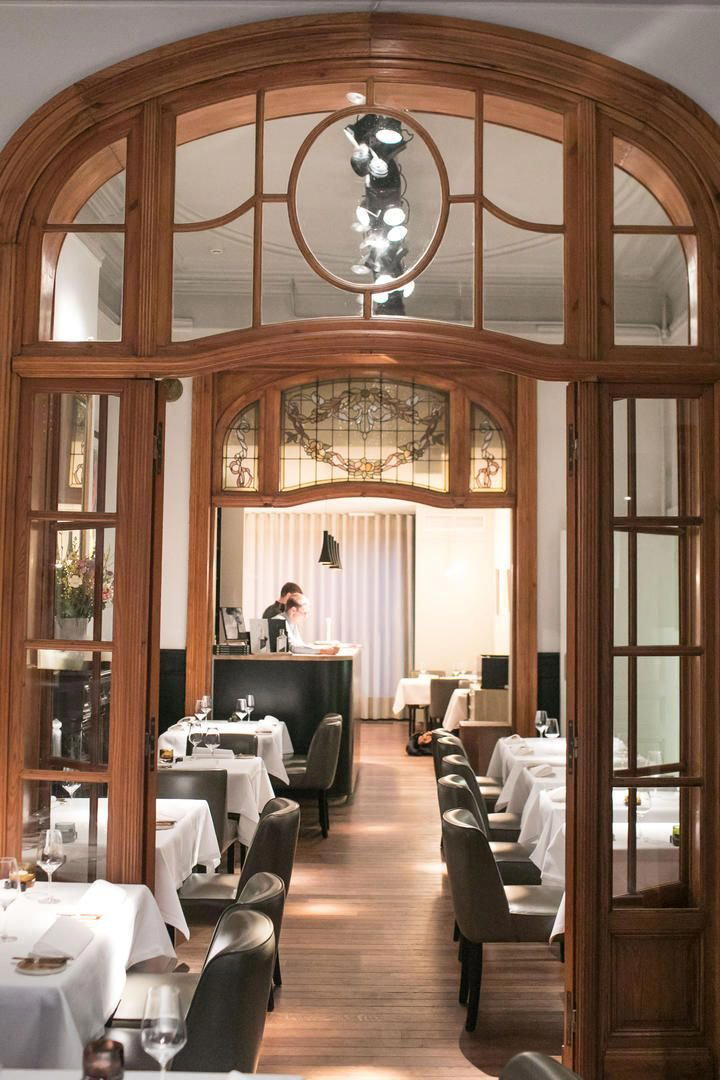
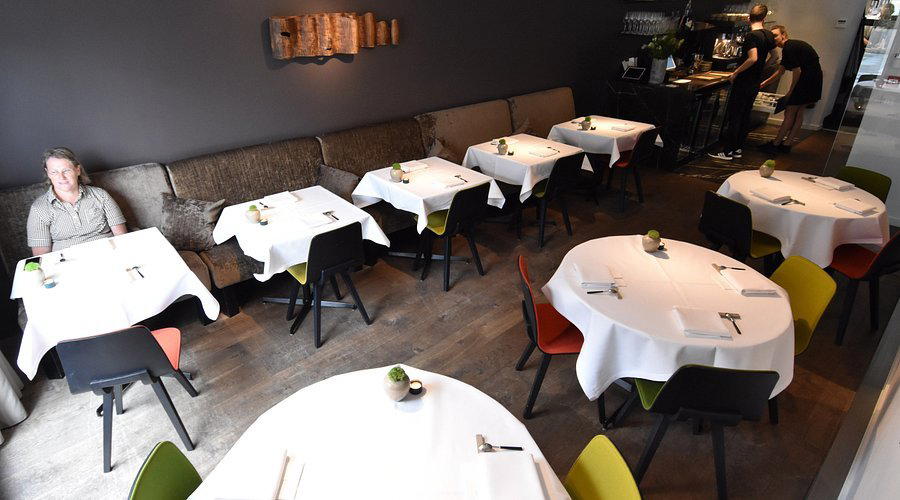
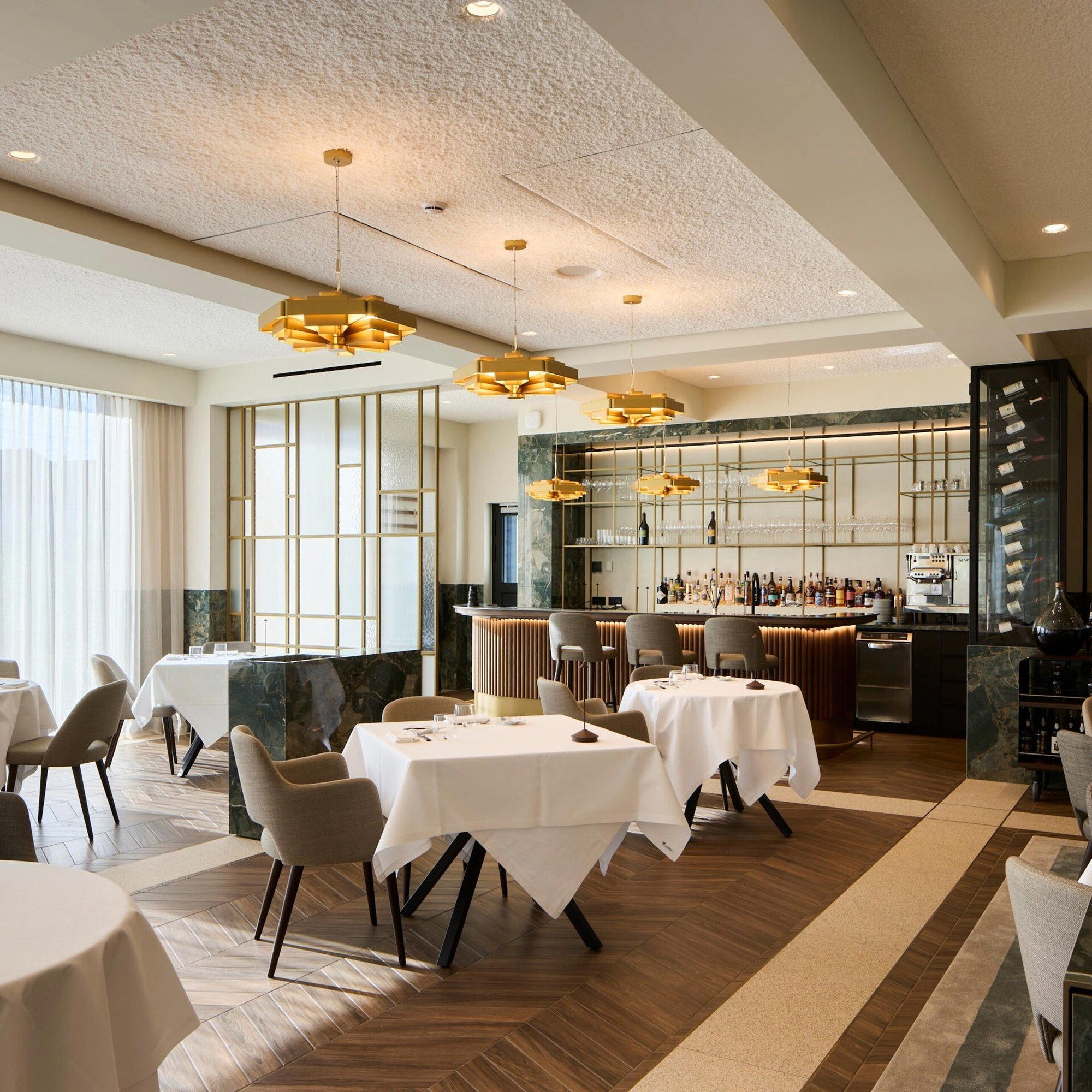
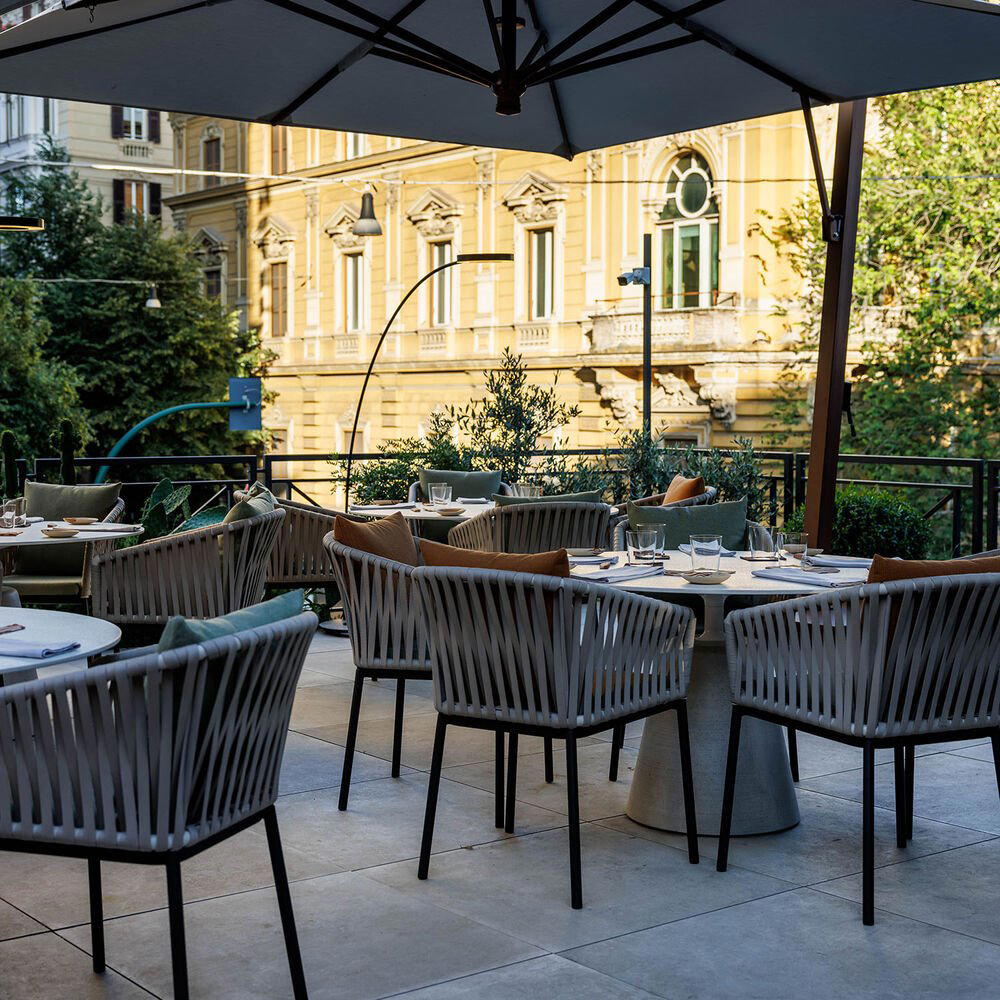
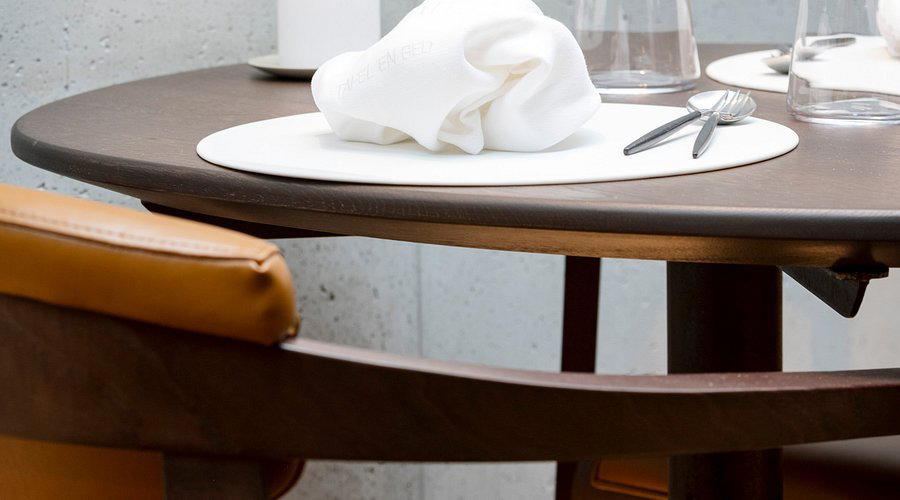
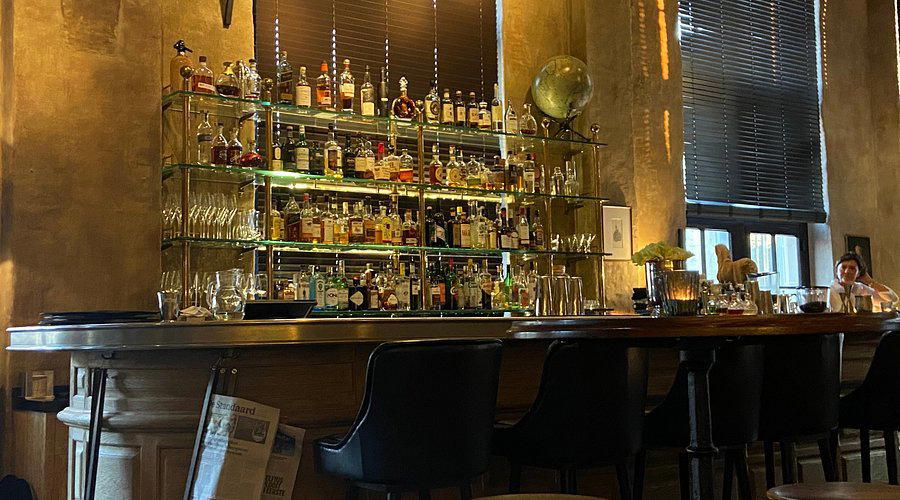
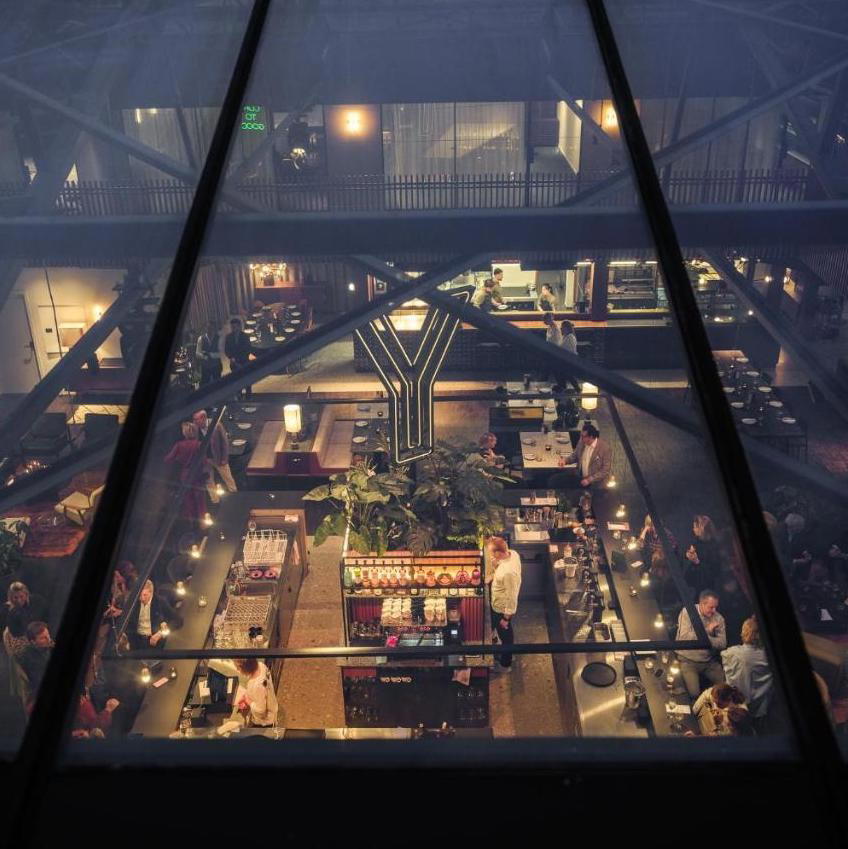
Ham is one of Gent's quieter medieval waterfront stretches, a few minutes' walk from the busier quays around Graslei but without the tourist foot traffic that those addresses carry. Arriving at Publiek, the exterior reads as deliberately understated, a building face that offers no theatrical marquee or designer lighting installation. Inside, the spatial logic matches: this is a dining room that prioritises the plate-to-table relationship over architectural spectacle, with a seating arrangement calibrated for focus rather than atmosphere-by-volume. The room is compact enough that every table sits within earshot of the kitchen's rhythm, but formal enough in layout to signal that the evening has a clear direction. That physical restraint is not a limitation. In a city where Vrijmoed (Modern Flemish, Creative) and Oak Gent (Modern European) each occupy grander, more design-assertive spaces, Publiek's stripped-back container positions it as the room where the cooking is unambiguously the event. It is not competing with Brussels on volume, the capital's density of starred addresses is simply in a different category, but Gent has a concentration of independently minded, technically grounded restaurants that would merit attention in any European city of comparable size. Within that group, the restaurants holding Michelin recognition form a distinct subset. Publiek earned its first Michelin star and retained it through 2025, a two-year confirmation that the kitchen operates with consistency rather than debut-year novelty. At €€€, it prices at the same level as LOF and comparable Gent contemporaries, sitting below the €€€€ bracket occupied by Vrijmoed and Oak Gent. That pricing places it in a meaningful position: enough investment from the diner to expect precision and intent, without the full tasting-menu formality that characterises the tier above. The country punches above its weight in starred density, with addresses like Hof van Cleve - Floris Van Der Veken in Kruishoutem, Boury in Roeselare, and Zilte in Antwerp sitting at the top of the national conversation.
The Kitchen's Approach: Vegetables as Structure, Not Garnish
What distinguishes the cooking at Publiek within Gent's competitive set is a programmatic commitment to vegetable-led construction that goes beyond menu labelling. The kitchen works in close collaboration with local vegetable growers, not merely as a sourcing relationship but as a development process: the conversation with growers informs which parts of each plant appear on the plate, with decisions made on the basis of taste and texture rather than convention. The result is a menu where ingredients like celeriac, yellow carrot, salsify, and parsley are not supporting elements arranged around a protein, they are structural, carrying the logic of each dish.
The Michelin documentation for Publiek describes this as a light and refreshing kitchen with consistent flavour and combinations that treat vegetables as central rather than peripheral. Dishes in evidence include celeriac paired with mushroom and beef tartare, an open ravioli with skrei and yellow carrot, and turkey with salsify and parsley. These combinations follow a coherent internal logic: the vegetable provides the textural anchor, the protein or umami element adds depth, and the overall effect is cleaner on the palate than the heavier reductions and butter-rich sauces that characterised Flemish fine dining of an earlier generation.enprimeurclub.com/restaurants/willem-hiele-oudenburg-restaurant">Willem Hiele in Oudenburg and Bartholomeus in Heist each work with a similar attentiveness to coastal and agricultural sourcing, but the specific whole-plant methodology at Publiek, developed with growers rather than simply from them, gives the kitchen a distinctive reference point.
It is worth noting that the chef name listed against Publiek in some directories as Hans Neuner is not consistent with the Michelin documentation, which attributes the kitchen's identity to Olly Ceulenaere. Ceulenaere is the named figure behind the cooking philosophy described above, and that is the attribution that carries verifiable institutional weight.
Context: Modern Cuisine in a City With Range
Gent's dining scene rewards the kind of reader who does not need a single obvious answer. The city has addresses that operate across very different registers, from the technically grounded to the culturally specific. DOOR73 and Nonam sit elsewhere in the spectrum, and a thorough reading of what the city offers requires moving across price points and cooking philosophies.
For readers interested in how this positioning compares internationally, the trajectory of modern European cooking toward vegetable-first menus and producer-direct sourcing is visible in kitchens from Bozar Restaurant in Brussels to Frantzén in Stockholm. Even high-volume luxury formats like FZN by Björn Frantzén in Dubai have incorporated the language of botanical precision and local sourcing into their programming. Publiek's version of this is quieter and more regionally specific, but it participates in the same broader conversation about what fine dining's relationship with agriculture should look like.
Planning Your Visit
Publiek is at Ham 39, 9000 Gent, on a waterfront address that is walkable from the city's central medieval core. At the €€€ price level, expect a spend consistent with a serious tasting or à la carte format rather than an informal dinner. Given the Michelin recognition and the relatively compact dining room, booking ahead is advisable; a one-star address of this size in a city with Gent's growing dining reputation does not carry much walk-in availability on desirable evenings. For a complete picture of what Gent offers, see our full Gent restaurants guide, our full Gent hotels guide, our full Gent bars guide, our full Gent wineries guide, and our full Gent experiences guide.