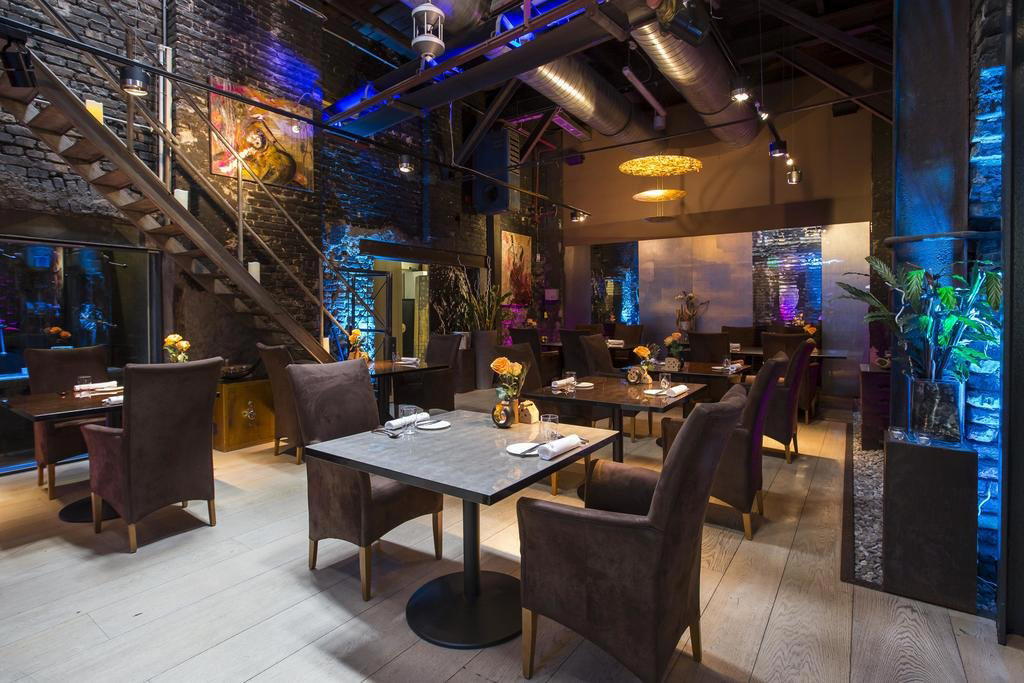
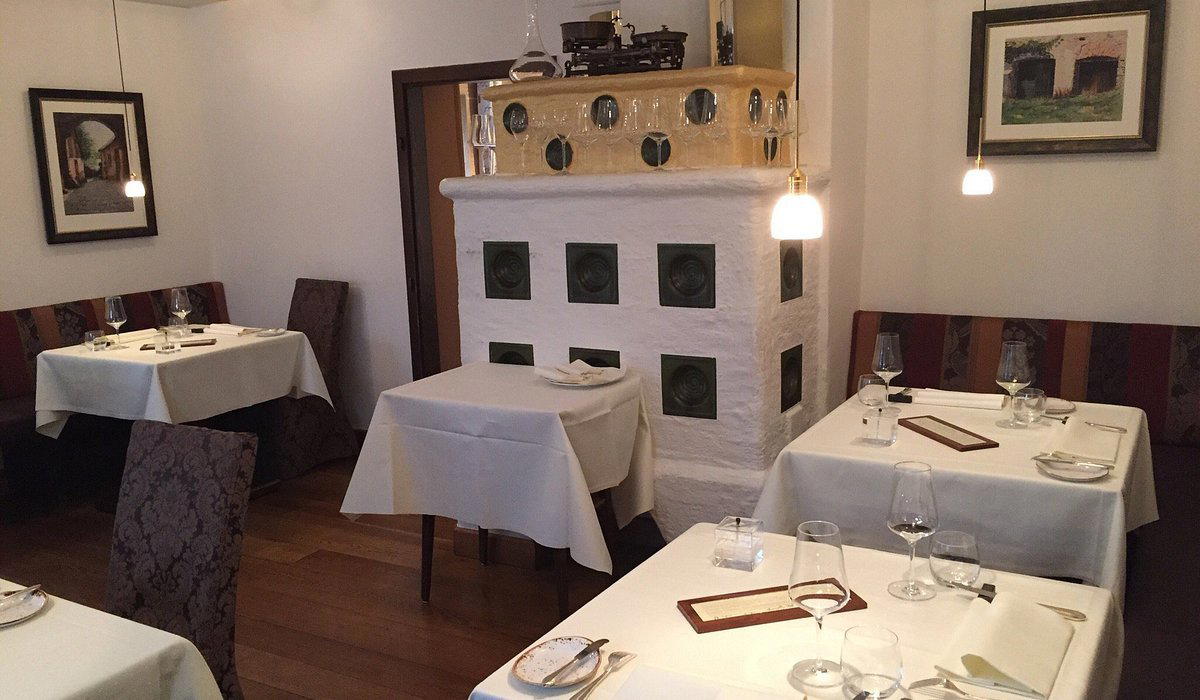
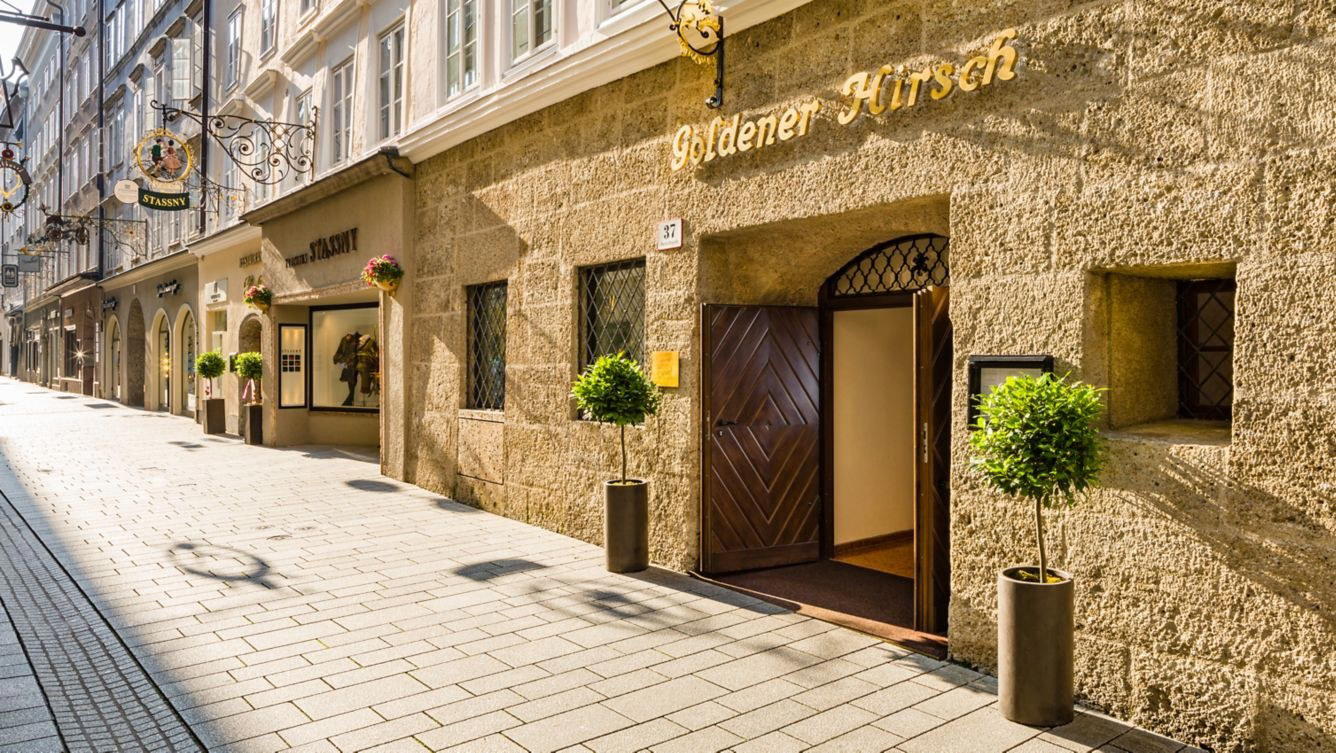
On Getreidegasse, the pedestrian artery that bisects Salzburg's Altstadt, Blaue Gans occupies a position that few addresses in the city can match for sheer historical density. The setting places it inside the tradition of Austrian inn-dining where architecture and cuisine carry equal weight. Expect an atmosphere shaped by centuries of continuous hospitality, with service and kitchen working in close coordination.
Pearl is the En Primeur Club membership app — saves, bookings, and concierge access live there. Same editors, same standards.
- Address
- 41-43, Getreidegasse, 5020 Salzburg, Austria
- Phone
- +43 662 84249154
- Website
- blauegans.at
- Directions
- Get directions
 Saves & bookings on Pearl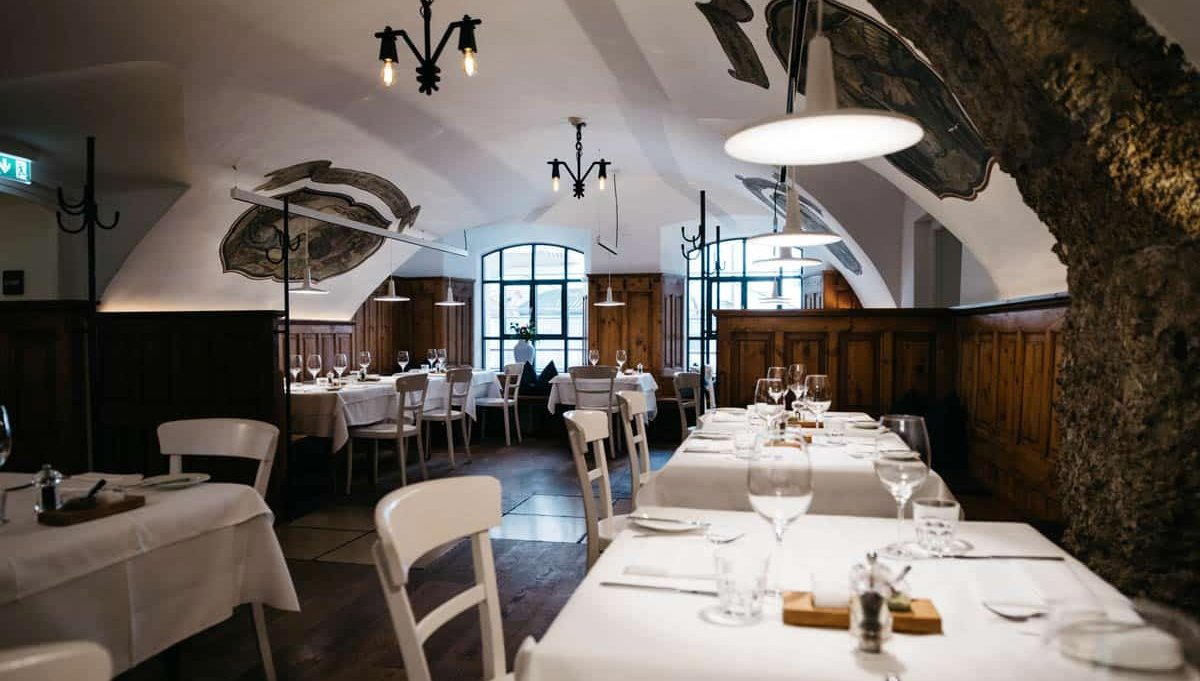
Where the Altstadt Sets the Table
Getreidegasse is Salzburg's most legible street: narrow, guild-signed, and older than the republic by several centuries. Arriving at number 41-43, the entrance to Blaue Gans sits within a building fabric that the city's Baroque planners would still recognise. That physical continuity is not incidental to dining here. In Austrian inn culture, the building is part of the proposition. The stone thresholds, the compressed stairways, the way sound behaves differently at each turn of the interior, these are conditions that newer hotel-restaurant formats in Salzburg, however polished, cannot replicate by design alone.
Austrian dining in this register has spent the last two decades splitting into two recognisable camps: the technically progressive rooms that reference international fine dining (represented in Salzburg by addresses like Ikarus and Esszimmer), and the establishments that hold the older tradition, Gasthof-rooted hospitality, regional sourcing, and a service philosophy oriented around the table rather than the kitchen's narrative arc. Blaue Gans belongs to the latter grouping, though it operates at an address that keeps it in conversation with the former.
The Getreidegasse Address in Context
Getreidegasse functions as Salzburg's most photographed corridor, which means it is also its most commercially pressured. The street runs almost entirely on tourism-facing retail and hospitality. That a property of Blaue Gans's historical depth maintains a serious dining operation here, rather than collapsing into the gift-shop logic that has claimed much of the block, is itself a positioning statement. Comparable inn-restaurant properties in the Austrian region, Obauer in Werfen or Döllerer in Golling an der Salzach, operate outside the city's tourist core and benefit from the insulation of smaller markets. Blaue Gans makes its argument from inside the density.
The broader Austrian fine-dining network that surrounds Salzburg is instructive for calibrating expectations. Properties like Landhaus Bacher in Mautern an der Donau and Steirereck im Stadtpark in Vienna define the upper register of regional cooking with decades of consistent recognition behind them. Blaue Gans operates in the same national tradition without competing directly in that awards-weighted tier, its frame of reference is the inn, not the destination restaurant.
Service Architecture and the Front-of-House Compact
The editorial angle that most accurately describes what distinguishes serious inn-dining from either casual hospitality or performance-driven fine dining is the relationship between kitchen, floor, and guest. At the tier Blaue Gans occupies, that relationship tends to be less hierarchical than at tasting-menu restaurants where the kitchen's sequence governs the entire experience. The sommelier or wine-service function here is less about curated pairings at fixed price points and more about responsive reading of the table: whether a group wants depth or accessibility, occasion or routine. The front-of-house is the primary interface, not a relay station between kitchen announcements.
This model of hospitality has deep roots in Salzburg specifically. The city's festival calendar, the Salzburg Festival runs across late July and August, concentrating internationally well-travelled guests into the Altstadt for weeks at a time, creates a particular service expectation. Guests arriving from cities with a strong fine-dining culture, including those familiar with formats like Le Bernardin in New York City or the collaborative-table model seen at Lazy Bear in San Francisco, bring reference points that a Salzburg inn-restaurant must navigate without losing its own register. The front-of-house at an address like Blaue Gans carries that translation function.
The Salzburg Dining comparable set
Within the city, Salzburg's serious restaurant options cluster into a relatively small comparable set. Senns represents the contemporary Austrian direction; Pfefferschiff and The Glass Garden occupy their own creative niches. The broader regional frame includes Kräuterreich by Vitus Winkler in Sankt Veit im Pongau for herb-focused regional cooking and Ois in Neufelden for Upper Austrian produce-led work. Alpine dining more broadly, represented at the western end of the arc by Gourmetrestaurant Tannenhof in Sankt Anton am Arlberg, Stüva in Ischgl, and Schwarzer Adler in Hall in Tirol, shares the same mountainous sourcing tradition but operates under different tourist economies. Restaurant 141 by Joachim Jaud in Mieming illustrates how that alpine register is being reinterpreted by a younger generation further west. Blaue Gans sits geographically and conceptually at the intersection of these currents, without being defined by any single one.
Planning a Visit
The address on Getreidegasse places Blaue Gans within walking distance of the Altstadt's principal sites, including the Festspielhaus and the Mozarteum, a practical advantage during festival season when restaurant availability across the city tightens considerably. Visitors planning around the Salzburg Festival (late July through August) should treat reservations at any serious Salzburg address as requiring advance planning measured in weeks, not days. Outside festival season, the Altstadt quiets and the booking window shortens accordingly, making autumn and early spring the more flexible windows for spontaneous visitors. Specific hours and reservation procedures are best confirmed directly with the property.
Cost and Credentials
Comparable venues nearby, for context on price, style, and recognition.
| Venue | Cuisine | Price | Notes |
|---|---|---|---|
| Blaue Gans SalzburgThis venue — the venue you are viewing | Not listed | $$$ | Not listed |
| KOLLER+KOLLER am Waagplatz | Not listed | $$$ | Altstadt, Traditional Austrian with International Influences |
| M32 | Not listed | $$$ | Linke Altstadt, Modern Austrian with Mediterranean Influences |
| Wirtshaus Elefant | Altstadt, Traditional Austrian | $$$ | Not listed |
| Das Gablerbräu | Not listed | $$ | Rechte Altstadt, Traditional Austrian Wirtshaus |
| St. Peter Stiftskulinarium | Not listed | $$$ | Linke Altstadt, Austrian-Mediterranean Fine Dining |
At a Glance
- Classic
- Elegant
- Cozy
- Date Night
- Special Occasion
- Group Dining
- Hotel Restaurant
- Historic Building
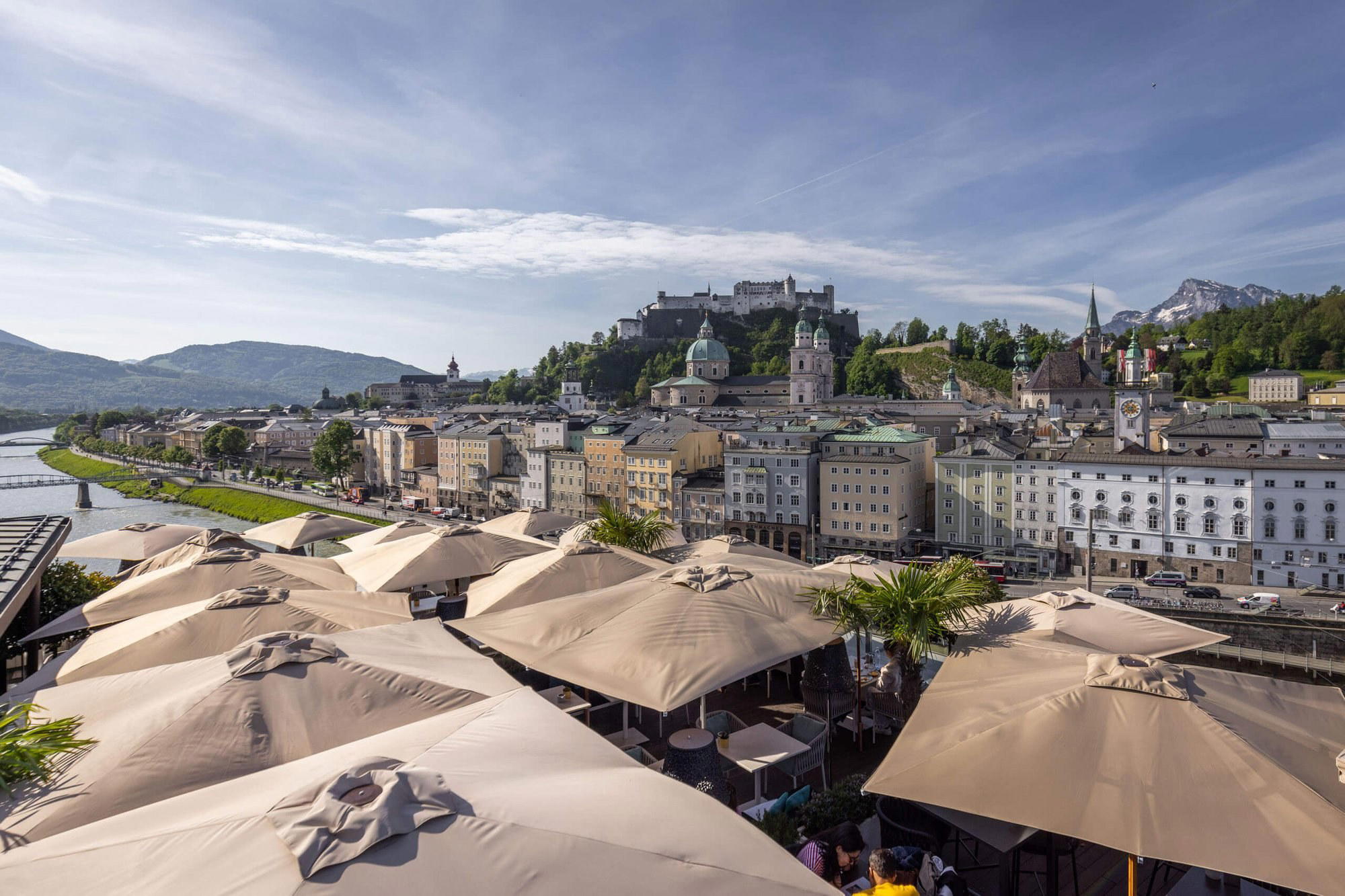
- Terrace
- Extensive Wine List
- Local Sourcing
- Street Scene
Current opening hours
- Monday
- 12–11 PM
- Tuesday
- 12–11 PM
- Wednesday
- 12–11 PM
- Thursday
- 12–11 PM
- Friday
- 12–11 PM
- Saturday
- 12–11 PM
- Sunday
- Closed
Hours can change for holidays and private events. Last verified .
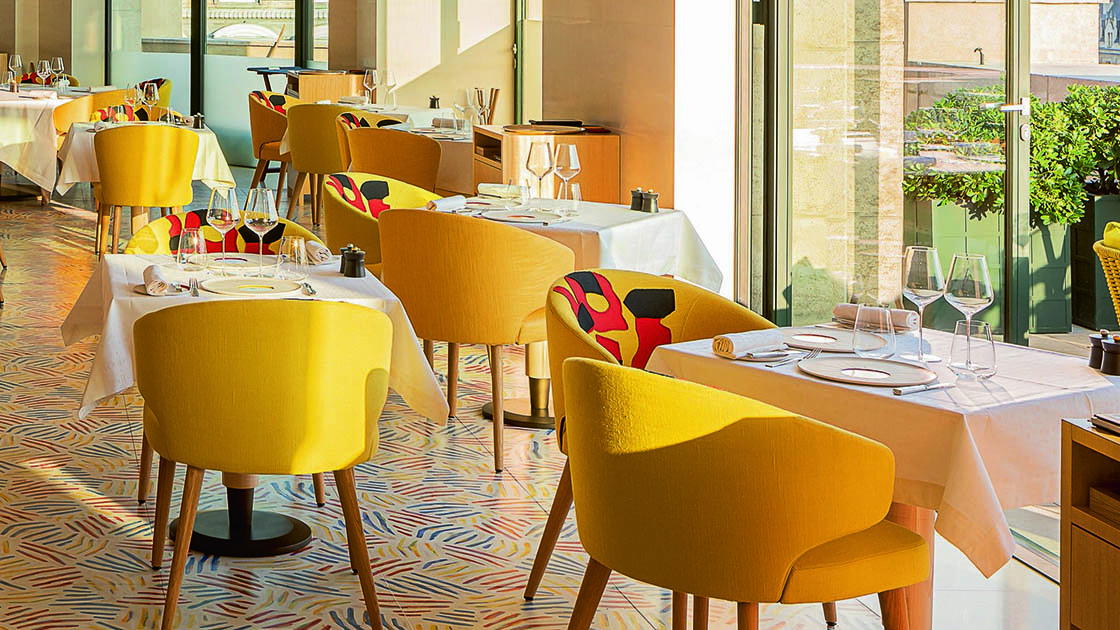
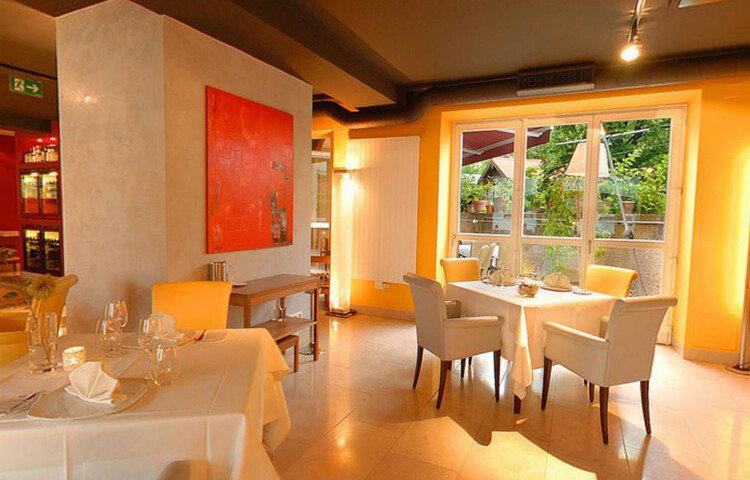
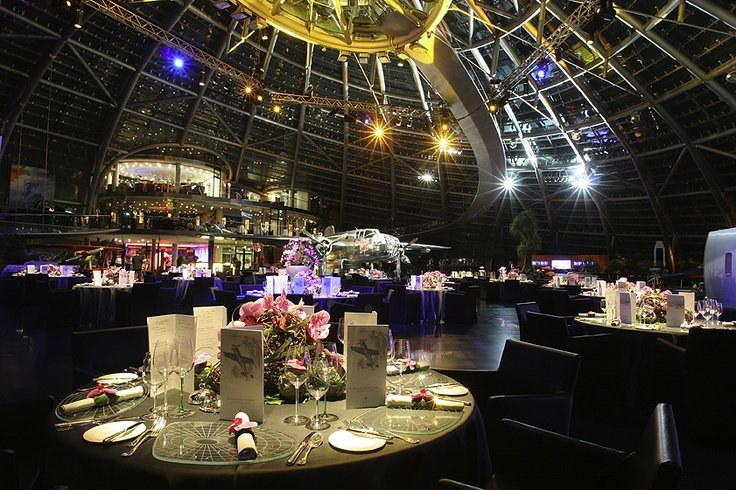
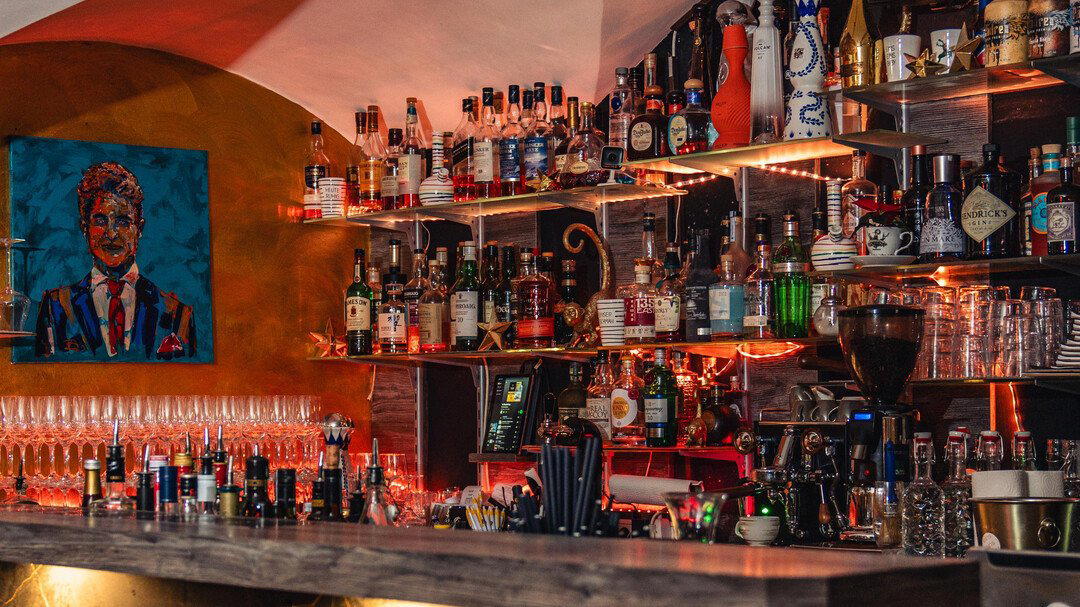
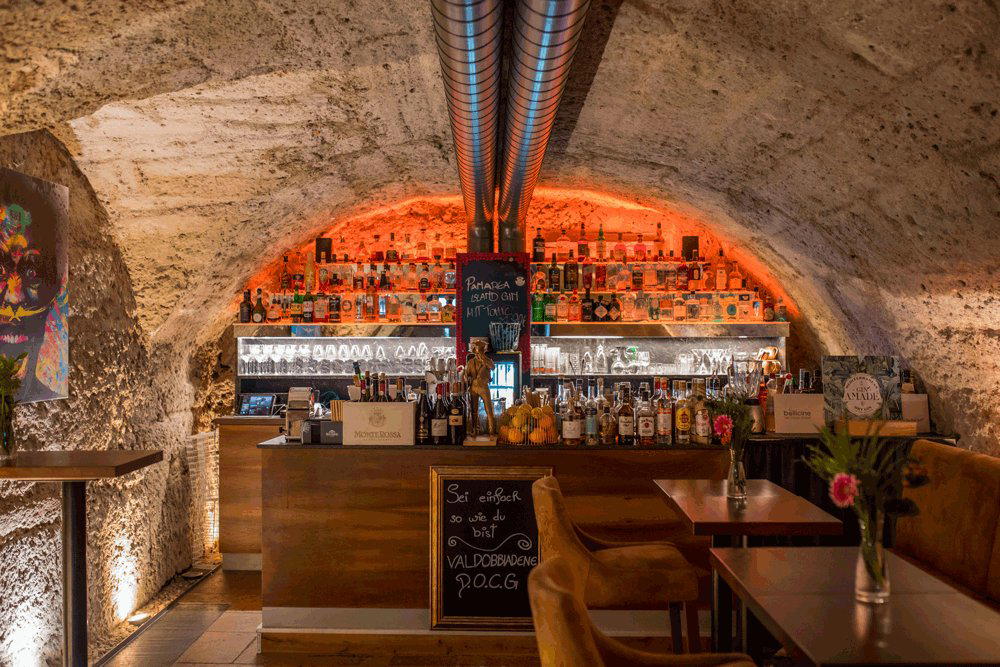
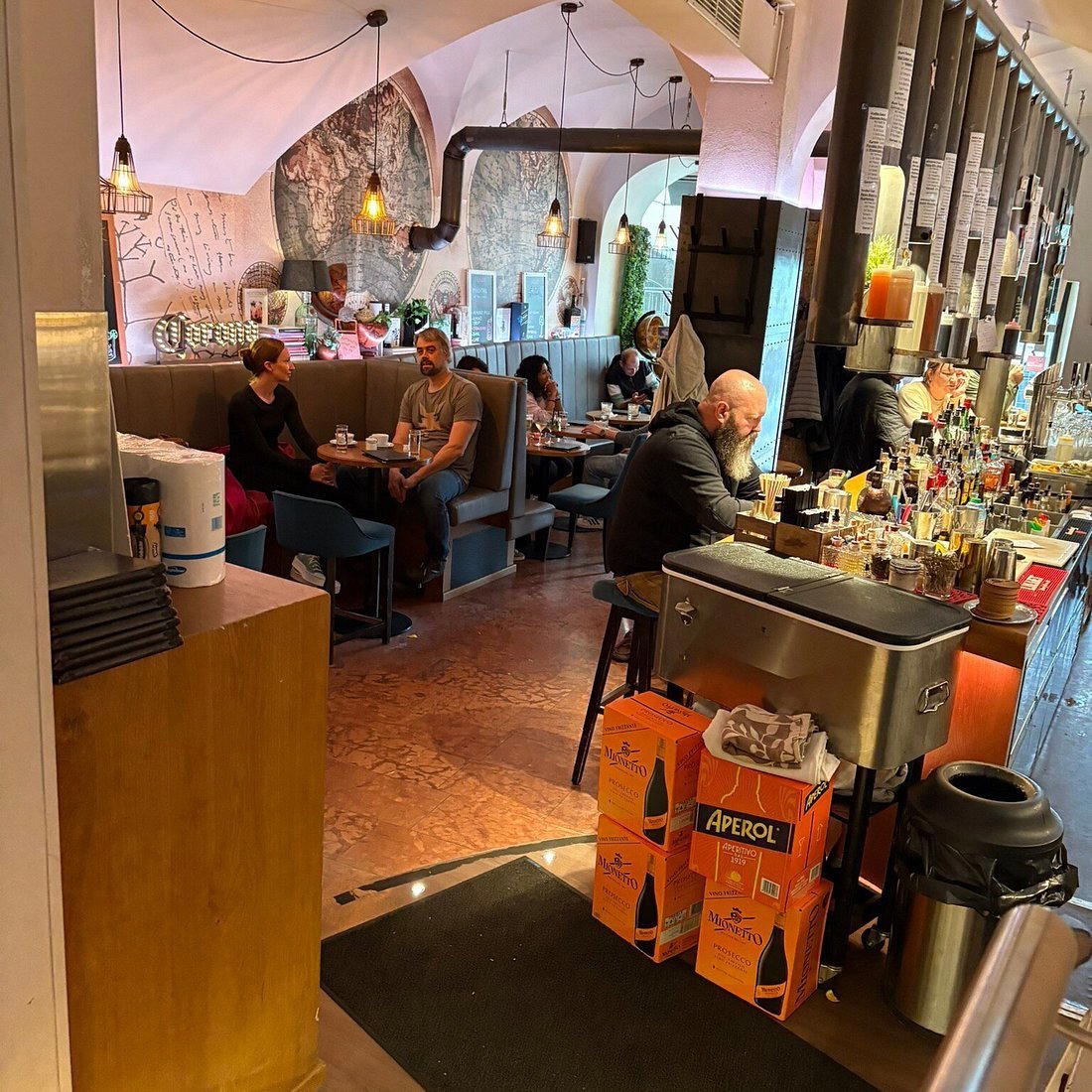
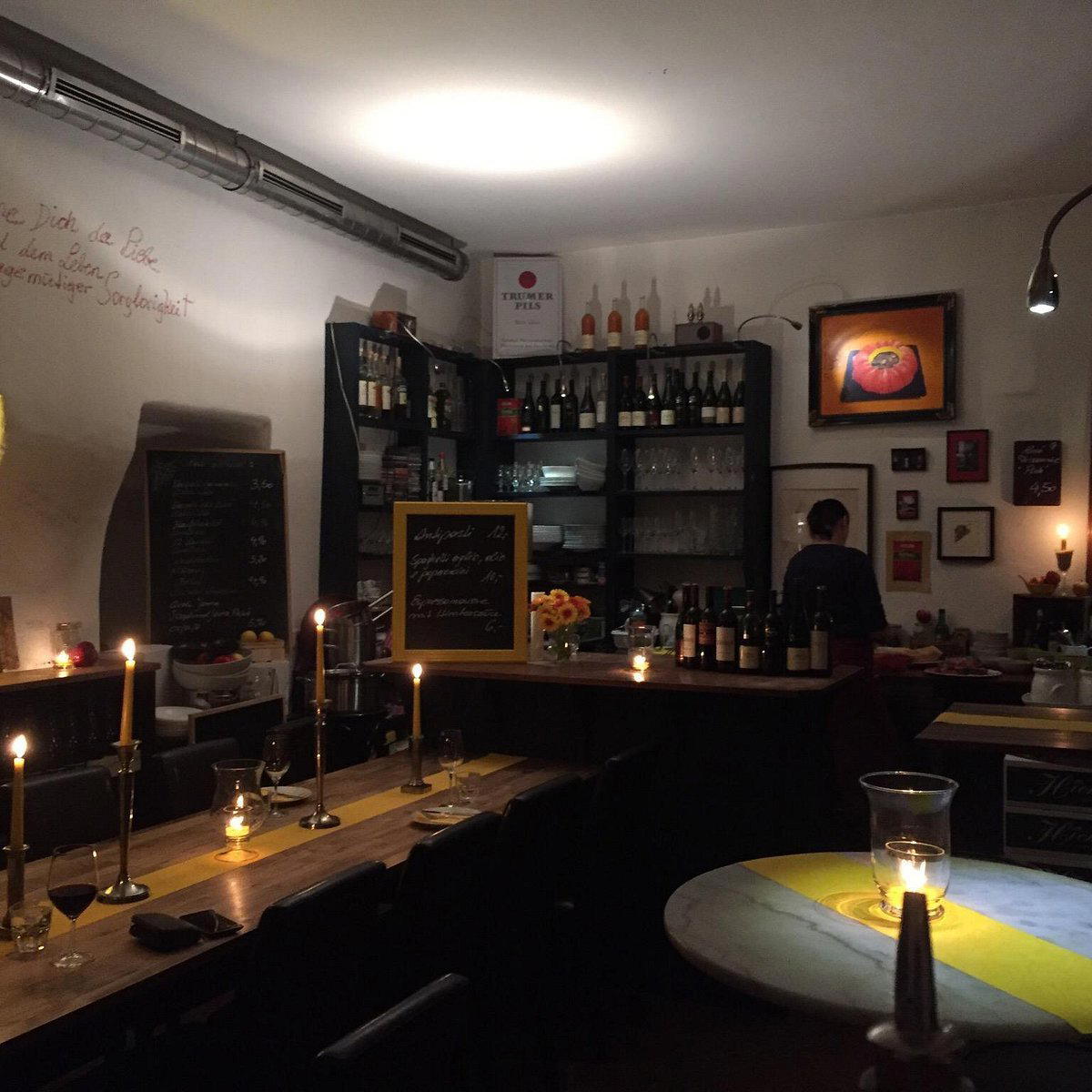
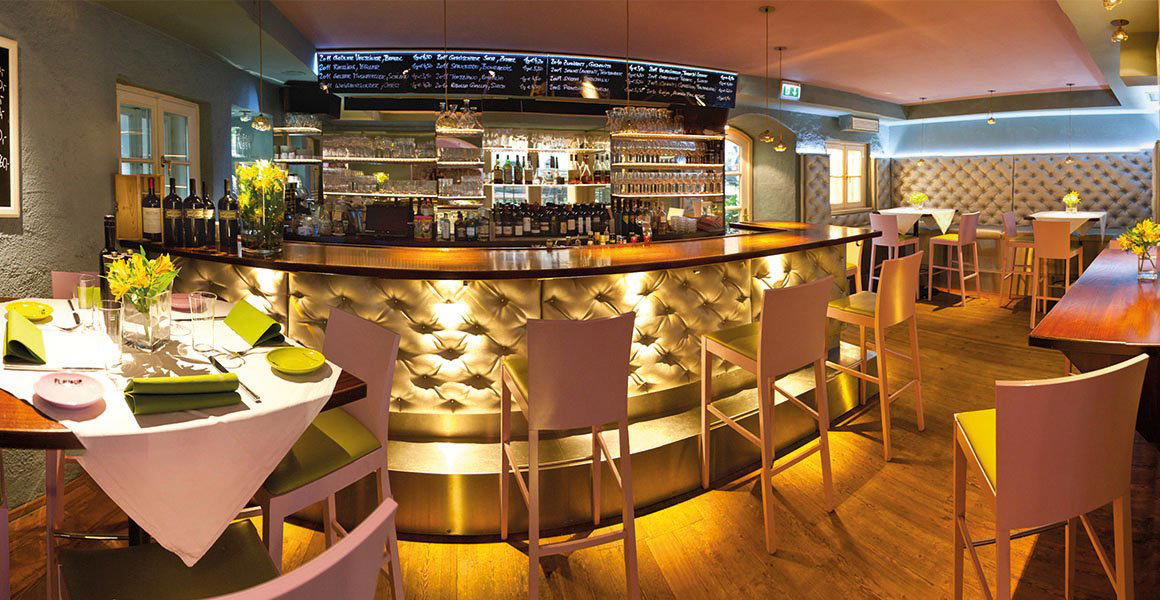
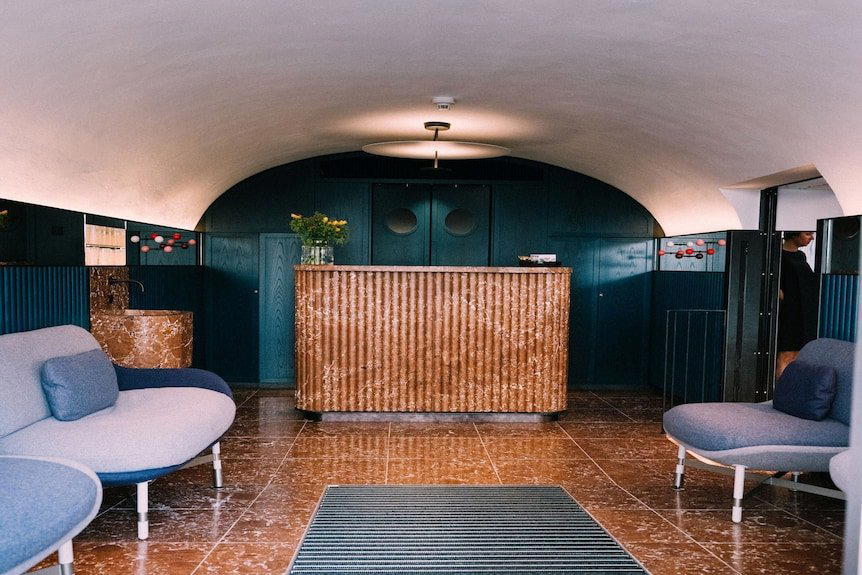
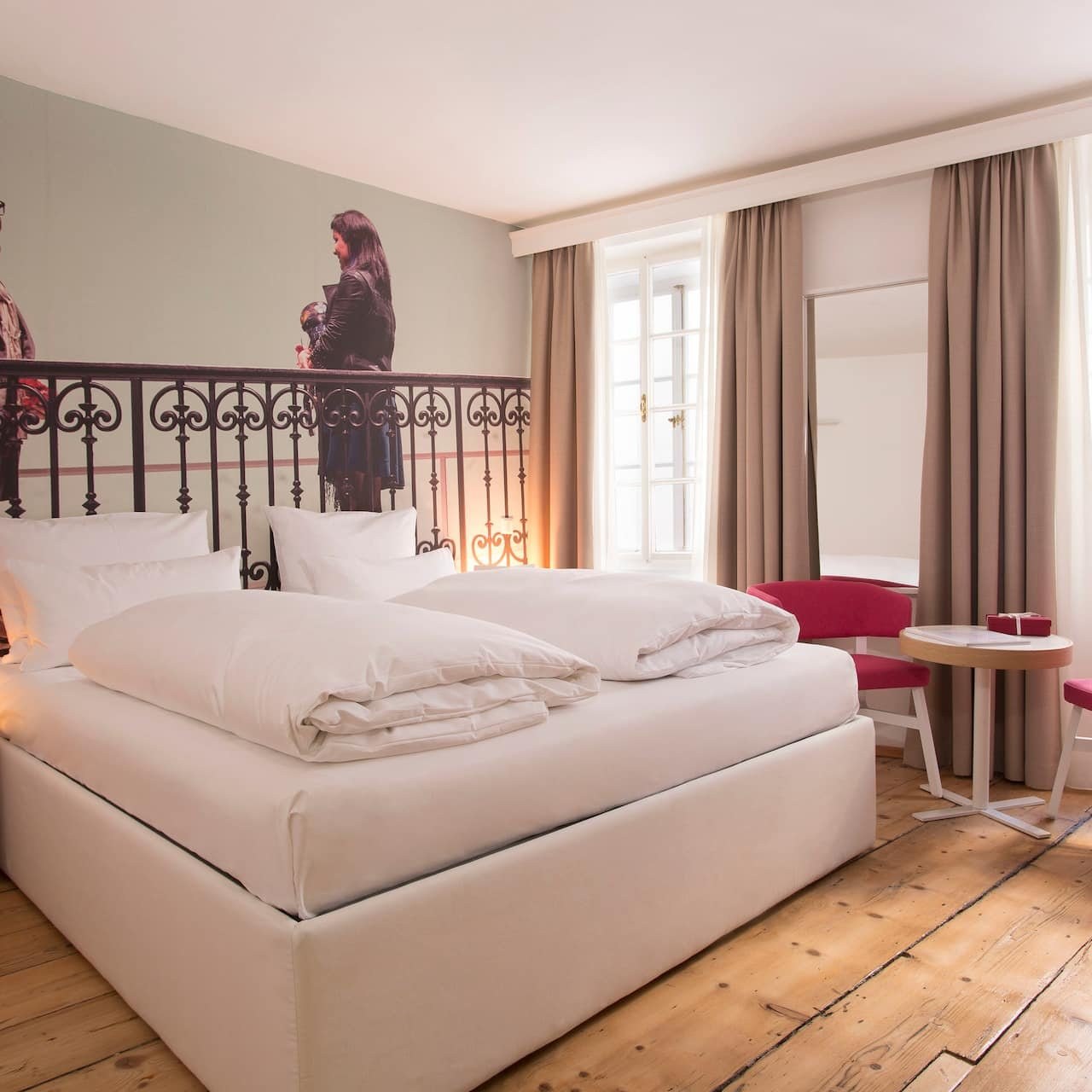
Warm, inviting atmosphere blending historic charm with modern art and relaxed elegance.