

A farm-to-table address in Salzburg's residential west, Paradoxon holds a Michelin Plate and the Star Wine List #1 ranking (2021), pairing seasonal Austrian produce with a wine room guests are invited to browse themselves. At the €€€ tier, it sits in Salzburg's mid-upper dining bracket, offering a more relaxed, family-run character than the city's formal fine-dining counters.
Pearl is the En Primeur Club membership app — saves, bookings, and concierge access live there. Same editors, same standards.
- Address
- Zugallistraße 7, 5020 Salzburg, Austria
- Phone
- +43 664 1616191
- Website
- restaurant-paradoxon.com
- Directions
- Get directions
 Saves & bookings on Pearl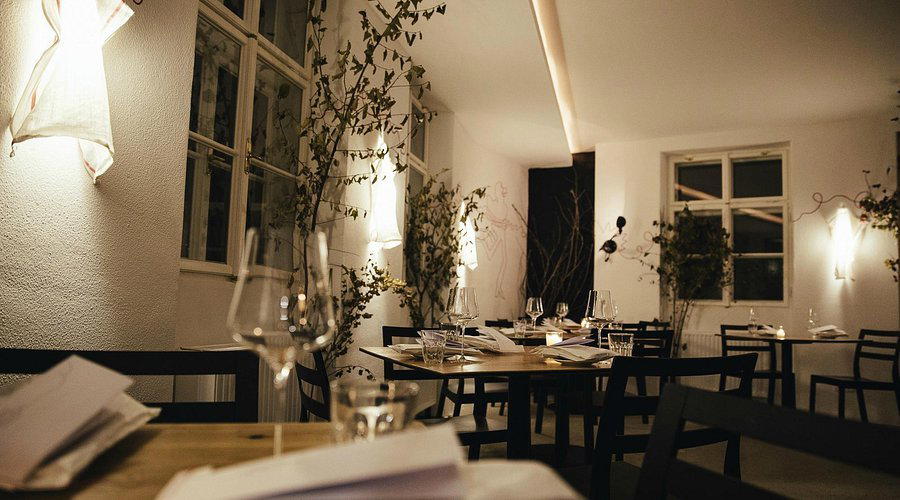
Where the Produce Sets the Agenda
Farm-to-table cooking in Austria operates within a specific logic: the country's short growing season, alpine geography, and strong regional supplier networks push kitchens toward hyper-local sourcing in a way that feels less ideological than practical. Restaurants that commit to this model tend to build menus around what arrives each week rather than what a fixed carte demands, and the wine program usually reflects the same philosophy. Paradoxon, at Zugallistraße 7 in Salzburg's 5020 district, works within that tradition, earning a Michelin Plate in both 2024 and 2025 as evidence that the kitchen's output meets a measurable standard of consistency.
The address sits in a quieter, residential part of the city rather than in the tourist-heavy Altstadt. That placement is not incidental. The farm-to-table category tends to thrive away from high-footfall locations precisely because the model demands operational flexibility, menus shift with supply, which suits a dining room that draws returning guests rather than one-time festival visitors. During the Salzburg Festival season, from late July through August, the city's restaurant demand spikes sharply, and the more institutionally-minded rooms fill first. Paradoxon, by contrast, is the kind of place that rewards knowing about in advance, booking early in the season, and returning when the autumn harvest shifts the menu's character again.
The Wine Room as Dining Philosophy
Austria's wine culture has moved considerably in the last two decades. The country's Grüner Veltliner and Riesling from the Wachau and Kamptal are internationally credentialed, but the more interesting development has been the emergence of natural and minimal-intervention producers, particularly in Burgenland and Styria, whose output has found its way into serious restaurant lists. The Star Wine List ranking that Paradoxon earned in 2021 signals a wine program operating with curatorial intent, not just a serviceable cellar. The format here is direct: guests walk into the wine room and choose a bottle themselves, which collapses the formality that can make wine selection feel intimidating in €€€ and above restaurants. It is a structural choice that says something about the house's values. Compare this with the more ceremony-led approach at Ikarus or Pfefferschiff, both operating at the €€€€ tier, and the difference in register is clear.
Ethical Sourcing and the Salzburg Context
The sustainability story in Austrian fine dining is partly geographic luck and partly deliberate choice. Proximity to alpine farms, artisan dairies, and river fisheries means that sourcing locally is more viable here than in many European capitals. The harder discipline is traceability and waste reduction. Kitchens that take farm-to-table seriously tend to use whole animals, plan around imperfect produce, and operate with smaller menus that change more frequently. These are operational constraints as much as ethical ones, and they produce a different rhythm in the dining room: portions are calibrated to what came in, the menu may read differently week to week, and the kitchen has more direct dialogue with its suppliers. Paradoxon fits this model, and the Michelin recognition across two consecutive years confirms that the approach produces cooking at a level that stands up to formal scrutiny.
Within the broader Austrian farm-to-table category, the strongest regional comparison point is Döllerer in Golling an der Salzach, about 30 kilometres south of the city, which has built a destination reputation around alpine sourcing at a higher price tier. Closer to Paradoxon's register, Kräuterreich by Vitus Winkler in Sankt Veit im Pongau pursues a herb-forward, garden-sourced philosophy that shares ideological ground. For context outside Austria, BOK Restaurant Brust oder Keule in Münster and Clostermanns Le Gourmet in Niederkassel represent the German-speaking farm-to-table tier at comparable seriousness.
Where Paradoxon Sits in Salzburg's Dining Order
Salzburg's upper restaurant tier is smaller than its international profile might suggest. The city draws a high concentration of music and festival visitors, many with significant dining budgets, which has historically supported a handful of ambitious kitchens. Esszimmer operates at the €€€ tier with a Modern Austrian, Creative orientation. Senns sits in the Austrian category. The Glass Garden occupies a Creative positioning. Paradoxon's distinction within this set is its explicit commitment to the supply chain. The Michelin Plate, awarded to restaurants whose food quality merits attention without reaching star level, places it in the same tier as Esszimmer and clearly below the starred rooms, but the Star Wine List ranking in 2021 gives the wine program independent credibility that few peers at this price level can match.
The family-run character matters here too. In cities where premium dining has increasingly consolidated around chef-celebrity formats or hotel dining rooms, a family-operated room at the €€€ level with legitimate award recognition represents a different kind of proposition. The service dynamic is less transactional, the regulars tend to be genuine, and the kitchen's relationship to the dining room is more direct. For points of comparison in Austria's wider scene, Steirereck im Stadtpark in Vienna sets the benchmark for the country's farm-to-table fine dining at the highest tier. In the alpine resort context, Gourmetrestaurant Tannenhof in Sankt Anton am Arlberg, Griggeler Stuba in Lech, and Obauer in Werfen each demonstrate how seriously the Austrian alpine corridor takes seasonal, sourced cooking.
Planning Your Visit
Paradoxon is located at Zugallistraße 7, 5020 Salzburg, in the western residential zone of the city, a short taxi or tram ride from the historic centre. The price range sits at the €€€ tier, placing it at the upper-middle of the Salzburg market and below the festival-season premium rooms. Given the farm-to-table format and the wine room's self-selection model, this is a reservation that rewards unhurried evenings. Booking in advance is advisable, as the city's dining capacity tightens during the busiest weeks. For the fullest seasonal picture, the shoulder seasons, late spring and early autumn, tend to produce interesting produce cycles in alpine kitchens.
For broader planning, consult
What should I order at Paradoxon?
Because Paradoxon operates on a farm-to-table model, the menu shifts with what the kitchen's suppliers bring in each week. The more reliable strategy is to follow the kitchen's lead on seasonal produce and to engage seriously with the wine room. The Star Wine List ranking from 2021 confirms the cellar is curated at a level that makes the self-selection format a genuine opportunity rather than a gimmick. The Michelin Plate recognition across 2024 and 2025 suggests that whatever the kitchen is cooking, it is doing so at a consistent standard.
Comparable Spots
Comparable venues nearby, for context on price, style, and recognition.
| Venue | Cuisine | Price | Notes |
|---|---|---|---|
| ParadoxonThis venue — the venue you are viewing | Modern Alpine Seasonal | $$$ | Not listed |
| Zum Buberl Gut | Modern Austrian with Mediterranean Influences | $$$ | Morzg |
| Die Gersberg Alm | Traditional Austrian with Regional Influences | $$$ | Gersberg |
| Brunnauer | Avant-Garde Austrian with Seasonal Ingredients | $$$$ | Äußeres Nonntal |
| Meissl & Schadn | Traditional Austrian Brasserie | $$$ | Linke Altstadt |
| Wirtshaus Elefant | Traditional Austrian | $$$ | Altstadt |
Recognition history
Dated appearances from independent guides and award organizations, with the underlying list record or original source where available.
Michelin Plate
Michelin
Star Wine List
Star Wine List
Michelin Plate
Michelin
Michelin Plate
Michelin
Star Wine List
Star Wine List
At a Glance
- Modern
- Cozy
- Elegant
- Intimate
- Bohemian
- Date Night
- Special Occasion
- Celebration
- Group Dining
- Open Kitchen
- Garden
- Standalone
- Design Destination
- Sommelier Led
- Farm To Table
- Local Sourcing
Current opening hours
- Monday
- Closed
- Tuesday
- Closed
- Wednesday
- Closed
- Thursday
- 6 PM–12 AM
- Friday
- 6 PM–12 AM
- Saturday
- 10 AM–2 PM, 6 PM–12 AM
- Sunday
- 10 AM–2 PM, 6 PM–12 AM
Hours can change for holidays and private events. Last verified .
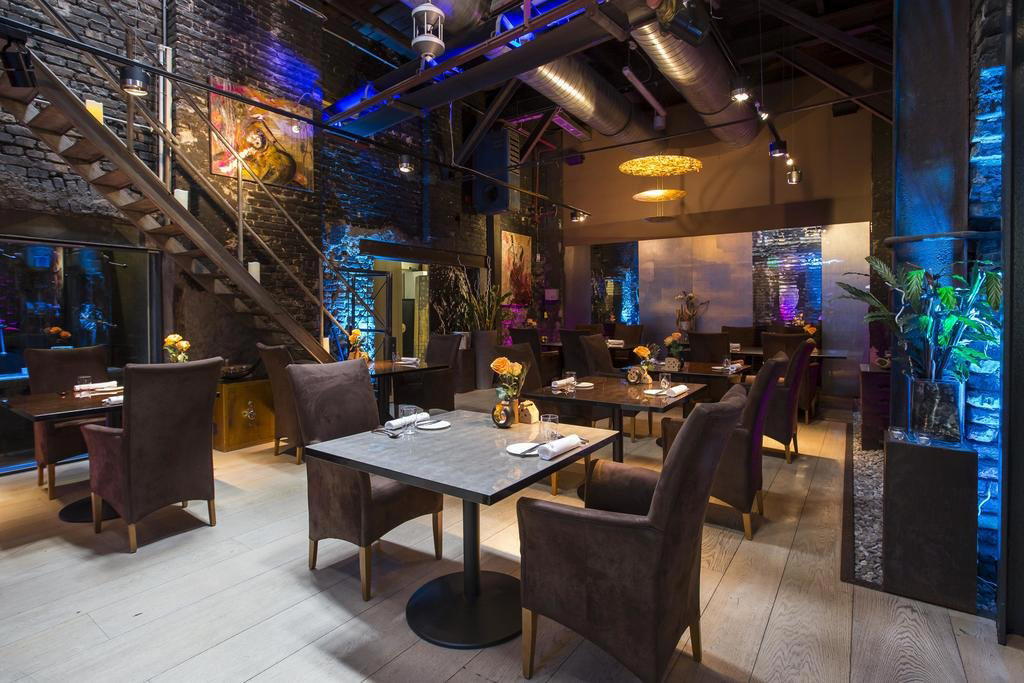
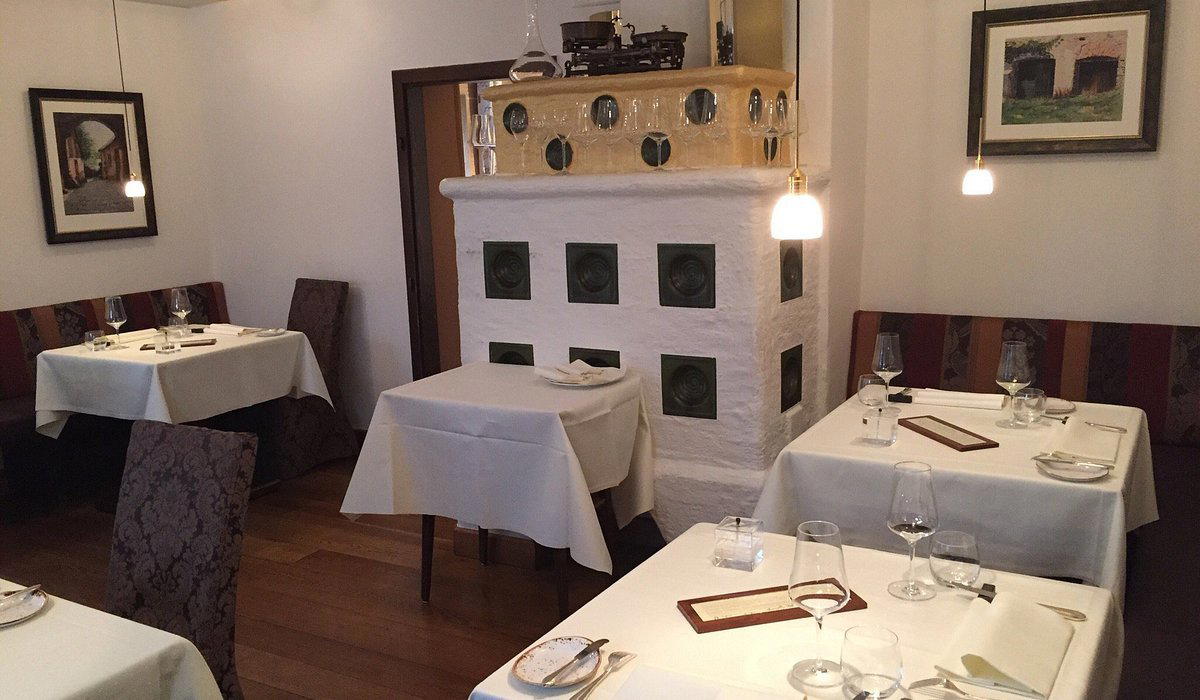
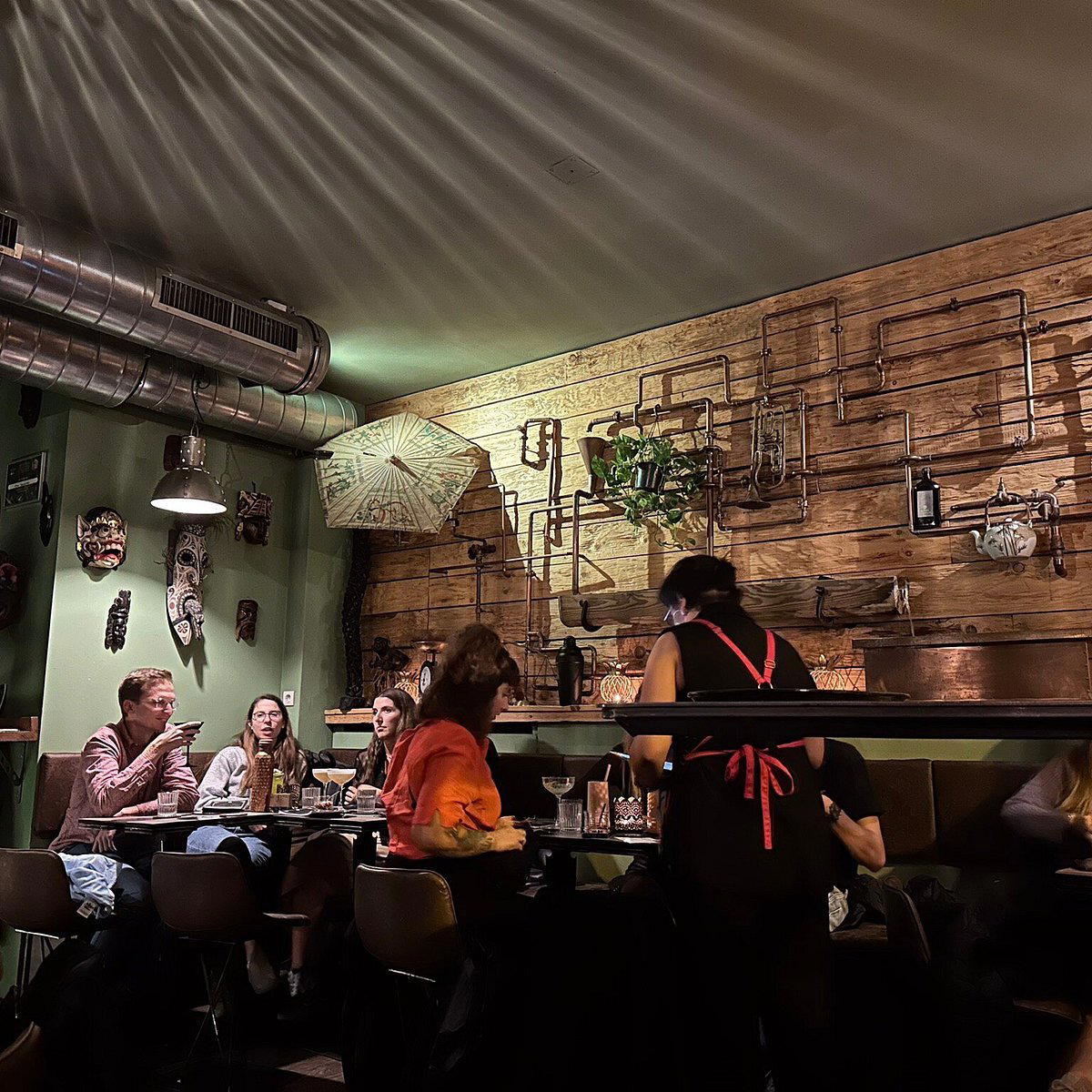
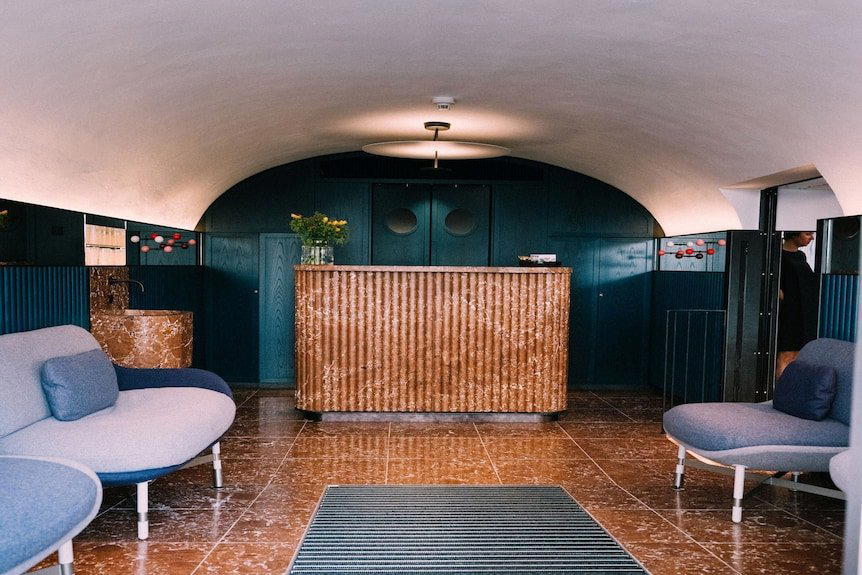
Candlelit and intimate with natural textures, linen details, and a quietly sophisticated atmosphere that feels private even when full. Modern, purist design with low lighting that flatters conversation.