"Dine with Mozart in Europe's Oldest Restaurant Dating back to 803 C.E., the St. Peter Stiftskulinarium is said to be the oldest restaurant in Europe. While there’s a fine contemporary Austrian menu, the history and atmosphere of the various salons and dining rooms are an even bigger draw. The arcaded courtyard in particular is charming and turns into a winter wonderland during the Christmas-market season. The highlight for most travelers will be the Mozart Dinner. Taking place in the dramatic ambience of the Baroque Hall, the meal is served with a performance by an ensemble of Mozarteum University Salzburg graduates wearing period costumes, wonderful musicians who also work with renowned orchestras."
Pearl is the En Primeur Club membership app — saves, bookings, and concierge access live there. Same editors, same standards.
- Address
- Sankt-Peter-Bezirk 1/4, 5020 Salzburg, Austria
- Phone
- +43 662 8412680
- Website
- stpeter.at
- Directions
- Get directions
 Saves & bookings on Pearl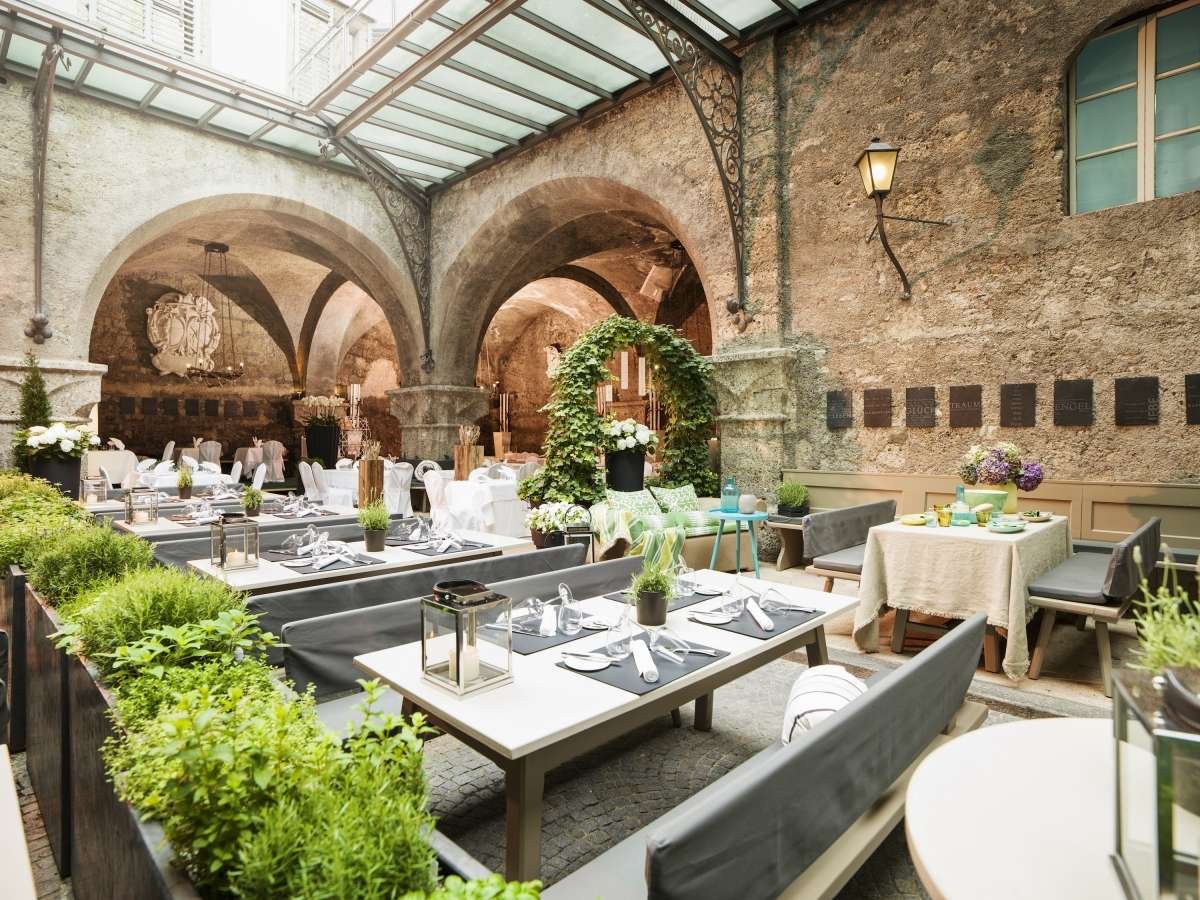
Where the Stone Walls Remember Older Menus
St. Peter Stiftskulinarium is a restaurant in Salzburg, Austria, serving Austrian-Mediterranean fine dining in the Altstadt. Attached to the Benedictine abbey of St. Peter in Salzburg's Altstadt, the premises trace continuous hospitality back to 803 AD, making it one of the longest-documented dining establishments in Central Europe. The physical approach alone signals the gravity of the place: you pass through an archway worn smooth by centuries of foot traffic, into a courtyard framed by the rock face of the Mönchsberg cliff on one side and ecclesiastical stonework on the other. Before you sit down, the architecture has already made an argument about the continuity of Austrian table culture.
In the broader context of Austrian fine dining, this matters. Cuisine in the Alpine corridor has always operated at the intersection of monastic tradition, seasonal alpine produce, and the formal influence of the Habsburgs. What emerged from those conditions was a culinary register quite distinct from French haute cuisine: denser, more rooted in preservation and game, with a seriousness about bread, dairy, and pork that reflected both the terrain and the church calendar. St. Peter Stiftskulinarium sits at the oldest surviving expression of that tradition in Salzburg. The comparison venues in the city's current fine-dining tier, including Ikarus and Pfefferschiff, operate from a contemporary-creative position. This venue operates from an entirely different premise: historical continuity as a culinary value in itself.
The Cultural Weight of Benedictine Hospitality
The Rule of St. Benedict prescribed hospitality to all guests as a sacred obligation, and the monasteries that followed it became the first structured dining institutions in medieval Europe. They kept wine cellars, maintained gardens, and developed food preservation techniques that shaped regional cooking for generations. The Stift St. Peter in Salzburg was no exception. Its kitchens and cellars have been in continuous use since the early medieval period, and the restaurant that operates within its walls today inherits that institutional depth whether it explicitly trades on it or not.
This context distinguishes the Stiftskulinarium from the newer generation of Austrian fine dining, represented in the region by addresses like Senns and Esszimmer, where the orientation is toward technique-led modernism. The older tradition, which the Stiftskulinarium embodies, is less interested in deconstruction than in fidelity to a culinary inheritance. Across Austria, that inheritance is taken seriously at the highest levels: Steirereck im Stadtpark in Vienna and Landhaus Bacher in Mautern an der Donau both anchor their menus in Austrian provenance even while working at a technically sophisticated level. The Stiftskulinarium sits on the more tradition-oriented end of that spectrum.
Salzburg's Dining Tier and Where This Venue Sits
Salzburg punches well above its population in fine-dining density, partly because of the festival economy that concentrates well-travelled, high-spending visitors in July and August, and partly because of its proximity to the wider Alpine food region. Obauer in Werfen and Döllerer in Golling an der Salzach both draw diners who treat a meal there as a day trip from the city. Within Salzburg itself, the competitive set ranges from the highly contemporary creative programs at The Glass Garden to the classical Austrian cooking that the Stiftskulinarium represents.
The Altstadt location is central by any measure: the abbey complex sits directly between the Hohensalzburg fortress and the Salzach river, within walking distance of the main festival venues. For visitors arriving during the Salzburg Festival, the restaurant's proximity to the Felsenreitschule and Grosses Festspielhaus makes it a natural pre- or post-performance destination. Salzburg's festival calendar runs from late July through August, and the weeks around Mozart Week in January represent a secondary peak. Outside those windows, the Altstadt quietens considerably, and reservations become easier to secure.
Planning a Visit
The Stiftskulinarium sits within the abbey precinct at Sankt-Peter-Bezirk 1/4 in the Altstadt, walkable from the main Salzburg transport nodes. The setting across multiple rooms in a medieval complex means the experience varies depending on which room or courtyard section is assigned for service; arriving a few minutes early to take in the architecture before being seated adds considerably to the occasion. Visitors during the festival season should expect the dining room to skew toward an international audience, with a significant share of opera and concert attendees. Outside festival peaks, the room reads differently, with more local and regional guests. Those exploring beyond Salzburg might also consider Ois in Neufelden for a contrasting take on regional Austrian cooking in a quieter setting, or Lazy Bear in San Francisco as an international reference point for how historical and communal dining traditions can be reinterpreted at a high level.
A Pricing-First Comparison
Comparable venues nearby, for context on price, style, and recognition.
| Venue | Cuisine | Price | Notes |
|---|---|---|---|
| St. Peter StiftskulinariumThis venue — the venue you are viewing | Not listed | $$$ | Not listed |
| Wirtshaus Elefant | Altstadt, Traditional Austrian | $$$ | Not listed |
| KOLLER+KOLLER am Waagplatz | Not listed | $$$ | Altstadt, Traditional Austrian with International Influences |
| Panorama | Not listed | $$$ | Salzachseen, Traditional Austrian & International |
| Arthotel Blaue Gans | Linke Altstadt, Modern Austrian Regional | $$$$ | Not listed |
| Restaurant Zirbelzimmer | Rechte Altstadt, Austrian Fine Dining | $$$$ | Not listed |
At a Glance
- Romantic
- Classic
- Elegant
- Well Known
- Sophisticated
- Cozy
- Date Night
- Business Dinner
- Special Occasion
- Celebration
- Historic Building
- Live Music
- Courtyard
- Private Dining
- Wine Cellar
- Extensive Wine List
- Sommelier Led
- Local Sourcing
- Garden
Current opening hours
- Monday
- 12:30–11 PM
- Tuesday
- 12:30–11 PM
- Wednesday
- 12:30–11 PM
- Thursday
- 12:30–11 PM
- Friday
- 12:30–11 PM
- Saturday
- 12:30–11 PM
- Sunday
- 12:30–11 PM
Hours can change for holidays and private events. Last verified .
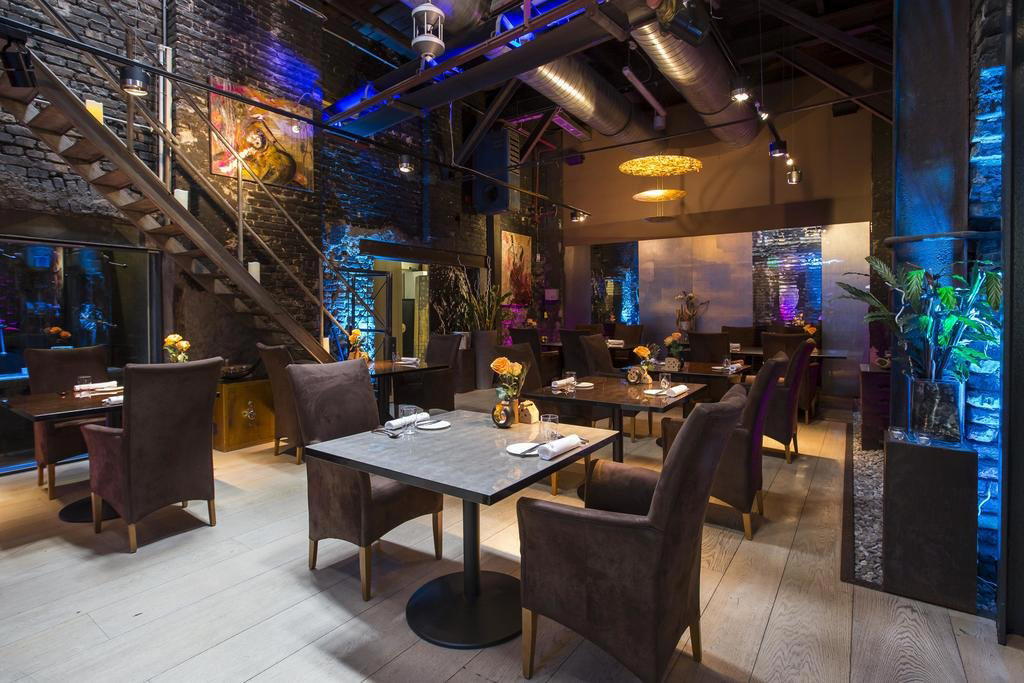
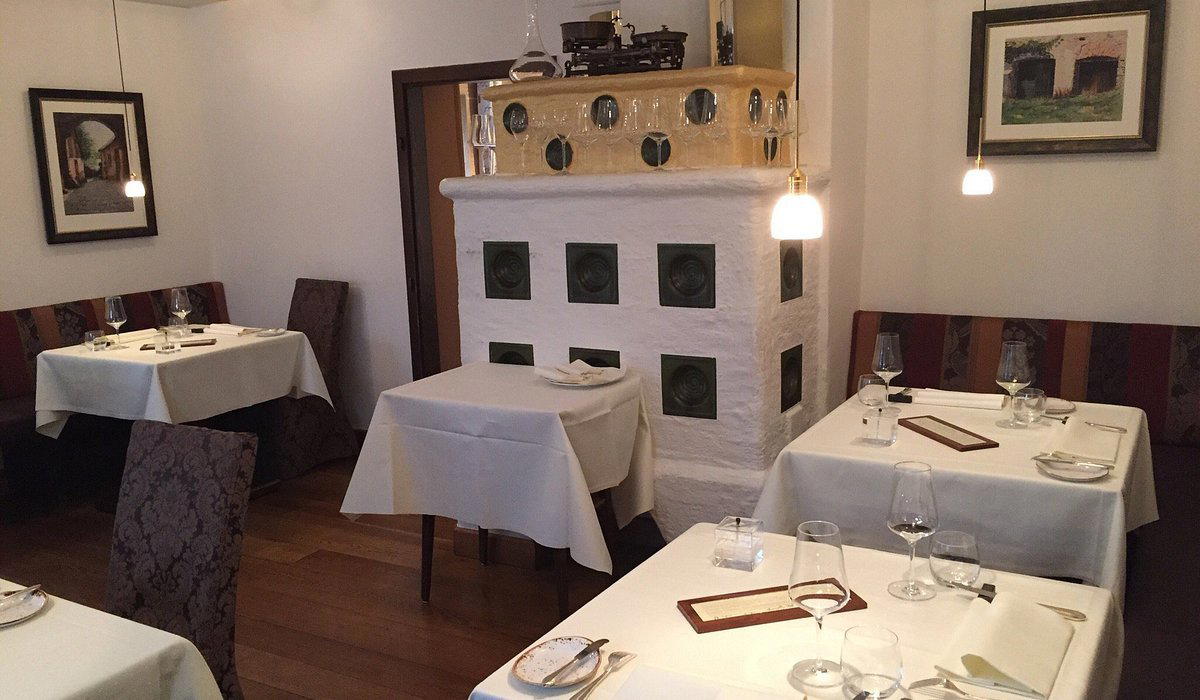
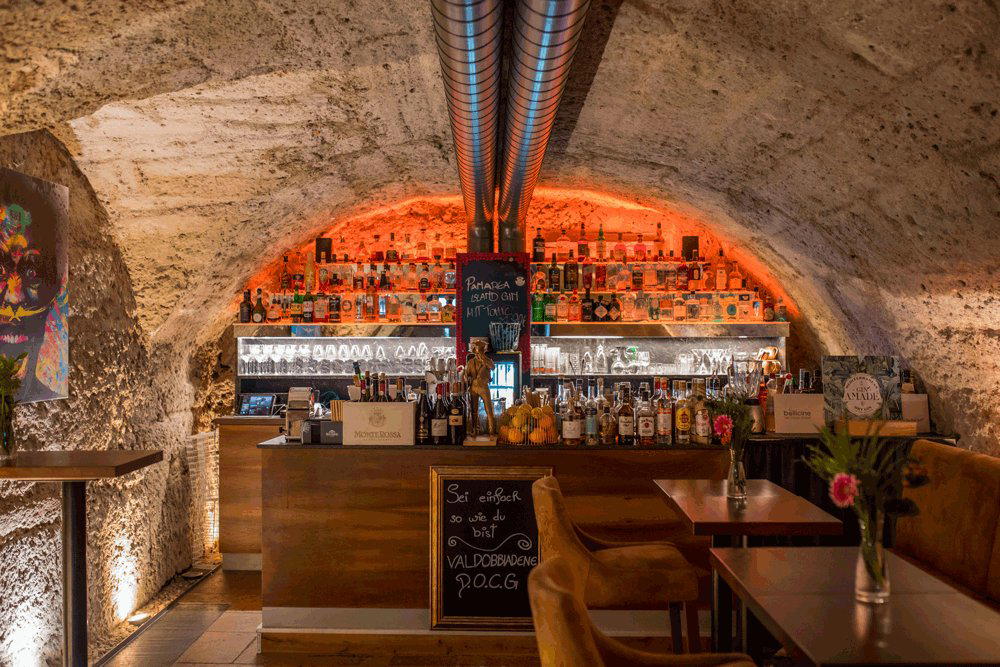
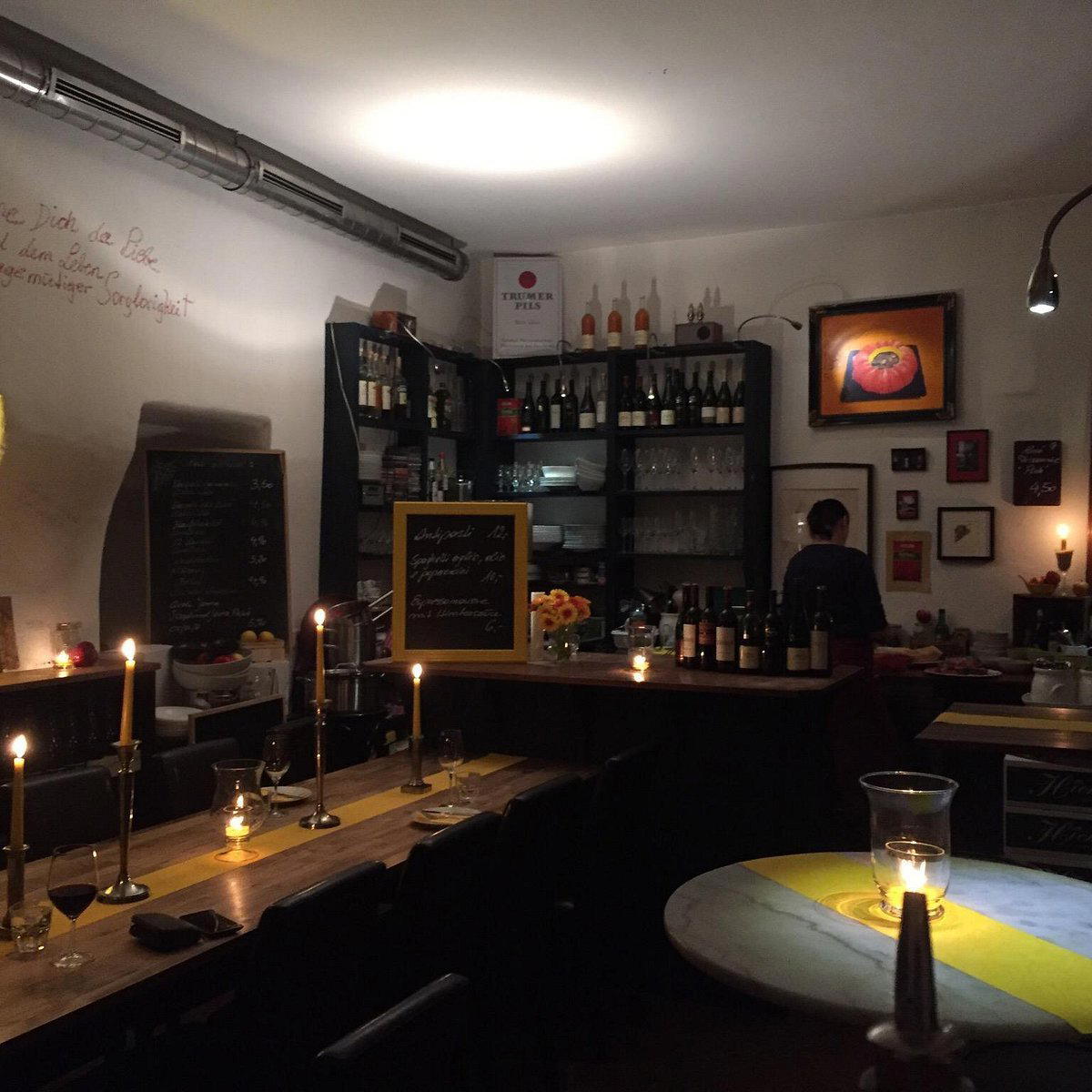
Elegant and timeless with candlelit baroque halls, classical music, ivy-covered stone arches, and an intimate inner courtyard garden creating a sophisticated yet warm atmosphere.