Pan e Vin occupies a address on Gstättengasse in Salzburg's Old Town, where the city's appetite for wine-led dining intersects with a quieter, less theatrical approach than the Michelin-flagged rooms nearby. The name alone signals the priorities: bread, wine, and the Italian-inflected conviction that hospitality is built from simple things done with care. Among Salzburg's mid-to-upper tier restaurants, it operates at a register that rewards repeat visitors over first-timers chasing tasting menus.
Pearl is the En Primeur Club membership app — saves, bookings, and concierge access live there. Same editors, same standards.
- Address
- Gstättengasse 1, 5020 Salzburg, Austria
- Phone
- +43662844666
- Website
- panevin.at
- Directions
- Get directions
 Saves & bookings on Pearl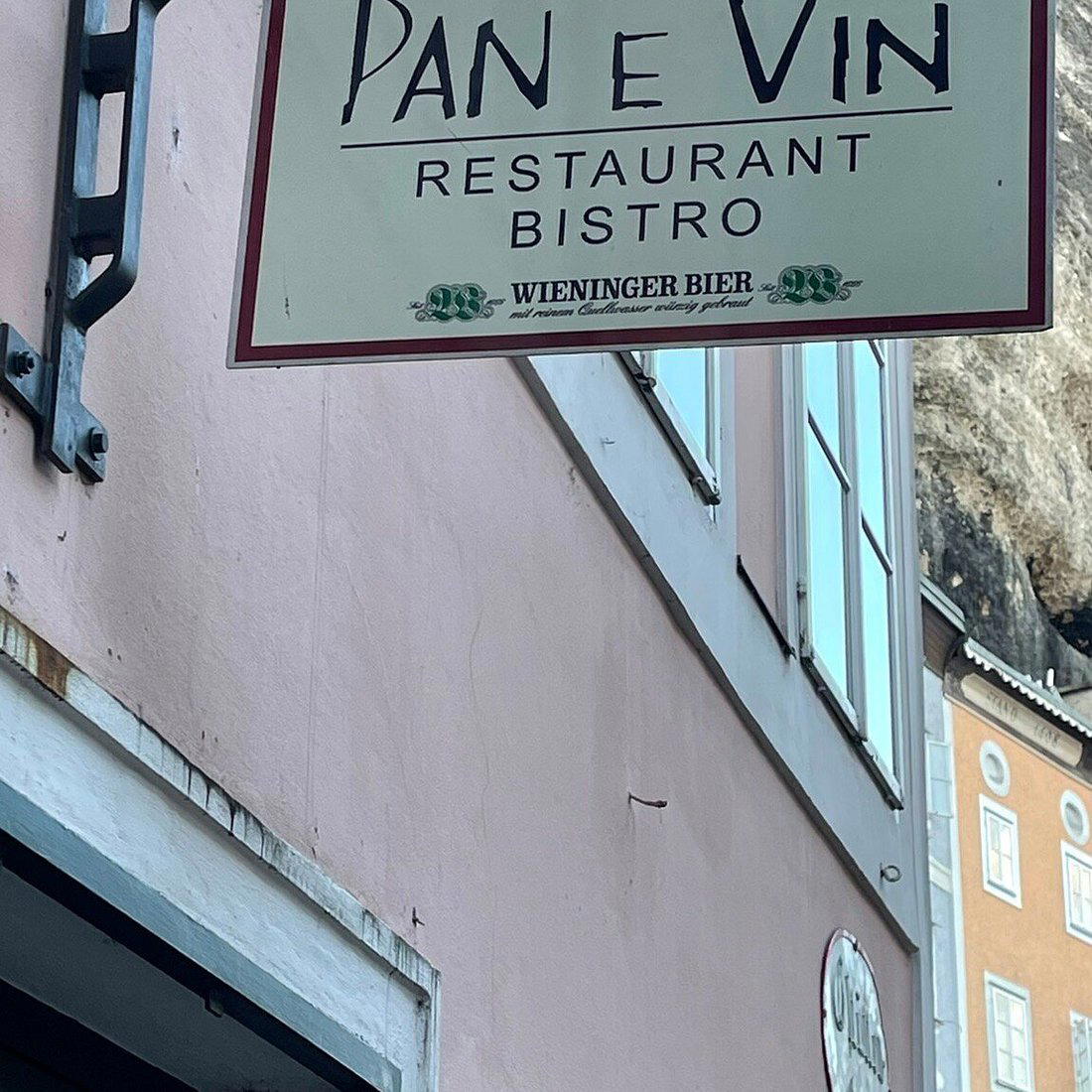
Gstättengasse and the Case for Restraint
Salzburg's dining reputation is built on a handful of headline rooms: Ikarus with its rotating guest-chef format, Esszimmer with its creative Austrian tasting architecture, Pfefferschiff pulling its creative energy from outside the city centre. What sits between those flagships and the tourist-facing Gasthäuser on the main squares is a more interesting, less documented tier: smaller rooms with wine lists that do the editorial work, where the format is closer to an Italian enoteca than an Alpine Gasthaus. Pan e Vin is a restaurant in Salzburg's Old Town at Gstättengasse 1, with. Pan e Vin at Gstättengasse 1 belongs to that register.
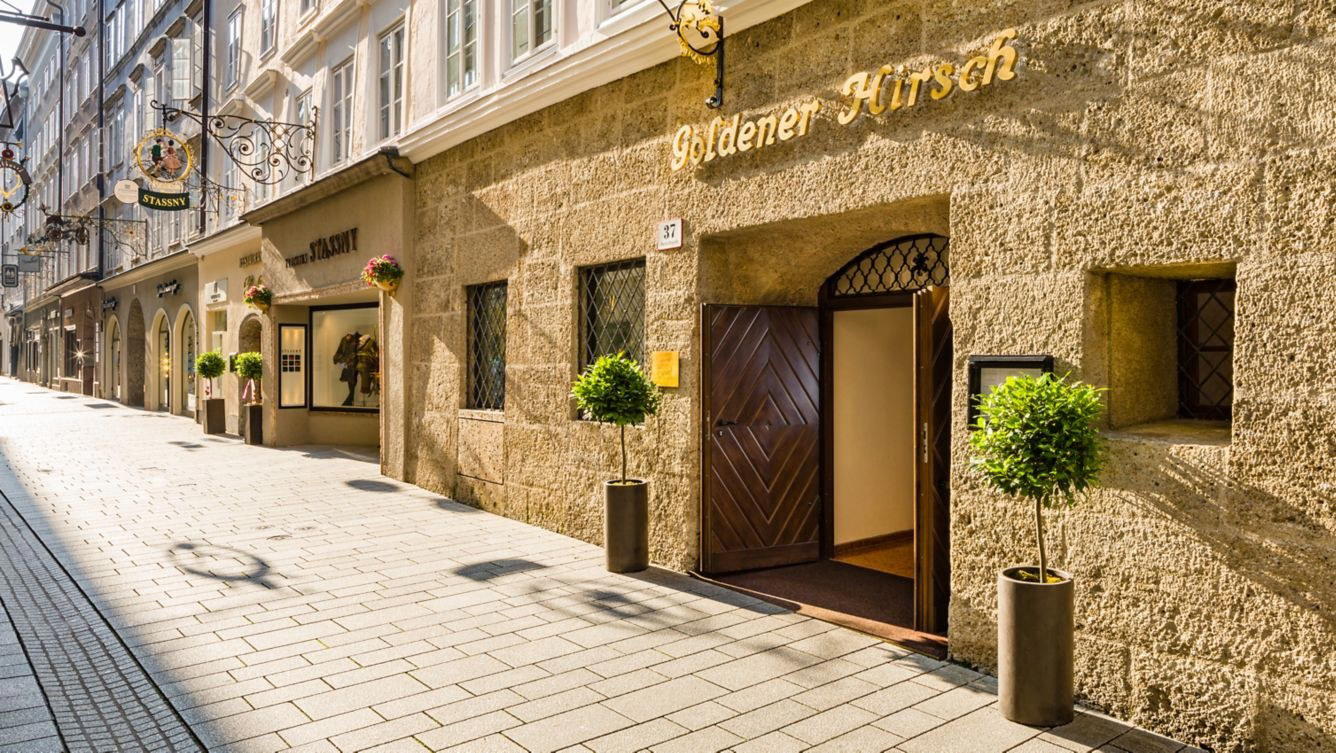
The address itself is instructive. Gstättengasse cuts along the base of the Mönchsberg rock face, which means the street operates slightly outside the pedestrian circuits that funnel visitors between the cathedral and the Getreidegasse. It is not obscure, but it is not on the reflex route either. That position tends to filter the room toward guests who looked for the place rather than stumbled onto it, which shapes the atmosphere in ways that square footage and interior design cannot.
Wine as the Organizing Principle
The name Pan e Vin announces a specific hospitality philosophy that has deep roots in northeastern Italy, particularly in the Friulian and Venetian wine bar tradition where the glass comes before the plate and the two are understood to be in conversation rather than in competition. In that model, food is serious but it serves the wine rather than the reverse, and the room tends to be quieter, less performative, and more tolerant of lingering than a restaurant organized around tasting-menu theatre.
Across Austria, this approach has found fertile ground because Austrian wine culture already privileges producer relationships and regional identity in ways that align naturally with the enoteca model. The country's natural wine producers, particularly in Burgenland and Styria, have built international followings that pull sophisticated drinkers toward smaller, wine-forward rooms where the list can actually carry those producers at appropriate depth. Pan e Vin operates in that context, in a city where Senns and The Glass Garden each approach wine differently but share the conviction that it anchors the experience.
Ethical Sourcing in a City Built on Tourism Pressure
Salzburg receives a volume of visitors that creates structural pressure on restaurants to standardize, to source cheaply, and to optimize for throughput. The city's UNESCO status and the Mozart and Salzburg Festival associations bring a reliable, high-spending audience, but that same audience creates conditions where it is commercially rational to cut corners on sourcing because the room will fill regardless. The restaurants that resist that logic do so at a cost, and the cost tends to be reflected in the pricing and the wine list more than in any marketing claim.
The enoteca model, when practiced with integrity, is intrinsically aligned with what has come to be called ethical sourcing, not because the format requires it rhetorically, but because small-producer wine culture and small-farm food culture operate through the same networks. A wine list built on relationships with Styrian or Wachau producers implies a kitchen sourcing through similar channels, because the clientele that comes for the wine is the same clientele that will notice whether the charcuterie is industrial or the bread is made in-house. The name the restaurant encodes exactly this logic: bread and wine as the foundational tests of a room's seriousness about its ingredients.
Across the wider Austrian scene, this sourcing ethic has found its most developed expression at places like Steirereck im Stadtpark in Vienna and Döllerer in Golling an der Salzach, both of which have built regional sourcing into the architecture of their menus rather than treating it as a marketing overlay. The restaurant operates at a different scale and price point, but the underlying commitment to producer-led sourcing places it in a coherent Austrian tradition rather than in isolation.
Where Pan e Vin Sits in the Salzburg Hierarchy
Salzburg's restaurant hierarchy is more stratified than its size might suggest. At the leading, rooms like Ikarus and Pfefferschiff command the Michelin-asterisked conversation and price accordingly, with the full tasting-menu format and the booking windows to match. Below that tier, the field is thinner and more varied. Esszimmer occupies a creative Austrian middle ground. The restaurant sits closer to an enoteca format, which means the price architecture is different: the meal may cost less on paper, but a serious engagement with the wine list will close that gap quickly.
That distinction matters for the visitor making a decision about where to spend three evenings in Salzburg. A tasting-menu room demands a different kind of attention and energy than a wine bar where the evening can unfold across two hours or four without the kitchen imposing a structure. Both have a place in the itinerary. The question is which one serves which evening.
For readers building a broader picture of Austrian fine dining beyond Salzburg's city limits, the regional table includes rooms like Obauer in Werfen, Kräuterreich by Vitus Winkler in Sankt Veit im Pongau, Landhaus Bacher in Mautern an der Donau, Gourmetrestaurant Tannenhof in Sankt Anton am Arlberg, Griggeler Stuba in Lech, Schwarzer Adler in Hall in Tirol, Restaurant 141 by Joachim Jaud in Mieming, and Ois in Neufelden. The contrast between those Alpine and Danube-region rooms and Salzburg's urban enoteca model is itself an argument for the diversity of Austrian restaurant culture, which rewards exploration well beyond the capital. For those drawing international comparisons between producer-driven, sustainability-conscious fine dining in other cities, Le Bernardin in New York City and Atomix in New York City each represent different but instructive parallels in how a singular sourcing philosophy can anchor an entire restaurant's identity.
Planning a Visit
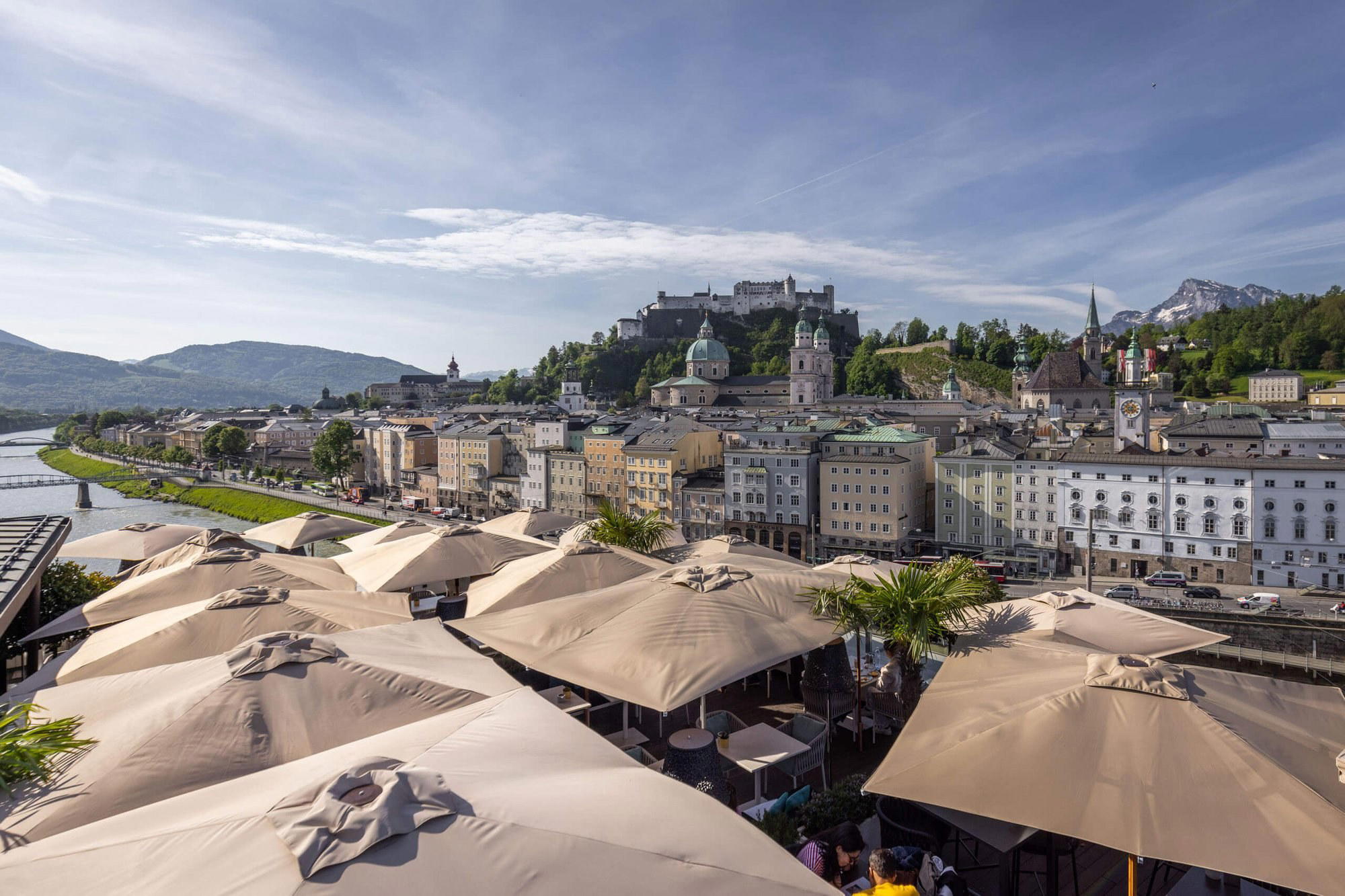
The restaurant is at Gstättengasse 1, 5020 Salzburg, at the base of the Mönchsberg cliff face in the Old Town. Given the wine-bar format, evenings are the natural entry point, and the room's character is better experienced outside the peak Salzburg Festival weeks in July and August, when the city's restaurants operate under maximum pressure and the atmosphere in smaller rooms is harder to read accurately. First-time visitors from outside Salzburg should note that the Old Town is compact and walkable, with the Gstättengasse accessible on foot from the main station in under twenty minutes or from the Altstadt hotels in five.
The Quick Read
Comparable venues nearby, for context on price, style, and recognition.
| Venue | Cuisine | Price | Notes |
|---|---|---|---|
| Pan e VinThis venue — the venue you are viewing | Not listed | $$$ | Not listed |
| Jakob's Esskultur | Not listed | $$$ | Linke Altstadt, Austrian & Mediterranean Fine Dining |
| Bangkok | Schallmoos West, Traditional Austrian | $$$ | Not listed |
| magazin | Not listed | $$$ | Mönchsberg, Austrian-International Fusion |
| Nagano | Linke Altstadt, Modern Japanese Izakaya | $$$ | Not listed |
| Maestro by Eden | Linke Altstadt, Creative Fusion Tapas | $$$ | Not listed |
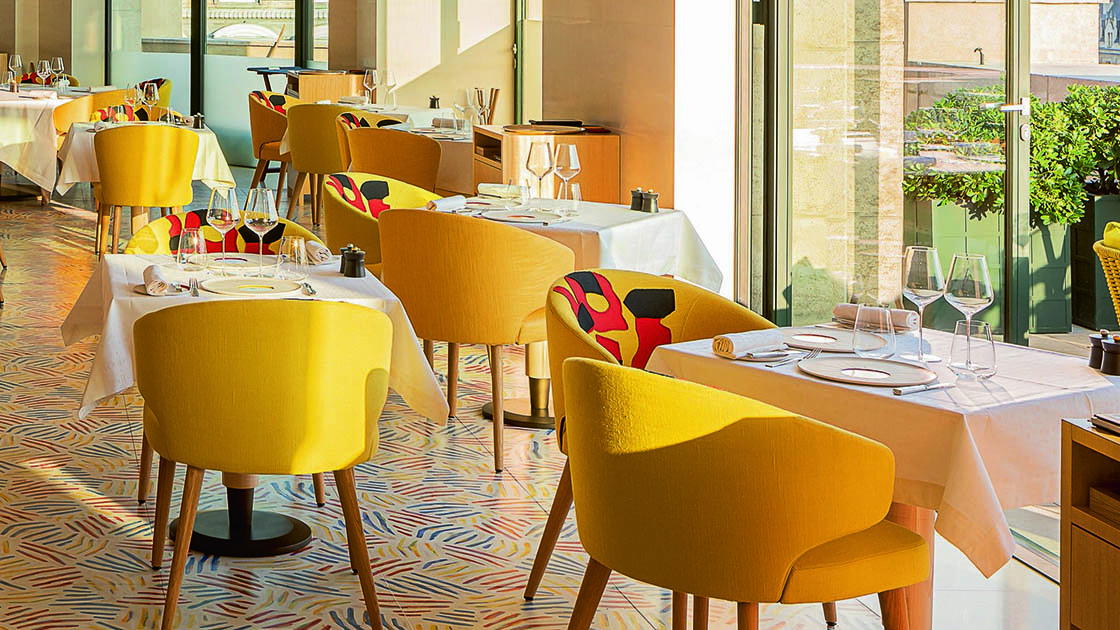
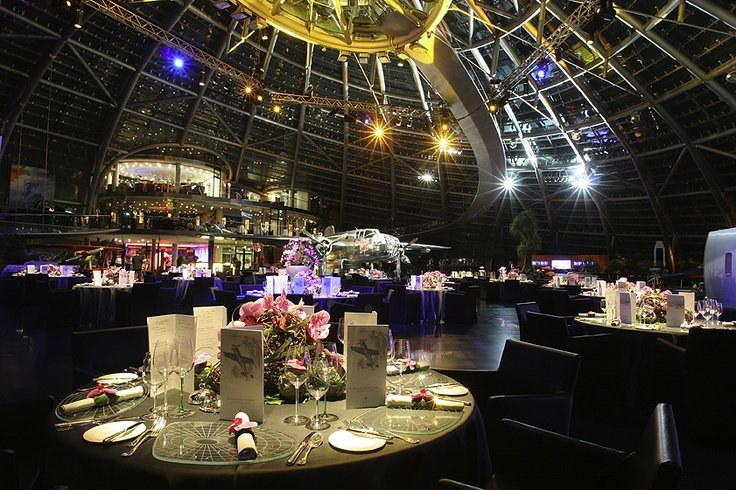
At a Glance
- Romantic
- Elegant
- Intimate
- Classic
- Date Night
- Special Occasion
- Business Dinner
- Historic Building
- Standalone
- Local Sourcing
Current opening hours
- Monday
- 12–2 PM, 6–10:30 PM
- Tuesday
- 12–2 PM, 6–10:30 PM
- Wednesday
- 12–2 PM, 6–10:30 PM
- Thursday
- 12–2 PM, 6–10:30 PM
- Friday
- 12–2 PM, 6–10:30 PM
- Saturday
- 12–2 PM, 6–10:30 PM
- Sunday
- Closed
Hours can change for holidays and private events. Last verified .
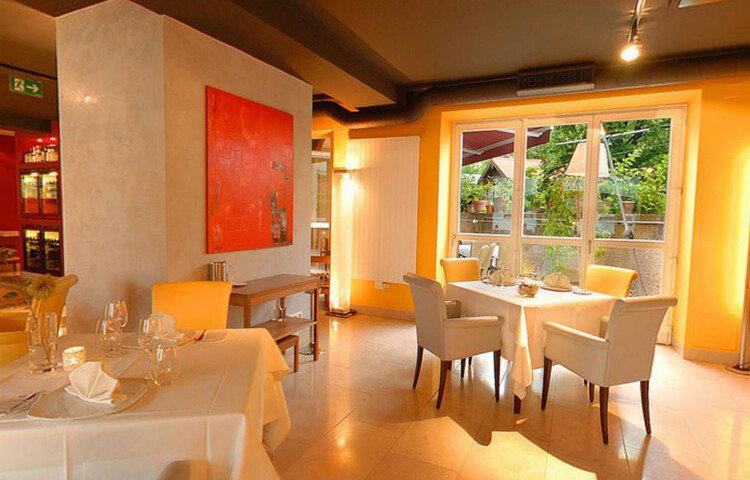
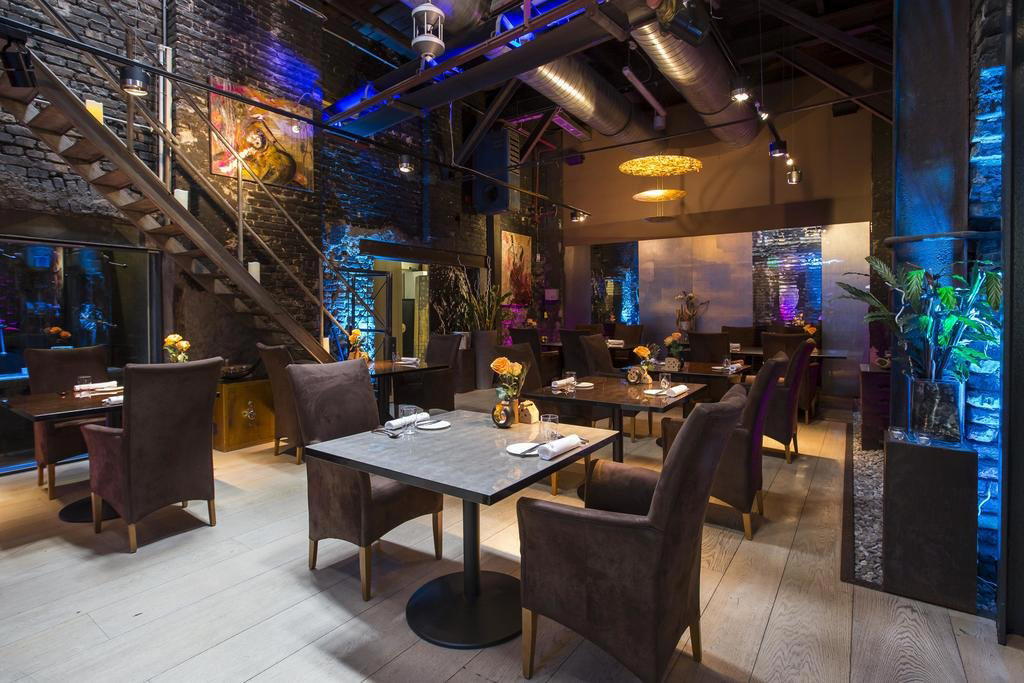
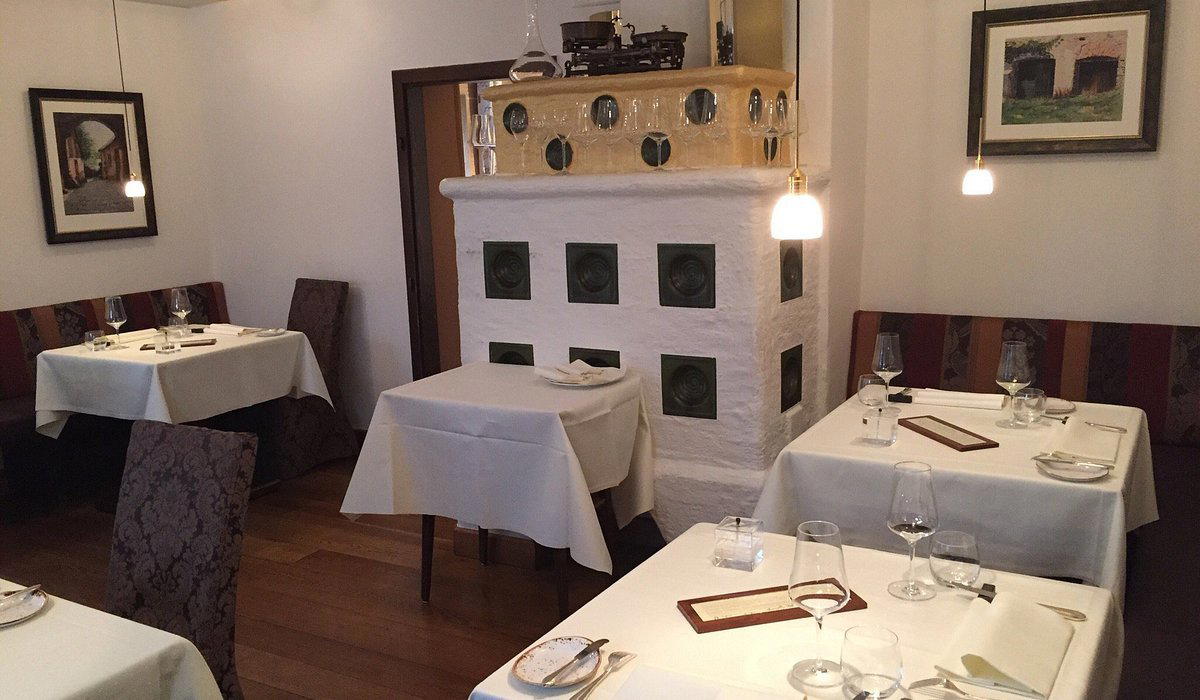
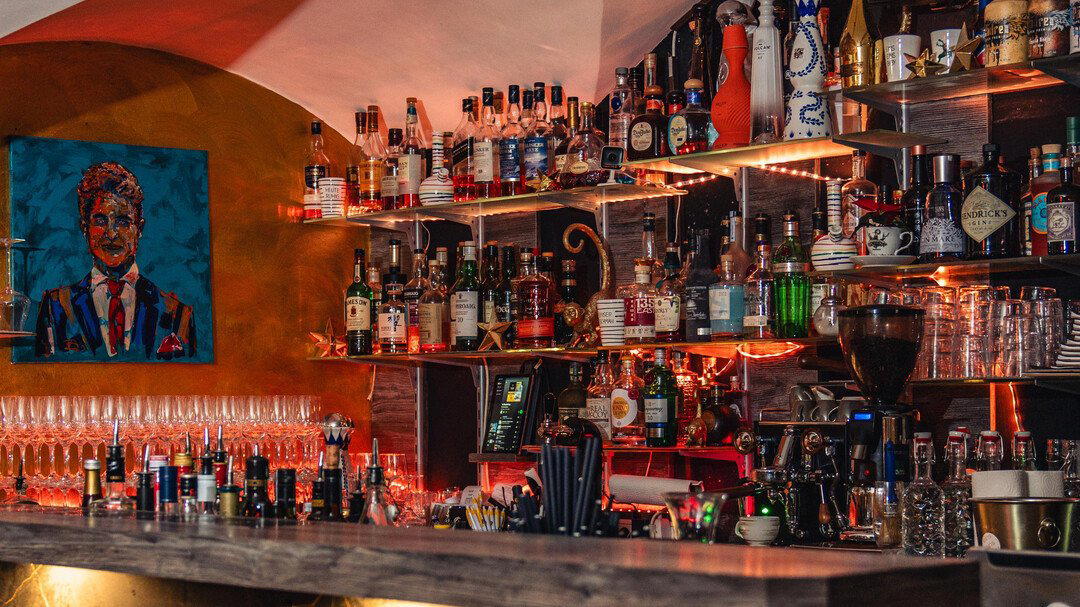
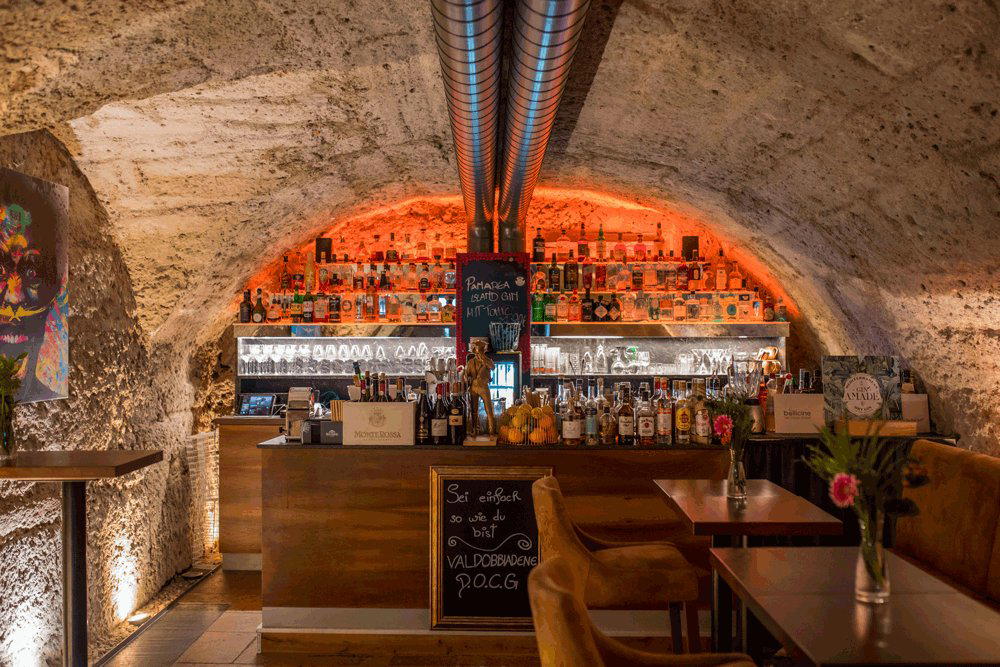
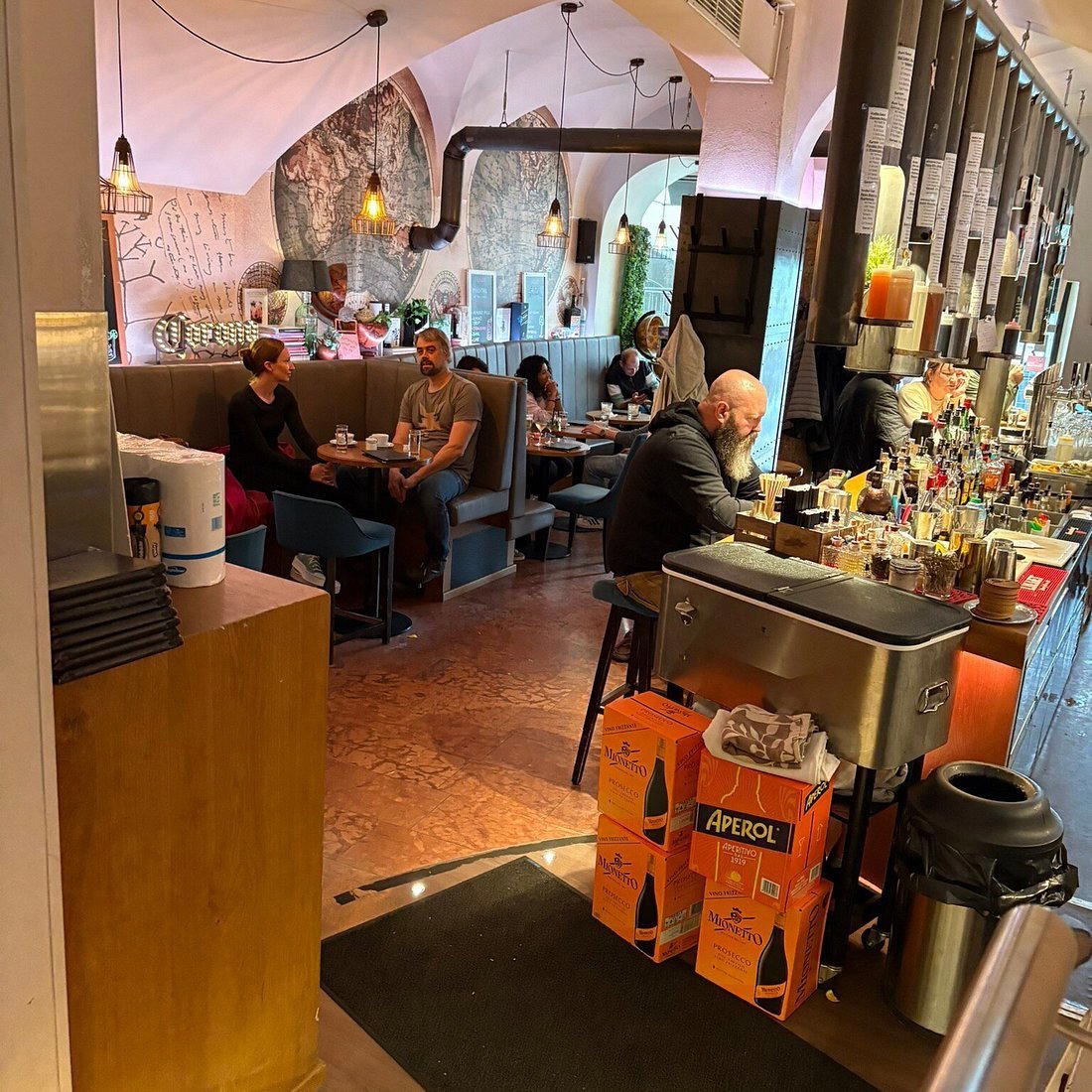
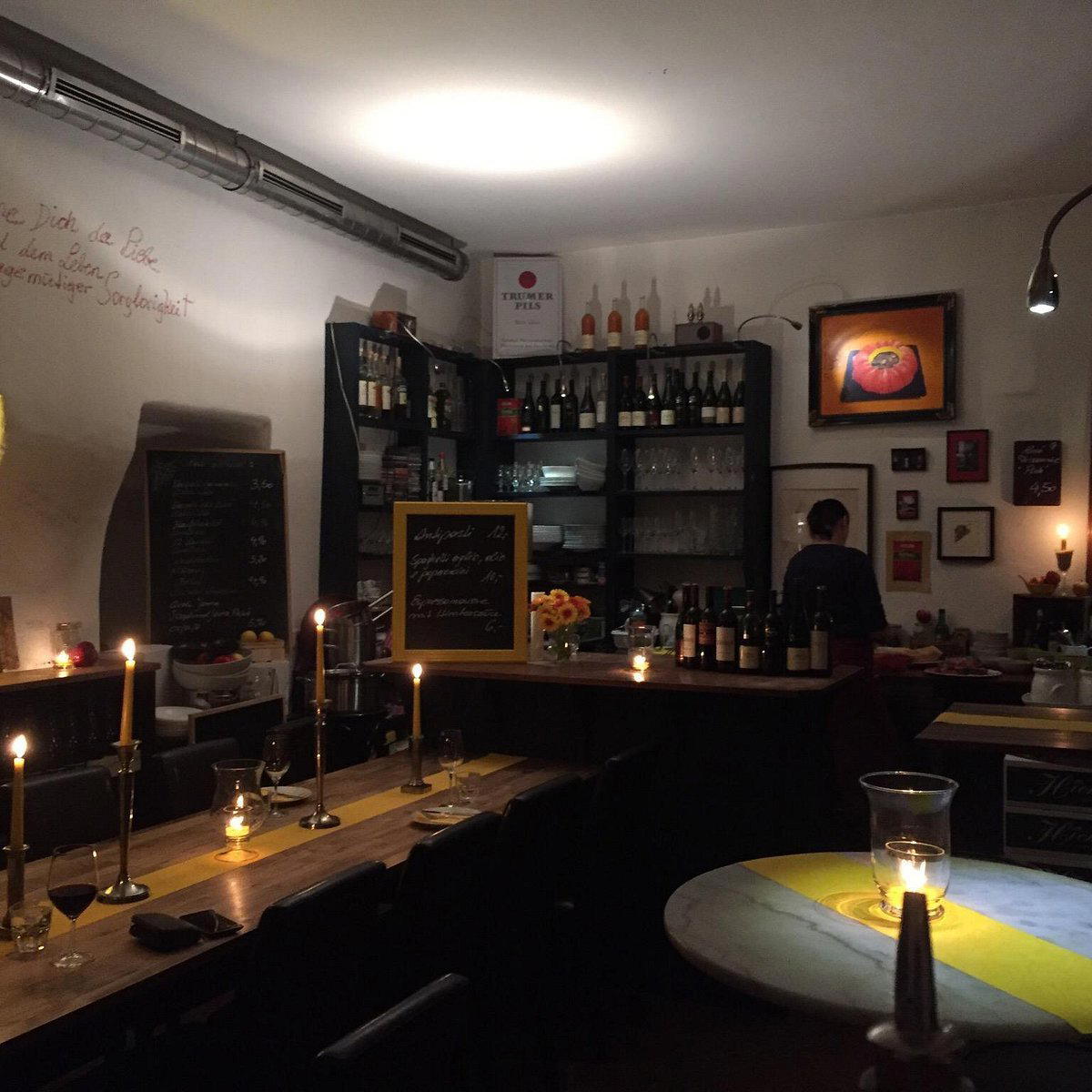
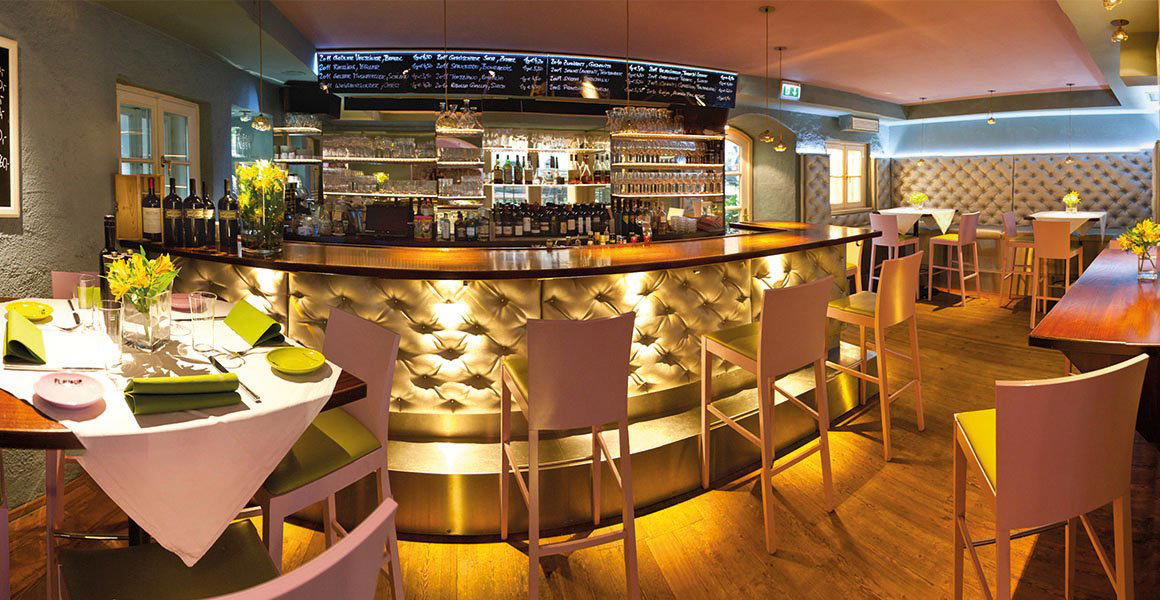
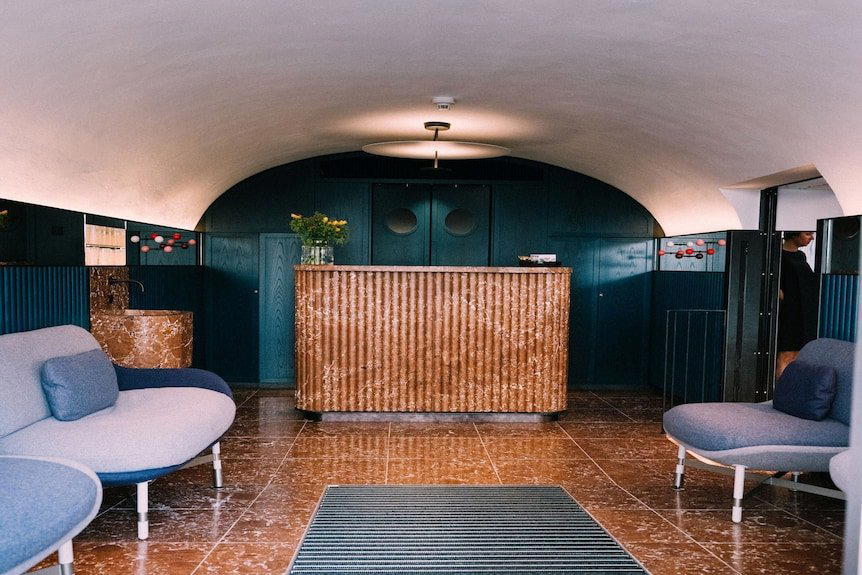
Intimate and sophisticated with historic charm; the rock-vaulted ceiling and Almkanal stream create a distinctive, atmospheric setting that feels both cozy and refined.