Our verdict
On Museumstraße, Innsbruck's main cultural corridor, Jaipur brings Indian cooking to a city whose restaurant scene skews heavily toward Tyrolean tradition and Alpine-inflected international fare. The address places it within easy reach of the Landesmuseum and the old town, making it a practical choice for an evening away from schnitzel and dumplings. For the Indian food-curious visitor, it fills a gap that few other addresses in the Inn Valley do.

Pearl is the En Primeur Club membership app, where members save venues, book tables and use the concierge.
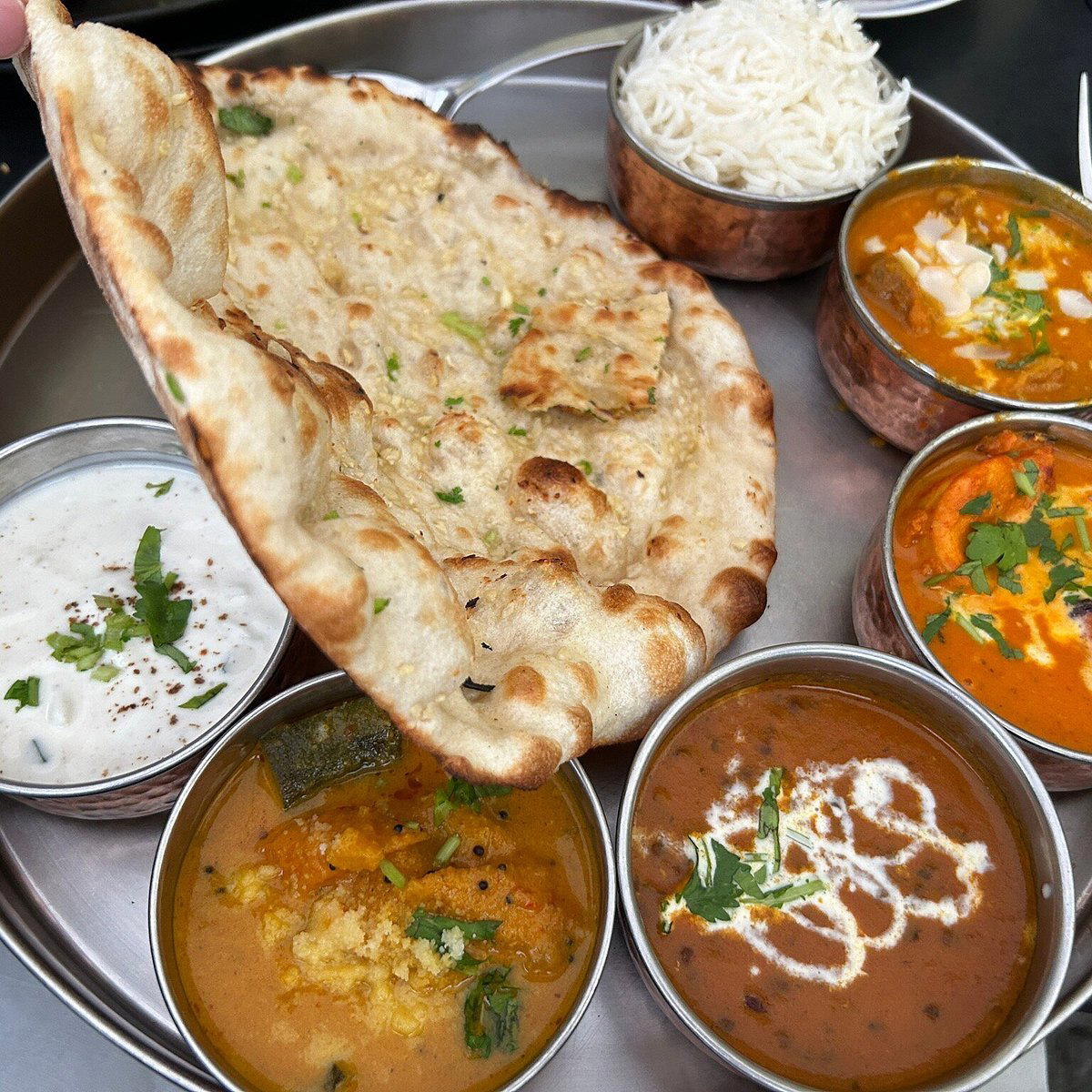
Indian Cooking in an Alpine City: Why Jaipur's Address Matters
Innsbruck's dining scene is defined, more than most Austrian cities, by its geography. The Inn Valley compresses everything, the old town, the university quarter, the main cultural institutions, into a narrow corridor, and restaurants cluster along a handful of streets that locals and visitors share. Museumstraße 28, where Jaipur operates, sits on one of those corridors: a broad avenue that connects the central train station to the Tyrolean State Museum, flanked by hotels, cafes, and a cross-section of the city's mid-range restaurant options. It is not a street known for culinary adventure, which makes the presence of an Indian kitchen here both practical and quietly pointed.
Austria's Indian restaurant scene is thinner than its size might suggest. Vienna has a handful of addresses that take the cuisine seriously, a few in the 6th and 15th districts, a couple scattered through the outer Gürtel neighborhoods, but outside the capital, Indian cooking is largely underrepresented. Salzburg manages one or two credible options. Innsbruck, a city of around 130,000 that swells seasonally with university students and Alpine tourists, has fewer still. Jaipur occupies that gap on the city's main cultural artery, which in a smaller market is a meaningful position to hold.
The Sourcing Context: What Indian Cooking Asks of a European Kitchen
The central challenge for any Indian restaurant operating outside South Asia is ingredient sourcing, and it shapes every decision a kitchen makes. The foundational aromatics, fresh curry leaves, green cardamom with real floral lift, mustard seeds from specific regional varieties, long pepper, raw mango powder, are not items that a standard Austrian food distributor carries. Kitchens that cut corners here end up with food that looks right but tastes flat: curries that smell of generic spice powder rather than the layered, time-sequenced blooming that defines well-executed Indian cooking.
The further a restaurant sits from a major metropolitan hub with established South Asian wholesale networks, the harder this sourcing problem becomes. Vienna has suppliers who import directly from India and Sri Lanka; Innsbruck has to work harder. The practical consequence is that Indian restaurants in smaller Austrian cities often default to a simplified pantry, dried rather than fresh aromatics, pre-blended rather than house-ground masalas, which narrows the distance between their food and what a mid-range takeaway produces.
For context, the standard against which serious Indian cooking in Europe is increasingly measured has shifted. Restaurants like Le Bernardin in New York City and Atomix in New York City have demonstrated how rigorous sourcing and technique can redefine expectations for what a cuisine's high end looks like in a diaspora context. The equivalent shift is slower in Central Europe, but it is happening, and restaurants in smaller cities that treat sourcing as a differentiator rather than a logistics problem tend to hold their position better over time.
Innsbruck's Dining Scene: Where Jaipur Sits
To understand Jaipur's place in Innsbruck, it helps to map the broader field. The city's most recognized addresses tend toward either Alpine-rooted cooking or the kind of creative European cuisine that draws on Tyrolean produce while speaking a more international grammar. B-West and Bistro Gourmand represent the mid-range creative side of the market. Arzler Alm anchors the traditional Tyrolean end. Al Fred and Bonsai extend the spectrum toward Italian and Japanese respectively. None of these address the subcontinent.
Beyond Innsbruck, the Austrian fine dining conversation is largely happening elsewhere: Steirereck im Stadtpark in Vienna sets the national benchmark for produce-led cooking, while Döllerer in Golling an der Salzach and Obauer in Werfen have built reputations around Alpine terroir taken seriously. In the mountains closer to Innsbruck, Gourmetrestaurant Tannenhof in Sankt Anton am Arlberg and Griggeler Stuba in Lech have established that high-altitude dining can compete with city-based counterparts. Further afield, Ikarus in Salzburg, Kräuterreich by Vitus Winkler in Sankt Veit im Pongau, Landhaus Bacher in Mautern an der Donau, Ois in Neufelden, and Restaurant 141 by Joachim Jaud in Mieming round out an Austrian scene that is geographically dispersed and cuisine-varied. Jaipur operates in a different register from all of them, which is precisely what gives it relevance to a visitor whose week in Innsbruck involves more than one dinner.
Visiting Jaipur: What to Know Before You Go
The restaurant sits at Museumstraße 28 in the 6020 postal district, a direct walk from the Hauptbahnhof and a short distance from the Hofburg and old town core. For visitors moving between cultural institutions and the mountains, the location is genuinely convenient rather than just nominally central. Museumstraße carries regular foot traffic through the day and into the evening, which means the surrounding area stays active on most nights of the week.
The seasonal rhythm matters: Innsbruck sees a distinct tourist surge from December through March, and again in July and August, when dining options that offer something outside the Tyrolean mainstream become more sought after.
For a fuller map of the city's options across categories and price points, the full Innsbruck restaurants guide covers the range.
Frequently asked questions
How do I find Jaipur?
Jaipur is located at Museumstraße 28, 6020 Innsbruck, Austria, Innsbruck.
Is Jaipur one of the few Indian restaurants in Innsbruck city centre?
Indian restaurants are a thin category in Innsbruck, an Alpine city whose dining scene tilts heavily toward Tyrolean and broader Austrian cooking. Jaipur's address at Museumstraße 28 in the 6020 district places it within easy reach of the Hauptbahnhof and the old town, which makes it one of the more accessible options for Indian cooking in the city centre. Travellers transiting through Innsbruck or based near the Hofburg will find the location practical.
What should I order at Jaipur?
The venue data for Jaipur at Museumstraße 28 does not specify individual dishes, and generating menu items without confirmed sourcing would be misleading. Before visiting, check directly with the restaurant for current offerings, as Indian menus in European kitchens frequently shift based on ingredient availability and seasonal sourcing constraints.
How far ahead should I plan for Jaipur?
Given the city's compact dining scene and the relative scarcity of Indian restaurants in the Inn Valley, reserving a table at least several days in advance is a reasonable precaution, particularly on weekends when Innsbruck's tourist footfall peaks.
What do critics highlight about Jaipur?
Its position in Innsbruck's dining field is notable for the category it occupies: Indian cooking is a sparse offering in this Alpine city, which gives the restaurant a degree of visibility that formal awards have yet to codify.
Can Jaipur adjust for dietary needs?
Indian cuisine as a tradition accommodates vegetarian and vegan requirements more readily than most European culinary categories, so the kitchen's repertoire likely includes plant-based options, but confirming specifics directly with the restaurant at Museumstraße 28 before arrival is advisable.
Quick Comparison
Comparable venues nearby, for context on price, style, and recognition.
| Venue | Cuisine | Price | Notes |
|---|---|---|---|
| JaipurThis venue (the venue you are viewing) | North Indian | Not listed | Not listed |
| Thai-Li-Ba | Thai-Chinese Fusion | $20–30 | Rathausgalerie |
| momoness | Nepalese Momos | $10–20 | Innenstadt |
| Mangiami | Italian Pizza & Pasta | $10–20 | Innrain |
| Umbrüggler Alm | Modern Tyrolean | $30–50 | Hungerburg |
| Le Burger | Premium American Burgers | $20–30 | DEZ |
Continue exploring
More in Innsbruck
Restaurants in Innsbruck
All restaurants in Innsbruck →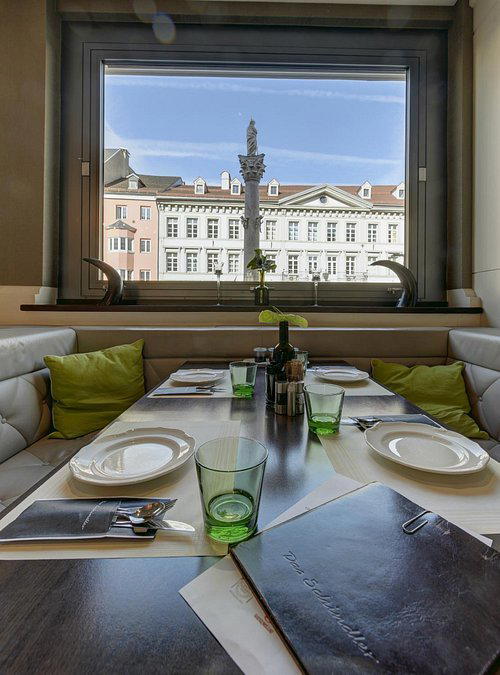
Bars in Innsbruck
All bars in Innsbruck →

Details
- Modern
- Casual Hangout
- A La Carte
- Vegetarian Friendly
- Vegan Options
- Gluten Free Options
Current opening hours
- Monday
- 11:30 AM–2 PM, 6–10 PM
- Tuesday
- 11:30 AM–2 PM, 6–10 PM
- Wednesday
- 11:30 AM–2 PM, 6–10 PM
- Thursday
- 11:30 AM–2 PM, 6–10 PM
- Friday
- 11:30 AM–2 PM, 6–10 PM
- Saturday
- 6–10 PM
- Sunday
- Closed
Hours can change for holidays and private events. Hours as of .
Pleasantly modern atmosphere.