Jacob Wirth Buildings
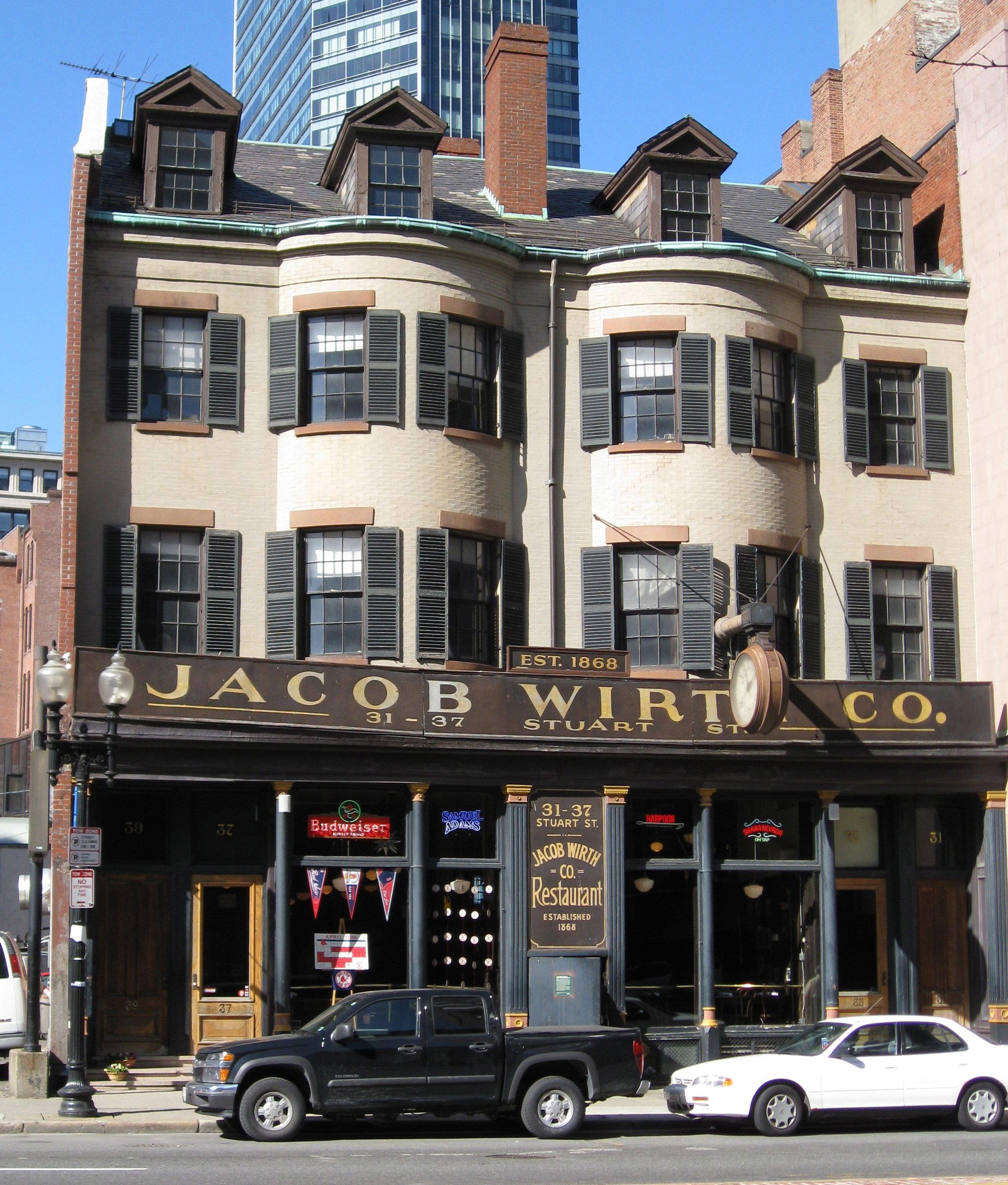
One of Boston's Theatre District landmarks, the Jacob Wirth Buildings at 31-37 Stuart Street represent a stretch of late-19th-century commercial architecture that has outlasted multiple waves of urban reinvention. The address sits inside a neighbourhood that has cycled through German beer-hall culture, vaudeville, and downtown revival, making it a reference point for understanding how Boston's core entertainment district has changed across generations.
 Discover on Pearl
Pearl is the En Primeur Club membership app — saves, bookings, and concierge access live there. Same editors, same standards.
A Stuart Street Address and What It Carries
Stuart Street runs through the southern edge of Boston's Theatre District in a way that rewards attention. The block between Tremont and Washington holds a cluster of 19th-century commercial facades that have absorbed more than a century of neighbourhood change without disappearing entirely. The Jacob Wirth Buildings, at 31-37 Stuart Street, sit in that stretch and carry a particular weight: they mark the former location of Jacob Wirth Restaurant, a German beer hall that operated from 1868 until its closure in 2018, making it one of the longest-running restaurant addresses in the city's history. The physical structure remains, and the neighbourhood has continued moving around it.
Boston's Theatre District occupies a compact zone between the Common and the South End, and its dining and entertainment character has shifted significantly since the late 20th century. The block that once anchored a German immigrant hospitality tradition now sits adjacent to a mix of pre-theatre dining rooms, bars serving the Wang Theatre and Emerson Colonial crowds, and newer restaurant formats that have arrived since the post-2010 downtown revival. For visitors trying to place the address in context, it reads as a neighbourhood inflection point: a building whose history is more layered than what any current tenant would signal on its own.
The Architectural and Sensory Presence
The buildings themselves are among the more legible pieces of Victorian commercial architecture left on this stretch of Stuart Street. The scale is human rather than monumental, the kind of mid-rise brick frontage common to Boston's late-19th-century commercial blocks, where ground-floor hospitality and upper-floor functions coexisted in buildings designed to last. Approaching from Tremont Street, the block reads as a continuation of the Theatre District's older built fabric before the glass-and-steel additions of more recent decades break the pattern further east.
The sensory character of the immediate area is shaped as much by the surrounding programme as by the buildings themselves. On performance nights, Stuart Street carries the foot traffic of theatre-goers moving between the major houses and the pre- and post-show dining options nearby. The ambient sound shifts depending on the hour: quieter at midday, more active by early evening when the surrounding restaurants fill and the Wang Theatre's doors open. The buildings mark the edge of a zone that still functions as Boston's primary entertainment corridor, connecting the Common-adjacent hotel and restaurant cluster with the Tufts Medical Center end of the South End.
Historical Context: German Beer Hall Culture in Boston
Original Jacob Wirth establishment represented a specific moment in Boston's dining history. German beer halls occupied a distinctive position in American urban hospitality during the late 19th century, offering a format that combined communal seating, house lager, and fixed-price food in a way that sat outside both fine dining and ordinary tavern culture. Wirth's longevity meant the address accumulated associations across multiple eras: Gilded Age Boston, Prohibition (which it survived), the mid-20th-century decline of the Theatre District, and the partial revival that followed. When it closed after 150 years of operation, it left behind a building and a gap in the neighbourhood's hospitality map that subsequent tenants have not filled in the same register.
Across American cities, the closure of multi-generational restaurant addresses tends to accelerate the loss of neighbourhood identity even when the physical structure survives. Boston has seen this pattern in the Theatre District more broadly, where pre-war hospitality institutions have been replaced by formats that serve a more transient, performance-night audience rather than the regulars-and-regularity model that sustained places like Jacob Wirth for generations. That shift places the Stuart Street buildings in a broader conversation about how American cities hold or lose dining continuity, a conversation that runs through addresses like Emeril's in New Orleans and comparable long-run institutions in other cities.
Placing the Address in Boston's Dining Map
The Theatre District sits at a particular intersection in Boston's restaurant geography. It is close enough to the Financial District and the Common to draw a mixed weekday and weekend crowd, but its primary driver is performance-night dining, which shapes what kinds of restaurants succeed there. The address at 31-37 Stuart Street is walkable from the main concentration of downtown Boston restaurants, including the newer waterfront formats along the Fort Point Channel and the longer-established dining rooms of Back Bay.
For visitors building an itinerary around the Theatre District, the surrounding blocks offer a range of options across price tiers and formats. Seafood-focused rooms like 75 on Liberty Wharf and established steakhouse formats like Abe and Louie's represent the mid-to-upper tier of Theatre District-adjacent dining, while more technically driven formats, including the omakase counter at 311 Omakase and the Portuguese-inspired tasting menu at Agosto, operate in a different register entirely. The waterfront address of 1928 Rowes Wharf draws from the same downtown catchment area.
Nationally, the Theatre District format has analogues in cities where a performing arts corridor concentrates pre-show dining demand. The tasting-menu end of that spectrum, represented by venues like Alinea in Chicago and Le Bernardin in New York City, operates largely independent of theatre-night rhythms, drawing destination diners on their own terms. More neighbourhood-integrated formats, including Blue Hill at Stone Barns in Tarrytown and The Inn at Little Washington, show a different model again. Boston's Theatre District sits between these poles, with Stuart Street historically closer to the community-anchor model than the destination-dining model.
What the Address Signals Now
The Jacob Wirth Buildings remain a marker on Stuart Street without a current hospitality programme to define them further. Their value to visitors is primarily historical and contextual: a physical record of one of Boston's longest-running restaurant traditions in a neighbourhood that has otherwise lost most of its pre-war dining fabric. For anyone tracing the arc of Boston's restaurant history, from the German beer hall era through the Theatre District's decline and partial recovery, the building at 31-37 Stuart Street is a useful anchor point. For practical dining needs in the same neighbourhood, the surrounding blocks carry the actual programming.
Planning a Visit to the Theatre District
The French Laundry in Napa, Atomix in New York City, Providence in Los Angeles, Lazy Bear in San Francisco, Single Thread Farm in Healdsburg, Addison in San Diego, and 8 1/2 Otto e Mezzo Bombana in Hong Kong.
Peers You’d Cross-Shop
Comparable venues nearby, for context on price, style, and recognition.
| Venue | Cuisine | Price | Notes |
|---|---|---|---|
| Jacob Wirth BuildingsThis venue — the venue you are viewing | Traditional German-American | $$ | |
| The Black Rose | Traditional Irish Pub | $$ | Downtown |
| Assaggio | Positano Italian | $$ | North End |
| Taiwan Cafe | Authentic Taiwanese | $$ | Downtown Crossing |
| Al Dente Ristorante | Traditional Italian Trattoria | $$ | North End |
| Joe's on Newbury | Contemporary American Comfort | $$ | Back Bay |
At a Glance
- Classic
- Rustic
- Iconic
- Lively
- Casual Hangout
- Group Dining
- After Work
- Historic Building
- Beer Program
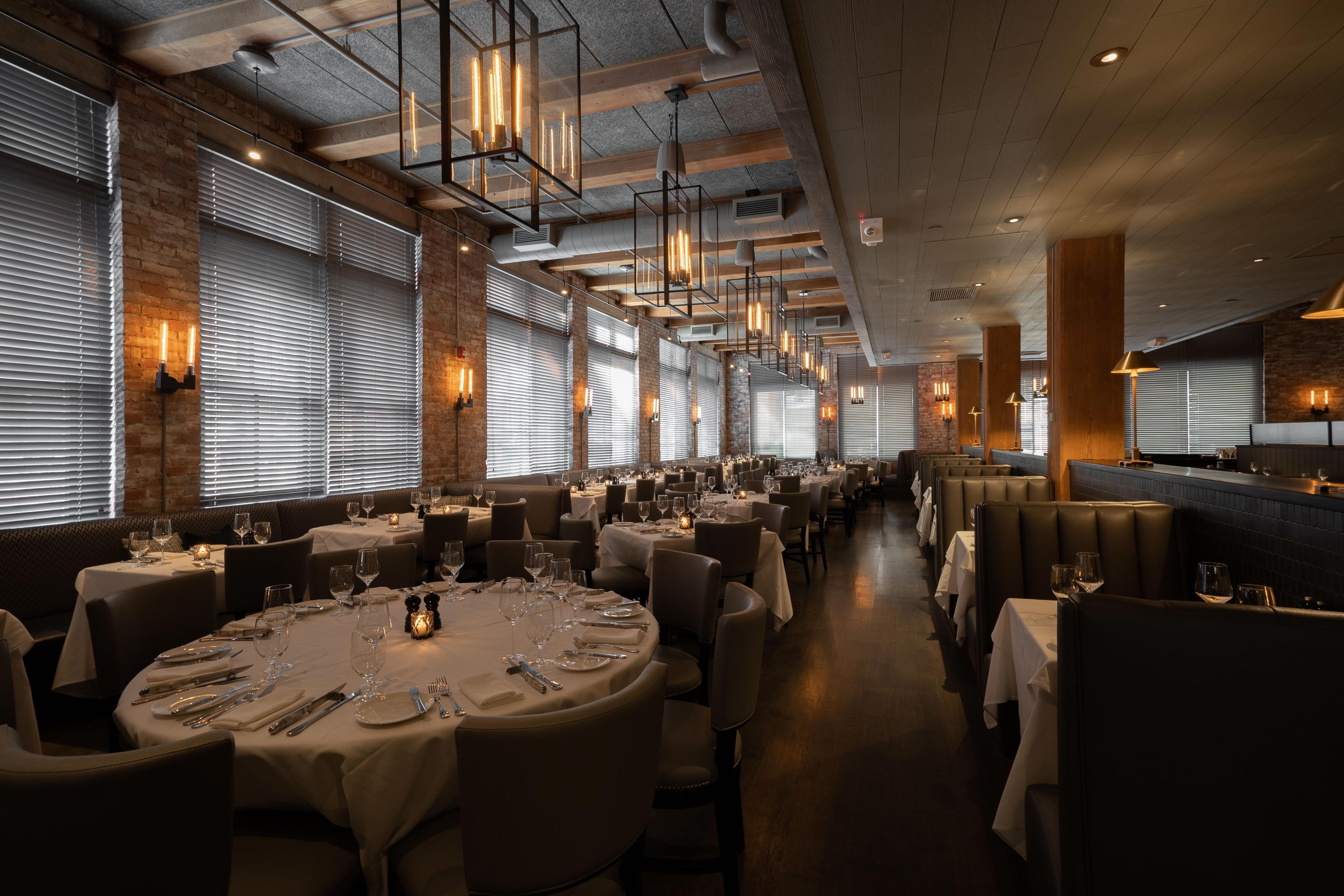
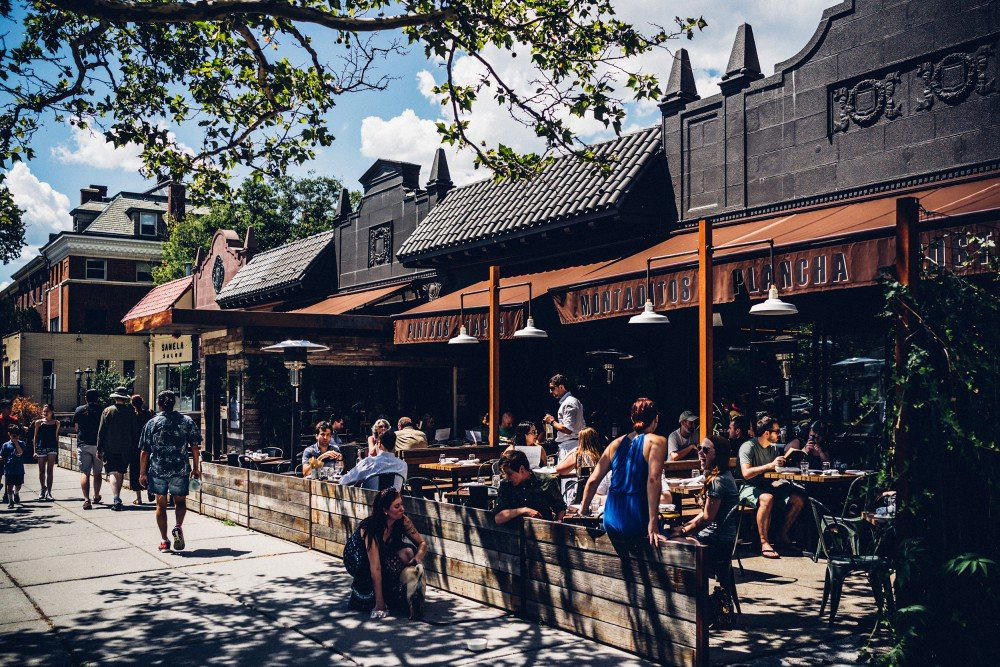
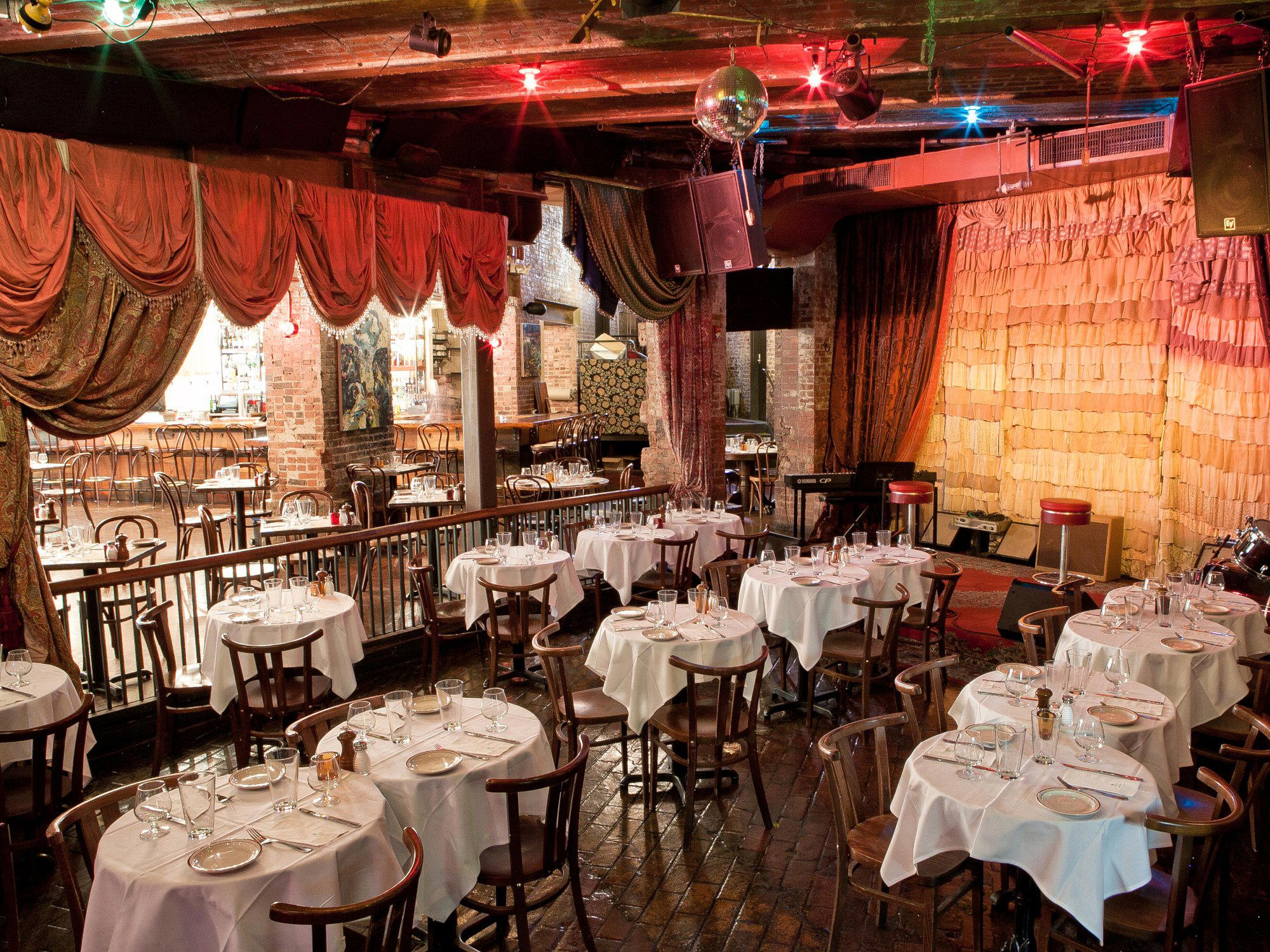
Rough and ready, hearty and fun old-time urban bar setting with large simple wooden tables, characterized by a male-dominated social environment and unpretentious, steam-cooked German cuisine served without pretense.