
Ito puts French technique into a Kyoto-scale room: 10 seats, a reservation-only format, and a fish-and-wine emphasis that fits Higashiyama’s appetite for compact, ingredient-led dining. Its selection for Tabelog French WEST “Tabelog 100” in 2021, 2023, and 2025 places it in a serious regional conversation rather than the tourist-dining circuit.
Pearl is the En Primeur Club membership app — saves, bookings, and concierge access live there. Same editors, same standards.
- Address
- 京都府京都市東山区古門前通石橋町307
- Phone
- +819020432021
- Website
- tabelog.com
 Saves & bookings on Pearl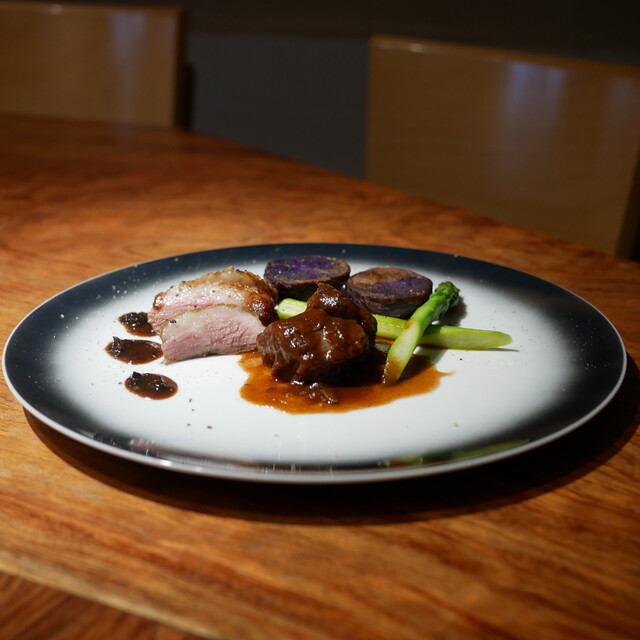
Higashiyama rewards small rooms. Around the old streets east of the Kamo River, the dining rhythm is less about grand entrances than controlled scale: a short counter, a kitchen within view, a room that asks guests to pay attention. Ito belongs to that Kyoto category, where French cooking is judged less by theatrical luxury than by sourcing discipline, timing, and how a kitchen handles Japanese produce without turning the meal into fusion shorthand.
The address on Furumonzen-dori matters. This part of Kyoto sits close enough to Gion to inherit its appetite for formality, but it also supports quieter specialist restaurants that trade on regulars, reservations, and narrow formats. In that context, a 10-seat French counter reads as a specific choice. It narrows the margin for error and pushes the meal toward the ingredients themselves: fish, vegetables, and wine rather than room spectacle.
A Kyoto French counter built around fish, vegetables, and wine
Kyoto’s French scene has long worked differently from Tokyo’s hotel-driven dining rooms. The city’s strongest Western restaurants often borrow the grammar of kaiseki: seasonality, small scale, and a close relationship with suppliers. Ito’s listed emphasis on fish and wine places it inside that tradition. The format is French, but the logic is local: a meal built around careful procurement and a kitchen close enough for guests to see the sequence unfold.
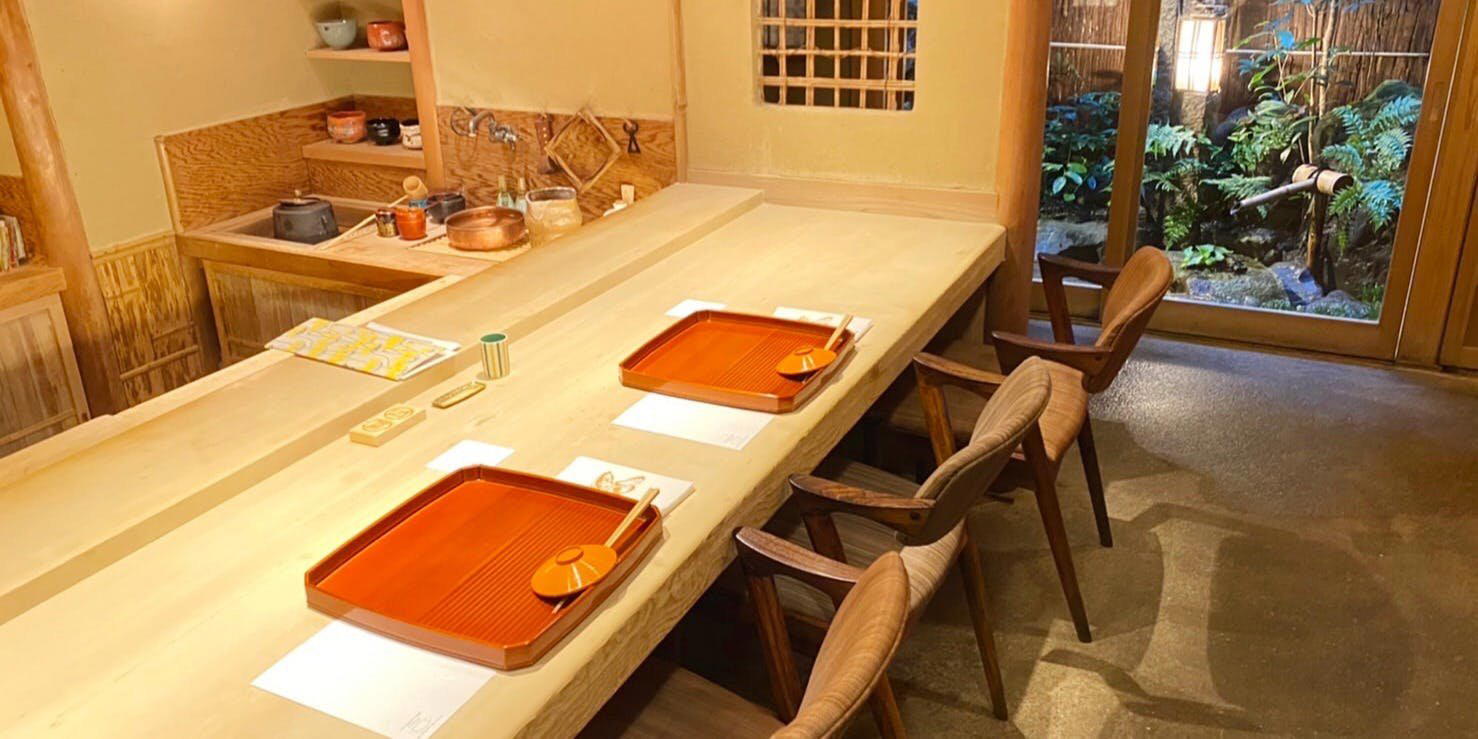
The course format and counter seating matter because they change the way French cooking lands in Kyoto. Instead of the old model of white-tablecloth distance, the counter compresses the experience. Plating, pacing, and conversation with the room become part of the structure. This is where Kyoto can make French cuisine feel less imported: the ingredients do not need heavy explanation when the restaurant is small enough for the kitchen to control their treatment plate by plate.
The kitchen’s reputation is also tied to recognition with useful weight for Japan-bound diners. Ito was selected for Tabelog French WEST “Tabelog 100” in 2021, 2023, and 2025, a signal that places it among regional French restaurants with sustained local attention. Its Tabelog score is 3.71, which in Japan’s scoring culture is a serious mark, especially for a small room rather than a high-volume address. The award context is more useful here than generic praise: it tells diners to compare the restaurant with other Kansai French counters, not with casual bistros or hotel dining rooms.
Ingredient angle is the point. Kyoto vegetables, fish-led cooking, and Burgundy-leaning wine programs all sit naturally in the city’s dining habits. Diners coming from sushi or kappo will recognize the emphasis on procurement and restraint, even when the technique comes from France. That crossover is also why Ito sits apart from nearby category peers such as Hiiragitei, where yakitori defines the evening, or Sushi Rakumi, where sushi discipline sets the tempo. Shimmonzen Yonemura occupies a more explicitly innovative lane; Ito reads as narrower and more ingredient-centered.
How it fits into Higashiyama's specialist dining circuit
Higashiyama dining is often misunderstood by visitors who reduce the area to temples, tea, and Gion formality. The stronger reading is more practical: this district supports compact restaurants with limited seating, defined formats, and a clientele willing to plan. A reservation-only French counter with 10 seats sits naturally beside the area’s sushi, yakitori, wagashi, and innovative cooking rather than competing with them directly.
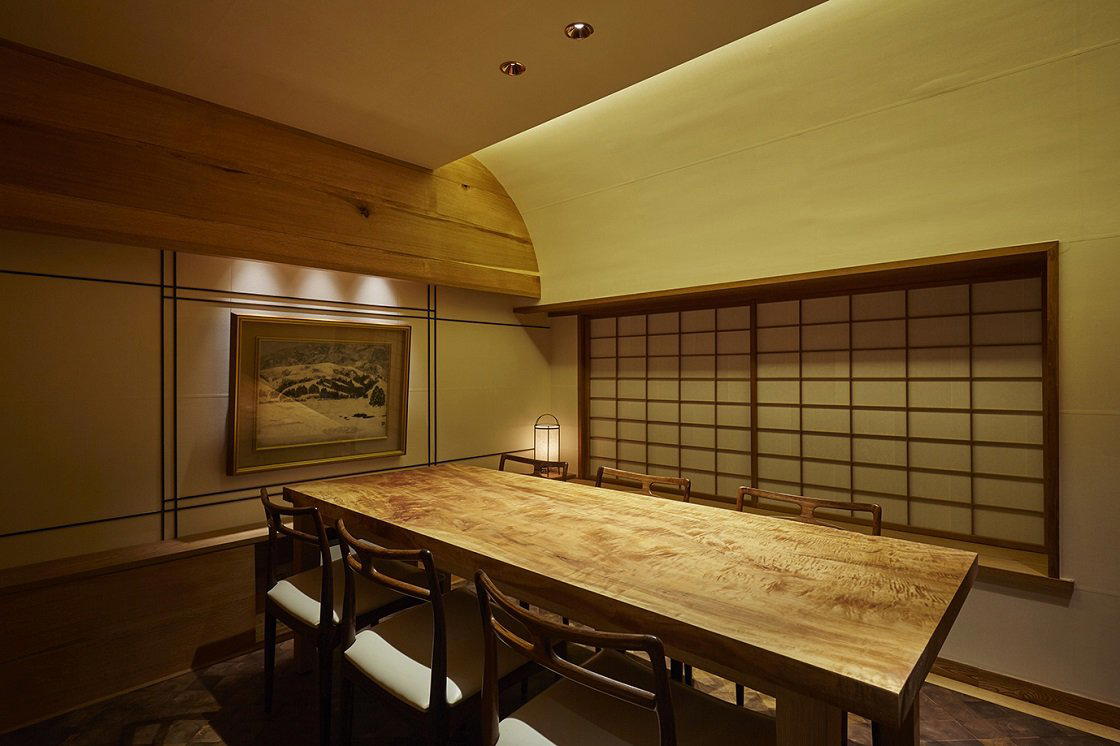
That makes the restaurant a better fit for diners who already understand Kyoto’s small-room etiquette. The experience is not built for menu grazing or spontaneous late-night drop-ins. It suits a meal where the decision has already been made: French technique, Japanese sourcing logic, wine as part of the structure, and a room small enough that pacing is part of the value. The private-room note is equally telling: none are listed, so the counter and shared room are the restaurant’s real format rather than a fallback.
Price also sets expectations. Dinner sits in the JPY 20,000 to JPY 29,999 range, with lunch listed at JPY 10,000 to JPY 14,999. In Kyoto terms, that places Ito above casual French and below the city’s costliest luxury counters. The value question is therefore not portion size or ceremony. It is whether the diner wants a French meal that behaves like a Kyoto specialist address: compact, seasonal, and sourcing-led.
Nearby and citywide contrasts help clarify the category: 3TOKU6MI Shijo karasuma ten, 551蓬莱, [ki:], Abbesses, and Aburi Mochi Honke Nemoto Kazariya show how broad Kyoto’s eating map becomes once it moves beyond kaiseki shorthand.
Planning the evening without overcomplicating it
The practical read is simple: plan early, treat the seating count as the constraint, and do not assume walk-in flexibility. Higashiyama Station is the nearest rail point, and the restaurant lists no parking, which makes taxi or train planning the cleaner option for most visitors. Payment is card-friendly for major international brands, while electronic money and QR payments are not listed. The room is non-smoking.
For travelers building a fuller Kyoto itinerary, the restaurant makes sense as the serious dinner anchor rather than a stop squeezed between sightseeing. The district rewards slower pacing, and a reservation-only counter is a poor match for a day built around delays. For the rest of the trip, use Our full Kyoto hotels guide, Our full Kyoto bars guide, Our full Kyoto wineries guide, and Our full Kyoto experiences guide to keep dinner from carrying the whole evening.
Readers comparing Japanese dining across cities can also use this Kyoto counter as a reference point against broader formats: -Grilled beef Sukiyaki- KAMAKURA TANUKIAN 鎌倉 たぬき庵 in Kamakura. 鮪と炭火焼き うお炭 秋葉原店 in Tokyo.cafe in Osaka.know in Kumamoto, (Shoku) Vietnam in Kawasaki, [Curry Senmon Ten] Maruyama Kyoju. in Sapporo, Jōdo Saké Bar in Los Angeles, and Onigiri Time in Pasadena. The comparison is not about cuisine similarity; it is about how format, seating, and sourcing define the decision before the first course arrives.
Price and Positioning
Comparable venues at a similar level for quick context.
| Venue | Cuisine | Price |
|---|---|---|
| ItoThis venue — the venue you are viewing | Not listed | $$$$ |
| Embellir | Higashiyama, Modern French Fine Dining | $$$$ |
| レーヌデプレ | Kamigyo-ku, Modern French Fine Dining | $$$$ |
| ドロワ | 左京区, Michelin-Star French Fine Dining | $$$$ |
| La Locanda Za rittsu kaaruton kyoto | Nakagyō, Modern Italian Fine Dining | $$$$ |
| なる屋 | Nakagyō, Michelin-Starred Seasonal Kappo | $$$$ |
Recognition history
Dated appearances from independent guides and award organizations, with the underlying list record or original source where available.
Tabelog 100 #81 · No. 81
Tabelog · Tabelog 100 - French - WEST - 2025
Continue exploring
More in Kyoto
Restaurants in Kyoto
Browse all →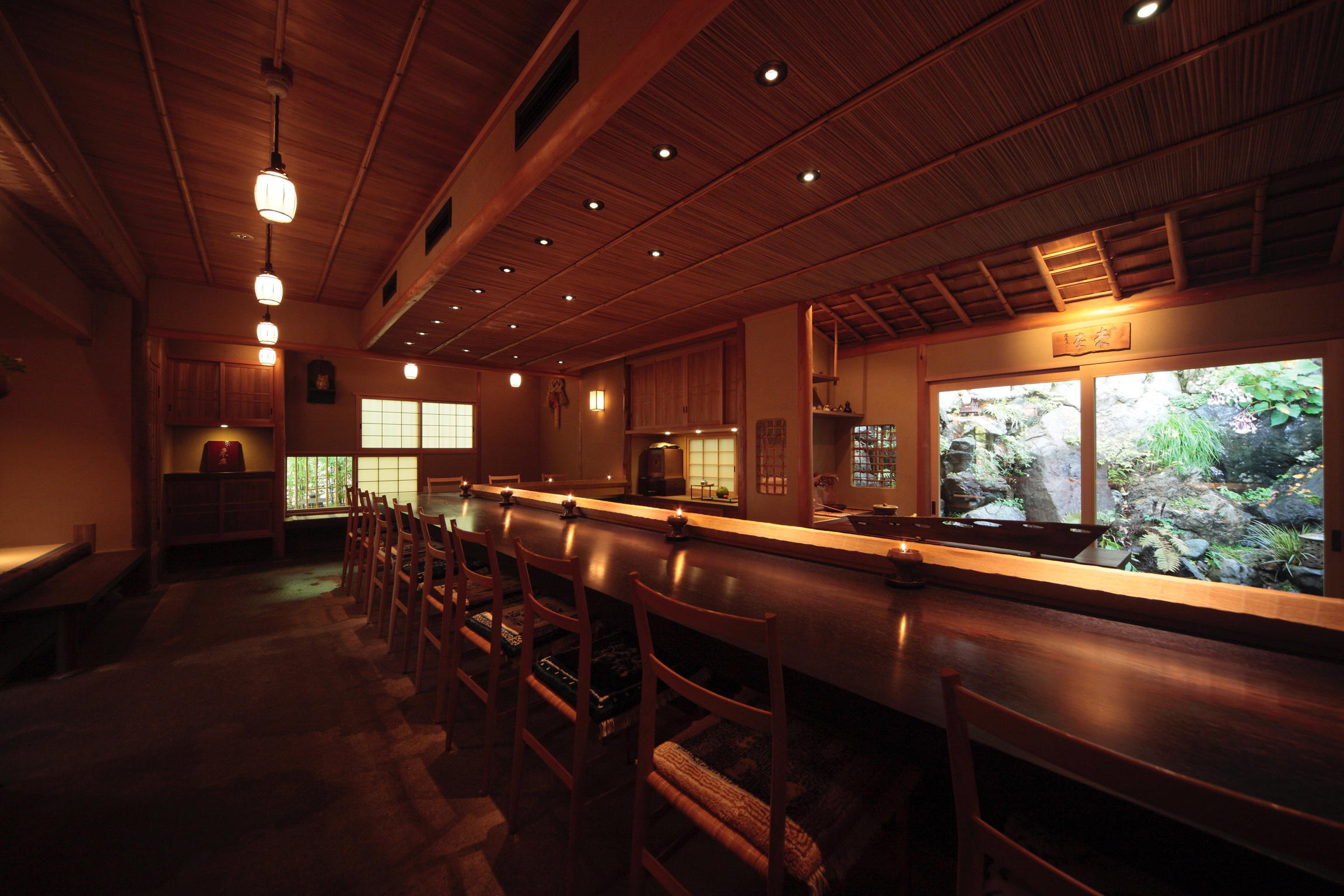
Bars in Kyoto
Browse all →

Hotels in Kyoto
Browse all →
Wineries in Kyoto
Browse all →
At a Glance
- Cozy
- Intimate
- Elegant
- Date Night
- Celebration
- Special Occasion
- Group Dining
- Solo
- Chefs Counter
- Open Kitchen
- Standalone
- Extensive Wine List
- Local Sourcing
An intimate 10-seat hideaway with counter seating around the open kitchen, giving it a cozy, relaxed feel where guests watch the chef work at close range; lighting and decor are described as simple and calming rather than flashy, emphasizing a quiet, "low-profile address" atmosphere ideal for adults and small groups.