Navegante

We're Smart World 1 Radish
Our verdict
Navegante sits on the Peruvian coast south of Lima in Punta Hermosa, where chef Diego Muñoz has built a restaurant around the produce and ecosystems of his home country. Recognized by We're Smart for its plant-forward approach and commitment to local ingredients, it represents a quieter, more grounded counterpoint to Lima's high-profile fine dining circuit, serious cooking at a remove from the capital's noise.

Pearl is the En Primeur Club membership app, where members save venues, book tables and use the concierge.
The menu
What to order
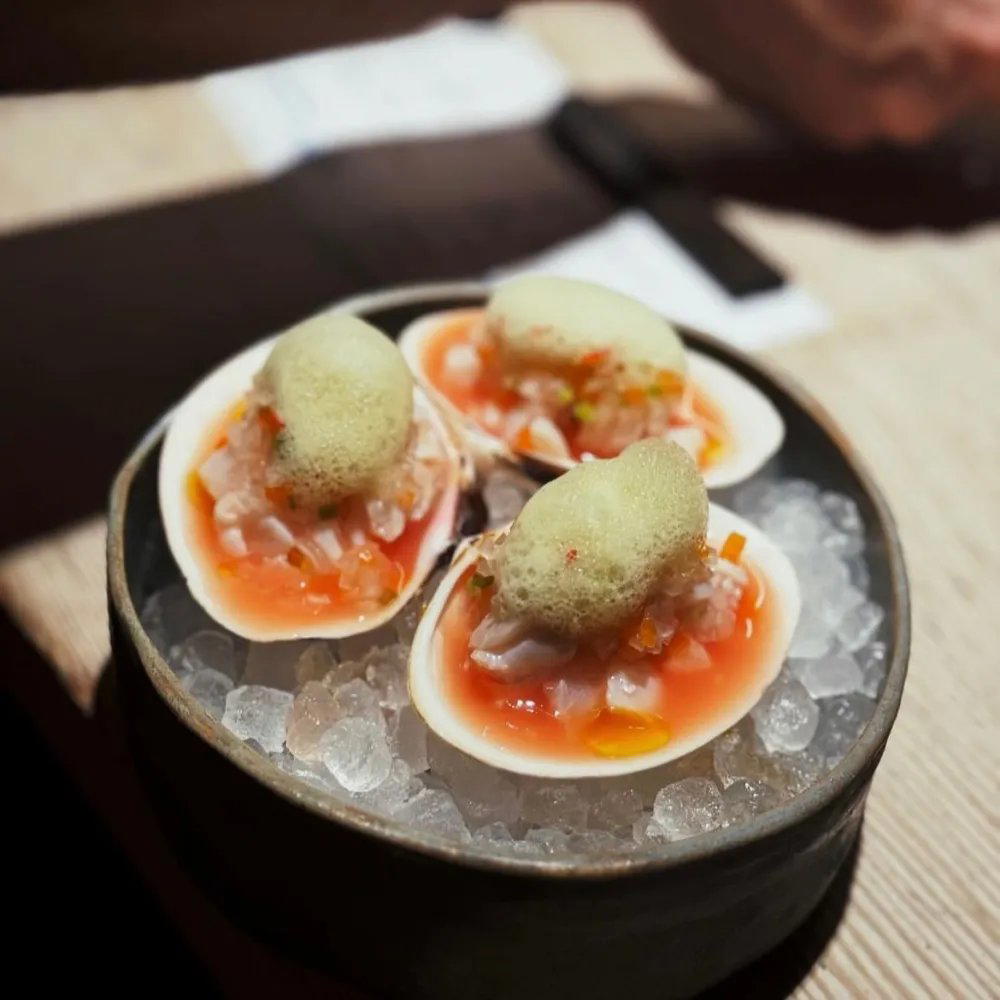
- Conchas a la parrilla
- Cotoleta de cerdo
- Carbonara
Where the Pacific Sets the Agenda
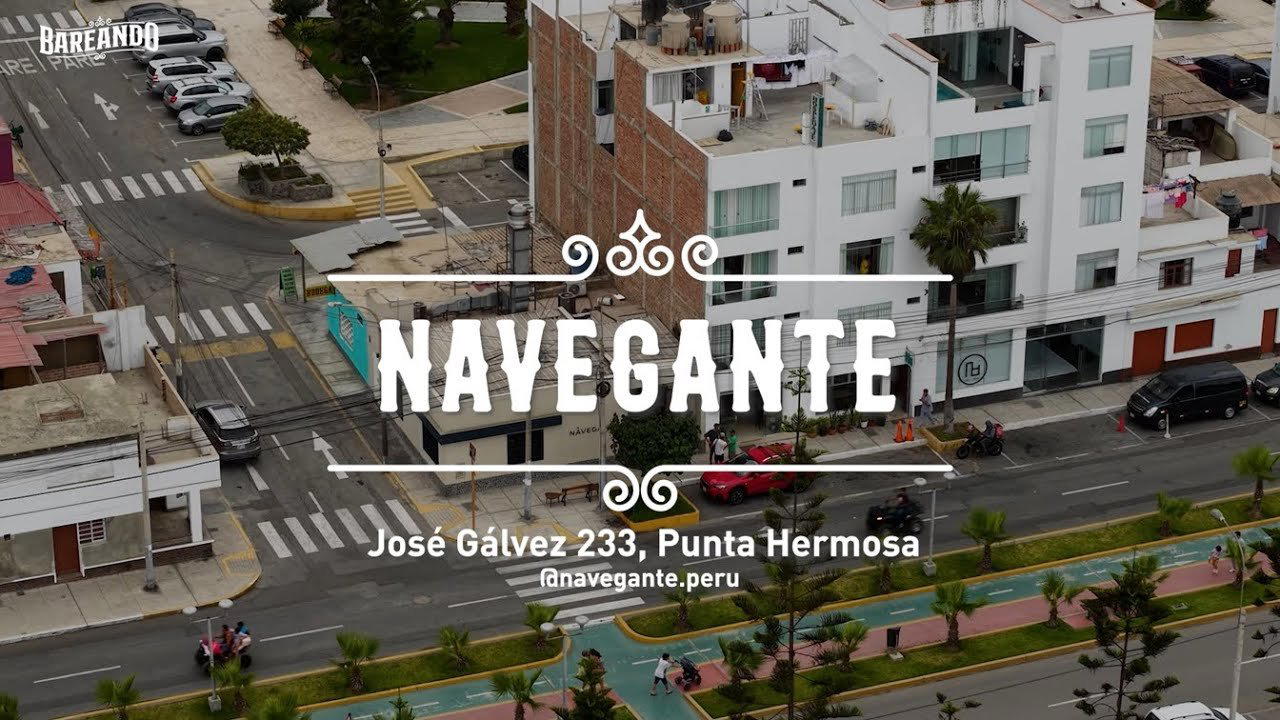
The stretch of coast that runs south of Lima through Punta Hermosa has always existed in a different register from the capital's Miraflores and Barranco dining rooms. The light here is flatter, the air carries salt and iodine, and the Pacific is not a backdrop, it is the whole point. Restaurants that work in this environment either ignore it and import a city sensibility, or they submit to it. Navegante, situated on Jr. José Galvez in Punta Hermosa, belongs firmly to the second category. The address alone signals an intent: to cook from this coast, with what this coast offers, rather than from the memory of somewhere else.
That positioning matters in the context of contemporary Peruvian cuisine, which over the past two decades has developed one of the most internationally watched fine dining cultures in the world. Lima's central figures, including the restaurants now associated with the generation that trained at and around places like Central in Lima, set a precedent for hyper-local sourcing as a philosophical and competitive position. What Navegante does is apply that same discipline at a coastal remove, where the sourcing story changes and the ingredient palette shifts toward what grows, swims, and washes up within reach of a single stretch of Pacific shoreline.
The Sourcing Logic Behind the Plates
Modern Peruvian cooking earned its international reputation partly through biodiversity: the country contains a disproportionate share of the world's cultivated potato varieties, a fishing coast that ranks among the most productive in the Southern Hemisphere, and Andean growing conditions that yield produce largely unavailable anywhere else. At restaurants like Mil Centro in Moray, altitude and proximity to Andean farmers define the ingredient logic. At Navegante, the logic rotates 180 degrees toward the sea and the littoral zone.
We're Smart, the plant-based food recognition body, has specifically cited chef Diego Muñoz's kitchen for the role plants occupy on the plate, not as garnish or supporting cast, but as structural elements. This framing is instructive. A coast-focused restaurant that centers plants alongside its marine ingredients is making a deliberate argument about balance, about the ecosystems that frame the Pacific shore rather than just what comes out of it. The herbs, vegetables, and botanicals sourced from Peru's coastal and immediate hinterland growing zones carry as much narrative weight as the seafood they accompany.
That sourcing intelligence connects Navegante to a broader movement in Peruvian cooking that has been tracking away from imported luxury ingredients for years. Where an earlier generation of high-end Peruvian restaurants gestured toward French technique and European produce hierarchies, the post-Central generation, of which Muñoz is a recognized participant, treats Peruvian geography as the only relevant ingredient map. Comparable kitchens in other parts of Peru, including Chicha por Gaston Acurio in Cusco and Cirqa in Arequipa, operate on regional sourcing models specific to their geography. Navegante's version of that model is coastal and plant-attentive in ways that distinguish it within the national conversation.
Diego Muñoz and the Decision to Leave the Circuit
Chef Diego Muñoz has worked internationally across kitchens of recognized technical standing, a trajectory that gave him the kind of comparative framework most chefs never accumulate. His return to Peru, and specifically his choice to establish a restaurant outside Lima rather than inside it, reads as a deliberate reorientation. The capital's competitive fine dining scene, anchored by addresses that earn sustained international press coverage, is not short of technically accomplished kitchens. Punta Hermosa offered something Lima could not: distance from the circuit, proximity to a specific coastline, and the practical conditions to cook with what that coastline provides.
We're Smart's recognition of Muñoz is worth noting not just as a credential but as an indication of alignment. The organization's methodology focuses on how seriously a kitchen treats vegetables and plant-based ingredients within its overall composition, a meaningful metric in a country where seafood might otherwise dominate every conversation about coastal cooking. The fact that Navegante registers strongly on that axis suggests a kitchen thinking about the whole ecosystem rather than its most marketable single protein.
For context on where Navegante sits in the Lima-adjacent dining geography, it is worth tracing the lineage of restaurants that have operated in similar registers: Cosme in San Isidro and Costanera 700 in Miraflores each represent different points on the Lima fine dining spectrum, from contemporary tasting formats to seafood-led institutional addresses. Navegante is neither of those things. It operates at a quieter remove, without the capital's pressure to perform for a tourist audience or maintain a presence in global ranking conversations.
Getting There and Planning the Visit
Punta Hermosa sits approximately 40 kilometres south of Lima along the Panamericana Sur, reachable by taxi or private transfer in around 45 to 60 minutes depending on traffic leaving the capital. The town itself is a surf district, it hosts some of the coast's most consistent point breaks and draws a local crowd that skews active and coastal rather than urban. Navegante's address on Jr. José Galvez places it within the town's residential fabric, which means the approach feels more like finding a serious kitchen embedded in a surf community than arriving at a destination restaurant designed to announce itself.
Given the combination of a small coastal town location, a chef with documented international recognition, and a format that aligns with considered rather than high-volume service, advance contact before visiting is advisable. A restaurant of this character, plant-attentive, locally sourced, operating outside Lima's main dining corridor, is unlikely to maintain walk-in capacity on the same basis as a large tourist-facing address. For those building a broader itinerary around the region's leading cooking, Navegante fits naturally into a trip that might also include time in Lima's San Isidro or Miraflores districts, where the broader context for Peru's current cooking moment is most legible. Consult for additional options in the area, and, and our full Punta Hermosa experiences guide for planning the wider visit.
For those interested in how similarly minded kitchens approach local sourcing in other parts of the world, Lazy Bear in San Francisco and Emeril's in New Orleans offer comparative reference points for chef-led restaurants that have traded urban fine dining centrality for a more specific geographic and ingredient commitment. In Peru's Amazon region, Delfin Amazon Cruises in Iquitos and Delfin I dining room in Nauta represent another version of cooking anchored to a specific ecosystem. Further afield, Killa Wasi in Urubamba and Le Bernardin in New York City and 8 1/2 Otto e Mezzo Bombana in Hong Kong chart how seafood-forward cooking lands across different cultural and institutional contexts, useful frames for appreciating what Navegante is doing differently on the Peruvian coast.
Frequently asked questions
What do regulars order at Navegante?
That framing suggests the vegetable-forward preparations are the plates most aligned with what the kitchen does at its most purposeful.
Where is Navegante in Punta Hermosa?
Navegante is located at Jr, José Galvez 233, Punta Hermosa 15846, Peru, Punta Hermosa.
Do I need a reservation for Navegante?
Given that Navegante sits outside Lima in Punta Hermosa and carries chef Diego Muñoz's reputation, confirmed by We're Smart, booking ahead before making the 45-to-60-minute drive from the capital is advisable. José Gálvez 233, Punta Hermosa 15846 for direct enquiries.
Side-by-Side Snapshot
Comparable venues nearby, for context on price, style, and recognition.
| Venue | Cuisine | Price | Awards | Notes |
|---|---|---|---|---|
| NaveganteThis venue (the venue you are viewing) | Modern Peruvian Coastal | Not listed | We're Smart World 1 Radish | Not listed |
| Panchita | Authentic Peruvian Creole | $30–50 | Not listed | Miraflores |
| La Niña | Modern Peruvian Seasonal | $50–100 | Star Wine List · World's Best Wine Lists Awards WBWL 3-Star | Miraflores |
| Costanera 700 | Nikkei Peruvian-Japanese Fusion | $50–100 | La Liste Top Restaurants · Star Wine List | Miraflores |
| La Gloria | Mediterranean-Peruvian Fusion | $30–50 | Not listed | Miraflores |
| Los Inkas Pub | Traditional Peruvian with Wood-Fired Pizzas | $20–30 | Not listed | Aguas Calientes |
Recognition history
Dated appearances from independent guides and award organizations, with the underlying list record or original source where available.
We're Smart World 1 Radish
We're Smart World
Continue exploring
More in Punta Hermosa
Restaurants in Punta Hermosa
All restaurants in Punta Hermosa →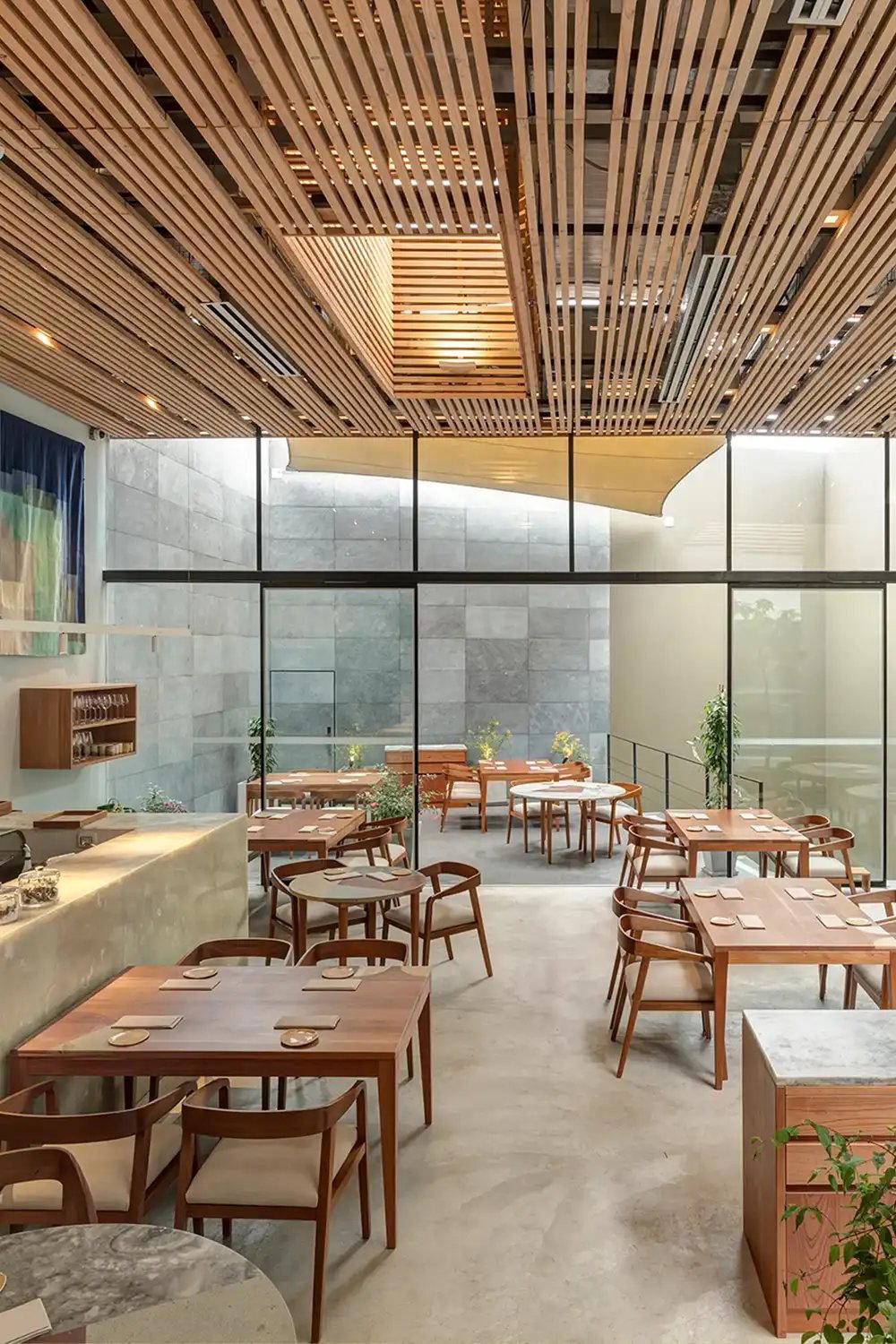
Bars in Punta Hermosa
Browse all →
Hotels in Punta Hermosa
Browse all →
Wineries in Punta Hermosa
Browse all →
Details
- Intimate
- Cozy
- Elegant
- Scenic
- Date Night
- Special Occasion
- Open Kitchen
- Waterfront
- Craft Cocktails
- Local Sourcing
- Waterfront
- A La Carte
- Small Plates
- Craft Cocktails
Current opening hours
- Monday
- Closed
- Tuesday
- Closed
- Wednesday
- 1–10:30 PM
- Thursday
- 1–10:30 PM
- Friday
- 1–10:30 PM
- Saturday
- 1–10:30 PM
- Sunday
- 1–6 PM
Hours can change for holidays and private events. Hours as of .
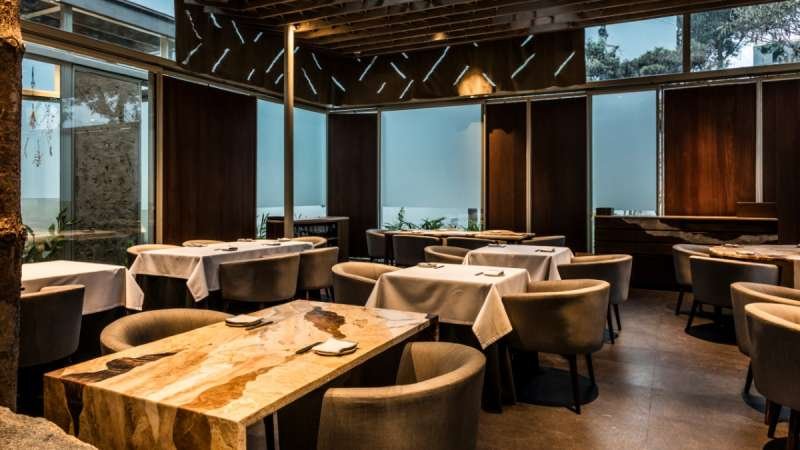
Intimate open kitchen with welcoming service, sunset sea views, and cozy atmosphere.