Chicha Arequipa, at Santa Catalina 210 in the historic Cercado district, plants itself inside one of Peru's most ingredient-rich regional traditions. The kitchen draws on the Arequipeña larder, rocoto, chuño, and high-altitude river fish, to argue that the southern highlands deserve equal standing alongside Lima in any serious account of Peruvian cooking. For travelers tracing Peru's culinary geography, it is a considered stop.
Pearl is the En Primeur Club membership app — saves, bookings, and concierge access live there. Same editors, same standards.
- Address
- Santa Catalina 210, Cercado De Arequipa 04001, Peru
- Phone
- +51973605969
- Website
- chicha.com.pe
- Directions
- Get directions
 Saves & bookings on Pearl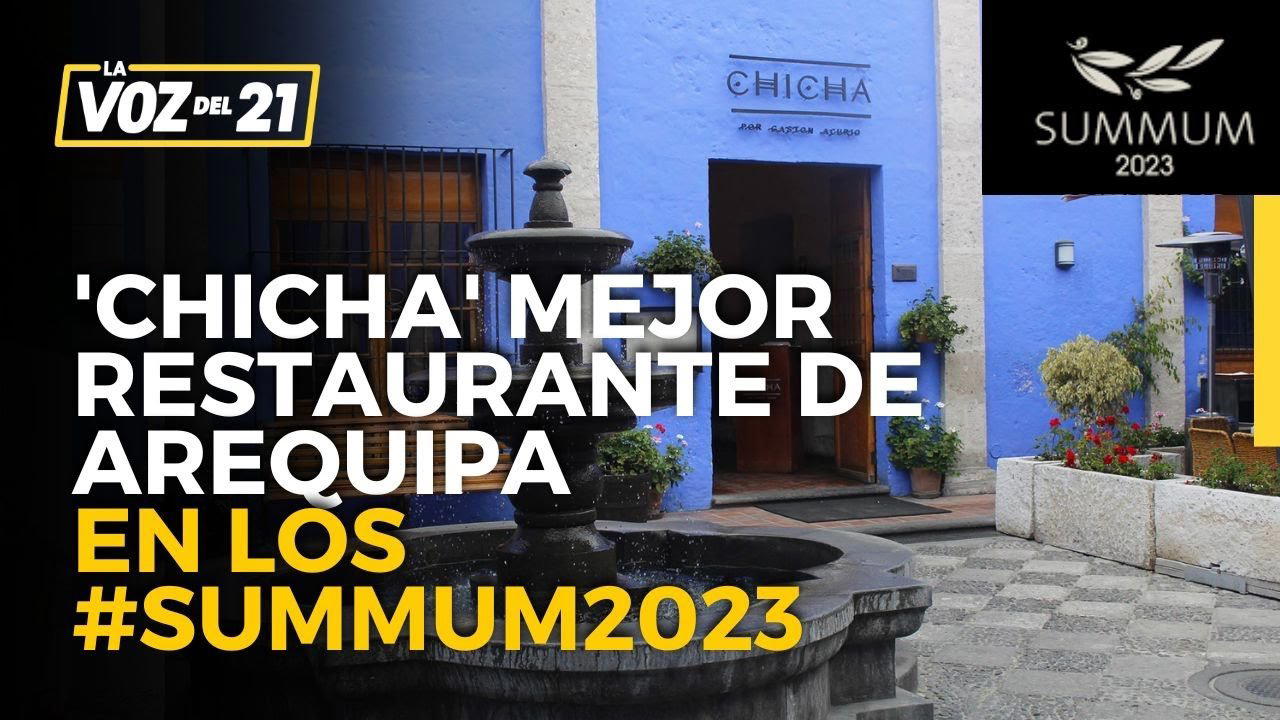
Where the Arequipeña Table Begins
Arequipa's historic core operates on its own terms. The Cercado district, anchored by sillar-stone architecture and a colonial grid that predates Lima's modern dining boom by centuries, has long maintained a regional kitchen culture that owes little to coastal influence. Santa Catalina 210 sits within this fabric, and the address itself frames the meal before you reach the table: you are eating inside a city that treats rocoto and chuño not as heritage curiosities but as daily infrastructure. Chicha Arequipa occupies that position deliberately, functioning less as a destination restaurant dropped into a neighbourhood and more as an extension of what the city has always grown, dried, and slow-cooked.
In southern Peru, the ingredient story runs through altitude. The volcanic highlands around Arequipa produce rocoto peppers with a heat profile distinct from coastal ají amarillo, and the region's potato varieties, dried into chuño through generations of freeze-drying at elevation, represent a preservation technology that long predates refrigeration. Any serious account of Arequipeña cooking has to start there, and restaurants in this tier engage with that supply chain rather than substituting ingredients with coastal equivalents. For travelers already familiar with Lima's modern Peruvian scene, places like Astrid & Gastón in Lima or Osaka Nikkei in San Isidro represent one pole of Peruvian cooking; Chicha Arequipa represents a different one, rooted in the interior rather than the Pacific coast.
The Arequipeña Larder and Why It Matters
Peru's regional ingredient diversity is underreported relative to its global culinary reputation. The country contains 55 of the world's 104 ecological zones, and the southern highlands carry a distinct share of that range. Arequipa sits at roughly 2,300 metres above sea level, close enough to the high puna to access Andean grains, tubers, and dried proteins, while the Colca and Majes river valleys supply freshwater fish and agricultural products unavailable at Lima's coastal markets. This geography produces a kitchen logic that favours depth over brightness, slow technique over the ceviche-style acidity that defines coastal Peruvian cooking for international audiences.
Rocoto relleno, adobo arequipeño, and chupe de camarones are the dishes through which this regional tradition announces itself to the wider world. Each one depends on sourcing from within a specific ecological radius: the camarones are Andean river prawns from the Majes valley, not marine shrimp; the rocoto must be the local variety or the heat-to-flesh ratio changes the dish's character entirely. Restaurants operating in this tradition cannot substitute freely without losing the argument the food is making. That constraint is also what gives this cuisine its credibility as a regional counter-claim to Lima's dominance of the Peruvian dining conversation. For comparison, Mil Centro in Moray addresses similar questions from a Cusco-region vantage point, working with high-altitude ingredients across a different but related supply chain.
Chicha Arequipa in Its Competitive Context
Arequipa's mid-to-upper dining tier has grown more competitive in the past decade. Cirqa approaches the same regional tradition from a fusion angle, while Zig Zag pulls in international technique alongside local proteins. The restaurant operates in that comparable set but with a more explicit commitment to Arequipeña culinary identity as the primary frame. The address on Santa Catalina, one of the district's main colonial arteries, places it inside the city's heritage infrastructure rather than on its newer restaurant periphery, which reinforces the positioning. In a city where tourism has accelerated dining investment, the choice of where to locate is itself an editorial statement about who the kitchen is cooking for and what culinary tradition it considers its own.
Across Peru's broader regional dining spectrum, the pattern is consistent: cities outside Lima are developing restaurants that reject the idea that serious Peruvian cooking must pass through a Lima filter first. Mapacho Craft Beer Restaurant in Urubamba and El Rey in Oxapampa illustrate the same regional assertion from different corners of the country. The cumulative effect is a Peruvian dining map that no longer radiates outward from Lima alone, and the restaurant sits inside that structural shift.
Planning Your Visit
Santa Catalina 210 is walkable from most of Arequipa's central accommodation, placing it within the Cercado's colonial core and a short distance from the Santa Catalina Monastery. For travelers visiting Arequipa as part of a wider Peruvian itinerary, the city functions as a logical staging point between Lima and Cusco, and a meal here fits naturally into a routing that might also include Cantina Vino Italiano in Cusco or the Amazon-region tables covered at Delfin Amazon Cruises in Iquitos and Delfin I dining room in Nauta. For those tracing the coastal route, Costanera 700 in Miraflores, Navegante in Punta Hermosa, As De Oro in Pisco, and Bistrot Bastille in Ica District map a different trajectory through Peruvian food culture.
Comparison Snapshot
Comparable venues nearby, for context on price, style, and recognition.
| Venue | Cuisine | Price | Notes |
|---|---|---|---|
| Chicha ArequipaThis venue — the venue you are viewing | Regional Peruvian Arequipa Cuisine | $$$ | Not listed |
| Cirqa | Contemporary Peruvian Picanterías | $$$$ | Historic Center |
| Cirqa Restaurant | Contemporary Peruvian Fine Dining in a 16th‑Century Monastery | $$$$ | Historic Center of Arequipa |
| Zig Zag | Alpandina Fusion: Alpine-Andean Cuisine | $$$ | Historic Centre |
| Malabar | Modern Amazonian | $$$$ | San Isidro |
| Carnaval | High-concept cocktail bar | $$$ | San Isidro |
At a Glance
- Rustic
- Elegant
- Cozy
- Historic
- Sophisticated
- Special Occasion
- Date Night
- Group Dining
- Celebration
- Historic Building
- Open Kitchen
- Craft Cocktails
- Local Sourcing
- Organic
- Street Scene
Current opening hours
- Monday
- 12–10 PM
- Tuesday
- 12–10 PM
- Wednesday
- 12–10 PM
- Thursday
- 12–10 PM
- Friday
- 12–10 PM
- Saturday
- 12–10 PM
- Sunday
- 12–8 PM
Hours can change for holidays and private events. Last verified .
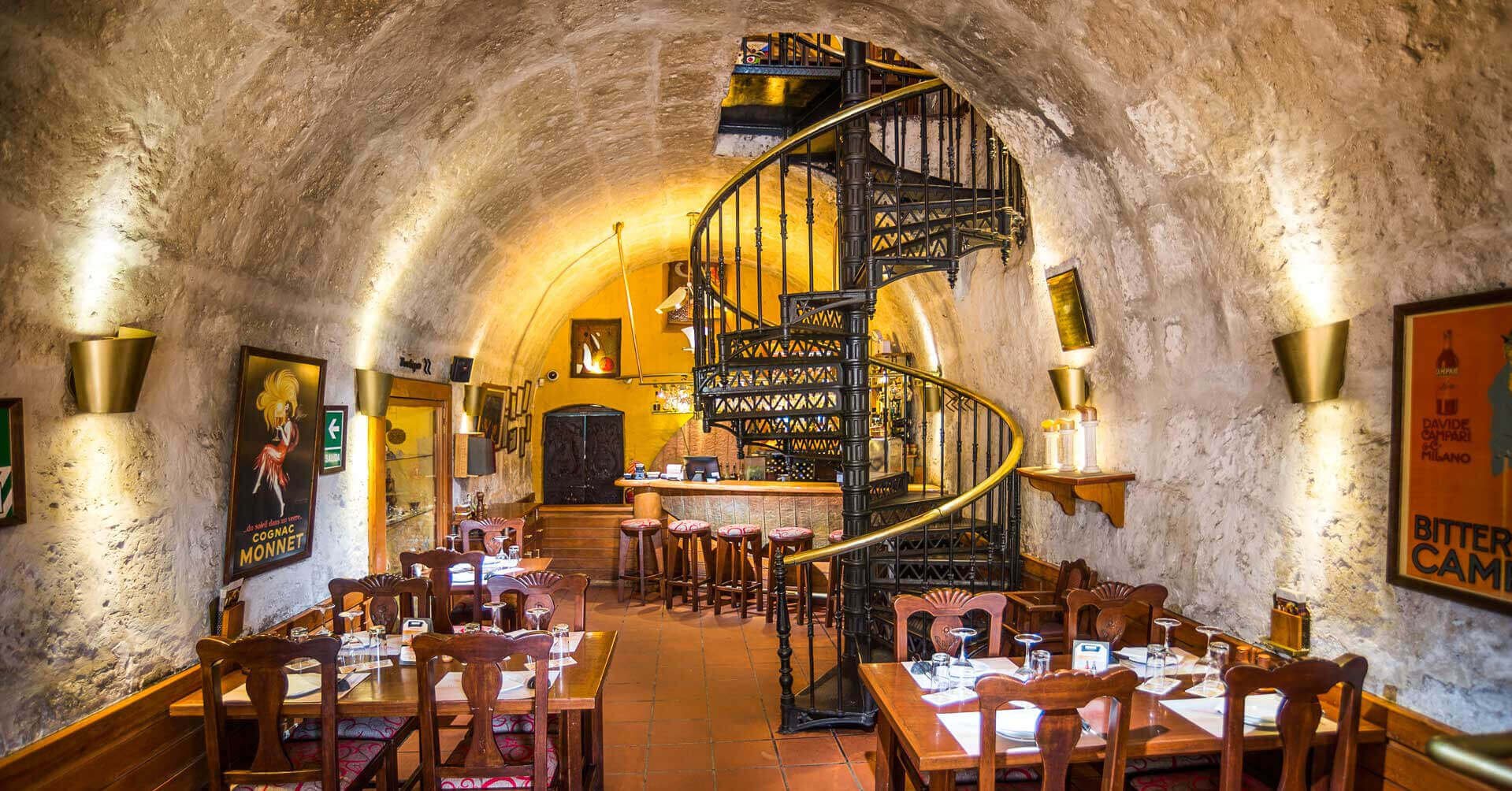
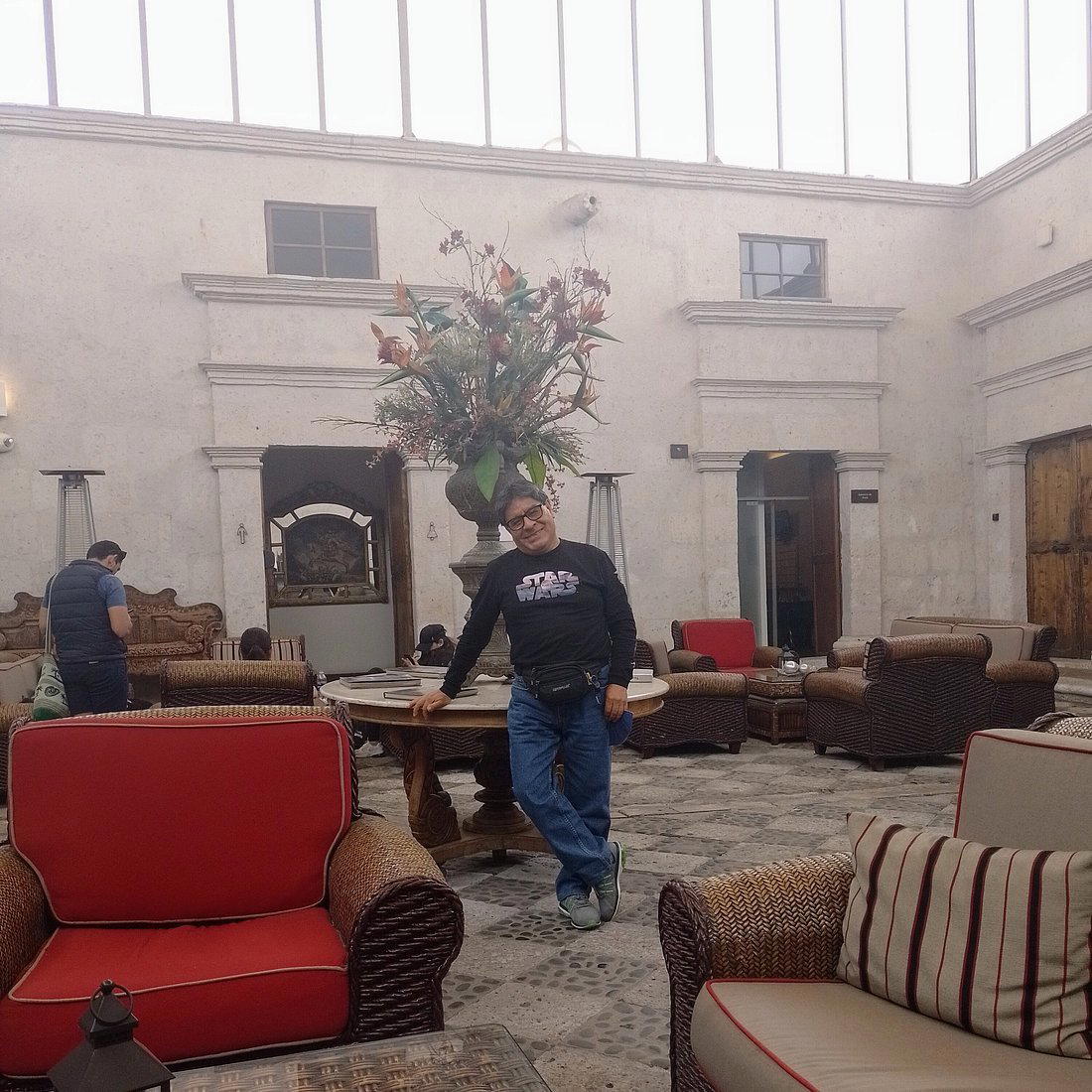
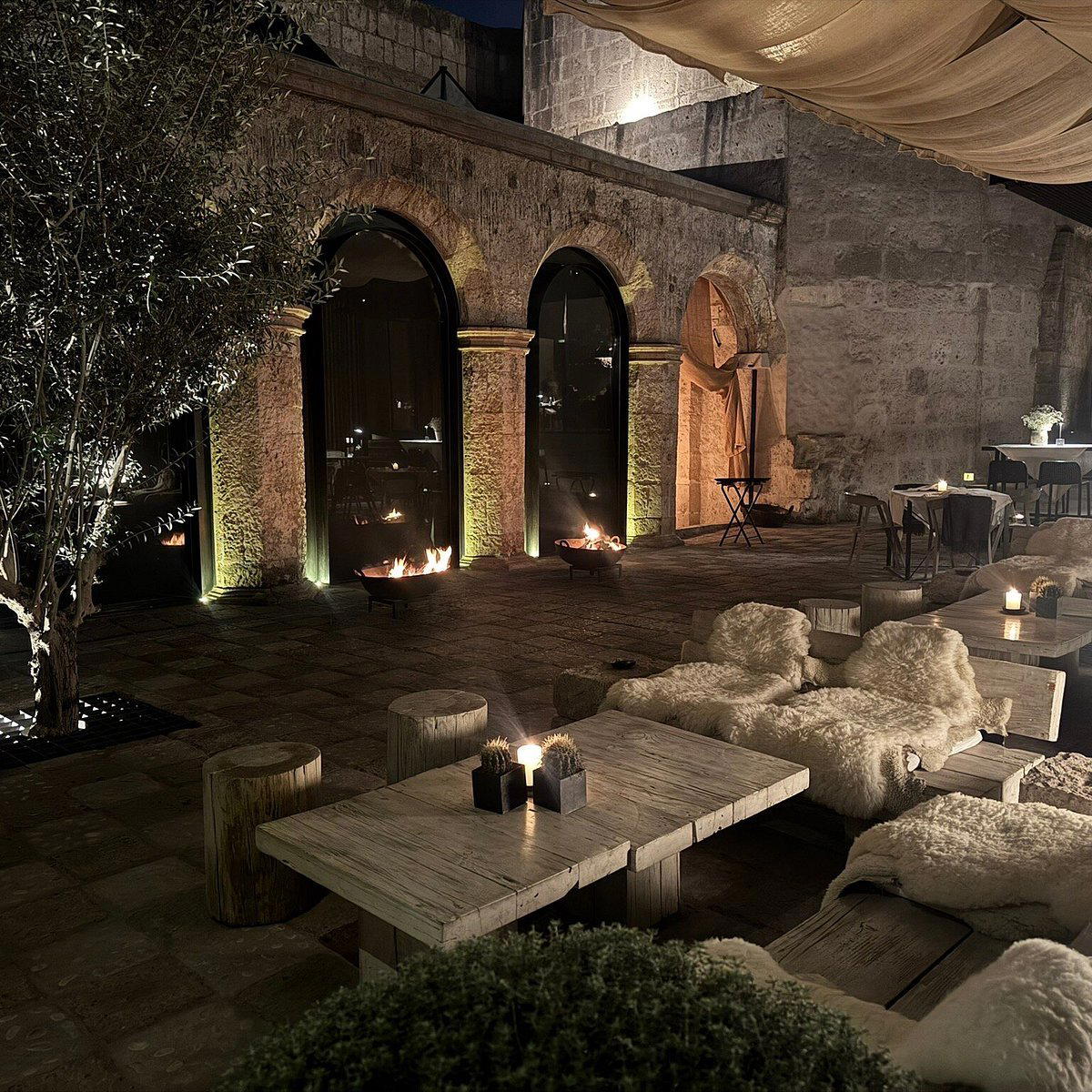
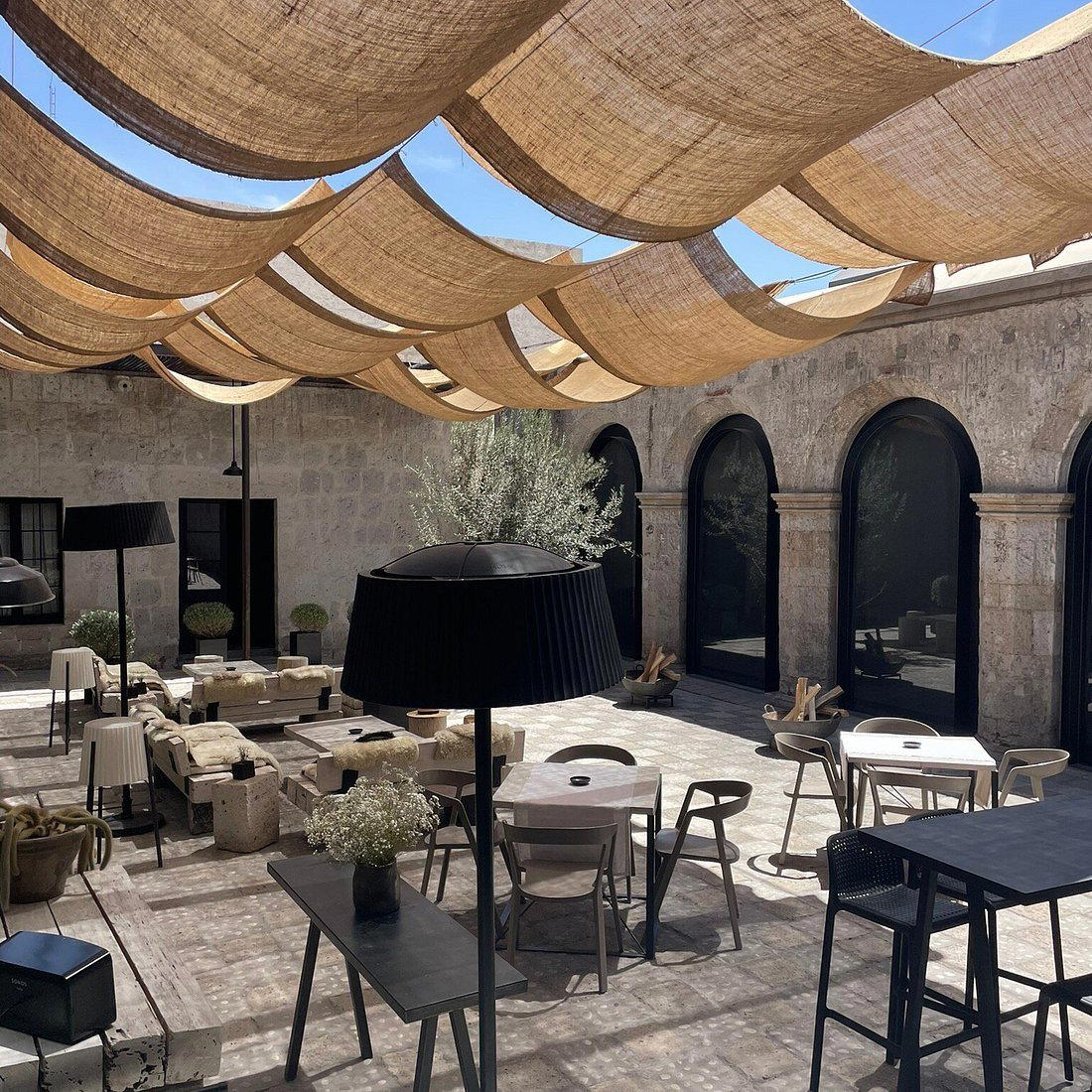
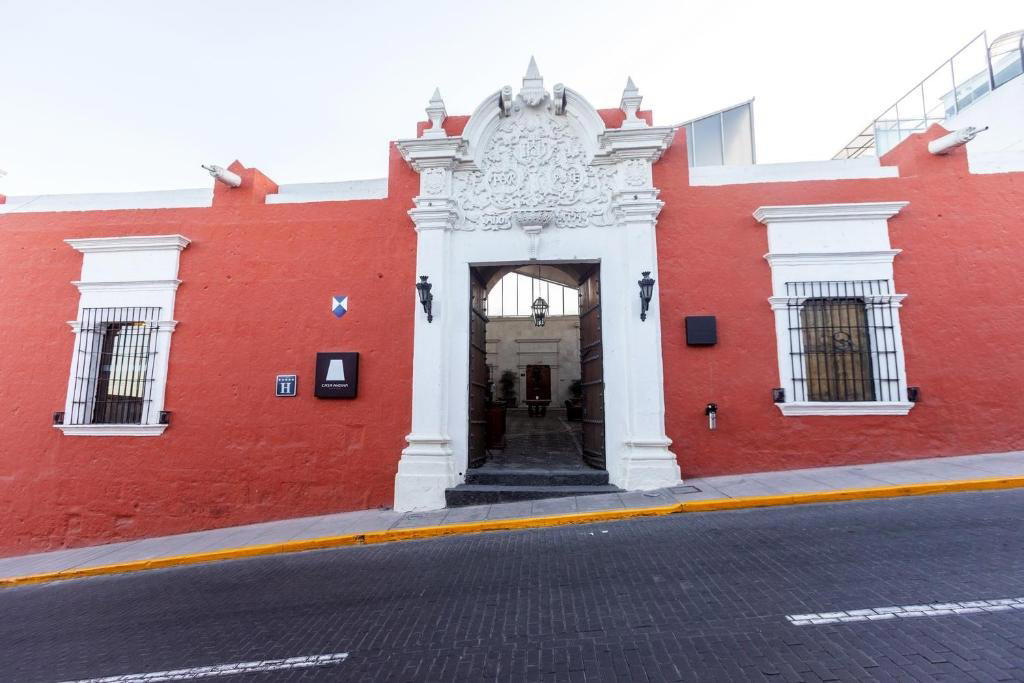
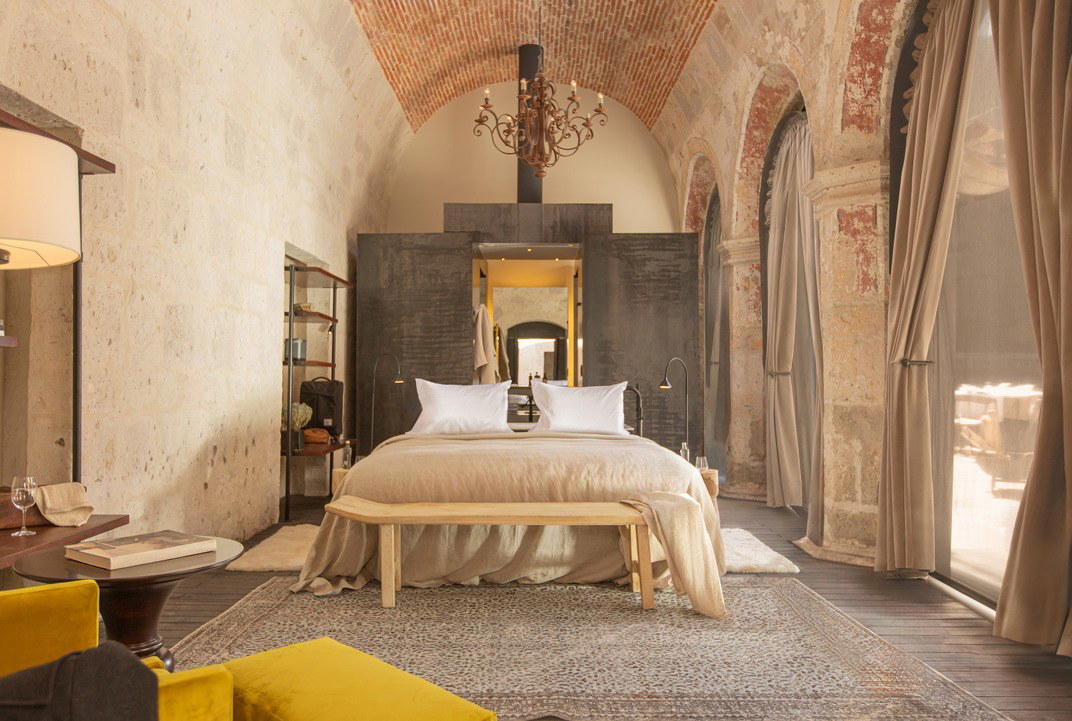
Warm and lively atmosphere in a dramatic historic building near the Santa Catalina Monastery, blending rustic charm with elegant Peruvian hospitality.