Ingle Korean Steakhouse
Our verdict
Washington's Korean steakhouse tier has a clear upper bracket, and Ingle's D.C. location occupies it with a wagyu-focused format that places it in a different competitive set from the city's conventional steakhouses. The kitchen's Korean framework — tabletop grilling, banchan pacing, house sauces — runs alongside premium beef cuts that price against Japanese omakase counters rather than conventional chophouse menus. Reservation planning is advised.

Pearl is the En Primeur Club membership app — saves, bookings, and concierge access live there. Same editors, same standards.
- Address
- 1926 14th St NW, Washington, DC 20009
- Phone
- (202) 977-7404
- Hours
- Mon–Thu 5–9:30 PMFri 5–10 PMSat–Sun 12–10 PM
- Website
- inglekoreansteakhouse.com
- Directions
- Get directions
The menu
What to order
- American Wagyu
- Steak tartare
- Cod-roe garlic toast
- Spicy seafood noodle soup
Where Korean Beef Culture Meets the D.C. Premium Tier
Washington's steakhouse scene has long been dominated by power-lunch chophouses anchored to USDA Prime and a familiar script of sides. The emergence of Korean steakhouse formats at the upper end of the market represents a meaningful shift: premium wagyu and galbi-style preparation now compete directly with legacy beef institutions, not as a novelty category but as a parallel fine-dining tier. Ingle Korean Steakhouse, with its D.C.
The format matters here. Korean steakhouse at this tier is not the smoke-filled, self-serve grill of casual dining. It is a structured dining experience where the progression of cuts, the pacing of banchan, and the grilling technique carry as much weight as sourcing. Cities like Seoul and Los Angeles have refined this format over two decades; Washington is now receiving its own iteration of that evolution, with Ingle as one of the addresses advancing it.
The Wine Angle in a Korean Steakhouse Context
The sommelier's role at a premium Korean steakhouse is more demanding than it appears. Korean beef preparation introduces fermented, acidic, and sesame-inflected flavors that push against the conventional steakhouse red wine playbook. Bold Cabernets and Malbecs — the workhorses of chophouse wine lists — do not disappear from consideration, but they require more careful positioning when the beef arrives with gochujang glaze or sesame oil rather than a simple sear and compound butter.
At the upper tier of Korean wagyu formats, well-composed wine programs tend to maintain a dual-track approach: a serious red wine spine for guests who want the classic beef pairing, alongside sections that acknowledge the Korean flavor framework with skin-contact whites, earthy Burgundy-influenced Pinots, or structured rosés that can handle fermented complexity. Whether Ingle's D.C. program follows this model in its current form is a detail that warrants direct confirmation with the restaurant before visiting. What the format demands is clear, however: a list organized around the food's actual flavor architecture, not around what steakhouse convention dictates.
For comparison, the Korean-influenced beef programs at restaurants like Atomix in New York City demonstrate how Korean culinary logic at high price points creates wine pairing challenges that reward sommeliers who move beyond category defaults. At that level, the wine list becomes an editorial statement, not just a beverage selection. The same pressure applies at any wagyu-focused Korean format operating at premium D.C. prices.
Positioning Inside Washington's Meat-Focused Dining Tier
Washington eats meat seriously. The city's established steakhouses carry political clientele and corporate expense accounts, producing wine lists deep in California Cabernet and French Bordeaux by the bottle. The Korean wagyu format addresses a different instinct: guests seeking beef as a primary focus but through a Korean cultural lens, where the ritual of grilling at the table, the sequencing of cuts from lighter to heavier, and the presence of fermented sides constitute the dining architecture.
This places Ingle in an interesting competitive space. It is not competing directly with the New American programs at destinations like The Inn at Little Washington, nor with the natural-wine-driven menus at addresses like Alfie's or its permanent Georgetown location. It competes within a narrower set: premium beef formats where sourcing credentials, cut selection, and service precision determine value perception. For context on how Korean-influenced restaurants at this level perform nationally, Atomix provides the clearest reference point for what Korean culinary ambition looks like when executed at the top of the market.
Among D.C.'s broader dining community, the city has shown appetite for format innovation. The success of concept-driven openings in neighborhoods from Penn Quarter to Georgetown suggests the market can absorb a Korean wagyu format that prices at premium levels, provided the execution supports it. Readers consulting our full Washington restaurants guide will find the broader category context useful when calibrating where Ingle sits within the city's current restaurant map.
Wagyu in the Korean Framework: What the Format Delivers
Wagyu beef in a Korean grilling context follows a different logic from Japanese omakase wagyu or Western chophouse preparation. The fat content that defines high-marbling wagyu, the characteristic that makes A5 grades so prized, responds well to quick, high-heat Korean grilling methods, but it also means portion discipline matters. Korean steakhouse formats at this tier typically sequence cuts from leaner to richer, allowing the palate to build across the meal rather than front-loading with the heaviest proteins.
Banchan, the accompanying small dishes, serve a functional role beyond tradition in this context. Fermented vegetables, pickled accompaniments, and seasoned sides provide acidity and contrast that reset the palate between cuts. This is where the Korean steakhouse format differs most substantively from Western beef traditions: the side dishes are not afterthoughts but structural components of the eating progression. Premium formats that execute this well produce a measurably different dining experience from those that treat banchan as decoration.
For readers who want to understand how Korean culinary structure operates at the highest tier before visiting Ingle, the tasting menus at Atomix offer instructive comparison, even though the format there is fundamentally different. The underlying logic of pacing, contrast, and Korean flavor architecture carries across formats.
Planning a Visit
Because specific booking details, pricing, and hours for the D.C. location are best confirmed directly with the restaurant, visitors should contact Ingle ahead of any trip to verify reservation availability and current menu format. Korean wagyu formats at this tier typically require advance planning, particularly on weekends and during the fall and winter months when beef-forward dining draws stronger demand across Washington. The city's premium restaurant tier generally benefits from booking two to four weeks ahead as a baseline, with more lead time warranted for special occasions.
Those building a broader D.C. dining itinerary around meat-focused or premium international formats should cross-reference the steakhouse options at Bazaar Meat and Bazaar Meat by José Andrés to understand how Ingle's Korean framework differentiates itself within the same broad category. Both represent serious meat programs; the Korean format at Ingle brings a distinct cultural architecture to the same price bracket.
For travelers using Washington as a base for wider regional dining, destinations like The Inn at Little Washington sit within day-trip distance and offer a very different register of American fine dining. Further afield, programs at Le Bernardin in New York City, The French Laundry in Napa, Smyth in Chicago, Blue Hill at Stone Barns in Tarrytown, Lazy Bear in San Francisco, Providence in Los Angeles, Addison in San Diego, Single Thread Farm in Healdsburg, Frasca Food & Wine in Boulder, Emeril's in New Orleans, and Atelier Moessmer Norbert Niederkofler in Brunico all appear in EP Club's broader coverage for readers mapping out a longer culinary itinerary across multiple cities.
Frequently asked questions
How would you describe the cuisine at Ingle Korean Steakhouse (D.C. location)?
Ingle Korean Steakhouse (D.C.
How does Korean-style wagyu preparation at Ingle differ from Japanese omakase wagyu dining in Washington DC?
Japanese omakase wagyu in Washington DC typically presents beef in chef-sequenced, pre-portioned courses with minimal diner interaction. Ingle's Korean steakhouse format shifts that dynamic: wagyu is grilled at or near the table, with the Korean culinary tradition of accompaniments — fermented sides, sauces, and wraps — framing each cut. That interactive, condiment-driven structure produces a different eating rhythm from the precision-plated Japanese approach, even when the beef grade is comparable.
What's the must-try dish at Ingle Korean Steakhouse (D.C. location)?
Ingle's focus is wagyu-forward Korean beef, so the grilled wagyu cuts are the core of what the kitchen is built around. The Korean grilling format prepares high-marbled wagyu differently from a Western chophouse — fat renders at tableside in shorter passes, preserving texture rather than cooking it through. Confirm current menu selections directly with the D.C. location, as specific offerings are best verified before your visit.
Do I need a reservation for Ingle Korean Steakhouse (D.C. location)?
At a wagyu-focused Korean steakhouse operating in Washington DC's premium dining tier, walk-in availability on weekends is unlikely. Booking ahead is advisable, particularly for groups, given the table-grilling format which limits seat turnover. Contact Ingle's D.C. location directly for current reservation availability and lead times.
What's the standout thing about Ingle Korean Steakhouse (D.C. location)?
Ingle positions wagyu beef inside a Korean grilling framework — a format that remains rare in Washington DC's steakhouse scene, which has historically centered on USDA Prime in a Western chophouse model. That combination of premium Japanese-grade marbling with Korean tableside preparation sets it apart from both the city's traditional steakhouses and its Korean BBQ casual tier.
Does Ingle Korean Steakhouse (D.C. location) justify its prices?
Wagyu-focused Korean steakhouses operate at a price point above standard Korean BBQ and often comparable to upscale chophouses, reflecting the cost of higher-grade beef. Whether Ingle's D.C. pricing aligns with that value proposition depends on the specific cuts and format on offer. Current pricing should be confirmed directly with the restaurant before booking.
Comparable Spots
Comparable venues nearby, for context on price, style, and recognition.
| Venue | Cuisine | Price | Notes |
|---|---|---|---|
| Ingle Korean SteakhouseThis venue — the venue you are viewing | Upscale Korean Steakhouse | $100–150 | Not listed |
| The Tavern at The Henley Park | Classic American with Modern Influences | $30–50 | Shaw |
| Al Tiramisu | Authentic Italian Trattoria | $50–100 | Embassy Row |
| Capitano | Southern Coastal Italian | $30–50 | Southwest Waterfront |
| Acqua Bistecca | Italian Seafood Steakhouse | $30–50 | Tenleytown |
| The Point D.C. | Seafood Grill with Open Flame Cooking | $30–50 | Buzzard Point |
Continue exploring
More in Washington DC
Restaurants in Washington DC
Browse all →
Bars in Washington DC
Browse all →
Hotels in Washington DC
Browse all →
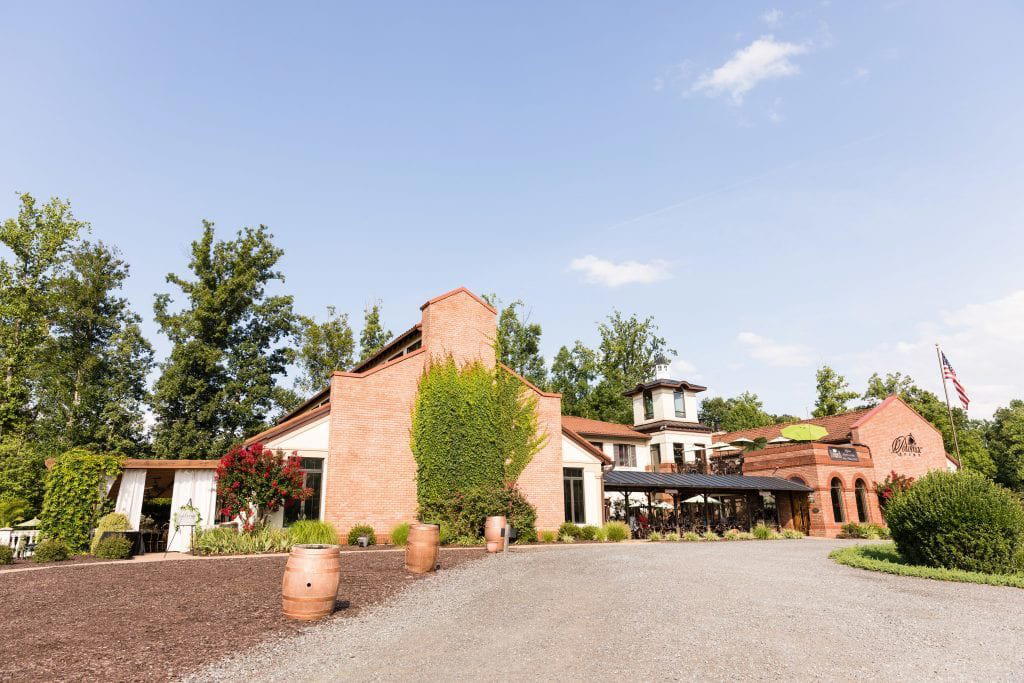
Ingle Korean Steakhouse
The wine
- Wine program
- Curated wine list
Details
- Sophisticated
- Elegant
- Modern
- Date Night
- Celebration
- Special Occasion
- Open Kitchen
- Prix Fixe
- A La Carte
Current opening hours
- Monday
- 5–9:30 PM
- Tuesday
- 5–9:30 PM
- Wednesday
- 5–9:30 PM
- Thursday
- 5–9:30 PM
- Friday
- 5–10 PM
- Saturday
- 12–10 PM
- Sunday
- 12–10 PM
Hours can change for holidays and private events. Last verified .
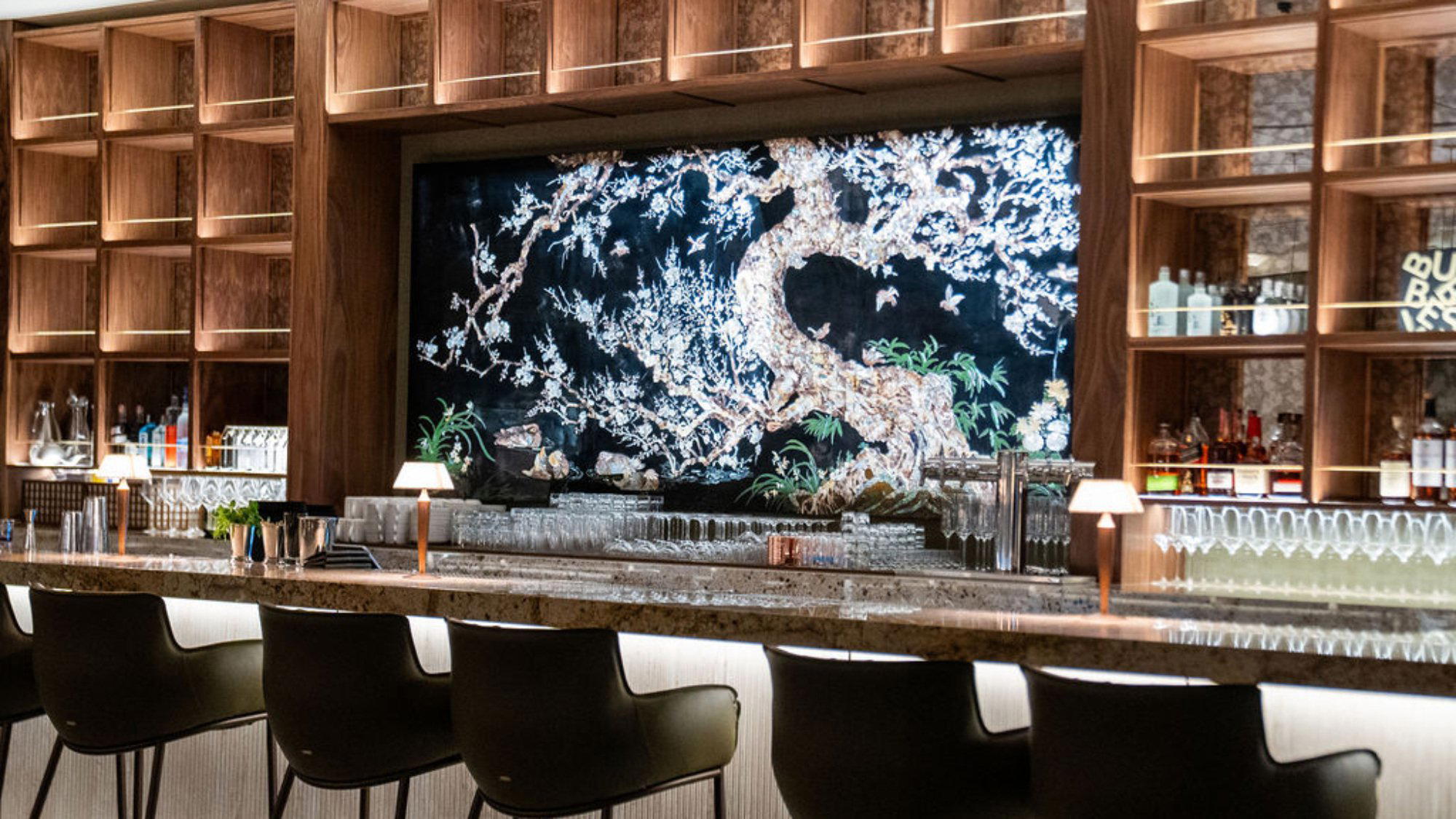
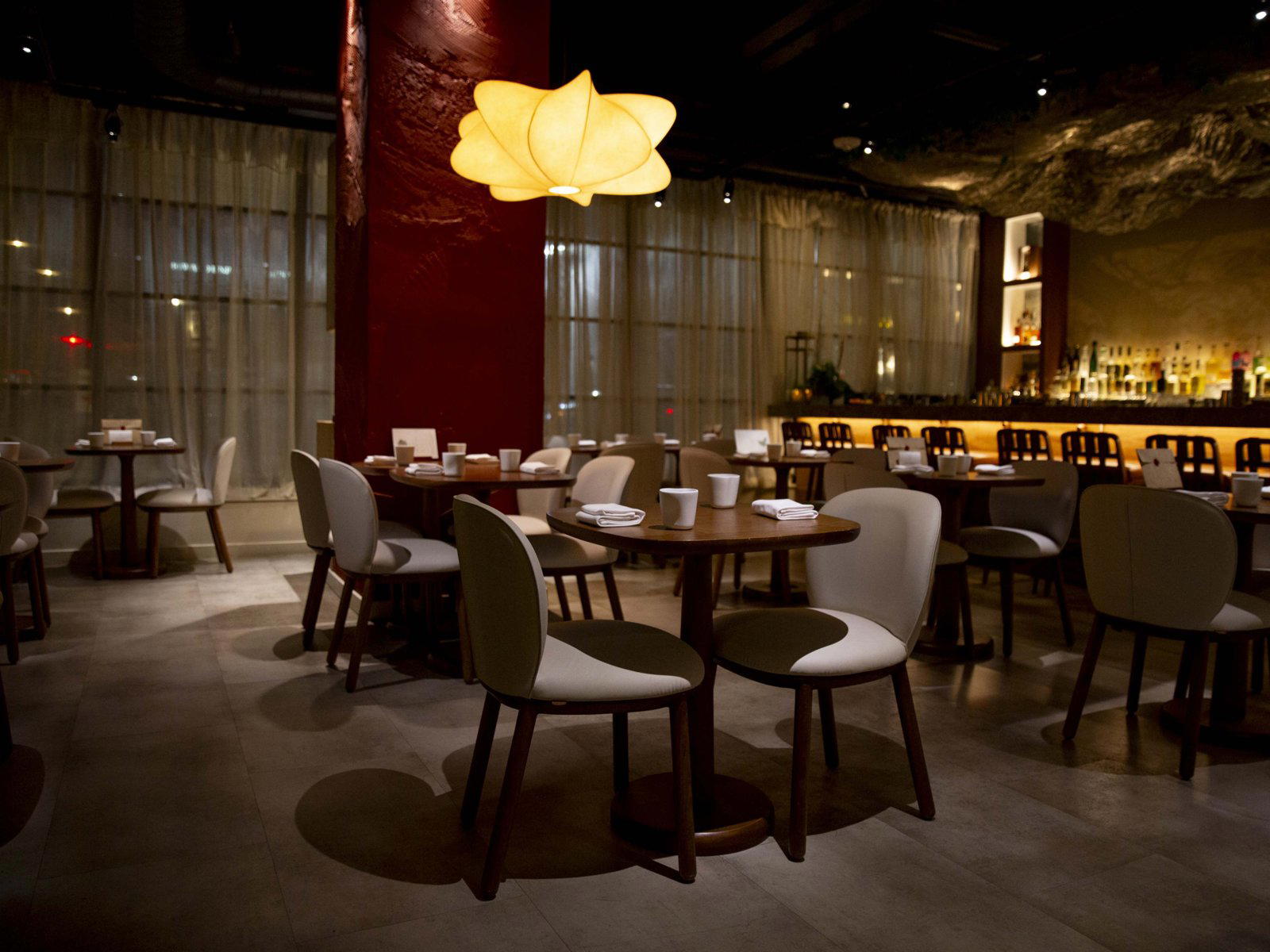
Earthy, sophisticated, and smoky with an airy dining room featuring marble tabletops and walnut accents.