Bazaar Meat by José Andrés

Bazaar Meat by José Andrés sits at 1100 Pennsylvania Ave NW, where Spanish-inflected technique meets the American steakhouse tradition in a format that goes well beyond the conventional cut-and-sides formula. The kitchen applies José Andrés's modernist instincts to prime beef, producing a program that occupies its own tier in Washington's high-end dining scene. For anyone working through the capital's serious restaurant options, this is a clear reference point.
Pearl is the En Primeur Club membership app — saves, bookings, and concierge access live there. Same editors, same standards.
- Address
- 1100 Pennsylvania Ave NW, Washington, DC 20004
- Phone
- (202) 868-5088
- Website
- thebazaar.com
- Directions
- Get directions
 Saves & bookings on Pearl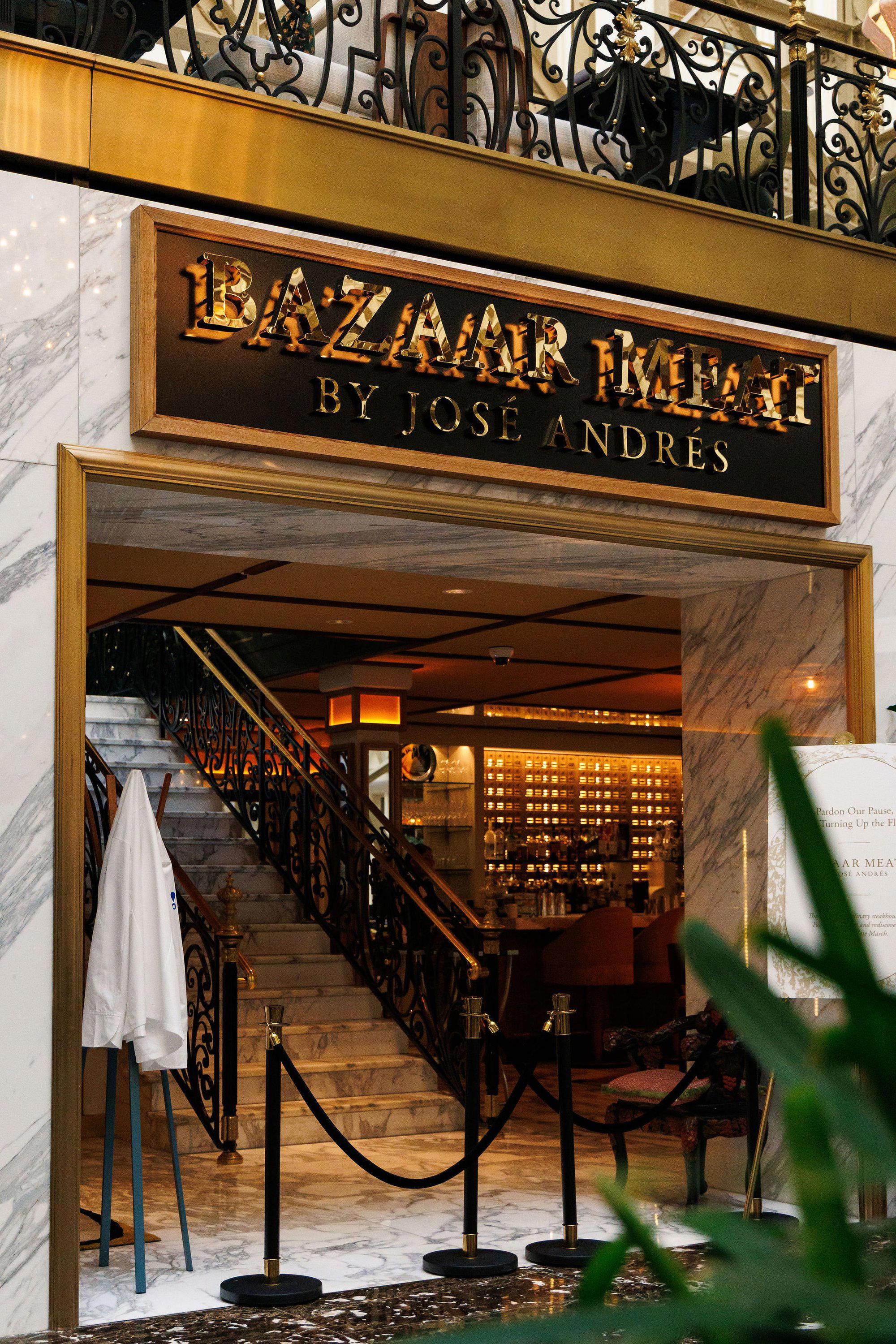
Fire, Steel, and Spanish Logic on Pennsylvania Avenue
Pennsylvania Avenue carries a particular kind of weight in Washington. The address alone signals occasion, and the dining rooms that occupy it tend to dress accordingly. Bazaar Meat by José Andrés, at 1100 Pennsylvania Ave NW, is a Washington, DC restaurant serving Modern Spanish Tapas & Meats. Its format cuts against the expectations set by the address: not a formal French room, not a power-lunch club, but something closer to a Spanish-influenced carnivore's counter where the serious cooking happens over live fire and the menu reads like a provocation to the conventional American steakhouse tradition.
The steakhouse as a format has its own rigid grammar. A serious room in New York or Chicago typically organizes itself around a short list of premium cuts, a roster of classic sides, and a wine list weighted toward California Cabernet. What happens at the Bazaar Meat address is a deliberate departure from that grammar: the Andrés kitchen folds in Spanish flavors and modernist technique to reframe the same core ingredients. The result is a steakhouse that sits in the premium tier while reading like a different category entirely.
The Cut as Argument
In any serious beef program, the cut selection is editorial. It tells you what the kitchen believes about flavor development, fat distribution, and the relationship between the cow and the fire. The broad American steakhouse canon privileges the ribeye for its intramuscular fat and the filet for its tenderness, while the strip sits in between as a more structured, cleaner-flavored option. The tomahawk, essentially a long-bone ribeye presented as theater, became a fixture of premium steakhouse theater in the last decade, a format signal as much as a flavor choice.
Bazaar Meat's positioning within this framework draws on both the American cut tradition and the Spanish approach to beef, which has its own hierarchy. Galician beef, aged extensively and sourced from older dairy cattle, has become a reference point for a particular school of premium steakhouse thinking in Europe and increasingly in the United States. The flavor profile from older, worked animals differs substantially from American grain-finished Angus or Wagyu: more mineral, with deeper fat oxidation and a chew that rewards patience. Where venues like The French Laundry in Napa or Alinea in Chicago approach premium ingredients through classical French or modernist American frameworks, Bazaar Meat draws its reference points from the Iberian peninsula, which produces a fundamentally different set of flavor arguments.
That argument extends beyond beef. The Spanish kitchen's relationship with pork, particularly Ibérico, means that a Bazaar Meat menu positions heritage pig alongside prime beef as an equal protagonist, not a secondary option. This is a meaningful departure from the standard American steakhouse format, where pork exists primarily as a bacon garnish. Addressing pork, seafood, and vegetables through the same live-fire logic as the primary beef cuts is how the Spanish-influenced format distinguishes itself from its American peers.
Washington's Premium Dining Tier
Washington's dining scene has expanded and diversified significantly. The city's traditional reliance on expense-account Continental restaurants has given way to a broader set of formats: high-precision tasting menus at The Inn at Little Washington, tightly focused seafood programs at Cordelia Fishbar, and more casual but technically serious formats like Alfie's or its Georgetown counterpart, Alfie's permanent Georgetown. Modern Chinese cooking has entered the conversation through venues like Canton Disco. Against this backdrop, a premium steakhouse program with Spanish credentials occupies a specific gap: it can handle large-party occasions and power-dining ritual while delivering a format sophisticated enough to hold a food-focused guest's attention.
José Andrés himself is a figure whose presence in Washington extends well beyond a single restaurant. His operation here spans multiple formats and price points, and his broader public profile, built through his humanitarian work as much as his cooking, gives the Bazaar brand a visibility that most restaurant groups cannot manufacture. That visibility functions as a trust signal in a city where reputation moves quickly through its professional and political networks. For comparison purposes, the comparable set for Bazaar Meat's ambition reaches outside Washington: it shares register with the experiential side of Lazy Bear in San Francisco or the Spanish-technique cooking evident at venues like Le Bernardin in New York City, though the format and focus differ substantially.
Planning a Visit
Bazaar Meat sits at 1100 Pennsylvania Ave NW, positioning it conveniently for visitors staying near the Mall or in the Penn Quarter neighborhood, Reservations are essential, especially for Friday and Saturday sittings. The format works for a range of group configurations, including larger tables, though its price tier and energy skew toward adults rather than families with younger children. For those extending the trip, comparably ambitious formats can be found at Single Thread Farm in Healdsburg, Emeril's in New Orleans, 8 1/2 Otto e Mezzo Bombana in Hong Kong, and Alain Ducasse's Louis XV in Monte Carlo.
A Quick Peer Check
Comparable venues nearby, for context on price, style, and recognition.
| Venue | Cuisine | Price | Notes |
|---|---|---|---|
| Bazaar Meat by José AndrésThis venue — the venue you are viewing | Modern Spanish Tapas & Meats | $$$$ | Not listed |
| Del Mar | Modern Spanish Seafood & Paella on The Wharf | $$$$ | Southwest Waterfront |
| The Willard Room | Classic French Brasserie | $$$$ | East End |
| Elizabeth's | Vegan Fine Dining | $$$$ | East End |
| Seasons | Contemporary American Fine Dining | $$$$ | East Village Georgetown |
| Marcus DC | Modern American with Black Culinary Traditions | $$$$ | NoMa |
Recognition history
Dated appearances from independent guides and award organizations, with the underlying list record or original source where available.
Wine Spectator Best of Award of Excellence
Wine Spectator
Continue exploring
More in Washington DC
Restaurants in Washington DC
Browse all →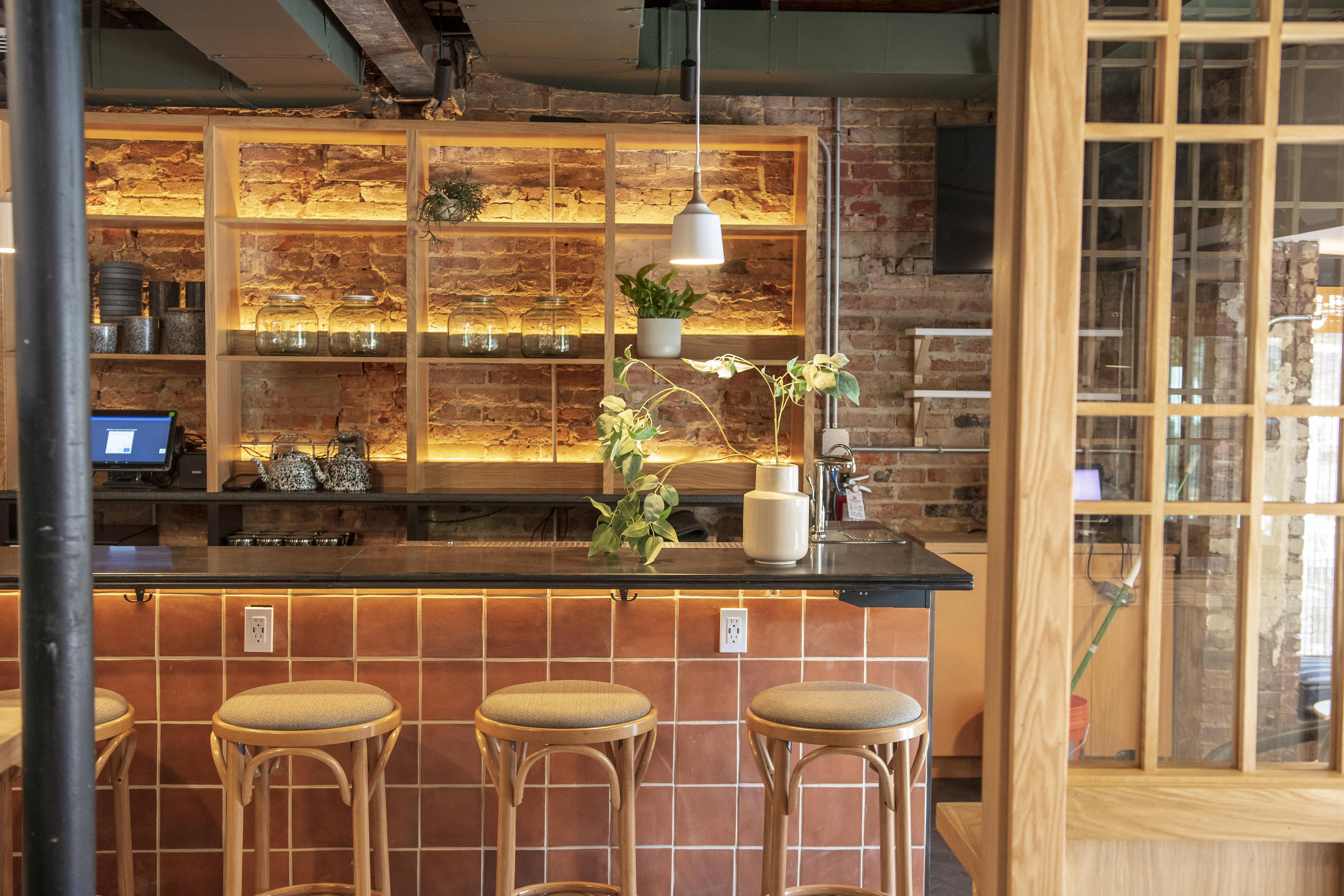
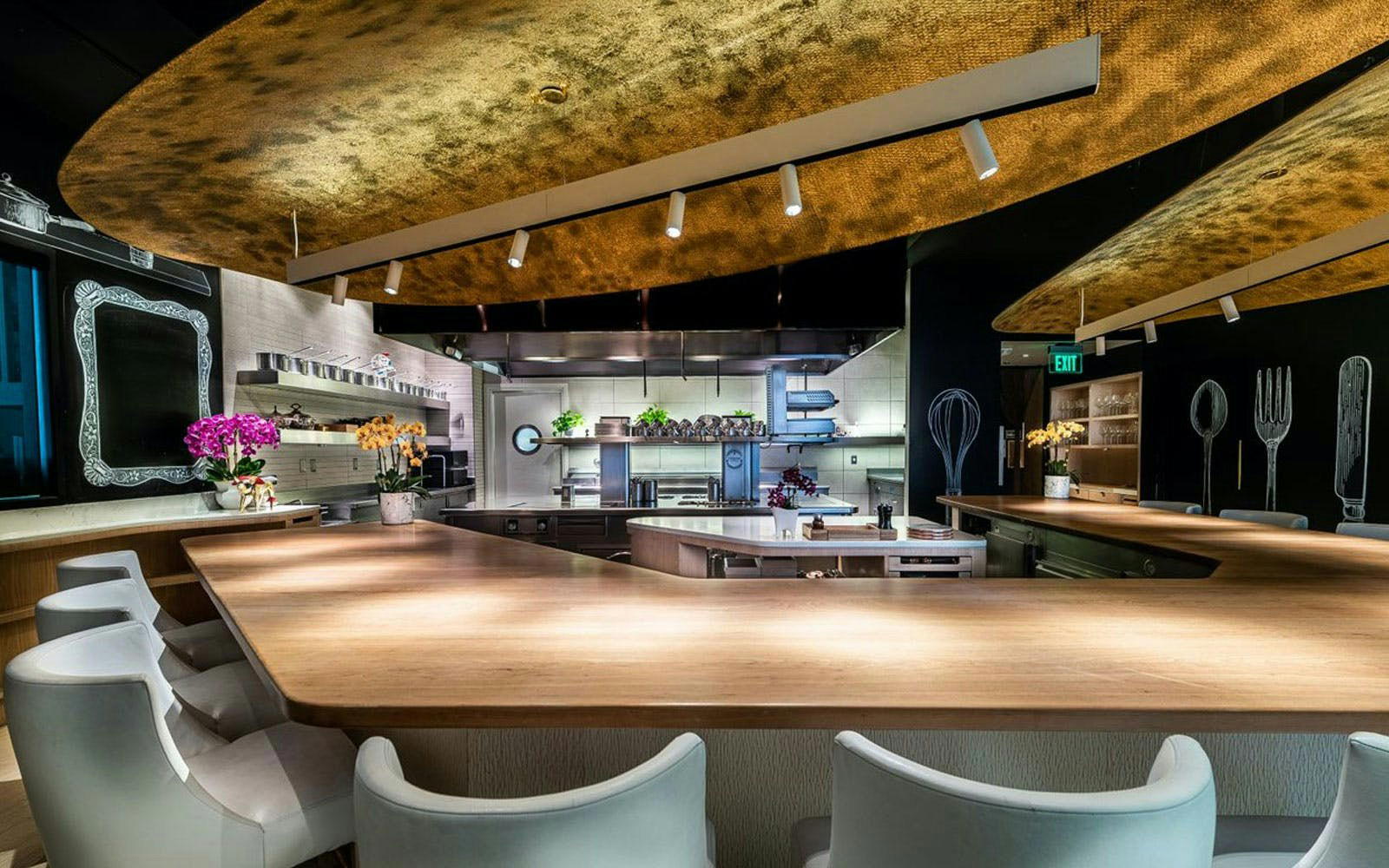
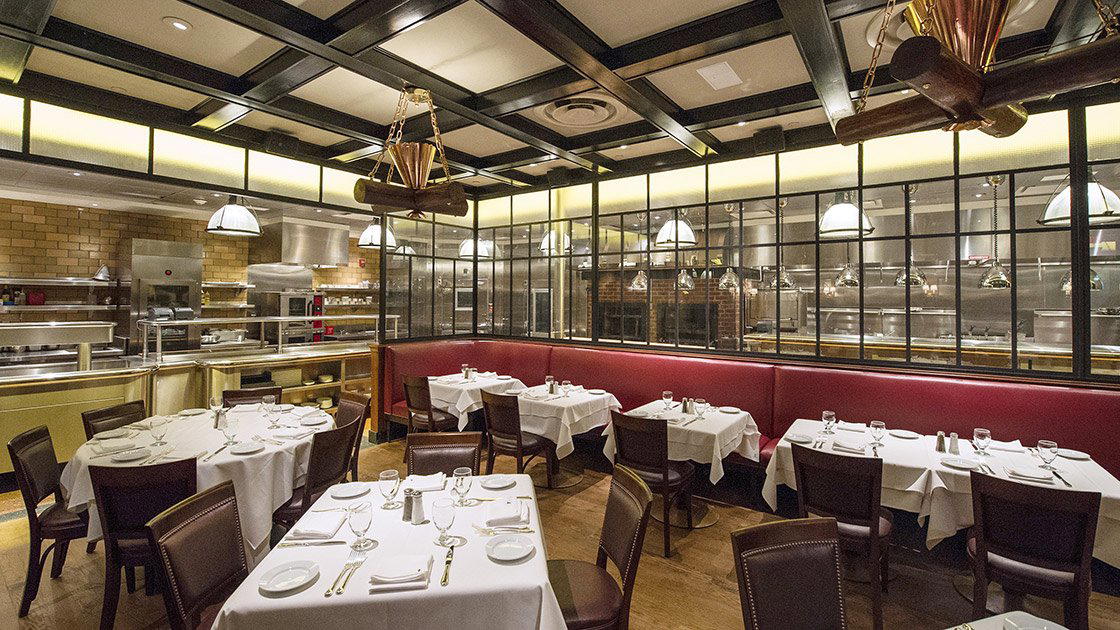
Bars in Washington DC
Browse all →
Hotels in Washington DC
Browse all →
At a Glance
- Elegant
- Sophisticated
- Modern
- Ornate
- Special Occasion
- Date Night
- Business Dinner
- Celebration
- Hotel Restaurant
- Extensive Wine List
Current opening hours
- Monday
- 5–10 PM
- Tuesday
- 5–10 PM
- Wednesday
- 5–10 PM
- Thursday
- 5–10 PM
- Friday
- 5–11 PM
- Saturday
- 11 AM–3 PM, 5–11 PM
- Sunday
- 11 AM–3 PM, 5–10 PM
Hours can change for holidays and private events. Last verified .
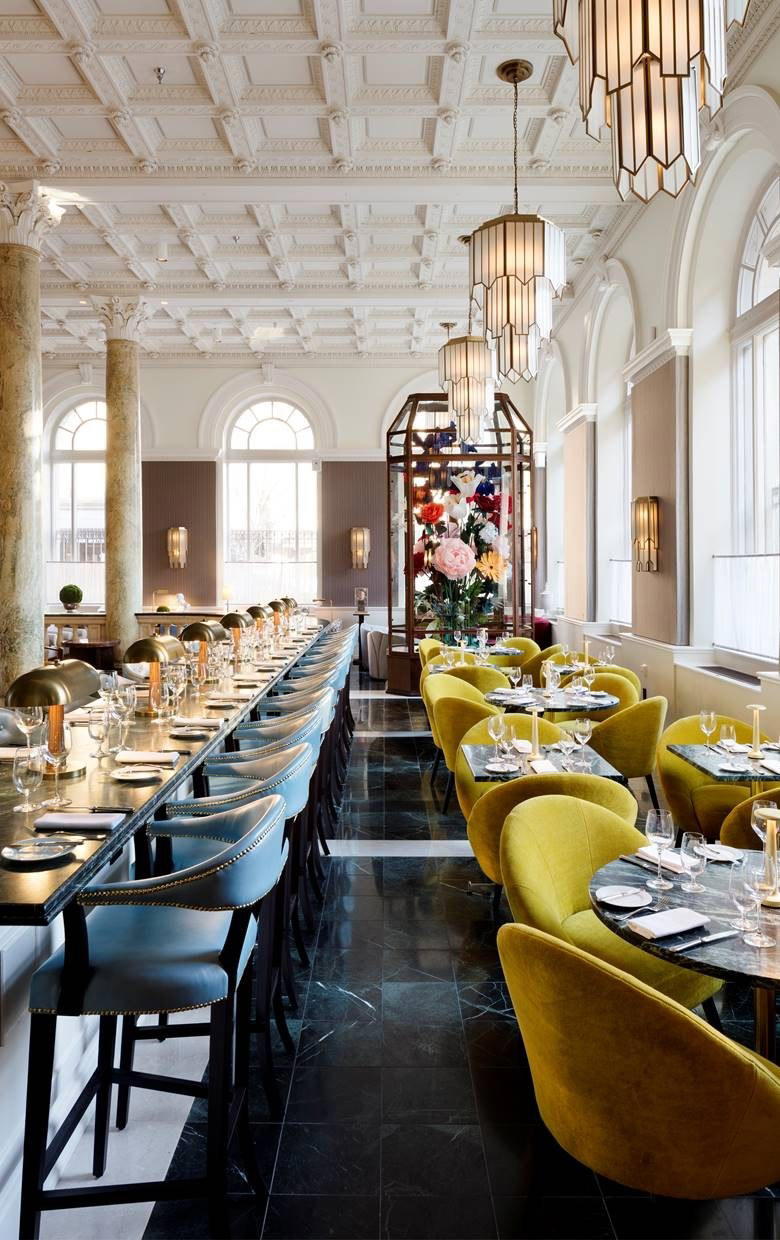
Elegant and beautiful atrium with sophisticated, low-noise atmosphere and polished presentation.