
INDU gives Motomachi a sharper South Indian counterpoint to the neighbourhood’s bakeries, cafés, and formal dining rooms. Its Tabelog 100 Asian and Ethnic Cuisine EAST 2024 selection, compact 23-seat layout, wine focus, vegetarian options, and terrace seating place it in Yokohama’s smaller tier of spice-led restaurants built for repeat meals rather than spectacle.
Pearl is the En Primeur Club membership app — saves, bookings, and concierge access live there. Same editors, same standards.
- Address
- Japan, 〒231-0861 Kanagawa, Yokohama, Naka Ward, Motomachi, 1 Chome−36−2 原ビル
- Phone
- +81 45-211-4130
- Website
- instagram.com
 Saves & bookings on Pearl
Motomachi is often read through polished shopfronts, patisserie windows, and the slow retail rhythm toward the waterfront. INDU shifts that register: a compact South Indian restaurant and dining bar where counter seating, terrace tables, wine, and curry share one frame. Yokohama has long absorbed imported food cultures, but this area usually leans European in mood, so a South Indian address creates a useful break.
The recognition matters because Yokohama’s Indian dining field is broad but uneven. INDU was selected for Tabelog 100 Asian Cuisine and Ethnic Cuisine EAST 2024, with a Tabelog score of 3.69, placing it in a curated regional bracket rather than the casual curry-house mass. Its categories are Indian, Indian curry, and dining bar. That last label is meaningful: the drink program lists wine with particular attention to wine, including natural wines from India and Australia, moving the meal beyond the standard beer-and-curry template.
South Indian cooking framed for Motomachi, not a generic curry room
South Indian cooking in Japan is often flattened into a catch-all “spice” category. Stronger restaurants keep the structure visible: rice-led meals, vegetable work, fish, acidity, and disciplined heat. INDU’s focus on South Indian cuisine with Ayurvedic recipes, vegetables, fish, health-conscious options, and vegetarian choices gives it a clearer lane. For travellers, the point is not novelty but format: a produce-and-spice kitchen with wine, not a late-night curry stop.
That approach suits Motomachi’s tempo. The neighbourhood’s heritage bakeries, small confectioners, and polished rooms encourage a slower afternoon-to-evening rhythm. Uchiki Pan and ecomo Bakery YOKOHAMA MOTOMACHI occupy the everyday bakery side; Kikuya Yogashi Ho Motomachi honten and Pavlov Motomachi honten pull the area toward sweets and café culture; Yokohama Motomachi Mutekiro represents the higher-spend Western dining register. INDU sits between those poles: more structured than a snack stop, less ceremonial than a formal dinner, and best read as a spice-led restaurant with a wine-bar spine.
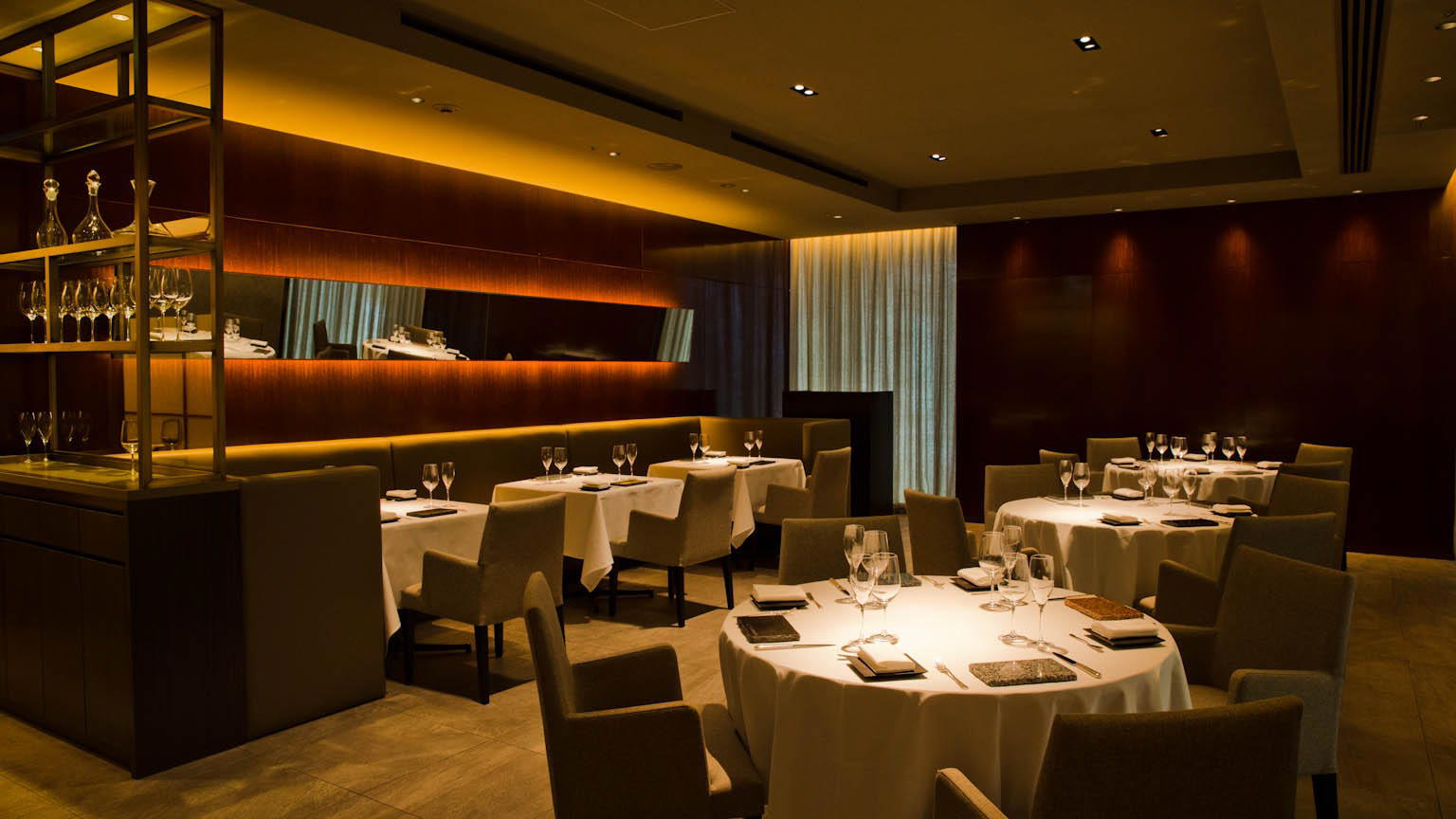
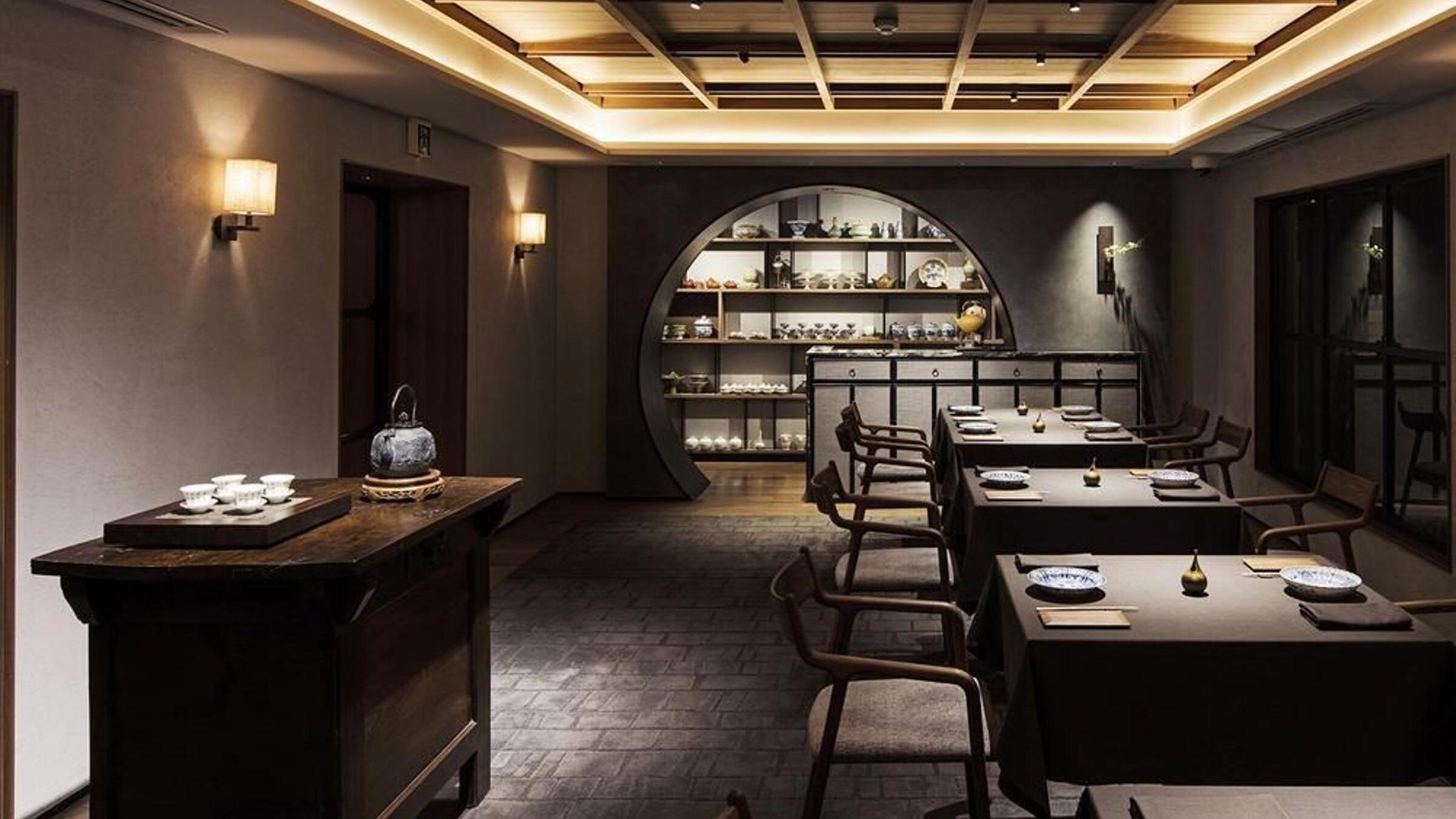
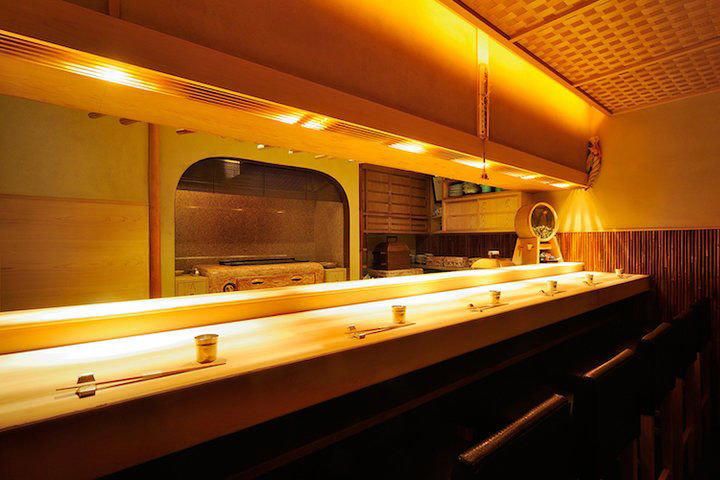
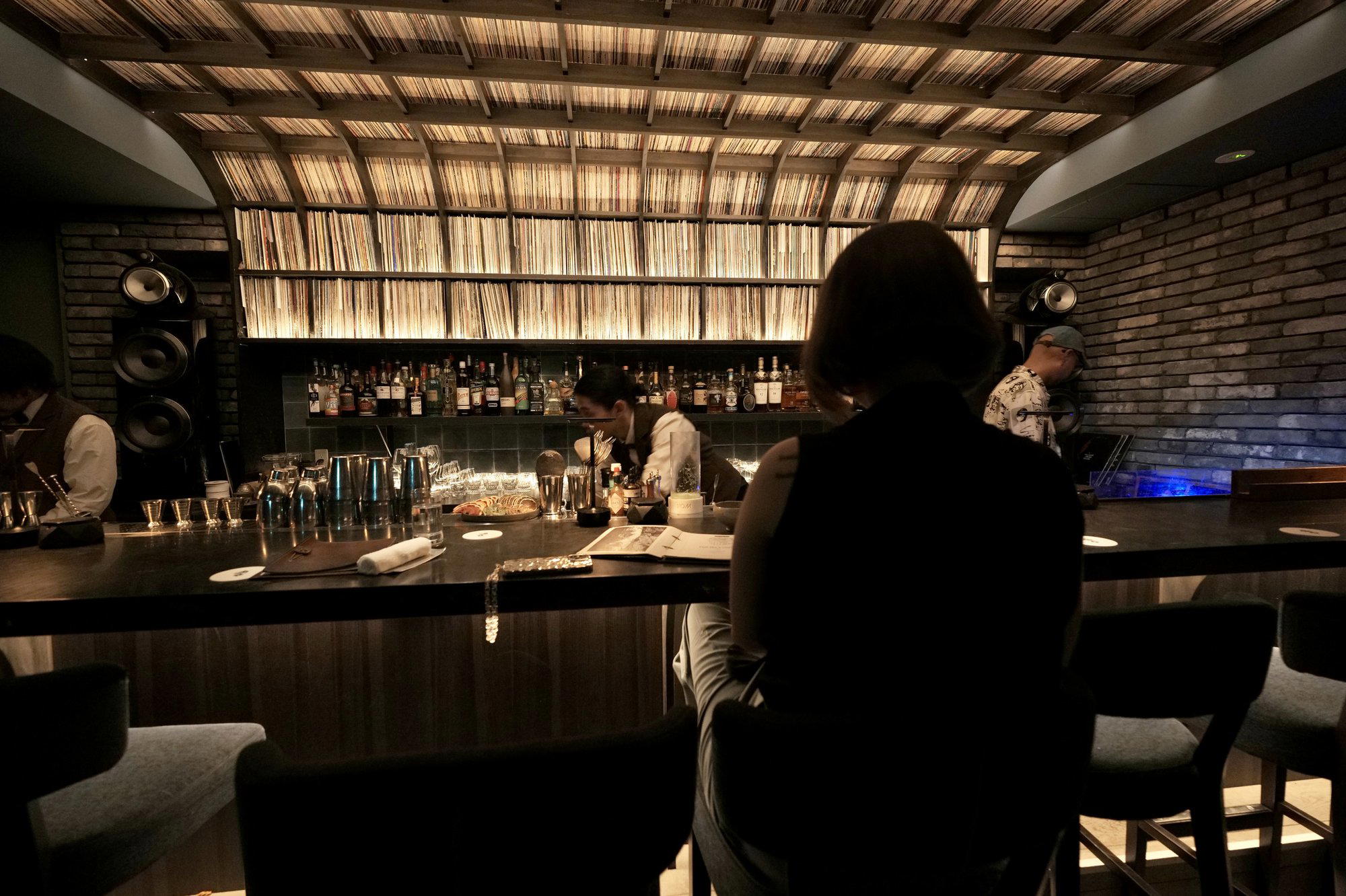
The scale reinforces that reading. With 23 seats, including counter places and terrace tables, the experience is intimate without turning precious. Counter seating keeps the meal direct, with plates arriving in a rhythm suited to curry, vegetables, and wine rather than a long tasting-menu choreography. Terrace seating adds practical flexibility in a neighbourhood shaped by walking, shopping, and grazing. Pets are allowed on the terrace, making the address more flexible than many small Yokohama dining rooms.
Wine, vegetables, fish, and the quiet rise of lighter Indian dining in Japan
Japan’s premium Indian restaurants increasingly split into two camps. One leans into rich North Indian familiarity, with naan, tandoor, and butter-heavy gravies doing much of the work. The smaller camp pushes lighter regional cooking, tighter spice handling, and pairings that do not default to lager. INDU belongs to the second group. Its emphasis on vegetables, fish, vegetarian options, and minimal use of oils and salts gives the cooking an editorial position in a city where “Indian curry” can mean station-lunch convenience or serious regional cooking.
The wine element is the signal. Natural wines from India and Australia create a different conversation around South Indian food, where acidity, texture, and spice drive the pairing logic. In Yokohama, where Chinatown, port history, Western-style cafés, and contemporary Japanese casual dining sit close together, this cross-category restaurant makes sense. It needs no chef myth; the value is in letting South Indian cooking operate inside Motomachi’s wine-and-small-room culture.
Travellers building a Yokohama food day should read INDU as part of a broader route rather than a standalone pilgrimage. The city rewards contrast: yakitori at 1000 (Yakitori (Grilled chicken skewers)), Chinese cooking at Aichun, curry at Ajowan, and soup curry at Alpenjiro Honten each show a different Yokohama appetite. Anzen Shokudo pushes the comparison beyond Kanagawa into another Japanese regional context. For the wider map, use Our full Yokohama restaurants guide, then pair the meal with Our full Yokohama hotels guide, Our full Yokohama bars guide, Our full Yokohama wineries guide, and Our full Yokohama experiences guide if the day extends beyond dinner.
How to place it in a Japan itinerary
INDU is not the Yokohama choice for travellers chasing formality, private rooms, or ceremony. It is more useful for diners who want a compact restaurant with a clear regional Indian angle, wine seriousness, and flexibility for solo dining, dates, or family meals with children who can sit through dinner. Reservations are available, though the limited table count means counter seating can be part of the experience even with a booking. There is no private room, private use is available, and the restaurant is non-smoking.
The planning logic is simple: put it on a Motomachi or Motomachi-Chukagai day rather than treating it as a cross-city destination. It sits within the same urban grammar as shopping streets, bakeries, and waterfront wandering, so the meal works well when the neighbourhood is part of the decision. Those comparing across Japan can set it against regional dining trips such as -Grilled beef Sukiyaki- KAMAKURA TANUKIAN 鎌倉 たぬき庵 in Kamakura. 鮪と炭火焼き うお炭 秋葉原店 in Tokyo.cafe in Osaka.know in Kumamoto, (Shoku) Vietnam in Kawasaki, and [Curry Senmon Ten] Maruyama Kyoju. in Sapporo. For a North American contrast in Japanese-adjacent drinking and casual formats, Jōdo Saké Bar in Los Angeles and Onigiri Time in Pasadena show how compact specialty rooms translate outside Japan.
The editorial case for INDU is strongest when judged by clarity rather than grandeur. A small South Indian restaurant in Motomachi with Tabelog 100 recognition, a wine-bar layer, vegetarian range, and terrace seating gives Yokohama something specific: a spice-led meal that belongs to the neighbourhood’s leisurely pace without becoming another café or formal Western dining room.
A Quick Peer Check
Comparable venues at a glance for context.
| Venue | Cuisine | Price | Notes |
|---|---|---|---|
| INDUThis venue — the venue you are viewing | Ayurvedic South Indian with Indian & natural wines | $$ | Not listed |
| Marumasara | Spice Curry | $$ | Naka |
| Spice Drunker yabuya | Sake & spice pairing bar (Asian/Indian) | $$$ | Naka |
| Baan Phadthai | Authentic Thai Pad Thai & Noodles | $$ | Minatomirai / Shinko (Naka-ku) |
| CENTRAL BURGER SHOP | American-style Smash Burger Shop | $$ | Naka |
| Sumire Yokohama ten | Hokkaido-Style Miso Ramen | $$ | Naka |
Recognition history
Dated appearances from independent guides and award organizations, with the underlying list record or original source where available.
Tabelog 100 #36 · No. 36
Tabelog · Tabelog 100 - Asian cuisine / Ethnic cuisine - EAST - 2024









At a Glance
- Cozy
- Intimate
- Date Night
- Solo
- Casual Hangout
- Standalone
- Extensive Wine List
Current opening hours
- Monday
- 11 AM–10 PM
- Tuesday
- 11 AM–10 PM
- Wednesday
- 11 AM–3 PM, 5–10 PM
- Thursday
- 11 AM–3 PM, 5–10 PM
- Friday
- 11 AM–10 PM
- Saturday
- 11 AM–10 PM
- Sunday
- 11 AM–10 PM
Hours can change for holidays and private events. Last verified .
Cozy, intimate neighborhood spot with a calm, relaxed atmosphere suited to enjoying thoughtfully spiced South Indian dishes and wine rather than a fast, high-turnover meal.