Our verdict
Baan Phadthai brings Thai cooking into Yokohama’s broad Asian dining mix, with the appeal centered on balance rather than spectacle. The useful lens here is the four-part grammar of Thai food: sweetness, acidity, salt and heat working in tension, especially in noodle cooking where timing and seasoning leave little room for disguise.

Pearl is the En Primeur Club membership app, where members save venues, book tables and use the concierge.
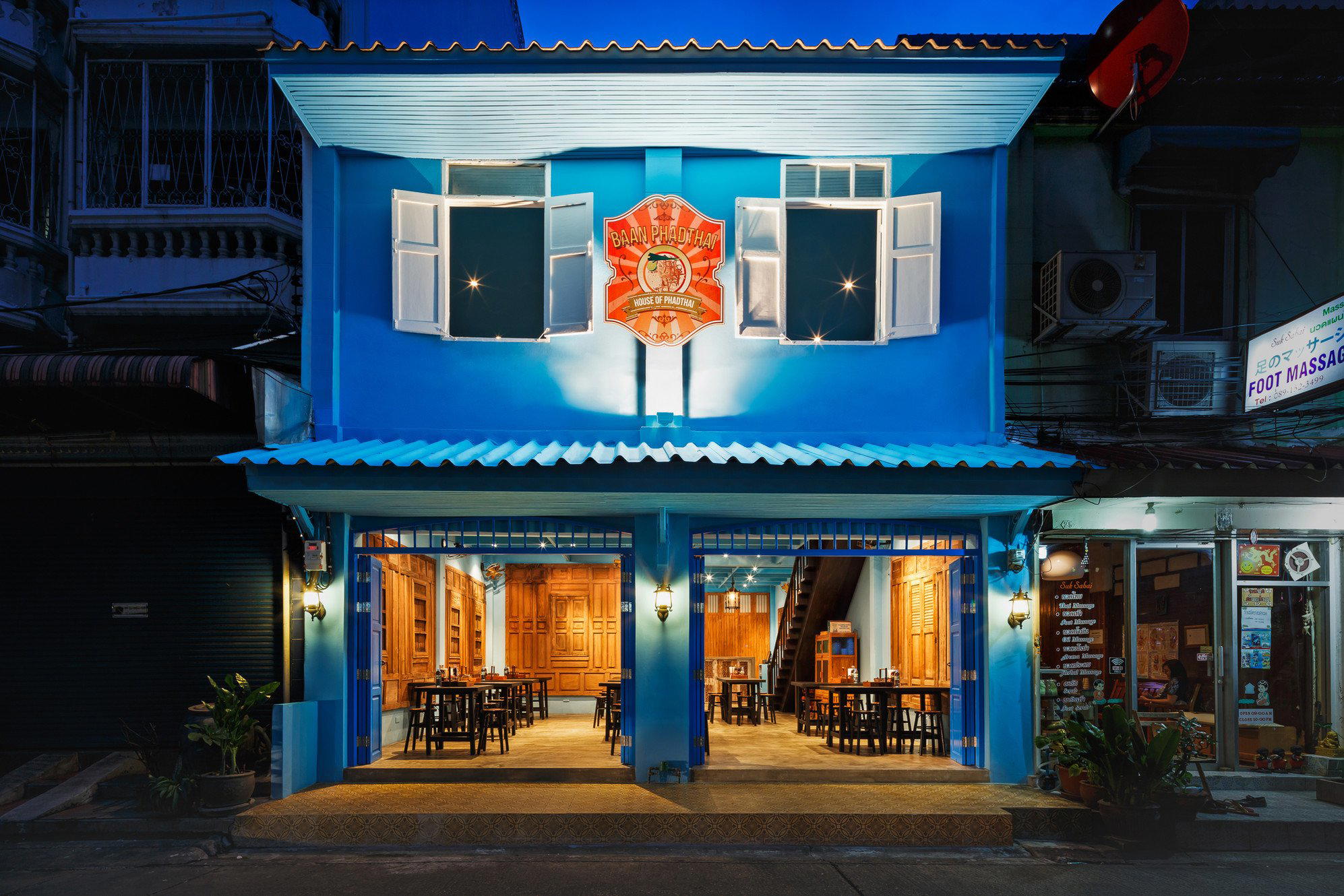
The menu
What to order
- Pad Thai
- Pad Thai with prawns
- Mango sticky rice (Khao Niao Mamuang)
Thai restaurants in Japanese port cities work in a particular register: the room often feels less ceremonial than a sushi counter and less raucous than an izakaya, but the cooking asks for attention. At Baan Phadthai in Yokohama, the useful frame is not a long list of luxury signals. It is Thai cooking’s familiar equation of sweet, sour, salty and spicy, a cuisine that rewards precision more than decoration.
Yokohama has long been open to imported food cultures, and its restaurant scene gives international cooking a natural place in the local dining mix rather than treating it as an occasional novelty. That matters for Thai food, because the audience is not necessarily arriving cold. Diners here may understand that pad thai is not simply a fried noodle dish with sweetness added at the end; it depends on tamarind-style acidity, savoury salinity, sugar and chilli heat landing in sequence rather than collapsing into one note.
Thai balance, read through Yokohama's port-city appetite
The name sets the expectation clearly. Pad thai is often treated abroad as a friendly entry point to Thai cooking, but the dish is a useful test of a kitchen’s discipline. Rice noodles need elasticity without heaviness. The sauce has to cling without turning syrupy. Acidity must cut through oil, while chilli should sharpen rather than dominate. In a Japanese dining context, where texture and temperature are often judged closely, that balance becomes the main argument for seeking out a Thai specialist rather than treating the cuisine as a casual fallback.
That four-pillar structure also explains why Thai food travels well but does not tolerate lazy adaptation. Too much sweetness turns it flat. Too little acidity makes it feel heavy. Salt without fragrance becomes blunt. Heat without sourness tires the palate. The better versions leave the diner alert after the first few bites, not exhausted by volume or spice alone. Baan Phadthai belongs in that conversation because its cuisine type places it inside a narrower Yokohama lane: Thai cooking considered on its own terms, not as a generic Southeast Asian category.
For broader city context, Our full Yokohama restaurants guide is the more useful map of the dining spread, from other Yokohama dining rooms and curry specialists to unfussy local staples. Thai cooking sits differently from those categories: less dependent on smoke, stock depth or curry weight, and more dependent on seasoning ratios that can shift from bite to bite.
What the format is good for
This is the kind of restaurant to use when the table wants flavour contrast rather than a formal progression. Thai food is especially good for mixed appetites because the meal can move between noodles, rice, herbs, chilli and sharper condiments without requiring the structure of a tasting menu. In Yokohama, that makes it a practical counterpoint to the city’s heavier comfort-food patterns, particularly for diners who want brightness and pace.
Public editorial coverage places Baan Phadthai within Yokohama’s wider dining conversation, while the practical question for diners remains focused on use case. Many Thai restaurants are judged less by trophy culture than by whether the kitchen protects the balance between sweetness, sourness, salt and heat. For a diner choosing across Yokohama, the point is simple: consider it for a Thai meal where seasoning is the story, not for ceremony or chef theatre.
Travelers building a wider Yokohama itinerary can pair this kind of meal with the city’s other categories rather than forcing it into a single dining hierarchy. Hotels sit in a separate planning lane at Our full Yokohama hotels guide, while after-dinner choices belong in Our full Yokohama bars guide. For broader trip design, see Our full Yokohama experiences guide and, where relevant, Our full Yokohama wineries guide.
How to place it in a Japan-wide Thai and Asian itinerary
Yokohama’s Thai restaurants are better understood as part of Japan’s larger appetite for regional Asian cooking. Nearby cities and larger metro areas show how broad the national map has become, with Vietnamese cooking, curry rooms, casual cafes and Japanese comfort-food counters all shaping the way diners think about regional Asian meals. For Baan Phadthai, the useful comparison is not a single named peer but the broader question of how a Thai meal in Yokohama can offer brightness, acidity and pace within a wider Japan itinerary.
For readers comparing Thai cooking beyond Japan, international Thai restaurants offer a separate reference point. Those meals are not the same dining decision as a Yokohama Thai meal, but they help frame a broader truth: Thai cuisine changes with its audience, yet the standard remains the same. If the sweet, sour, salty and spicy elements are in proportion, the meal has a reason to hold attention.
Frequently asked questions
Would Baan Phadthai be comfortable with kids?
Baan Phadthai is a Thai restaurant in Yokohama. For mixed-age groups, the practical fit will depend on timing, spice preferences and the restaurant’s current seating or booking policies.
What's the vibe at Baan Phadthai?
Baan Phadthai reads as a Thai dining room in Yokohama rather than a formal tasting-counter setup. The appeal is in its cuisine focus, which makes it a straightforward option to consider for lunch or dinner.
What cuisine category does Baan Phadthai fall under?
Baan Phadthai serves Thai cuisine.
How far ahead should I plan for Baan Phadthai?
Plan ahead in the same way you would for a Thai restaurant in Yokohama, especially for prime dinner slots or larger groups. The safest approach is to leave some flexibility around timing.
What makes Baan Phadthai worth seeking out?
Baan Phadthai earns attention for putting Thai cuisine into a Yokohama setting, with public editorial coverage placing it within the city’s dining conversation. For diners mapping Thai restaurants in Japan, it adds a clear point of comparison within the city.
How It Compares
Comparable venues nearby, for context on price, style, and recognition.
| Venue | Cuisine | Price | Awards | Notes |
|---|---|---|---|---|
| Baan PhadthaiThis venue (the venue you are viewing) | Authentic Thai Pad Thai & Noodles | $20–30 | Not listed | Not listed |
| Kuri Yama | Japanese Tsukemen / Ramen | $10–20 | Tabelog 100 #52 | Kanagawa |
| Sumire (すみれ) | Premium Soba & Japanese | Not listed | Not listed | Minato Mirai |
| Ajowan | Indian-style Clay Pot Curry House | $10–20 | Tabelog 100 #37 | Tsuzuki |
| Ryuho | Traditional Chinese (Yokohama Isezakicho) | $10–20 | Tabelog 100 #63 | Naka |
| Yoshoku Kimura Noge ten | Classic Yokohama yoshoku (Japanese Western-style) | $10–20 | Tabelog 100 #10 | Naka |
Continue exploring
More in Yokohama
Restaurants in Yokohama
All restaurants in Yokohama →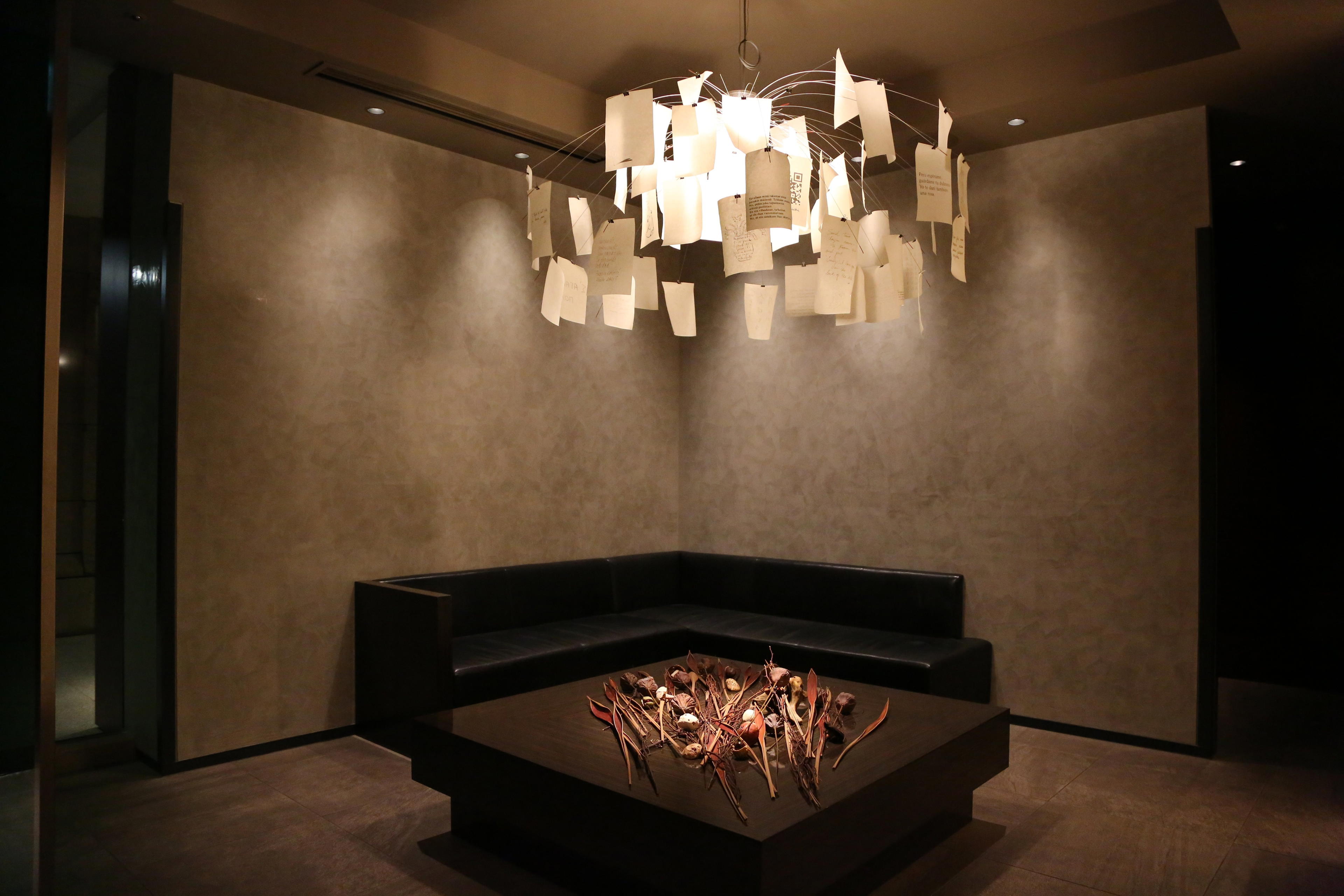

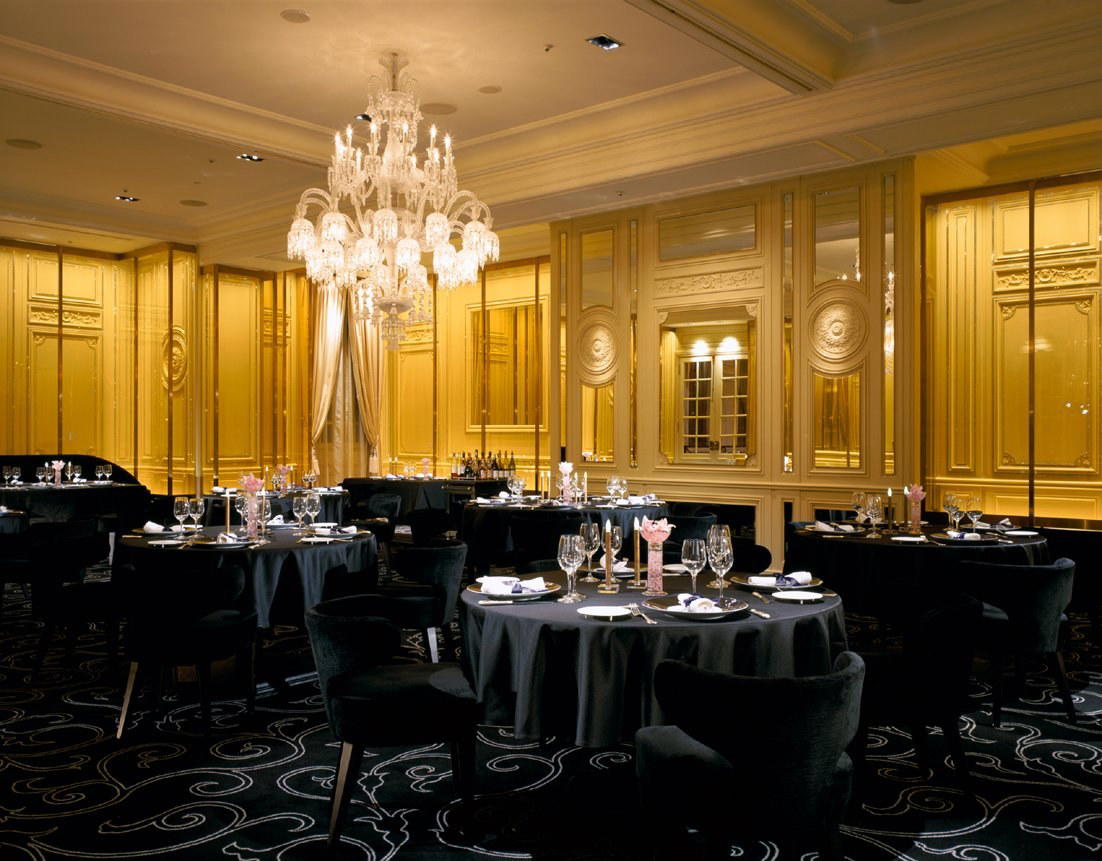
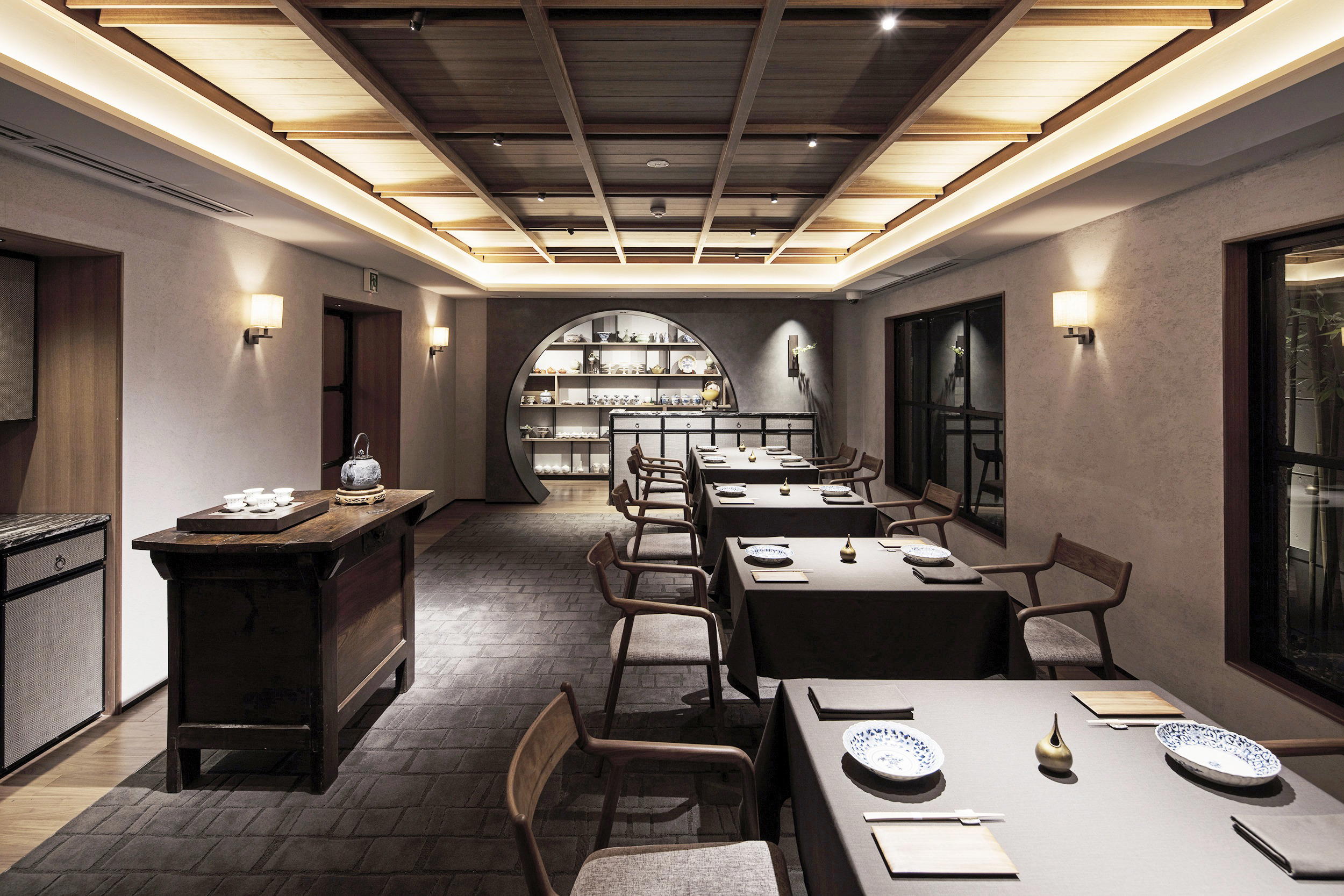
Bars in Yokohama
Browse all →


Details
- Lively
- Scenic
- Modern
- Trendy
- Casual Hangout
- Date Night
- Family
- Group Dining
- After Work
- Waterfront
- Terrace
- Panoramic View
- Standalone
- Beer Program
- Waterfront
- Skyline
- A La Carte
- Beer
- Cocktails
- Vegetarian Friendly
Current opening hours
- Monday
- 11 AM–10 PM
- Tuesday
- 11 AM–10 PM
- Wednesday
- 11 AM–10 PM
- Thursday
- 11 AM–10 PM
- Friday
- 11 AM–10 PM
- Saturday
- 11 AM–10 PM
- Sunday
- 11 AM–10 PM
Hours can change for holidays and private events. Hours as of .
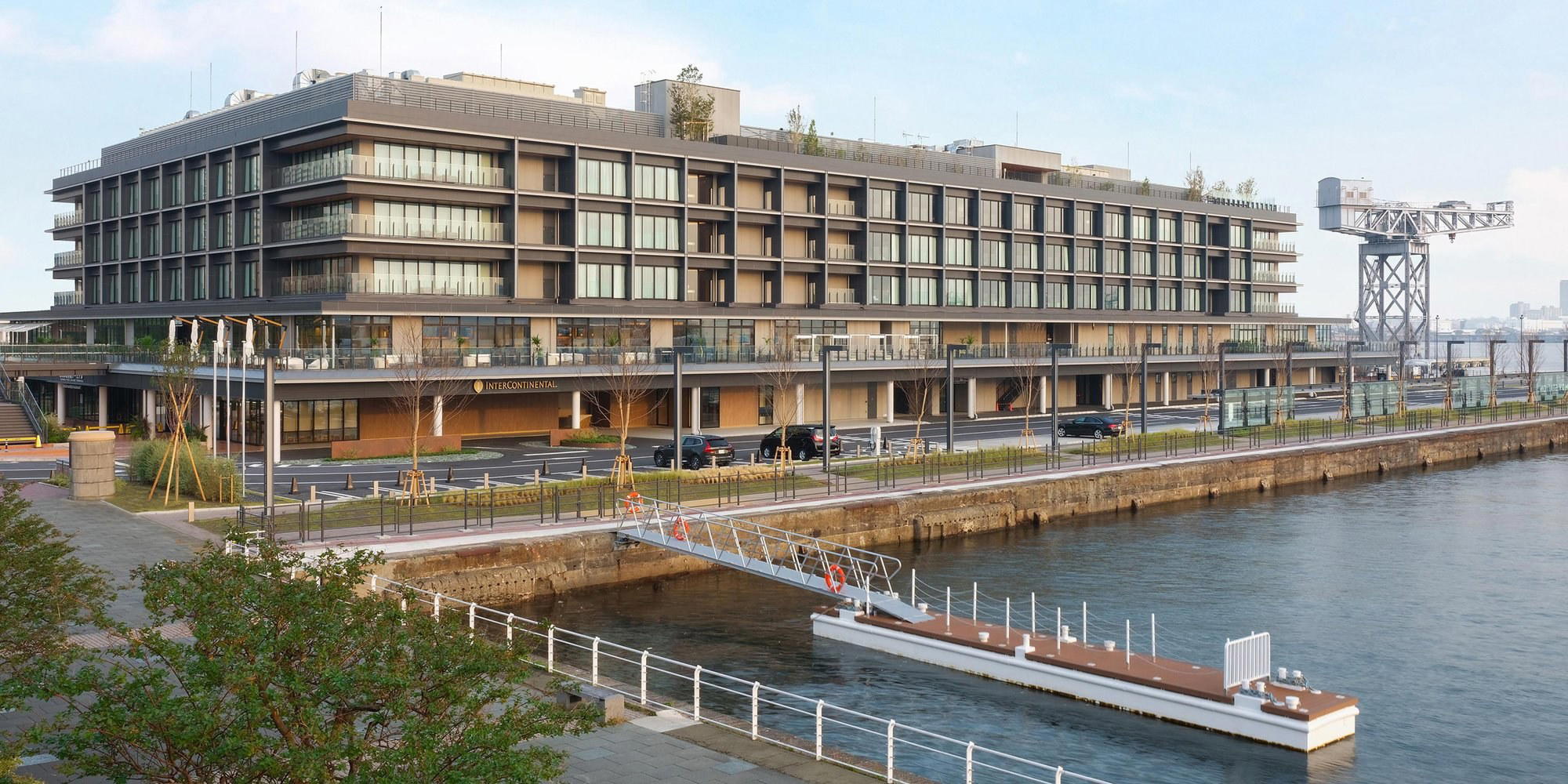
Casual Thai restaurant in Yokohama Hammerhead with bright, modern interiors and a lively, resort‑like atmosphere, plus terrace seating overlooking the Minato Mirai waterfront and city lights in the evening.