
Marumasara puts Yokohama curry into a compact, low-price format with serious recognition behind it: Tabelog Curry EAST 100 selection in 2023 and 2024, a 3.70 score, and a lunch budget in the JPY 1,000 to JPY 1,999 range. The appeal is not luxury positioning, but the tighter, more personal end of Japan’s curry culture, where room, spice, and tempo matter as much as scale.
Pearl is the En Primeur Club membership app — saves, bookings, and concierge access live there. Same editors, same standards.
- Address
- 神奈川県横浜市中区福富町仲通4-2 一和ビル 3F
- Website
- tabelog.com
 Saves & bookings on Pearl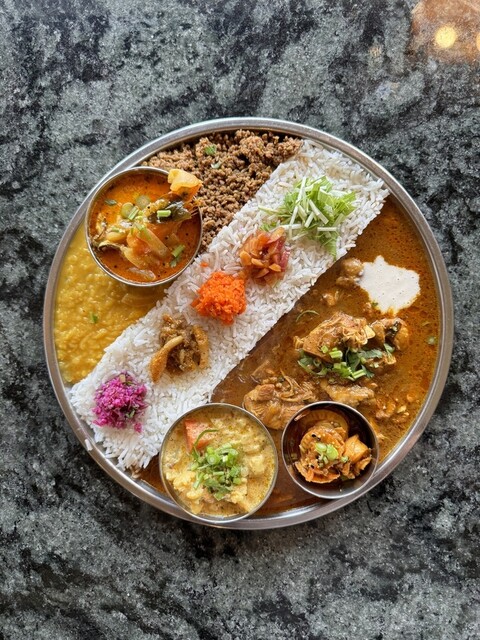
Fukutomicho Nakadori does not announce itself with Minato Mirai polish or portfront heritage theatre. Its pleasure is smaller and urban: upper-floor rooms, narrow approaches, restaurants discovered through repetition rather than ceremony. Here, curry gains a different charge. It is not hotel dining-room curry, department-store lunch, or a late-night chain bowl. It belongs to Yokohama’s compact independent tier, where a short service window, modest spend, and limited seats can say more about local taste than a long menu.
Marumasara sits in that tier with useful credentials. Selection for Tabelog Curry EAST 100 in 2023 and 2024 places it in a regional conversation, not just a neighbourhood one, and a 3.70 Tabelog score is meaningful in Japan’s cautious rating culture. The format is small: 21 seats, split between seven counter seats and 14 table seats. That scale matters. Curry at this level depends on timing, turnover, aroma, and control; a room this size keeps the experience closer to a specialist counter than a casual cafeteria.
Yokohama curry, seen through a small third-floor room
Japan’s curry scene has long separated into tracks: everyday curry rice, fast and democratic; European-style hotel curry with roux-driven polish; soup curry, especially associated with Hokkaido; and the newer spice-curry movement, which treats aromatics, texture, and plating with more individual intent. Yokohama adds another layer. As a port city with a long history of foreign trade, Chinatown, bar culture, and migrant foodways, it has always been more porous than its postcard image suggests. Curry here can carry that movement without declaring a grand theory.
The room’s “house restaurant” character is part of the point. Independent curry shops often live or die by sensory compression: the smell before the plate arrives, the sound of a small lunch service, counter proximity, the quick shift from waiting to eating. Marumasara’s no-smoking policy sharpens that format, leaving spice and cooking aromas to define the room rather than tobacco. Take-out is available, but the in-room format is the stronger editorial proposition because curry is among the cuisines most affected by temperature, texture, and pace.
The price signal is important. A JPY 1,000 to JPY 1,999 range puts the restaurant in a lunch category where Yokohama diners are not paying for ceremony. They are paying for focus. That differs from more expensive curry specialists, and changes how to read the acclaim. Recognition from Tabelog’s Curry EAST list does not make the meal luxury dining; it marks a modest-format shop that has earned attention in a crowded category.
Recognition without fine-dining theatre
Tabelog Curry EAST 100 selection is the main trust signal, and should be read correctly. This is not a Michelin-style tasting-menu credential. It is a category-specific marker in a country where user-driven restaurant culture has unusual influence and high scores often cluster below what international diners expect. A 3.70 score has weight because Japanese review platforms grade conservatively, especially outside high-profile omakase and kaiseki categories.
That context separates Marumasara from Yokohama restaurants with different purposes. A visitor building a broader eating day might choose 1000 (Yakitori (Grilled chicken skewers)) for grilled chicken, Aichun for another local thread, or Ajowan and Alpenjiro Honten when comparing Yokohama curry styles across price and format. Anzen Shokudo belongs to a different everyday-Japan register. None makes the choice automatic; they clarify it. The right meal depends on whether the day calls for spice-led lunch, grilled skewers, a regional classic, or a broader crawl.
Nearby comparison venues underline the point. Menya Sakigakeboshi and Bunmeidou Sakan Ru Cafe sit at a lower spend band, while Hetchikan Fukutomichou honten and Chrysler operate around JPY 2,000 to JPY 2,999. Marumasara’s value sits between everyday affordability and specialist recognition, which is why the category matters. It is not mimicking formal dining. It uses a small room, defined curry identity, and award-list visibility to compete on concentration rather than breadth.
How to place it in a Yokohama day
The rhythm is lunch-led, with service listed from late morning into mid-afternoon and year-round operation. Reservations are available, but for meal count rather than seat holding, handled through Instagram. Understand that before planning a tight itinerary: this is not securing a fixed table at a white-tablecloth restaurant. Payment is cash-only across cards, electronic money, and QR code systems, so arrive prepared rather than assuming the usual urban Japan cashless backup.
The address places it close to Kannai, a useful base for eating across central Yokohama without committing to the waterfront circuit. There is no dedicated parking, though coin parking is noted nearby, and building access involves stairs. Families are welcomed, including babies, preschoolers, school-age children, and strollers, with staff assistance noted for bringing a stroller upstairs. That matters because many small specialist restaurants in Japan can feel functionally adult-only even when not formally restricted.
For a wider itinerary, use Our full Yokohama restaurants guide to connect curry with the city’s other dining threads, then layer in Our full Yokohama hotels guide, Our full Yokohama bars guide, Our full Yokohama wineries guide, and Our full Yokohama experiences guide if the day extends beyond lunch. Travellers comparing regional Japanese formats may also find contrasts in -Grilled beef Sukiyaki- KAMAKURA TANUKIAN 鎌倉 たぬき庵 in Kamakura. 鮪と炭火焼き うお炭 秋葉原店 in Tokyo.cafe in Osaka.know in Kumamoto, (Shoku) Vietnam in Kawasaki, [Curry Senmon Ten] Maruyama Kyoju. in Sapporo, Jōdo Saké Bar in Los Angeles, and Onigiri Time in Pasadena. Read across those links and the pattern is clear: Japan’s casual formats travel well in name, but the strongest versions are shaped by room size, local rhythm, and the discipline of doing a narrow thing with confidence.
Fast Comparison
Comparable options at the same price tier.
| Venue | Cuisine | Price | Notes |
|---|---|---|---|
| MarumasaraThis venue — the venue you are viewing | Spice Curry | $$ | Not listed |
| Spice Corner Benzie | South Indian & Nepalese Curry House | $$ | Nishi |
| INDU | Ayurvedic South Indian with Indian & natural wines | $$ | Naka |
| Ajowan | Indian-style Clay Pot Curry House | $$ | Tsuzuki |
| BAKE ROOM | Western-style baked sweets shop | $$ | Naka |
| Sumire Yokohama ten | Hokkaido-Style Miso Ramen | $$ | Naka |
Recognition history
Dated appearances from independent guides and award organizations, with the underlying list record or original source where available.
Tabelog 100 #81 · No. 81
Tabelog · Tabelog 100 - Curry - EAST - 2024










At a Glance
- Cozy
- Rustic
- Trendy
- Family
- Solo
- Casual Hangout
- Standalone
- Design Destination
- Beer Program
- Sake Program
- Street Scene
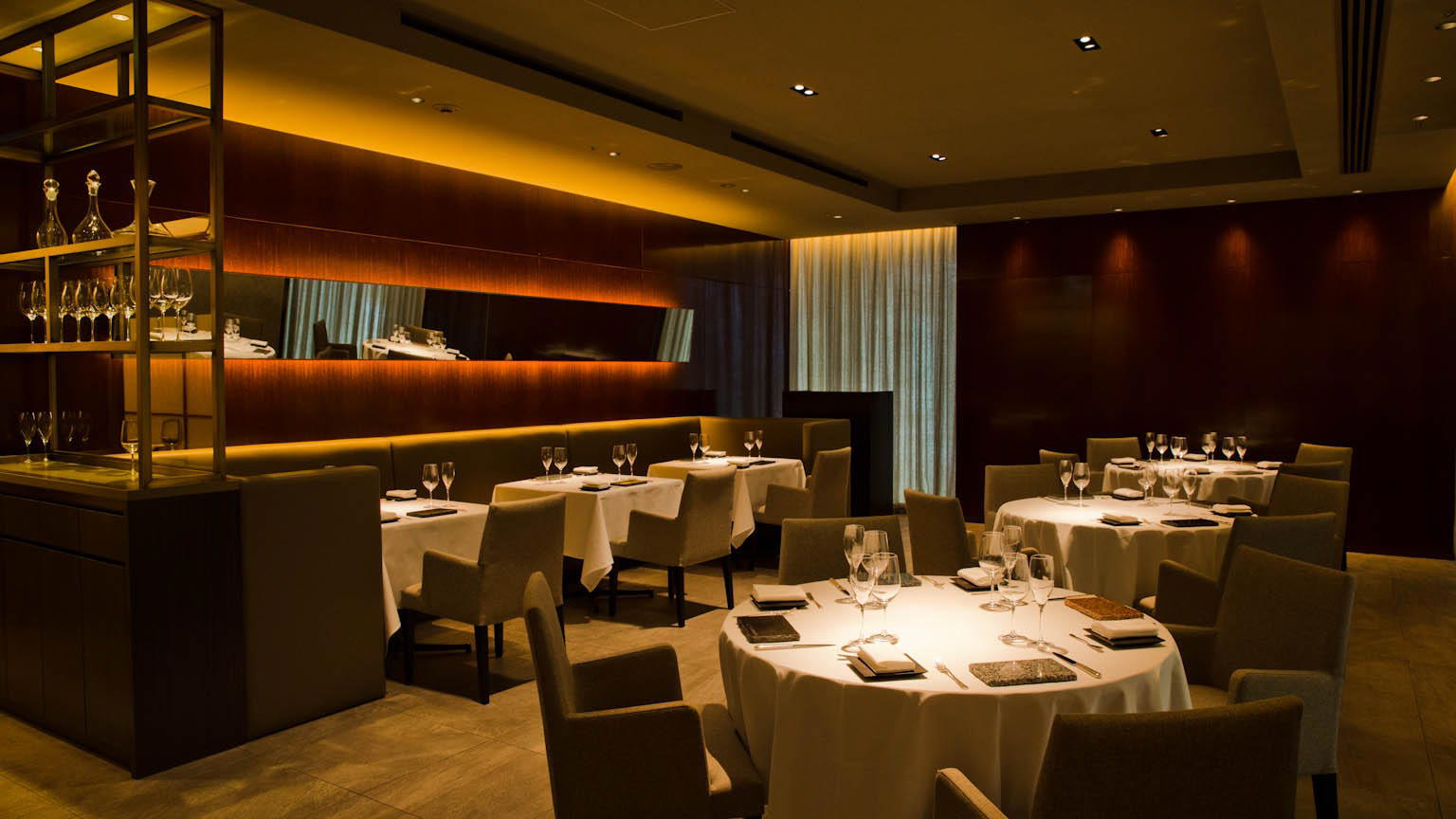
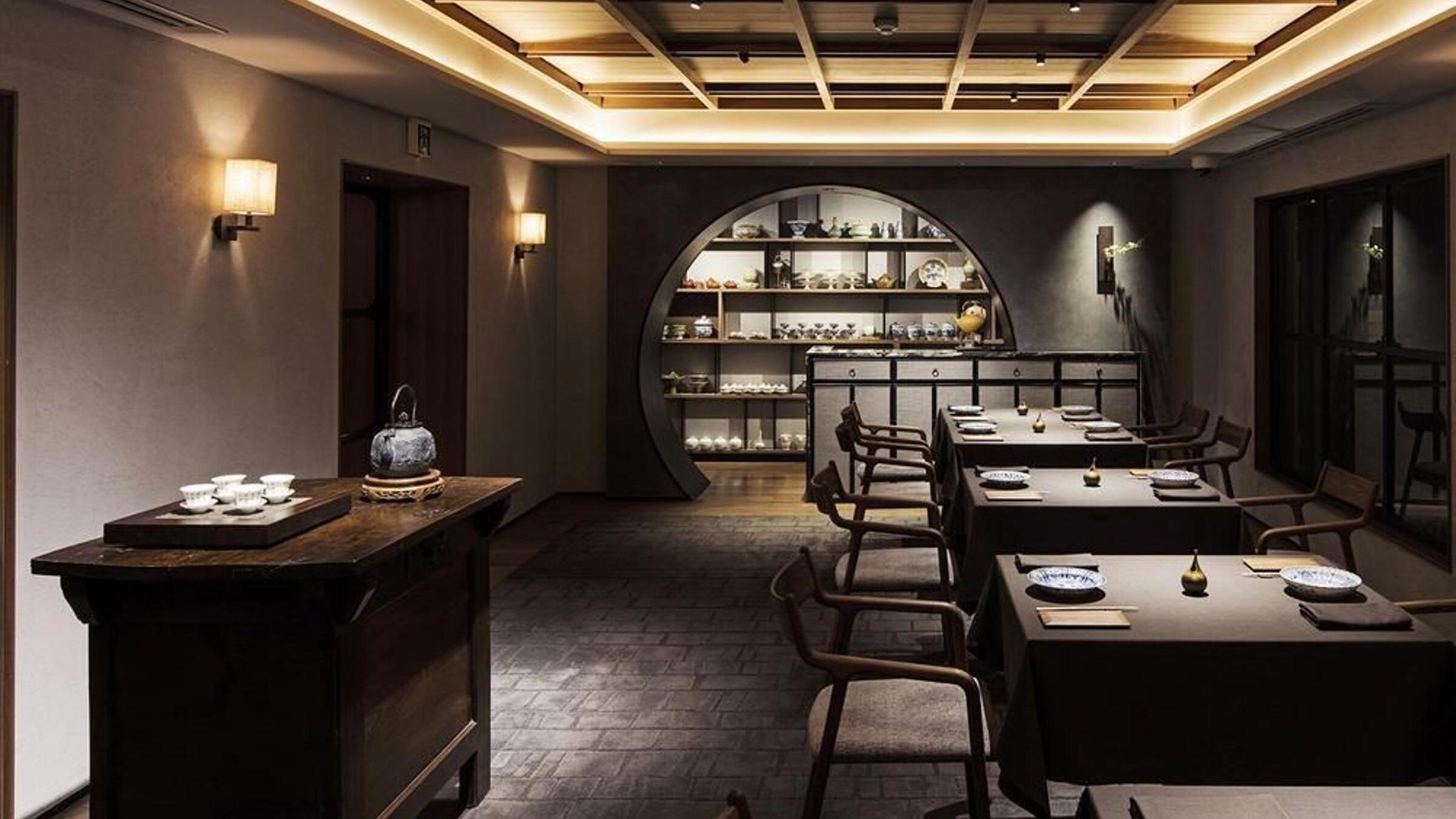
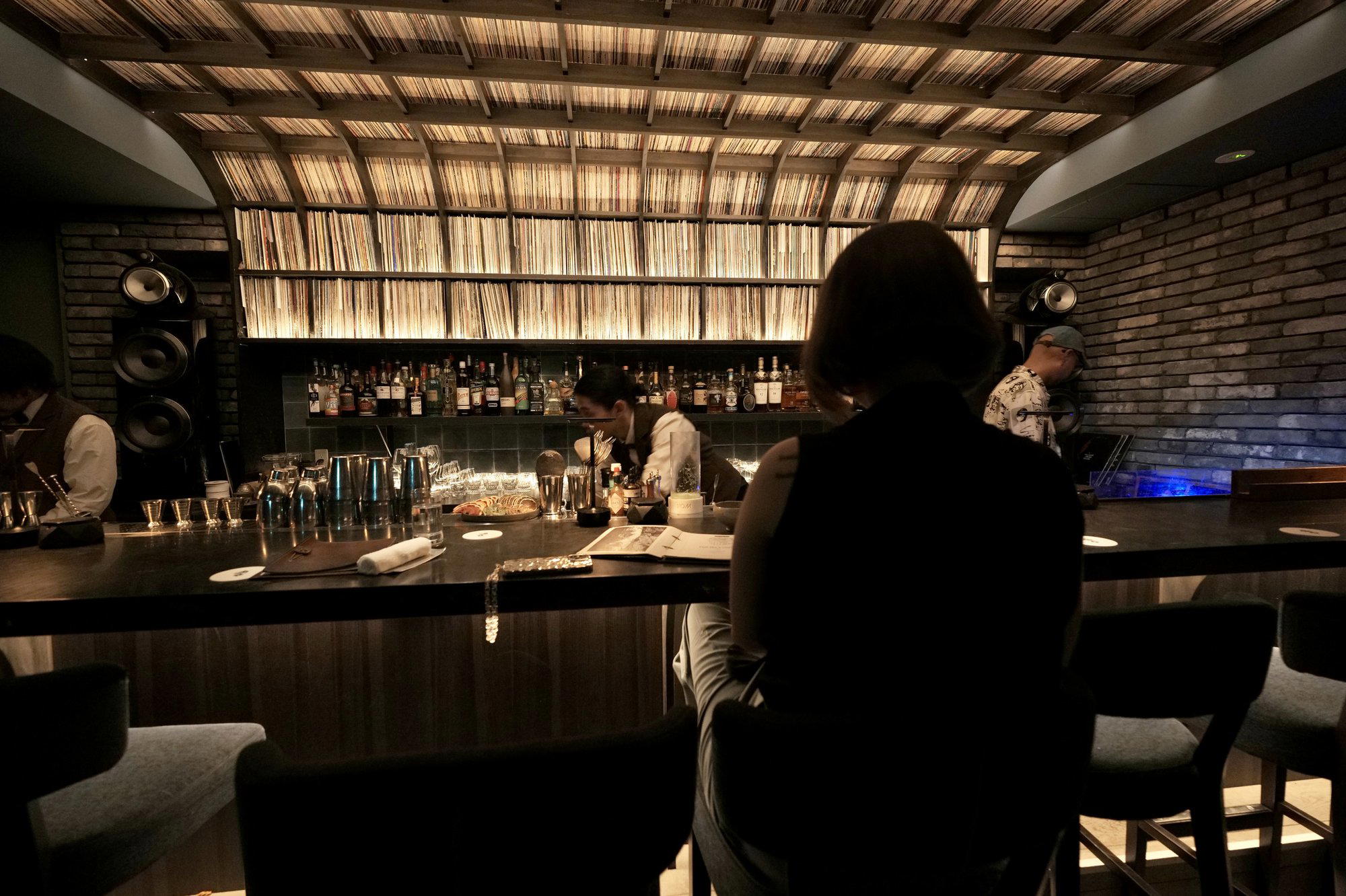
Stylish and relaxing, with an interior designed to resemble a charming old house in the countryside and a hideout-like atmosphere.