Indonesische Afhaal Restaurant Toko Rasa Baru
Our verdict
On Hooftstraat in central Alphen aan den Rijn, Toko Rasa Baru represents the Dutch-Indonesian takeaway tradition at its most direct: a format built on spice-forward cooking, rice-table logic, and the kind of everyday reliability that keeps neighbourhood regulars returning. For those tracing Indonesian food culture through the Netherlands, this address is a practical and instructive stop.

Pearl is the En Primeur Club membership app — saves, bookings, and concierge access live there. Same editors, same standards.
- Address
- Hooftstraat 112, 2406 GM Alphen aan den Rijn, Netherlands
- Phone
- +31172795250
- Hours
- Mon 3–9 PMTue ClosedWed–Fri 3–9 PMSat 1–9 PMSun 3–9 PM
- Website
- rasabaru.nl
- Directions
- Get directions
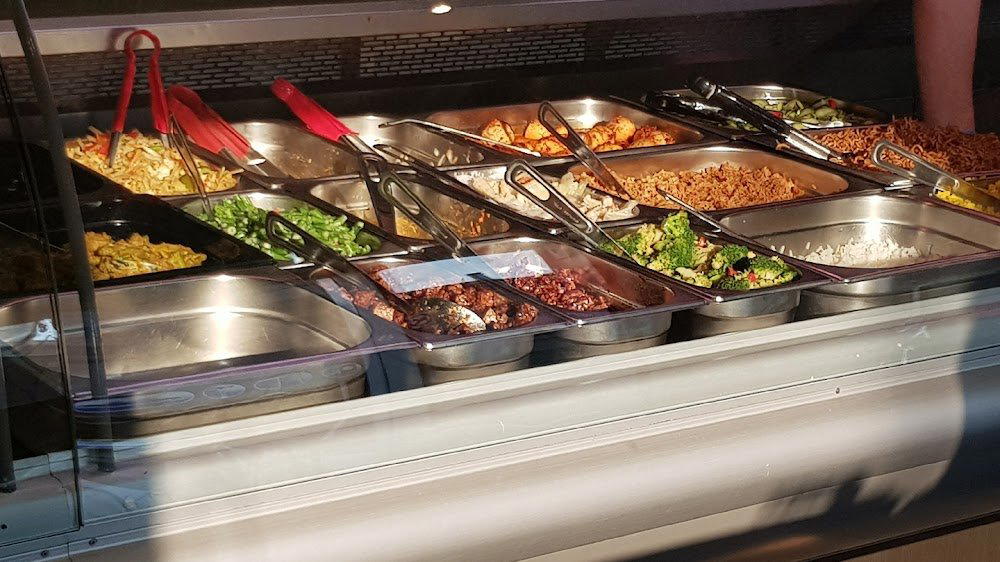
The Dutch-Indonesian Takeaway Tradition, From Street Corner to Plate
Few food relationships in Europe carry the historical weight of the Dutch-Indonesian one. Three and a half centuries of colonial connection produced, among other things, a culinary transfer that reshaped what the Netherlands eats at home and what it expects from its neighbourhood restaurants. The Indonesian takeaway, known locally as the toko, became as embedded in Dutch food culture as the snackbar or the Surinamese lunchroom. On Hooftstraat 112 in central Alphen aan den Rijn, Toko Rasa Baru sits squarely inside that tradition, operating as a working example of the afhaal (takeaway) format that millions of Dutch households have relied upon for generations.
The toko format is worth understanding before you arrive. Unlike sit-down Indonesian restaurants that import the ceremonial rice table for a dine-in audience, the afhaal toko operates on speed and familiarity. Dishes are prepared in advance, kept warm, and portioned to order. The logic is closer to a French charcuterie or a Cantonese roast-meat shop than to a Western restaurant: the quality of the output depends on what was cooked earlier that day, the depth of flavour achieved through long braises and rested spice pastes, and the kitchen's command of a repertoire that is both wide and unforgiving of shortcuts.
Ingredient Logic and the Spice Paste Foundation
Indonesian cooking is, at its structural core, a cuisine of bumbu: spice pastes ground from fresh aromatics, dried chillies, galangal, lemongrass, candlenut, and turmeric that form the flavour base for nearly every dish on a toko menu. The sourcing and freshness of these paste ingredients determine the ceiling of what the finished food can achieve. A rendang made from a proper dry paste cooked in coconut milk until nearly all moisture has evaporated is a categorically different dish from one assembled from a commercial concentrate, and the difference is legible in the colour, the texture, and the length of flavour.
The Dutch-Indonesian kitchen also draws on ingredients that travelled the old spice routes in both directions: tempeh, a fermented soybean cake developed in Java, sits alongside Dutch-adapted preparations like bami goreng, which absorbed Chinese noodle technique through the Peranakan communities of colonial Batavia before crossing the ocean. What arrives on the plate at a toko like Toko Rasa Baru is, in this sense, already a layered product of exchange, not a static ethnic cuisine but a living hybrid kept coherent by the logic of the bumbu and the discipline of daily preparation.
For those building a picture of ingredient-led Indonesian cooking across the Netherlands, the toko remains the most accessible entry point, where everyday staples, from nasi rames to gado-gado to sambal goreng, are prepared without the theatre of a restaurant environment and consumed with the directness the format demands. For a broader view of the dining scene in this part of South Holland, see our full Alphen aan den Rijn restaurants guide.
Alphen aan den Rijn and the Role of the Neighbourhood Toko
Alphen aan den Rijn is a mid-sized town in the Green Heart of Holland, positioned between Leiden, Gouda, and the western edge of the Utrecht region. Its food culture reflects the demographic texture of a working Dutch city: practical, consistent, and grounded in neighbourhood loyalty rather than destination dining. The toko occupies a particular role in that ecosystem. In larger cities like Amsterdam or Rotterdam, Indonesian restaurants span everything from street-level afhaal to formal rijsttafel venues with wine lists; in a town like Alphen, the toko functions more purely as a community fixture, where the regulars know the menu cold and the appeal is reliability over novelty.
This is not a criticism. The toko's value is precisely its lack of pretension. Where the fine-dining circuit in the Netherlands, represented by addresses like De Librije in Zwolle, 't Nonnetje in Harderwijk, Aan de Poel in Amstelveen, and Ciel Bleu in Amsterdam, operates through tasting menus, seasonal sourcing narratives, and Michelin validation, the toko answers a different question entirely: what do you eat on a Tuesday when you want something warm, spiced, and made from scratch? The answer at Toko Rasa Baru is the same answer that Dutch families have been getting from corner tokos for decades. Comparable Indonesian and Asian-leaning options in Alphen include Indicious, which approaches the city's Asian dining offer from a different angle.
The Netherlands' Michelin-recognised dining circuit extends to places like Brut172 in Reijmerstok, De Bokkedoorns in Overveen, De Groene Lantaarn in Staphorst, De Lindehof in Nuenen, De Lindenhof in Giethoorn, De Nieuwe Winkel in Nijmegen, De Treeswijkhoeve in Waalre, FG - François Geurds in Rotterdam, Inter Scaldes in Kruiningen, and Tribeca in Heeze. None of these operate within the same frame of reference as a neighbourhood toko; the comparison is useful only to map the full range of what serious eating looks like in this country. Internationally, the precision-ingredient sourcing approach reaches its most formalised expression at places like Le Bernardin in New York City or Atomix in New York City, where sourcing decisions are documented and foregrounded; at the toko level, the same principle applies in a quieter register.
Planning Your Visit
Frequently asked questions
Where is Indonesische Afhaal Restaurant Toko Rasa Baru located?
Indonesische Afhaal Restaurant Toko Rasa Baru is located at Hooftstraat 112, 2406 GM Alphen aan den Rijn, Netherlands, Alphen Aan Den Rijn.
Is Toko Rasa Baru a good option for Indonesian food in the Green Heart of Holland?
Alphen aan den Rijn sits at the centre of the Green Heart region, between Leiden and Gouda, where neighbourhood toko restaurants have served as the primary access point for Indonesian food since the post-colonial migration of the mid-twentieth century. Toko Rasa Baru on Hooftstraat 112 sits within that tradition, positioned in the town's central shopping area. For residents and visitors in this part of South Holland, local toko operations fill a gap that larger cities address through a wider spread of Indonesian dining formats.
What's the best thing to order at Indonesische Afhaal Restaurant Toko Rasa Baru?
At a traditional Dutch toko like Toko Rasa Baru on Hooftstraat 112, the staple orders are built around bumbu-based dishes: think rendang, gado-gado, or nasi rames combinations. The afhaal (takeaway) format means the kitchen focuses on dishes that hold well and are calibrated for portions. The menu is not publicly detailed, so arriving with an open question to the counter about the day's preparation is the practical approach.
What's the best way to book Indonesische Afhaal Restaurant Toko Rasa Baru?
Toko Rasa Baru operates as an afhaal (takeaway) restaurant, a format that does not typically involve advance reservations. Walk-in ordering at the counter on Hooftstraat 112 is standard practice for Dutch toko operations. No booking phone number or website is currently listed so visiting in person during trading hours is the direct route.
What's the signature at Indonesische Afhaal Restaurant Toko Rasa Baru?
The signature of any well-run Dutch toko is the depth of its spice paste work: bumbu built from fresh galangal, lemongrass, and dried chillies forms the structural base of the kitchen. Toko Rasa Baru fits within Alphen aan den Rijn's neighbourhood toko tradition, where consistency across rice dishes, braised proteins, and sambal preparations defines the counter's reputation. Specific house signatures are not documented in available detail, making a direct visit to Hooftstraat 112 the clearest way to assess the current range.
Can Indonesische Afhaal Restaurant Toko Rasa Baru accommodate dietary restrictions?
Indonesian toko cooking draws heavily on fish paste, shrimp-based sambal, and animal proteins, which means the baseline menu is not straightforwardly vegetarian or free from common allergens. That said, Dutch toko counters frequently carry vegetable-forward dishes such as sayur lodeh or cap cay alongside their meat preparations. Specific allergen or dietary accommodation policies for Toko Rasa Baru on Hooftstraat 112 are not documented, so contacting the venue directly before visiting is the practical step.
Comparable Venues
Comparable venues nearby, for context on price, style, and recognition.
| Venue | Cuisine | Price | Notes |
|---|---|---|---|
| Indonesische Afhaal Restaurant Toko Rasa BaruThis venue — the venue you are viewing | Traditional Indonesian Javanese | $10–20 | Not listed |
| Indicious | Indian Fine Dining | $30–50 | Herenhof |
| La Brasa | Argentine Steakhouse | $30–50 | Westelijke Eilanden |
| ALOHA - low waste foodbar | Low Waste Shared Dining | Not listed | Struisenburg |
| Lof der Zoetheid | Dutch Bakery Cafe with Sweets and Savories | Not listed | Oude Noorden |
| Bakkerswinkel Utrecht | Dutch Bakery Café with Fondue | $10–20 | Binnenstad |
Continue exploring
More in Alphen Aan Den Rijn
Restaurants in Alphen Aan Den Rijn
Browse all →
Bars in Alphen Aan Den Rijn
Browse all →
Hotels in Alphen Aan Den Rijn
Browse all →
Wineries in Alphen Aan Den Rijn
Browse all →
Details
- Casual Hangout
- A La Carte
- Halal
Current opening hours
- Monday
- 3–9 PM
- Tuesday
- Closed
- Wednesday
- 3–9 PM
- Thursday
- 3–9 PM
- Friday
- 3–9 PM
- Saturday
- 1–9 PM
- Sunday
- 3–9 PM
Hours can change for holidays and private events. Last verified .