On Carrer de Muntaner in Barcelona's Eixample, Indochine Ly Leap occupies a corner of the city's dining map where Southeast Asian culinary tradition intersects with a neighbourhood more accustomed to contemporary Spanish cuisine. The restaurant positions itself in a tier defined less by tasting menus and more by the slower, course-by-course logic of Indochinese cooking, where the ritual of sharing and sequencing carries as much weight as any individual dish.
- Address
- C/ de Muntaner, 82, Eixample, 08011 Barcelona, Spain
- Phone
- +34934511796
- Website
- indochineleaply.com
- Directions
- Get directions
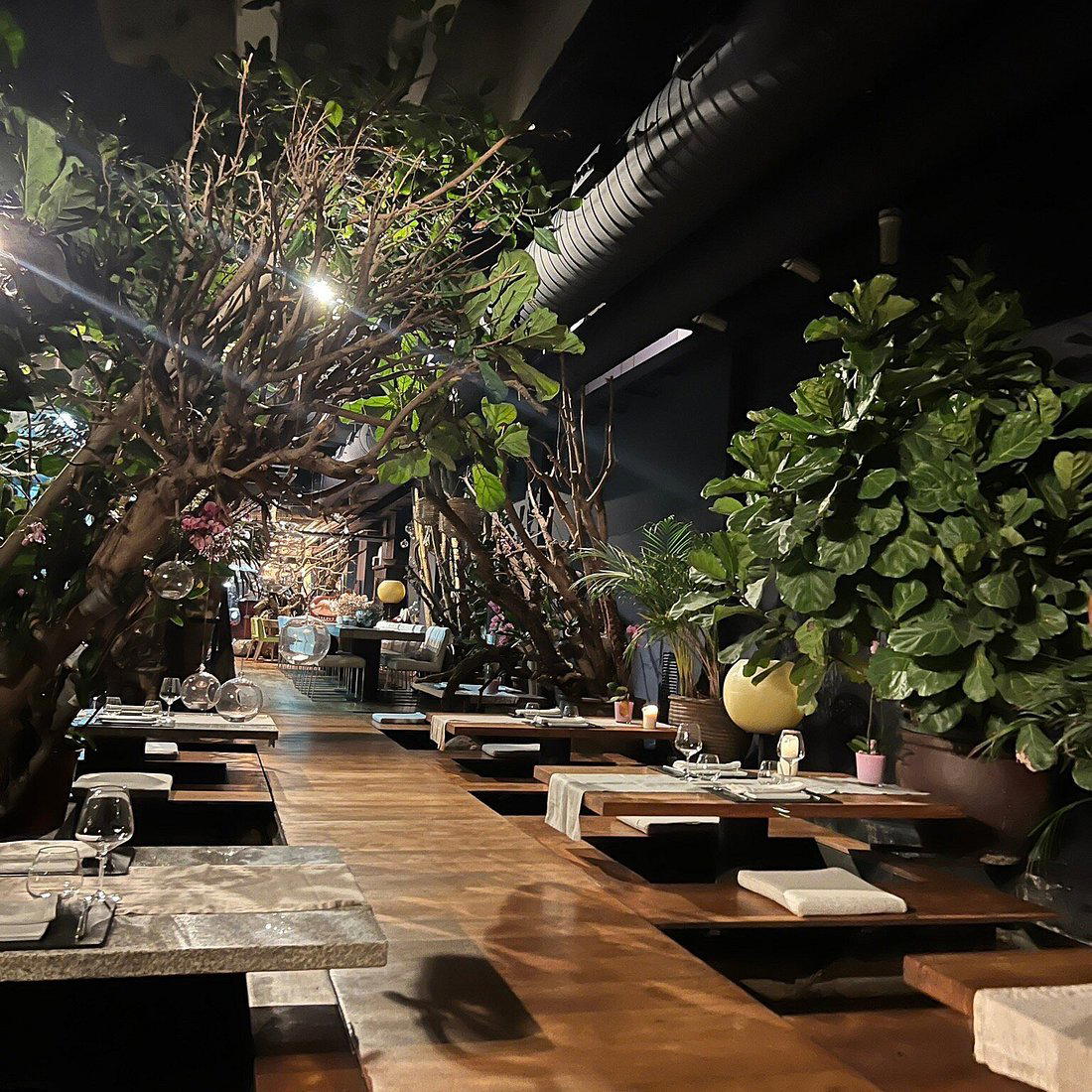
Where Eixample Meets Indochine
Carrer de Muntaner runs through Eixample's western flank with the quiet self-assurance of a neighbourhood that has never needed to announce itself. The grid here is residential and purposeful: modernista facades, wide pavements, the kind of street where a restaurant earns its audience through repetition rather than spectacle. It is into this context that Indochine Ly Leap arrives, a restaurant serving Southeast Asian Fusion (Vietnamese, Cambodian, Thai) in a district whose restaurant references run almost entirely toward Catalan and progressive Spanish cooking. That contrast is the starting point for understanding what the restaurant represents within Barcelona's wider dining map.
Barcelona's premium dining tier is dense with creative Spanish work. Disfrutar (Progressive, Creative), Cocina Hermanos Torres (Creative), ABaC (Creative), Lasarte (Progressive Spanish, Creative), and Enigma (Creative) occupy the upper registers of that conversation. Indochine Ly Leap is not competing in that category. It operates in a different register entirely, one where the cuisine's logic, pacing, and etiquette derive from a culinary tradition that predates the modern European tasting menu format by centuries.
The Logic of Indochinese Dining
Indochinese cooking, drawing on Vietnamese, Cambodian, Laotian, and the broader French Indochina culinary inheritance, does not proceed in the way a European tasting menu does. There is no single thread of escalating intensity, no amuse-bouche to pre-palate cleanse. Instead, the structure tends toward simultaneity and balance: dishes arrive to be shared, composed around contrasts of temperature, herb freshness, fermented depth, and textural register. The meal is a negotiation between the table rather than a performance directed at the individual diner.
That ritual logic matters at a restaurant like Indochine Ly Leap because it shapes how you should approach the meal. In cities like Paris, where Indochinese cuisine has a longer, more documented diaspora presence, diners arrive with a set of inherited expectations about how to order and pace. In Barcelona, that inherited knowledge is thinner, and the restaurant's role as a guide through the meal's architecture becomes correspondingly more significant. Choosing between dishes is not arbitrary: the balance of a table spread in this tradition depends on selecting across texture categories and cooking methods, not simply across protein types.
This is the dining mode that connects the restaurant to a broader pattern in how Southeast Asian restaurants operating outside their home region succeed or struggle. Those that communicate the ritual logic of their cuisine tend to build more loyal audiences than those that present it as a direct ethnic alternative to European dining. The difference between a transactional dinner and a genuinely satisfying one in this cuisine type is often whether the diner understands that individual dishes are not the point, the assembled table is.
Southeast Asian Cuisine in Barcelona's Context
Spain's fine dining conversation is predominantly domestic. The restaurants that draw international attention, El Celler de Can Roca in Girona, Mugaritz in Errenteria, Martin Berasategui in Lasarte-Oria, Azurmendi in Larrabetzu, Arzak in San Sebastián, DiverXO in Madrid, Aponiente in El Puerto de Santa María, Quique Dacosta in Dénia, Ricard Camarena in València, and Atrio in Cáceres, are Spanish in identity and European in framework. Asian cuisine in Barcelona operates largely beneath that altitude, serving a city that is cosmopolitan but not yet calibrated to expect premium-tier Asian dining in the same way that London, Paris, or New York does.
Globally, Indochinese cooking has earned serious critical attention. In New York, Korean fine dining venues like Atomix in New York City have demonstrated that Asian cuisines can anchor serious, award-recognised tasting formats, while establishments like Le Bernardin in New York City show the durability of European-inflected precision at the highest level. The question for Southeast Asian restaurants in Barcelona is whether the city's audience is developing the appetite, and the understanding of the cuisine's ritual structure, to support that tier of engagement.
The Eixample Address as a Signal
Location on Carrer de Muntaner, 82, places the restaurant in a part of Eixample that skews toward residents over tourists. This is not the Gothic Quarter, where footfall handles itself; it is the kind of address that requires diners to arrive with intent. That self-selection is meaningful. The audiences who find their way to Muntaner tend to be Barcelonans or repeat visitors with city knowledge, not first-night visitors working through a hotel concierge list. In culinary geography terms, it positions the restaurant as a neighbourhood destination rather than a tourist circuit stop, a distinction that tends to produce more engaged, return-oriented clientele.
For context on the broader dining scene across the city, the EP Club Barcelona restaurants guide maps the full range of options across neighbourhoods and cuisine types. The restaurant occupies a specific niche in that map: Southeast Asian cooking in a Spanish city where that cuisine type still operates without the scaffolding of a large established diaspora dining culture.
Planning Your Visit
Carrer de Muntaner is accessible from multiple metro lines, with the Eixample grid making the address walkable from most central Barcelona hotels. Direct contact through the restaurant is the practical path to confirming availability. For a cuisine type where table composition and group size shape the experience as much as individual ordering, arriving with a clear sense of how many are dining, and communicating any dietary restrictions in advance, will help the meal land as intended. Dietary accommodation in Indochinese cooking is contextually variable: some dishes are built around fermented fish-based sauces that are not immediately visible as allergen concerns, so explicit advance communication is more useful here than in many European cuisine categories.
Quick Comparison
Comparable venues nearby, for context on price, style, and recognition.
| Venue | Cuisine | Price | Notes |
|---|---|---|---|
| Indochine Ly LeapThis venue — the venue you are viewing | Southeast Asian Fusion (Vietnamese, Cambodian, Thai) | $$$ | Not listed |
| Robata | Modern Japanese Robatayaki with Mediterranean Fusion | $$$ | l'Antiga Esquerra de l'Eixample |
| Ajoblanco Restaurante & Coctelería | Modern Spanish Tapas & Cocktails | $$$ | Sant Gervasi - Galvany |
| Cafè de París | Classic French Bistro | $$$ | Sant Gervasi - Galvany |
| Carballeira | Galician Seafood | $$$ | Sant Pere, Santa Caterina i la Ribera |
| Solomillo | Premium Steakhouse | $$$ | la Dreta de l'Eixample |
Continue exploring
More in Barcelona
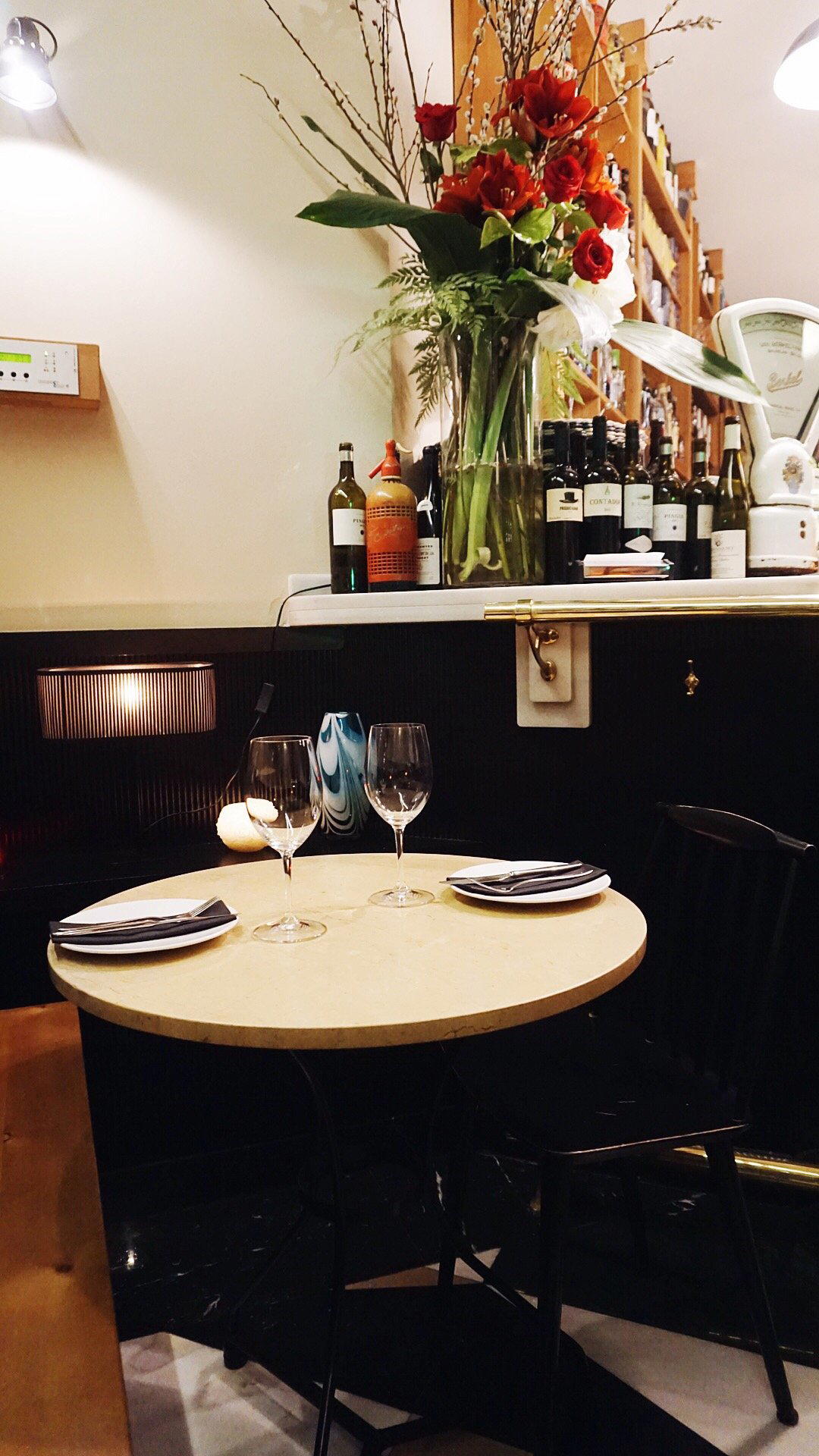
Restaurants in Barcelona
Browse all →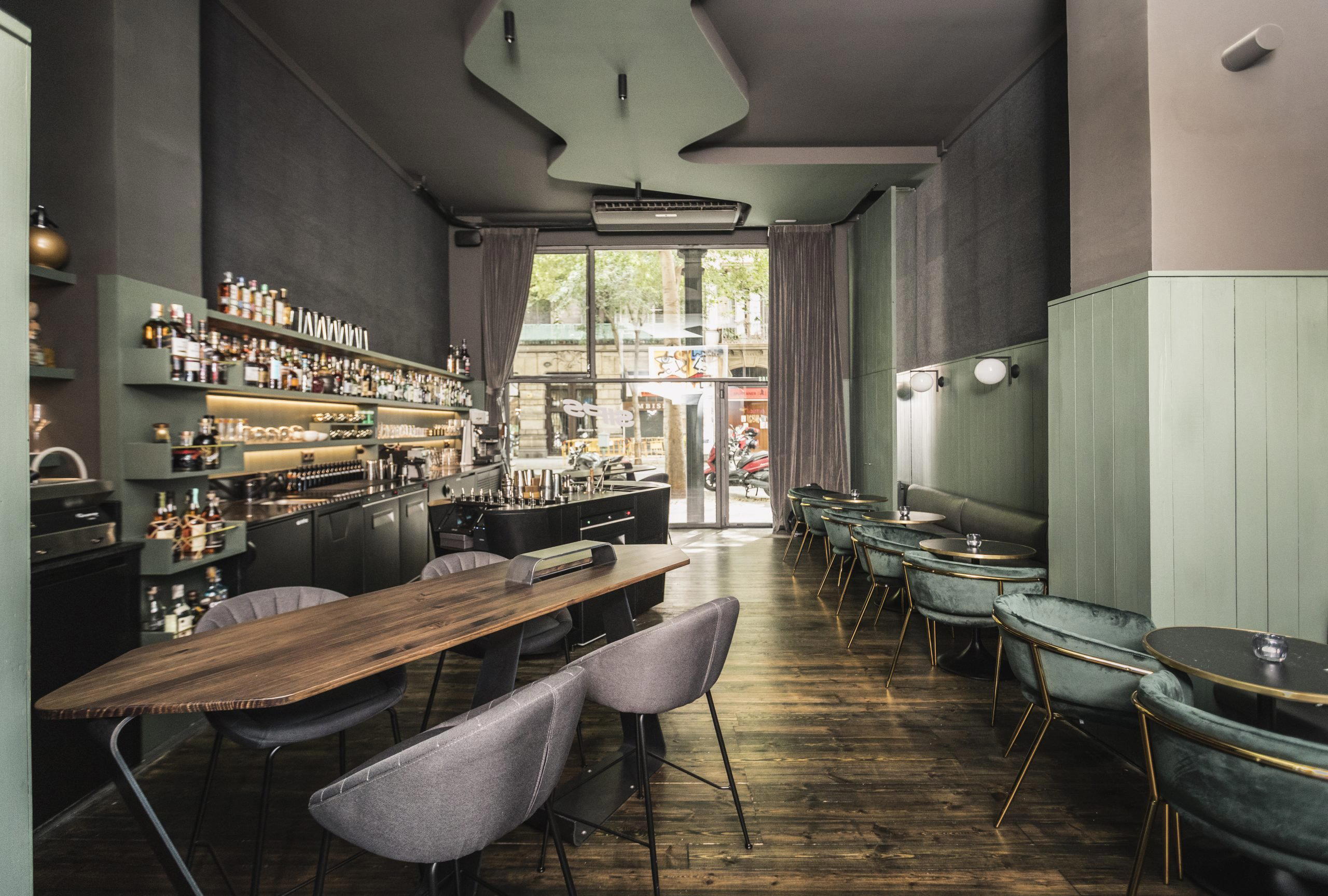
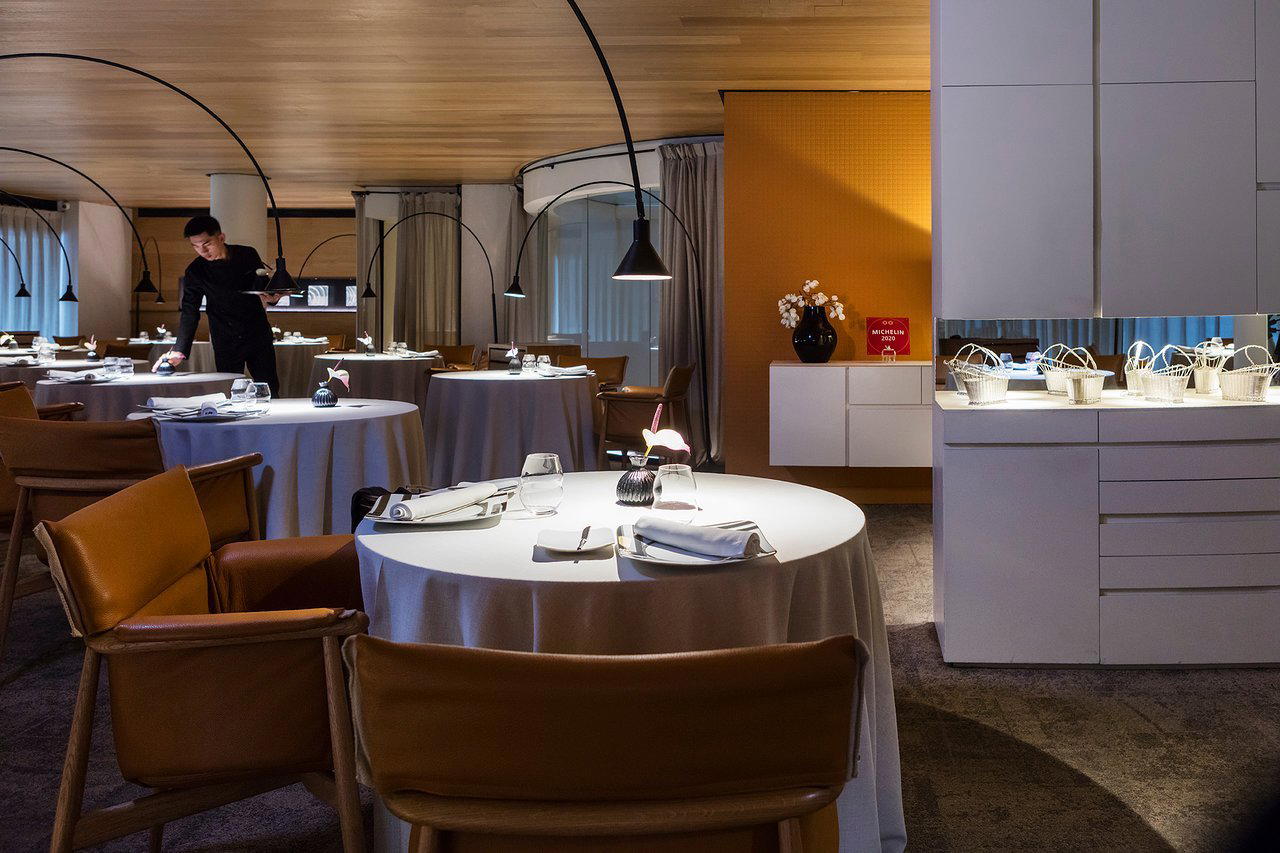
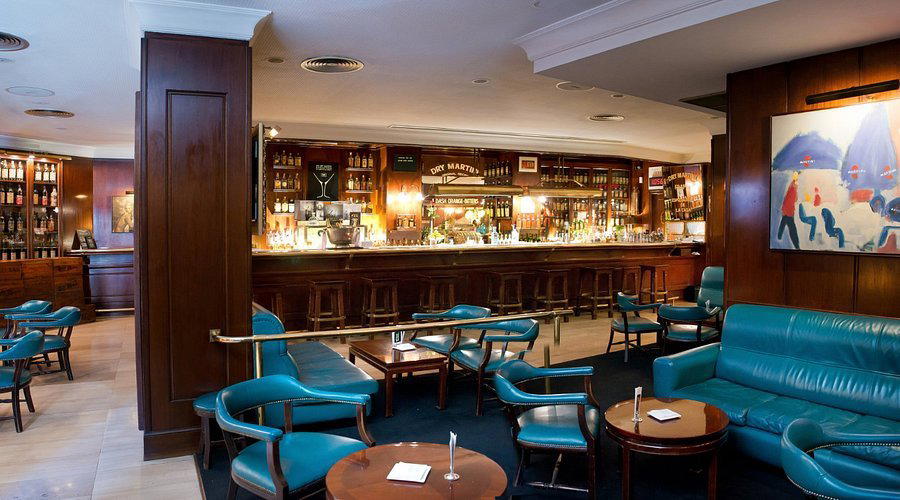
Bars in Barcelona
Browse all →
Hotels in Barcelona
Browse all →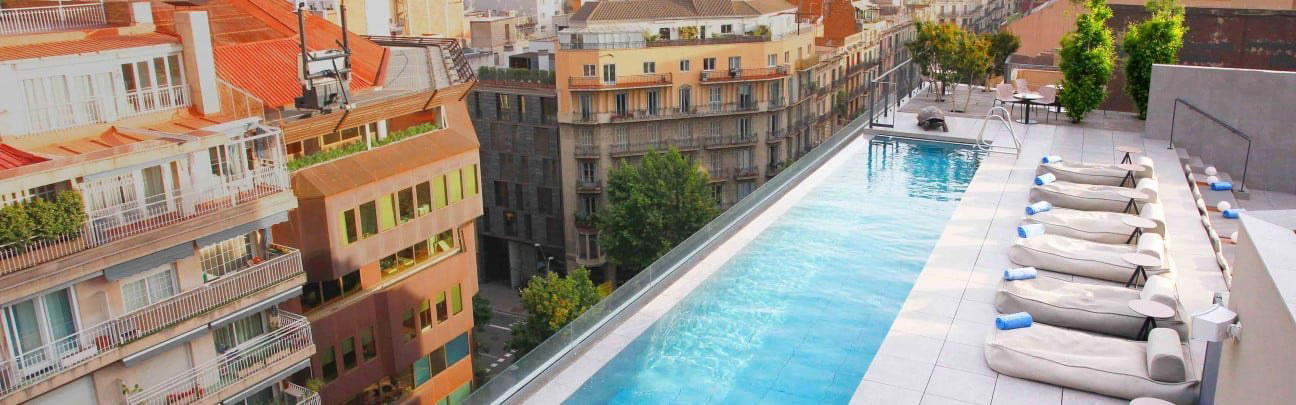
At a Glance
- Scenic
- Elegant
- Whimsical
- Romantic
- Sophisticated
- Date Night
- Special Occasion
- Celebration
- Business Dinner
- Garden
- Open Kitchen
- Design Destination
- Standalone
- Local Sourcing
- Garden
- Waterfront
Exotic urban jungle with natural light filtering through tropical plants, orchids, and water features; elegant and sophisticated with warm, welcoming mood enhanced by the sound of water and presence of live carp.