Indique
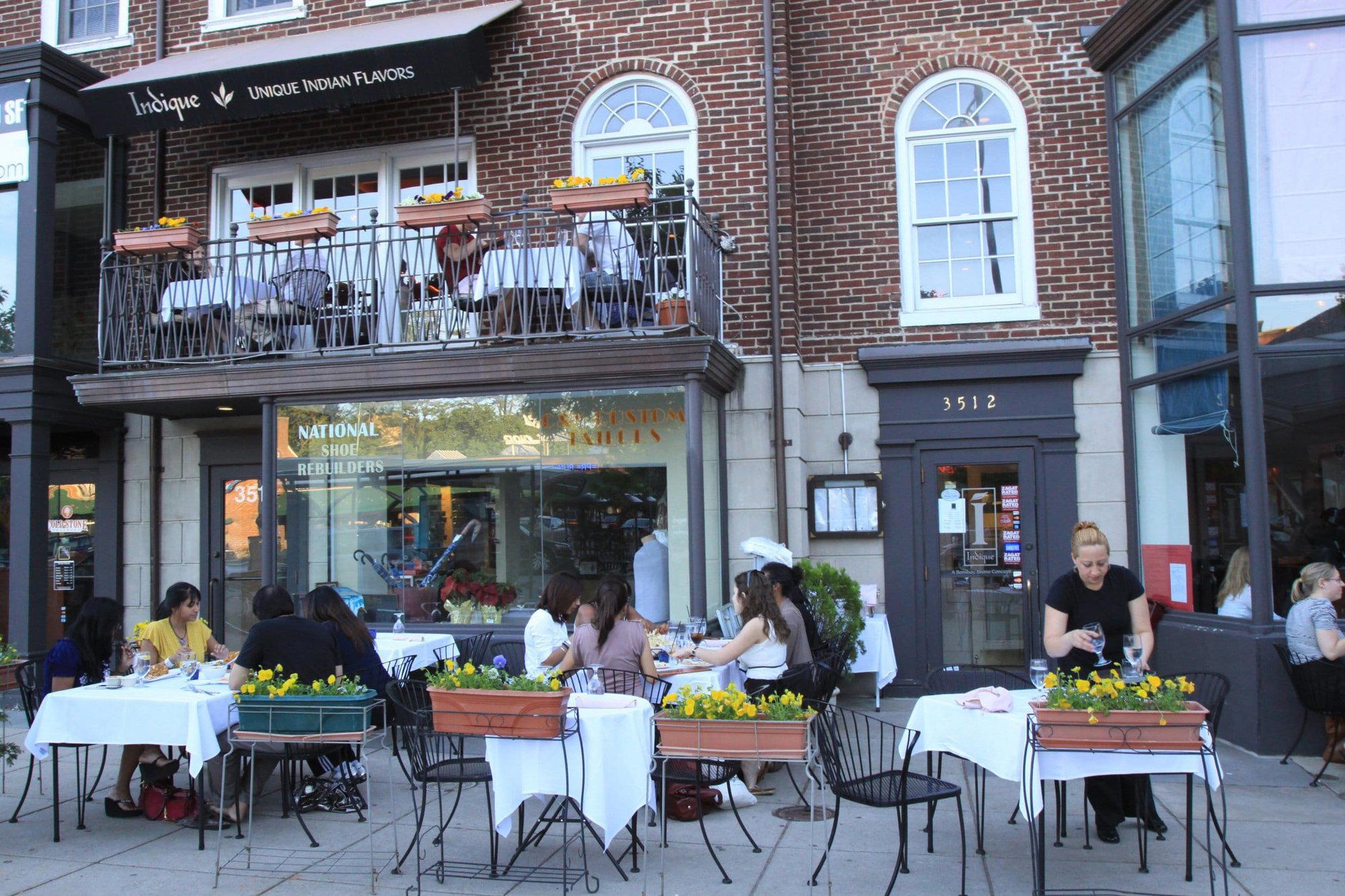
Indique on Connecticut Avenue NW has anchored Cleveland Park's Indian dining scene for years, drawing a loyal D.C. crowd with a regional Indian menu that reaches well beyond the subcontinental standards common across the city. Its address in one of Washington's quieter residential corridors puts it at some distance from the downtown dining cluster, which is precisely why regulars plan around it.
 Discover on Pearl
Pearl is the En Primeur Club membership app — saves, bookings, and concierge access live there. Same editors, same standards.
- Address
- 3512 Connecticut Ave NW, Washington, DC 20008
- Phone
- +12023186600
- Website
- dakshincuisine.com
Cleveland Park and the Quiet Case for Regional Indian Cooking
Connecticut Avenue NW above Woodley Park follows a particular rhythm: neighbourhood restaurants with loyal regulars, limited foot traffic from tourists, and a dining culture shaped more by residents than by expense-account meals. Indique is a Modern South Indian restaurant at 3512 Connecticut Ave NW, Washington, D.C., in Cleveland Park.
Indian cooking in the United States spent decades defined by a narrow set of dishes, most of them drawn from the Punjabi-Mughal tradition that dominated early South Asian immigration to North America. The tandoor-and-tikka masala template was restaurant shorthand, recognisable but geographically compressed. The last fifteen years have pushed back against that. Restaurants drawing on Kerala seafood preparations, Tamil Brahmin vegetarian traditions, Goan vinegar-braised meats, and the layered spice logic of Hyderabad have gradually built audiences in major American cities. Washington's growing South Asian professional population, one of the densest on the East Coast, accelerated that shift locally.
What Regional Indian Cooking Looks Like on a D.C. Menu
The markers of a kitchen reaching beyond the subcontinental standard are specific: spice blends that vary by region rather than defaulting to a single curry profile, cooking fats that shift from ghee to coconut oil depending on the dish's origin, and bread programs that include more than naan. Menus with these characteristics signal culinary range and a kitchen with genuine regional knowledge. Indique's position in Cleveland Park puts it in conversation with that category of Indian restaurant, distinct from the buffet-format lunch spots that remain common elsewhere in the city.
For comparison, D.C.'s broader upper-tier dining scene now includes restaurants like Albi, which brings Middle Eastern wood-fire cooking to the Navy Yard waterfront, and Causa, which applies Peruvian technique in a tasting-menu format. Oyster Oyster has made a case for plant-forward American cooking with sourcing discipline. These restaurants operate at a price point and format that positions them differently from Indique's neighbourhood-restaurant model, but they share a common trait: they take a specific culinary tradition seriously rather than approximating it for a general audience.
The Neighbourhood as Context
Cleveland Park was D.C.'s first streetcar suburb, developed in the late nineteenth century, and the commercial strip along Connecticut Avenue has maintained a residential-service character that Penn Quarter or Shaw have largely shed. Dining here is functional in the leading sense: restaurants exist to feed the neighbourhood, not to court the reservation-tourism circuit. That context shapes what Indique can be. A restaurant in this corridor that has built durable recognition has done so through repeat visits and word-of-mouth rather than through the kind of opening-week press attention that drives short-term traffic downtown.
The nearest Metro stop is Cleveland Park on the Red Line, making the restaurant accessible from most of the city without requiring a car. That access point connects it to the broader D.C. dining network: someone eating at Jônt in Georgetown or minibar downtown would cover similar travel time to reach Indique. The difference is the arrival: Connecticut Avenue at this stretch offers a lower-key approach than the valet-and-velvet-rope corridors closer to the city centre.
Indian Cuisine in the American Fine-Dining Conversation
Indian cooking has been slower than Japanese, French, or Italian traditions to earn recognition within American fine-dining frameworks, in part because the genre's complexity resists the tasting-menu format that Michelin and peer award systems tend to favour. A twelve-course progression built around Indian regional cooking requires navigating spice intensity, sauce weight, and bread sequencing in ways that differ fundamentally from European tasting-menu logic. Some kitchens have made that work, but the more common model for serious Indian restaurants in the U.S. remains the à la carte format, where dishes can be ordered in combinations that reflect how the cuisine actually functions at a table.
That format suits the way Indian food is eaten: shared, layered, assembled across the table rather than delivered sequentially to each diner. A restaurant that understands this serves dals and dry preparations alongside wet curries and rice dishes in a ratio that makes compositional sense, not just a list of items. The coherence of that offering is what separates a kitchen with genuine command from one working from a standardised template.
Across the country, the restaurants that have most successfully translated Indian regional cooking for American audiences include operations in New York, Chicago, and San Francisco, cities with larger South Asian populations and more developed critical infrastructure for evaluating the cuisine. Washington sits slightly behind those markets in terms of Indian restaurant density at the upper end, which makes the restaurants that have maintained a serious profile here more notable for doing so in a less competitive but also less supportive environment.
Planning Your Visit
| Venue | Cuisine | Price Tier | Neighbourhood | Format |
|---|---|---|---|---|
| Indique | Indian (regional) | $$ | Cleveland Park | À la carte (presumed) |
| Causa | Peruvian | $$$$ | Downtown | Tasting menu |
| Oyster Oyster | New American / Vegetarian | $$$ | Shaw | À la carte / prix fixe |
| Albi | Middle Eastern | $$$$ | Navy Yard | À la carte / sharing |
Transit: Cleveland Park Metro station (Red Line) is the standard arrival point. Street parking on Connecticut Avenue is metered and limited on weekday evenings. Reservations are recommended, particularly for weekend dinners.
Price Lens
Comparable venues nearby, for context on price, style, and recognition.
| Venue | Cuisine | Price | Awards | Notes |
|---|---|---|---|---|
| IndiqueThis venue — the venue you are viewing | Cleveland Park, Modern South Indian | $$ | , | |
| Malabar | Van Ness, Modern Southern Indian | $$ | , | |
| Rajaji | $$ | , | Woodley Park, Authentic Indian Fine Dining | |
| Otto Mediterranean | $$ | , | Georgetown, Modern Mediterranean with Turkish Influences | |
| Dawa | $$ | , | U Street Corridor, Modern Ghanaian Casual | |
| Purple Patch | Mount Pleasant, Filipino American | $$ | , |
Continue exploring
More in Washington DC
Restaurants in Washington DC
Browse all →
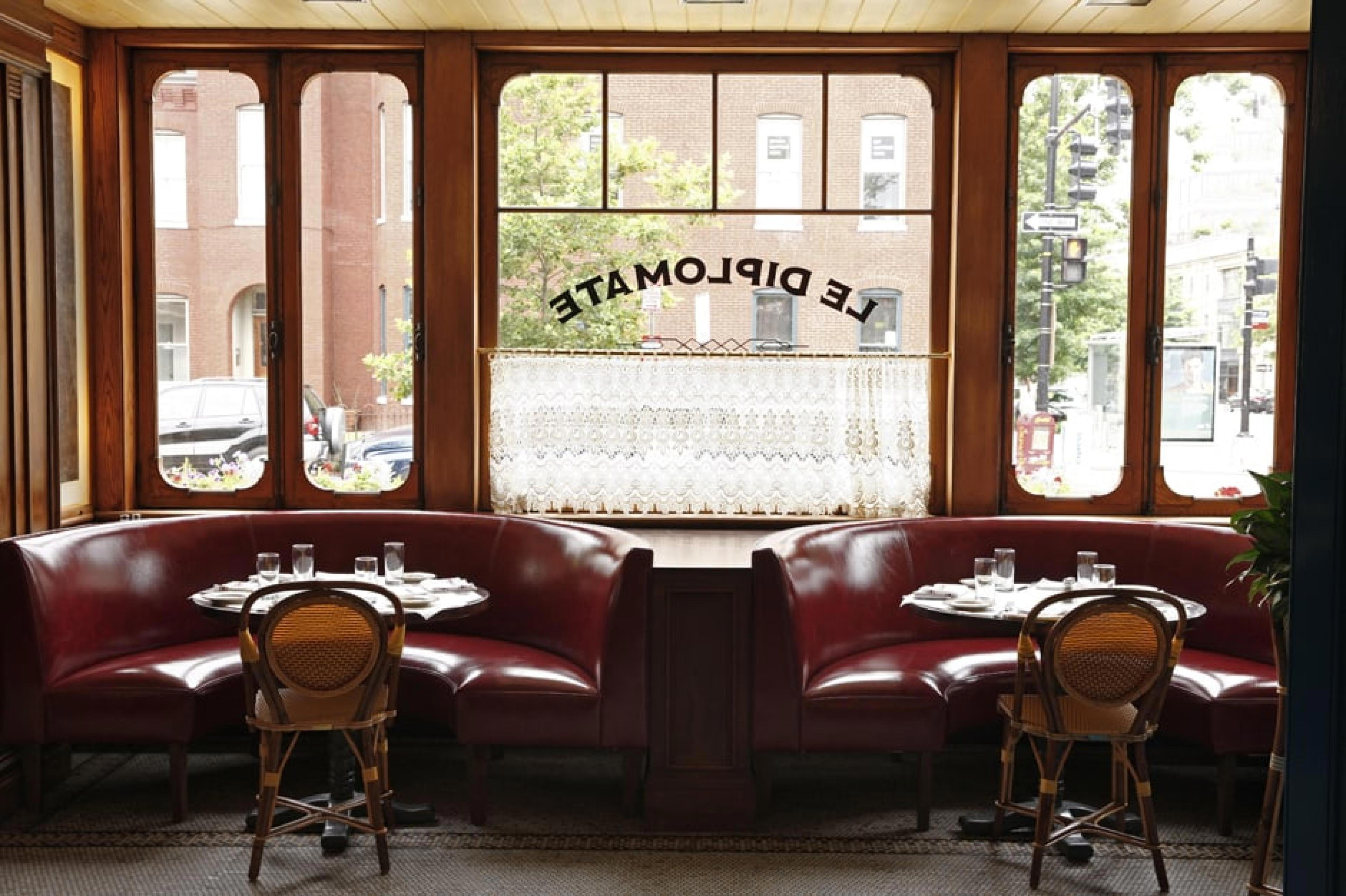
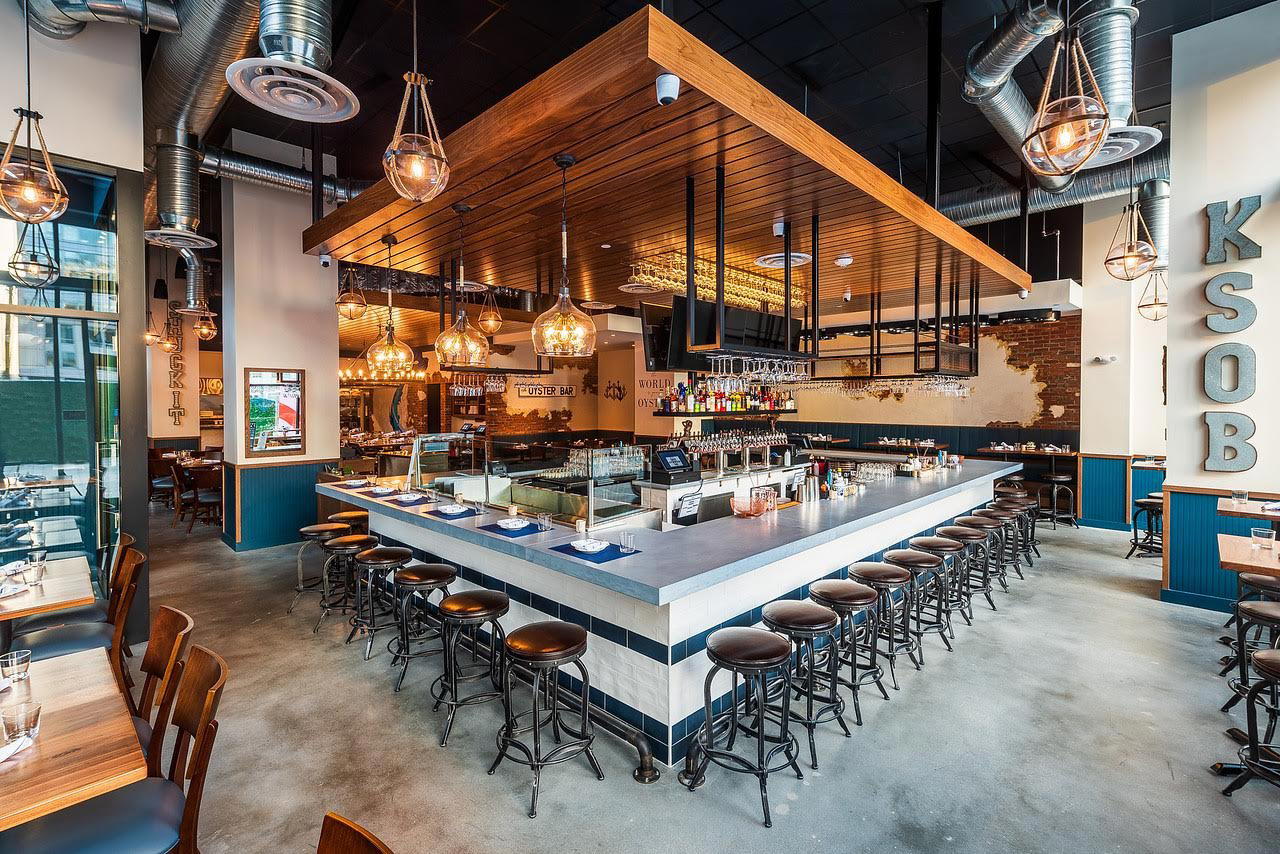
Bars in Washington DC
Browse all →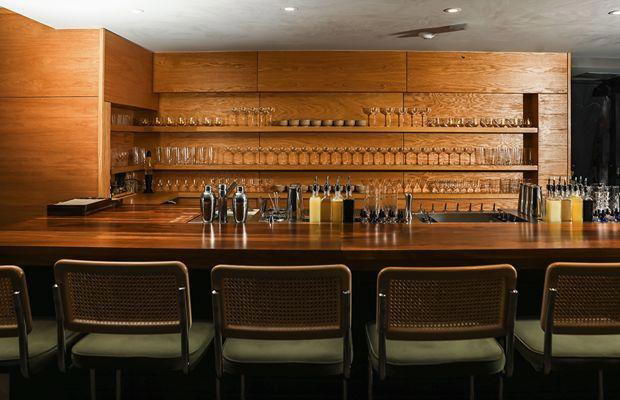
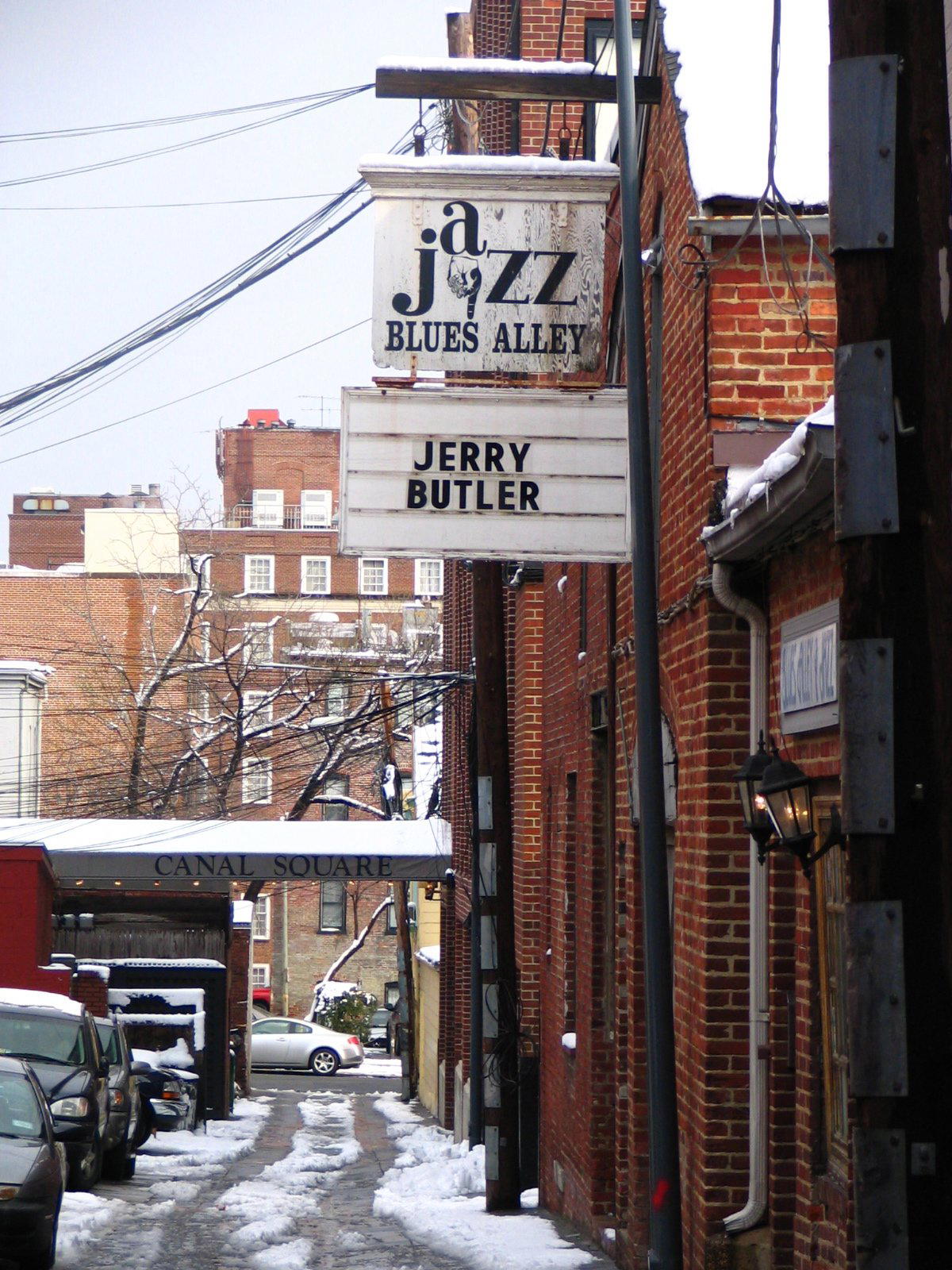
Hotels in Washington DC
Browse all →
At a Glance
- Elegant
- Cozy
- Date Night
- Craft Cocktails
- Street Scene
Lovely peaceful decor with vibrant atmosphere.