

Tabelog Silver #75
Our verdict
A ten-seat Italian counter in Kamimeguro operating on a referral-only reservation system, Megriva holds a Tabelog Award 2026 Silver and a 4.31 score, with review-based spending averaging JPY 20,000–29,999 per head at dinner. Chef Katsuaki Yoshida has earned consecutive placement on the Tabelog Italian Tokyo Top 100 in both 2023 and 2025, and the Opinionated About Dining ranking places it among Japan's top 250 restaurants.

Pearl is the En Primeur Club membership app, where members save venues, book tables and use the concierge.
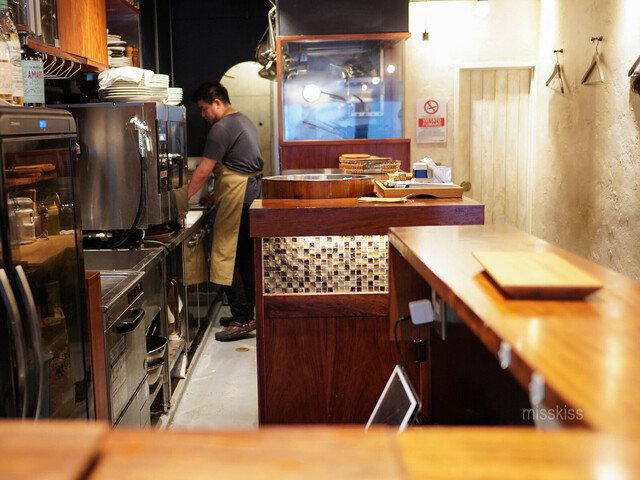
The menu
What to order
- Cold sea urchin capellini
- Burrata and peaches
- Wagyu beef cheek carpaccio
- Sea urchin omelette
- Swordfish fritto
Italian in Kamimeguro: The Counter Format That Changed the Conversation
Tokyo's Italian dining scene has, over the past decade, fractured into recognisable tiers. At one end sit the hotel-anchored, high-production rooms, think Gucci Osteria da Massimo Bottura Tokyo and the imported flagship format. At the other end, a quieter evolution has been happening in residential neighbourhoods: small-counter Italian restaurants where the format borrows from omakase culture, the seating is deliberately minimal, and access is gated not by price alone but by social network. Megriva, on a side street in Kamimeguro roughly 300 metres from Naka-Meguro station, belongs firmly to this second category. Ten seats. Reservation only. No new reservations currently accepted. Referral system in operation.
That last detail matters more than the awards, in some respects. Tokyo's referral-based dining culture is borrowed directly from the kappo and kaiseki world, where guest composition has long been considered part of the dining experience itself. Its migration into Italian cooking represents one of the more interesting cross-cultural transfers in contemporary Tokyo hospitality. Megriva sits at an interesting intersection in that shift, alongside peers like Principio and AlCeppo in Tokyo's tightly curated Italian tier.
The Awards Record
The credentials here are layered and consistent. Megriva holds the Tabelog Award 2026 Silver, a designation that places it in the upper tier of Tabelog's annual recognition programme, which draws on millions of Japanese-language reviews and scores rather than critic panels. Its Tabelog score of 4.31 is notable in context: on a platform where scores above 4.0 are rare and scores above 4.5 are reserved for a handful of institutions, 4.31 signals sustained performance across a large review base. The restaurant has also been selected for the Tabelog Italian Tokyo Top 100 in both 2023 and 2025, indicating consistency rather than a single strong year.
The Opinionated About Dining ranking, which aggregates critic and connoisseur opinion across global publications and databases, placed Megriva at number 222 in Japan in 2025, up from number 245 in 2024, a trajectory worth noting. It had previously held Highly Recommended status in 2023 before entering the ranked list. For the broader Japan picture, comparable ambition in different cuisines is represented by HAJIME in Osaka, Gion Sasaki in Kyoto, and Goh in Fukuoka.
The Wine Programme at a Ten-Seat Italian Counter
Editorial angle that makes Megriva most interesting to examine is not the food alone, it is the relationship between format and wine service at this scale. A ten-seat room with a referral-based guest model creates the conditions for a wine programme that operates very differently from a 60-cover trattoria. The guest list is known in advance. The per-head spend, based on actual review data, averages JPY 20,000–29,999 at dinner, considerably above the listed budget figure of JPY 6,000–7,999, which likely reflects a base menu price before wine. That gap between the two figures suggests wine contributes materially to the final bill, and in a room this small, wine selection can be calibrated to the specific table rather than averaged across an anonymous crowd.
Megriva's listed drink offering is wine, and in the context of intimate Italian counters in Tokyo, that typically means either a focused by-the-glass programme tightly integrated with the kitchen's output, or a short list of bottles selected to work across the arc of a multi-course menu. The referral system reinforces the logic: guests who arrive via recommendation are more likely to engage with wine service as part of the experience rather than an afterthought. This is a pattern visible across Tokyo's better Italian tables, Aroma Fresca operates at larger scale but with the same principle that wine pairing is structurally embedded in the meal, and it reflects the influence of Japan's sommelier culture, which has historically been among the most technically rigorous in Asia.
For comparison, Italian restaurants in other Japanese cities operating at equivalent award levels have developed distinct wine approaches: cenci in Kyoto has built a reputation for natural and low-intervention selections that mirror the kitchen's produce-first philosophy.
Kamimeguro as a Dining Address
The neighbourhood context adds another layer of meaning. Kamimeguro and the broader Nakameguro area have developed over the past decade into one of Tokyo's most considered dining precincts, distinct from the Michelin-dense clusters of Ginza or Minami-Aoyama. The area attracts a particular kind of restaurant: independently owned, architecturally considered, operating without the support of a hotel group or major hospitality company. It is the kind of neighbourhood where a ten-seat Italian counter with no website, no social media presence readily locatable, and no new reservations can sustain a Tabelog Silver and a top-250 OAD ranking. The audience is self-selecting; the word-of-mouth infrastructure is well-developed.
This positions Megriva differently from Tokyo's more legible Italian destinations. PRISMA occupies a more visible position in the city's Italian conversation. The Kamimeguro counter format is deliberately less legible, which is, for its guest base, the point. Visitors to Tokyo more accustomed to the Italian dining model in other Asian cities, say, 8½ Otto e Mezzo Bombana in Hong Kong, which operates at high visibility with a recognised international brand, will find Megriva at the opposite end of the accessibility spectrum.
Chef Katsuaki Yoshida and the Counter Kitchen
Chef Katsuaki Yoshida is the named figure behind Megriva. In the context of Tokyo's small-counter Italian format, the chef's role at a ten-seat table is necessarily more visible than in a larger brigade kitchen, the counter format places the kitchen's work directly in the guest's sightline, which has implications for both pacing and the relationship between cook and diner. This structural dynamic, borrowed from sushi and kappo traditions, is what gives Tokyo's Italian counter restaurants their particular character. The food arrives as a sequence; the guest observes its preparation; the conversation, when it happens, is specific rather than ambient. The awards record under Chef Yoshida suggests the kitchen has executed this format with sufficient consistency to sustain two years of Top 100 placement and an upward OAD trajectory.
For those building a broader Tokyo itinerary across different dining registers, our full Tokyo restaurants guide covers the city's range in depth. The Tokyo hotels guide, bars guide, experiences guide, and wineries guide offer further context for structuring time in the city. Elsewhere in Japan, akordu in Nara, 1000 in Yokohama, and 6 in Okinawa each represent distinct regional approaches to high-commitment dining outside the major urban centres.
Know Before You Go
- Address: Fieldstone 104, 1-10-5 Kamimeguro, Meguro-ku, Tokyo
- Access: Approximately 300 metres from Naka-Meguro station
- Reservations: Reservation only; no new reservations currently accepted; referral system in operation
- Dinner spend (review-based average): JPY 20,000–29,999 per person
- Listed dinner budget: JPY 6,000–7,999 (base menu; wine additional)
- Seats: 10
- Payment: Credit card accepted (VISA, JCB, AMEX); electronic money and QR code payments not accepted
- Private rooms: Not available; full private hire available
- Smoking: Non-smoking throughout
- Drink: Wine
- Phone: +81-3-6416-1344
Frequently asked questions
What distinctions does Megriva have?
Megriva has received recognition including:
What should I order at Megriva?
Megriva operates reservation-only at a ten-seat counter with no publicly listed à la carte menu, so the format itself dictates the experience: the kitchen sets the course. Review-based spending on Tabelog averages JPY 20,000–29,999 per person at dinner, which suggests a multi-course progression rather than individual selection. Chef Katsuaki Yoshida leads the kitchen, and the counter model places his decisions, not the diner's, at the centre of the meal. Access itself runs through a referral system, so arriving with a personal introduction is the prerequisite before any food question applies.
How do I find Megriva?
Megriva is located at Japan, 〒153-0051 Tokyo, Meguro City, Kamimeguro, 1 Chome−10−5 104, Tokyo.
Is Megriva chef-led?
The chef associated with Megriva is Katsuaki Yoshida.
Recognition, Side-by-Side
Comparable venues nearby, for context on price, style, and recognition.
| Venue | Cuisine | Price | Awards | Notes |
|---|---|---|---|---|
| MegrivaThis venue (the venue you are viewing) | Modern Italian Coastal | $150–200 | Tabelog Silver #75 | Not listed |
| TACUBO Shirokanedai | Wood-Fired Italian | $200–300 | Michelin Plate · Tabelog 100 #95 | Minato |
| Incanto | Elevated Regional Italian | $150–200 | Gambero Rosso 2 Bottiglie · Tabelog 100 #29 | Minato |
| Ristorante Hamasaki | Refined Italian | $150–200 | Tabelog 100 #21 | Shibuya |
| Appia | Authentic Italian Fine Dining | $150–200 | Not listed | Minato |
| Il Pregio | Modern Sensory Italian | $100–150 | Tabelog 100 #64 | Shibuya |
Recognition history
Dated appearances from independent guides and award organizations, with the underlying list record or original source where available.
Opinionated About Dining Top Restaurants in Japan Recommended
Opinionated About Dining
Tabelog Silver #75
Tabelog
Full recognition history (6 entries)
Opinionated About Dining Top Restaurants in Japan Ranked #222
Opinionated About Dining
Tabelog 100 #81 · No. 81
Tabelog · Tabelog 100 - Italian - TOKYO - 2025
Opinionated About Dining Top Restaurants in Japan Ranked #245
Opinionated About Dining
Opinionated About Dining Top Restaurants in Japan Highly Recommended
Opinionated About Dining
Continue exploring
More in Tokyo
Restaurants in Tokyo
All restaurants in Tokyo →
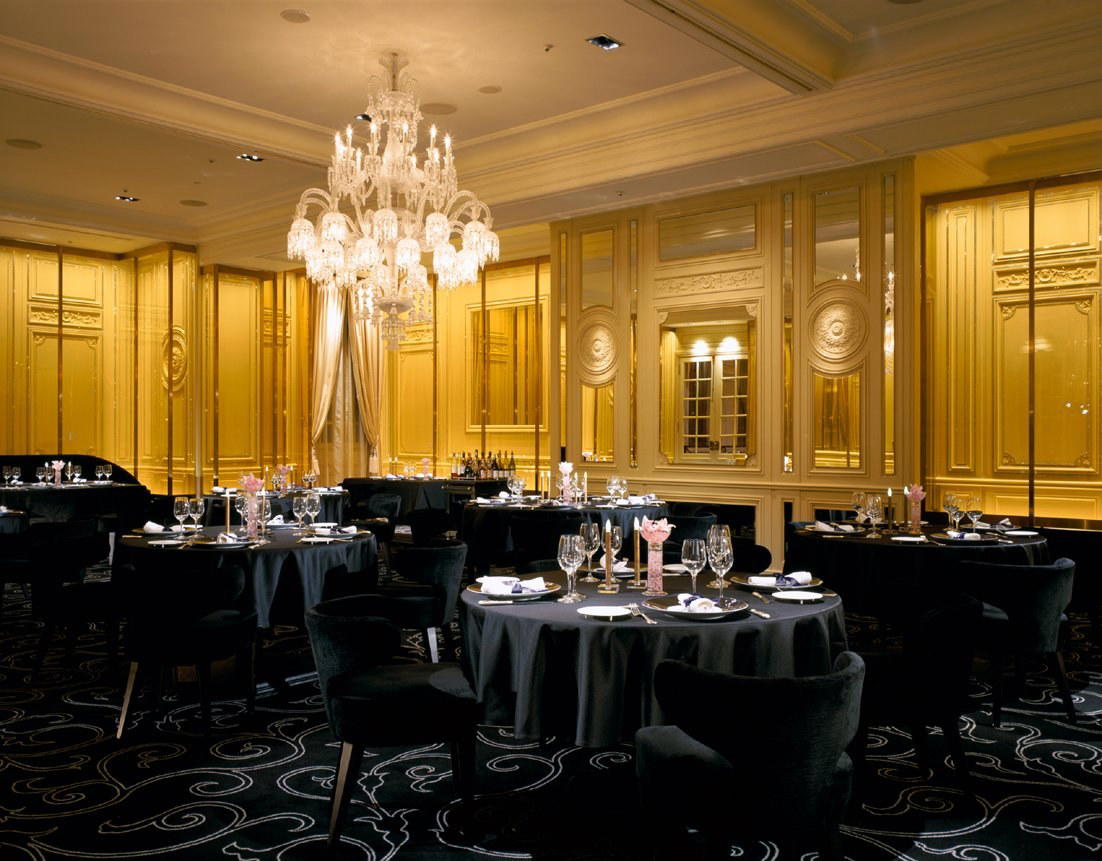



Bars in Tokyo
All bars in Tokyo →
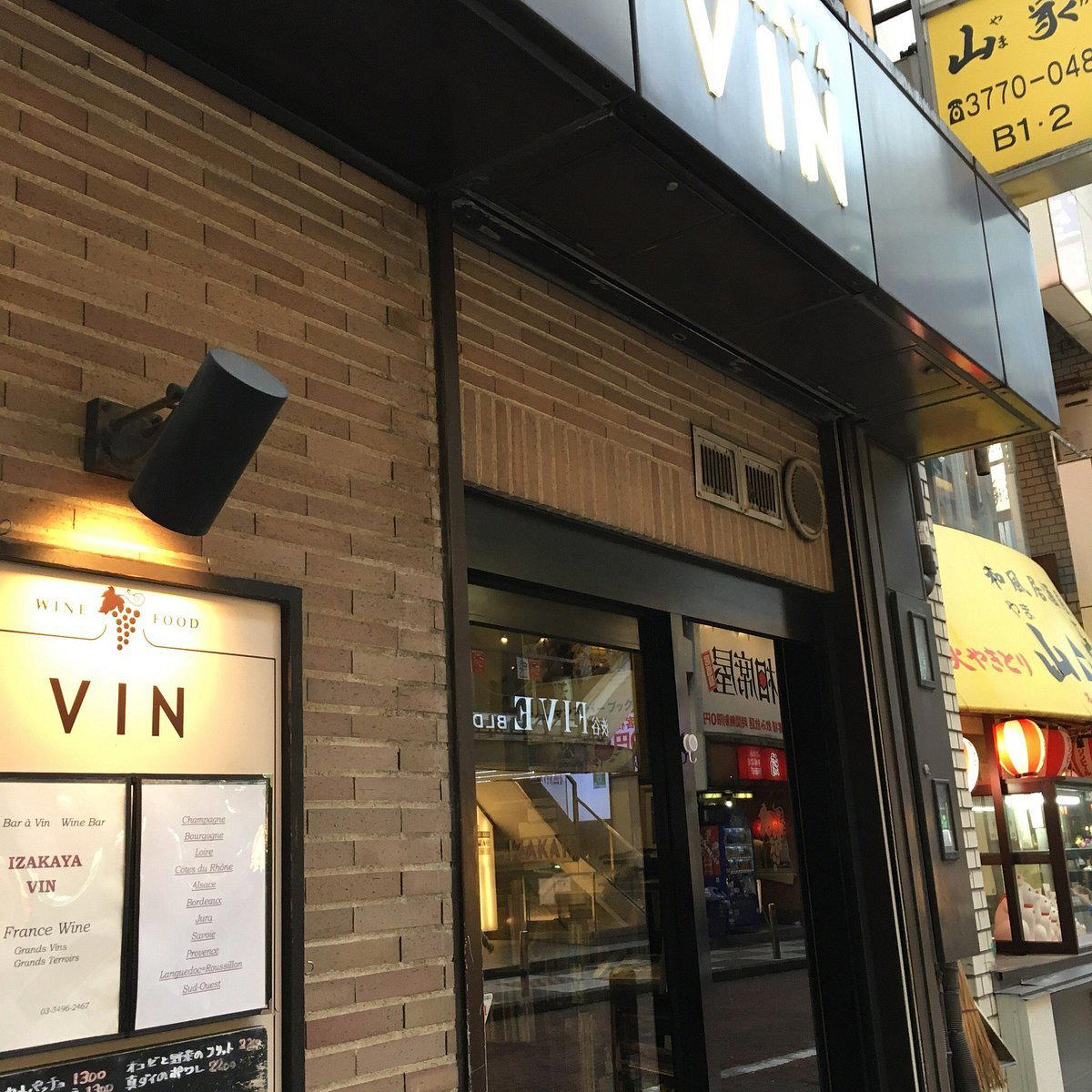
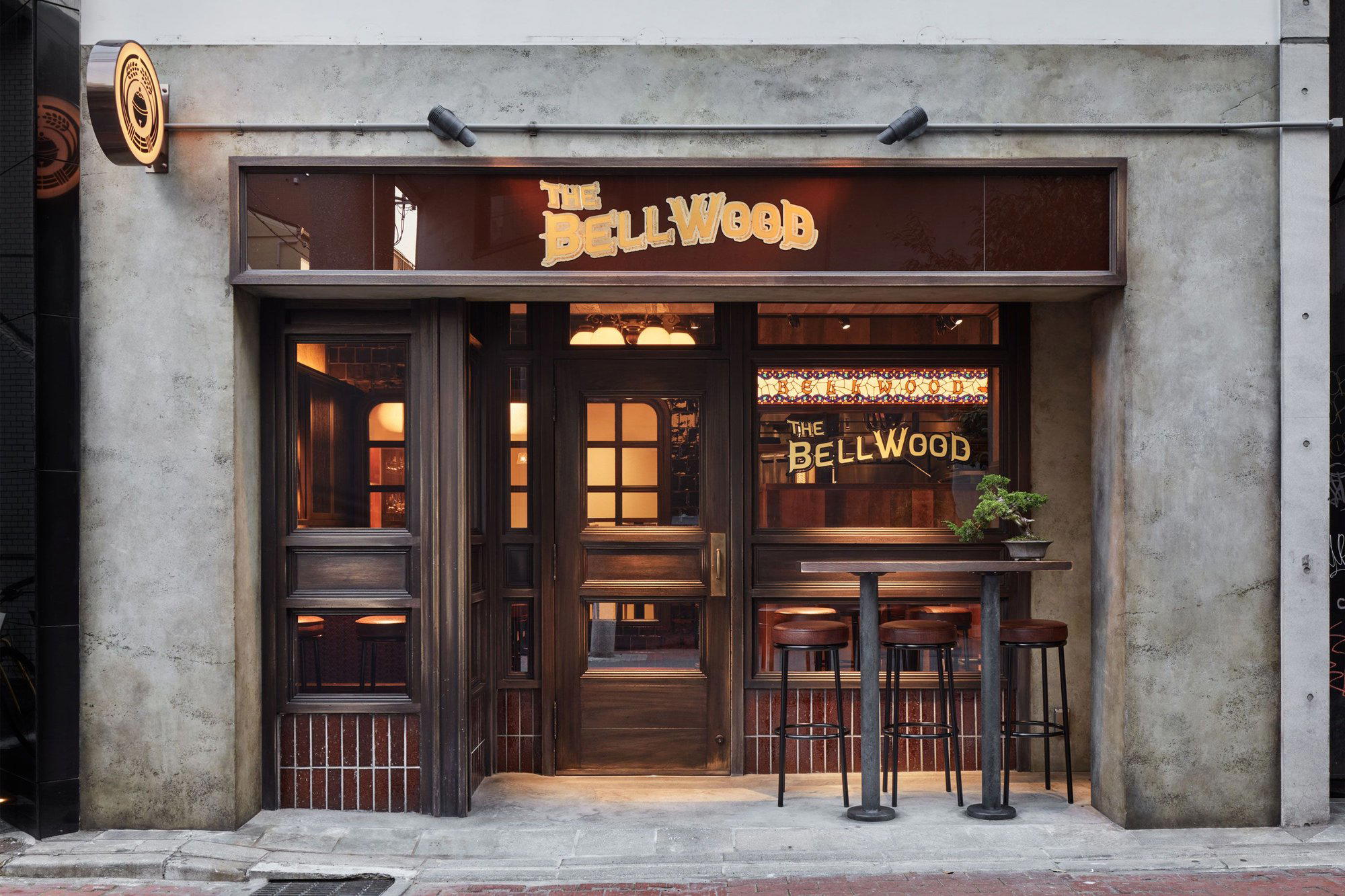




Details
- Intimate
- Elegant
- Sophisticated
- Quiet
- Scenic
- Date Night
- Special Occasion
- Celebration
- Chefs Counter
- Open Kitchen
- Standalone
- Extensive Wine List
- Natural Wine
- Sommelier Led
- Local Sourcing
- Sustainable Seafood
- Counter Dining
- A La Carte
- Natural Wine
- Maritime Driven Whites
- Champagne
- Pescatarian Friendly
Serene and tactile with bleached wood, stone warmed by candlelight, and textiles; candlelit dining room that softens as twilight drifts across the horizon with quiet, choreographed service.